


Guides/A Riffiter guide
Post-rock beyond the crescendo
No quiet-loud-quiet, no tremolo fireworks: nine records from the genre's stranger first life.
Before post-rock hardened into a crescendo formula, it was a loose 1990s experiment in using rock instruments for non-rock ends. This guide collects nine albums from that first life, Bark Psychosis's Hex (1994), the record the term was coined for, Tortoise's Millions Now Living Will Never Die (1996), Disco Inferno's D.I. Go Pop (1994), plus the strange places it went next.
Say "post-rock" today and people picture a delay pedal crescendo with a sad film looping behind it. But when critic Simon Reynolds coined the term in 1994 (reviewing Bark Psychosis's Hex) it meant something more open: bands using guitars, as he put it, for texture and timbre rather than riffs and power chords.
The first wave was jazzy, electronic, quiet, occasionally danceable, and almost never climaxed on cue. These nine records are that other post-rock, the one that still sounds like the future.
- 1
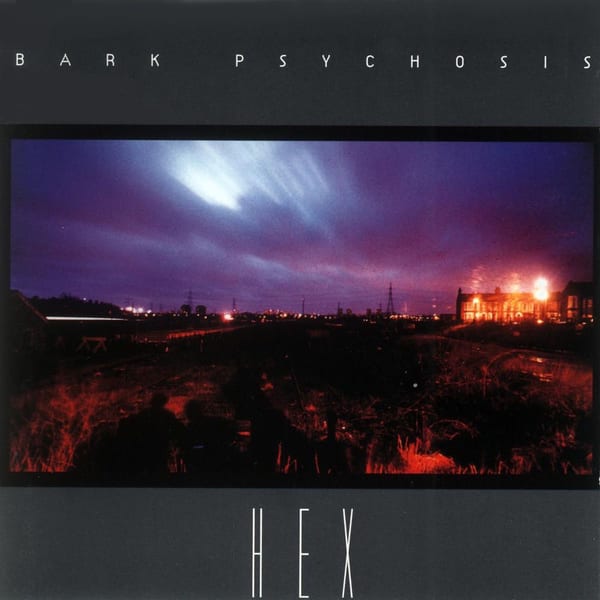
Hex
Be the first to rate—The record the genre was named for. Hex (1994) was assembled in a London church from hushed vocals, dub bass, vibraphone and dread, songs that move like fog. Thirty years on, nothing else sounds quite like it, including most of post-rock.
- 2
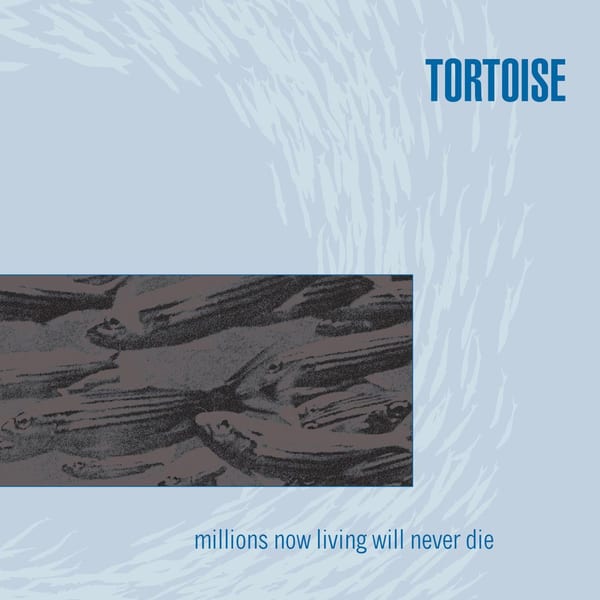
Millions Now Living Will Never Die
Be the first to rate—Chicago, 1996: dub, krautrock, minimalism and library jazz folded into instrumental music with no interest in catharsis. The 21-minute opener "Djed" rebuilds itself mid-track like a city changing zoning laws. The American pole of the first wave.
- 3
D.I. Go Pop by Disco Inferno (1994)
Three Essex kids wired samplers to their instruments so every strum and drum hit triggered a sound, breaking glass, rain, crowds. D.I. Go Pop is one of the most radical guitar records ever made, ignored in 1994, canonized by exactly the people this guide is for.
- 4
Mi media naranja
Be the first to rate—Richmond, Virginia, 1997: twangy guitar, analogue synth and strings moving at dusk speed. Labradford founded their own festival (Festival of Drifting) because nothing else fit. The missing link between post-rock and ambient country, two decades early.
- 5
- 6
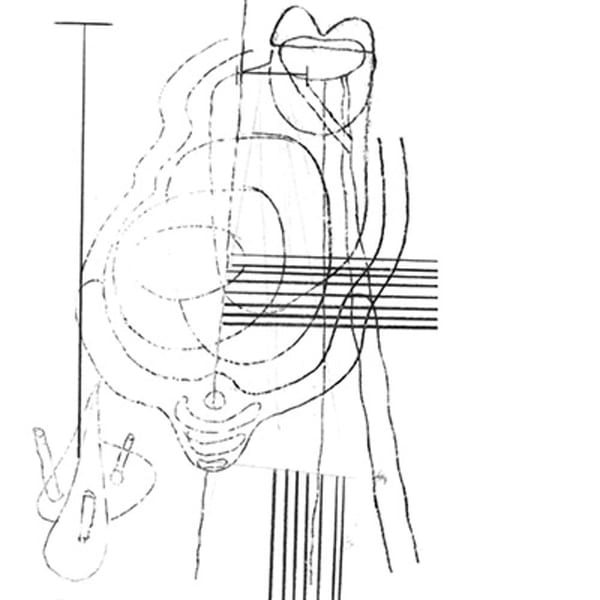
Camoufleur
Be the first to rate—David Grubbs and Jim O'Rourke's 1998 finale: American primitive guitar, musique concrète edits and horn charts in songs that feel hand-built. The bookish, daylight end of post-rock, and one of the 90s' most quietly perfect records.
- 7
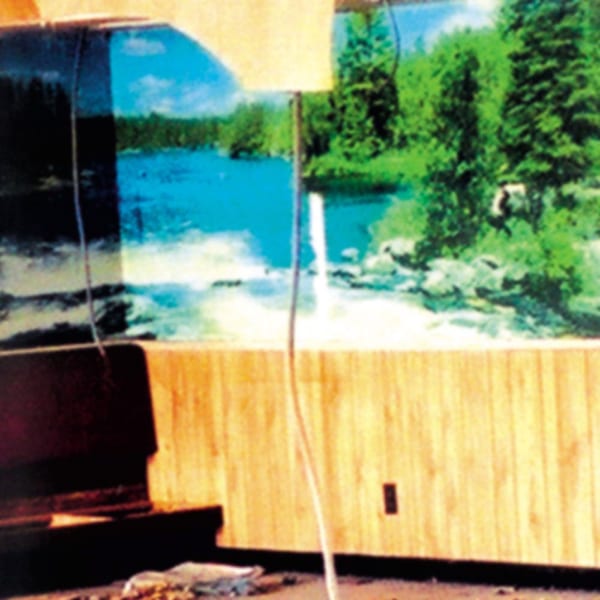
& Yet & Yet
Be the first to rate—From the Constellation stable that produced Godspeed, but warmer-blooded: & Yet & Yet (2002) grooves on double drums and horns instead of marching to a climax. The proof that even crescendo country contained multitudes.
- 8
Cold House by Hood (2001)
Leeds brothers fold IDM glitch and guest verses from Anticon rappers into rainy English pastoral. Cold House is post-rock as weather report, fragile, clicking, quietly devastating. Long out of step, now obviously ahead of its time.
- 9
Music for Egon Schiele by Rachel's (1996)
Louisville's Rachel's wrote this for a theater production about the Austrian painter: piano, viola and cello, no rock instruments at all, and it's still post-rock, because the genre was always a stance, not a lineup. The doorway to every chamber-music crossover since.

Explore the sound
Artists in this guide
Read next
Best shoegaze albums: sixteen records that hid the song inside the noise
From My Bloody Valentine's Loveless to the American revival — the foundational shoegaze canon, ranked.
The best albums of 1996: the year the weird stuff got funded
Twenty-one records from the last moment major labels and basement labels were both paying for the deep end. Ranked.
Jazz fusion: the essential albums of the electric decade
From Bitches Brew to Bright Size Life: fifteen records from the years jazz plugged in.
Bossa nova beyond 'The Girl from Ipanema': the essential albums
Seventeen records, 1959 to 1977, for anyone whose bossa shelf is one Stan Getz album deep.
Got your own ranking? Build a list or tier of your own.