


Guides/A Riffiter guide
Ethio-jazz: from Swinging Addis to the global revival
Mulatu Astatke invented it. The Derg curfews nearly buried it. A French reissue series dug it back up. Fourteen records that map Ethiopia's pentatonic golden age and its long second life.
Ethio-jazz is the fusion of American jazz and funk with the five-note modes of Ethiopian music, codified by vibraphonist Mulatu Astatke after he studied at Berklee in the 1960s. This guide traces it across fourteen albums, from the Swinging Addis golden age of Mahmoud Ahmed and Alèmayèhu Eshèté, through the Éthiopiques reissue series that rescued the scene, to the revival led by Hailu Mergia, Imperial Tiger Orchestra and Akalé Wubé.
For about half a decade, roughly 1969 until the 1974 revolution, Addis Ababa had a nightlife that could hold its own anywhere. Bands backed crooners in hotel ballrooms, the producer Amha Eshèté pressed records in defiance of an imperial state monopoly, and a Berklee-trained vibraphonist named Mulatu Astatke worked out how to bend American jazz around the pentatonic scales of Ethiopian song. He called the result ethio-jazz.
Then the Derg seized power. Curfews emptied the clubs, and most of these musicians scattered or fell silent. The music might have stayed buried if a French label hadn't started reissuing it in 1997. The Éthiopiques series turned a forgotten scene into one of the most loved corners of RateYourMusic, and a generation of European bands grew up wanting to play it.
The albums below run in rough order, from the golden age through the rediscovery to the revival. A few are compilations, because that is how most of this music survived. Start with Mulatu, then wander.
- 1
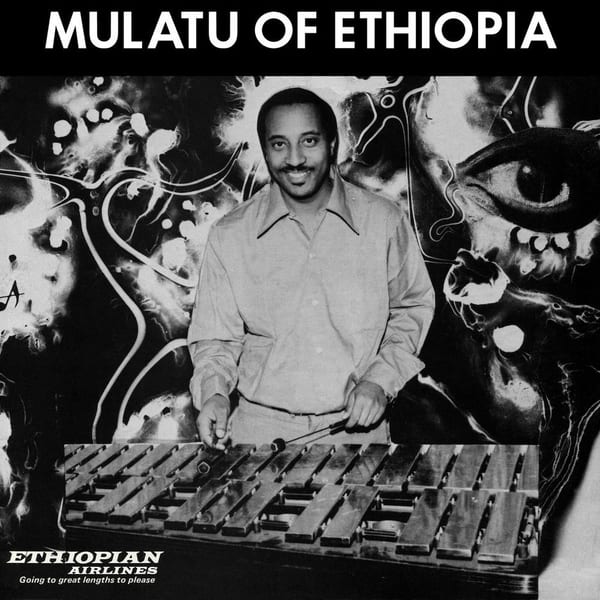
Mulatu of Ethiopia
Be the first to rate—Recorded in New York for the tiny Worthy label in 1972, this is where ethio-jazz stops being an experiment and turns into a style. Astatke had studied vibraphone and percussion at Berklee, then went hunting for a way to play Ethiopian melodies over a hard-bop rhythm section and Latin congas. The music moves like a slow procession, all minor-key haze and tuned percussion. If you hear one record from this whole list, make it this one.
- 2

Ethio Jazz
Be the first to rate—Cut in Addis in 1974 for Amha Eshèté's pioneering label, this is the home-turf companion to the New York sessions. Where Mulatu of Ethiopia has a cool downtown sheen, the Addis recordings feel hotter and closer, the horns blurry, the organ pushed up front. It names the genre and then proves it in twelve tracks.
- 3

ERÉ MÉLA MÊLA
Be the first to rate—Mahmoud Ahmed sang for the Imperial Bodyguard Band before going solo, and his voice has a quaver that lands somewhere between a call to prayer and a soul shout. He recorded Erè Mèla Mèla in 1975, and it barely travelled until Belgium's Crammed Discs reissued it in 1986, at which point Western listeners discovered an entire pop culture they had never heard. This is the record that lit the fuse on the whole rediscovery.
- 4
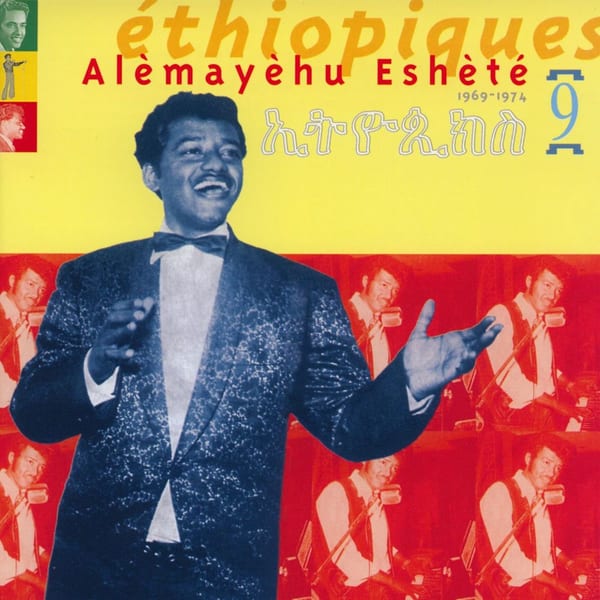
Ethiopiques, Vol. 9: Alèmayèhu Eshèté 1969-1974
Be the first to rate—They called Alèmayèhu Eshèté the Ethiopian Elvis, pompadour included, and the nickname undersells him. Over James Brown horn charts and greasy organ vamps cut in late-60s Addis, he sings hard Amharic soul that still sounds combustible fifty years on. This ninth Éthiopiques volume gathers his fiercest singles from the years just before the curfews shut the clubs for good.
- 5
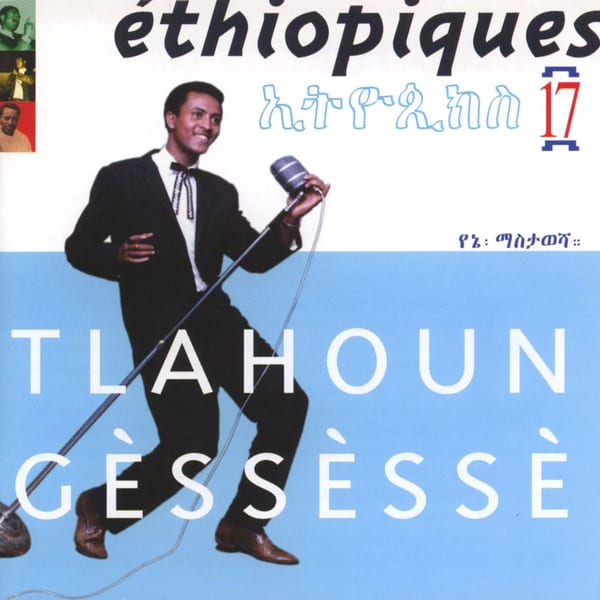
Ethiopiques, Vol. 17: Tlahoun Gèssèssè
Be the first to rate—If Alèmayèhu was the showman, Tlahoun Gèssèssè was the singer the whole country agreed on. He fronted the Imperial Bodyguard and Police orchestras and became the defining male voice of the golden age, equally at home with a tearjerker and a stomper. Volume 17 collects the lush, brass-heavy sides that made him a national figure before the revolution broke the scene apart.
- 6
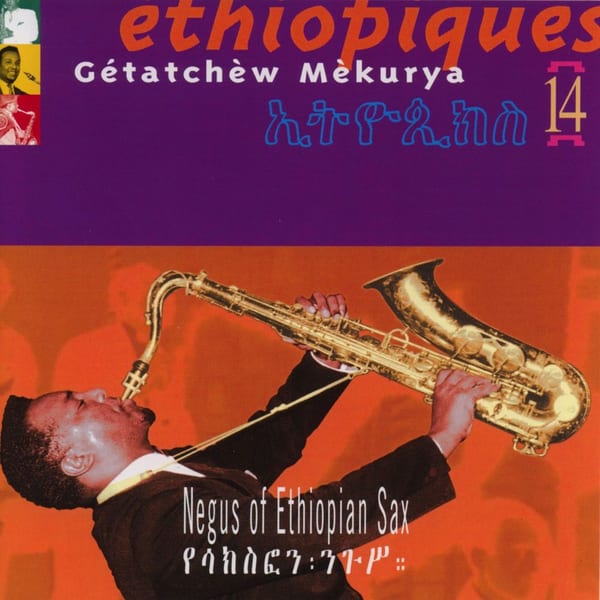
Ethiopiques, Vol. 14: Negus of Ethiopian Sax
Be the first to rate—Getatchew Mekurya took the shellela, a wordless Ethiopian war chant, and blew it through a tenor saxophone, arriving at a free-honking sound he had worked out by the early 1960s without ever hearing Albert Ayler. The punks eventually caught up: the Dutch anarcho group The Ex toured and recorded with him on 2006's Moa Anbessa. This collection is the proof that he invented his version of free jazz on his own terms, years earlier.
- 7
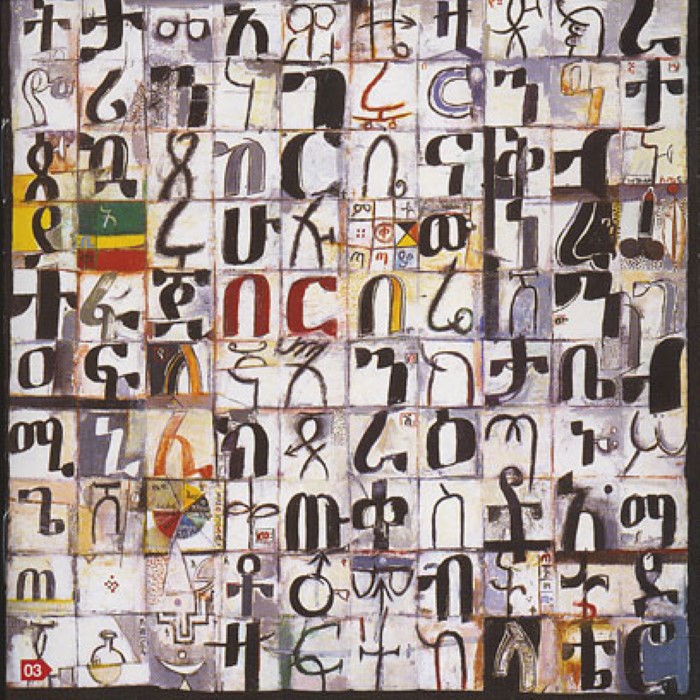
Inspiration Information, Volume 3
Be the first to rate—Strut's Inspiration Information series pairs a veteran with a younger band, and the third installment put Astatke in a London studio with the psych-funk crew The Heliocentrics in 2009. It comes out heavier and dustier than his 70s work, the vibraphone drifting over fat breakbeats. This is the album that handed ethio-jazz to crate-diggers who came up on Madlib instead of Coltrane.
- 8
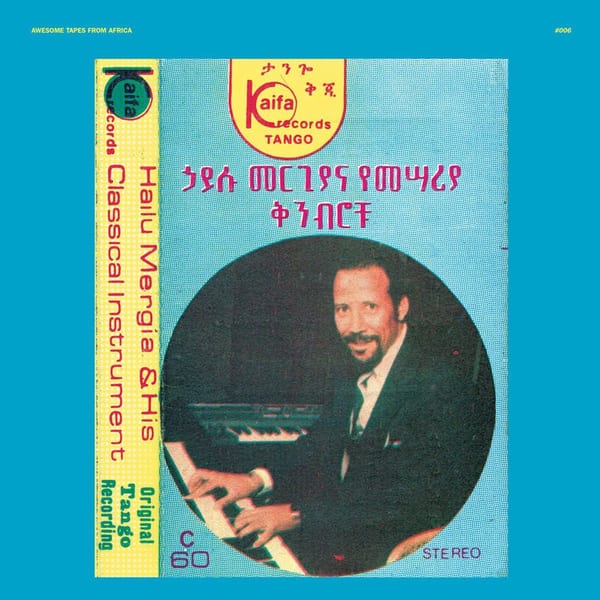
Hailu Mergia & His Classical Instrument: Shemonmuanaye
Be the first to rate—Hailu Mergia led the Walias Band, the house group at the Addis Hilton, then emigrated and ended up driving a cab in Washington DC, keeping a keyboard in the trunk to practise between fares. He made this solo cassette of accordion and Rhodes by himself in 1985, and it sat forgotten until Awesome Tapes From Africa reissued it in 2013. One man, a drum machine, and a head full of melodies he refused to let die. Nothing else sounds quite like it.
- 9
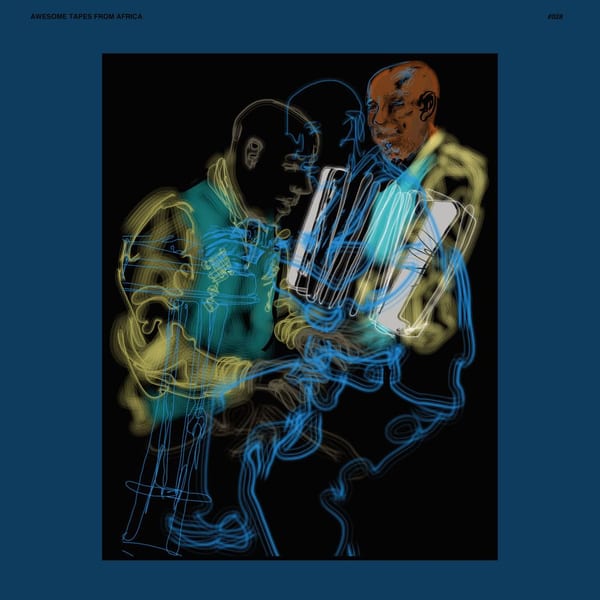
Lala Belu
Be the first to rate—The reissue gave Mergia a second career, and Lala Belu is the sound of a man in his seventies playing like he is late for something. Backed by a sharp trio, he stretches old Ethiopian themes into organ-trio workouts that swing harder than anything he managed the first time around. The clearest evidence that the revival was about more than nostalgia.
- 10
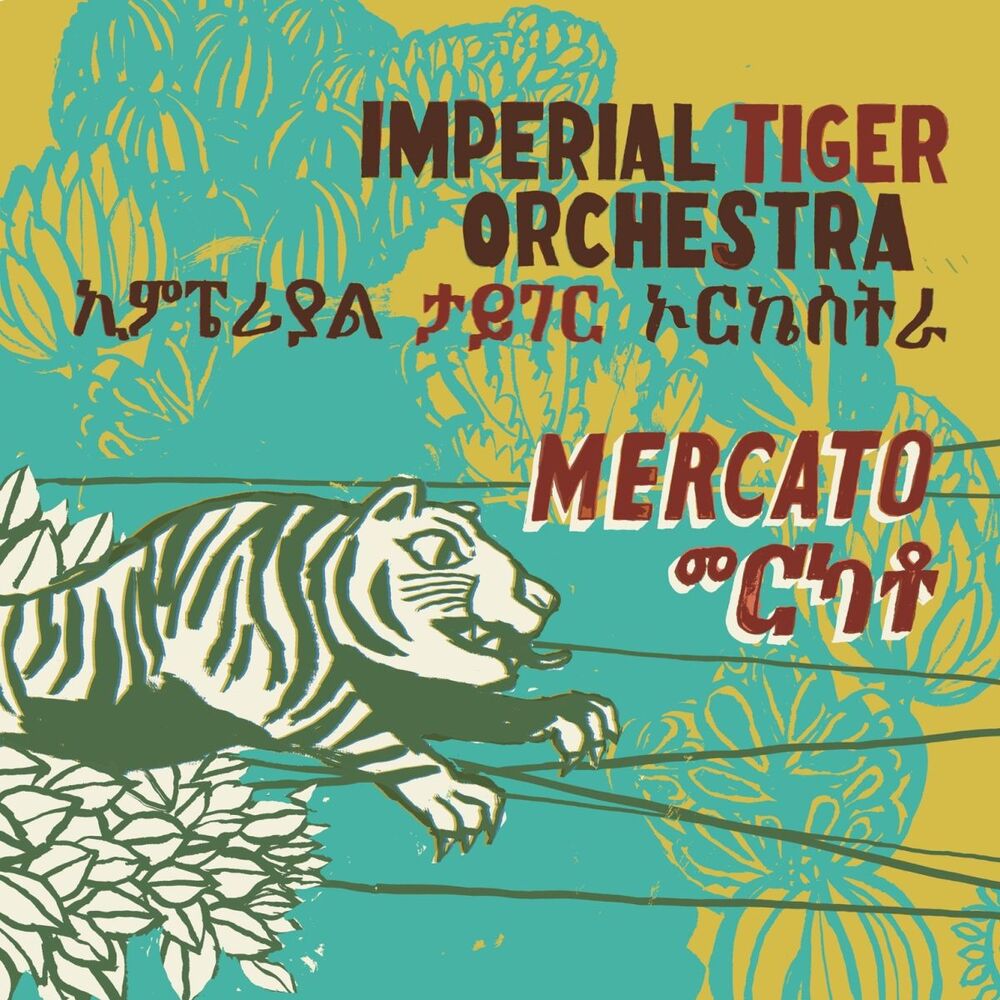
Mercato
Be the first to rate—Geneva is a long way from Addis, yet this Swiss group plays the golden-age book with grit rather than museum manners. Mercato (2011) runs Mahmoud Ahmed and Girma Bèyènè tunes through dub effects and post-rock dynamics, loud and a little unhinged. It is the kind of record that sends you back to the originals and then forward into whatever it is up to.
- 11
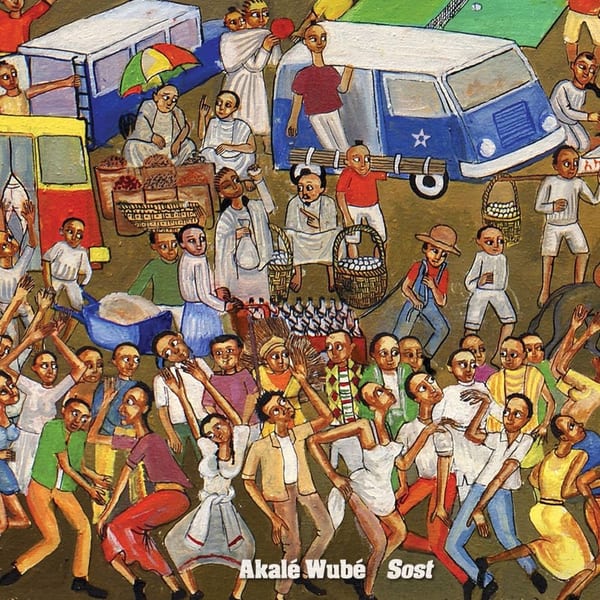
Sost
Be the first to rate—This Paris quintet named themselves after a Mulatu tune and spent the 2010s as Europe's most dependable ethio-funk band. Sost, which means three in Amharic, is their third album, all springy horn lines and rubber-band grooves. They later backed the returning golden-age singers on tour, which tells you how seriously the source musicians rated them.
- 12
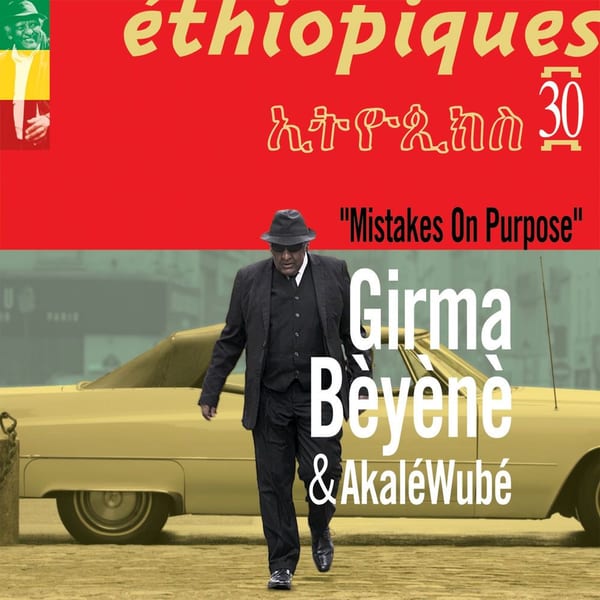
Mistakes on Purpose (Ethiopiques 30)
Be the first to rate—Girma Bèyènè wrote and arranged some of the most sophisticated songs of the golden age, then stopped performing for nearly forty years after the revolution. Akalé Wubé coaxed him back into a studio for this 2017 album, numbered Éthiopiques 30, the first newly recorded entry in that storied reissue series. A lost master singing again, with a band young enough to be his grandkids and good enough to keep pace.
- 13

Ethiopia Super Krar
Be the first to rate—Not jazz exactly, but you need it for context. This London-based trio strips Ethiopian music back to the krar (a six-string lyre), a drum kit and one big voice, and people leave their shows swearing they just saw a rock band. Ethiopia Super Krar (2012) is loud and hypnotically repetitive, a reminder that the pentatonic modes under all of this come from a deep folk tradition that predates the horns.
- 14
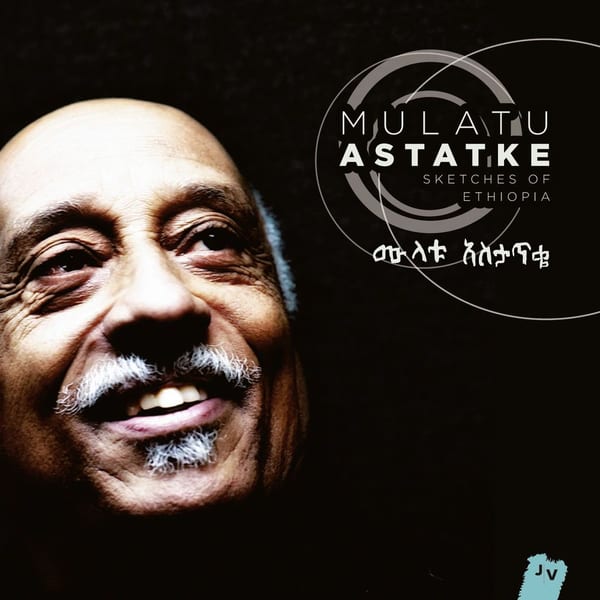
Sketches of Ethiopia
Be the first to rate—End where it started, with the man himself, still curious. Sketches of Ethiopia (2013) finds Astatke in his late sixties leading an international band, folding in West African kora and a guest vocal without thinning out the pentatonic core. Forty years after inventing the style, he was still its most restless practitioner.


Explore the sound
Artists in this guide
Read next
Better than the studio: live albums that became the definitive version
Eighteen records where the concert beat the studio, in the order they were taped.
SST Records: the label that built the American underground
From Black Flag's first LP to the seeds of grunge. Sixteen albums from the engine room of 1980s US punk.
Tropicália: cannibal pop made under a dictatorship
Brazil's most fearless generation devoured rock, samba and the avant-garde while the generals watched. Sixteen records from the movement and the fallout.
Heavenly voices: the ethereal wave canon
Voice as weather, words as texture: the 4AD lineage and the American underground that carried it.
Got your own ranking? Build a list or tier of your own.