


Guides/A Riffiter guide
Better than the studio: live albums that became the definitive version
Eighteen records where the concert beat the studio, in the order they were taped.
A survey of live albums that became the definitive recordings of their songs, outclassing the studio versions fans heard first. Spanning 1962 to 1998, it runs from James Brown's self-funded Apollo set and Sam Cooke's long-shelved Harlem Square Club show to Miles Davis's Agharta and Portishead's orchestral Roseland NYC Live.
Some bands are studio creatures. They build records by overdub and edit, and a concert can only approximate the finished thing. Other bands are the opposite: the studio flattens them, and you hear what they actually are only when there's a crowd, a room, and no second take.
This is a shelf of records where the live version won. These aren't victory-lap greatest-hits packages padded with applause. They're performances that became the take listeners now treat as definitive, the one you'd hand someone before the studio LP. They're in order of when the tape rolled, from a Harlem soul revue in 1962 to a trip-hop band hiring an orchestra in 1997.
- 1
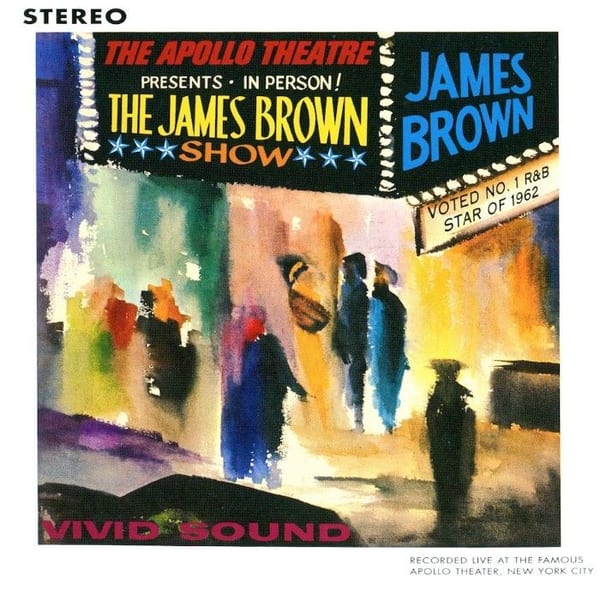
Live at the Apollo, 1962
★ 4.5 · 2—Syd Nathan, who ran King Records, thought a live album was a waste of vinyl: no new singles, nothing for radio. Brown paid for the night himself and recorded his October 1962 Apollo revue against the label's wishes. The studio sides were clipped two-minute singles; here the long, sobbing 'Lost Someone' lets him work the crowd until they're answering him line for line. It charted for more than a year and proved that a James Brown show was the actual product.
- 2
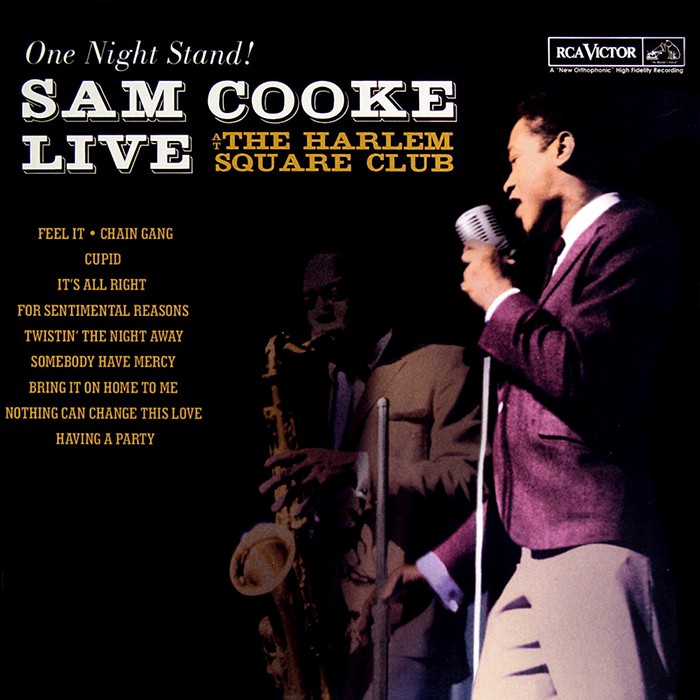
Live at the Harlem Square Club, 1963
Be the first to rate—RCA recorded this Miami nightclub set in January 1963 and then buried it for twenty-two years. The label had spent real money turning Cooke into a tuxedoed crossover star, and the man on this tape, hoarse and shoving a Black audience into a frenzy, would have wrecked that image. It finally surfaced in 1985, long after his death, and rewrote his reputation. The studio sides are lovely. This is the singer his peers actually feared.
- 3
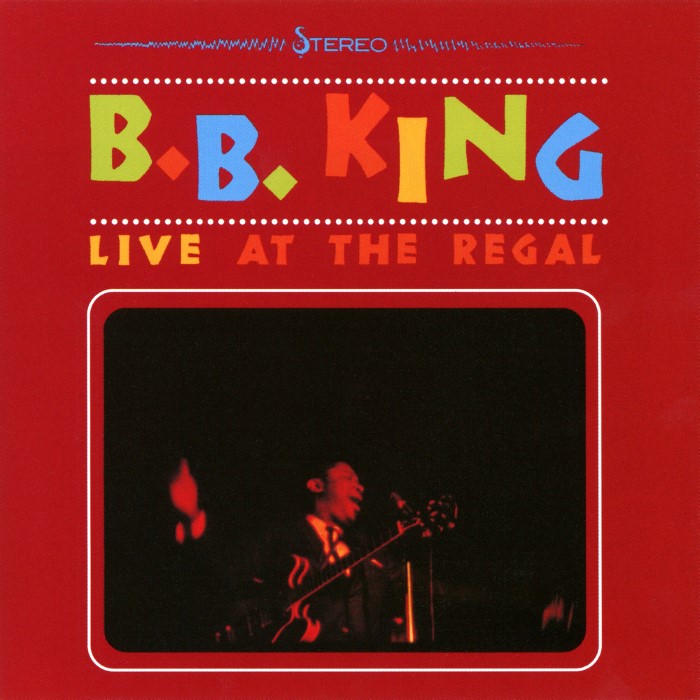
Live at the Regal
Be the first to rate—King cut dozens of studio singles in the fifties, but his timing as a bandleader only really lands on the tape from Chicago's Regal Theater in November 1964. He talks, the crowd answers, and 'Sweet Little Angel' breathes in a way the 45 never did. Released in 1965, it became the record young guitarists from Clapton on down were told to study. It's still the first live blues album anyone hands you.
- 4
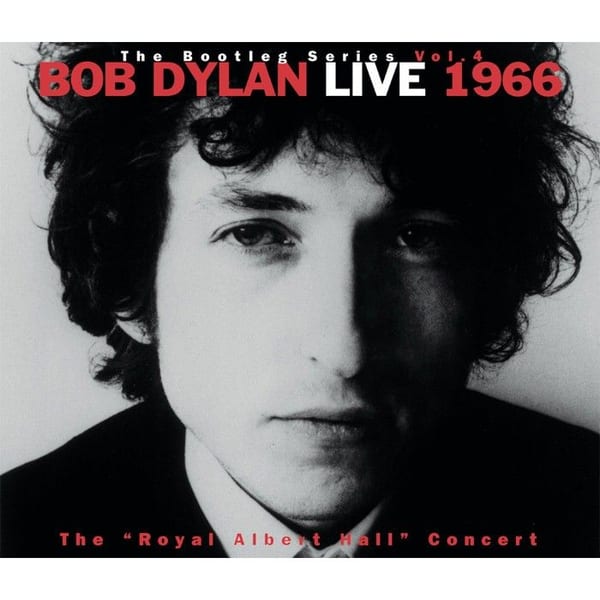
The Bootleg Series, Volume 4: Live 1966: The “Royal Albert Hall” Concert
Be the first to rate—For decades this circulated as a bootleg mislabeled 'Royal Albert Hall.' It was actually Manchester, May 1966: a hushed acoustic half, then Dylan plugging in with the Hawks while folk purists seethed. After someone shouts 'Judas,' he mutters to the band to play loud, and they tear into a 'Like a Rolling Stone' that buries the Highway 61 version. Columbia made it official in 1998. No studio take holds that much hostility in one room.
- 5
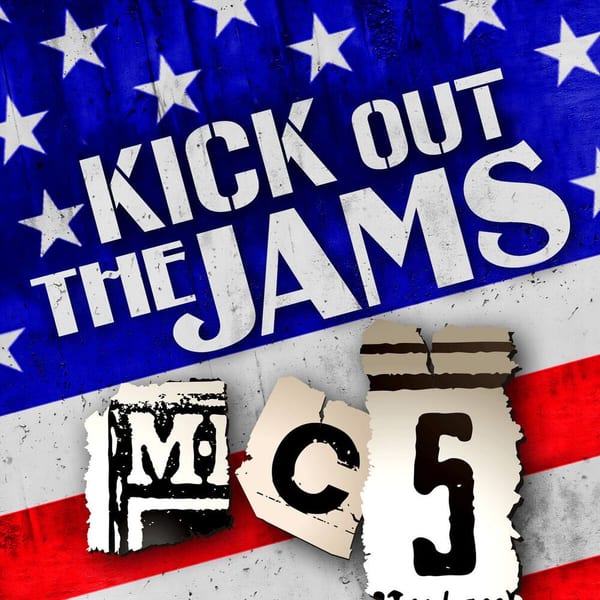
Kick Out the Jams
Be the first to rate—Most bands earn a live album. The MC5 led with one. Their 1969 debut was recorded over two nights at Detroit's Grande Ballroom because no studio could contain the band. Elektra panicked over Rob Tyner's 'kick out the jams, motherfuckers' intro and printed a censored edit. The later studio records are tamer and worse. This is the proto-punk Big Bang, caught in the only setting that made sense of it.
- 6
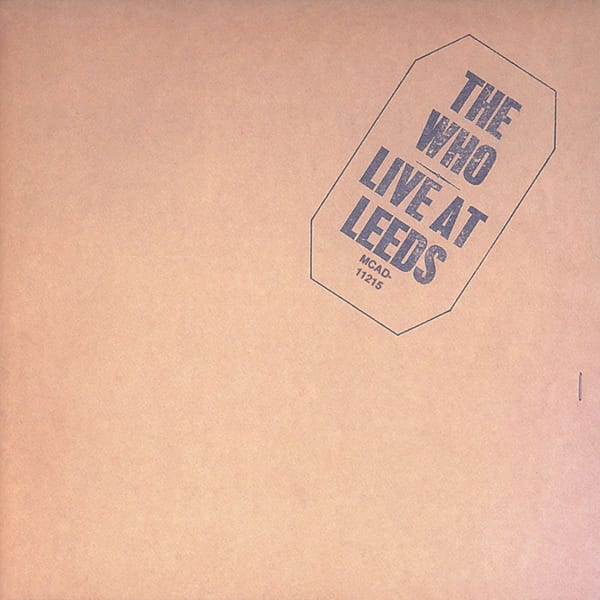
Live at Leeds
Be the first to rate—Townshend had so many American live tapes that he reportedly torched them and recorded one English show instead: the Leeds refectory, Valentine's Day 1970. The studio Who made tidy pop-art singles. The Leeds Who are a wrecking crew, stretching 'My Generation' past fifteen minutes and playing 'Young Man Blues' like they mean to hurt someone. It still tops most 'best live album' lists, and the competition isn't close.
- 7
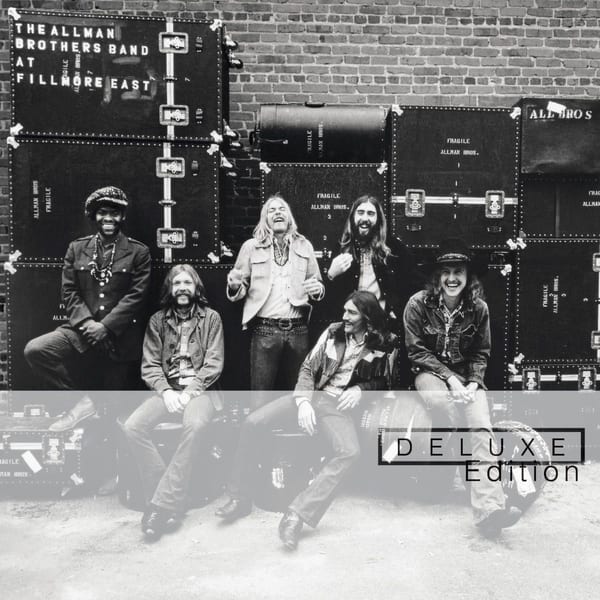
At Fillmore East
Be the first to rate—The first two Allmans studio albums are decent Southern rock. The band were something else on a stage: two drummers, and Duane Allman's slide pushing songs past twenty minutes without losing the thread. Recorded at the Fillmore East in March 1971 and out that summer, it caught the group weeks before Duane died in a motorcycle crash. The 23-minute 'Whipping Post' is the whole argument for the jam as a serious form.
- 8
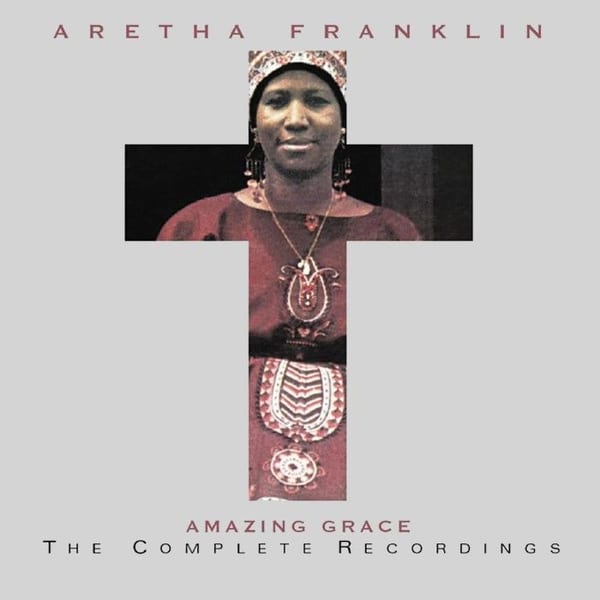
Amazing Grace
★ 4.5 · 1—At the peak of her secular run, Aretha went back to church. Over two nights in a Los Angeles Baptist church in January 1972, with James Cleveland conducting, she cut the best-selling album of her life and the best-selling live gospel record ever made. There's no studio counterpart, which is the point: the congregation, the choir, and the room are half the performance. Sydney Pollack filmed it and then sat on the footage for almost fifty years.
- 9
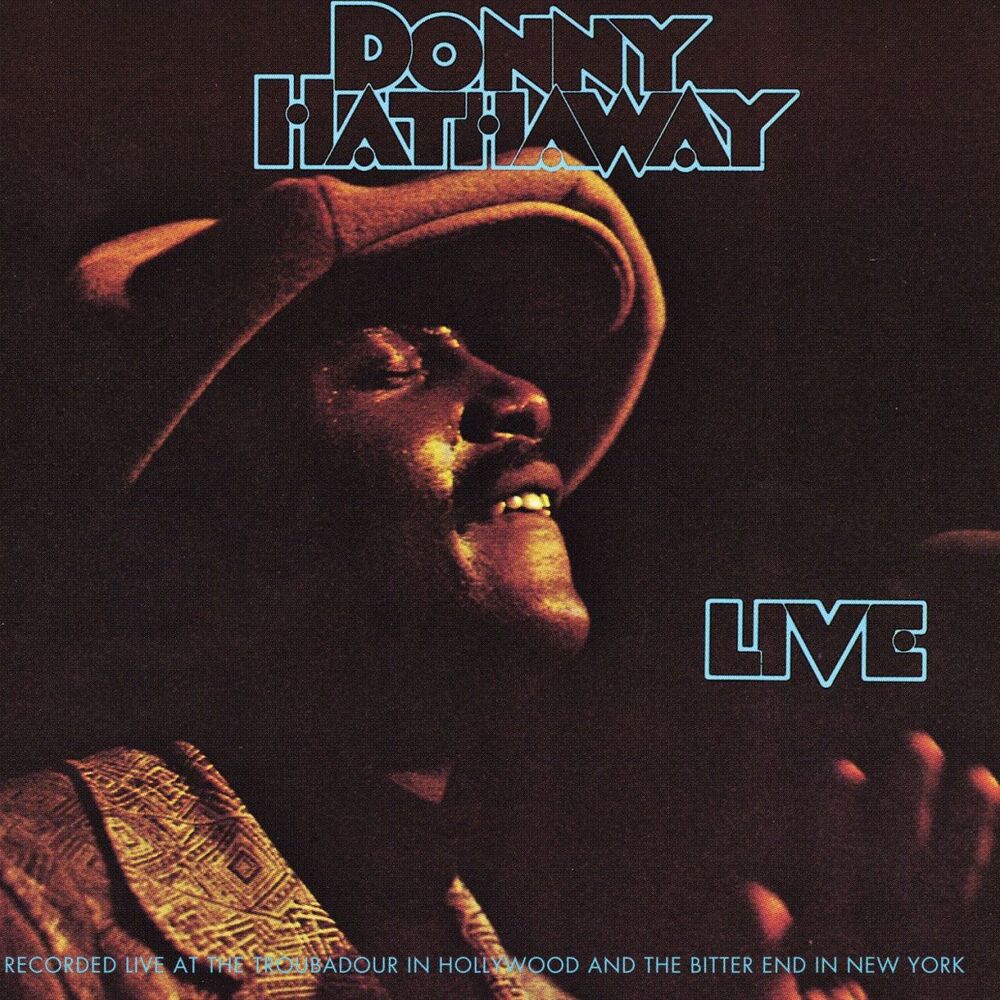
Live
Be the first to rate—Recorded across two clubs in 1972, the Troubadour in LA and the Bitter End in New York, this is the Donny Hathaway record people hand you first. His studio albums are warm and meticulous. Live is loose and ecstatic, with the crowd singing whole verses of 'You've Got a Friend' back to him and 'The Ghetto' stretching toward thirteen minutes on his electric piano. Soul fans have argued for fifty years that he never topped it.
- 10
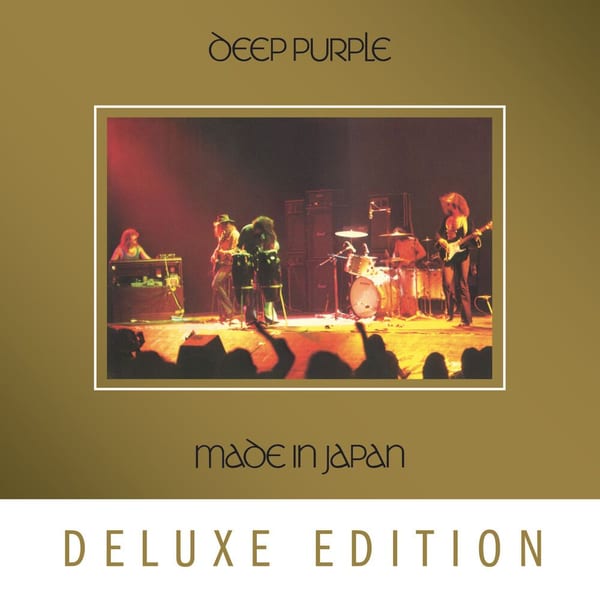
Made in Japan
Be the first to rate—Deep Purple taped this in Osaka and Tokyo in August 1972 almost reluctantly, for the Japanese market only, and it became the hard rock live album everyone else gets measured against. The Mk II lineup plays faster and meaner than on Machine Head, and Ian Gillan's screaming on 'Child in Time' is genuinely unnerving. 'Smoke on the Water' is here too, looser and better than the hit single. For a band that hated the idea, they nailed it in one pass.
- 11
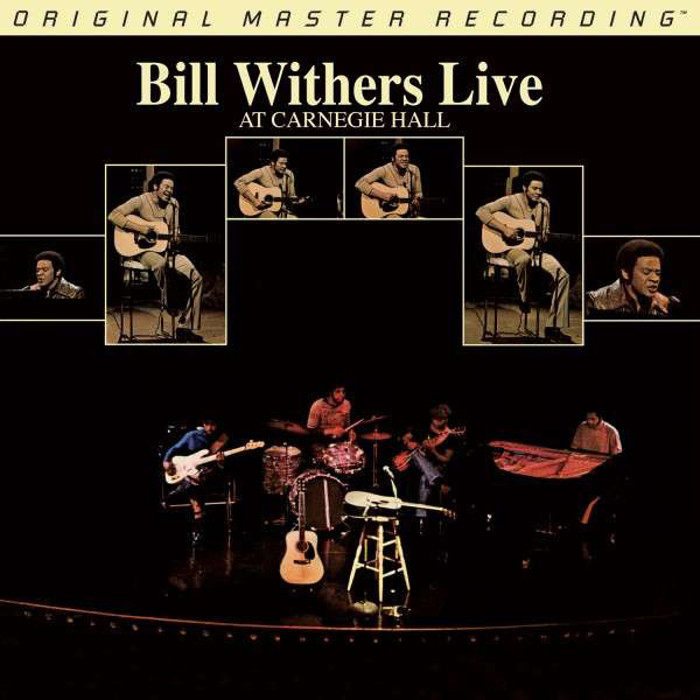
Live at Carnegie Hall
Be the first to rate—Recorded in October 1972 and out the next spring on Sussex, this catches Withers between studio albums and somehow funkier than either. The long, funny spoken intros are half the appeal: he sets up 'Grandma's Hands' with a story before it slides into a sweaty 'Use Me.' The crowd is right there with him the whole way. It's the rare live album where you'd miss the talking if someone cut it.
- 12

Agharta
Be the first to rate—On February 1, 1975, a sick and exhausted Miles Davis played two shows in Osaka. The afternoon set became Agharta; the evening one became Pangaea. This is the electric band at its most extreme: Pete Cosey's guitar smeared in effects, the rhythm section grinding through whole sides at a time. The studio fusion albums of that era were stitched from fragments, so this double live set is the truest record of how frightening the group could be in a room. Months later Miles walked away from music for five years.
- 13
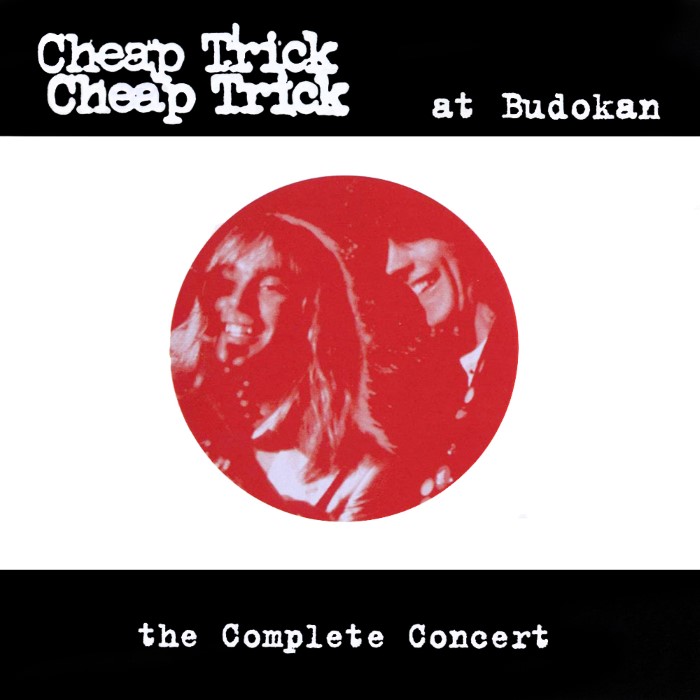
Cheap Trick at Budokan
Be the first to rate—Cheap Trick were bigger in Japan than at home in 1978, so Epic recorded this Tokyo show for the Japanese market only. Import copies sold so fast in the States that the label had to release it everywhere. The live 'I Want You to Want Me' became their signature hit; the studio version had stiffed two years earlier. A power-pop band who wrote great singles discovered their best single was a live recording of an old one.
- 14
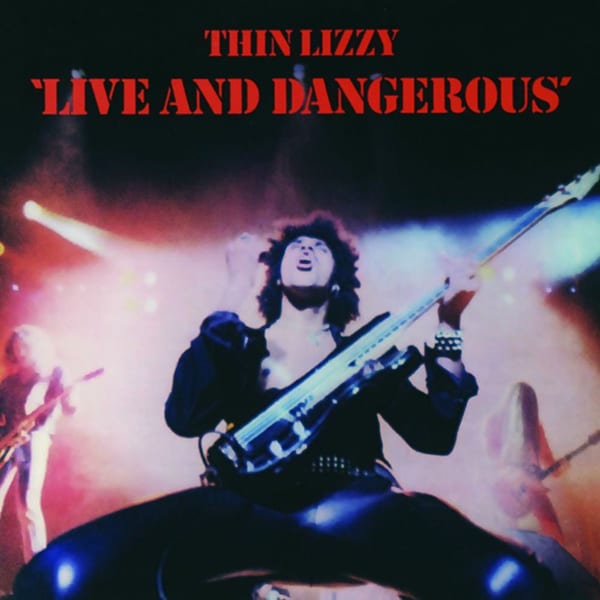
Live and Dangerous
Be the first to rate—The great asterisk of live albums. Producer Tony Visconti once claimed roughly seventy-five percent of it was fixed or re-recorded in the studio; Phil Lynott and the band always insisted it was mostly the real thing. Either way, the 1978 double is the definitive Thin Lizzy, with twin-guitar versions of 'The Boys Are Back in Town' and 'Still in Love with You' the studio cuts can't touch. Maybe the perfect live album is partly a studio album. That fight has run for forty years.
- 15
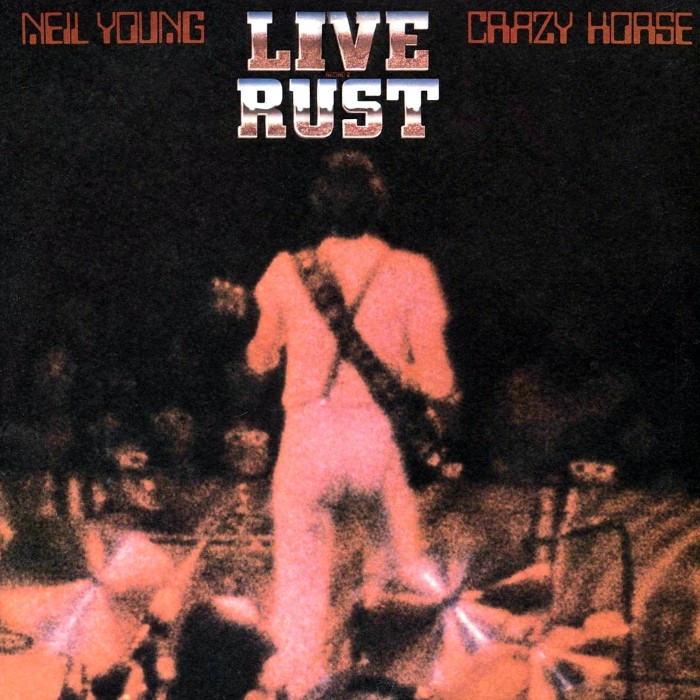
Live Rust
Be the first to rate—Pulled from the 1978 Rust Never Sleeps tour, this runs from solo acoustic up to full Crazy Horse roar across two records. 'Powderfinger' and 'Cortez the Killer' arrive heavier than their studio homes, and 'Like a Hurricane' turns into a feedback storm. Young has released a hundred archival shows since, but this 1979 set is still the one that explains why Crazy Horse matters. Loud, sloppy, exactly right.
- 16
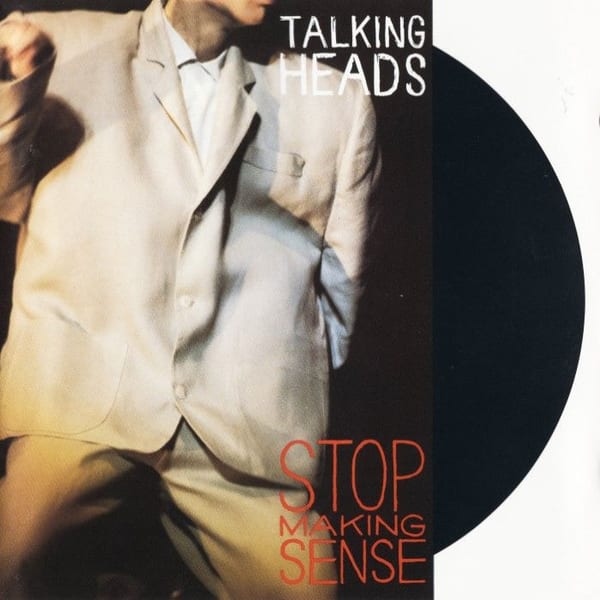
Stop Making Sense
★ 4.5 · 1—Filmed by Jonathan Demme over three nights at the Pantages in December 1983, the show builds from David Byrne alone with an acoustic guitar and a boombox into a nine-piece funk machine. The expanded band, some of them out of the Parliament-Funkadelic orbit, turns the nervy studio songs into something looser and bigger. 'Once in a Lifetime' and 'Burning Down the House' hit harder here than on record. It might be the best concert film ever made, and the soundtrack stands on its own.
- 17
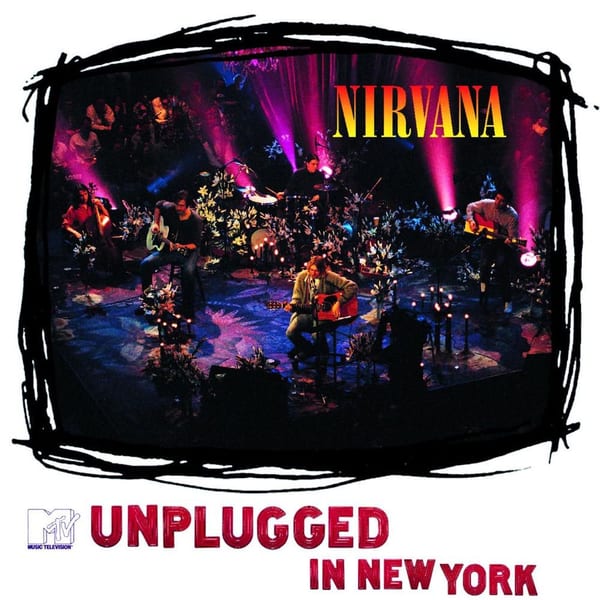
MTV Unplugged in New York
★ 4.3 · 5—Recorded for MTV in November 1993 and released a few months after Cobain's death, this is Nirvana refusing the obvious. No 'Smells Like Teen Spirit,' lilies on the stage, three Meat Puppets songs, and a closing Lead Belly cover that sounds like a man saying goodbye. It reframed the band as something quieter and stranger than the grunge cartoon. For a lot of listeners it's now the Nirvana album they reach for first.
- 18
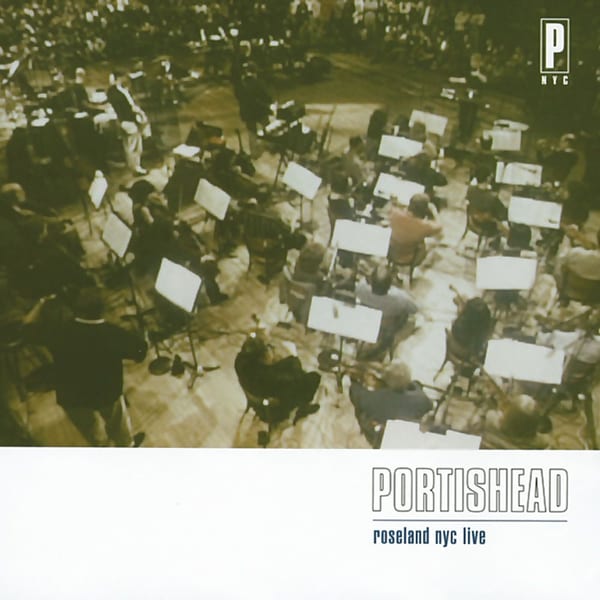
Roseland NYC Live
★ 3.5 · 2—Portishead played New York's Roseland Ballroom in July 1997 backed by a thirty-odd-piece orchestra, and the strings turned their studio gloom into full noir cinema. Beth Gibbons sounds even more haunted with that much sound behind her, and the orchestral 'Roads' and 'Glory Box' swallow the album versions whole. Out in 1998, it's the rare trip-hop record that gets bigger live instead of falling apart. The band then more or less vanished for a decade.


Explore the sound
Artists in this guide
Lists with these albums
Read next
Ethio-jazz: from Swinging Addis to the global revival
Mulatu Astatke invented it. The Derg curfews nearly buried it. A French reissue series dug it back up. Fourteen records that map Ethiopia's pentatonic golden age and its long second life.
SST Records: the label that built the American underground
From Black Flag's first LP to the seeds of grunge. Sixteen albums from the engine room of 1980s US punk.
Tropicália: cannibal pop made under a dictatorship
Brazil's most fearless generation devoured rock, samba and the avant-garde while the generals watched. Sixteen records from the movement and the fallout.
Heavenly voices: the ethereal wave canon
Voice as weather, words as texture: the 4AD lineage and the American underground that carried it.
Got your own ranking? Build a list or tier of your own.