


Guides/A Riffiter guide
Digital hardcore: a field guide to the angriest machine music ever made
Berlin, 1994: Alec Empire crossed techno with punk, pointed it at the riot police, and named a genre after his own label.
Digital hardcore is a 1990s German genre that fused breakbeats and techno with the speed, distortion and anti-fascist politics of hardcore punk. The term came from Alec Empire, who founded Digital Hardcore Recordings (DHR) in Berlin in 1994; the scene centered on his band Atari Teenage Riot and a small, ferocious roster of labelmates. This guide maps where to start, and where the sound bled out into breakcore.
Most electronic subgenres want you to dance. This one wants you to throw a brick. Digital hardcore came out of early-1990s Berlin, where Alec Empire took the breakbeats and 303 bass of rave, slammed them into the distortion and tempo of hardcore punk, and aimed the result squarely at a resurgent far right. He named his Berlin label Digital Hardcore Recordings in 1994; the genre took its name from the label.
The catalog is tiny and the scene burned out fast, which is part of why it has aged so well on RateYourMusic: there is no bloated discography to wade through, just a handful of records made by people who sounded like they meant it. Start with Atari Teenage Riot, then follow the noise outward to the labelmates and the breakcore that grew from the rubble.
- 1
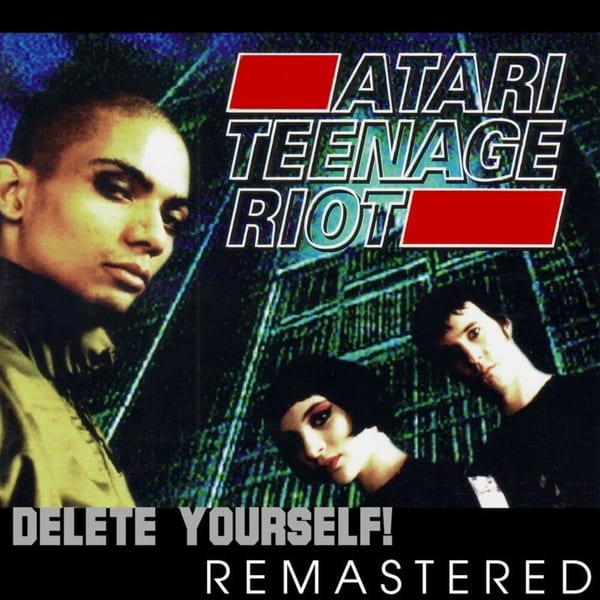
Delete Yourself
Be the first to rate—The genre's founding statement. Atari Teenage Riot formed in Berlin in 1992 around Alec Empire, Hanin Elias and Carl Crack, fusing Amen breaks, gabber kick drums and shouted anti-fascist slogans. Delete Yourself! (1995) is the blueprint: sampled riot sirens, screamed German and English, and a refusal to let any track breathe. Loud, monochrome and completely committed.
- 2
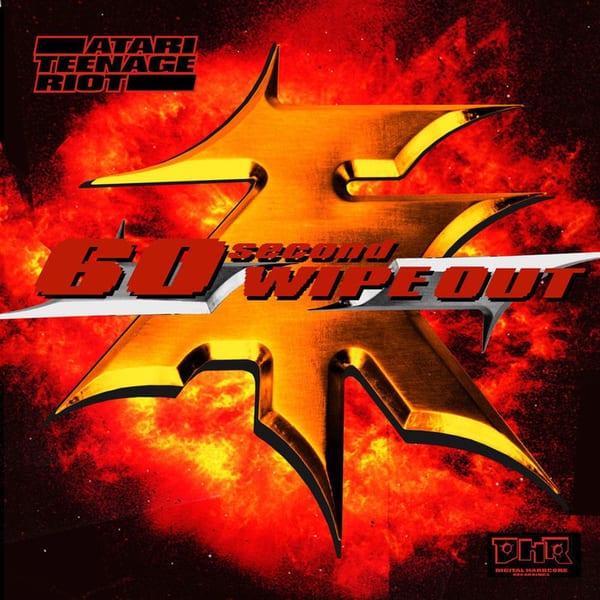
60 Second Wipe Out
Be the first to rate—By 1999 the band had added noise musician Nic Endo and signed to a major in the US, and 60 Second Wipe Out is the sound of digital hardcore at maximum volume before it imploded. It is harsher and more chaotic than the debut, with Tom Morello and others guesting. Carl Crack's deteriorating health and the band's collapse soon after make this feel like the scene's last stand at full strength.
- 3
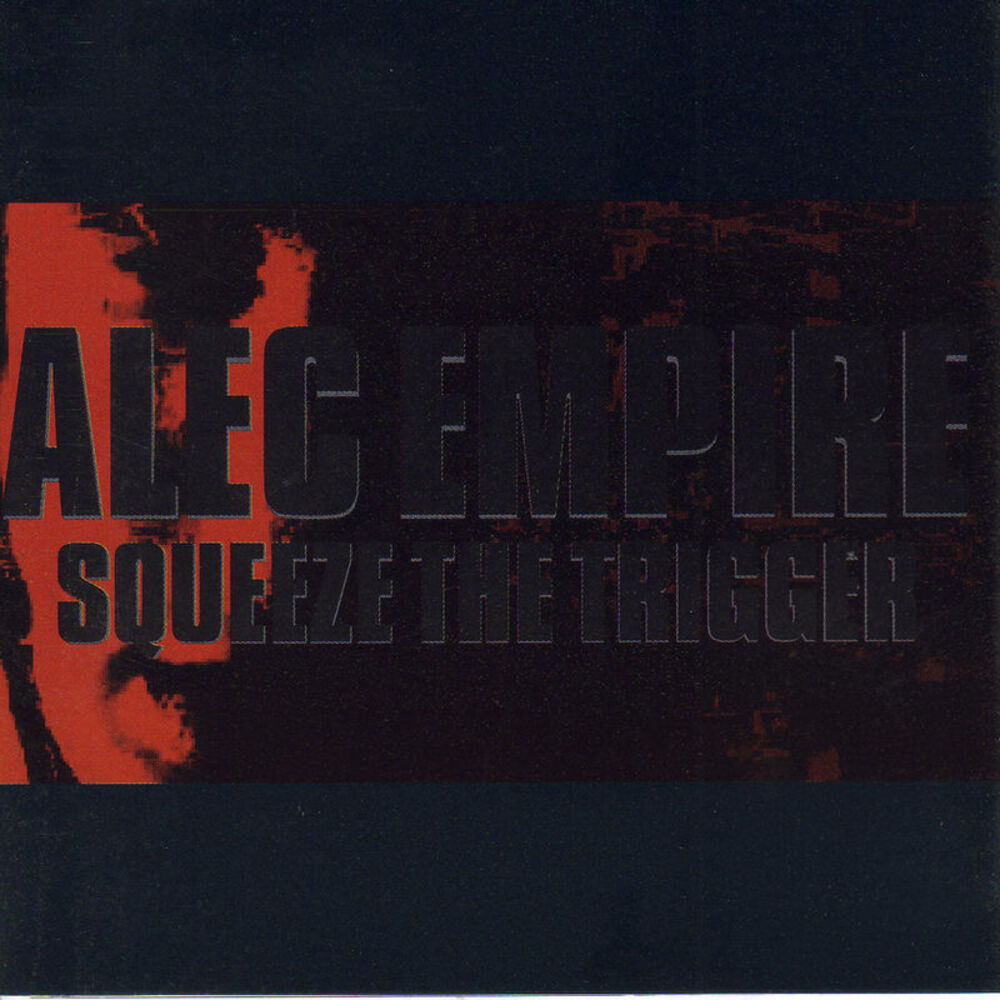
Squeeze the Trigger
Be the first to rate—The label boss on his own. Squeeze the Trigger (1997) is Alec Empire stripped of the band, leaning into the sheer abrasion of the form: distorted breaks, blown-out bass, and almost no concessions to melody. If Atari Teenage Riot is the punk show, this is Empire alone in the studio with a sampler and a grudge. The starting point for understanding what one person built this whole sound around.
- 4
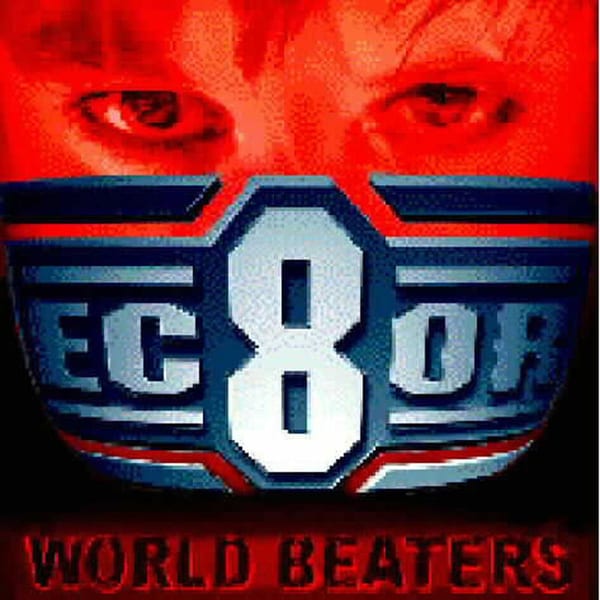
World Beaters
Be the first to rate—The second band on the roster, EC8OR paired Patric Catani's production with Gina V. D'Orio's vocals and followed Atari Teenage Riot's template closely. World Beaters (1998) is their fullest statement, all sneering vocals and breakbeat aggression. They are the proof that digital hardcore was a scene and not a single act, even if EC8OR never quite escaped the long shadow of the band that started it.
- 5

Shizuo vs. Shizor
Be the first to rate—The label's strangest signing. Shizuo (David Hammer) made digital hardcore that leaned lo-fi and almost cartoonish, full of filtered bleeps and queasy textures rather than pure speed. The High on Emotion EP arrived in early 1997, and the debut album Shizuo vs. Shizor followed the same year. It is the sound of the genre testing how weird it could get and still call itself hardcore.
- 6
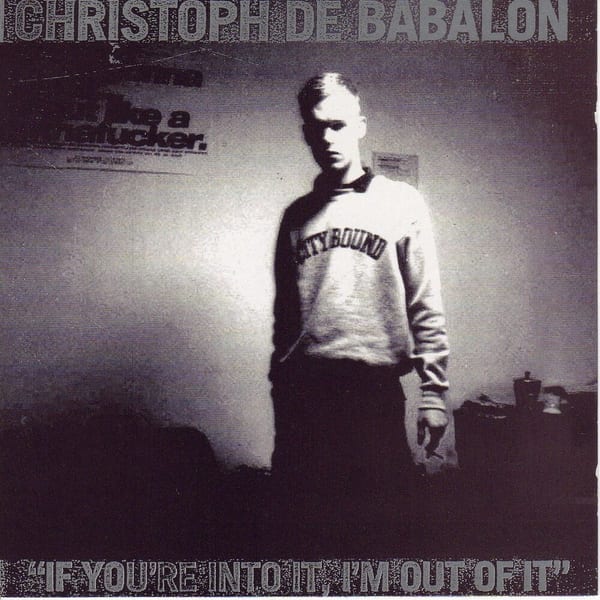
If You're Into It, I'm Out of It
Be the first to rate—The masterpiece nobody saw coming, and the one that aged best. Released on DHR in 1997, If You're Into It, I'm Out of It trades the genre's frontal assault for something colder: long stretches of menacing dark ambient that erupt into drum and bass and breakcore. Thom Yorke has named it a favorite, and it has quietly become the label's most respected record on RateYourMusic. Start here if pure speed isn't your thing.
- 7

Cold Metal Perfection
Be the first to rate—The noise wing. Nic Endo joined Atari Teenage Riot in 1997 and brought a harsh-noise sensibility the band hadn't had before. Her solo debut Cold Metal Perfection (2001) abandons beats almost entirely for sculpted walls of feedback and texture, and Alternative Press named it one of the best albums of 2001. It is digital hardcore following its aggression all the way into pure noise.
- 8
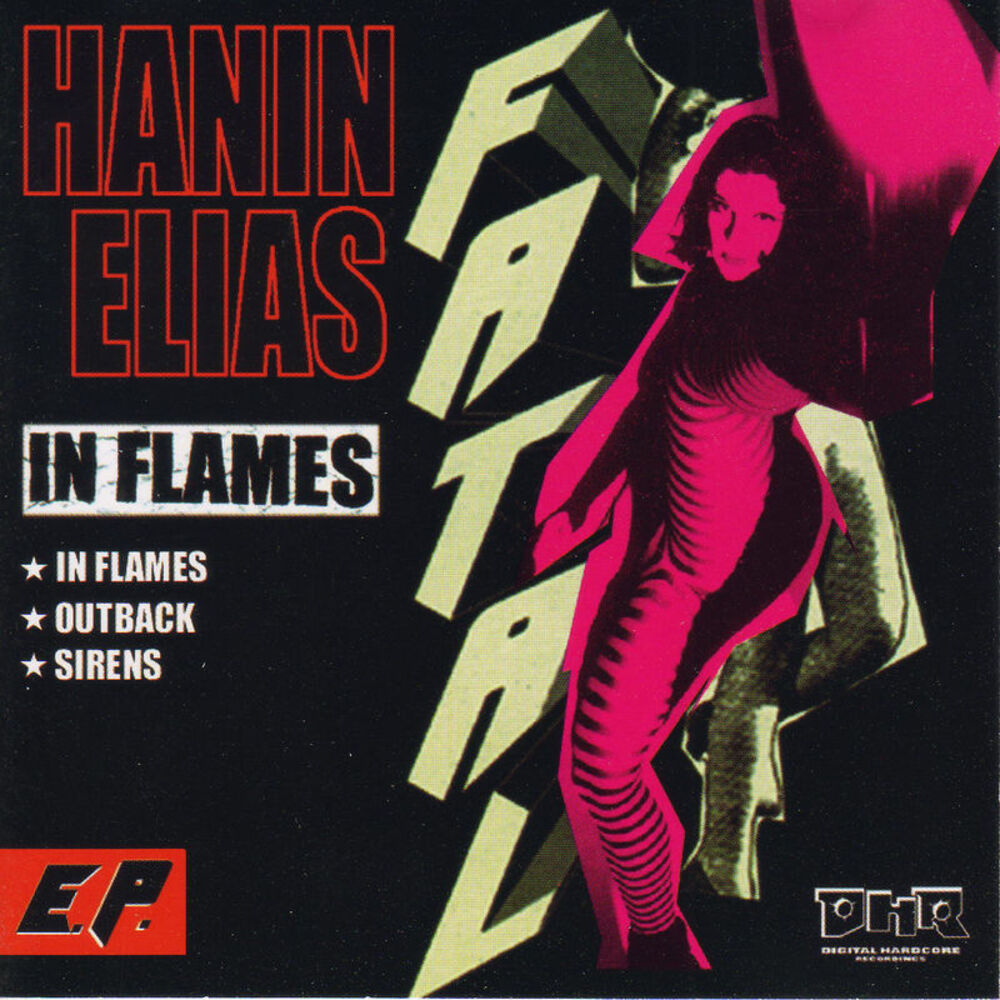
In Flames
Be the first to rate—Atari Teenage Riot had three voices, and Hanin Elias was the one that cut hardest. After the band fell apart she founded the Fatal Recordings label as a platform for women in electronic music and made solo records that kept the fury while widening the palette. In Flames (2000) collects that early solo work. Her presence is a reminder that the scene's politics weren't just slogans on a sampler.
- 9
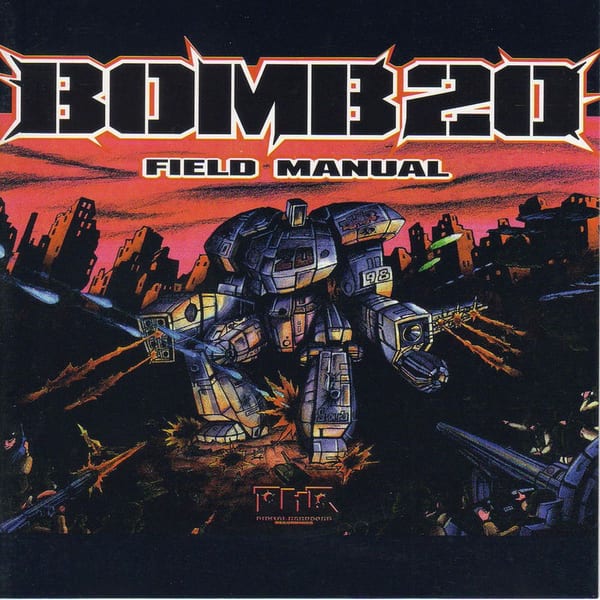
Field Manual
Be the first to rate—The agit-prop end of the roster. Bomb20 (Daniel Jahnel) made some of DHR's most explicitly political and sample-collaged work, splicing speeches and media fragments into the breakbeat assault. The project is less about hooks than about overload, which is rather the point. A deep cut for anyone who wants the scene's harshest, most confrontational corner.
- 11

- 12
Low Profile Darkness
Be the first to rate—Where digital hardcore met darkstep. Mathis Mootz, as The Panacea, took the genre's distortion into drum and bass, and Low Profile Darkness (1997) is mechanical, dystopian and relentless. It sits at the border between scenes, pointing toward the harder, darker end of jungle. If the Christoph de Babalon record opened a door, this is what walked through it into the underground.
- 13
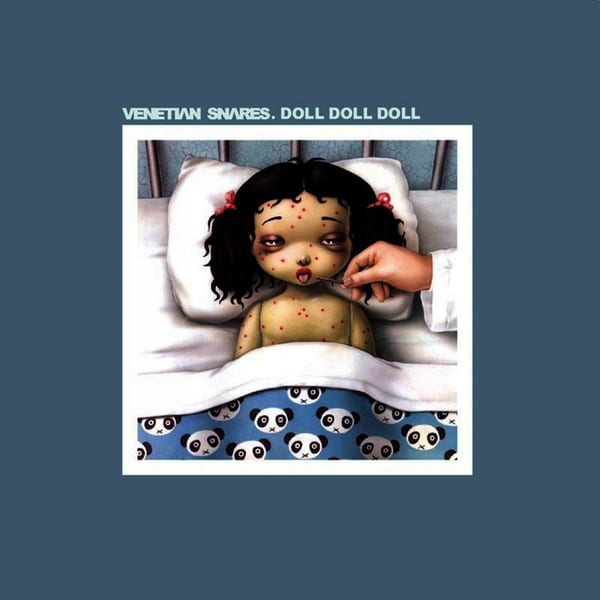
Doll Doll Doll
Be the first to rate—The mutation. Canadian producer Aaron Funk wasn't a DHR act, but he took digital hardcore's chopped-Amen violence and pushed it into the genre that ate it: breakcore. Doll Doll Doll (2001) is punishingly intense, all shredded breakbeats and dread, and it remains one of the most extreme records its corner of electronic music has produced. This is where the energy went after Berlin burned out.
- 14
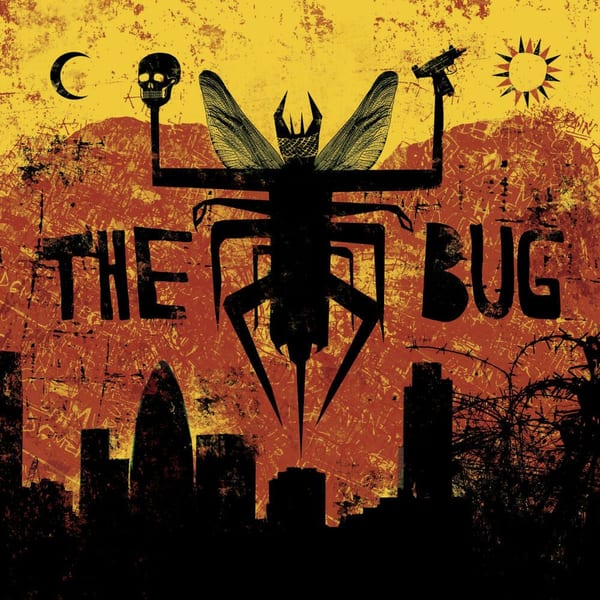
London Zoo
Be the first to rate—The descendant. Kevin Martin's The Bug isn't digital hardcore either, but London Zoo (2008) carries the same DNA: machine music built to feel like physical impact, dancehall and dub run through distortion until it threatens the speakers. It is proof the lineage didn't die in the nineties so much as scatter into grime, dubstep and noise. Loud music with a grudge never really went away.
- 15
Where it leads
Digital hardcore proper barely lasted a decade, but its appetite for distortion and broken breakbeats fed straight into breakcore, the harder edges of jungle, and a whole strain of noisy electronic music that treats aggression as a tool. If this guide hit, the natural next step is our breakcore primer, then the jungle revival that runs alongside it. Berlin's riot music never resolved into anything tidy, which is exactly why it still sounds dangerous.


Explore the sound
Artists in this guide
Read next
Best shoegaze albums: sixteen records that hid the song inside the noise
From My Bloody Valentine's Loveless to the American revival — the foundational shoegaze canon, ranked.
The best albums of 1996: the year the weird stuff got funded
Twenty-one records from the last moment major labels and basement labels were both paying for the deep end. Ranked.
Jazz fusion: the essential albums of the electric decade
From Bitches Brew to Bright Size Life: fifteen records from the years jazz plugged in.
Bossa nova beyond 'The Girl from Ipanema': the essential albums
Seventeen records, 1959 to 1977, for anyone whose bossa shelf is one Stan Getz album deep.
Got your own ranking? Build a list or tier of your own.