


Guides/A Riffiter guide
Best album openers: 21 first tracks that set the terms
Track one is a contract. These are the ones that signed it in front of you.
A ranked guide to 21 album openers, from The Velvet Underground's "Sunday Morning" (1967) to Wednesday's "Hot Rotten Grass Smell" (2023). Each entry gives the record, the year, the label, and what the first minute tells you about everything after it.
An opener has one job, and it is not to be the best song on the record. It has to tell you what kind of thing you are holding. Four snare hits, or fifteen seconds of amplifier hiss before a note arrives. After that you either stay on the album's terms or you leave.
The openers below are ranked by how completely they do that. Some are the biggest song on the album and some are barely a song at all. A couple of them are lies, deliberately, and the lie is the point. If you liked our guide to album closers, this is the other end of the same argument, and the ordering here will annoy people in roughly the same way.
- 1
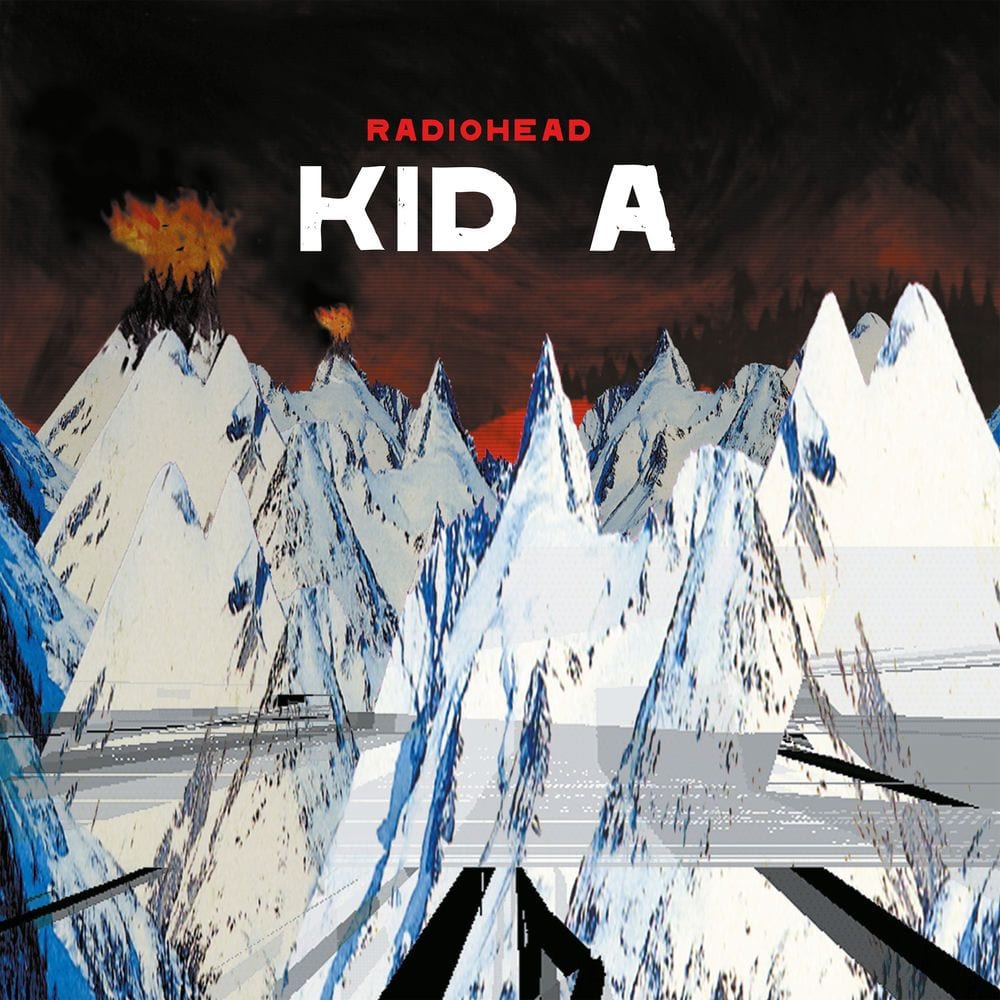
Everything in Its Right Place
★ 5.0 · 1Kid A came out on Parlophone in October 2000 and it starts with a Prophet-5 chord and Thom Yorke's voice chopped into syllables and thrown back at him. Guitars barely appear. Twenty seconds in, anyone waiting for OK Computer II had their answer, and the remaining nine tracks never take it back.
What makes it the best opener of the lot is that it works as an argument and as a song. It is a warning shot you can hum.
- 2
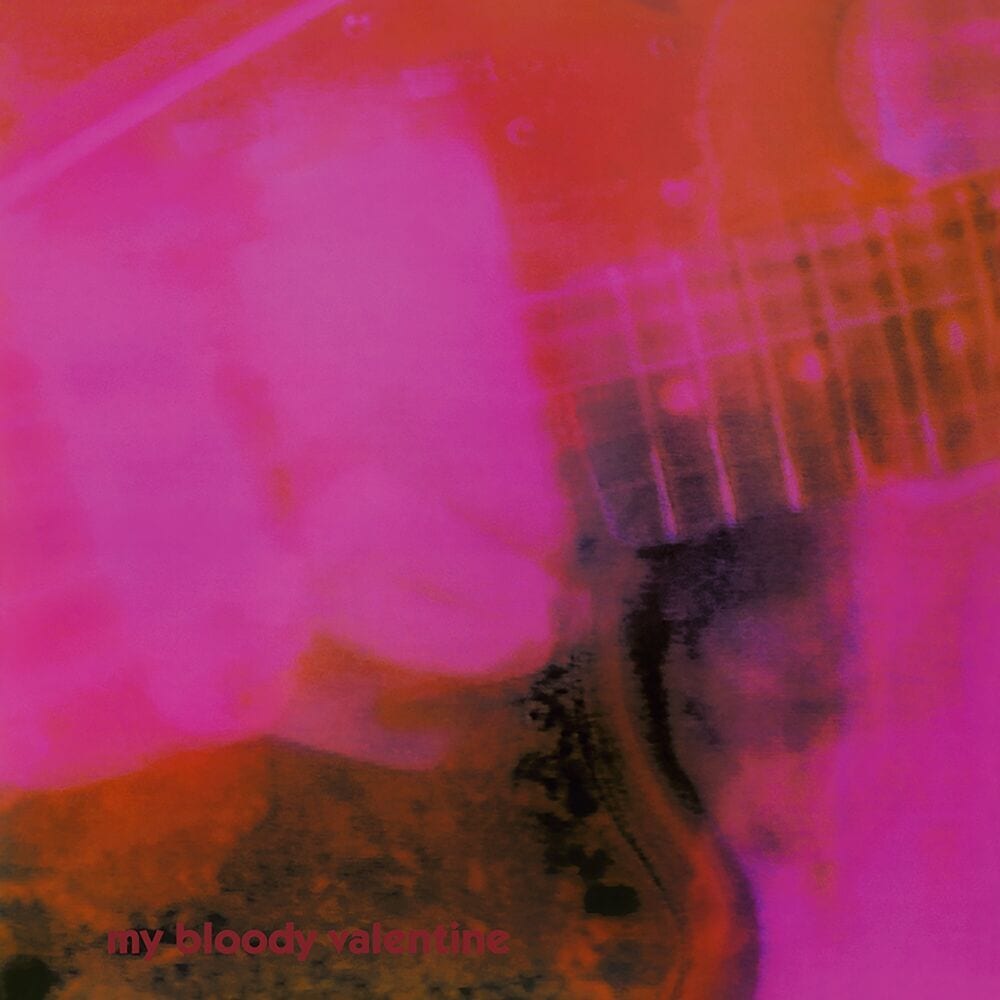
Only Shallow
Be the first to rateFour snare hits and then the guitar comes in already bent, tuned by Kevin Shields' tremolo arm into something that pitches while it sustains. Loveless (Creation, 1991) buries Bilinda Butcher's vocal underneath all of it on purpose.
The loudest, rudest sound on the album is in its first ten seconds. Everything after that is the same trick played tenderly, and you only hear the tenderness because the opener already broke your ears in.
- 3
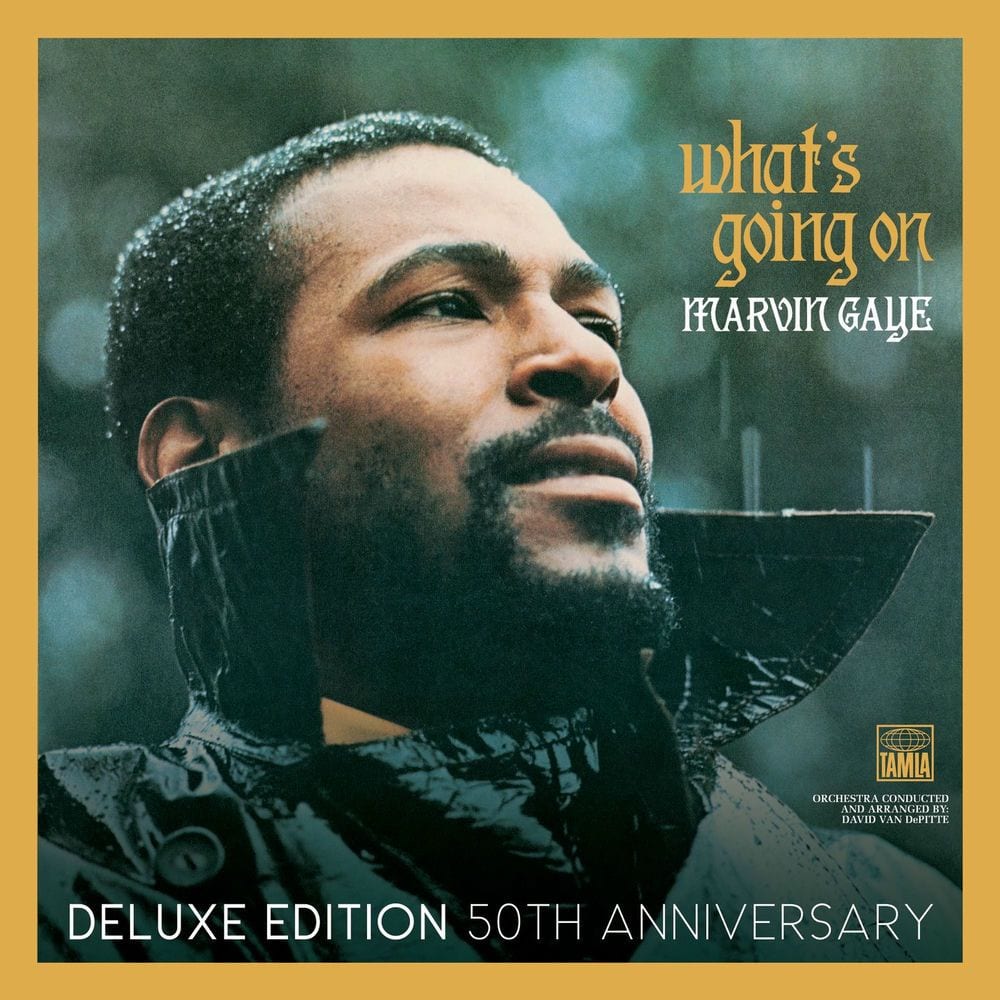
What's Going On
★ 5.0 · 1Detroit Lions players Mel Farr and Lem Barney turned up at the Motown session and Gaye had them chat over the intro, unscripted, so the record opens on a party rather than a sermon. Engineer Kenneth Sands then mixed two of Gaye's vocal takes together by mistake. Gaye heard the doubled lead and kept it.
Tamla released it in 1971 over Berry Gordy's objections. That soft-focus opening is why the protest lands: you are already inside the room before anyone says anything political.
- 4
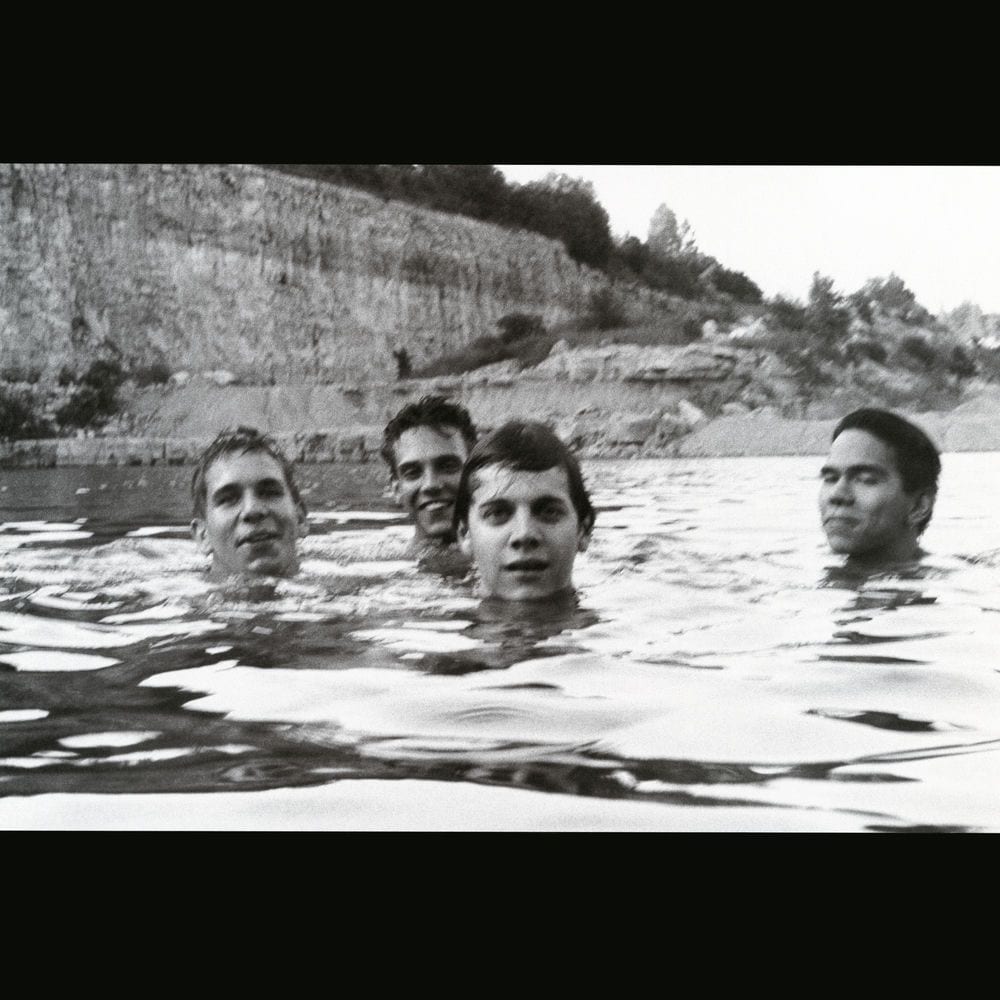
Breadcrumb Trail
Be the first to rateBrian McMahan talks the first verse rather than sings it, a story about skipping a carnival fortune teller for a rollercoaster ride, and the guitars stay polite until they suddenly are not. Spiderland (Touch and Go, 1991) runs on that gap between the murmur and the scream.
Plenty of bands have copied the loud part. Almost nobody copies the flat, embarrassed voice that makes the loud part mean anything.
- 5
Wesley's Theory
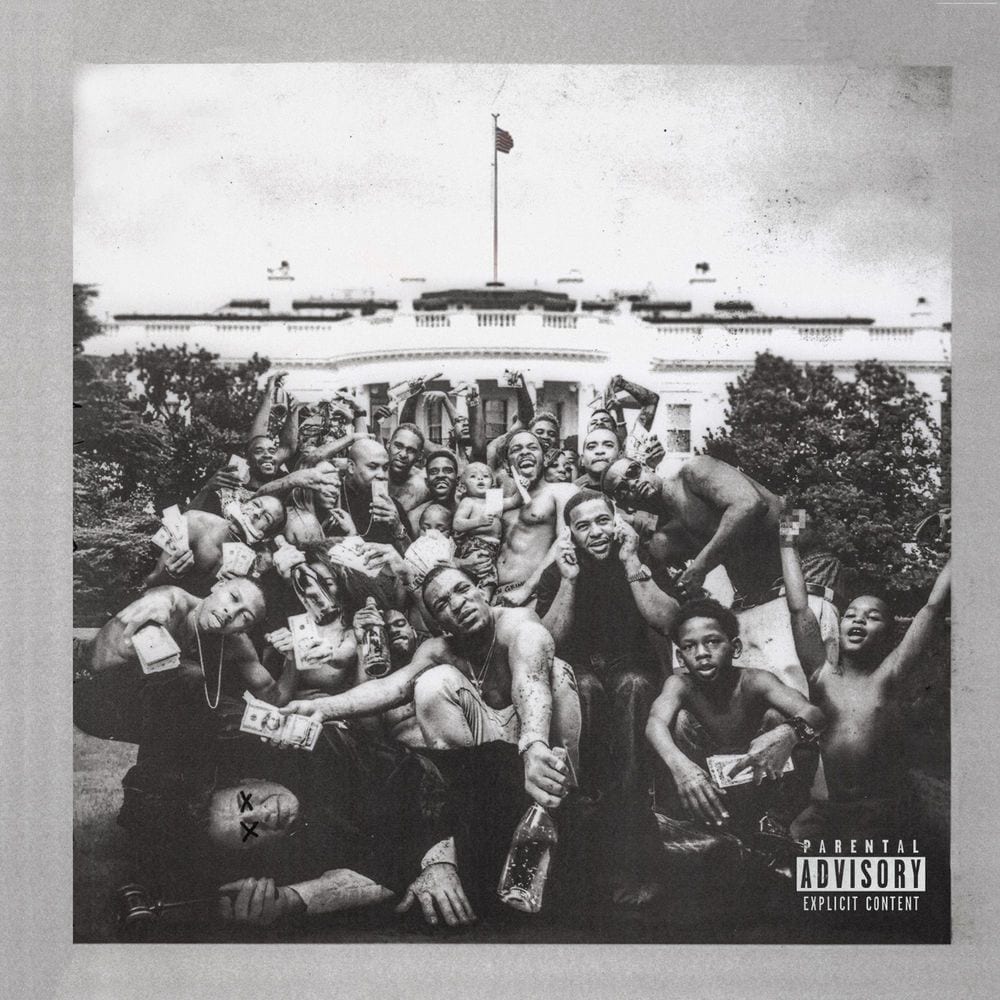
★ 4.5 · 7A crackling 1974 Boris Gardiner sample, then George Clinton, then Thundercat's bass over a Flying Lotus beat. Track one of To Pimp a Butterfly (2015) is a funk record about a young Black artist getting a cheque and losing it, named for Wesley Snipes' tax conviction.
It is also a statement of method. Kendrick spends the rest of the album handing songs to jazz and funk musicians instead of rappers, and the opener tells you that before the first verse ends.
- 6
Myrrhman
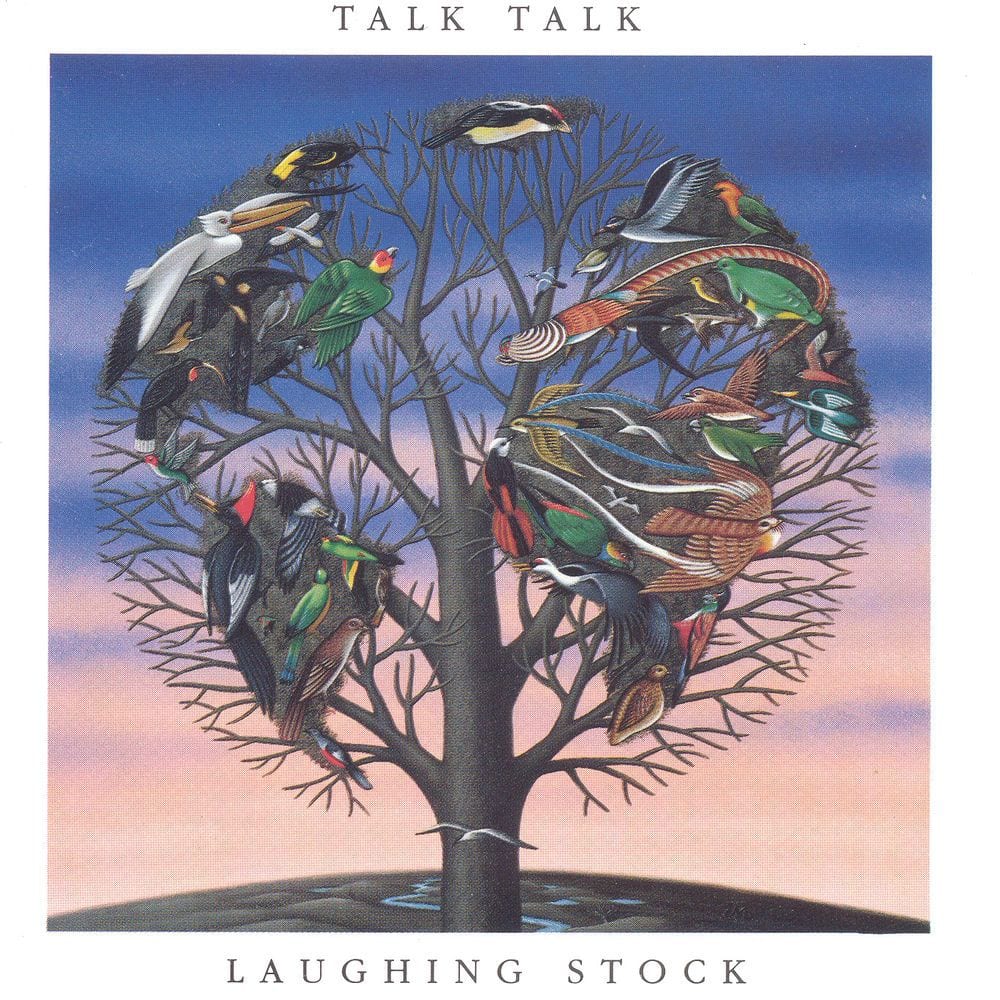
Be the first to rateLaughing Stock (Verve, 1991) begins with about fifteen seconds of amplifier hiss. Then a guitar note, then Mark Hollis, singing like the microphone is a long way off.
Tim Friese-Greene and Hollis recorded most of the album in the dark with a rotating cast of players and cut nearly all of it away afterwards. "Myrrhman" is the sound of that subtraction announcing itself. If the hiss bores you, the album is not going to convert you later.
- 7
Sunday Morning
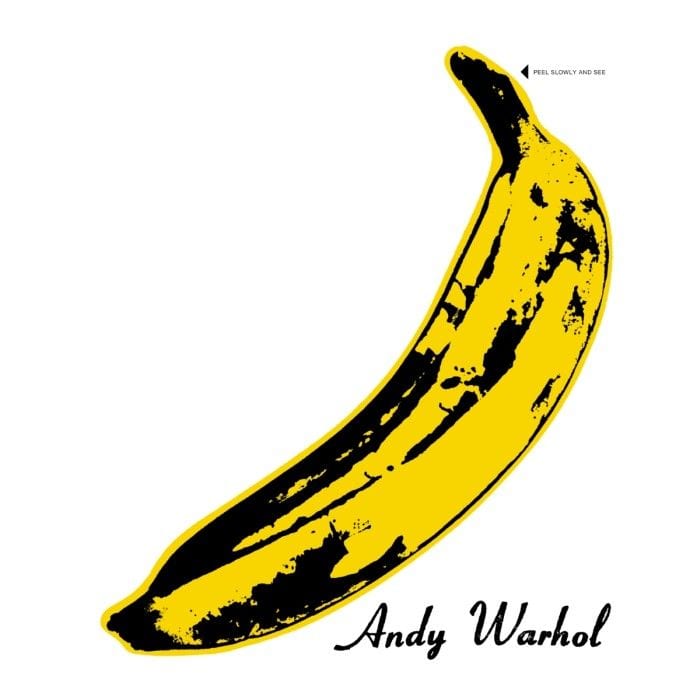
Be the first to rateIt was the last thing recorded for the album, cut at Mayfair in New York in November 1966 because Tom Wilson wanted a single. He wanted Nico to sing it. Lou Reed sang it instead, and she is somewhere in the background.
So the most famous opener in underground rock is a celesta-led lullaby glued onto the front of a record about heroin and whips. It is bait, and it still works: the paranoia in the lyric only registers on the second listen, once you know what track two is.
- 8

Hallogallo
Be the first to rateTen minutes, one beat, no chorus. Klaus Dinger holds the pulse without shifting while Michael Rother layers guitar over and under it, and Conny Plank records the whole thing so it sounds like it is passing you rather than playing at you.
Brain released the debut in 1972. Half a century of motorik borrowing starts here, and most of the borrowers add a build. Dinger's refusal to build is the actual idea.
- 9
Mysterons
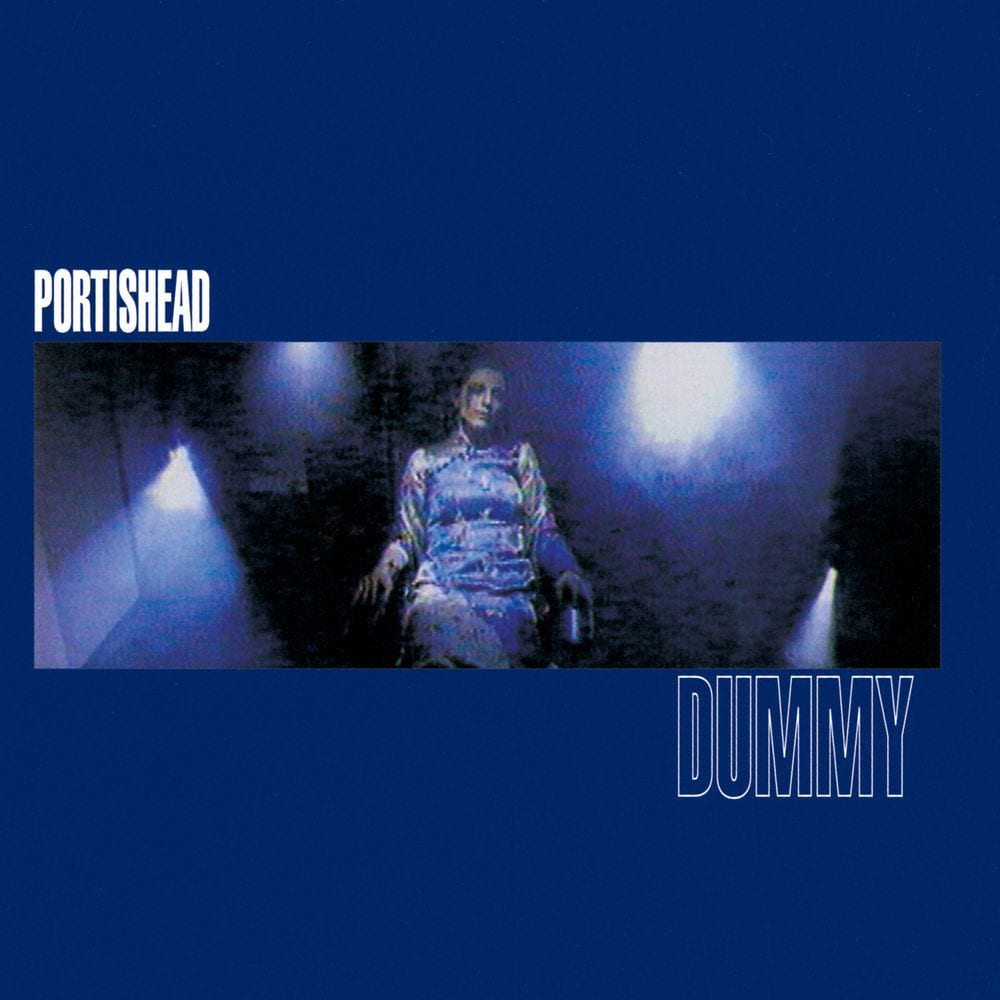
★ 5.0 · 2Named after the Martian antagonists in Captain Scarlet, which tells you how seriously Bristol took its spy-film mood in 1994. Dummy opens on scratching, a slow beat and a thin whining lead line that everyone hears as a theremin.
Beth Gibbons arrives sounding like she is confessing to something she has not done yet. Go! Beat put the record out that August and a decade of dinner-party trip-hop followed, none of which is as cold as its first four minutes.
- 10
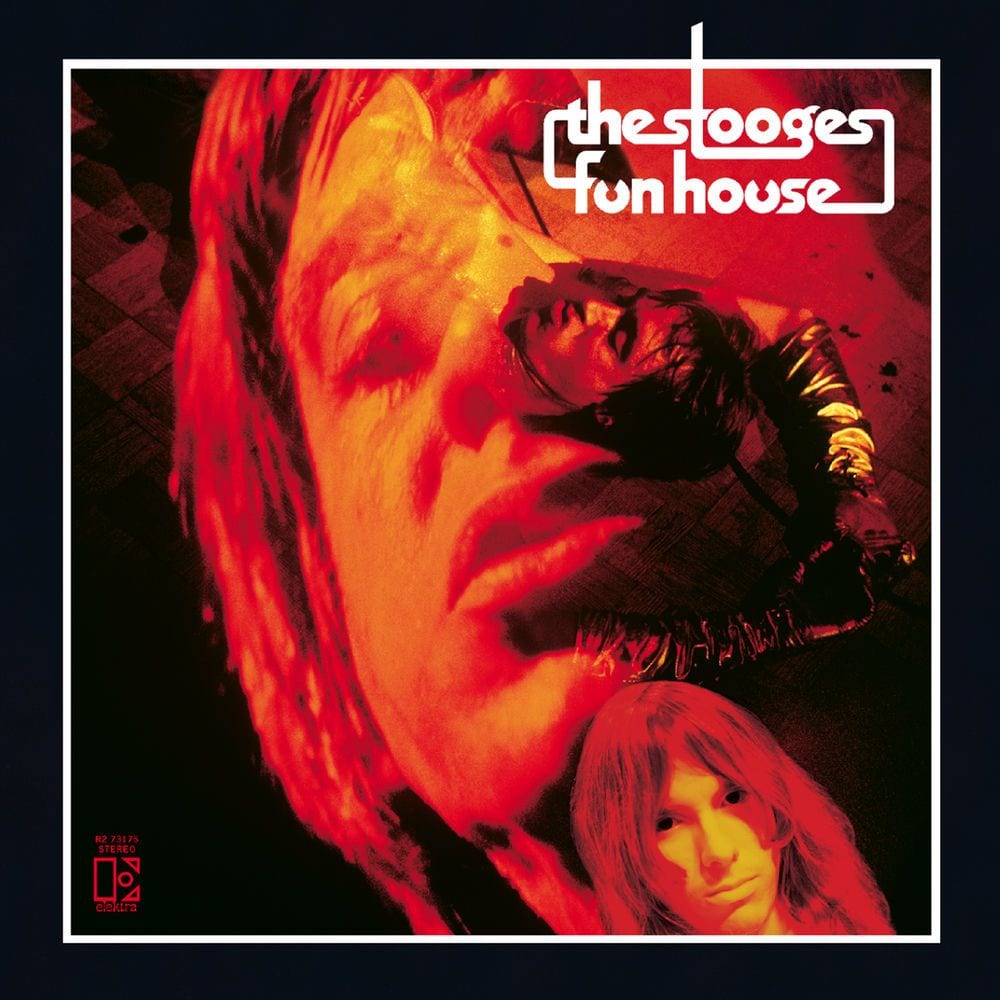
Down on the Street
Be the first to rateProducer Don Gallucci had the carpet and soundproofing torn out of Elektra Sound Recorders and made Iggy Pop sing into a handheld mic so the band could play Fun House (1970) the way they played it in a room. The opener is the proof: two chords, Ron Asheton's guitar sounding like it is in the doorway rather than the mix.
Nothing on the record is a step down from it. It just gets progressively less controlled until Steve Mackay's saxophone takes over and the whole thing collapses.
- 11
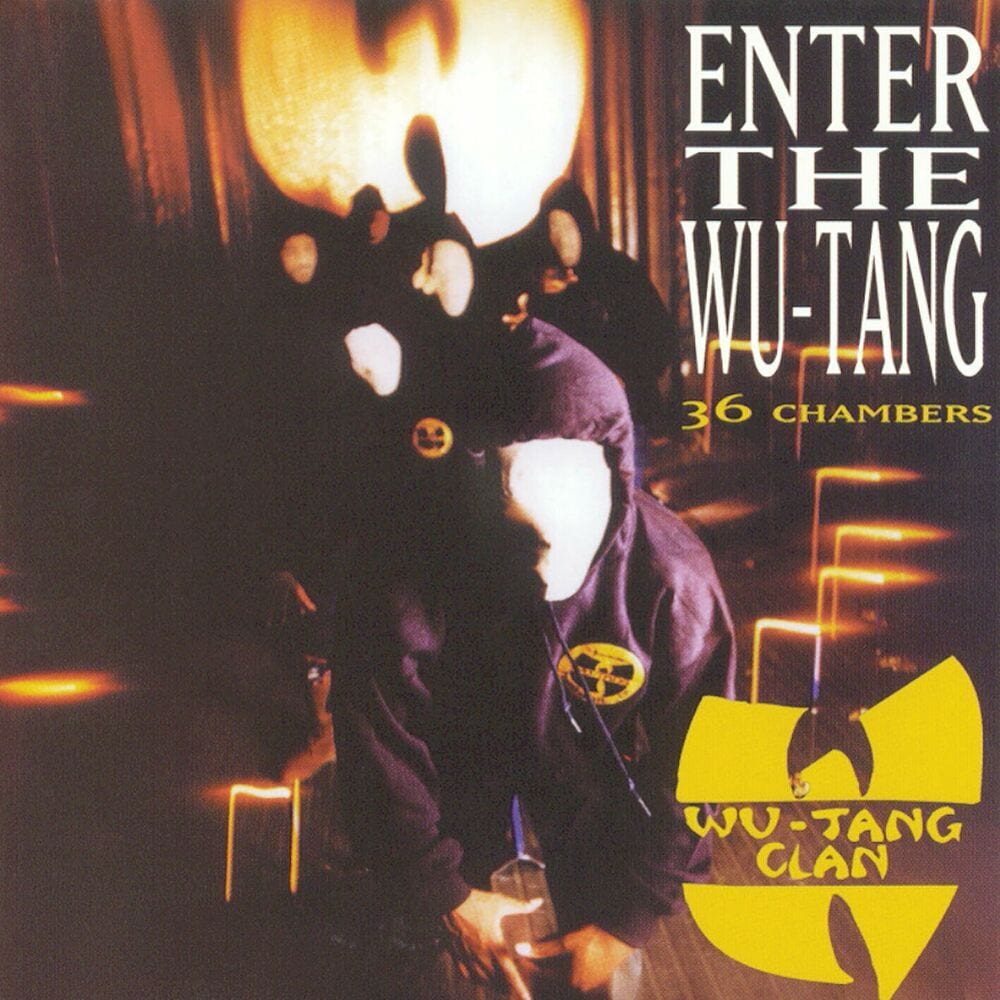
Bring da Ruckus
★ 4.6 · 6Dialogue lifted from the English dub of a Gordon Liu kung fu film, then RZA's slowed, filthy flip of the drums from Melvin Bliss' "Synthetic Substitution," then Ghostface Killah before you have finished sitting down. Loud released 36 Chambers in November 1993.
Nine rappers is a logistical problem. The opener solves it by making the beat so bare that whoever is on the mic has nowhere to hide, which is also the album's whole competitive premise.
- 12
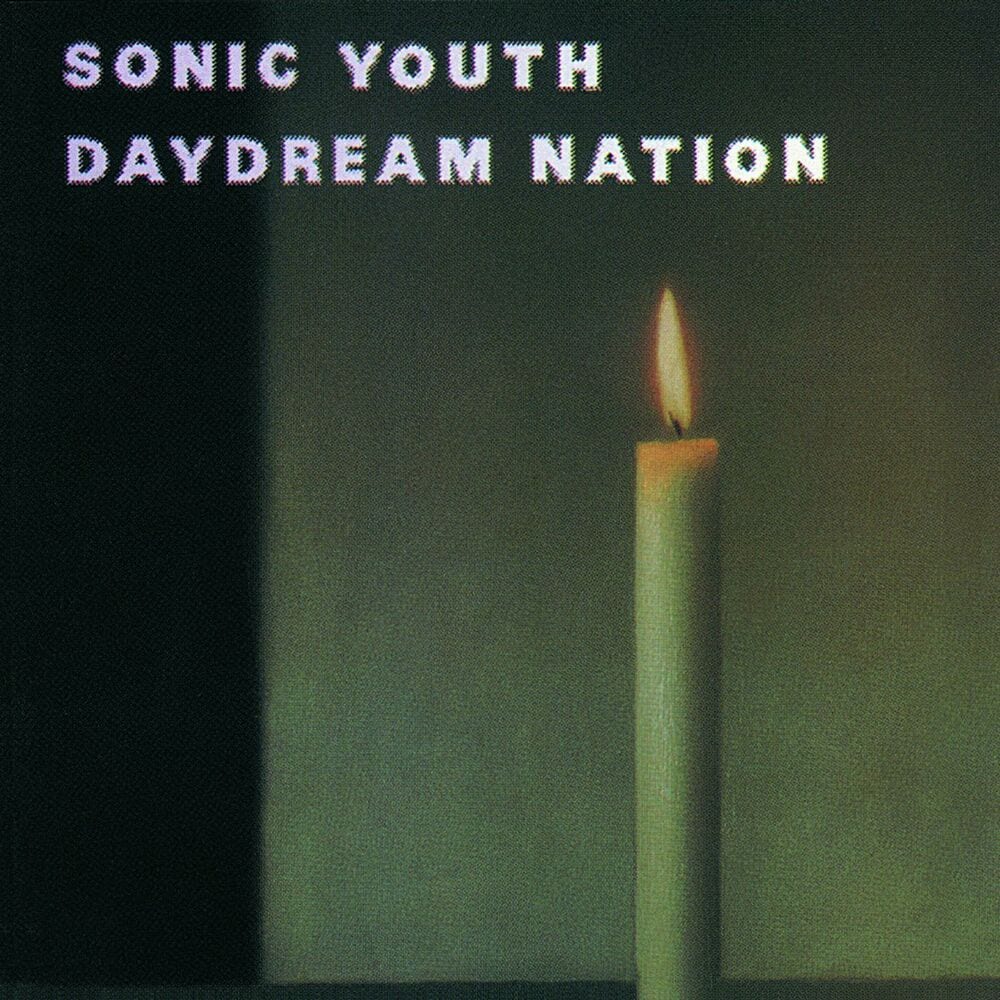
Teen Age Riot
★ 5.0 · 1Kim Gordon murmurs over a two-chord haze for a minute and a bit, and then the song proper kicks in and Daydream Nation (1988) turns out to be the most tuneful record Sonic Youth ever made. Thurston Moore later said the song imagines J Mascis as an alternative president, which is a very 1988 joke.
Enigma and Blast First had a double album of guitar detuning to sell. Front-loading it with the one song that could get on college radio was the smartest sequencing decision of their career.
- 13
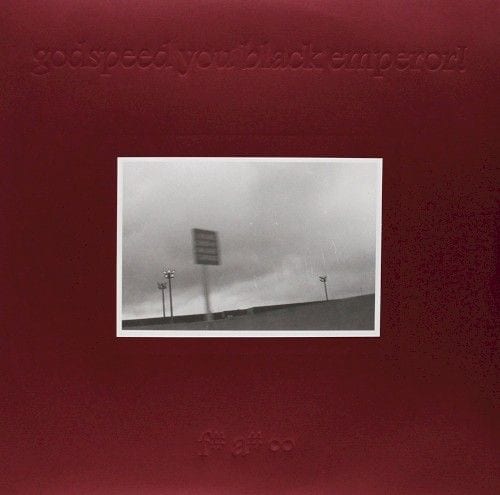
The Dead Flag Blues
★ 4.5 · 1A tape-worn voice describing a car on fire and a country that has already ended, over strings that take their time arriving. Constellation put F♯ A♯ ∞ out on vinyl in 1997, Kranky on CD in 1998, and by then the monologue was the band's calling card whether they liked it or not.
Every post-rock band that later opened an album with a field recording and a spoken sample is quoting this. Almost none of them sound as convinced.
- 14
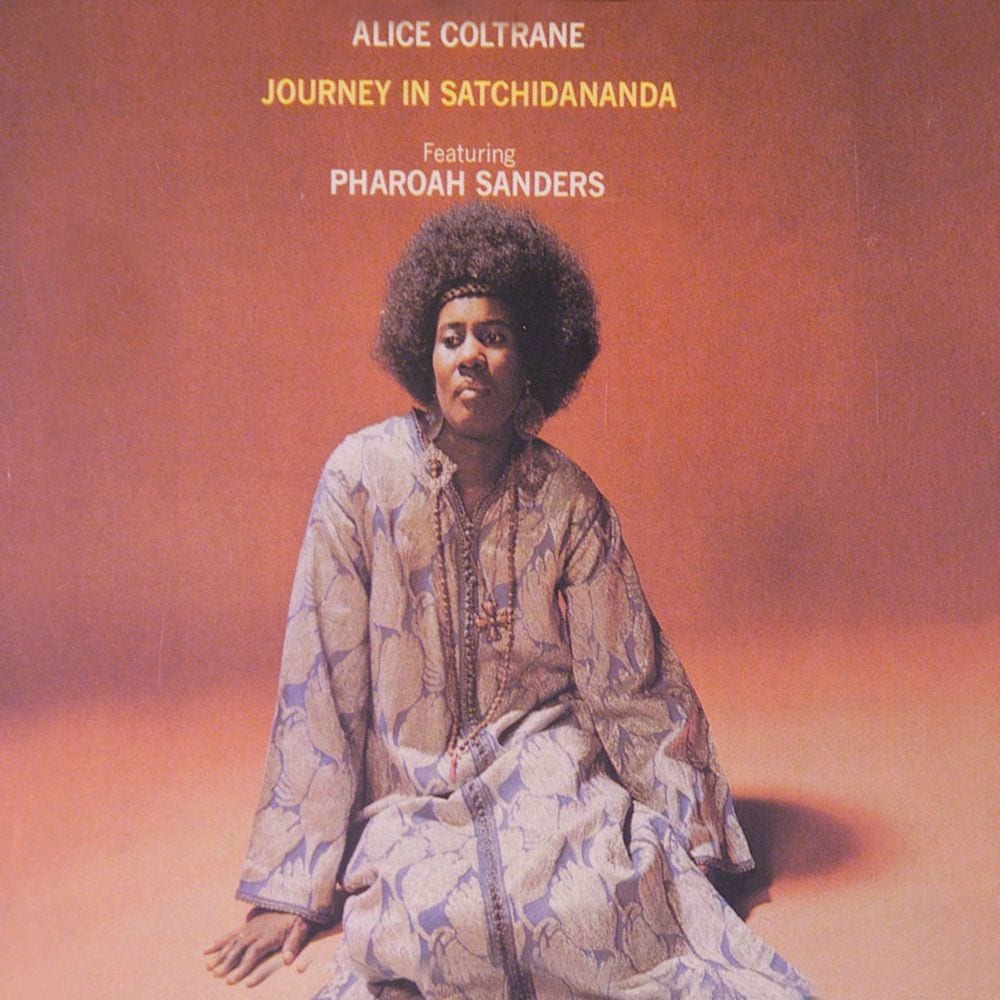
Journey in Satchidananda
Be the first to rateCecil McBee plays a bass figure, Tulsi Sen Gupta's tanpura drones underneath, and Alice Coltrane's harp moves across the top while Pharoah Sanders keeps the soprano restrained for once. Impulse! released it in February 1971 from sessions cut at her home studio in Dix Hills the previous November.
The opener sets a rule the album keeps: the bass never leaves the pattern. Everything else is free precisely because the floor does not move.
- 15
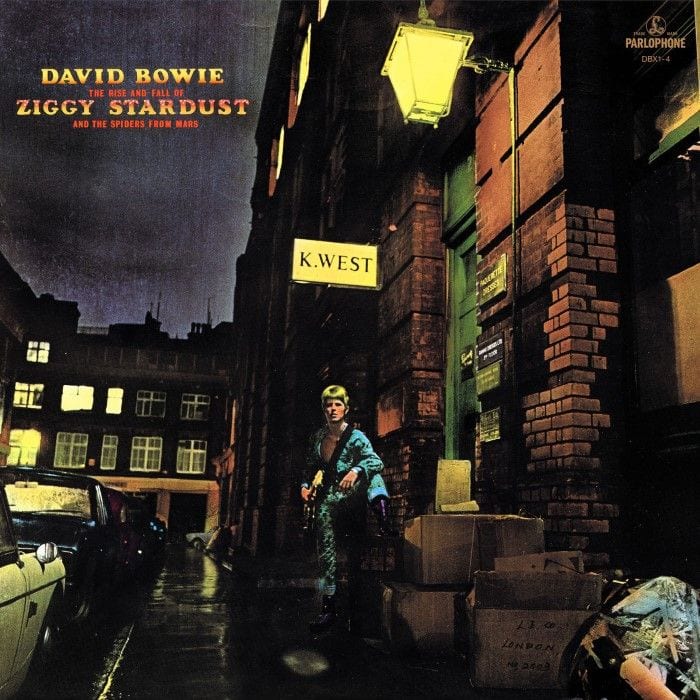
Five Years
Be the first to rateWoody Woodmansey's drum figure comes in alone, and then Bowie announces the planet has five years left. RCA released Ziggy in June 1972.
The song does the exposition an album about a rock messiah needs, and it does it as a piece of reporting: a newsreader crying, a girl vomiting, a soldier and a priest. By the time Bowie is screaming the title at the end, you have signed up for the story.
- 16
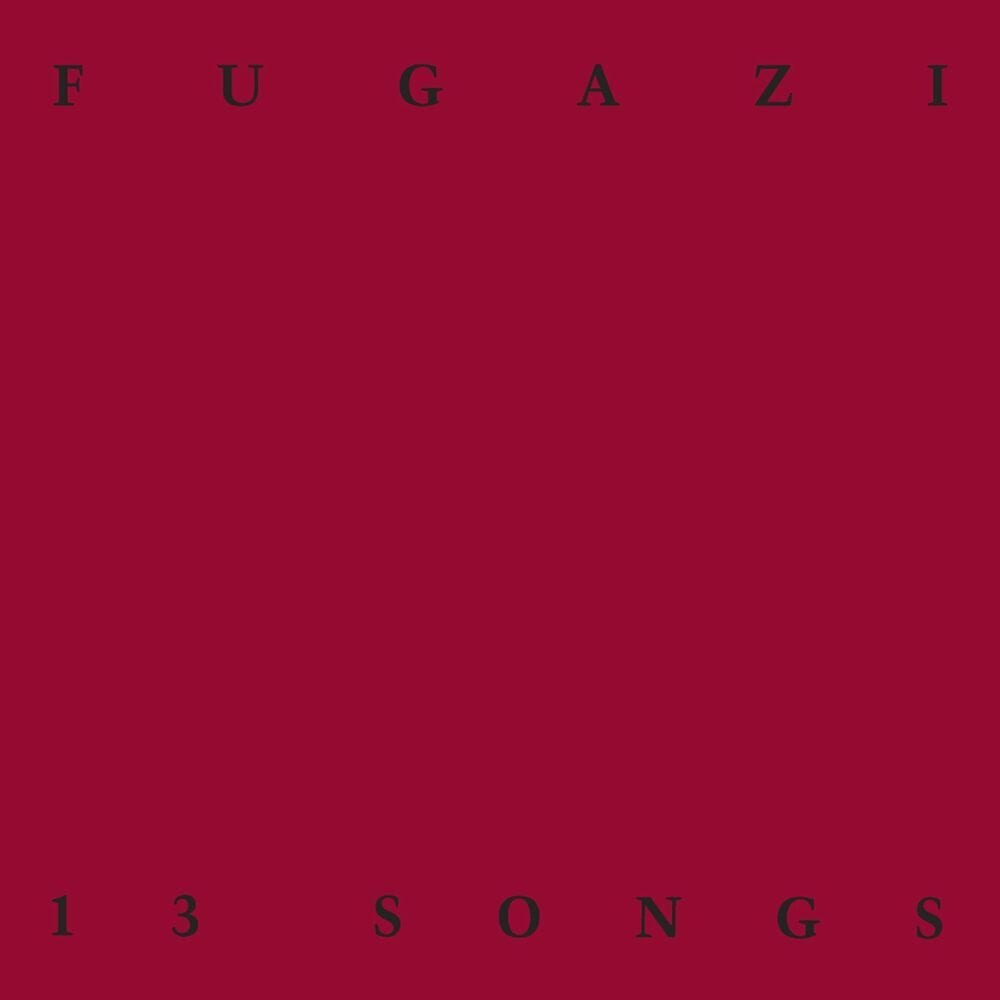
Waiting Room
Be the first to rateJoe Lally's bass gets four bars entirely to itself. That is the whole introduction to Fugazi, a band who put the bass in front and let the guitars answer it, and it is why the song is still the first thing anyone plays a Fugazi sceptic.
Dischord collected the first two EPs as 13 Songs in 1989. Ian MacKaye's lyric is about impatience without being about aggression, which is the distinction the rest of the catalogue keeps trying to make.
- 17
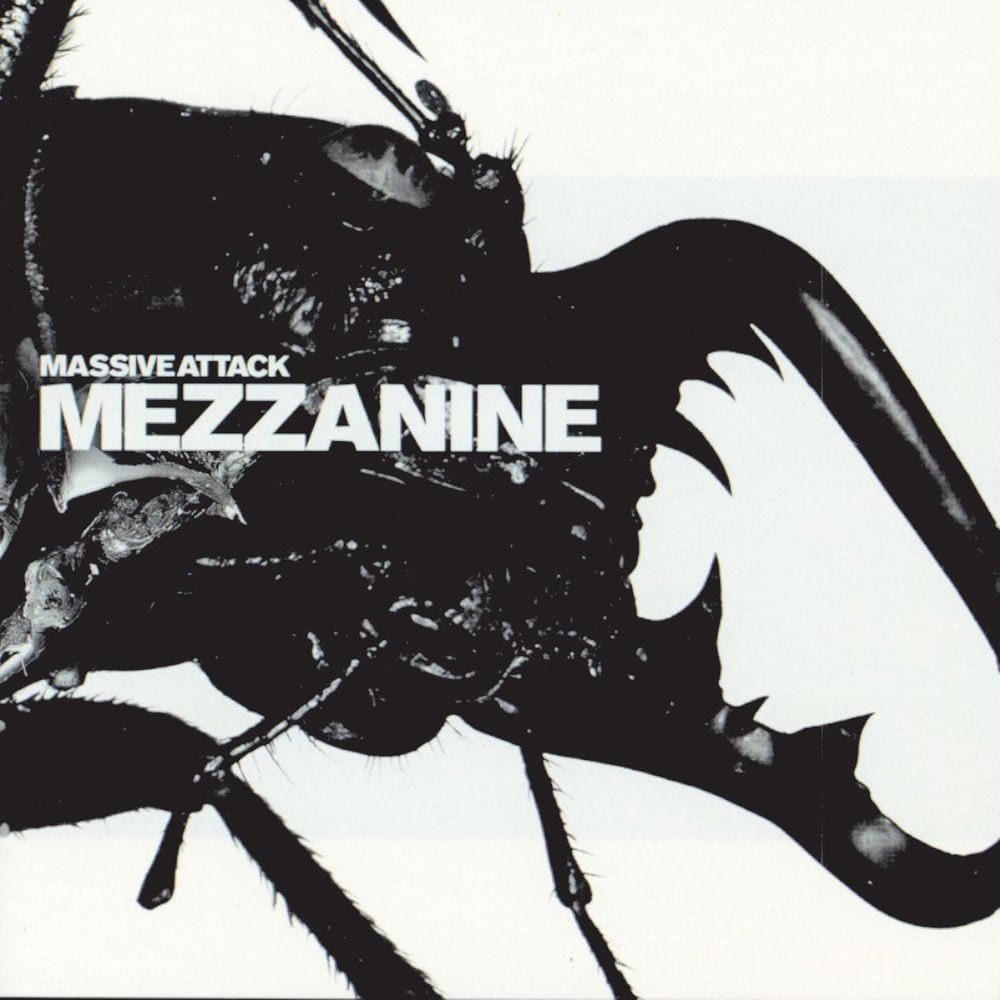
Angel
★ 5.0 · 1Horace Andy sang "You Are My Angel" as a sweet Jamaican love song in 1973. On Mezzanine (Circa, 1998) he sings it again over a bassline that circles for two minutes and then detonates into guitars.
That rewrite is the album's thesis: the same voice, the same melody, all the warmth removed. Andy sounds like a man being followed home.
- 18
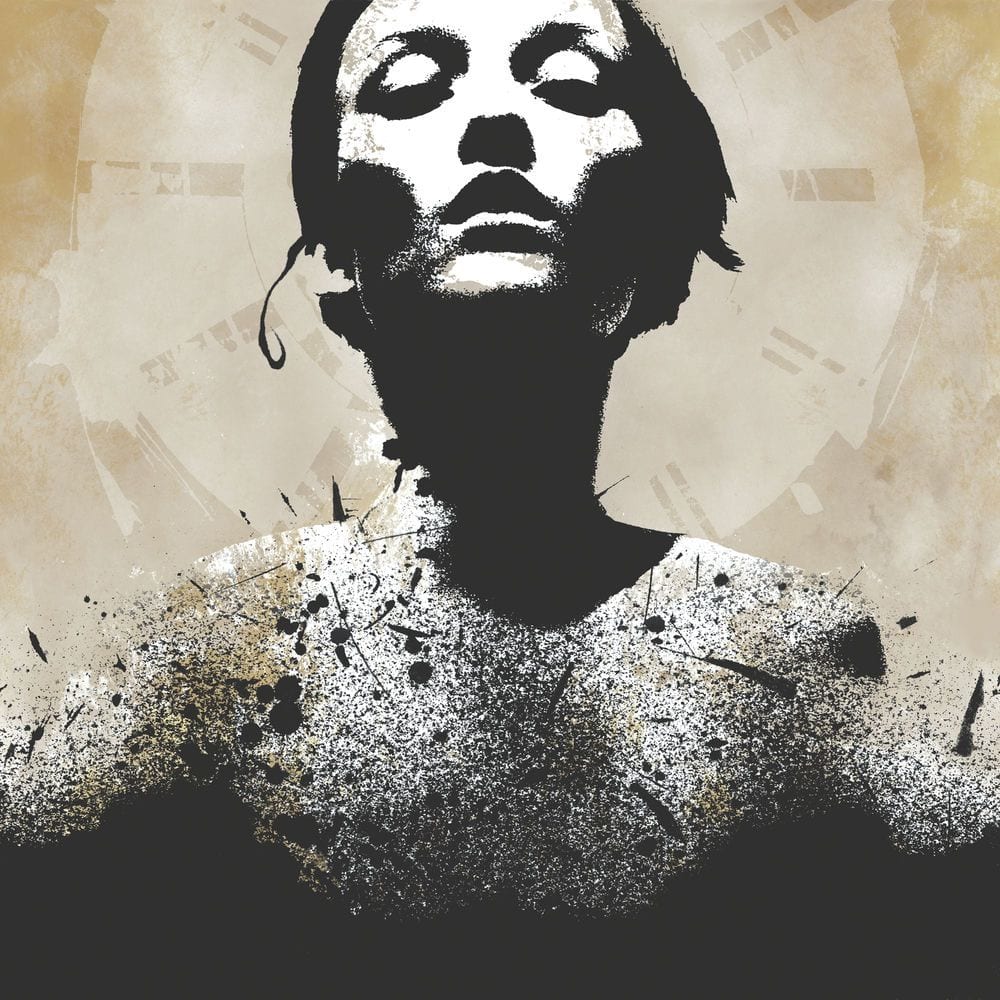
Concubine
Be the first to rateSeventy-nine seconds. Jacob Bannon screams, Ben Koller plays something closer to a controlled crash than a beat, and Kurt Ballou's guitar takes the shortest route out.
Equal Vision released Jane Doe in September 2001. The record ends with an eleven-minute title track, so the opener's job is to make you believe a band this fast can also be patient. It buys the credit in a minute and a quarter.
- 19
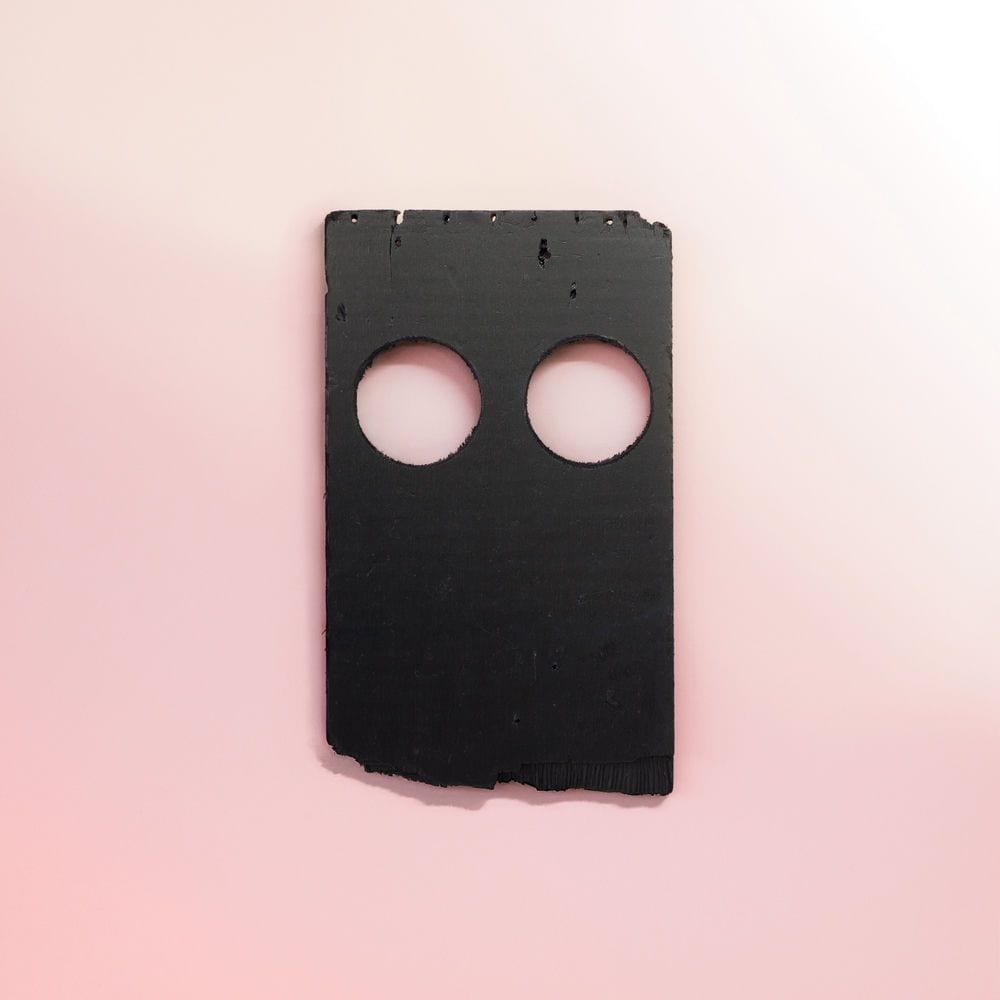
Quorum
Be the first to rateTwenty-five years into the band, Alan Sparhawk and Mimi Parker handed the tapes to BJ Burton and let the distortion eat them. "Quorum" opens Double Negative (Sub Pop, 2018) with a lurching digital rot where the drums should be, and the voices only surface once the damage is established.
It is the rare late-career reinvention that starts with the reinvention instead of easing you in. Slowcore fans who wanted the harmonies had to sit through the corruption first, and the harmonies mean more when they finally arrive.
- 20
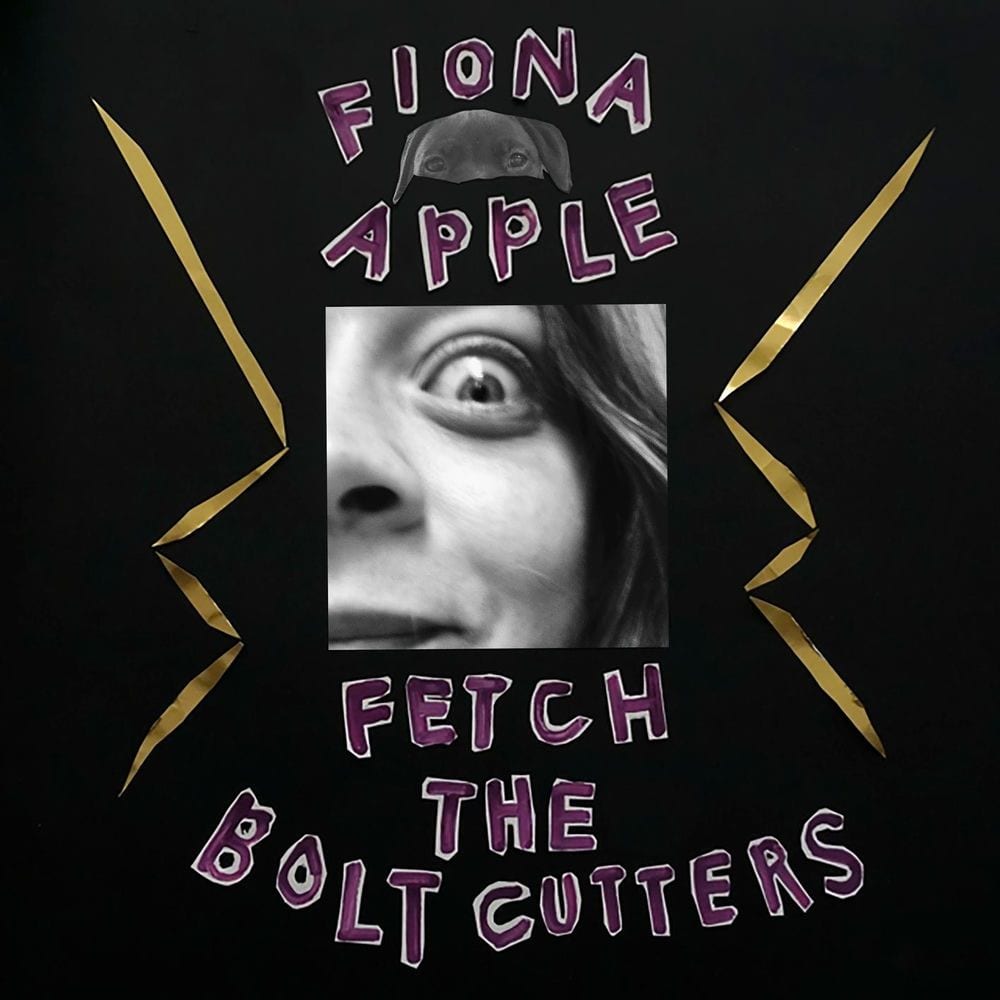
I Want You to Love Me
Be the first to ratePiano, recorded in her Los Angeles house with Amy Aileen Wood on drums and half the percussion coming off the furniture. Epic released Fetch the Bolt Cutters in April 2020, into a spring where everyone was in their house too.
Apple sings a fairly conventional swooning ballad for three minutes and then ends it with a run of pitched shrieks that no label would have signed off in 1996. That is the album telling you the rules have changed.
- 21
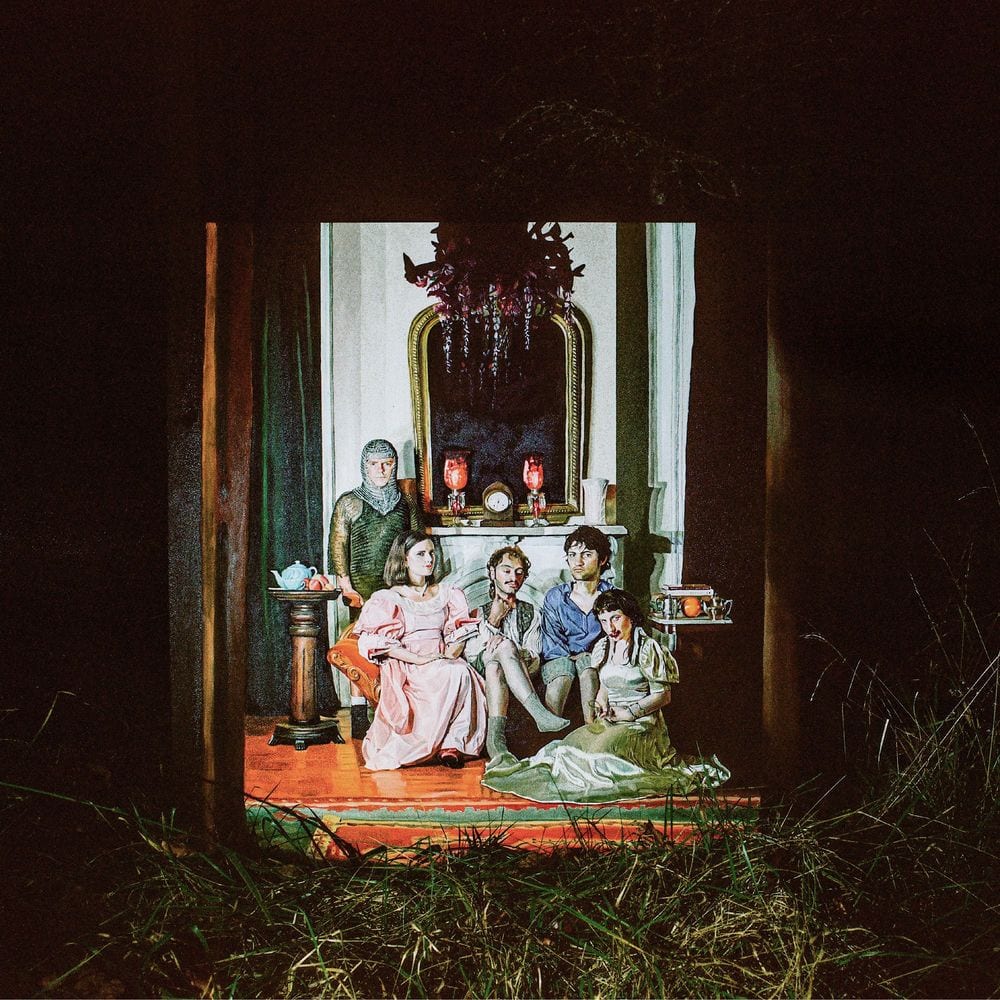
Hot Rotten Grass Smell
Be the first to rateNinety-five seconds of shrieking guitars, Karly Hartzman half-speaking over the top, and then the noise drops away into the sound of frogs at night. Dead Oceans released Rat Saw God in April 2023.
It is a shoegaze intro bolted onto an alt-country album, which is exactly what the record turns out to be. MJ Lenderman's lap steel shows up two tracks later and it makes sense because the opener already warned you the two things live together.


Explore the sound
Artists in this guide
Read next
Gone, not finished: 19 albums that arrived a decade or more late
Ranked by how long the silence lasted, from Linda Perhacs' forty-four years down to Portishead's eleven.
Rock progressivo italiano: 22 albums, and most of these bands only got one
Italy's prog boom lasted about five years, produced a staggering number of records, and left a scene full of one-album bands.
The whole band was one person: 22 albums made alone
Wendy Carlos in a Manhattan apartment, Springsteen in a bedroom, Jane Remover recording guitar one string at a time. Records where a single player covered every part.
Congolese rumba and soukous: a 23-record canon, from Indépendance Cha Cha to the Kinshasa of now
Sixty-five years of dance music from both banks of the river, told through the bands that kept splitting up.
Got your own ranking? Build a list or tier of your own.