


Guides/A Riffiter guide
American primitive guitar: 22 records from the genre John Fahey invented for himself
From a self-released LP nobody bought in 1959 to a revival with more good players than it can keep track of.
American primitive is the solo steel-string guitar tradition John Fahey named in 1959, when he self-released Blind Joe Death in an edition of under 100 copies. This guide ranks 22 records across the whole run of the form: Fahey, Robbie Basho and Sandy Bull in the 1960s, Jack Rose and the Tompkins Square revival in the 2000s, and current players including Yasmin Williams, Gwenifer Raymond and Daniel Bachman.
Fahey coined "American primitive" as a dig at blues scholarship, the kind of half-joke that gets you a genre. What he actually did was decide the steel-string acoustic guitar could carry a composition on its own, with no singer to explain it and no band to fill the gaps. Sixty-odd years later people are still working out what that permits.
The order here is an argument, not a timeline. Records go higher when they either founded something or did the thing better than the founders. A few players get in for stubbornness. One of them, Bill Orcutt, is on the list mostly to disagree with the rest of it.
One warning before you start: this music rewards attention and punishes background listening. Put it on while answering email and it turns into wallpaper in about ninety seconds. Sit with it and the 22nd listen still gives something up.
- 1
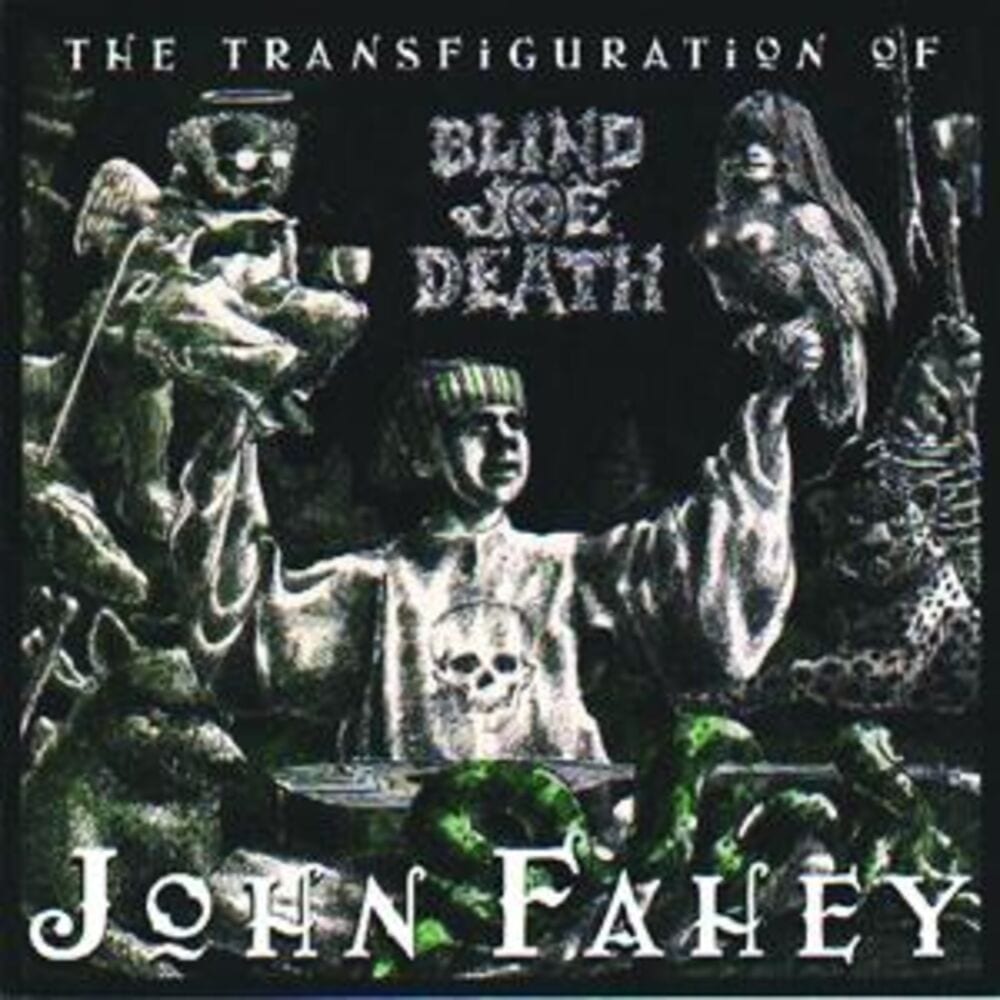
The Transfiguration of Blind Joe Death
Be the first to rateIn 1959 Fahey pressed fewer than 100 copies of Blind Joe Death, credited half of it to an invented Mississippi bluesman, and scattered the rest into thrift shops around Maryland. Six years later he made the record that idea deserved. The Delta fingering is all over Transfiguration, but the shapes underneath come from somewhere closer to Charles Ives, all repetition and dissonance held longer than is comfortable.
Everything below descends from this. It's also, and this gets forgotten in the mythmaking, gorgeous.
- 2
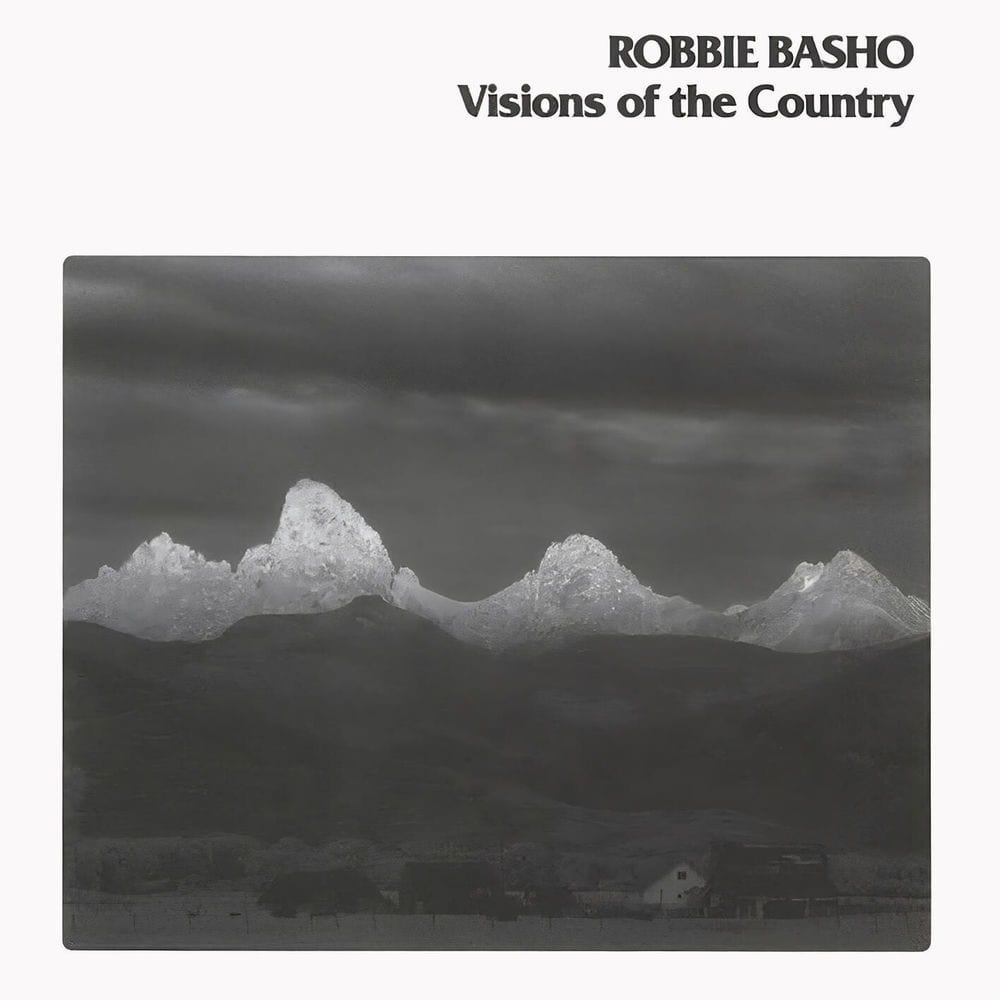
Visions of the Country
Be the first to rateBasho took Fahey's instrument and pointed it at Hindustani raga and the American West, then sang over the top of it in an enormous untrained voice. For years that voice was treated as the flaw in the package. On Visions of the Country (Windham Hill, 1978) it stops being an apology and becomes the whole argument, especially on "Blue Crystal Fire."
He died in 1986 at 45, when a chiropractor's neck manipulation ruptured an artery. He then spent thirty years being rediscovered by people who had only known him as Fahey's stranger labelmate.
- 3
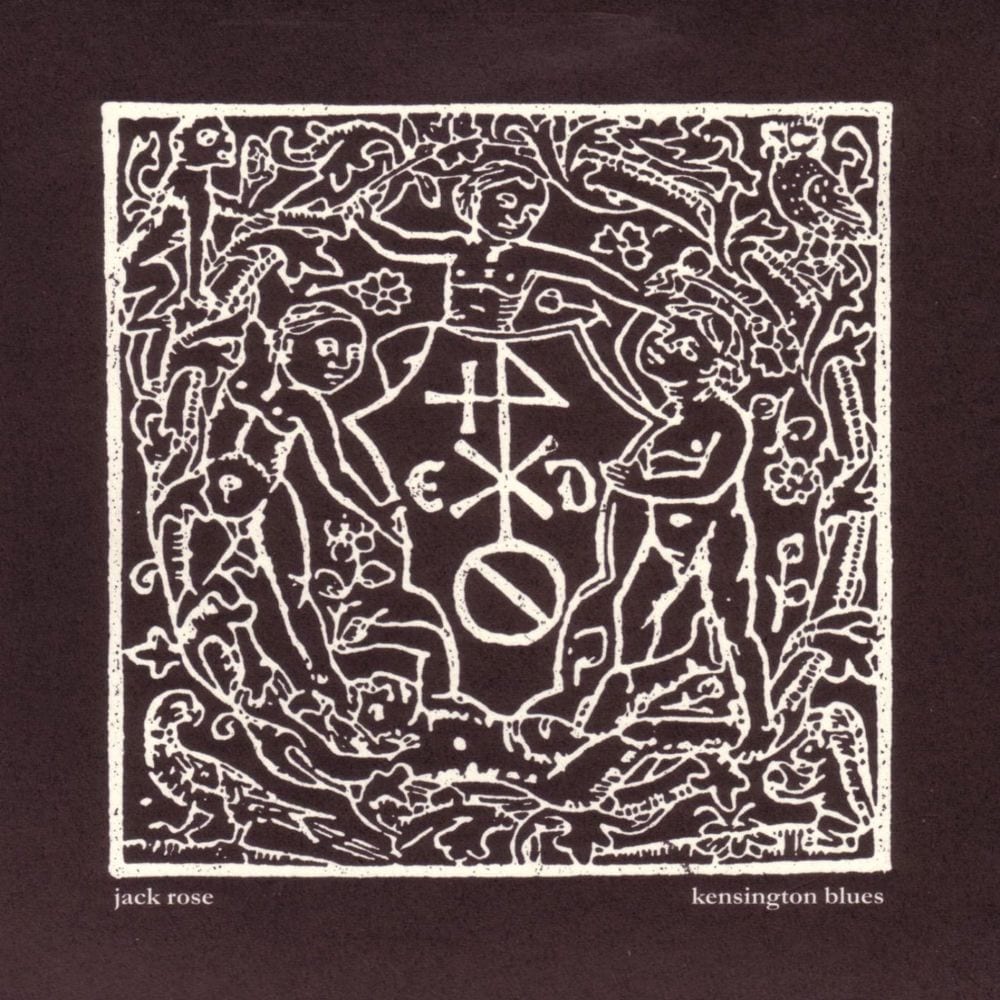
Kensington Blues
Be the first to rateRose came up in the Virginia drone group Pelt, which explains why his ragtime always has a hum underneath it. Kensington Blues (2005) is the record that made the 2000s revival credible rather than antiquarian: the ragtime pieces swing, the raga pieces are genuinely heavy, and nobody had played this repertoire with that much weight since Basho.
He had just signed to Thrill Jockey when he died of a heart attack in December 2009, at 38. Luck in the Valley came out two months later.
- 4
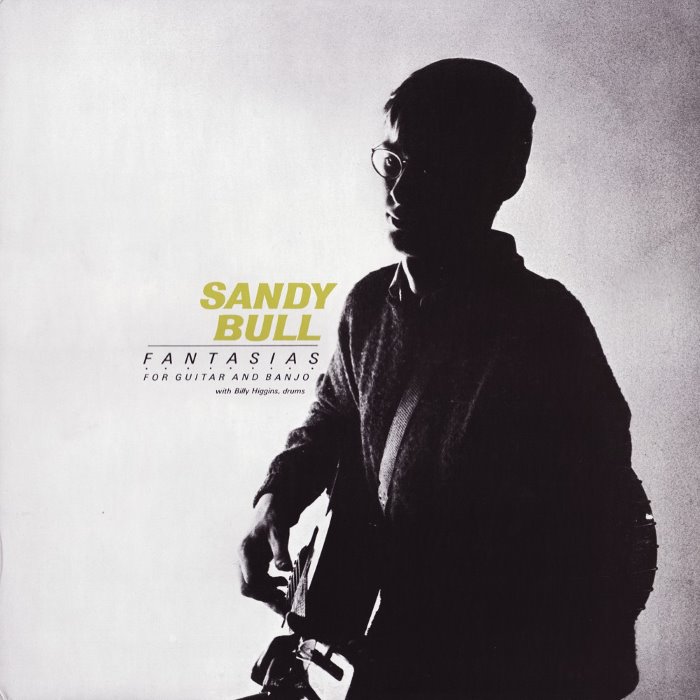
Fantasias for Guitar & Banjo
Be the first to rateBull got there first and gets remembered least. Vanguard put this out in August 1963 with Ornette Coleman's drummer Billy Higgins on two tracks, and side one is "Blend," 22 minutes of modal guitar built from ideas Bull picked up while sharing an apartment with the Nubian oud player Hamza El Din.
Nothing else in 1963 sounded remotely like it. If you want the moment the American instrumental guitar record became possible, it is here rather than on any Takoma release.
- 5
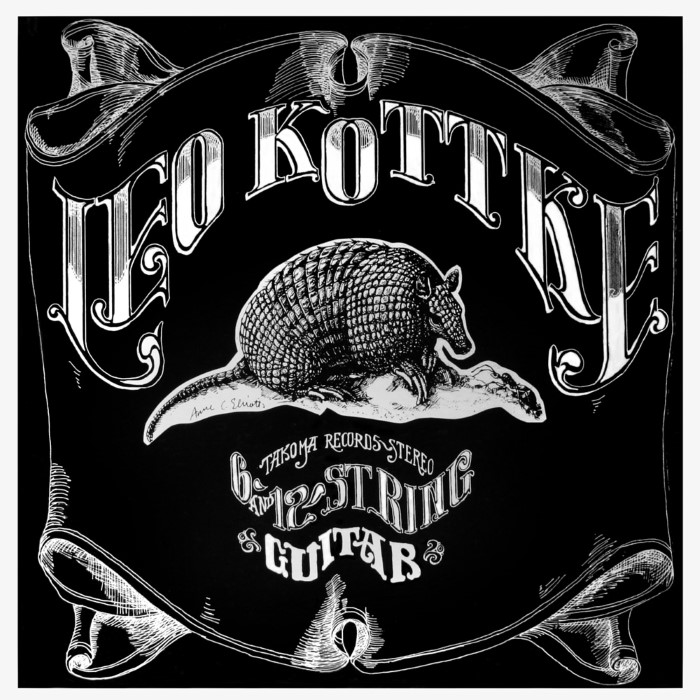
6- and 12-String Guitar
Be the first to rateFahey released it on Takoma in 1969 with an armadillo on the sleeve, and Kottke used the liner notes to explain that the album was instrumental because his singing voice resembled "geese farts on a muggy day." The playing is faster and far more welcoming than anything his label boss was making, which is exactly why purists undersell it.
It is also the record on this list that has actually taught people to play. Hold that against it if you like.
- 6
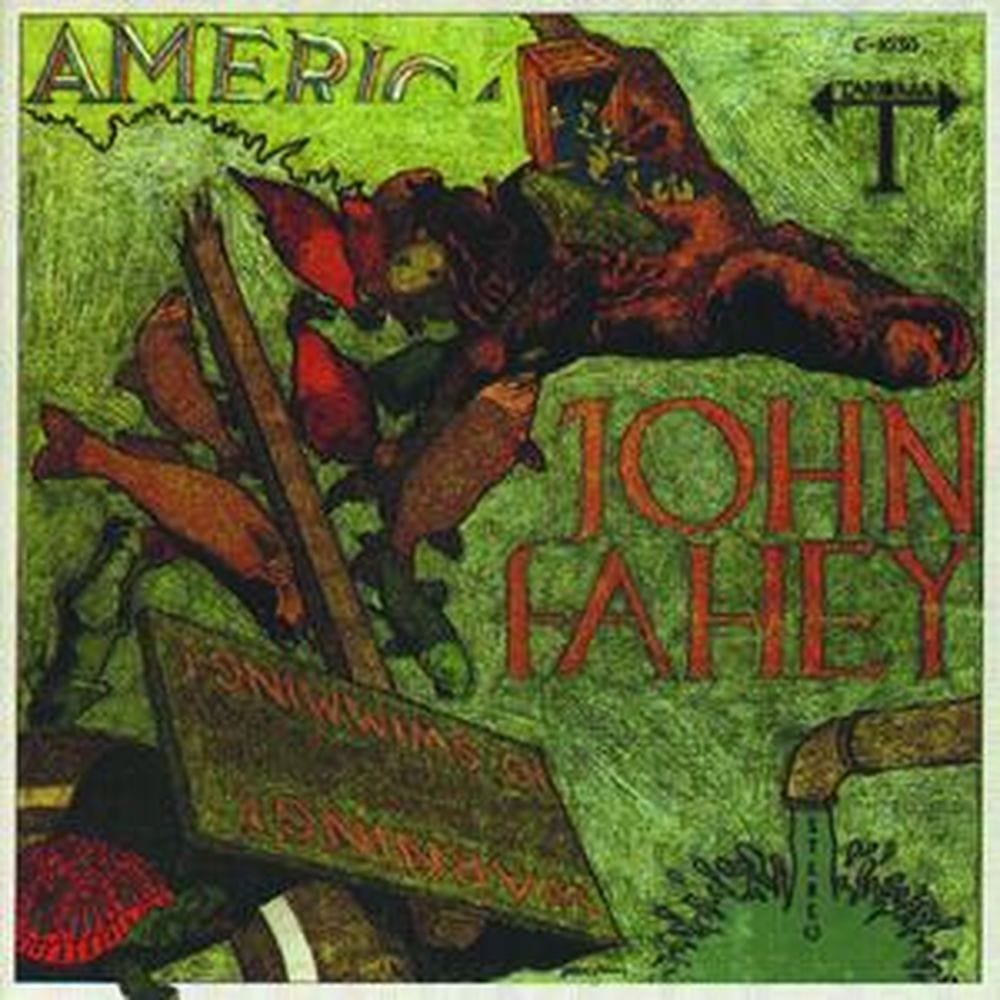
America
Be the first to rateBy 1971 Fahey had stopped writing tunes and started writing weather. The America sessions produced more than 80 minutes of music, which he cut to a single Takoma LP because he doubted a double would sell; the 1998 reissue restored most of what he left off, including a still-abridged "Mark 1:15."
The long pieces are where his later reputation lives. They are also where the drinking and the wreckage of the next two decades start to be audible.
- 7
The Cloud of Unknowing
Be the first to rateA Londoner treating the 12-string like a minimalist score: cycling figures that shift a note at a time, cimbalom and glockenspiel around the edges, patience where an American player would have put a blues lick. Tompkins Square released it in June 2007 and it landed at 24 in The Wire's albums of the year and 34 in Pitchfork's.
That was the point where the British contingent stopped being a footnote to a Maryland story.
- 8

Axacan
Be the first to rateNamed for Ajacán, the Spanish mission that ended in massacre in 1570s Virginia, and assembled entirely from sounds recorded in that state. Guitar shares the album with radio static, wind, insects and long stretches where you'd struggle to name the instrument. It has more in common with Pierre Schaeffer than with Takoma.
This is the most ambitious thing anyone in the lineage has attempted in twenty years, and it stays difficult on purpose. Three years of listening and I still can't sit through it casually.
- 9
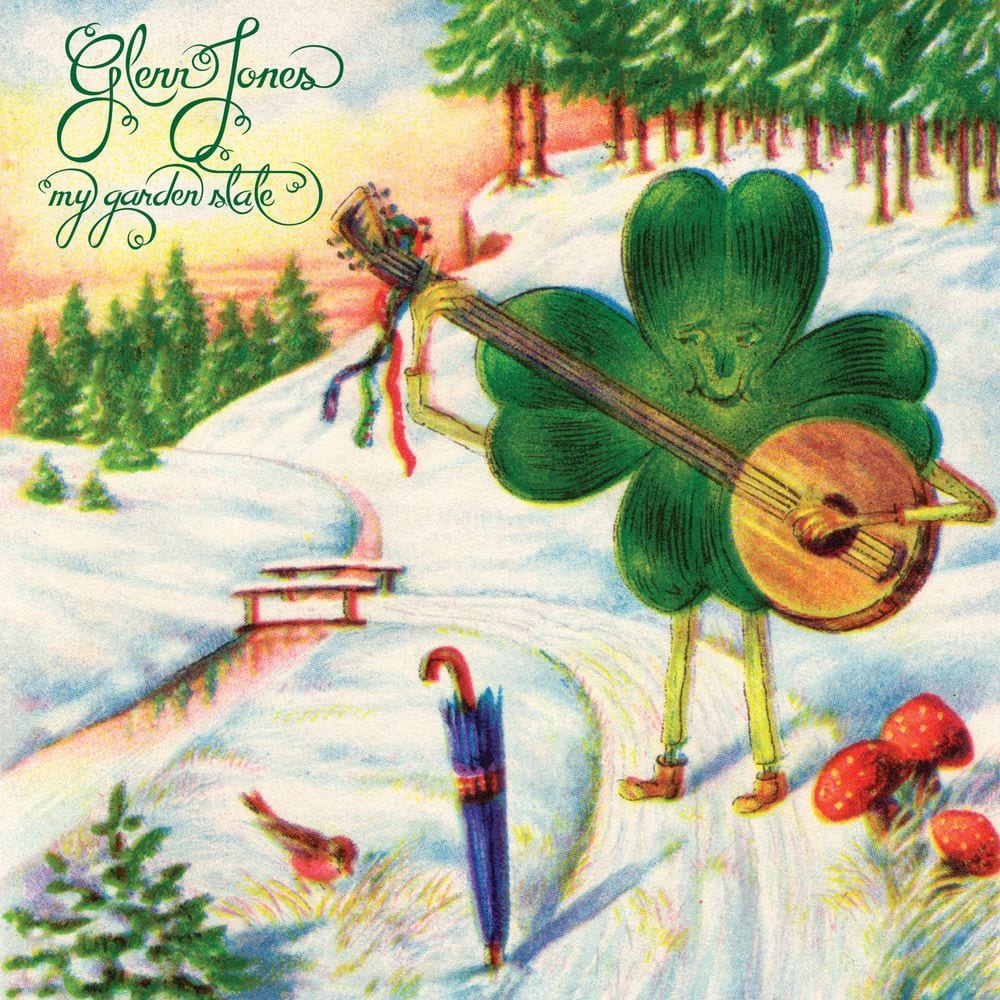
My Garden State
Be the first to rateJones played in Cul de Sac, talked a reluctant Fahey into a late collaboration, and knows this music from inside the room. He recorded My Garden State over five days in October 2012 at his mother's house in New Jersey, where he had been nursing her through Alzheimer's and where the family was about to sell up.
Banjo on two pieces, 12-string on one, and a quality of attention across all of it that the sleeve notes make painful once you know what was happening in the next room.
- 10
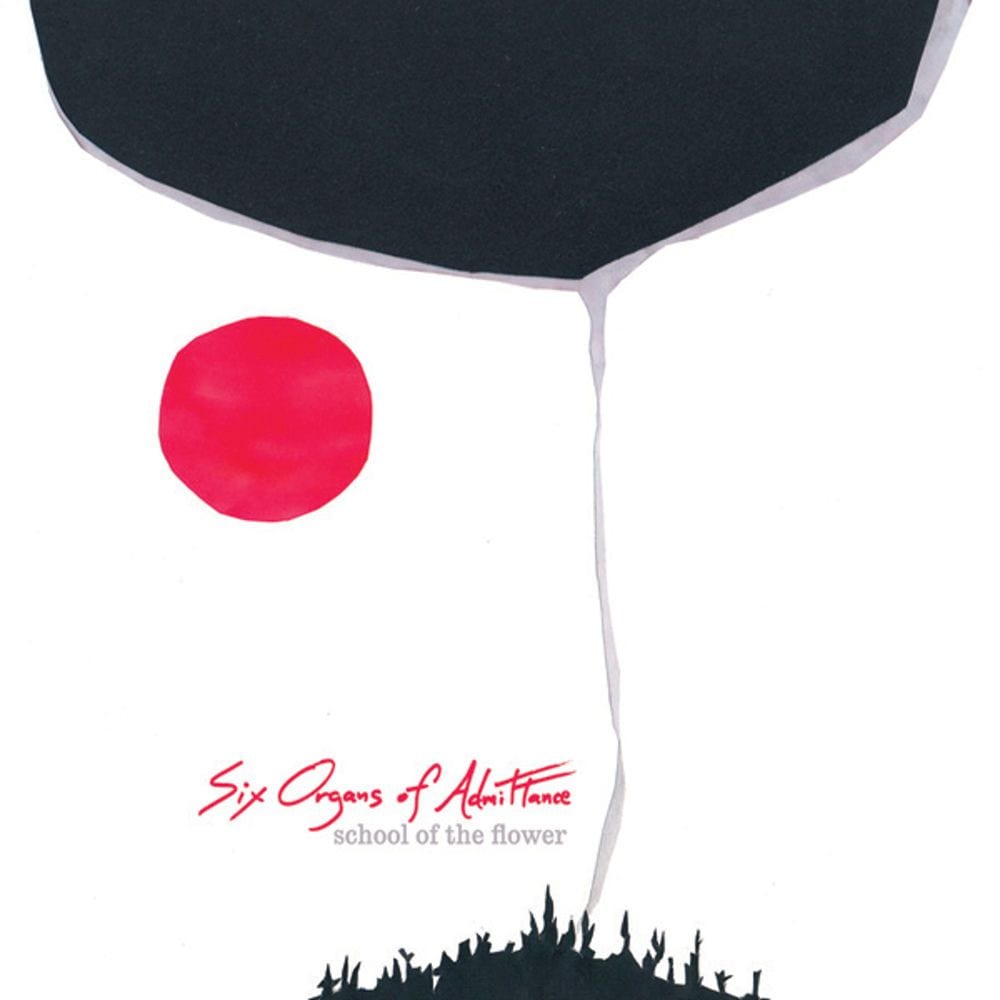
School of the Flower
Be the first to rateBen Chasny arrived at fingerstyle through drone and psychedelia rather than record collecting, and it shows in how little he cares about ragtime form. Chris Corsano drums on this, mostly at the margins, then takes over for the extended coda of the title track.
Drag City put it out in January 2005, the same year Kensington Blues appeared, and between them the revival had both its scholar and its heretic.
- 11
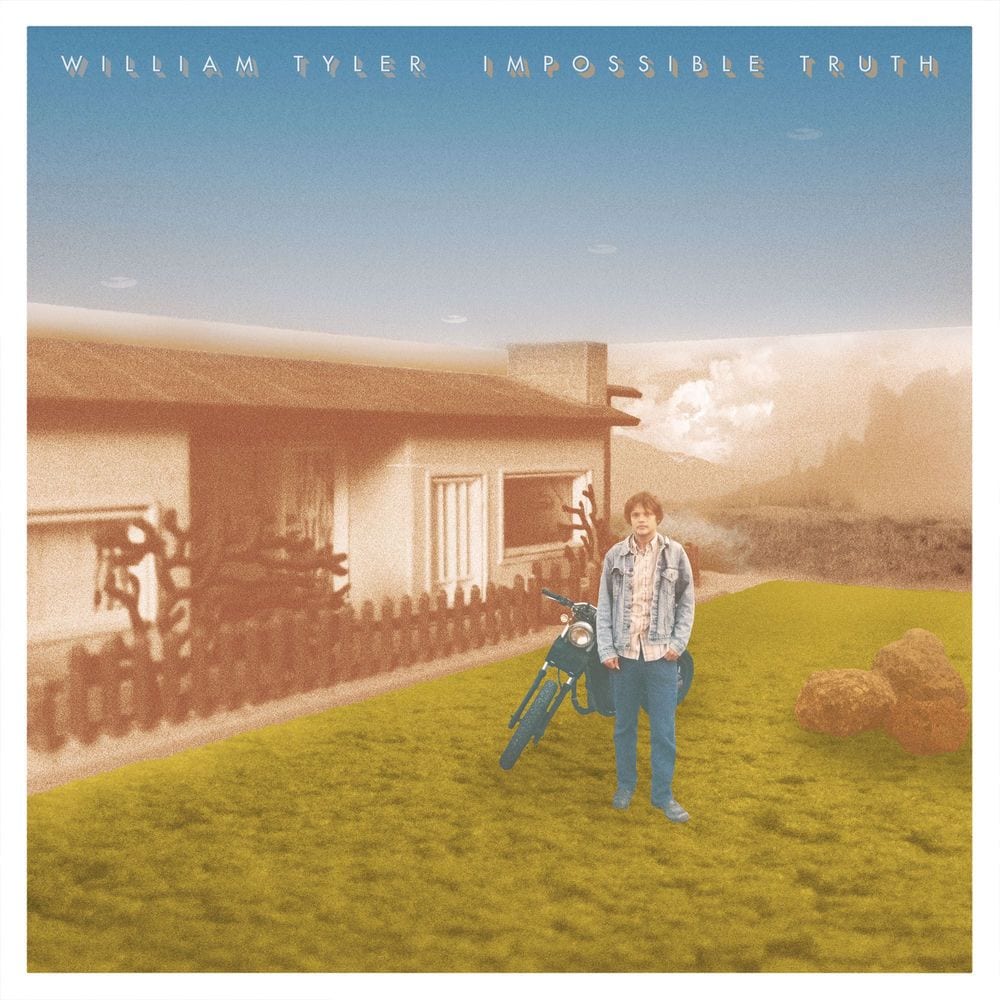
Impossible Truth
Be the first to rateTyler spent his twenties playing guitar for Lambchop and the Silver Jews, and it left him arranging rather than merely picking. Impossible Truth (Merge, 2013, produced by Mark Nevers) is eight long instrumentals circling Californian collapse, with pedal steel and drums where the tunes want them.
It is the easiest record here to love and no less serious for it. If you're starting from zero, start with this and work backwards.
- 12
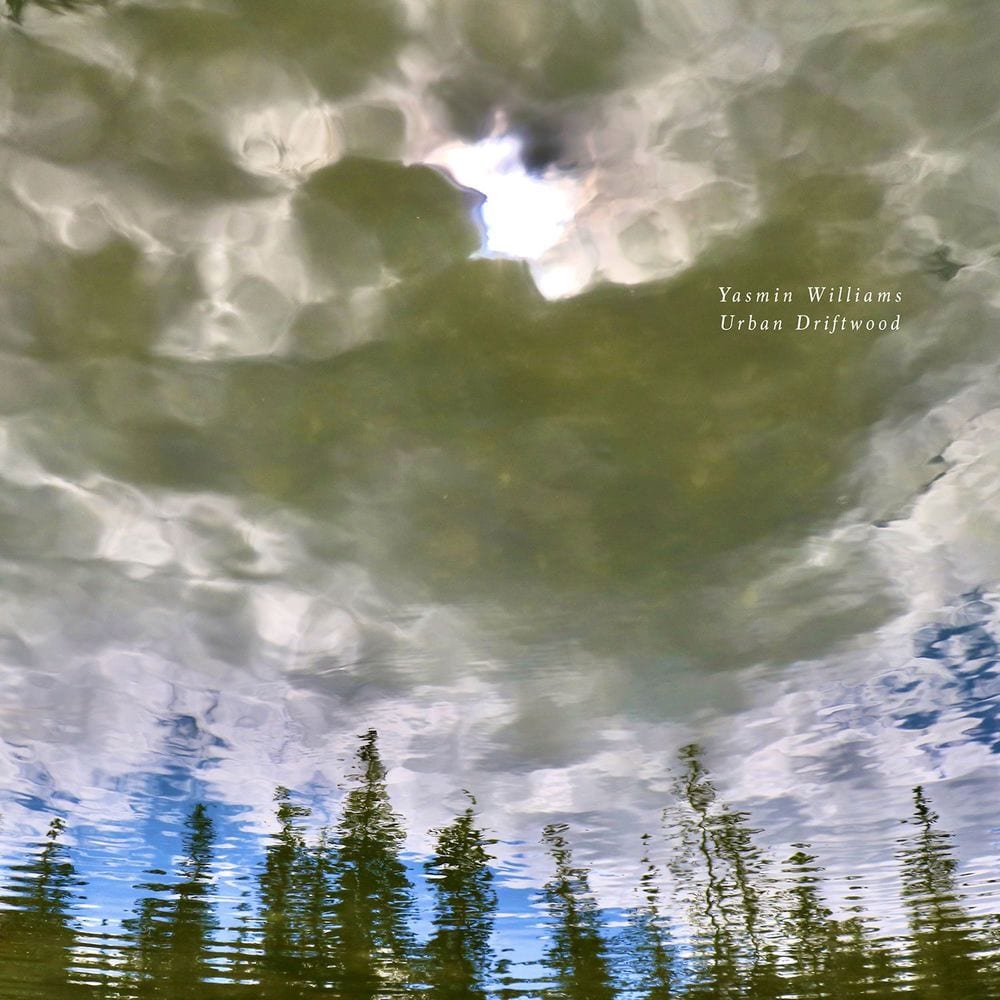
Urban Driftwood
Be the first to rateWilliams learned guitar from the plastic controller that came with Guitar Hero II, worked out lap tapping at around 15 because it felt closer to the game, and now keeps time in tap shoes with a kalimba resting on the body of the instrument. None of that would matter if the tunes were thin. They aren't.
Urban Driftwood arrived on Spinster in January 2021 and took her to Nonesuch, where Acadia (2024) brought in Immanuel Wilkins, Dom Flemons and Aoife O'Donovan. The technique gets the headlines; "Sunshowers" is why people stay.
- 13

You Never Were Much of a Dancer
Be the first to rateRaymond is from Cardiff, holds a PhD in astrophysics, works in video games in Brighton, and calls what she does Welsh primitive. Her debut came out on Tompkins Square in June 2018 and it plays Fahey's vocabulary at punk tempo with folk horror in the background: she has named The Wicker Man and Blood on Satan's Claw as reference points, and you can hear it.
"Sometimes There's Blood" is the track that converts people. It converted me.
- 14
Music for Four Guitars
Be the first to rateOrcutt spent the nineties in Harry Pussy making the least hospitable noise in Florida, then came back to solo playing on a four-string guitar with a tone like a rusted hinge. Music for Four Guitars (Palilalia, 2022) is fourteen short overdubbed pieces that owe more to New York minimalism than to anything in Takoma Park.
It's here to argue with the rest of the list. Fingerstyle guitar as interlocking pattern, with all the folk warmth sanded off, and it works.
- 15
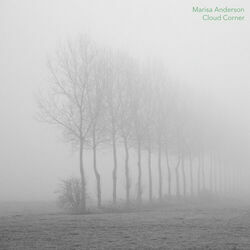
Cloud Corner
Be the first to rateAnderson works out of Portland and pulls West African guitar lines and twentieth-century classical thinking into music that would otherwise be filed under Americana. Cloud Corner was her sixth solo album and her first for Thrill Jockey, out in June 2018, written during a stretch she has described as personal and political upheaval.
She is the player here who most obviously listens to other continents on purpose rather than as spice.
- 16
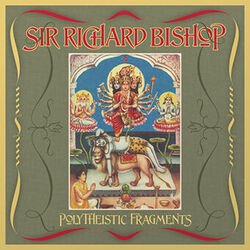
Polytheistic Fragments
Be the first to rateTwo decades of Sun City Girls left Bishop with an appetite for the world's music and no interest in being polite about it. Polytheistic Fragments (Drag City, 2007) crosses from parlour ragtime into Middle Eastern modes and back inside a single side, played with the speed of someone who finds the whole enterprise slightly funny.
The closest thing this tradition has to a trickster, and the best guitarist of the lot on a pure technique count.
- 17

Waters in Azure
Be the first to rateBorn Steffen Junghans in East Germany in 1953, he found Robbie Basho's records in the 1980s and added the name to his own out of respect. Waters in Azure (Strange Attractors, 2002) is long-form and slow: a drone held in one hand while the other wanders off for ten minutes at a time.
He died of cancer in 2022 and remains the most underheard player in this guide. Start here, then go to Rivers and Bridges.
- 18
Doubles
Be the first to rateTwo side-long pieces made by a Dubliner in his early twenties, released by VHF in 2011 with a small band drifting in and out. Pitchfork's Grayson Currin got it right at the time: the achievement is sustaining an environment for twenty minutes without any of the usual tricks for holding attention.
It also points forward to the records where Nugent started singing, which is a rarer move in this world than it should be.
- 19

Plainly Mistaken
Be the first to rateThe banjo entry, and proof the lineage was never only about guitars. Bowles works here as a trio with Rex McMurry on drums and Casey Toll on bass, opens with a Julie Tippett song, and turns Cousin Emmy's bluegrass warhorse "Ruby" into something closer to a North Mississippi trance record.
Paradise of Bachelors put it out in October 2018. The ten-minute "The Road Reversed" is the one to play for anyone who thinks clawhammer banjo has a ceiling.
- 20
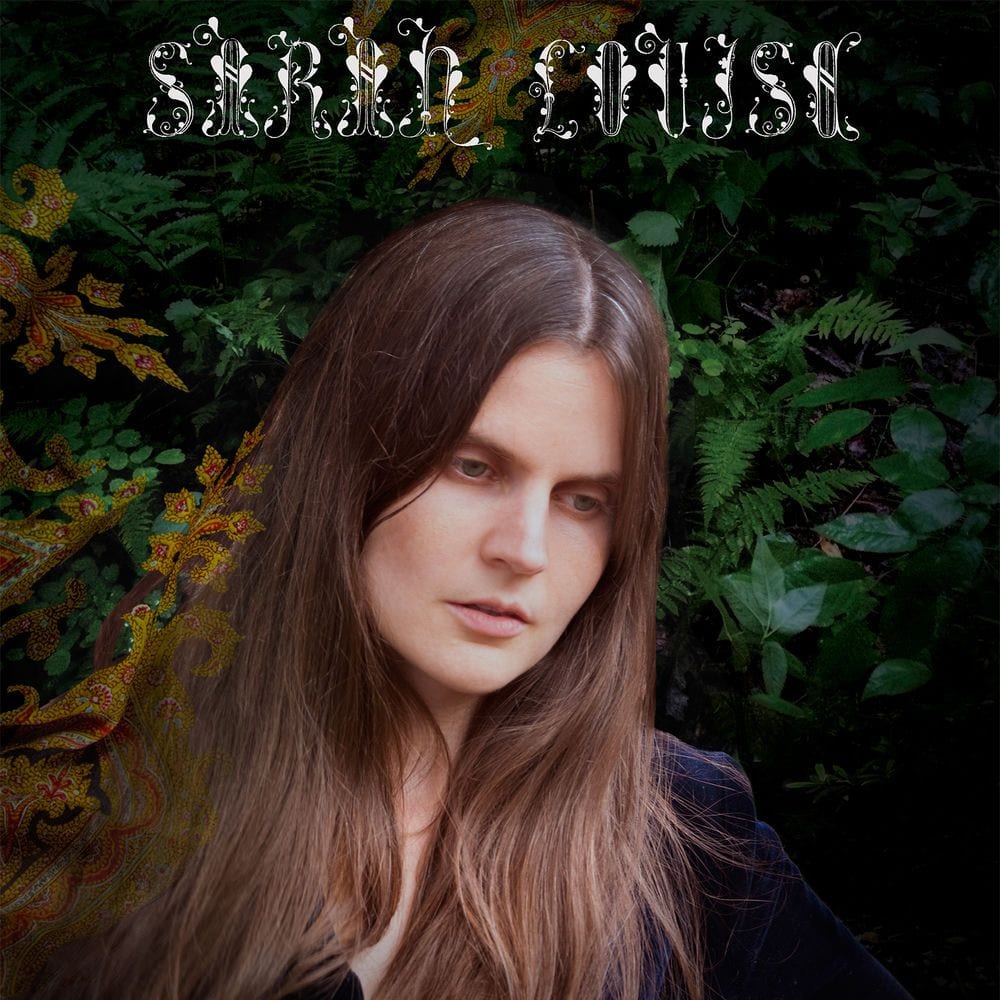
Deeper Woods
Be the first to rateLouise built her reputation as a 12-string instrumentalist and as half of the duo House and Land before she put her voice out front. She produced and engineered most of Deeper Woods herself at home in the North Carolina woods, and Thrill Jockey released it in May 2018.
Purists grumbled about the singing when it landed. They were wrong, and the record has aged better than their complaints.
- 21

Fate Is Only Once
Be the first to rateTaussig cut this in 1965 as a tiny private pressing, recorded in a single take, partly improvised and by his own account full of mistakes. Then he took a job as a physicist in Orange County and wrote guitar instruction books for Oak Publications instead.
Tompkins Square reissued it in 2006, 41 years late, and he started making records again in his seventies. The playing is more angular and less charming than the Takoma house style, which is exactly its appeal.
- 22

The Happiest Times I Ever Ignored
Be the first to ratePedigo grew up homeschooled in Amarillo, ran for city council at 25 in a campaign that turned into a documentary (Kid Candidate), and named this album after a line found in the notes of National Lampoon co-founder Doug Kenney. Mexican Summer released it in June 2023.
It is the warmest music on this list and the loneliest. West Texas flatness rendered as major-key fingerpicking that never quite settles.


Explore the sound
Artists in this guide
Read next
Gone, not finished: 19 albums that arrived a decade or more late
Ranked by how long the silence lasted, from Linda Perhacs' forty-four years down to Portishead's eleven.
Rock progressivo italiano: 22 albums, and most of these bands only got one
Italy's prog boom lasted about five years, produced a staggering number of records, and left a scene full of one-album bands.
The whole band was one person: 22 albums made alone
Wendy Carlos in a Manhattan apartment, Springsteen in a bedroom, Jane Remover recording guitar one string at a time. Records where a single player covered every part.
Congolese rumba and soukous: a 23-record canon, from Indépendance Cha Cha to the Kinshasa of now
Sixty-five years of dance music from both banks of the river, told through the bands that kept splitting up.
Got your own ranking? Build a list or tier of your own.