


Guides/A Riffiter guide
Albums that sound like liminal spaces
Empty malls, 3am corridors, places you half-remember: nine records of architectural unease.
Liminal spaces (empty malls, abandoned pools, fluorescent corridors) became one of the internet's defining aesthetics. Their sonic equivalent is real: this guide collects nine albums of ambient unease, from Boards of Canada's Music Has the Right to Children (1998) to The Caretaker's An Empty Bliss Beyond This World (2011).
A liminal space is a threshold, somewhere built for passing through, photographed empty. The feeling the images trigger (familiar, wrong, nostalgic, faintly dreadful) has an exact musical equivalent, and producers were making it years before the aesthetic had a name.
These nine records are rooms: hazy childhood television, dead shopping centres, ballrooms looping their last song. Enter quietly.
- 1
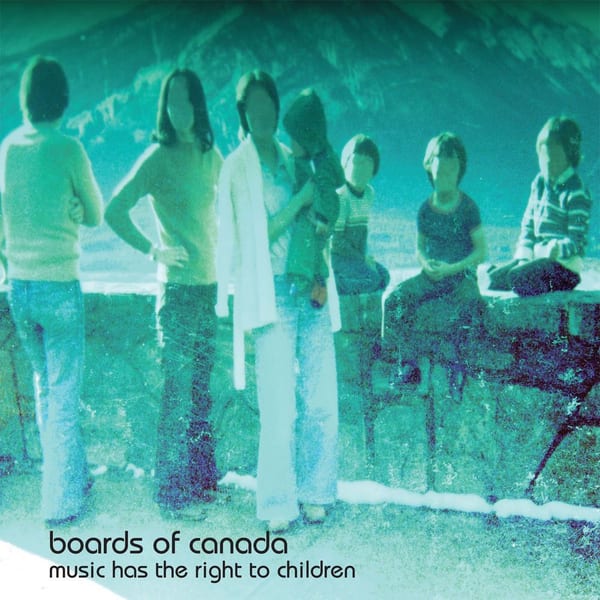
Music Has the Right to Children
★ 4.5 · 9—The foundation: warped tape melodies that sound like educational films from a childhood you didn't have. Music Has the Right to Children (1998) is the liminal aesthetic's entire emotional palette, twenty years early.
- 2
- 3
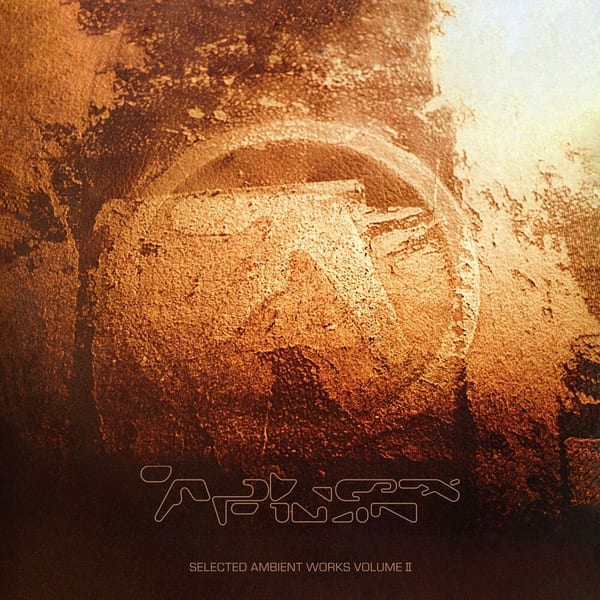
Selected Ambient Works, Volume II
Be the first to rate—Richard D. James's 1994 double album of untitled, beatless pieces, which he said were inspired by lucid dreams. Track two (fans call it "Rhubarb") is the most liminal nine minutes ever recorded.
- 4
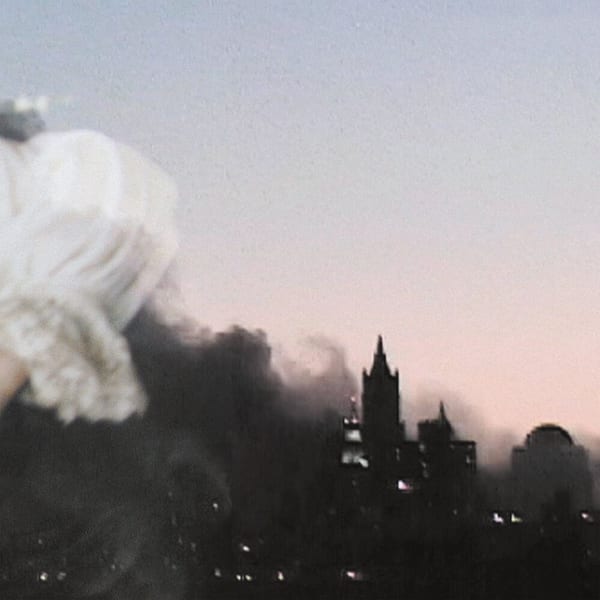
The Disintegration Loops
Be the first to rate—Tape loops literally crumbling as they play, recorded as the magnetic coating flaked away in 2001, finished, by coincidence, as Basinski watched the towers fall from his Brooklyn roof. Decay as composition; memory as a physical material wearing out.
- 5
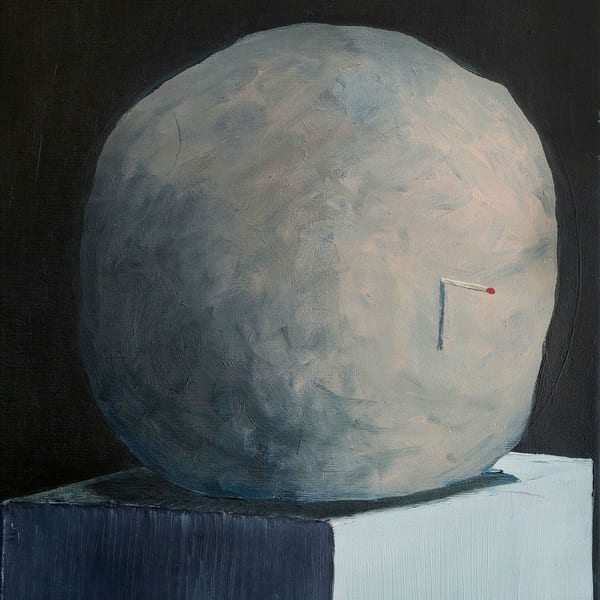
An Empty Bliss Beyond This World
Be the first to rate—Leyland Kirby looping 1930s ballroom 78s until they feel like a memory ward: An Empty Bliss (2011) was inspired by research on Alzheimer's patients and music. The haunted-ballroom record, the internet's favourite sonic liminal space.
- 6
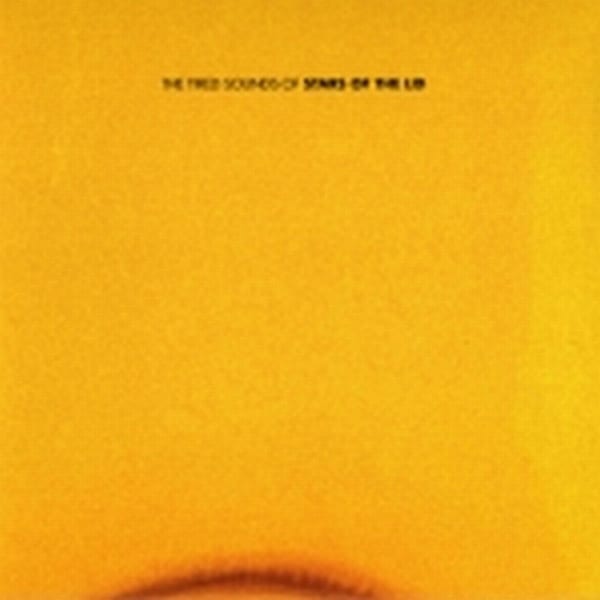
The Tired Sounds of Stars of the Lid
Be the first to rate—Two hours of orchestral drones moving at the speed of light through a window. The Tired Sounds of (2001) is the genre's most peaceful entry, liminality as grace rather than dread. Music for corridors with sun in them.
- 7
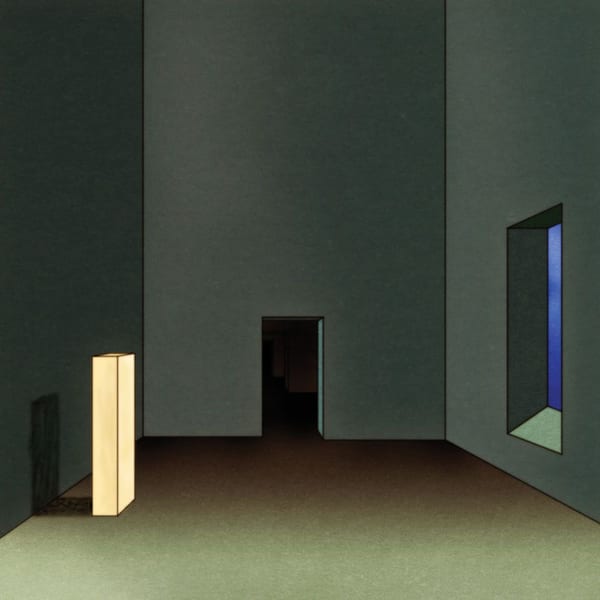
R Plus Seven
★ 4.0 · 1—Daniel Lopatin's 2013 Warp debut: MIDI choirs, showroom presets and sudden silences, music assembled from the uncanny materials of corporate software. The gallery-architecture wing of the liminal sound.
- 8
Pop by GAS (2000)
Wolfgang Voigt's forest-rave project at its peak: kick drums heard through kilometres of trees, strings looping like weather. Pop is the outdoor liminal space, a wood at dusk you're not sure you should be in. (Reissued in the Nah und Fern and box-set editions; any pressing works.)
- 9
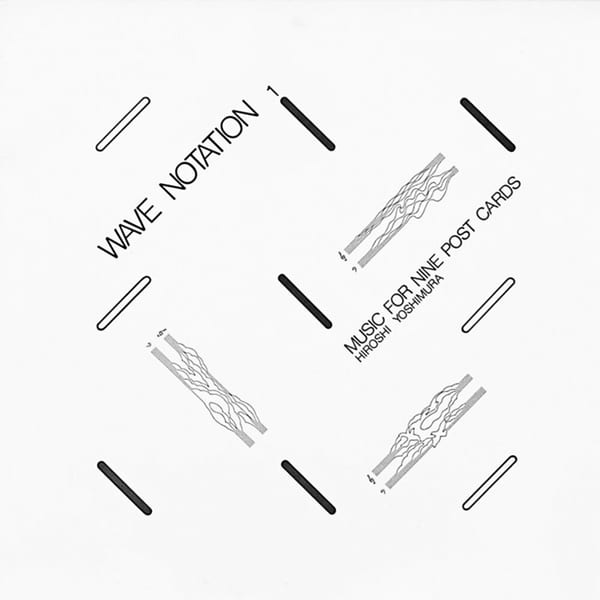
Music for Nine Post Cards
Be the first to rate—Japanese environmental music (kankyō ongaku) at its purest: Yoshimura wrote these nine pieces in 1982 for the rooms of a Tokyo museum. Rediscovered by YouTube decades later, proof the algorithm occasionally leads somewhere perfect.


Explore the sound
Artists in this guide
Lists with these albums
Read next
Best shoegaze albums: sixteen records that hid the song inside the noise
From My Bloody Valentine's Loveless to the American revival — the foundational shoegaze canon, ranked.
The best albums of 1996: the year the weird stuff got funded
Twenty-one records from the last moment major labels and basement labels were both paying for the deep end. Ranked.
Jazz fusion: the essential albums of the electric decade
From Bitches Brew to Bright Size Life: fifteen records from the years jazz plugged in.
Bossa nova beyond 'The Girl from Ipanema': the essential albums
Seventeen records, 1959 to 1977, for anyone whose bossa shelf is one Stan Getz album deep.
Got your own ranking? Build a list or tier of your own.