Blog/Deep Dive
Pygmalion: the album that got Slowdive dropped, and never stopped being right
Shoegaze's golden boys handed in an hour of ambient erosion. Creation dropped them a week later. It's their best record.
Riffiter5 min read
Pygmalion (1995) is the third Slowdive album — a stark turn from shoegaze into looping ambient minimalism that Creation Records called career suicide and dropped the band for a week after release. Three decades on it's widely reappraised as their masterpiece and a key text in ambient pop.
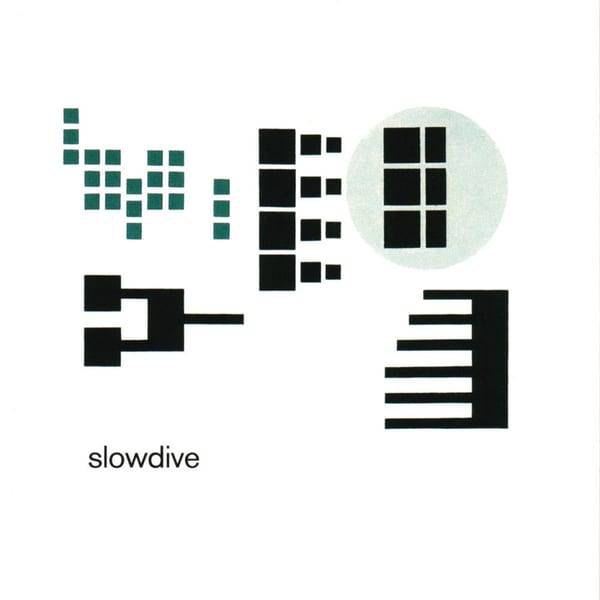
In February 1995, Slowdive handed Creation Records the album that would get them fired. It is also the best thing they ever made. Both of those have been true for thirty years, and the gap between them is one of the most instructive stories in '90s British music.
To understand why Pygmalion landed like a betrayal, you have to remember what Slowdive were supposed to be.
The golden boys nobody was allowed to like
Slowdive arrived in 1991 as Creation's great shoegaze hope — five photogenic kids from Reading, signed in a hurry after My Bloody Valentine made the label's name and emptied its bank account.
Just for a Day (1991) was pretty, reverbed and a little anonymous, and the British press — mid-backlash against the whole "shoegazing" scene — savaged them for it. By the time they made their actual masterpiece of the form, the knives were already out.
Souvlaki (1993) is now a sacred shoegaze text — "When the Sun Hits," "Alison," the two tracks Brian Eno played on — but in 1993 it was met with reviews ranging from indifferent to cruel. Melody Maker's line about preferring to drown in a bath of porridge has outlived most of the records its author praised instead. Imagine making one of the decade's most beloved albums and being told, in real time, that you were irrelevant.
So Neil Halstead stopped trying to win.
The turn
Somewhere around 1992, Mark Van Hoen had played Halstead a stack of Aphex Twin and minimal techno records, and something rewired. By the Pygmalion sessions, Halstead had effectively dissolved the band — he wrote and built almost the entire album himself, with Rachel Goswell contributing lyrics to "Miranda" and "Visions of LA" and the rest of Slowdive reduced to near-spectators on their own record.
Pygmalion is not a shoegaze album. The wall of guitar is gone, replaced by loops, space, single notes left to ring out into nothing. The ten-minute opener "Rutti" builds from a pulse and a sigh; "Crazy for You" is barely there; "Blue Skied an' Clear" floats a melody over a void. It owes more to the dub-techno of Basic Channel and the patience of Brian Eno's ambient work than to anything on Souvlaki. It is an hour of erosion — gorgeous, glacial, and completely uninterested in being liked.
Creation listened to it, and a week after release, they dropped the band. NME's John Harris called it career suicide. He wasn't entirely wrong about the career.
Why it was right
Here is what nobody could hear in 1995: Pygmalion wasn't a retreat, it was an arrival three years early. The thing it was reaching for — guitars treated as ambient texture, song structure dissolved into loop and drift, the bleed between shoegaze and electronic music — is a place a huge amount of music has since moved to live in permanently.
You can draw a straight line from "Rutti" to the ambient-techno wing of the late '90s, and another from its hush to the post-rock then forming around it — Seefeel had already been mapping the same crossing from the other side.
Seefeel's Quique (1993) made the shoegaze-into-techno dissolve two years earlier and got signed to Warp for it; Pygmalion is the Creation-pop version of the same instinct, and the two records belong on the same shelf. Both sit at the front of the first wave of post-rock — the British groups who kept rock's instruments and threw out its grammar.
You can hear its DNA in the slowcore and ambient pop that followed, too.
Low's I Could Live in Hope (1994) was chasing a parallel kind of patience from Minnesota; the whole "music as a held breath" lineage that RateYourMusic users now chart obsessively runs through records like these. Pygmalion is the missing link nobody put on the map until much later.
The afterlife
Halstead, Goswell and drummer Ian McCutcheon brushed off the dismissal almost immediately, signed to 4AD, and reinvented themselves as the hushed alt-country act Mojave 3 — Ask Me Tomorrow arrived later that same year. Slowdive itself simply stopped, for twenty-two years.
When they finally returned in 2017, the self-titled comeback was rapturously received by an audience that had spent two decades catching up — including catching up to Pygmalion, which had quietly become the connoisseur's pick of the catalogue. The album Creation fired them over is now, on RateYourMusic and everywhere like it, frequently named their finest. Reissues sell out. The "bummer ambient masterpiece" framing has hardened into consensus.
If you're new to the band, our dream pop guide starts in the prettier country Souvlaki lives in, and the new shoegaze canon shows how many bands have since built whole careers on the ground Pygmalion cleared. But the record itself is the better argument: an album that told the truth about where music was going, three years too early to be thanked for it.
Rate it below. And if you've got a theory about which Slowdive album is really the best — Souvlaki loyalists and Pygmalion converts have been at this for thirty years — the comments are exactly the place to have it out.
Discussion
Disagree? Have a better record in mind? Say it — top takes rise.
Sign in to join the discussion.
No one's weighed in yet. Go first.