


Guides/A Riffiter guide
Dream pop for people who've heard Cocteau Twins
Past Treasure and Heaven or Las Vegas: ten records from the genre's deeper waters.
Dream pop is the genre of blurred guitars, reverb-heavy production and voice-as-texture that crystallized around 4AD Records in the 1980s. Once you know Cocteau Twins and Beach House, the next tier is richer: A.R. Kane's 69 (1988), Julee Cruise's Floating into the Night (1989), Pale Saints, His Name Is Alive and more.
Every dream pop conversation starts with Cocteau Twins, and it should. Elizabeth Fraser invented a whole vocabulary of meaning without words. But the genre around them is deeper than the playlists suggest: art-school experimenters, Lynchian torch singers and 4AD's strange back catalogue, most of it still under-heard.
This guide assumes you've done the canon. These ten records are the deeper waters, including the band that may have actually coined the term.
- 1
- 2
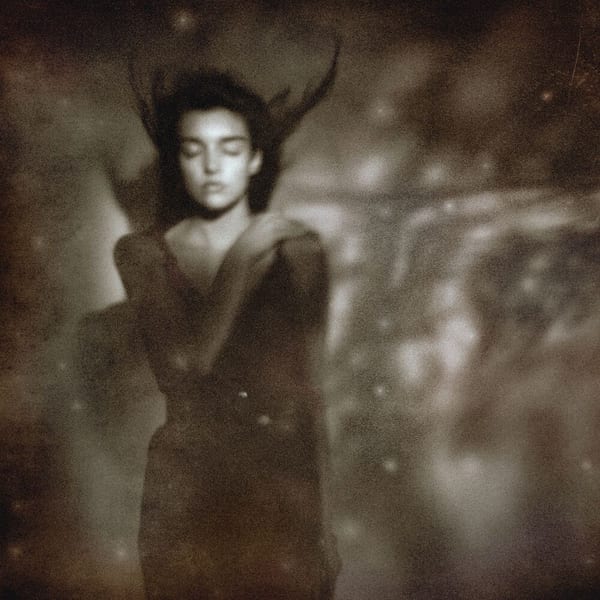
It'll End in Tears
Be the first to rate—4AD boss Ivo Watts-Russell's studio collective, covering Big Star and Tim Buckley with the label's roster. It'll End in Tears (1984) contains Elizabeth Fraser's "Song to the Siren", possibly the most beautiful recording of the 1980s, full stop.
- 3
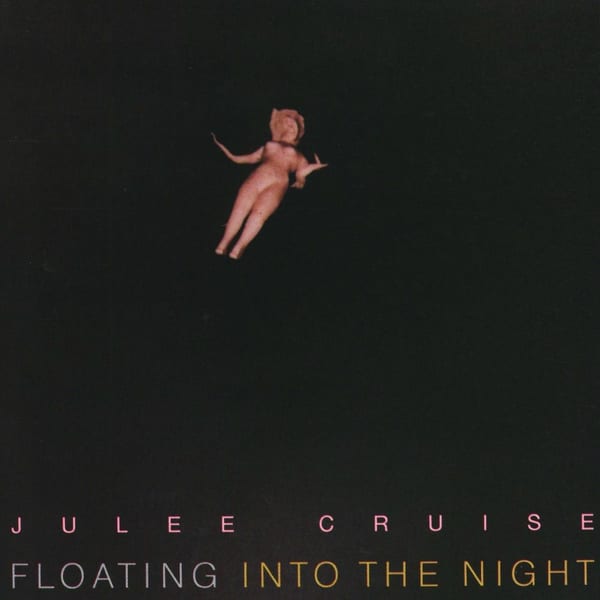
Floating Into the Night
Be the first to rate—Written by David Lynch and Angelo Badalamenti as a delivery system for Cruise's spectral voice. Floating into the Night (1989) gave Twin Peaks its sound and dream pop its noir wing, every "Lynchian" pop act since is quoting it.
- 4
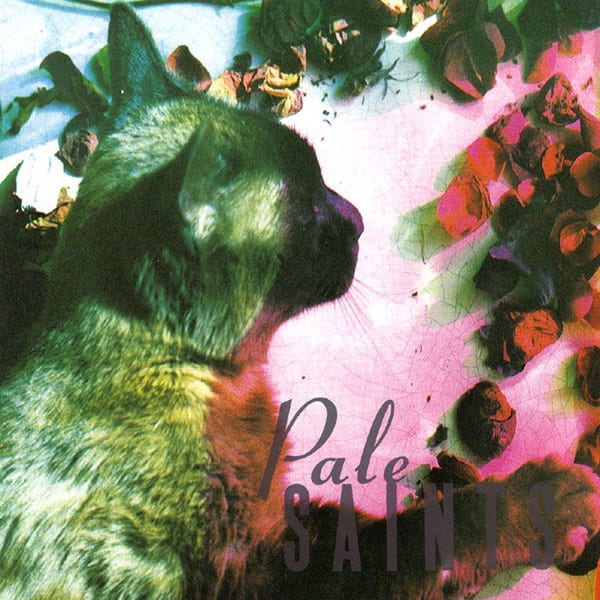
The Comforts of Madness
Be the first to rate—4AD again, 1990: Ian Masters' choirboy voice over rhythms that lurch and sprint where the genre usually floats. The Comforts of Madness is dream pop with a motor, and one of the era's most underrated debuts.
- 5
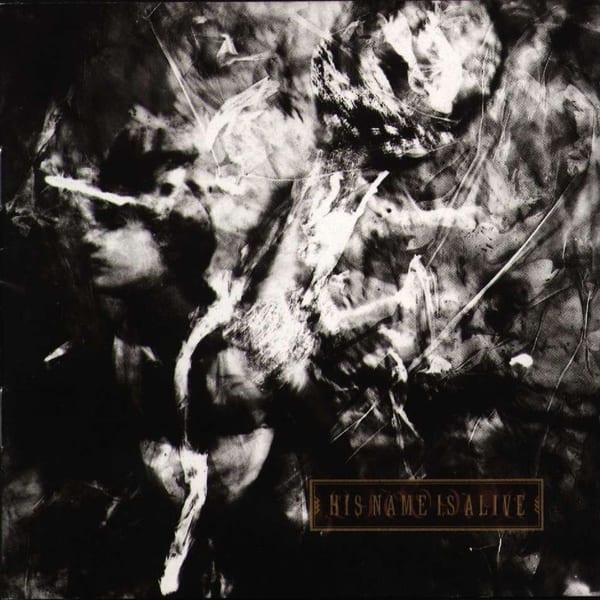
Livonia
Be the first to rate—Warren Defever's home-recorded Michigan séance: fragments, tape ghosts, Karin Oliver's voice in the next room. Livonia (1990) is the genre at its most haunted, the bridge from dream pop toward the lo-fi and hypnagogic undergrounds.
- 6
- 7
- 8
- 9
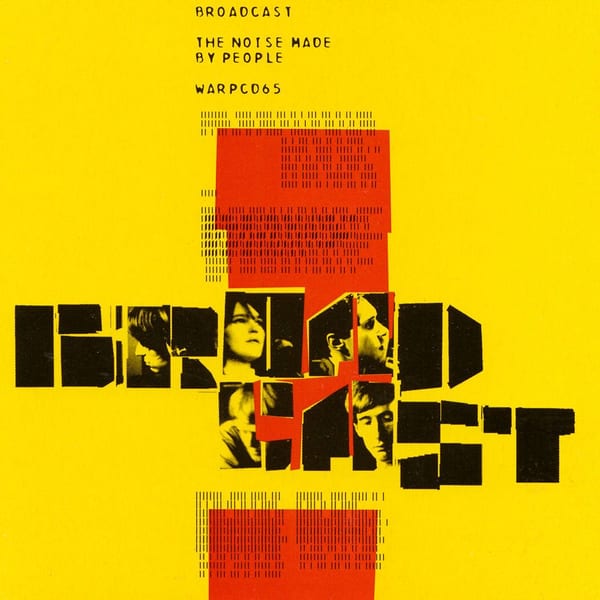
The Noise Made by People
Be the first to rate—Birmingham's Broadcast rebuilt dream pop from 60s library music and analogue synths. The Noise Made by People (2000) floats like the genre but thinks like a laboratory, and Trish Keenan's voice became a whole aesthetic's blueprint.
- 10
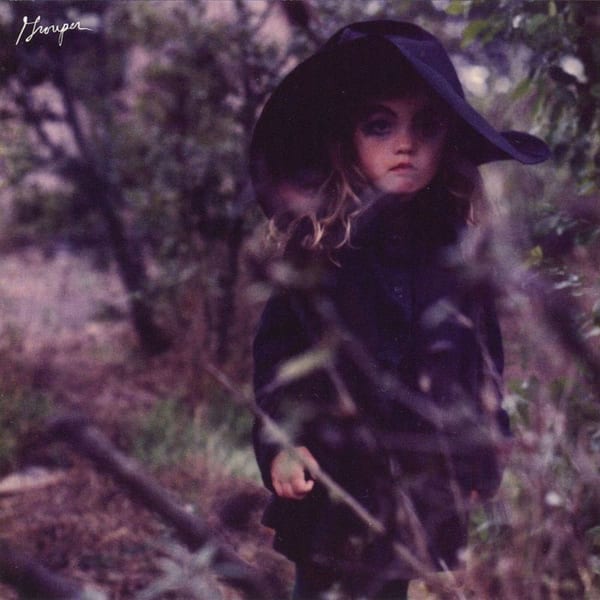
Dragging a Dead Deer up a Hill
Be the first to rate—Where dream pop sheds the pop: Liz Harris's 2008 masterpiece is acoustic songs sunk in tape fog until melody becomes memory. The genre's logical vanishing point, and a record people get tattoos about.


Explore the sound
Artists in this guide
Lists with these albums
Read next
The best debut albums of all time: 22 records that arrived finished
First albums that needed no apprenticeship, ranked, with an honest answer to the question that follows every one of them: did they ever beat it?
Best post-punk albums: 24 records, city by city
Post-punk was never one sound. It was a different argument in every town, and this is the map.
Best power pop albums: nineteen records with perfect songs and terrible luck
Beatles melody at Who volume, three minutes flat, almost never a hit. The canon of the genre that kept losing.
Best breakup albums: the ones that name names
Records made about one specific person walking out, not about sadness in general. Sinatra to Robyn, in the order they happened.
Got your own ranking? Build a list or tier of your own.