Kendrick Lamar's PRIDE. started as a beat on Steve Lacy's iPhone
Steve Lacy was 18 and making music in GarageBand on an iPhone 6 when he made the beat that became Kendrick Lamar's PRIDE., first called "Wasn't There". DAMN. won the 2018 Pulitzer Prize for Music, and five years later Lacy had a Hot 100 No. 1 of his own with "Bad Habit".
By Riffiter
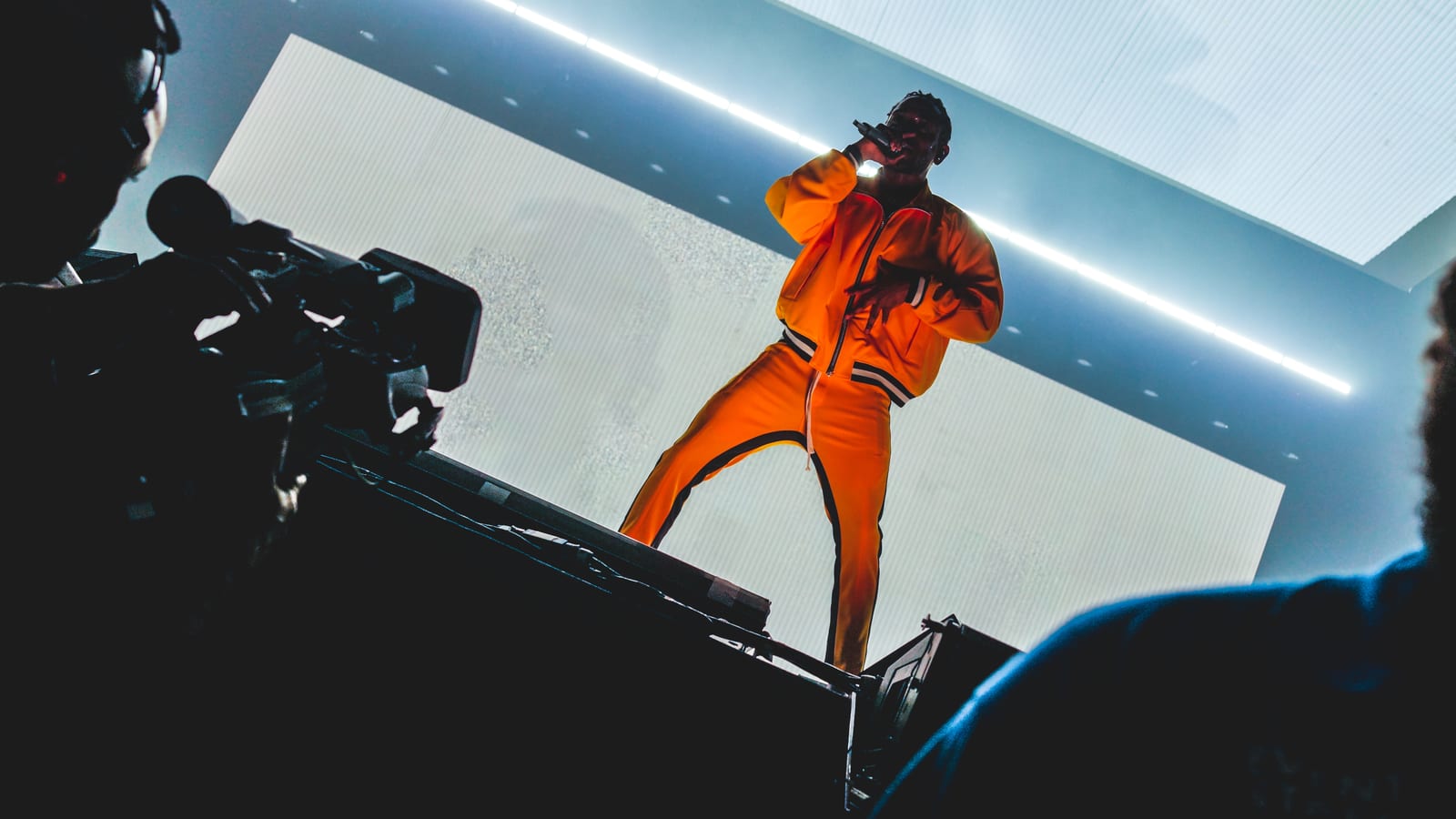
The beat behind Kendrick Lamar's PRIDE. started on a phone. Steve Lacy, then 18 and a guitarist from Compton, built his early music in GarageBand on an iPhone 6, with his guitar plugged straight into the phone through an iRig cable. When DAMN. came out in April 2017, Cult of Mac reported that Lacy had produced PRIDE. "using just his iPhone and iRig."
A studio in his pocket
Lacy showed the method himself in a short WIRED video that year. He starts with a drum loop, plugs the guitar in, plays the melody, then sings straight into the phone's microphone and stacks the parts one on top of another. "I had got this piece called the iRig," he says in the clip. "I saw you can plug it into your iPhone, and then I was like, oh, they got amps on here."
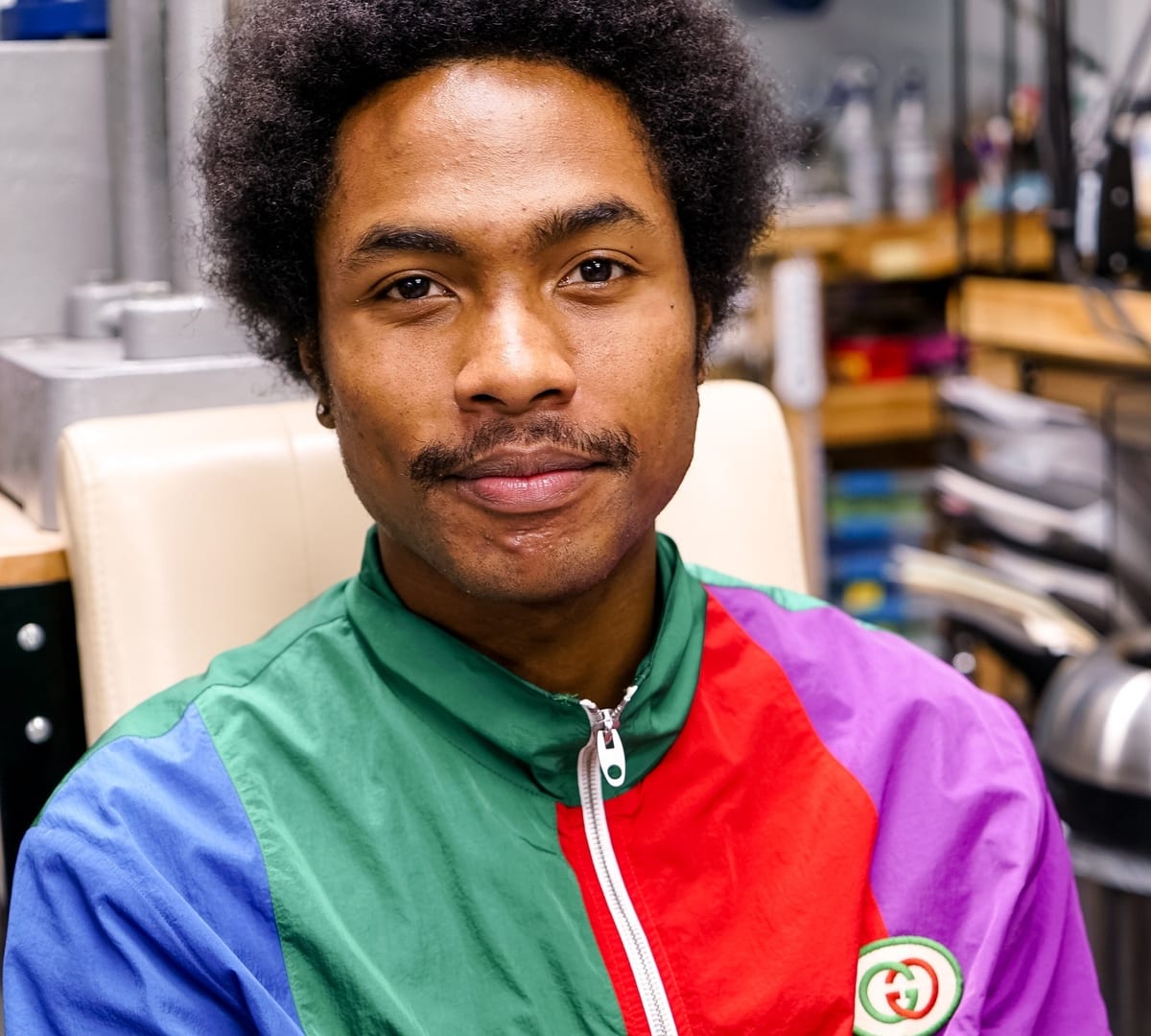
He told Cult of Mac why he kept to the phone even when a studio was on offer: the beats he made in Ableton needed a professional mix, "but GarageBand masters it so it's at a cool level already." He was barely out of school at the time. "I was in a classroom just 6 months ago," he told The Fader the week DAMN. came out.
From "Wasn't There" to PRIDE.
Lacy told The Fader that the track grew out of an acoustic session he recorded on his iPhone. Kendrick heard his music while visiting a studio where Lacy was working, and his answer was short: "Yo, put your number in my phone, I need this." At the time the song was called "Wasn't There." On DAMN. it became PRIDE., the seventh track. The finished record carries more than the phone demo: other producers are credited on it too, and the sources do not agree on every name, so the part that belongs to Lacy is the beat he started.
DAMN. opened at No. 1 on the Billboard 200. A year later, on April 16, 2018, the Pulitzer board gave it the Pulitzer Prize for Music, the first time the award went to a work outside classical music and jazz. Pulitzer administrator Dana Canedy read it out at the announcement: "for music, the prize is awarded to DAMN. by Kendrick Lamar."
A No. 1 of his own
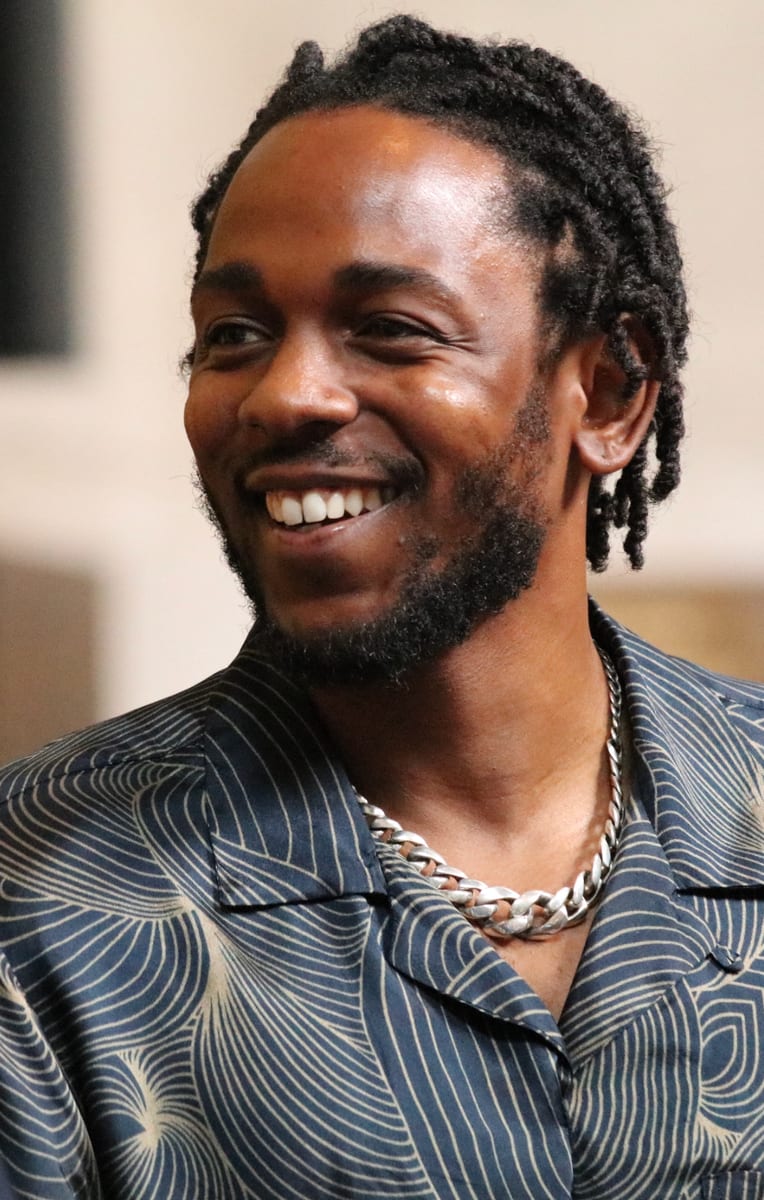
Five years later Lacy topped the chart under his own name. "Bad Habit," from his album Gemini Rights, reached No. 1 on the Billboard Hot 100 in October 2022, ending the 15-week run of Harry Styles' "As It Was." It held the top spot for three weeks. The sources tie the phone to PRIDE., not to "Bad Habit": its first version, recorded in June 2021, was built on drums Lacy had used before.
The phone story is still the one people search for. A beat that began with a cable and a phone app ended up on the first rap album to win a Pulitzer, and the kid who made it later had a No. 1 of his own.
On Riffiter, PRIDE. and DAMN. are both open for ratings and reviews. Where would you put the song?