
Guides/A Riffiter guide
Zamrock: the essential albums of Zambia's fuzz revolution
Zambia went independent, struck copper, and turned the money into the heaviest psych-rock in Africa. Then the decade ended, and the scene nearly died with it.
Zamrock is the fuzzed-out psychedelic rock Zambia made in the 1970s, when independence and a copper boom put electric guitars in the hands of bands like WITCH, Amanaz and the Ngozi Family. AIDS and economic collapse gutted the scene within a decade; reissues and WITCH's 2023 comeback brought it back. These are the records to start with.
For about five years in the early 1970s, Zambia made some of the loudest, strangest rock anywhere, and almost nobody outside the country heard a note of it. Independence from Britain had come in 1964, the copper mines were booming, and a generation raised on shortwave Hendrix and Cream and Black Sabbath wanted guitars of their own. Then President Kenneth Kaunda ordered radio to fill roughly 95% of its airtime with Zambian music. Almost overnight there was money to be made and nobody already making it.
What rushed in was Zamrock: fuzzed-out, wah-soaked garage psych built on hard-rock riffs and Zambian rhythms, sung in English, Bemba and Nyanja. It was heavy in the Blue Cheer sense and funky in a way the imported records never quite were. For a few years WITCH, the Ngozi Family, Amanaz and a handful of others cut records that now change hands for hundreds of dollars, when they surface at all.
Then it fell apart. Copper prices crashed and took the economy with them, and the AIDS epidemic tore through Zambia in the 1980s, hitting working musicians especially hard. By the 2000s nearly all of WITCH's classic lineup had died; only the frontman, Jagari Chanda, was left. The music sat forgotten until the reissue label Now-Again started digging late in the 2000s, and in 2023 a reformed WITCH put out a new album to the best reviews of their lives. This is where to start.
- 1

In The Past
Be the first to rate—If you play one Zamrock record, make it this one. In the Past is WITCH at full power: thicker fuzz, deeper grooves, Jagari Chanda singing like he intends to start something. The opener 'Living in the Past' does more to explain the whole genre than any writeup can.
- 2
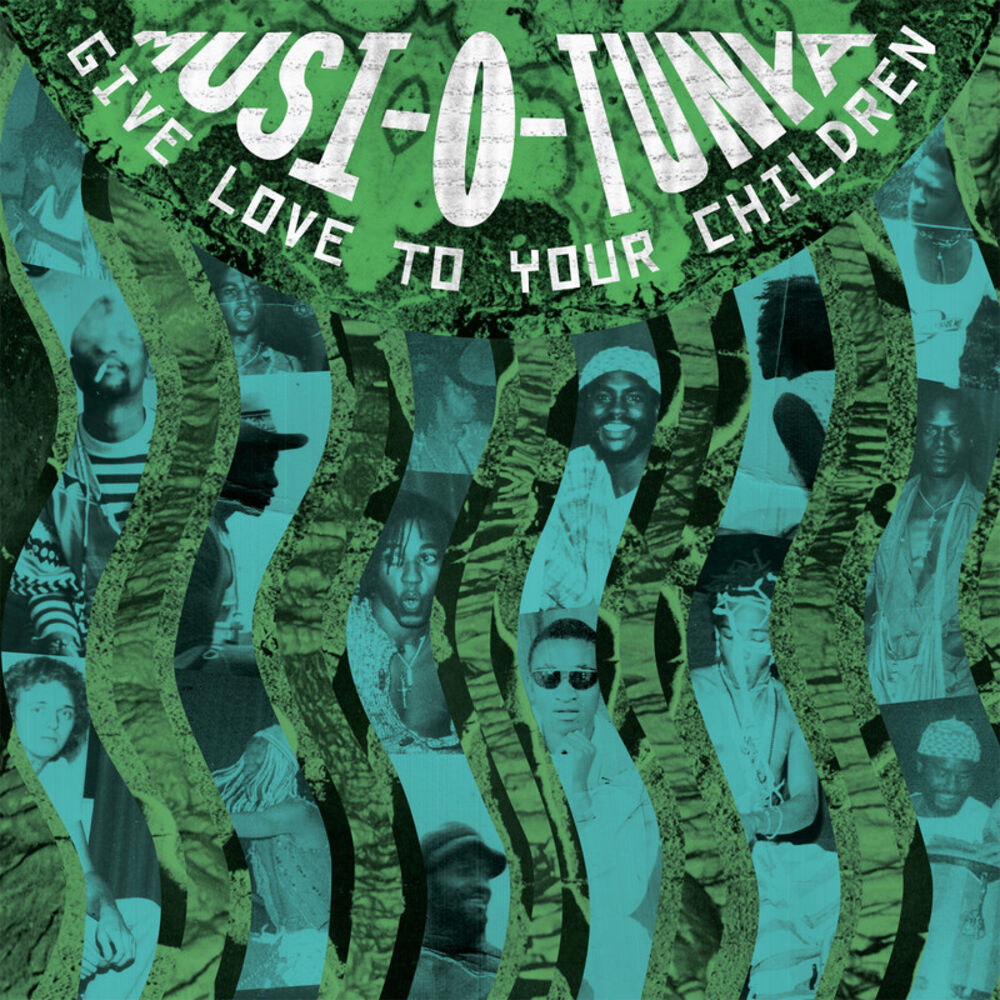
Give Love to Your Children
Be the first to rate—Rikki Ililonga's band Musi-O-Tunya, named for the Zambian name for Victoria Falls, usually gets the credit for building the Zamrock template first. This one is lighter on its feet than WITCH, with more folk and funk in the weave, but the fuzz guitar and the local rhythms are already welded together. You can hear a scene working out its own accent as it goes.
- 3
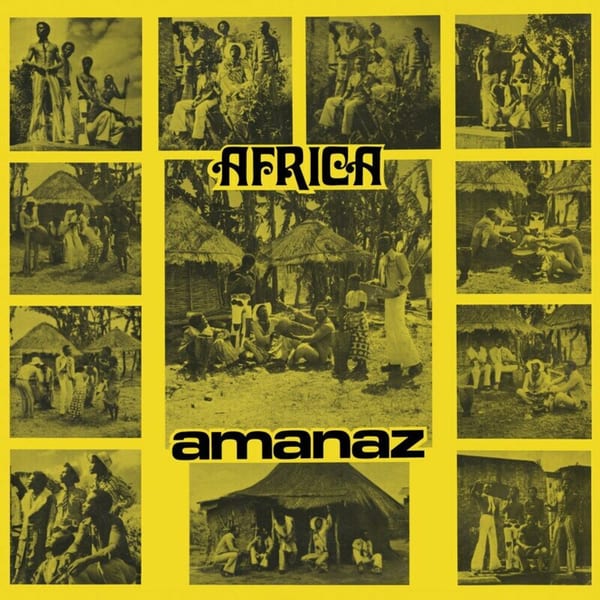
Africa
Be the first to rate—Amanaz made exactly one album and never needed another. Africa moves between gentle acoustic ballads and blown-out heavy psych, sometimes inside a single song, and 'Khala My Friend' is one of the loveliest things the scene produced. Fifty years on it might be the most-loved Zamrock LP among collectors, and it earns the reputation.
- 4

Introduction
Be the first to rate—Introduction was the first Zamrock LP anyone pressed. It is rawer and more garage than what WITCH managed next, the playing still chasing the ambition, and that is the appeal: this is a country's rock scene taking its first breath. The name, for the record, stood for We Intend To Cause Havoc.
- 5

Zambia
Be the first to rate—Away from the band, Ililonga made a quieter, stranger record. Zambia leans on acoustic textures and long hazy grooves, closer to a singer-songwriter album than a garage-rock one, and it shows how much range Zamrock actually had. Now-Again's Dark Sunrise compilation later gathered his solo work if you want the fuller picture.
- 6

Day of Judgement
Be the first to rate—Paul Ngozi's band worked the punkier, meaner end of the scene, all buzzsaw guitar and shouted vocals. Day of Judgement is their best-known album and the clearest proof of how hard this music could hit years before anyone said the word hardcore. Ngozi played guitar like he was trying to snap it in half.
- 7

Paul Ngozi, In the Ghetto
Be the first to rate—Under his own name, Paul Ngozi cut some of Zamrock's bleakest material, filed in our catalog next to his band's albums. In the Ghetto is heavier and more desperate than the Ngozi Family records, the boom years already turning sour in the lyrics. Ngozi died of an AIDS-related illness in 1989, aged forty, one of many here who never made it out of the decade.
- 8

Chrissy Zebby Tembo, My Ancestors
Be the first to rate—My Ancestors is the great Zamrock ghost story. Credited to Ngozi Family drummer Chrissy Zebby Tembo and backed by Paul Ngozi, it runs slower and darker than almost anything else here; 'Coffin Maker' creeps along like a funeral march someone plugged into a fuzz pedal. If you like your psychedelia haunted, start on this one.
- 9

Lazy Bones!!
Be the first to rate—Lazy Bones!! is the WITCH album crate-diggers argue about. Looser and funkier than In the Past, heavier on the James Brown debt and lighter on the doom, it has its own camp of fans who call it the real peak. Original copies were near-impossible to find before the reissues, which is half of why it carries such a glow.
- 10

I'm a Free Man
Be the first to rate—For every WITCH there were bands who cut one obscure gem and vanished. 5 Revolutions' I'm a Free Man is rougher and more homemade than the marquee names, the kind of record you reach for once the classics are worn through. This is the long tail of a tiny scene, and it pays back the digging.
- 11

Zango
Be the first to rate—Nobody expected an ending this happy. In 2023 a reformed WITCH, led by original singer Jagari Chanda and backed by a younger band, released Zango to the best reviews of their career. It is not a nostalgia lap: the fuzz and the grooves are intact, updated rather than embalmed. Nearly forty years after their last album, Zamrock got a second act.
Explore the sound
Artists in this guide
Read next
Jangle: a canon for the chiming guitar
Sixty years of the ringing twelve-string, from a Rickenbacker in 1965 to a four-track in the Richmond district.
Yearning: albums that ache for what they can't name
Not heartbreak, not grief. The other feeling. Records built around a longing with no object.
Kankyō ongaku: a canon for Japanese ambient music
Music built to be half-heard: the Japanese composers who treated ambient as architecture, and the records worth living with.
Made in Sheffield: the steel city's essential albums
Cabaret Voltaire to Arctic Monkeys: how a declining steel town became Britain's strangest, most influential music city.
Got your own ranking? Build a list or tier of your own.