


Guides/A Riffiter guide
Made in Sheffield: the steel city's essential albums
Cabaret Voltaire to Arctic Monkeys: how a declining steel town became Britain's strangest, most influential music city.
Sheffield gave Britain industrial pop, synthpop, bleep techno, Britpop and indie, often out of the same handful of studios. This guide runs 14 essential albums from the steel city, from Cabaret Voltaire's Red Mecca (1981) and the Human League's Dare to Pulp's Different Class and Arctic Monkeys' debut.
Sheffield spent the 1980s losing its steel industry and gaining a music scene out of all proportion to its size. The two facts are connected. With the foundries closing and money short, kids picked up cheap synthesizers and tape recorders instead of guitars and built something that sounded like the place: metallic and austere, a little paranoid, danceable in a grim sort of way.
From roughly the same square mile you get Cabaret Voltaire's Dada noise, the Human League's number ones, Warp Records inventing bleep techno, Pulp's seventeen-year climb to Britpop, and eventually Arctic Monkeys. Here are 14 records that map it, roughly in order, from the loft studios of the late seventies to the MySpace-era breakout that closed the loop.
- 1
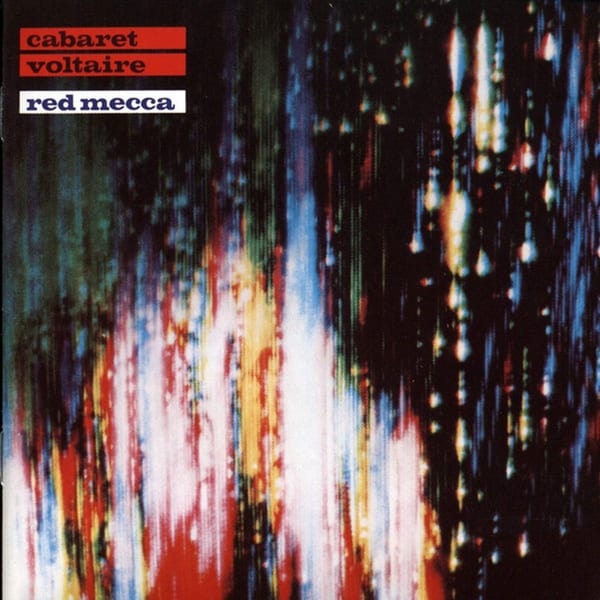
Red Mecca
Be the first to rate—Before there was a Sheffield sound there was Cabaret Voltaire: three men with tape machines and a Dada streak, running a studio called Western Works out of a loft. Red Mecca (1981) is their bleakest and best, all dub-damaged funk, shortwave hiss and Stephen Mallinder's voice buried like a confession you weren't meant to hear. Everything downstream, the synths and the bleeps and the industrial unease, starts in this room.
- 2
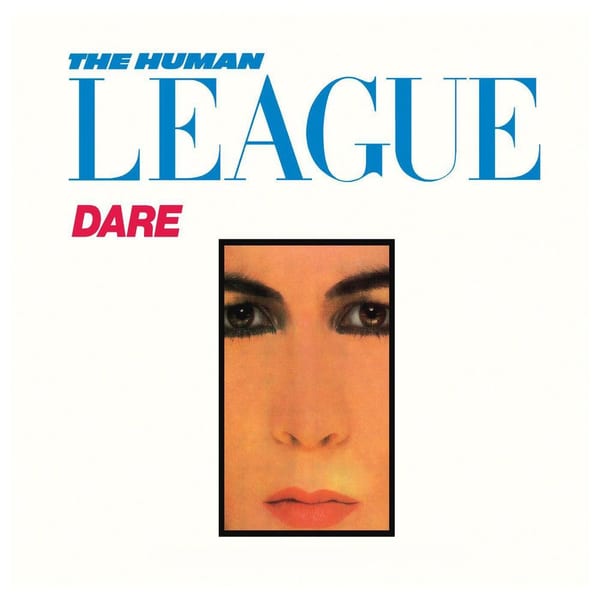
Dare
Be the first to rate—In 1980 the League split down the middle. Martyn Ware and Ian Craig Marsh walked out to start Heaven 17; Phil Oakey kept the name, recruited two teenagers he'd spotted in a nightclub, and made Dare (1981), the record that taught the charts a machine could have feelings. 'Don't You Want Me' went to number one almost against Oakey's wishes. Synthpop's blueprint, drawn in a city watching its steelworks close.
- 3
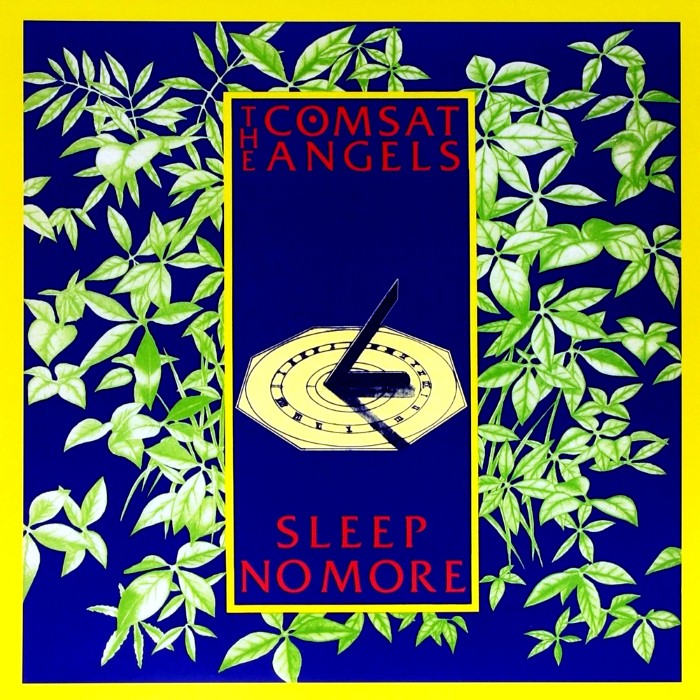
Sleep No More
Be the first to rate—The great lost Sheffield band, named after a Larry Niven story. The Comsat Angels made post-punk that sounded like a power cut: Stephen Fellows's guitar ringing out in an empty stairwell, the drums landing like slammed doors. Sleep No More (1981) is claustrophobic in the best way, and the reason half the gloom-merchants who came after owe them a pint they'll never collect.
- 4

Thirst
Be the first to rate—Adi Newton was in the proto-Human League outfit The Future before he left to do something colder. Thirst (1981) is jazz-inflected post-punk gone paranoid, all skittering saxophone and Newton intoning like a man reading surveillance transcripts aloud. It barely sold and has aged like uranium.
- 5
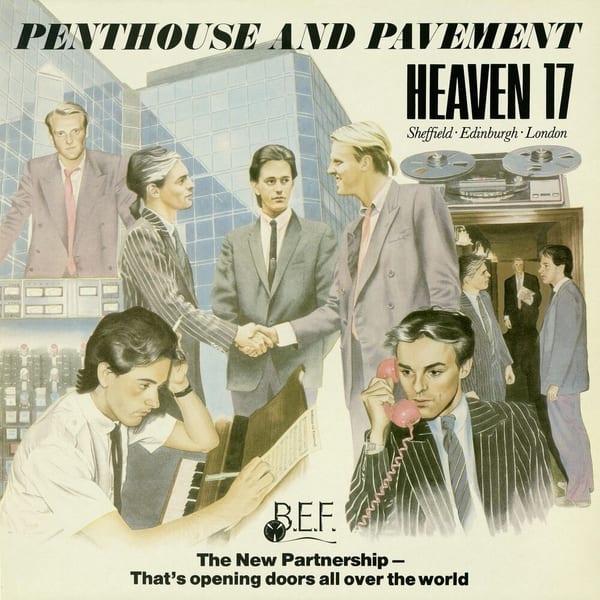
Penthouse and Pavement
Be the first to rate—Ware and Marsh landed on their feet. Heaven 17 added Glenn Gregory's croon and turned synthpop into boardroom funk: sleek, sardonic, aimed straight at the Thatcher years it lived through. Penthouse and Pavement (1981) opens with '(We Don't Need This) Fascist Groove Thang', which the BBC promptly refused to play, rather proving the point.
- 6
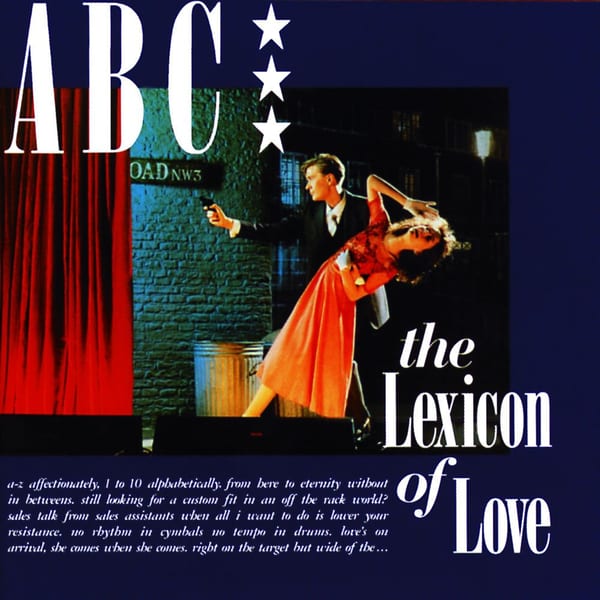
The Lexicon of Love
Be the first to rate—Martin Fry traded the wiry electronics of his old band Vice Versa for a gold lamé suit and a full string section. With Trevor Horn producing at Cinemascope width, The Lexicon of Love (1982) is heartbreak rendered as a Bond theme. 'The Look of Love', 'Poison Arrow', every ache buffed to a high shine. Sheffield's most glamorous export, and it still glitters.
- 7

RetroActivity
Be the first to rate—Richard H. Kirk of Cabaret Voltaire and DJ Parrot built 'Testone' out of studio test tones and a sample of Close Encounters, and in January 1990 it became the third record Warp ever released and a founding text of bleep techno. RetroActivity gathers those early sides in one place. This is the missing link between the city's industrial past and the dancefloor it was about to invent.
- 8
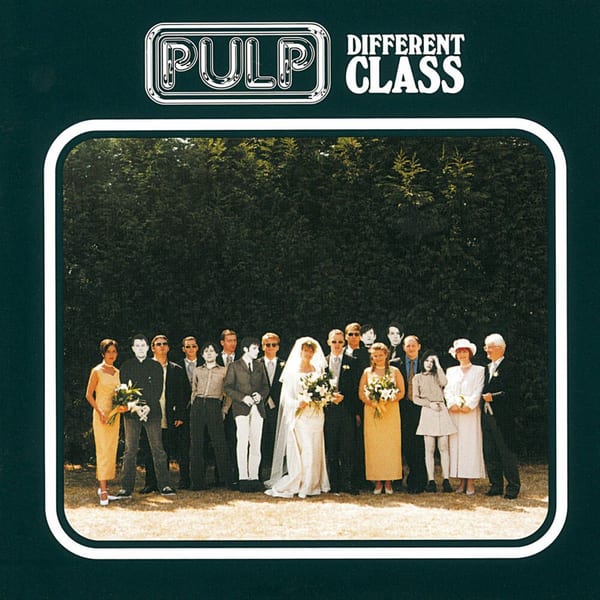
Different Class
Be the first to rate—Pulp spent seventeen years being ignored before it all happened at once. Different Class (1995) is Jarvis Cocker's revenge on everyone who underestimated him: class war disguised as a disco, 'Common People' the decade's sharpest words about slumming-it tourists. The longest apprenticeship in British pop, repaid with a Britpop record that quietly outlasts the ones that sold more.
- 9

Statues
Be the first to rate—Róisín Murphy met producer Mark Brydon at a Sheffield party and opened with the line 'Do you like my tight sweater?' That became a band. Statues (2003) is their farewell, made as the couple came apart, and the heartbreak runs right under the gloss; 'Forever More' is a breakup you can dance to. Murphy's whole solo strangeness starts here.
- 10
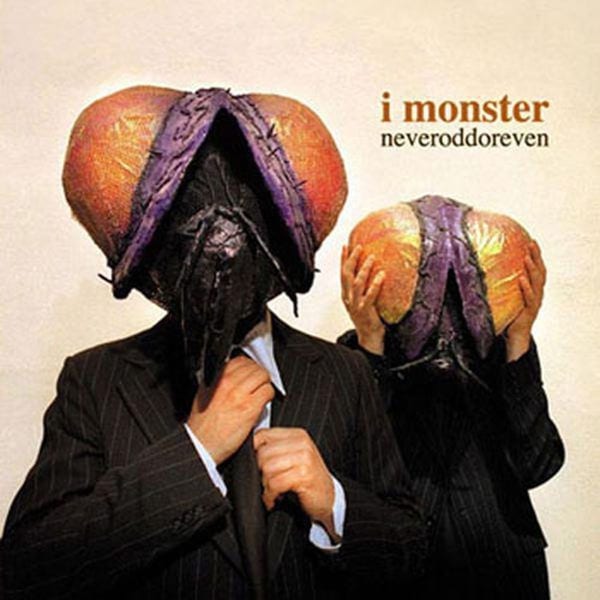
Neveroddoreven
Be the first to rate—Dean Honer and Jarrod Gosling's other Sheffield outfit, best known for 'Daydream in Blue', a hazy rebuild of a forgotten 1960s pop oddity. Neveroddoreven (2003), a palindrome of a title, is sample-stuffed psych-pop that's funnier and stranger than its one famous song ever let on.
- 11
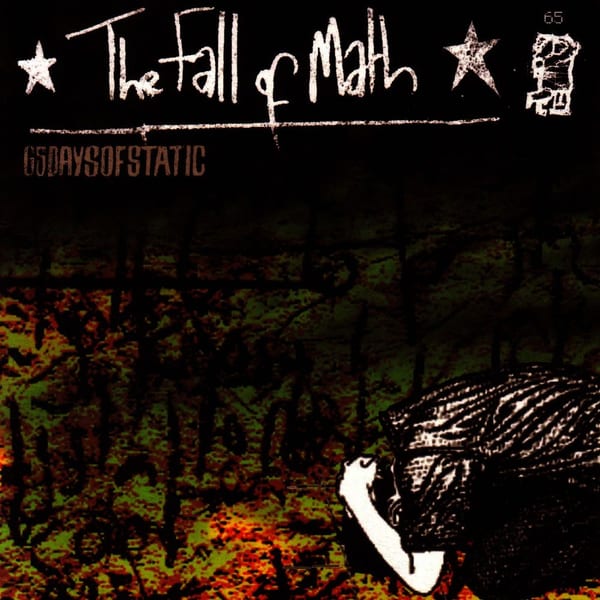
The Fall of Math
Be the first to rate—Post-rock crescendos spliced with glitchy breakbeats, made by four Sheffield kids who decided Mogwai needed a drum machine. The Fall of Math (2004) is all nervous energy and math-rock angles. A decade later they would score the video game No Man's Sky, an entire procedurally generated universe built to match their churn.
- 12

Coles Corner
Be the first to rate—Hawley played guitar in the Longpigs and toured with Pulp before stepping out as a crooner from another century. Coles Corner (2005), named after a spot in Sheffield where couples once met before dates, is Roy Orbison rebuilt in the steel city's image. When Arctic Monkeys beat it to the 2006 Mercury Prize, Alex Turner grabbed the mic: 'Someone call 999, Richard Hawley's been robbed.'
- 13
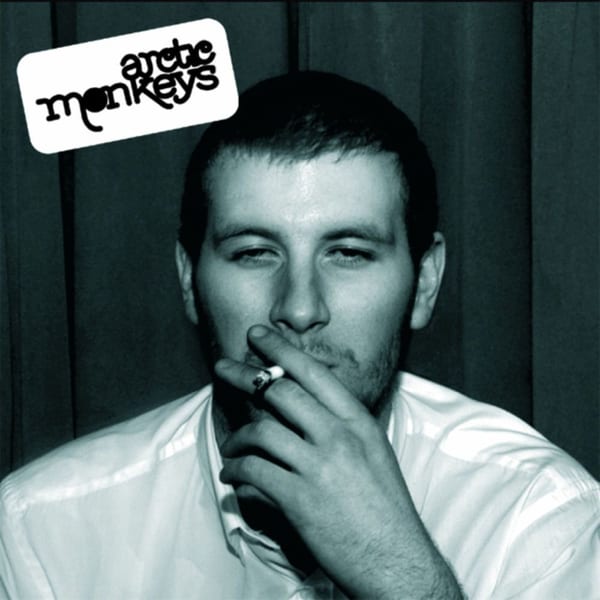
Whatever People Say I Am, That's What I'm Not
★ 4.6 · 5—The band that turned passed-around demos into the fastest-selling debut in British chart history. Whatever People Say I Am (2006) is Alex Turner at nineteen, narrating taxi ranks and bouncers in a High Green accent he flatly refused to sand off. Kitchen-sink realism at full tempo, and the moment Sheffield indie went global.
- 14

Someone to Drive You Home
Be the first to rate—Kate Jackson fronting the sharpest-dressed band in mid-2000s Sheffield, writing post-punk about older women and bad decisions with a novelist's eye for detail. Someone to Drive You Home (2006) should have made them huge. A stroke that left guitarist Dorian Cox unable to play ended the band in 2008. One nearly perfect record, then silence.


Explore the sound
Artists in this guide
Lists with these albums
Read next
Yearning: albums that ache for what they can't name
Not heartbreak, not grief. The other feeling. Records built around a longing with no object.
Kankyō ongaku: a canon for Japanese ambient music
Music built to be half-heard: the Japanese composers who treated ambient as architecture, and the records worth living with.
Ethio-jazz: from Swinging Addis to the global revival
Mulatu Astatke invented it. The Derg curfews nearly buried it. A French reissue series dug it back up. Fourteen records that map Ethiopia's pentatonic golden age and its long second life.
Better than the studio: live albums that became the definitive version
Eighteen records where the concert beat the studio, in the order they were taped.
Got your own ranking? Build a list or tier of your own.