


Guides/A Riffiter guide
Jangle: a canon for the chiming guitar
Sixty years of the ringing twelve-string, from a Rickenbacker in 1965 to a four-track in the Richmond district.
Jangle pop is the sound of the bright, arpeggiated, treble-forward guitar the Byrds plugged in on Mr. Tambourine Man in 1965. This canon traces the chime through Postcard, Flying Nun, the Paisley Underground, and the current bedroom-pop revival, ending with Glenn Donaldson's DIY San Francisco.
Jangle isn't a scene so much as a single guitar sound that keeps getting rediscovered. It starts with a compressed, chiming, arpeggiated tone — usually a Rickenbacker twelve-string, wrists doing the work instead of a distortion pedal — and a melody that would rather ache than shout.
The thread runs from Los Angeles folk-rock through Glasgow, Dunedin, Athens and Sydney, and it has never really stopped. Right now a new wave of bedroom labels is filing the same songs under the same feeling. Here it is in order, 1965 to today.
- 1
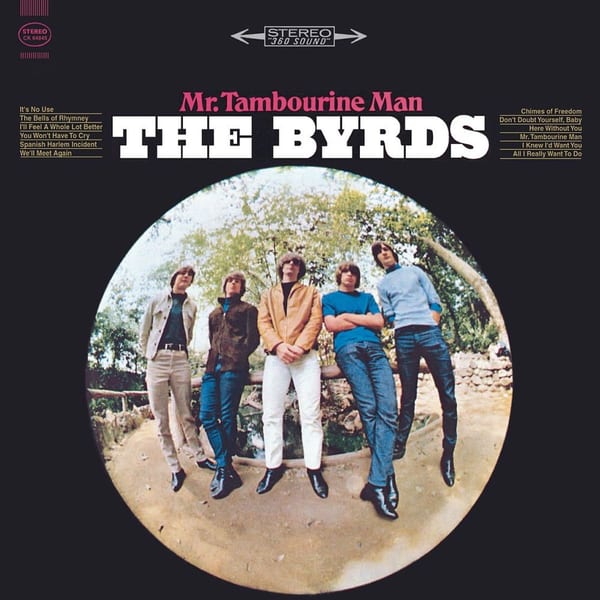
Mr. Tambourine Man
Be the first to rate—This is where the chime is born. Roger McGuinn ran a Rickenbacker 360/12 through a compressor on the title track, folded Dylan's words into two-and-a-half tight minutes, and every jangle record after it is arguing with this one. Columbia put it out in June 1965; the ringing arpeggios did the rest.
- 2
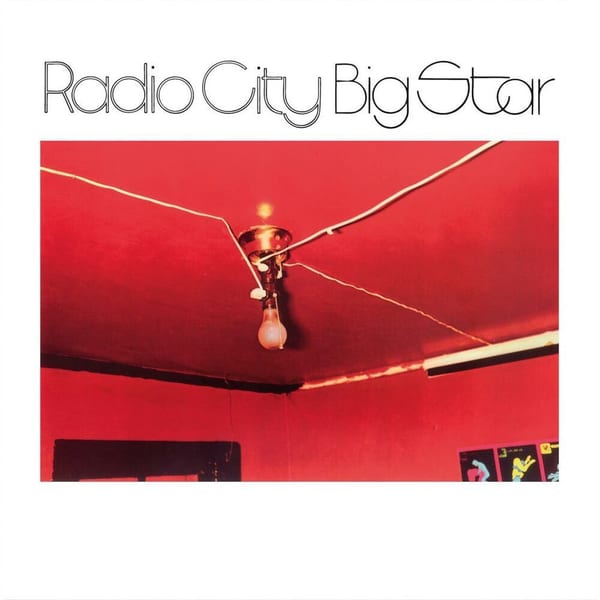
Radio City
Be the first to rate—By 1974 Chris Bell had quit and Alex Chilton was running the show, and Radio City sounds like a band coming apart in the most beautiful way. "September Gurls" is the two-minute blueprint that the Bangles, Teenage Fanclub and a hundred others would copy note for note. It sold almost nothing and became one of the most influential records nobody bought.
- 3
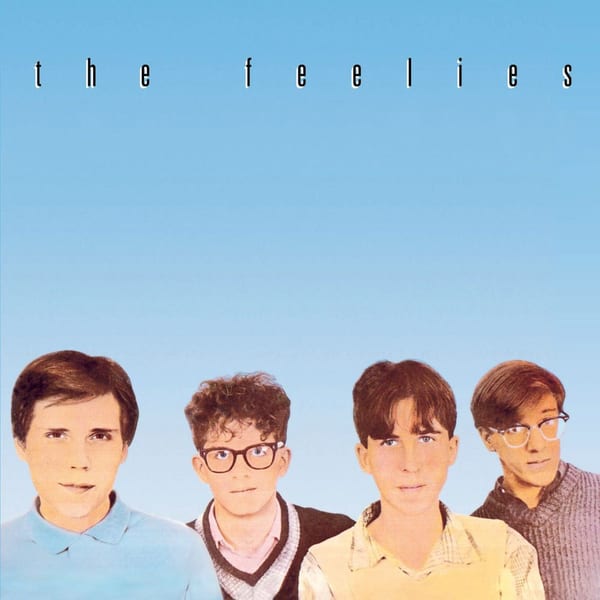
Crazy Rhythms
Be the first to rate—The Feelies took the jangle and made it nervous. This 1980 Stiff debut is all coiled repetition and buttoned-up tension, less California sunshine than a caffeine jitter in a New Jersey basement. R.E.M. worshipped it, and you can hear why every anxious guitar band since keeps circling back.
- 4

Boodle Boodle Boodle
Be the first to rate—Flying Nun's second-ever release, cut cheap in Dunedin in 1981, and it basically invented the Kiwi jangle that RYM users chart to death. The Kilgour brothers and Robert Scott play a Velvets drone with a pop heart; "Tally Ho!" is one chord of organ and pure joy. New Zealand's entire South Island sound spills out of this EP.
- 5
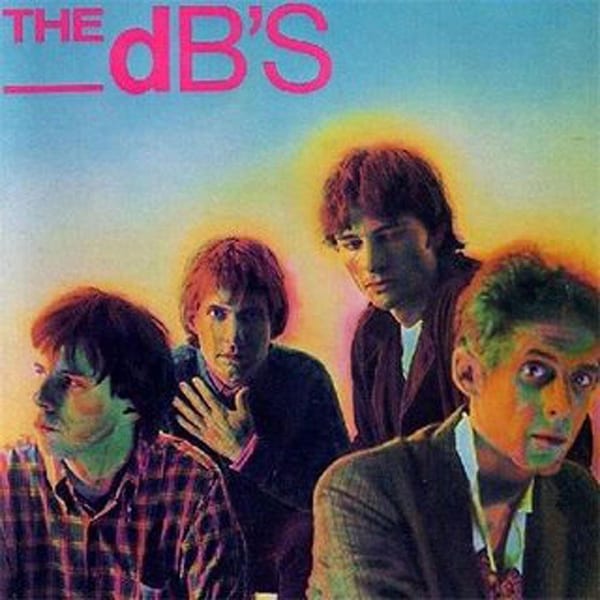
Stands For Decibels
Be the first to rate—Chris Stamey and Peter Holsapple carried the North Carolina power-pop torch, and this 1981 debut is sharper and stranger than the era's radio jangle. It only came out in the UK at first, which is exactly why it stayed a critics' secret for decades. Twelve songs, no filler, all hooks with a slight twitch.
- 6
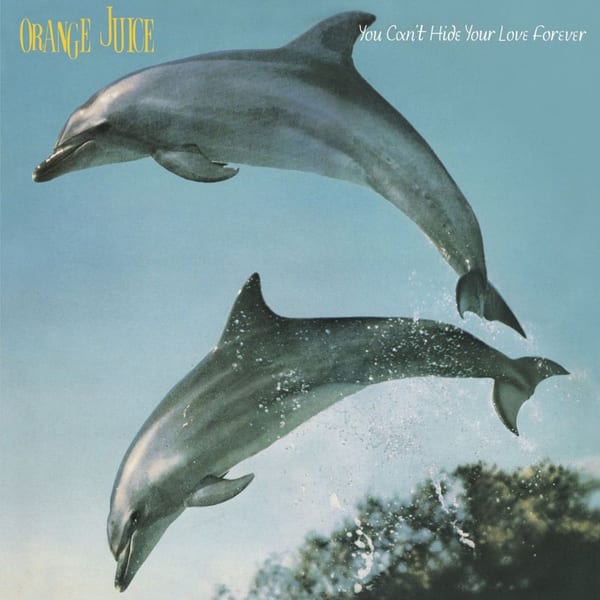
You Can't Hide Your Love Forever
Be the first to rate—Edwyn Collins wanted to sound like the Velvet Underground and Chic at once, and on Postcard-to-Polydor Orange Juice he mostly pulled it off. This 1982 debut is fey, funny and full of guitars that trip over themselves trying to be graceful. "The Sound of Young Scotland" started here, and so did a decade of arch British indie.
- 7

High Land, Hard Rain
Be the first to rate—Roddy Frame was nineteen and already writing like a veteran when this landed on Rough Trade in 1983. "Oblivious" and "Walk Out to Winter" pair acoustic jangle with a lyrical sophistication most bands don't reach at forty. It's the Postcard scene's most fully-formed record and it hasn't aged a day.
- 8
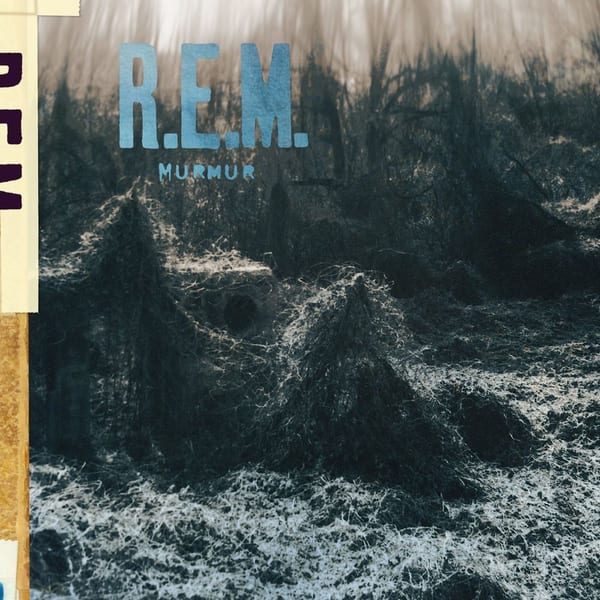
Murmur
★ 4.1 · 4—The American jangle template, full stop. Peter Buck's arpeggiated Rickenbacker rings over Mitch Easter and Don Dixon's murky production while Michael Stipe buries every lyric on purpose. Athens, Georgia, April 1983 — I.R.S. put out a record so overgrown and Southern it sounded like it was recorded inside a kudzu vine.
- 9
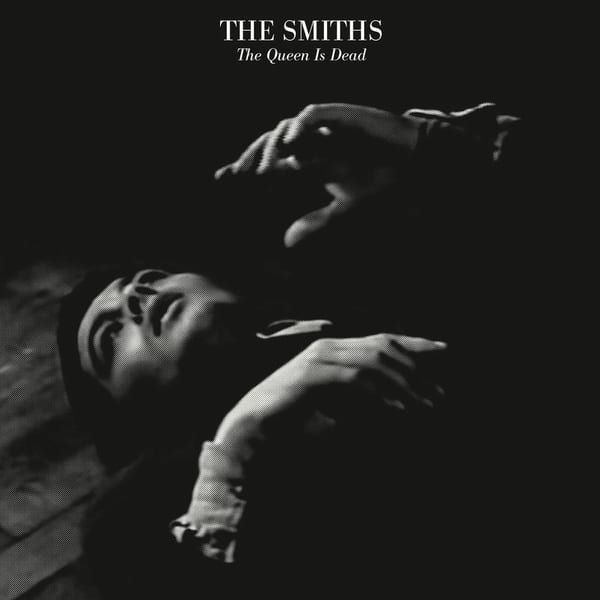
The Queen Is Dead
★ 4.6 · 5—Johnny Marr is the jangle's greatest architect, stacking six or seven guitar parts into something that sounds like one impossible instrument. On this 1986 peak he swings from the riot of the title track to the cascading heartbreak of "There Is a Light That Never Goes Out." Morrissey gets the quotes; Marr's chime is why the songs last.
- 10
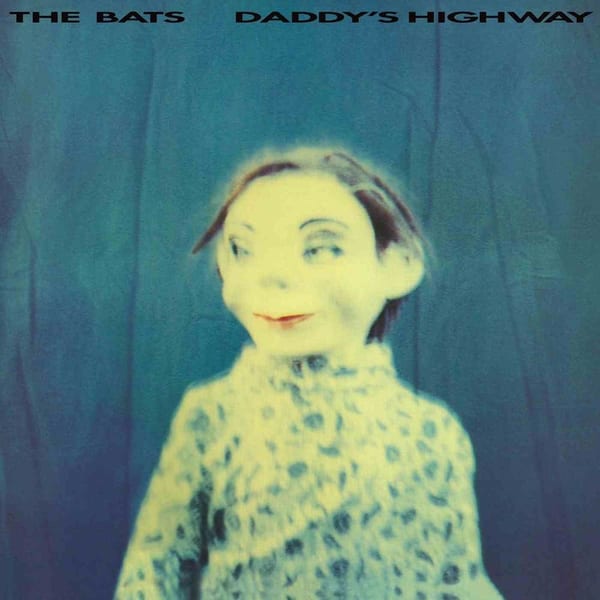
Daddy's Highway
Be the first to rate—Robert Scott left the Clean's rhythm section and built the Bats around a warmer, more pastoral jangle. This 1987 Flying Nun full-length rolls on and on like a drive through the Canterbury plains, all rounded edges and quiet melancholy. It's the sound of a band with nothing to prove and every good tune.
- 11
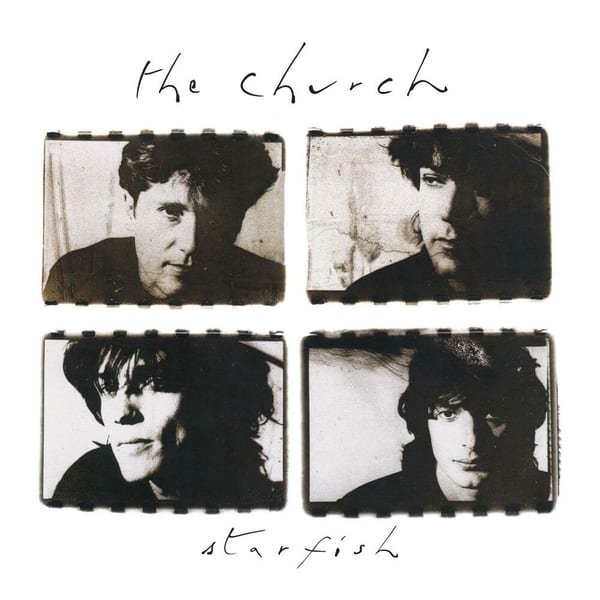
Starfish
Be the first to rate—Sydney's Church spent the eighties refining a widescreen, slightly narcotic jangle, and Starfish is where it broke through. "Under the Milky Way" is the obvious calling card, but the whole 1988 record floats on twelve-string haze and Steve Kilbey's deadpan. Dream-pop borrowed most of its atmosphere from here.
- 12
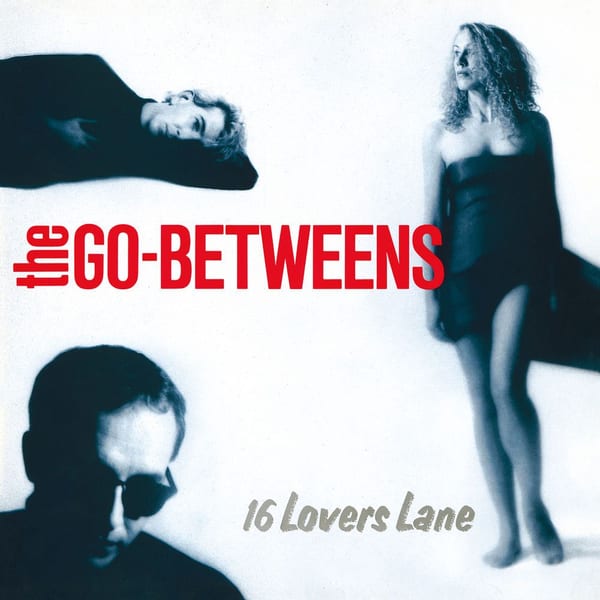
16 Lovers Lane (Remastered)
Be the first to rate—Brisbane's finest, and the record where Grant McLennan and Robert Forster's songwriting partnership peaked. From 1988, it's a jangle album about adult heartbreak, stripped back and acoustic where earlier records were spiky. "Streets of Your Town" hides a devastating lyric inside the sunniest melody they ever wrote.
- 13
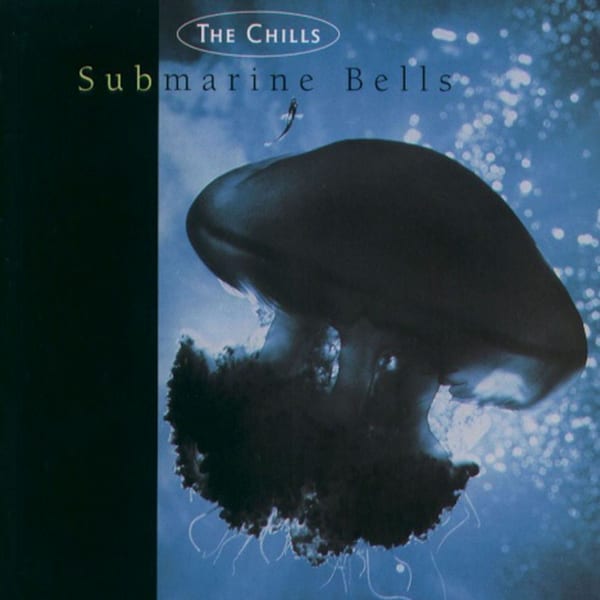
Submarine Bells
Be the first to rate—Martin Phillipps wrote pop songs the way other people write symphonies, and this 1990 major-label leap is his fullest statement. "Heavenly Pop Hit" is exactly what the title says and somehow still underrated. Dunedin never sounded this grand before or since.
- 14

The La's
Be the first to rate—Lee Mavers chased a perfect sound so hard he never finished another album. "There She Goes" is the jangle pop everyone knows even if they've never heard the band's name, and the whole 1990 debut sparkles despite Mavers hating the mix. One record, no follow-up, permanent cult status.
- 15
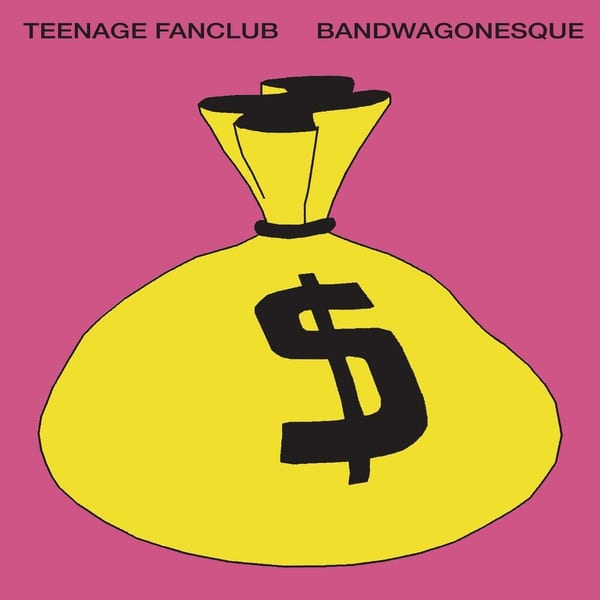
Bandwagonesque
Be the first to rate—SPIN named this its album of 1991, ahead of Nevermind and Out of Time, and got mocked for years — but the Fannies were right and the magazine was braver than it looked. Big Star filtered through Glasgow fuzz, with harmonies that could melt a glacier. "The Concept" opens with a joke and ends in three minutes of pure chiming bliss.
- 16

Days
Be the first to rate—The jangle went suburban and stayed there. Martin Courtney writes about cul-de-sacs and long summers over guitars that ring like wind chimes on a porch, and this 2011 Domino record is the sound of the whole modern revival clicking into place. Comfortable, unhurried, quietly sad under the shimmer.
- 17
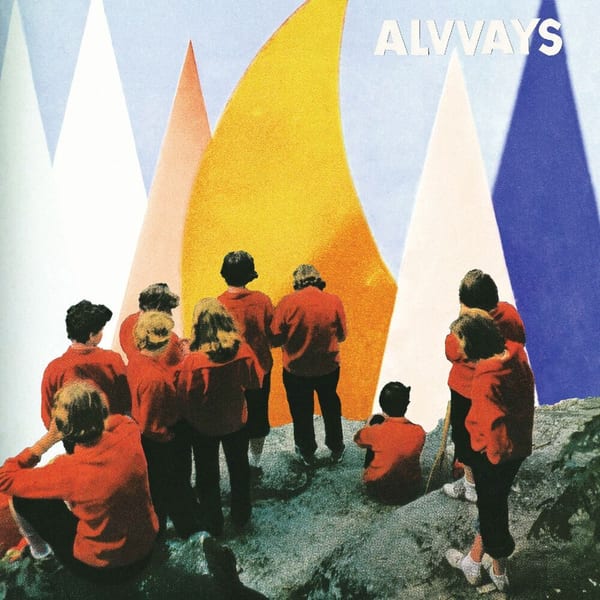
Antisocialites
Be the first to rate—Molly Rankin welds jangle to a wall of shoegaze fuzz and writes hooks sharp enough to draw blood. This 2017 second album is tighter and meaner than the debut, ten songs that never overstay. "Dreams Tonite" is a modern standard; the rest keeps up.
- 18
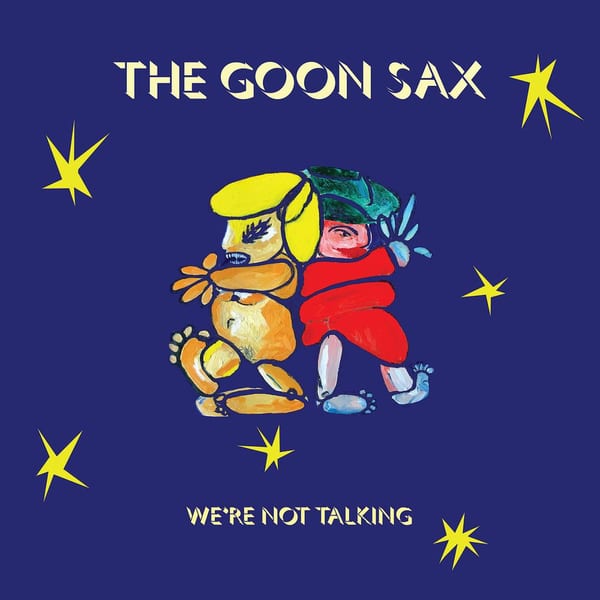
We're Not Talking
Be the first to rate—The lineage literally runs in the blood: Louis Forster is the son of the Go-Betweens' Robert Forster, and his Brisbane trio picks up the thread with awkward, funny, wide-open songs. This 2018 record adds strings and drum machines without losing the amateur charm. Teenage jangle written by people young enough to still mean it.
- 19

Uncommon Weather
Be the first to rate—Glenn Donaldson makes hazy, low-fi jangle at a frankly alarming pace, often several albums a year, mostly about the sad business of being in a band in a city priced out of art. This 2021 Slumberland breakthrough is his best entry point. It reached the UK indie breakers chart and quietly became the flagship of the current bedroom-jangle wave.


Explore the sound
Artists in this guide
Lists with these albums
Read next
Zamrock: the essential albums of Zambia's fuzz revolution
Zambia went independent, struck copper, and turned the money into the heaviest psych-rock in Africa. Then the decade ended, and the scene nearly died with it.
Yearning: albums that ache for what they can't name
Not heartbreak, not grief. The other feeling. Records built around a longing with no object.
Kankyō ongaku: a canon for Japanese ambient music
Music built to be half-heard: the Japanese composers who treated ambient as architecture, and the records worth living with.
Made in Sheffield: the steel city's essential albums
Cabaret Voltaire to Arctic Monkeys: how a declining steel town became Britain's strangest, most influential music city.
Got your own ranking? Build a list or tier of your own.