


Guides/A Riffiter guide
The slowcore holy trinity, and where to go after
Codeine, Low and Duster built a genre out of patience. Here's the map past them.
Slowcore is the indie-rock subgenre built on slow tempos, sparse arrangements and quiet intensity, defined by three records: Codeine's Frigid Stars (1990), Low's I Could Live in Hope (1994) and Duster's Stratosphere (1998). This guide covers the trinity and seven albums to explore once they've sunk in.
Every genre has a canon; slowcore has a trinity. Codeine slowed hardcore down until every note carried weight, Low turned that restraint into hymnal beauty, and Duster recorded the sound of a garage drifting through space. Three bands, three blueprints, one rule: play it slower.
The genre never died. It just kept getting rediscovered, most recently by a generation that found Stratosphere through the algorithm and stayed for the silence. Start with the trinity, then follow the quiet outward.
- 1
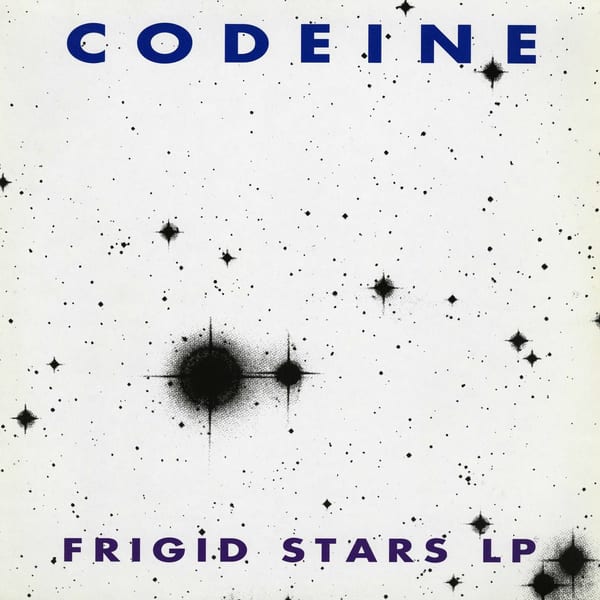
Frigid Stars
Be the first to rate—The genesis record. Released on Sub Pop in 1990, Frigid Stars took hardcore's heaviness and stretched it to a crawl, Stephen Immerwahr's deadpan vocals over drums that land like falling furniture. Slowcore's whole vocabulary starts here.
- 2
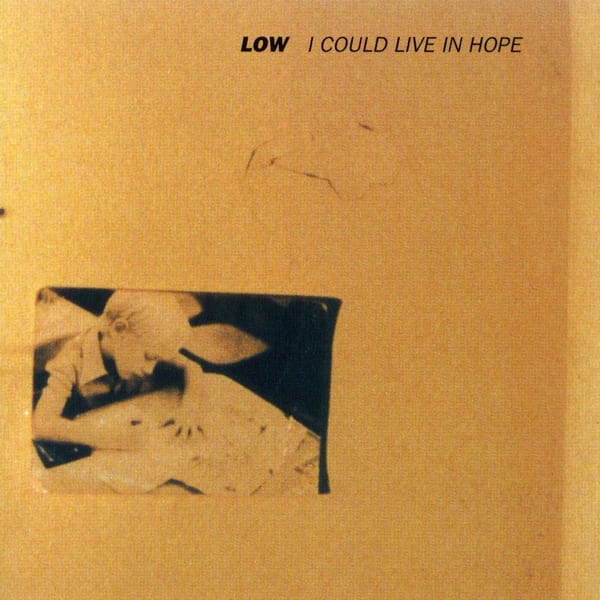
I Could Live in Hope
Be the first to rate—Duluth, Minnesota, 1994: a trio decides to play as quietly and slowly as possible in the middle of the grunge boom. Alan Sparhawk and Mimi Parker's harmonies made minimalism devotional. The most beautiful of the three pillars.
- 3
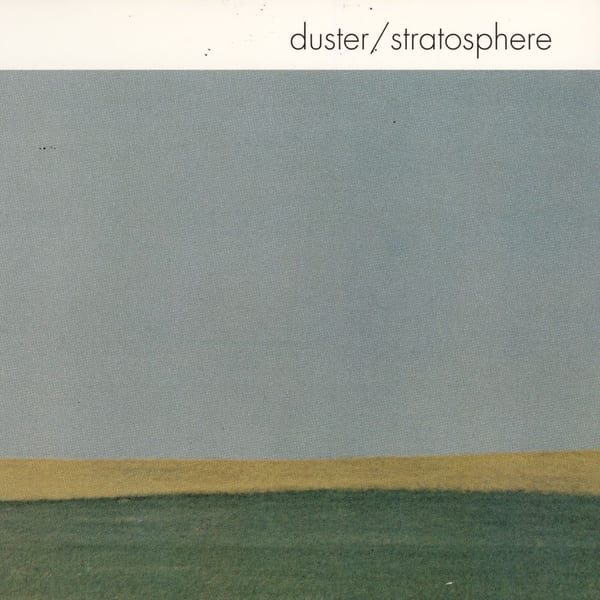
Stratosphere
★ 4.3 · 6—The 1998 cult classic that a streaming-era generation turned into slowcore's biggest record. Four-track fuzz, half-sung melodies, songs that sound beamed from a dying satellite. If one album explains the genre's revival, it's this.
- 4
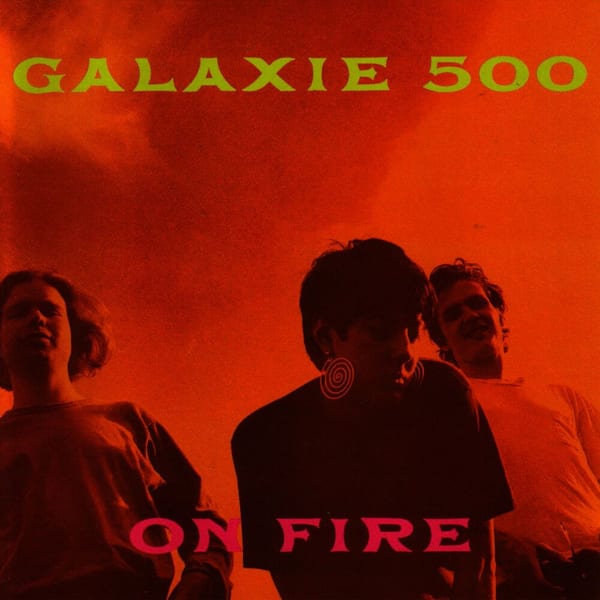
On Fire
Be the first to rate—The prehistory. On Fire (1989) isn't slowcore by name, but its narcotic tempos and Dean Wareham's cracked falsetto gave the trinity its template. Essential context, and a perfect record in its own right.
- 5
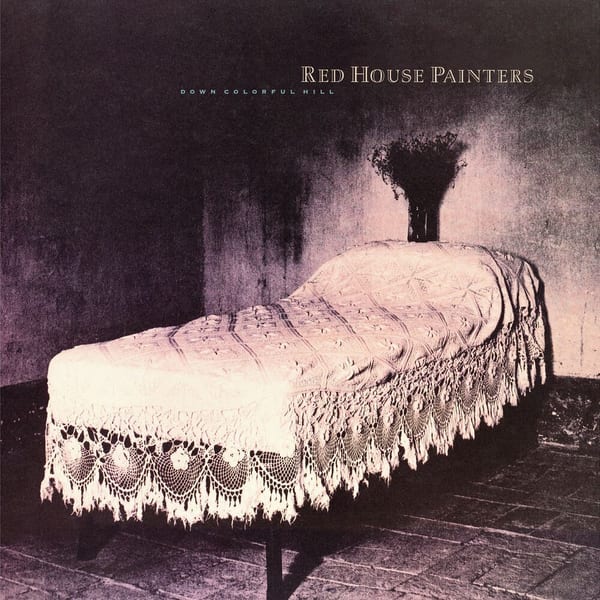
Down Colorful Hill
Be the first to rate—Mark Kozelek's 1992 debut on 4AD, six songs in 44 minutes, recorded as demos and released untouched. The sadcore branch of the family tree begins here.
- 6

WhatFunLifeWas
Be the first to rate—Dallas, 1994: three clean guitars interlocking at a whisper. Bedhead proved slowcore could be intricate rather than just sparse, the connoisseur's pick of the first wave.
- 7
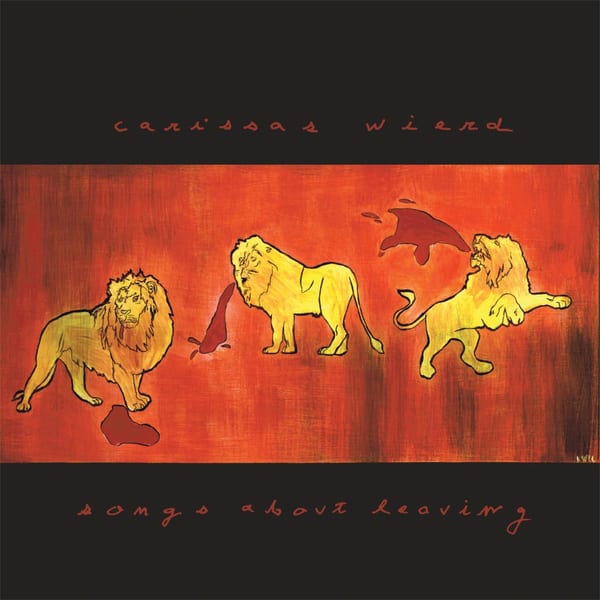
Songs About Leaving
Be the first to rate—The Seattle band (misspelling intentional) whose 2002 swan song is the genre's most quietly devastating breakup record. Members went on to form Band of Horses, louder, never better.
- 8
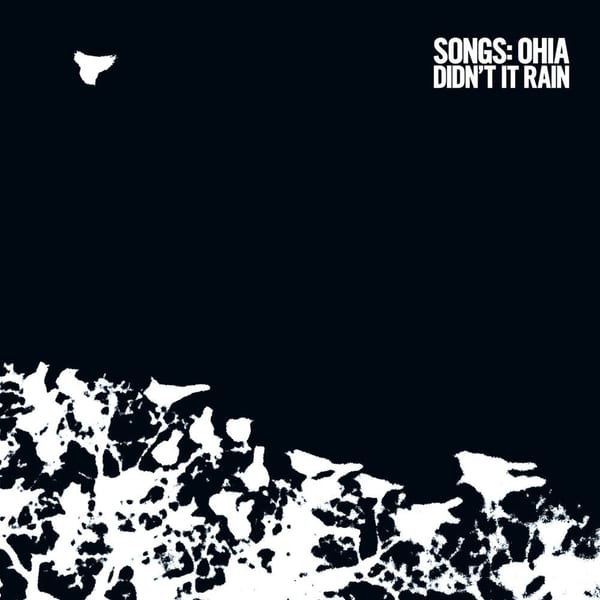
Didn't It Rain
Be the first to rate—Jason Molina's 2002 masterpiece, recorded live in a room with no overdubs. Technically alt-country, spiritually pure slowcore: every song feels like midnight in the Midwest.
- 9
- 10
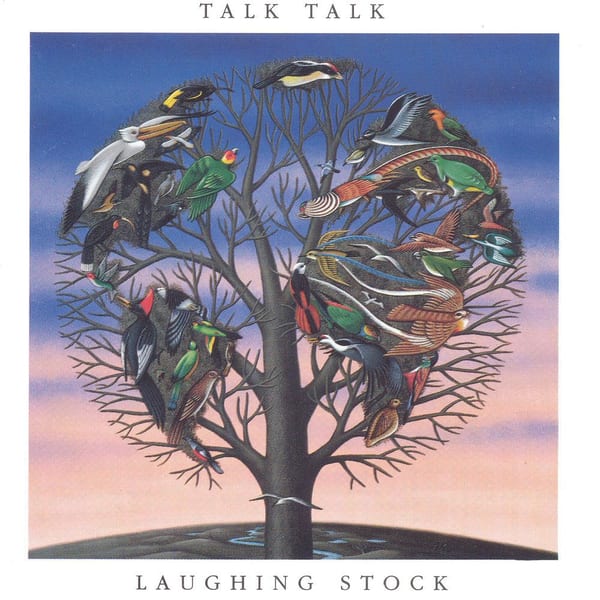
Laughing Stock
★ 5.0 · 1—Not slowcore, its older, stranger relative. Laughing Stock (1991) reached the same destination from the opposite direction: a platinum synth-pop band dismantling itself into silence. Every slow band since owes it something.


Explore the sound
Artists in this guide
Lists with these albums
Read next
Best breakup albums: the ones that name names
Records made about one specific person walking out, not about sadness in general. Sinatra to Robyn, in the order they happened.
Best ambient albums: nineteen records for the far edge of quiet
From the Berlin School to the drone: the ambient canon, in chronological order, with no wallpaper allowed.
Best post-rock albums: eighteen records where rock stopped singing
The crescendo, the drone, the slow build — a guitar band's tools turned against the verse and chorus.
Best shoegaze albums: sixteen records that hid the song inside the noise
From My Bloody Valentine's Loveless to the American revival — the foundational shoegaze canon, ranked.
Got your own ranking? Build a list or tier of your own.