


Guides/A Riffiter guide
The Elephant 6 collective: a beginner's guide
The fuzzy-tape psych-pop underground that ran from a Louisiana bedroom to Athens, Georgia, and one of the most-loved albums of the 1990s.
The Elephant 6 Recording Co. was a loose American indie collective founded by four Ruston, Louisiana high-school friends (Robert Schneider, Bill Doss, Will Cullen Hart and Jeff Mangum) who scattered to Denver and Athens, Georgia and built a homemade, lo-fi psychedelic-pop universe across the 1990s. This guide maps it in 16 albums, from Neutral Milk Hotel's In the Aeroplane Over the Sea (1998) to the Olivia Tremor Control's sprawling Black Foliage (1999).
It started with cassettes in the mail. Robert Schneider, Bill Doss, Will Cullen Hart and Jeff Mangum grew up together in Ruston, Louisiana, recording four-track experiments in their bedrooms in the late 1980s. When they graduated they scattered (Schneider to Denver, the others to Athens, Georgia) and kept trading tapes. The Elephant 6 name they stamped on those tapes became a banner for a whole movement: a sprawling, intermarried family of bands obsessed with Brian Wilson, the Beatles, tape hiss, found sound and harmony stacked on harmony.
The sound is unmistakable once you've heard it: warm, fuzzy, hand-built, drenched in reverb and joy, with an undertow of strangeness that keeps it from ever turning twee. The peak years were the mid-to-late 1990s; Doss's death in 2012 quieted the collective, but its records have only grown in stature. Here's where to start, and where to keep going.
- 1
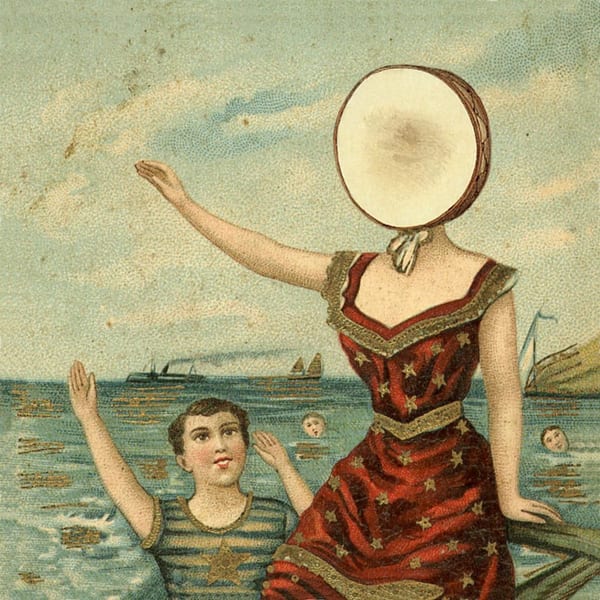
In the Aeroplane Over the Sea
★ 4.4 · 9—The collective's masterpiece and the album that pulled the whole scene into the light. Jeff Mangum's 1998 fever-dream about Anne Frank, love and death (fuzz, brass-band horns, singing saw, his voice cracking at the top of every line) was produced by Robert Schneider and went on to outsell everything else E6 made combined. Mangum then vanished from music for the better part of a decade, which only deepened the myth. If you hear one Elephant 6 record, hear this.
- 2
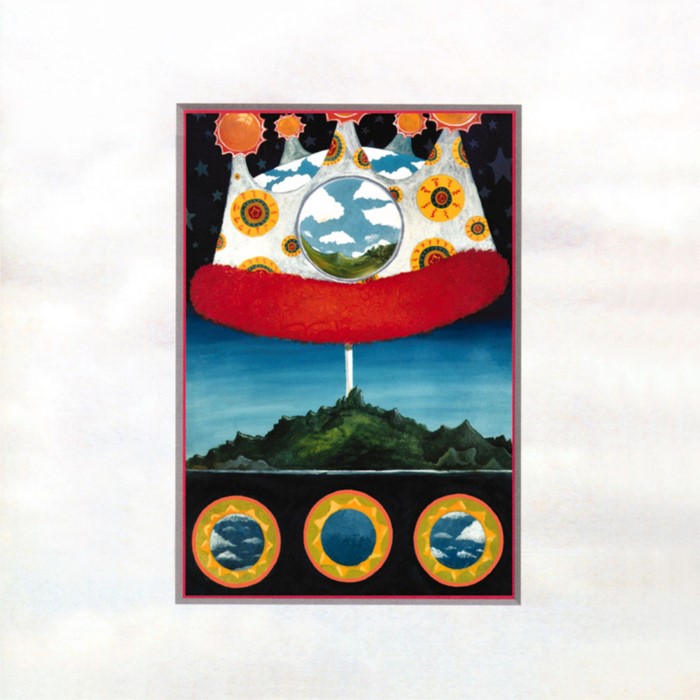
Music From the Unrealized Film Script, Dusk at Cubist Castle
Be the first to rate—The collective's most ambitious and experimental engine. Led by Will Cullen Hart and Bill Doss, the Olivia Tremor Control built sprawling psychedelic suites, perfect 1960s pop songs spliced with long musique-concrète sound collages. Their 1996 debut runs 74 minutes and was sold alongside a separate disc of pure abstract drone meant to be played simultaneously. Maximalist, dizzying, and one of the most inventive records the 1990s underground produced.
- 3
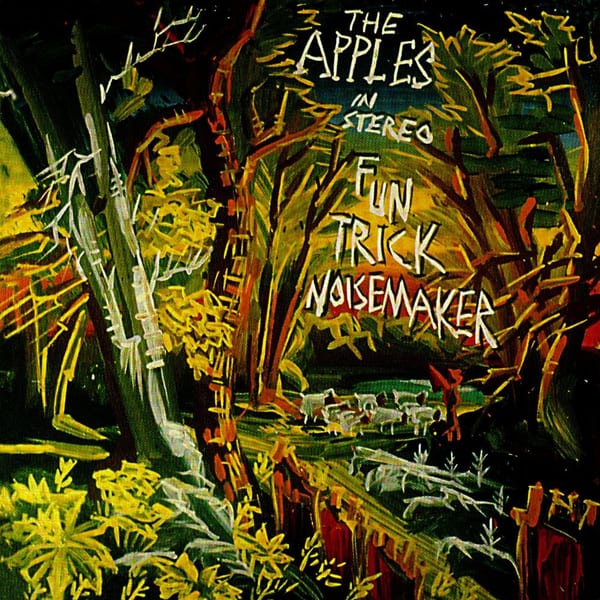
Fun Trick Noisemaker
Be the first to rate—Robert Schneider's band and the collective's de-facto pop heart. Schneider (the producer who recorded half the E6 catalogue at his Pet Sounds Studio) wrote candy-colored, Beach Boys-besotted power-pop drenched in tape fuzz. The 1995 debut sets the template: bright melodies, stacked harmonies, and a deliberately blown-out home-recorded warmth. Schneider is also the man who literally named the collective.
- 4
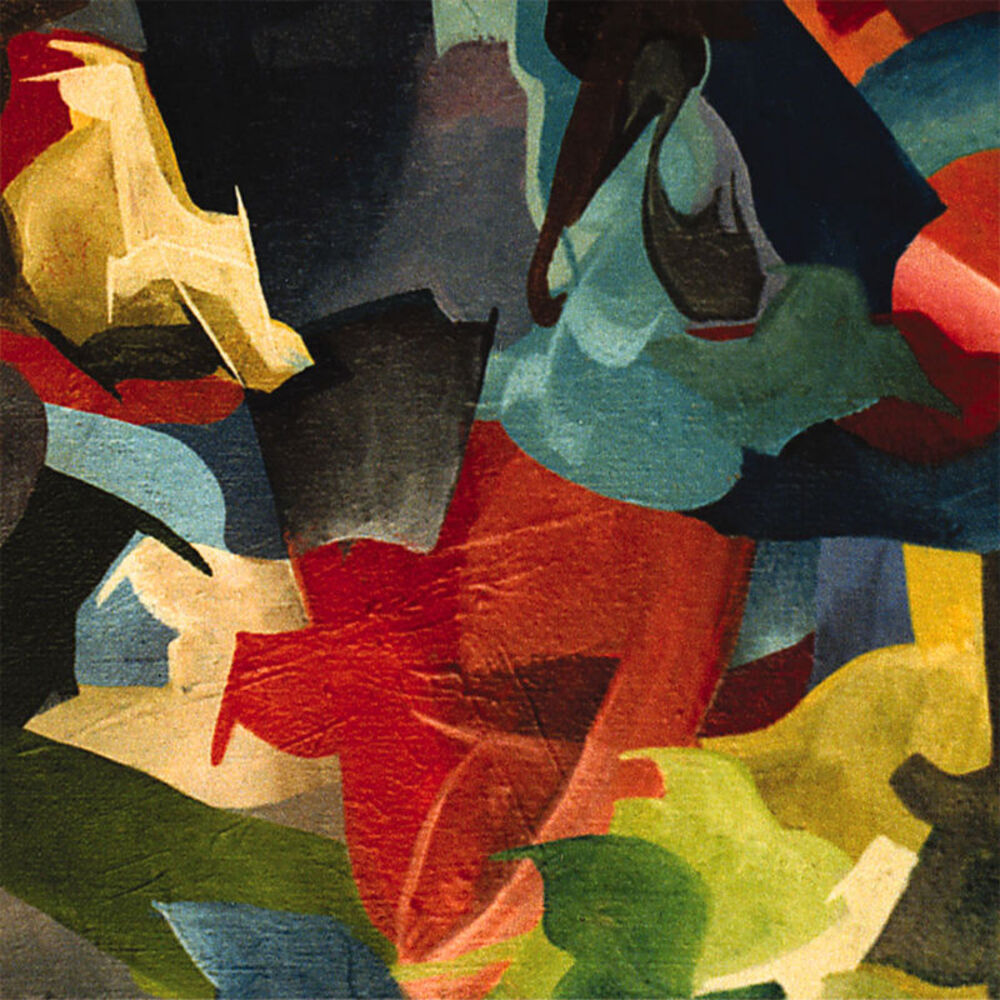
Black Foliage: Animation Music Volume One by The Olivia Tremor Control
Be the first to rate—The 1999 follow-up pushes the collage instinct to its limit: pop fragments dissolve into and out of swirling sound-loops, the same melodic motifs recurring like half-remembered dreams across 27 tracks. It's the band's most divisive and most worshipped record, the point where Elephant 6's tape-experiment side fully takes over. A grower, and a deep-end essential for the patient.
- 5
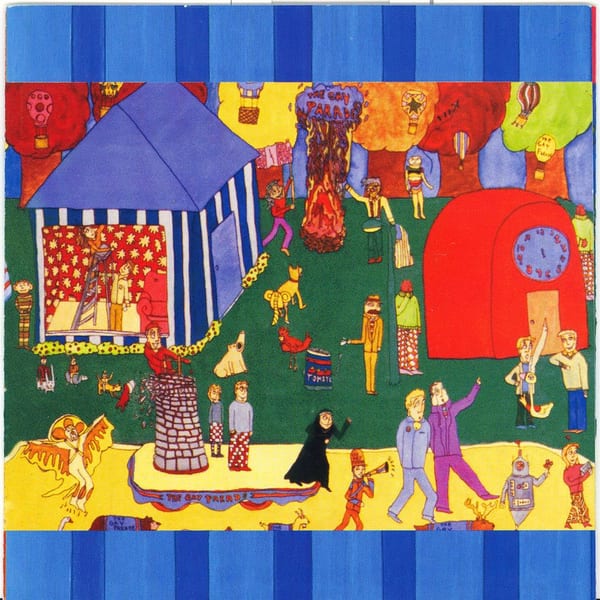
The Gay Parade
Be the first to rate—Before the funk and the costumes and the on-stage chaos, Kevin Barnes wrote sunlit story-songs about made-up characters. of Montreal's third album (1999) is its lush, twee-psych peak: a parade of vignettes about imaginary townsfolk, arranged with a chamber-pop sweetness that owes everything to the E6 ethos. The band would later become the collective's biggest commercial success by reinventing itself entirely.
- 6
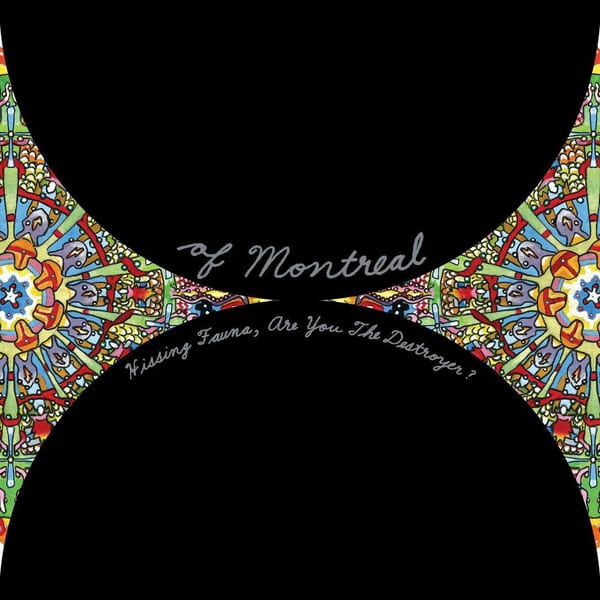
Hissing Fauna, Are You the Destroyer?
Be the first to rate—The reinvention. By 2007 Kevin Barnes had blown up the twee and rebuilt of Montreal as a glam-funk vehicle for a very public nervous breakdown, divorce, depression, an alter ego named Georgie Fruit. Its centerpiece, the near-12-minute 'The Past Is a Grotesque Animal,' is one of indie's great emotional gut-punches. Proof the collective's children grew up and got strange in new directions.
- 7
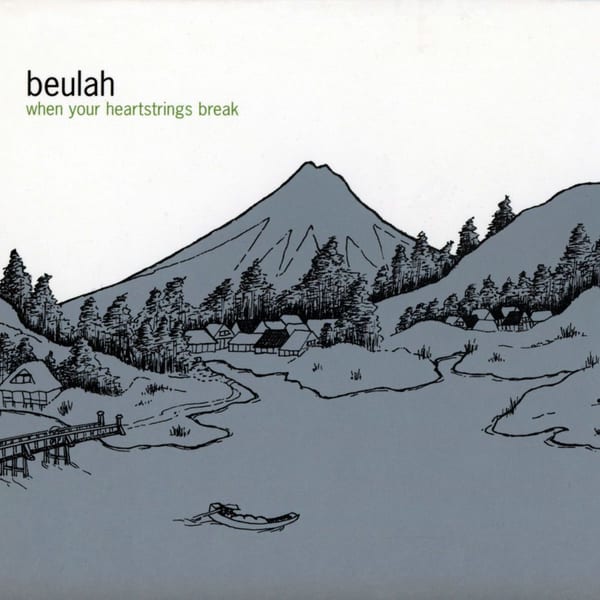
When Your Heartstrings Break
Be the first to rate—The San Francisco wing. Miles Kurosky's Beulah made the sunniest, horn-bright power-pop in the family, but the 1999 sophomore record laces the brass and harmonies with real heartbreak underneath. Schneider mixed it; it's the sound of E6 craft applied to something closer to classic AM-radio songwriting. Endlessly hummable, quietly sad.
- 8
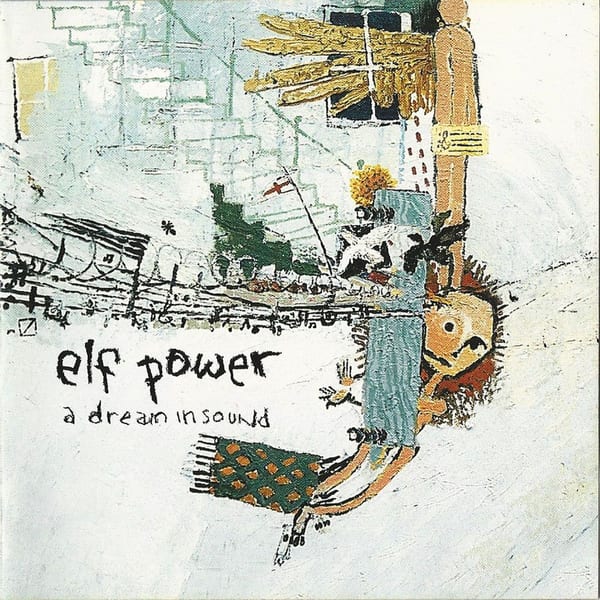
A Dream in Sound
Be the first to rate—Athens stalwarts Andrew Rieger and Laura Carter made some of the collective's most consistent records, and 1999's A Dream in Sound is the high-water mark: fuzzy, fairy-tale psych-folk with a darker, more medieval edge than their peers. A reliable entry point to the deeper E6 catalogue, and a band that kept the flame burning longer than most.
- 9

Hooray for Tuesday
Be the first to rate—Denver's contribution to the Apples' orbit. Martyn Leaper's Minders made jangling, British-Invasion-shaped pop, think the Kinks and the Zombies refracted through four-track fuzz. The 1998 debut is short, bright and unfairly overlooked, a perfect example of the collective's gift for melody you can hum on first listen.
- 10

1st Imaginary Symphony for Nomad
Be the first to rate—The collective's strangest corner. Julian Koster (Neutral Milk Hotel's singing-saw player) built the Music Tapes around antique instruments, a sentient metronome named Static and a singing two-story-tall radio. The 1999 debut is the most fully realized vision of E6's homemade-wonder ethos: a record that sounds like it was found in an attic from a century that never happened.
- 11

Circulatory System
Be the first to rate—After the Olivia Tremor Control split, Will Cullen Hart carried the collage tradition into Circulatory System. The 2001 self-titled debut is denser and headier than almost anything else in the catalogue, layered, looping, psychedelic, recorded by a rotating cast of nearly the whole collective. The connoisseur's E6 record.
- 12
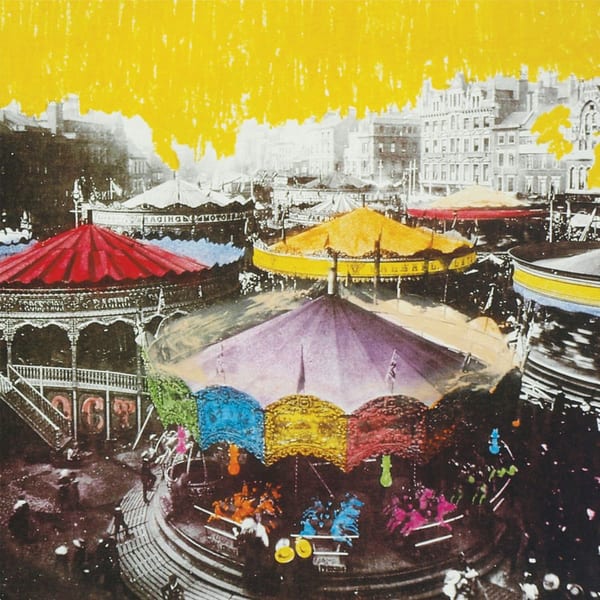
On Avery Island
Be the first to rate—Jeff Mangum's 1996 debut, recorded almost entirely with Robert Schneider, is the rougher, fuzzier first draft of the vision that would crystallize on Aeroplane. Distorted folk-pop buried in static and horns, more inward and less anthemic, and beloved by anyone who wanted more after the famous one. Essential context for the masterpiece.
- 13
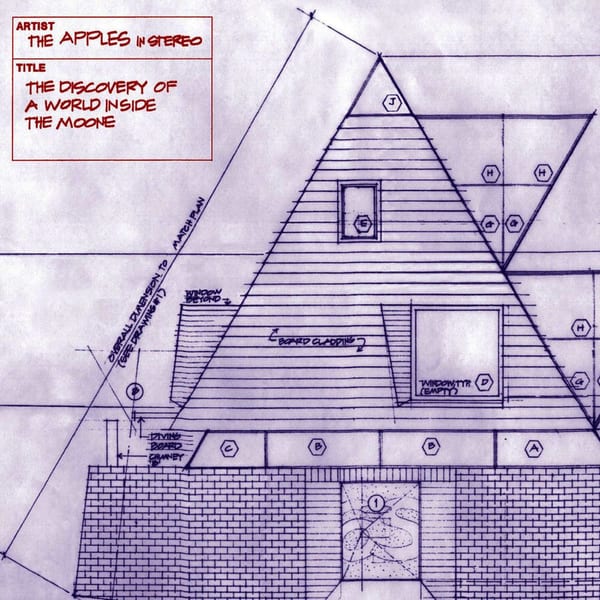
The Discovery of a World Inside the Moone by The Apples in Stereo
Be the first to rate—By 2000 Robert Schneider had honed the Apples into a near-perfect pop machine. This is their most polished and tuneful set, a concept-tinged ride through Schneider's sunshine-psych obsessions, the record to reach for once Fun Trick Noisemaker has hooked you, and proof the lo-fi warmth scaled up beautifully.
- 14
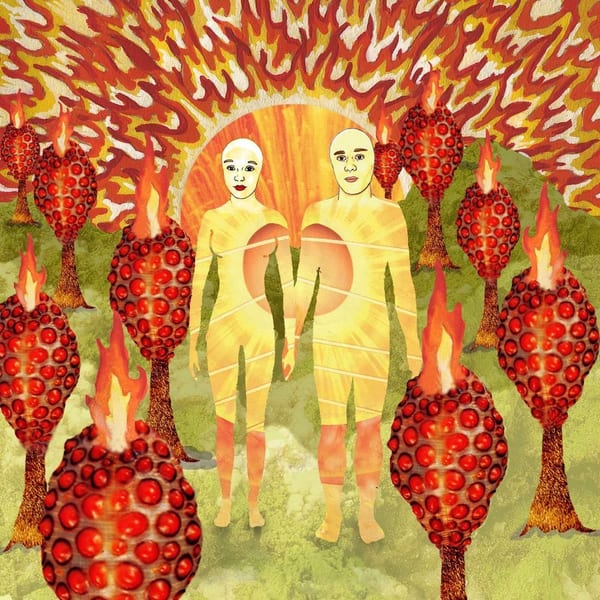
The Sunlandic Twins
Be the first to rate—The bridge record (2005), where Kevin Barnes first fused the old chamber-pop sweetness with the electronic dance-funk that would define his next phase. Sun-bright, hook-stuffed and quietly experimental, it's the most accessible entry point into of Montreal's prolific, ever-mutating catalogue.
- 15
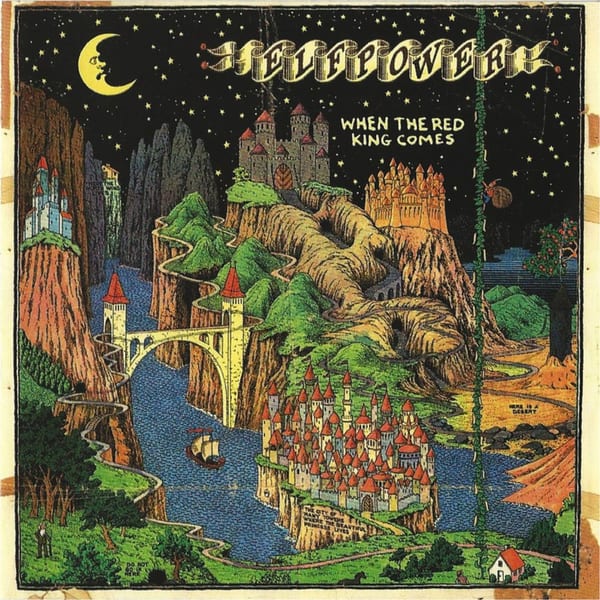
When the Red King Comes by Elf Power
Be the first to rate—Elf Power's 1997 breakthrough: a denser, more ominous strain of E6 psych-folk shot through with imagery of kings, monsters and the natural world turning strange. The fuzz is thicker and the mood darker than the collective's sunnier records, a reminder that the family had a shadow side too.
- 16
Singles and Beyond by The Olivia Tremor Control
The catch-all compilation that gathers the band's scattered 7-inches, EP tracks and oddities, the perfect dose for anyone who finds the full-length collages overwhelming. It distills the Olivia Tremor Control's pop instincts into bite-sized form, and closes the loop on the collective's most restlessly creative band before Bill Doss's death in 2012 quieted the whole enterprise.


Explore the sound
Artists in this guide
Lists with these albums
Read next
Best breakup albums: the ones that name names
Records made about one specific person walking out, not about sadness in general. Sinatra to Robyn, in the order they happened.
Best ambient albums: nineteen records for the far edge of quiet
From the Berlin School to the drone: the ambient canon, in chronological order, with no wallpaper allowed.
Best post-rock albums: eighteen records where rock stopped singing
The crescendo, the drone, the slow build — a guitar band's tools turned against the verse and chorus.
Best shoegaze albums: sixteen records that hid the song inside the noise
From My Bloody Valentine's Loveless to the American revival — the foundational shoegaze canon, ranked.
Got your own ranking? Build a list or tier of your own.