


Guides/A Riffiter guide
Krautrock deep cuts: beyond Can and Kraftwerk
You've done Tago Mago and Autobahn. Here are ten records from the next rooms of the German house.
Krautrock is the experimental rock movement that emerged in West Germany around 1968-1977, built on motorik rhythm, repetition and studio experimentation. Past the famous names, Can, Kraftwerk, Neu!, lies an equally essential second tier. This guide collects ten deep cuts, from Harmonia's Musik von Harmonia (1974) to Agitation Free's Malesch (1972).
Krautrock's front rank (Can, Kraftwerk, Neu!, Faust) is canon now, name-checked by everyone from Radiohead to LCD Soundsystem. But the movement was a country-wide explosion, not four bands: communes, free-jazz refugees and kosmische dreamers recording in barns and bunkers from Düsseldorf to Munich.
This is the second circle, the records the obsessives reach for once the canon is internalized. Several are as good as anything in the first circle. One or two are better.
- 1
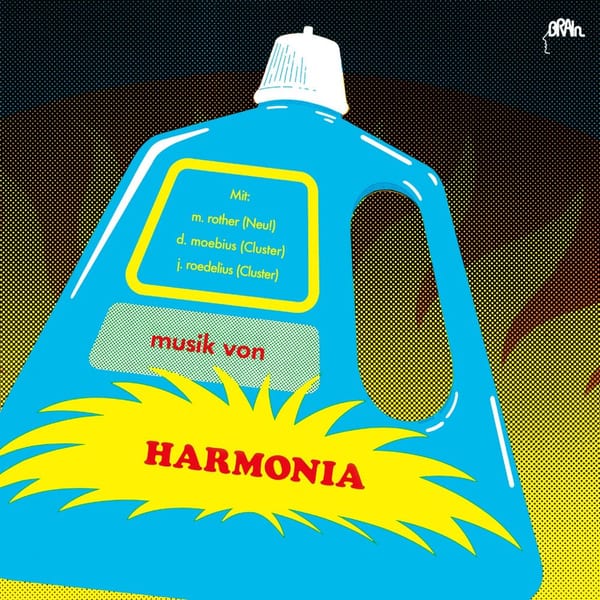
Musik von Harmonia
★ 3.5 · 1—Neu!'s Michael Rother plus Cluster's Roedelius and Moebius, recording in a village on the Weser in 1974. Brian Eno called Harmonia "the world's most important rock group", then moved in to record with them. The gentlest, most pastoral motorik ever laid down.
- 2
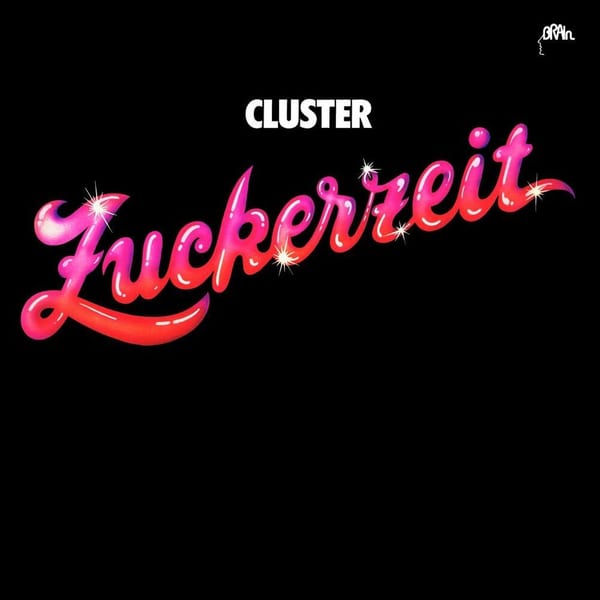
Zuckerzeit
Be the first to rate—The 1974 album where Cluster swapped drones for drum machines and melody, wobbly, homemade electronic pop a quarter-century early. "Caramel" and "Hollywood" sound like the future being assembled from spare parts, because they were.
- 3

Hosianna Mantra
Be the first to rate—Florian Fricke sold his Moog after this 1972 record and never looked back: piano, oboe, electric guitar and Djong Yun's voice in weightless sacred music. The spiritual center of the whole movement, and the sound of every Werner Herzog film that matters.
- 4
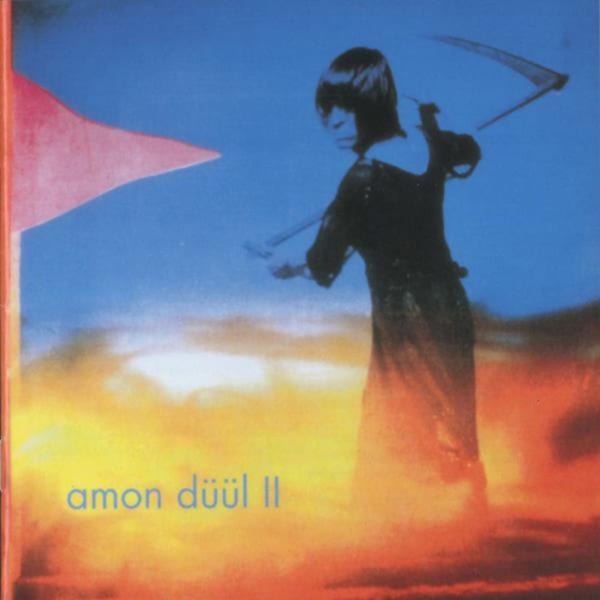
Yeti
Be the first to rate—The Munich commune's 1970 double album: acid-rock freakouts with violin shrieking over the top, half-composed, half-channeled. Yeti is krautrock at its wildest and most communal, the movement's id, on record.
- 5

The Faust Tapes
Be the first to rate—Sold in the UK for 49p in 1973 (the price of a single) and assembled from the Wümme commune's private tapes into one continuous collage. Pop songs surface and dissolve mid-thought. The most radical bargain in rock history.
- 6
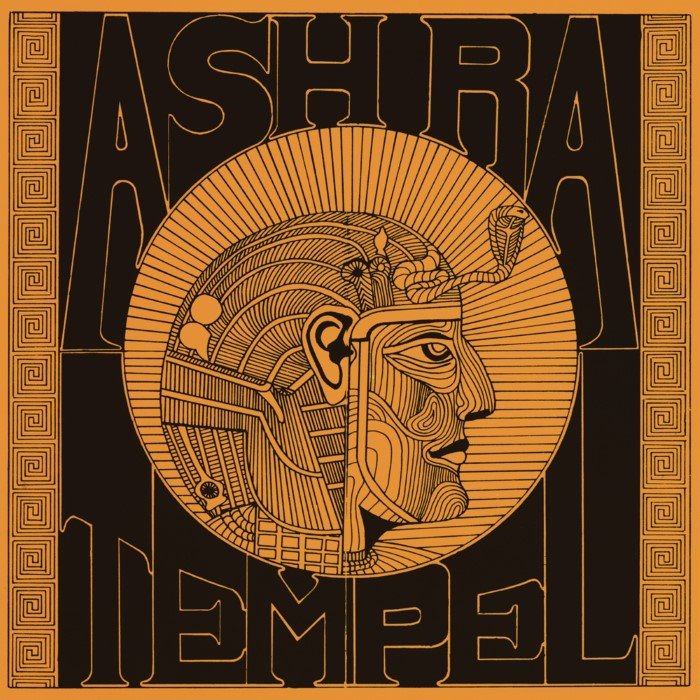
Ash Ra Tempel
Be the first to rate—Manuel Göttsching (guitar), Klaus Schulze (drums), Hartmut Enke (bass), 1971: one side of cosmic fury, one side of near-silence. The Berlin school of space music starts here, years before everyone involved went electronic.
- 7
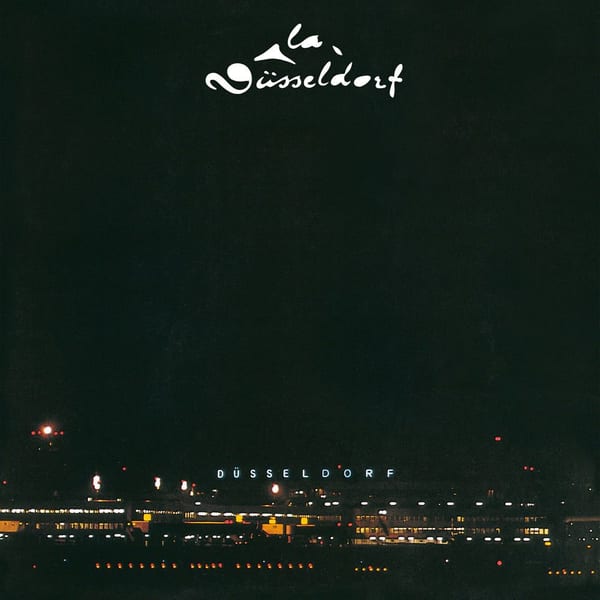
La Düsseldorf
Be the first to rate—Klaus Dinger's post-Neu! band, 1976: motorik with the joy turned all the way up, city-name chants and glitter on the drums. Bowie reportedly called them "the soundtrack of the eighties", early, as usual, and right.
- 8
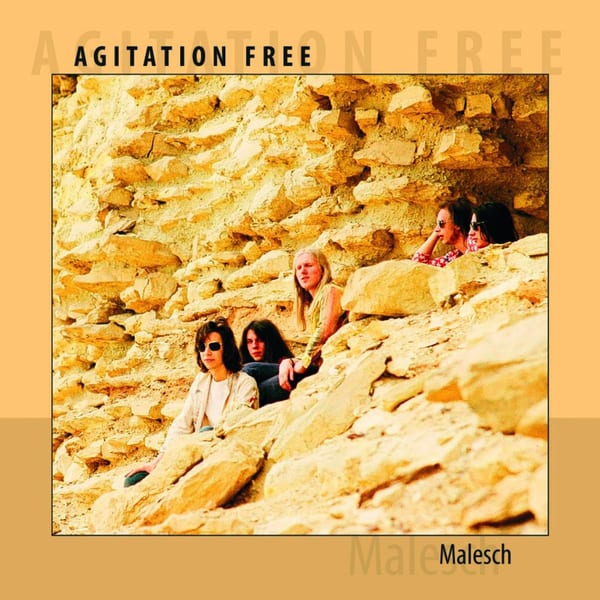
Malesch
Be the first to rate—Berlin's great travelers: Malesch (1972) weaves field recordings from Egypt and Lebanon into liquid psychedelic jams. The krautrock record with sand in it, and the deepest groove of the movement's first wave.
- 9
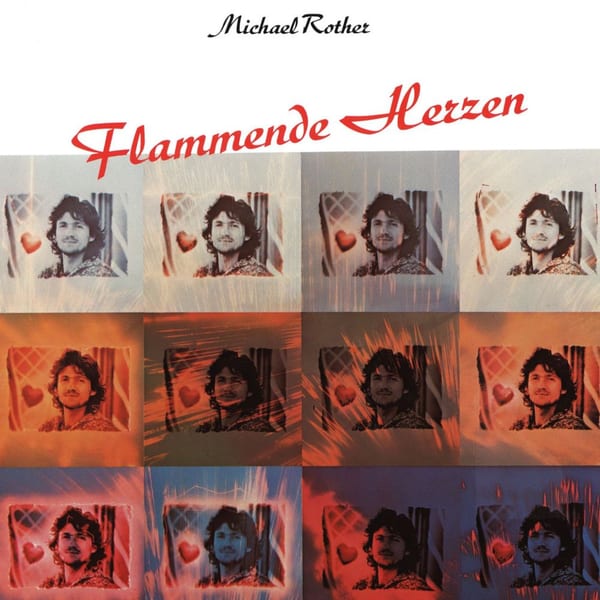
Flammende Herzen
Be the first to rate—Neu!'s melodic half goes solo (1977, with Can's Jaki Liebezeit on drums): instrumental guitar music of absurd warmth and patience. The bridge from motorik to every melodic post-rock and electronic act that came after.
- 10
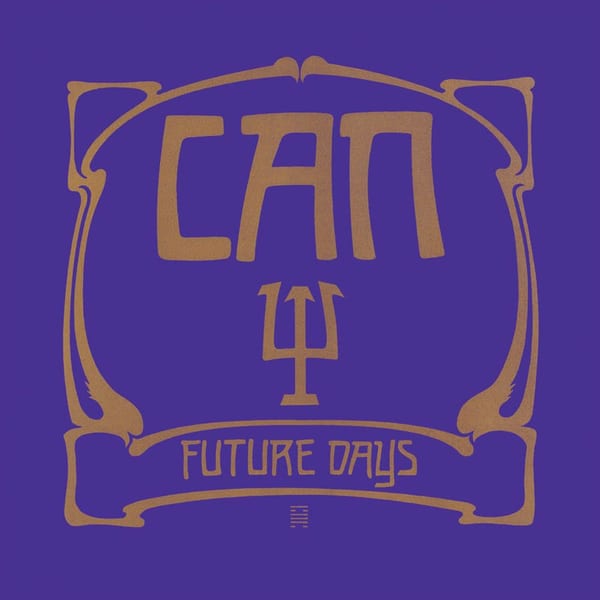
Future Days
Be the first to rate—One concession to the canon, because it's the deep cut hiding inside it: Future Days (1973) is Can's ambient masterpiece, grooves dissolving into weather. If Tago Mago is their famous peak, this is the one lifers play most.


Explore the sound
Artists in this guide
Read next
Best breakup albums: the ones that name names
Records made about one specific person walking out, not about sadness in general. Sinatra to Robyn, in the order they happened.
Best ambient albums: nineteen records for the far edge of quiet
From the Berlin School to the drone: the ambient canon, in chronological order, with no wallpaper allowed.
Best post-rock albums: eighteen records where rock stopped singing
The crescendo, the drone, the slow build — a guitar band's tools turned against the verse and chorus.
Best shoegaze albums: sixteen records that hid the song inside the noise
From My Bloody Valentine's Loveless to the American revival — the foundational shoegaze canon, ranked.
Got your own ranking? Build a list or tier of your own.