Blog/Debate
The most overrated albums of all time: the usual suspects are innocent
Sgt. Pepper is not overrated. It is over-assigned. The difference matters, and it changes which records the word actually fits.
Riffiter6 min read
Ask which albums are the most overrated of all time and the same names arrive every time: Sgt. Pepper's Lonely Hearts Club Band, OK Computer, In the Aeroplane Over the Sea, To Pimp a Butterfly. This essay argues those records are over-recommended rather than over-rated, that the useful measurement on a rating site is disagreement rather than the average, and it names the four mechanisms that genuinely inflate a score.
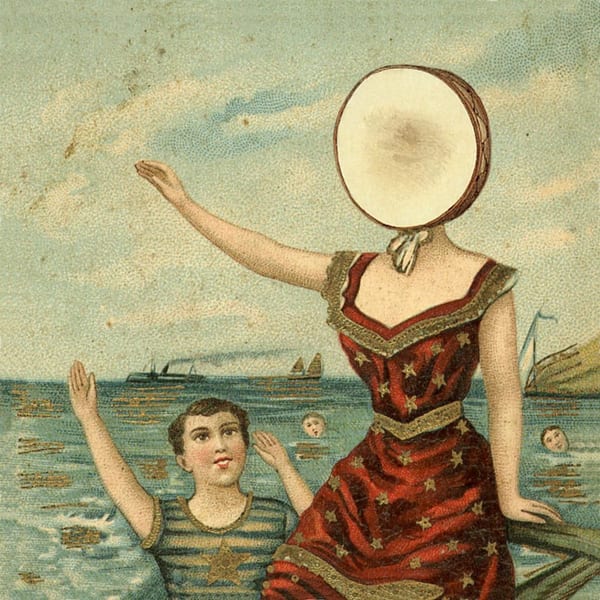
Every few months the question comes back around, on a forum or a chart page or a video with a thumbnail of somebody looking disappointed: what is the most overrated album of all time? And every time, the same five or six records get marched out to be shot. Sgt. Pepper's Lonely Hearts Club Band. OK Computer. In the Aeroplane Over the Sea. To Pimp a Butterfly. Loveless, if the room skews younger.
Look at that list for a second. Those albums have almost nothing in common musically. What they share is a position: each one sits at the top of a chart somebody consulted. Which means the complaint isn't really about the music at all.
The usual suspects are placeholders, not offenders
When someone calls Sgt. Pepper overrated, they are rarely saying the songs are bad. They are saying they are tired of being told. The record has been the answer to "where do I start" for sixty years, which turns it from an album into an appointment.
That is a problem with the recommendation machinery, not the record. Call it over-assigned. A canon needs entry points, so a handful of albums get nominated to stand for whole decades, and then they absorb the resentment that piles up around any monument. Revolver is the better Beatles album for a lot of listeners and nobody resents it, because nobody is handed it first.
OK Computer gets the same treatment for the same reason. It became shorthand for late-nineties dread, then shorthand for the kind of person who owns it, and the backlash has been aimed at the second thing while pretending to aim at the first. Neither of these records is mis-rated. They're just standing where everybody walks.
An average hides the argument. The spread shows it.
Here is the part that rating sites should have settled years ago. An average tells you almost nothing about whether a score is honest. An album can sit at 3.8 because everyone politely thinks it's a 3.8, or because half the site marked it a 5 and the other half marked it a 2 and the arithmetic split the difference. Those are opposite situations wearing the same number.
The second one is what people are groping for when they say overrated. They mean: there is a live argument here, and the number is pretending there isn't. You can see it directly on our most divisive albums chart, which ranks by how far apart our raters are rather than how high they land. Nothing on that page is a mystery to anybody who has ever tried to defend it at a party.
So the honest version of the question is not "which album is overrated." It's "which album's score is doing work the music isn't."
Four ways a rating actually inflates
Lore is the big one. A record that arrives with a story attached gets rated with the story included, and there is no way to separate them afterwards. Have a Nice Life recorded Deathconsciousness over five years for under a thousand dollars, released it in January 2008 on their own Enemies List Home Recordings with a booklet of invented religious history bound in, and watched it become the highest-rated 2008 album on RateYourMusic without a single review that mattered at the time. It is genuinely a great record. It is also a record you were found by, usually via a forum post at two in the morning, and that discovery is inside the number.
Monuments are the second. Some albums are rated for the size of the gesture rather than the hour you spend with them. Sleep cut Dopesmoker in 1996, London Records refused to release it, the band fell apart, an unsanctioned version surfaced in 1999 as Jerusalem, and Tee Pee finally put out the definitive remix in 2003 as one riff stretched over an hour. Everyone agrees it is monolithic. Far fewer people have listened to it twice this year, and the score does not know the difference.
Significance voting is the third and the most defensible. When a record is about something urgent, rating it low starts to feel like a position on the subject rather than the songs. To Pimp a Butterfly arrived in March 2015 into a country where "Alright" was already being chanted at protests, and it has been rated ever since as an event as much as an album. I think it's a masterpiece with about eleven minutes of slack in it, and I think that sentence is much harder to say out loud than it should be.
The fourth one is quieter: the first-listen premium. Some albums stun you once and never invite you back, and people rate the stun. That's how a record can be simultaneously a 4.5 and a thing nobody puts on.
So which ones actually qualify
By that standard my candidates are not the famous suspects.
In the Aeroplane Over the Sea is the strongest case. Merge released it in February 1998 to modest interest; Jeff Mangum then withdrew from public life, and the absence became part of the text. Two decades of people discovering it through someone else's devotion have loaded a lot onto eleven songs that are, in places, unfinished. I love "Holland, 1945" and I don't think side two survives without the myth.
Dopesmoker qualifies as a listening experience rated as a monument, as above. So does most of the drone canon, which is why those pages are so quiet in the comments and so high in the charts.
And what doesn't qualify
Loveless isn't overrated. Set aside the recording-cost legend that Kevin Shields has been disputing since 1991: the actual sound on that record has still not been reproduced by anyone, including the people who spent the last decade trying, which is a fact about the audio rather than the folklore. If anything the modern shoegaze revival has made it easier to hear how strange it is. We went through the rest of that lineage in the shoegaze canon.
Neither is Illmatic, and it's worth saying why, because it's the cleanest counterexample. Its reputation rests on forty minutes that get better under repeat listening, from people who have played it hundreds of times, not on a story about where they found it. That is what a correctly rated album looks like. It's the top of our new best debut albums of all time list for related reasons.
Say "over-assigned" and watch the argument improve
The word "overrated" collapses three complaints into one: I'm bored of hearing about this, my score is lower than the average, and this record's number is propped up by something outside the music. Only the third is interesting, and it's the only one you can argue about with evidence.
The better question is the inverse. Which albums are under-argued, sitting at a comfortable 3.7 that nobody has ever fought over? That's where the good listening is hiding.
Come do the thing that fixes this. Rate the records above, drop your real number even if it's two stars below the average, and make the case underneath. A score is only worth something if somebody was willing to be the outlier.
Discussion
Disagree? Have a better record in mind? Say it — top takes rise.
Sign in to join the discussion.
No one's weighed in yet. Go first.