Blog/Deep Dive
The Drift at 20: how a teen idol became the most frightening voice in music
Twenty years on, Scott Walker's hardest record still sounds like nothing else — including the dead pig he used for percussion.
Riffiter4 min read
The Drift (2006) is the thirteenth solo album by Scott Walker, released on 4AD on 8 May 2006 — a forbidding, near-operatic work of avant-garde music built around his baritone, sudden orchestral violence, and percussion played on a slab of pork. Two decades later it remains one of the most extreme reinventions any major artist has attempted.
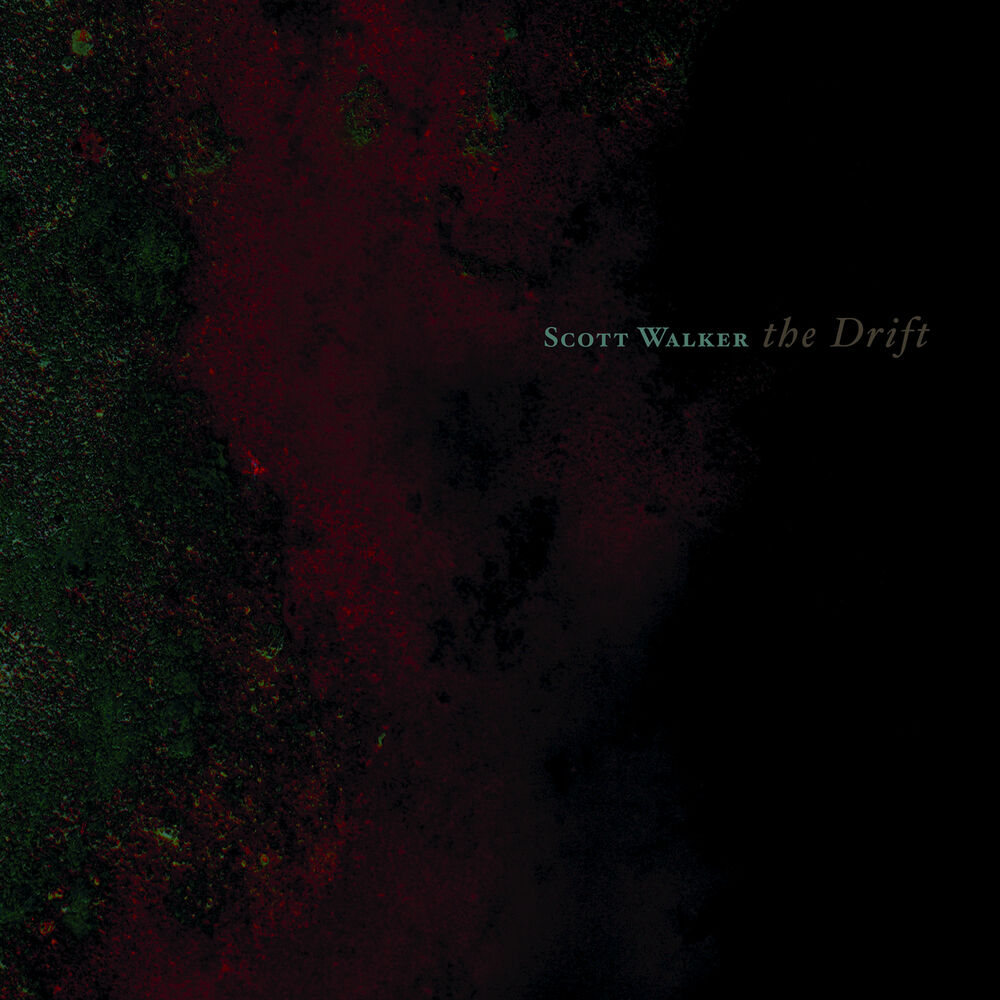
In the mid-1960s Scott Walker was a teen idol. The Walker Brothers weren't even brothers and weren't from Britain, but Scott's voice — that enormous, aching baritone — made them bigger than the Beatles in the UK for a while. Girls screamed. He hated it. By the time The Drift arrived forty years later, the same voice was being used to sing about the hanging of Mussolini's mistress over the sound of a man punching a side of meat. Few careers travel that far. None travel it like this.
The Drift turns 20 this spring, and it has not gotten any easier to listen to. That's the point.
From "The Sun Ain't Gonna Shine Anymore" to this
The journey from pop star to The Drift runs through a string of records, each one quieter, stranger and less commercial than the last. The four numbered Scott albums (1967–1969) are baroque-pop landmarks now, but even they were already odd — a young heartthrob covering Jacques Brel and writing about plague and prostitutes.
Scott 3 (1969) is where the songwriting fully arrives: lush, melancholy, ambitious in ways the charts had no use for. Then he more or less vanished into a decade of contractual covers records he later disowned.
When he resurfaced as an artist, the temperature kept dropping.
Climate of Hunter (1984) was reportedly one of the worst-selling albums in Virgin Records' history — gorgeous, severe, unmoored from anything resembling pop structure. It took him eleven more years to follow it.
Tilt (1995) is where the modern Scott Walker truly begins: the voice now floating over industrial dread, the songs abandoning verse and chorus for something closer to nightmare-opera. Tilt is the warning shot. The Drift is the thing itself.
The album
Recorded across seventeen months and released on 4AD on 8 May 2006, The Drift is the densest, most violent record Walker ever made. There are no songs in any normal sense — there are events. Long passages of near-silence shattered by orchestral stabs. That baritone, pristine and operatic, delivering some of the most disturbing lyrics in recorded music. It is beautiful and it is genuinely hard to sit through, often within the same thirty seconds.
The subjects are as grim as the sound. "Clara," all twelve-plus minutes of it, is about Mussolini and his mistress Clara Petacci, strung up by their feet in a Milan square in 1945 — and for the percussion on it, Walker had an engineer record a man repeatedly punching a slab of pork, because he wanted the sound of a body being struck. (The whole surreal scene is in the documentary 30 Century Man; it is exactly as unsettling as it reads.) "Jesse" addresses Elvis Presley calling out to his stillborn twin brother, the collapse of the Twin Towers folded into the same grief. This is what Walker did with a teen idol's voice: he pointed it at the worst things he could find.
Why it still matters
Critics, to their credit, mostly got it at the time — The Drift drew some of the strongest reviews of his career, including a 9.0 from Pitchfork and five stars in The Guardian. But reviews undersell the strangeness of the achievement. This is a man who had every reason to coast on a legacy of lush pop, deciding instead, in his sixties, to make the most uncompromising music of his life. He followed it with Bish Bosch (2012) and pushed even further out.
There's a particular kind of artist this site exists for — the one who reaches the edge of what an audience will tolerate and keeps walking. Scott Walker, who died in 2019, is the patron saint of that move. You can hear his shadow across the after-hours dread of our dark jazz canon, and he belongs in any honest accounting of music's bravest late-career turns.
The Drift is not a record you put on for pleasure. It's a record you put on to be reminded that music can still genuinely frighten you. Twenty years later, almost nothing else does it this well. Rate it below — and if you've made it all the way through "Clara," tell us where you were when the meat started.
Discussion
Disagree? Have a better record in mind? Say it — top takes rise.
Sign in to join the discussion.
No one's weighed in yet. Go first.