Discography
0We haven't catalogued Neal Avron's releases yet. They'll appear here as the catalog grows.
Credits
19Records Neal Avron worked on for other artists — the roles are as credited on each release.

Blurryface
Twenty One Pilots · 2015
Mixing · 14 songs

Infinity on High
Fall Out Boy · 2007
Producer, Mixing

Don't Panic: It's Longer Now!
All Time Low · 2013
Mixing · 12 songs
From Zero
Linkin Park · 2024
Mixing

Good Charlotte
Good Charlotte · 2000
Producer, Mixing +1
Busyhead
Noah Kahan · 2019
Mixing

Lake Effect Kid
Fall Out Boy · 2018
Mixing · 2 songs

Hits
New Found Glory · 2008
Producer, Mixing +1 · 7 songs
Catalyst
New Found Glory · 2004
Producer, Mixing +2 · 14 songs
Music from Another Dimension!
Aerosmith · 2012
Mixing · 7 songs

Lights and Sounds
Yellowcard · 2006
Producer, Engineer · 14 songs

More Than Just a Dream
Fitz and The Tantrums · 2013
Mixing

California
blink-182 · 2016
Mixing · 16 songs
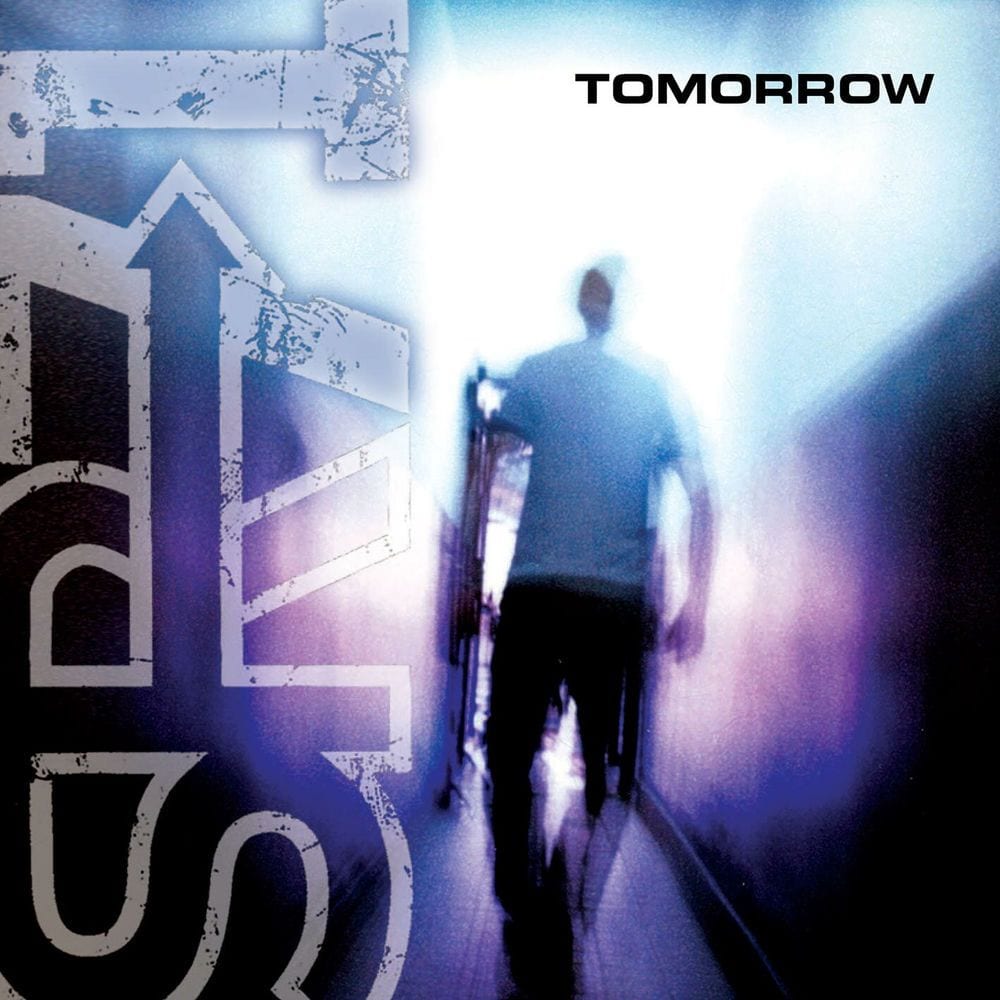
Tomorrow
SR-71 · 2002
Producer, Engineer · 8 songs
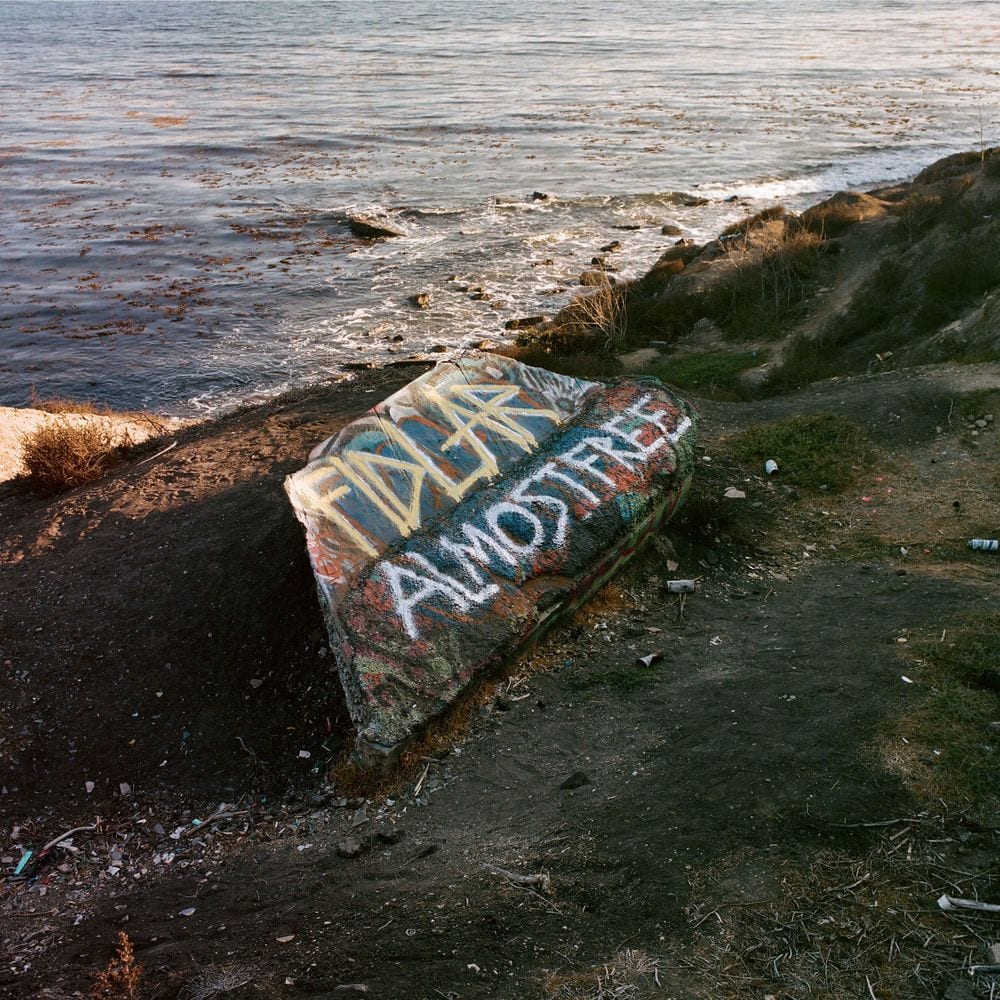
Almost Free
FIDLAR · 2019
Mixing
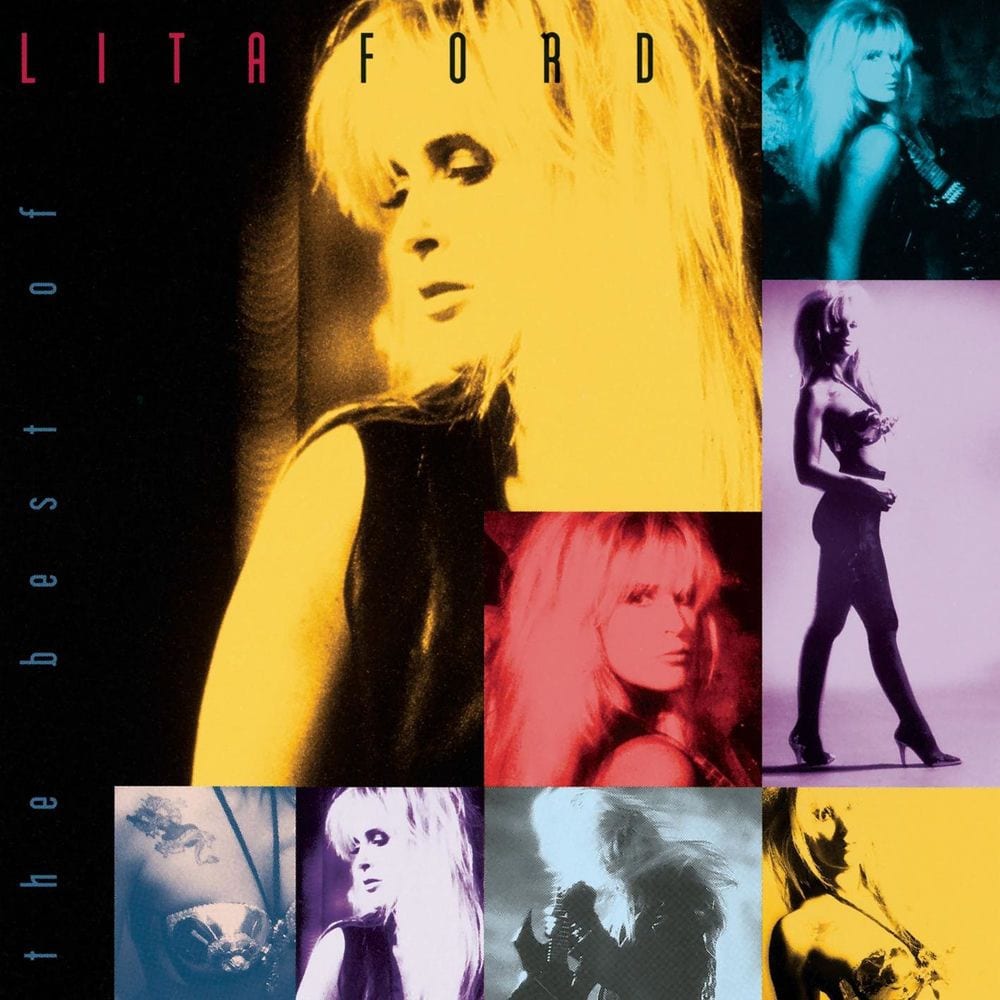
The Best of Lita Ford
Lita Ford · 1992
Engineer · 4 songs
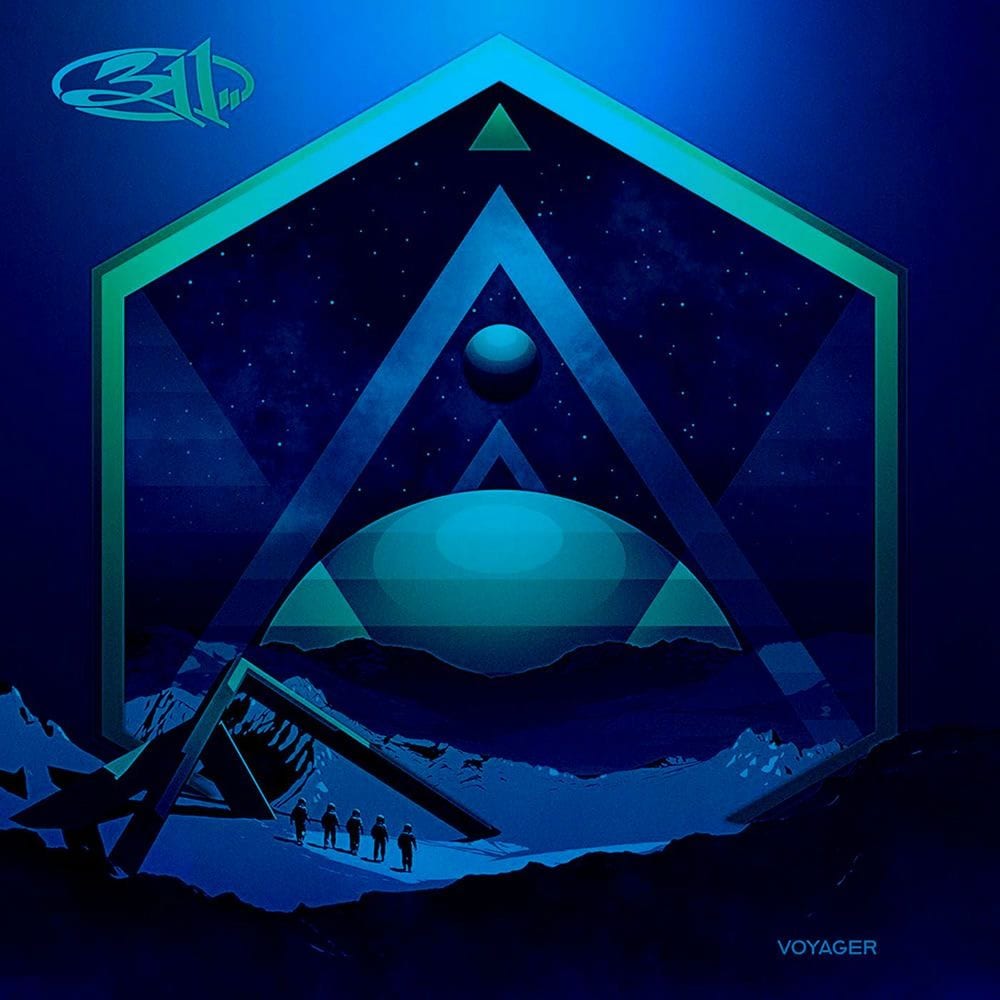
Voyager
311 · 2019
Engineer

Bored to Death
blink-182 · 2016
Mixing

Show Us Your Hits
Bloodhound Gang · 2010
Mixing


Community
More about Neal Avron
About
Neal Avron (born December 31, 1965) is an American record producer, mixer, audio engineer, and musician. Working predominantly in rock music, Avron began working on records in 1993 and achieved his production breakthrough when he co-produced Everclear's 1997 album So Much for the Afterglow. Avron went on to produce/mix a string of successful albums from the likes of Switchfoot, New Found Glory, Fall Out Boy, Yellowcard, Weezer, You Me at Six and Anberlin. Avron created headlines in 2010 when he mixed and/or produced each debuting number one album on the Billboard 200 for three consecutive weeks; Disturbed's Asylum, Sara Bareilles' Kaleidoscope Heart, and Linkin Park's A Thousand Suns. Avron later garnered recognition for his production work by receiving a Grammy Award nomination for Sara Bareilles' single "King of Anything" under the Best Female Pop Vocal Performance category.
Read moreRead less
Avron is noted for having particular recording techniques, believing that pre-production is essential before entering a recording studio. When recording, he prefers to lay down the drums and rhythm guitar first, as opposed to the conventional method of bass guitar and drums. Avron has noted, "Over the years I've had issues with recording bass first, especially when someone is hitting the strings really hard. For me it's difficult to tell whether the bass is in tune, because the fundamental is so low. When laying the rhythm guitars down first, it's much easier to tell whether the bass is out of tune or not. It also means that the bass has a place to fit."
From Wikipedia, text available under CC BY-SA 4.0.