How a talkback button gave Phil Collins' In the Air Tonight its drum sound
The gated drum sound of In the Air Tonight began in 1979, when engineer Hugh Padgham pressed the talkback button on a new SSL desk while Phil Collins played for Peter Gabriel, and the heavily compressed mic filled the speakers with the drum room. Padgham calls it a happy accident; accounts differ on whether the noise gate that cuts the sound off came with it or was added on purpose.
By Riffiter
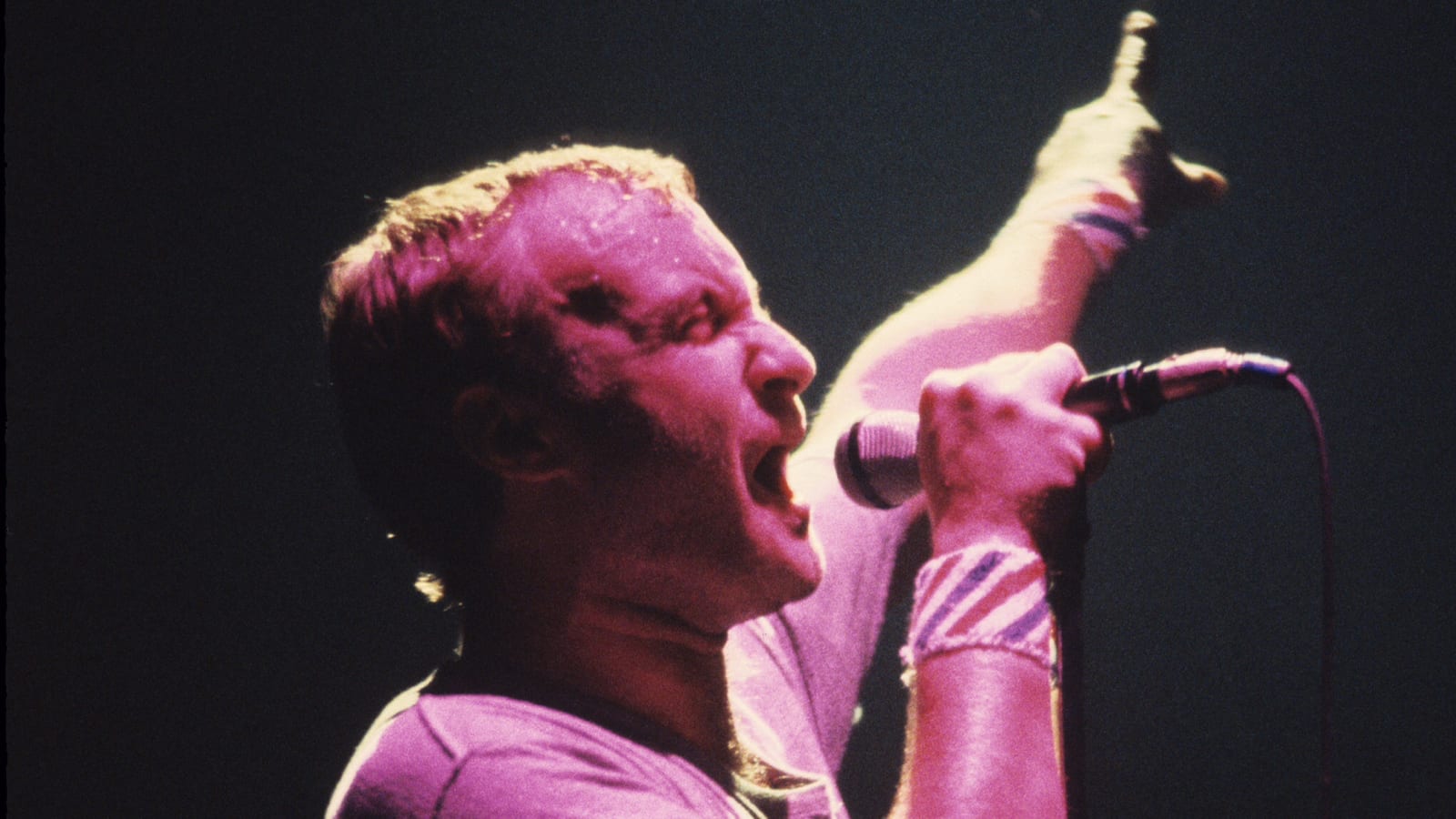
The huge, clipped drum sound of the 1980s goes back to one session in London in 1979. Engineer Hugh Padgham pressed the talkback button on a new Solid State Logic desk while Phil Collins was playing drums for Peter Gabriel, and the heavily compressed talkback mic filled the control room with the whole drum room. Gabriel built Intruder around it. A year later Collins used it on his first solo single, In the Air Tonight.
A desk built for talking
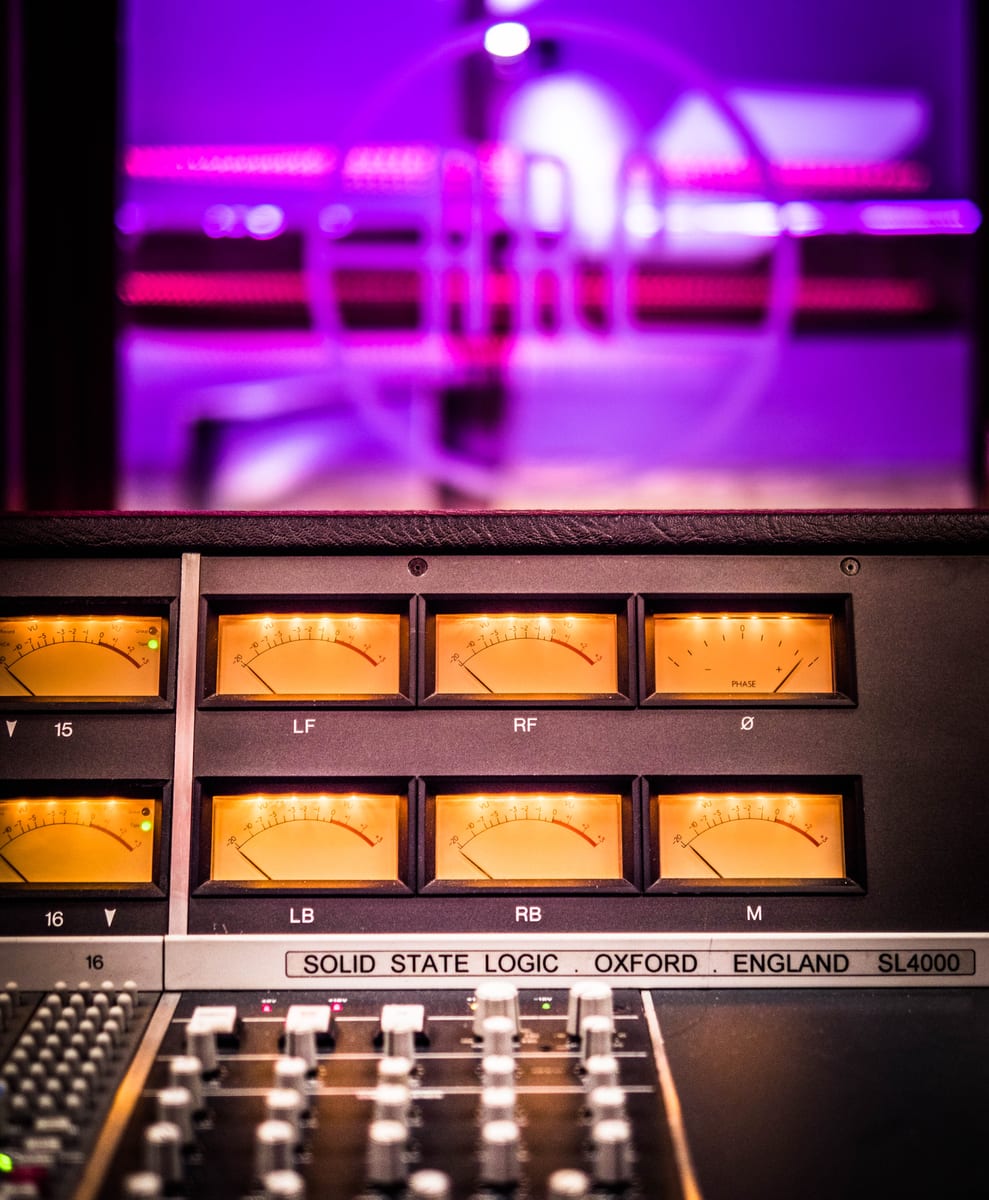
The session was for Gabriel's third album, released in May 1980 and often called Melt. It was recorded at Townhouse Studios, Virgin's studio in west London, which had one of the early SSL 4000 consoles. Gabriel set a rule before a note was played. Padgham told Grammy.com it was "rule number one from the beginning: There was gonna be no cymbals on the record."
The SSL desk had a reverse talkback feature: a mic hanging in the live room so the band could speak to the control room. Its circuit squeezed the signal hard so a quiet voice across the room still came through. Padgham told MusicTech he pressed that button by accident while Collins was playing. What came out of the speakers was the room itself, pushed up to the same level as the drums.
Accident or design
Padgham calls the whole thing "a story of happy accidents." The part that makes the sound famous, the noise gate that slams the room shut a moment after each hit, is where the accounts differ. Padgham has said the same button that switched the compressor on also brought in a gate. Other tellings, including Wikipedia's history of Intruder, describe the signal being rerouted to a separate channel with a gate, on purpose, once they had heard it. Padgham also told MusicTech they asked Collins for a pattern that would let you hear the gate close. So the room sound was found by chance; the version on the record was tuned.
Producer Steve Lillywhite, who worked on the album, has said he was already trying a gated room sound on drums with other bands before the Gabriel sessions, and Gabriel himself pointed to XTC's Drums and Wires as an earlier use. Intruder is where it stopped being a colour and became the song.
From Intruder to the drop
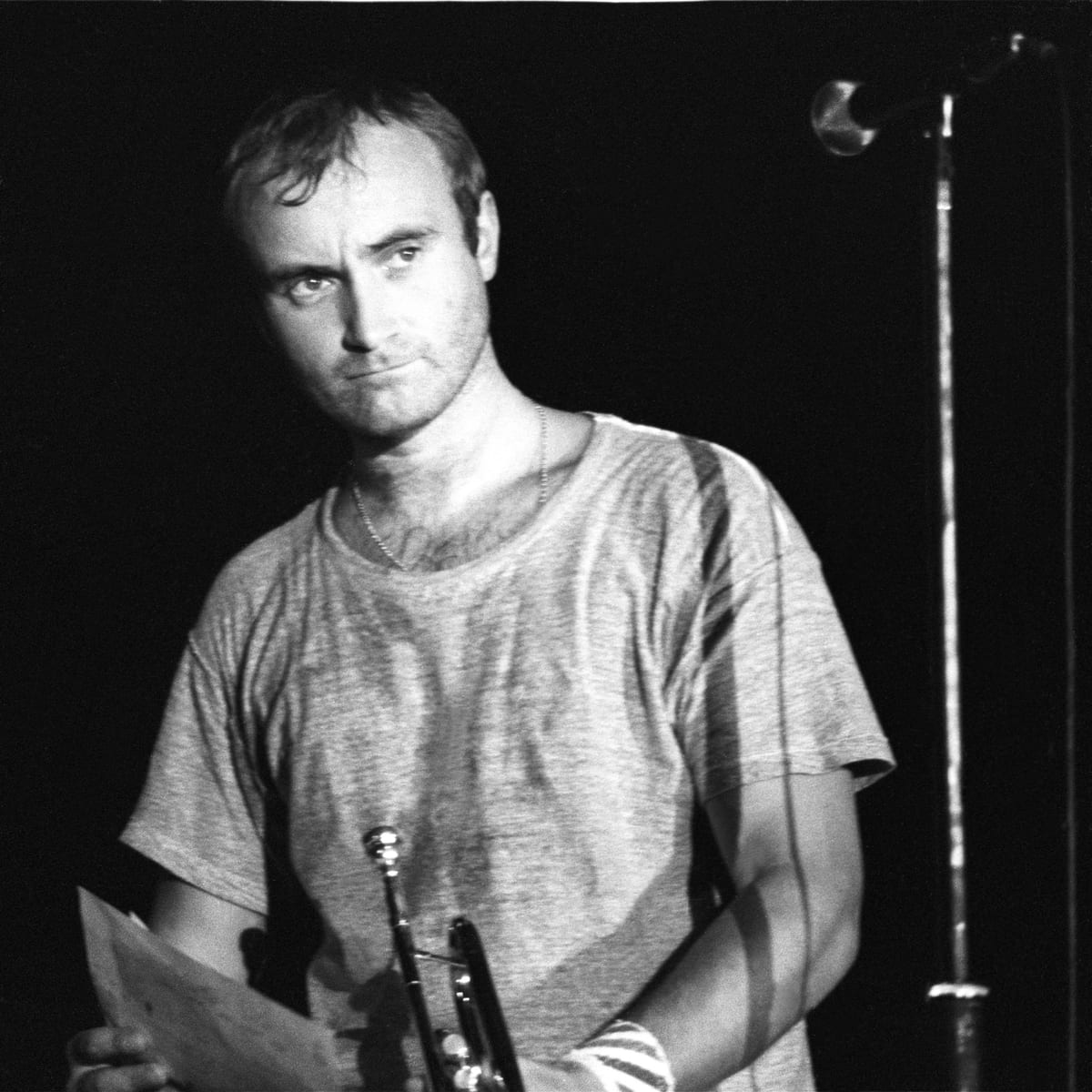
Collins hired Padgham for his own album, Face Value, and they recorded his drums in Townhouse's Stone Room. In the Air Tonight came out as a single in January 1981 and reached No. 2 in the UK. Its drums stay out for most of the song and arrive in one fill that the whole decade then tried to copy. Prince leaned on gated drums for years, and his engineer Susan Rogers has said he loved the sound.
The fill keeps finding new listeners. In July 2020 the twins behind Twinsthenewtrend filmed themselves hearing the song for the first time, and their reaction at the drop pushed it back up the sales charts. That November, Ben Beaumont-Thomas of The Guardian heard "peppy gated drums" in The Weeknd's Blinding Lights, which he read as a nod to a-ha.
Rate In the Air Tonight on Riffiter and see where the fill lands for you.