


Guides/A Riffiter guide
The obscurity files: brilliant records almost nobody has heard
Sub-cult classics for the listener whose favourite flex is a tiny listener count.
Some of the best albums ever made have listener counts in the four figures. This guide collects ten genuinely obscure masterpieces, from Sibylle Baier's Colour Green (recorded 1970-73, released 2006) to Jim Sullivan's U.F.O. (1969), records whose obscurity is part of the story, not the point of it.
Every serious listener knows the feeling: finding a record so good and so unheard that recommending it feels like handing over a secret. This list is ten of those secrets, albums that vanished on release through bad luck, bad timing or sheer privacy, and survived because somebody refused to let them disappear.
The stories are half the magic here: tapes in attics, label collapses, artists who walked into the desert. The music is the other half.
- 1
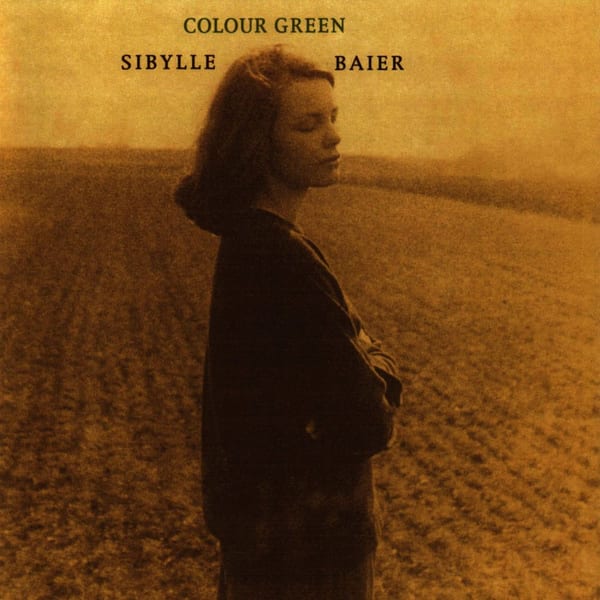
Colour Green
Be the first to rate—A German actress recorded these home-tape folk songs between 1970 and 1973, put them in a drawer, and raised a family. Her son passed a CD to Dinosaur Jr.'s J Mascis decades later; Colour Green finally came out in 2006. The gold standard of the rescued album.
- 2
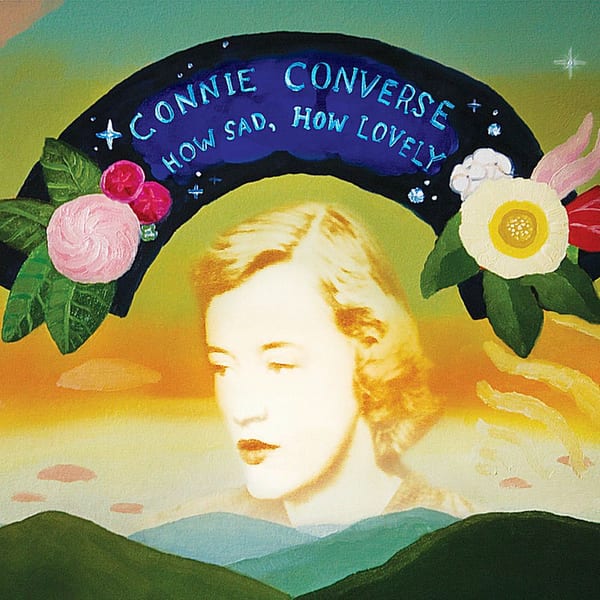
How Sad, How Lovely
Be the first to rate—Converse wrote wry, aching songs in 1950s New York (a singer-songwriter before the term existed) then in 1974 packed her Volkswagen, mailed goodbye letters, and was never seen again. The recordings surfaced in 2009. Unbearably ahead of their time.
- 3

U.F.O.
Be the first to rate—Orchestral desert folk-rock from 1969, full of highways, strangers and lights in the sky. In 1975 Sullivan drove into New Mexico and vanished, car found, no trace ever. U.F.O. plays like he wrote his own mystery first.
- 4

Spirit of the Golden Juice
Be the first to rate—A Vietnam veteran's single 1969 album: weathered voice, acoustic guitar and exactly the calm, haunted realism the era's louder records missed. Original pressings number in the hundreds; the reissue made it a private-press grail.
- 5
- 6
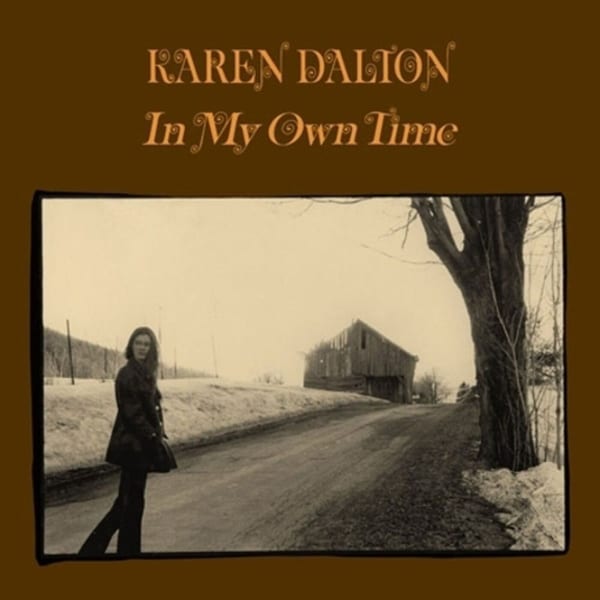
In My Own Time
Be the first to rate—The voice Dylan called his favourite in Greenwich Village, captured properly exactly once: In My Own Time (1971) sold nothing, Dalton never recorded again, and every reissue era since has re-crowned it. Billie Holiday by way of Oklahoma banjo.
- 7
L'Amour by Lewis (1983)
A vanity-press synth-folk album by a mysterious Canadian who paid for everything in cash and disappeared, rediscovered in a Edmonton flea market and reissued in 2014, whereupon "Lewis" declined his own royalties when finally tracked down. The strangest, most weightless record in the collector canon.
- 8
Further
Be the first to rate—Bristol's David Pearce recorded Further (1995) at home, all hissing tape and folk songs buried in distortion, "rural psychedelia," he called it. The lo-fi drone-folk blueprint, beloved by a few thousand people who are all evangelists.
- 9
Jessamine
Post-Rock
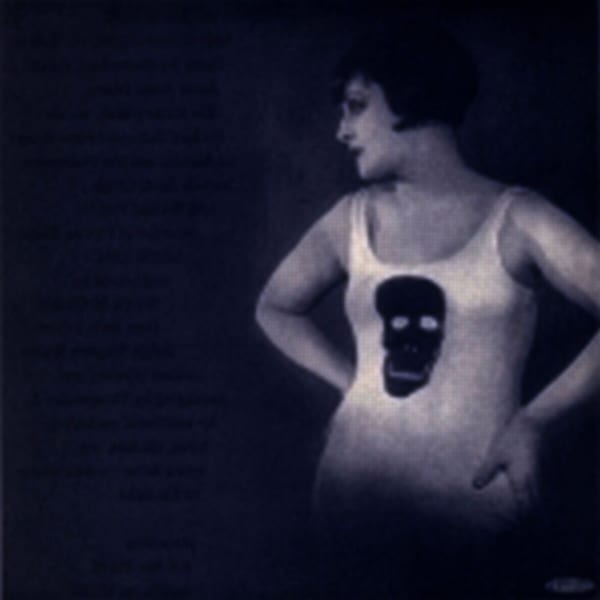
Be the first to rateSeattle's Jessamine made slow-burning space rock across the mid-90s for the Kranky label, organ drones, patient grooves, vocals like transmissions. The band other musicians name-check and almost nobody streams. Start with their 1994 self-titled album.
- 10
Maxine Funke
Contemporary Folk
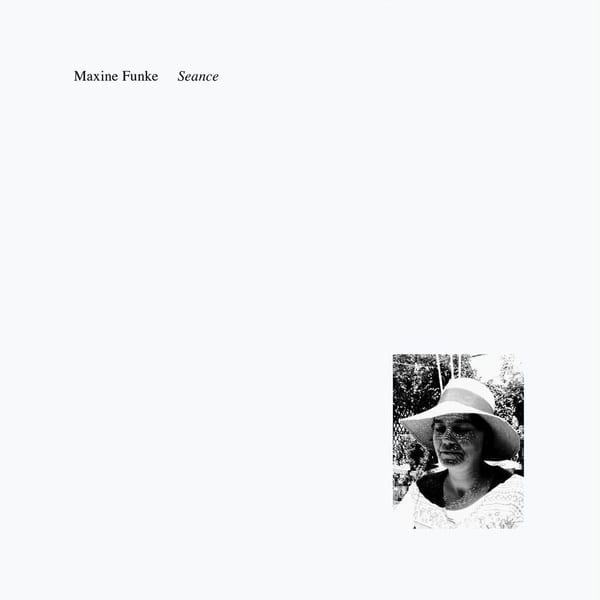
Be the first to rateNew Zealand's quietest export: Funke's hushed folk miniatures (Silk, 2018; Seance, 2021) are mastered so intimately you check whether she's in the room. The contemporary proof that the obscure-masterpiece tradition is alive and recording.


Explore the sound
Artists in this guide
Read next
Best post-punk albums: 24 records, city by city
Post-punk was never one sound. It was a different argument in every town, and this is the map.
Best power pop albums: nineteen records with perfect songs and terrible luck
Beatles melody at Who volume, three minutes flat, almost never a hit. The canon of the genre that kept losing.
Best breakup albums: the ones that name names
Records made about one specific person walking out, not about sadness in general. Sinatra to Robyn, in the order they happened.
Best ambient albums: nineteen records for the far edge of quiet
From the Berlin School to the drone: the ambient canon, in chronological order, with no wallpaper allowed.
Got your own ranking? Build a list or tier of your own.