


Guides/A Riffiter guide
The jungle revival: from Timeless to Nia Archives
How a 90s London sound became Gen Z's favourite breakbeat, the records on both ends of the bridge.
Jungle is the breakbeat-driven UK genre born around 1993 from hardcore rave, dub and sampled Amen breaks. After two decades underground it returned in the 2020s, with streams up sharply and a new generation led by Nia Archives and Tim Reaper. This guide pairs the foundational records with the revival's key releases.
Jungle was the most futuristic music of the 1990s: chopped Amen breaks at 160 BPM, dub bass, ragga vocals, Black British sound-system culture colliding with cheap samplers. It professionalized into drum & bass, went underground, and waited.
Then the 2020s happened: TikTok found the breaks, UK rappers found the tempo, and a generation born after Timeless started making jungle of its own. This guide is the bridge, five records from the foundation, five from the revival.
- 1
- 2

Logical Progression by LTJ Bukem presents (1996)
The atmospheric wing: Bukem's 1996 compilation defined "intelligent" jungle, Rhodes chords and ocean-floor bass under the breaks. The chill-out room's answer to the main floor, and half of liquid drum & bass descends from it.
- 3
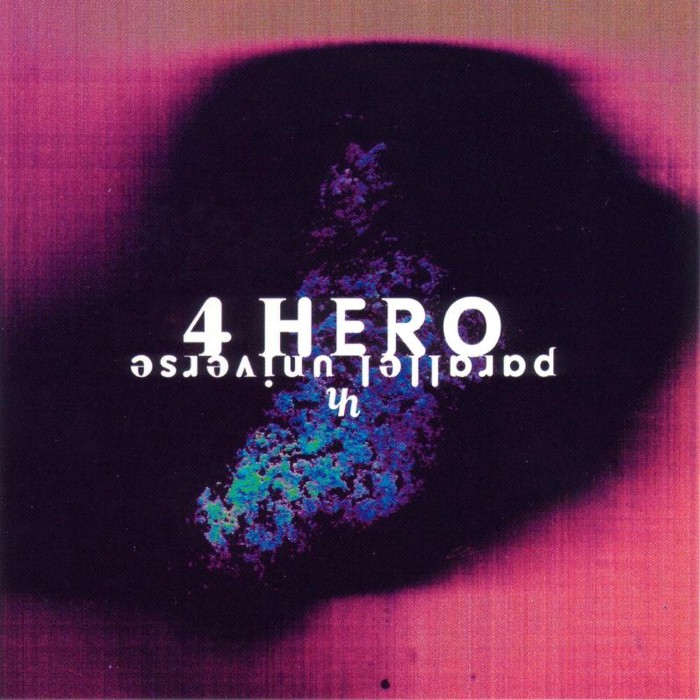
Parallel Universe
Be the first to rate—Dollis Hill's 4hero made jungle's cosmic jazz record in 1994, Herbie Hancock harmonies over double-time breaks, years ahead of schedule. The connoisseur's pick of the first wave.
- 4
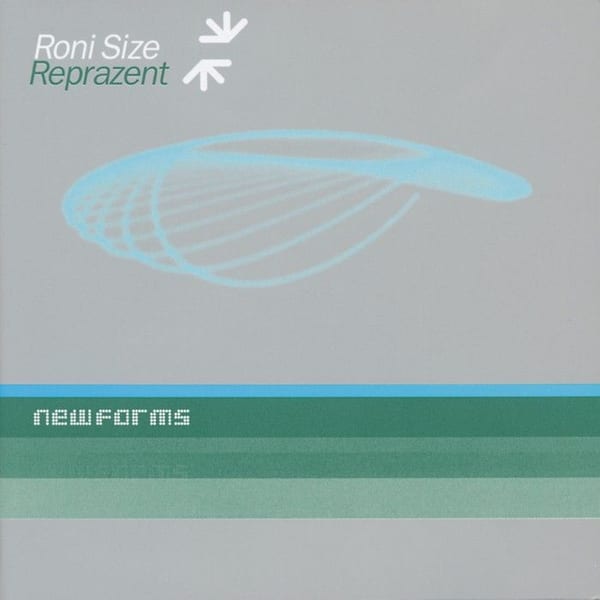
New Forms by Roni Size / Reprazent
Be the first to rate—The Mercury Prize moment: Roni Size/Reprazent's New Forms beat Radiohead's OK Computer for the 1997 award with live double bass over programmed breaks. Jungle's mainstream high-water mark, until now.
- 5

The Deepest Cut
Be the first to rate—Rob Haigh's 1995 collection holds "Renegade Snares", the most emotional drum pattern in rave history. Piano-led, melancholy, euphoric: the blueprint for every junglist who leads with feeling.
- 6

Silence Is Loud
Be the first to rate—The face of the revival: Silence Is Loud (2024) writes Britpop-sized songs over jungle rhythms, sung by the producer herself. Award-sweeping proof that the new wave isn't nostalgia. It's the genre's next chapter.
- 7

Tim Reaper
Drum And Bass
Be the first to rateLondon's most prolific revivalist: hundreds of releases reanimating 1994's hardware sound with modern punch, capped by Cityscapes (2024, with Kloke) on Hyperdub. The artist who kept the flame lit through the lean years. Start anywhere, it's all jungle.
- 8

Coco Bryce
Bass Music
Be the first to rateThe Dutch master of the new school: melodic, rave-bright jungle 12"s that sell out on Bandcamp in hours. Bryce's Myor label is the revival's quality stamp, the European proof that the sound never needed London's permission.
- 9

to hell with it
Be the first to rate—The pop vector: to hell with it (2021) put jungle and 2-step breaks under two-minute bedroom-pop songs and went viral enough to chart. A generation's first contact with the breakbeat came through these ten tracks.
- 10
Rupture: the club keeping the faith
Mantra and Double O's London night (and label) is the revival's institution, strictly jungle, strictly vinyl-friendly, running since 2006. When the press writes about the genre's return, this is the dancefloor they're describing.


Explore the sound
Artists in this guide
Lists with these albums
Read next
Best post-punk albums: 24 records, city by city
Post-punk was never one sound. It was a different argument in every town, and this is the map.
Best power pop albums: nineteen records with perfect songs and terrible luck
Beatles melody at Who volume, three minutes flat, almost never a hit. The canon of the genre that kept losing.
Best breakup albums: the ones that name names
Records made about one specific person walking out, not about sadness in general. Sinatra to Robyn, in the order they happened.
Best ambient albums: nineteen records for the far edge of quiet
From the Berlin School to the drone: the ambient canon, in chronological order, with no wallpaper allowed.
Got your own ranking? Build a list or tier of your own.