


Guides/A Riffiter guide
The Bristol sound and trip-hop's golden age
From a Bristol sound system to a global mood: the essential records of the slowest, smokiest genre of the 1990s.
Trip-hop was forged in Bristol, England, in the early 1990s when the Wild Bunch sound system splintered into Massive Attack, Tricky and the circle around Portishead. This guide maps the genre's golden age across 18 albums, from the Bristol holy trinity (Blue Lines, Dummy, Maxinquaye) to the Mo' Wax instrumentalists and the late-decade downtempo offshoots.
Nobody in Bristol called it trip-hop. The word was coined by a London journalist in 1994 and the city's own producers mostly hated it. What they were making was slower than hip-hop and heavier than pop: dub bass weight, sampled drums dragged below 90 BPM, jazz and soul records pulled apart and reassembled into something narcotic and grey. It came out of a specific place (a post-industrial port city with a deep Jamaican sound-system culture and not much else to do) and for about six years it was the most distinctive sound in British music.
This is the golden-age canon, roughly 1991 to 2001. It starts with the Bristol core (the Wild Bunch family tree of Massive Attack, Tricky and Portishead) then follows the sound outward: to the instrumental, sample-collage wing built around James Lavelle's Mo' Wax label, to the Tokyo of DJ Krush, and to the smoother, song-based offshoots (Morcheeba, Sneaker Pimps, Zero 7) that turned the genre's atmosphere into chart pop before it curdled into lounge cliché. Rate as you go.
- 1
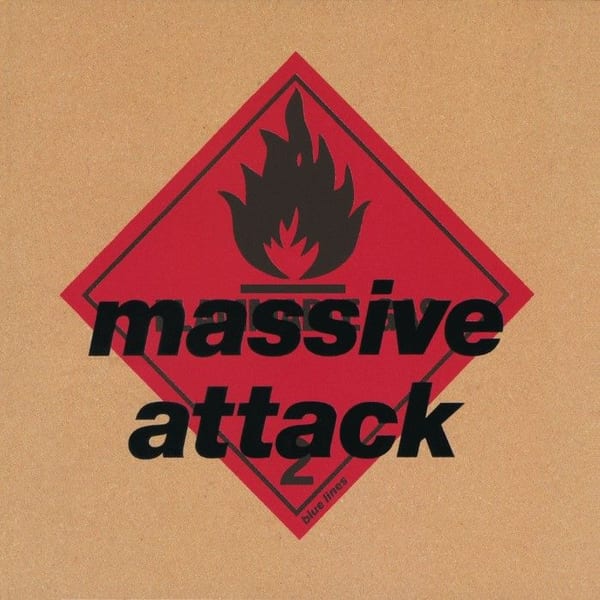
Blue Lines
Be the first to rate—Year zero. Released April 1991, Blue Lines is the record that turned the Wild Bunch sound system into a band and trip-hop into a genre, slow, dubwise, sampled, with Shara Nelson, Tricky and reggae veteran Horace Andy trading the mic. "Unfinished Sympathy" alone reorganised what British dance music could feel like: orchestral, heartbroken, built for headphones rather than the floor. Everything here flows from it.
- 2
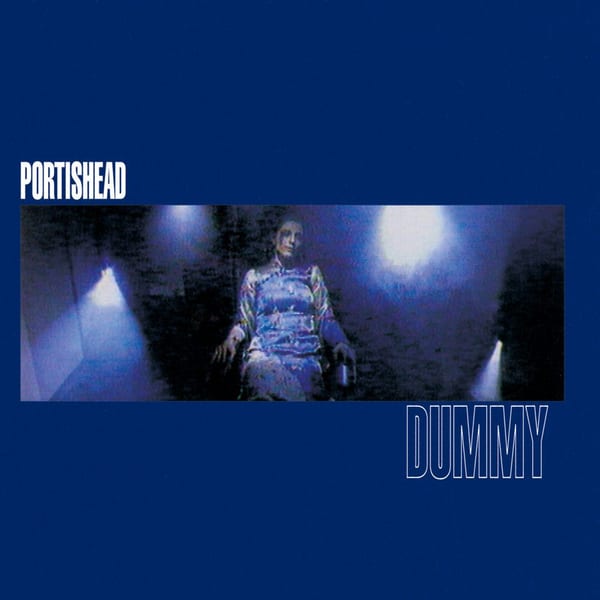
Dummy
★ 4.6 · 12—The genre's most beautiful record and its Mercury Prize winner (1995). Geoff Barrow built the beats from his own homemade samples and crackling vinyl; Beth Gibbons sang like a torch singer in a collapsing film noir; Adrian Utley played guitar like a Morricone score left out in the rain. Dummy (1994) is where trip-hop stopped being hip-hop's slow cousin and became its own grieving, cinematic thing.
- 3
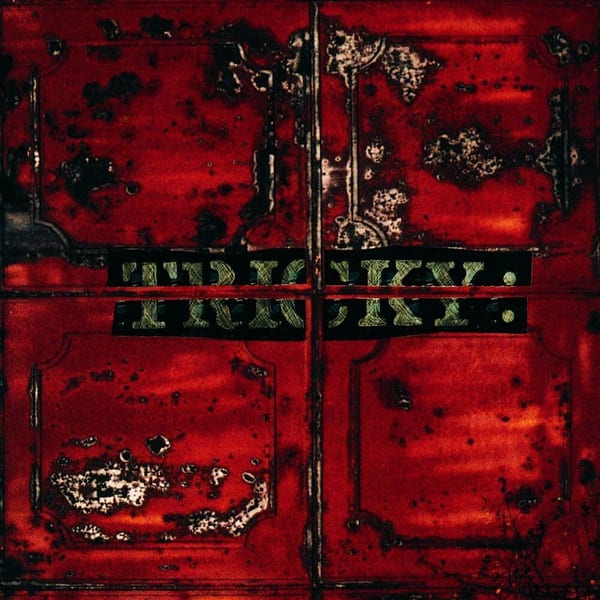
Maxinquaye
Be the first to rate—The strange one, and to many the best. A former Massive Attack collaborator, Tricky made his 1995 debut a claustrophobic duet with the teenage Martina Topley-Bird, his whispered rasp and her clear voice tangled over warped, smoke-damaged production. Named for his late mother, Maxine Quaye, it's the album where the Bristol sound got genuinely uneasy, paranoid, blurred, sexual, and unlike anything before or since.
- 4
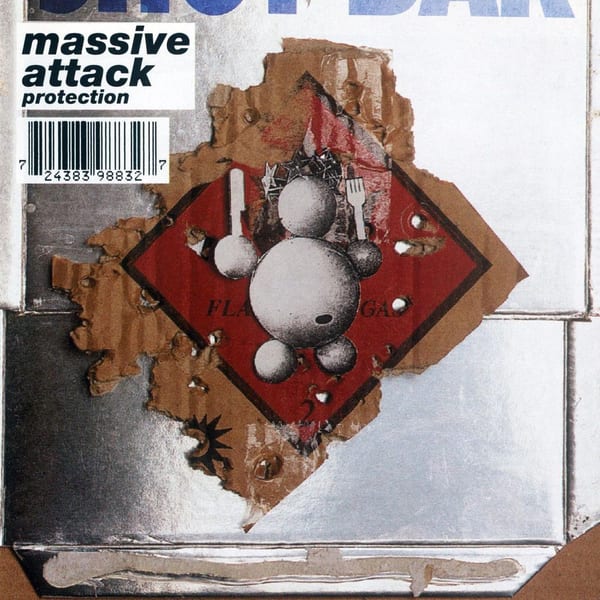
Protection
Be the first to rate—The 1994 second album, and the one that proved Blue Lines wasn't a fluke. Produced with Nellee Hooper, it's warmer and more soul-forward, Tracey Thorn of Everything but the Girl singing the title track, Horace Andy returning, Tricky's last full involvement before he left. Quieter than its bookends in the catalogue, but the run from "Protection" to "Karmacoma" is the band at their most effortless.
- 5
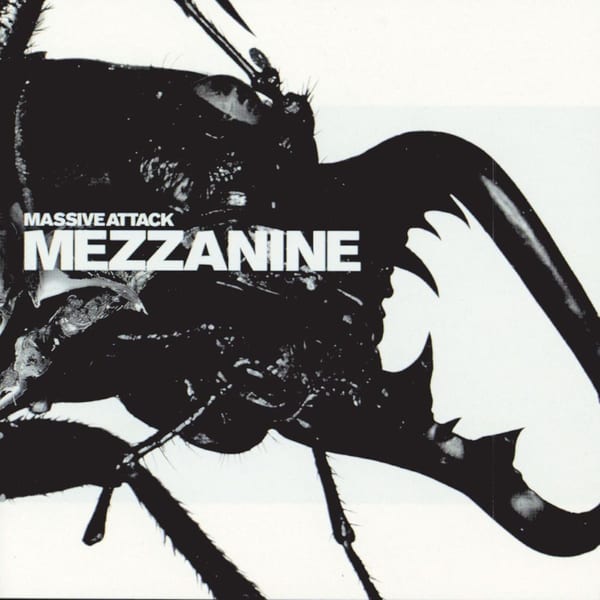
Mezzanine
★ 4.5 · 6—The masterpiece, and the one that nearly broke the band making it. Mezzanine (1998) ditched the soul warmth for post-punk dread, guitars, industrial textures, Elizabeth Fraser of Cocteau Twins haunting "Teardrop." Darker, harder and more paranoid than anything in the genre, it's the rare trip-hop record that sounds heavier with age. The sessions were so acrimonious they cost the band a founding member.
- 6
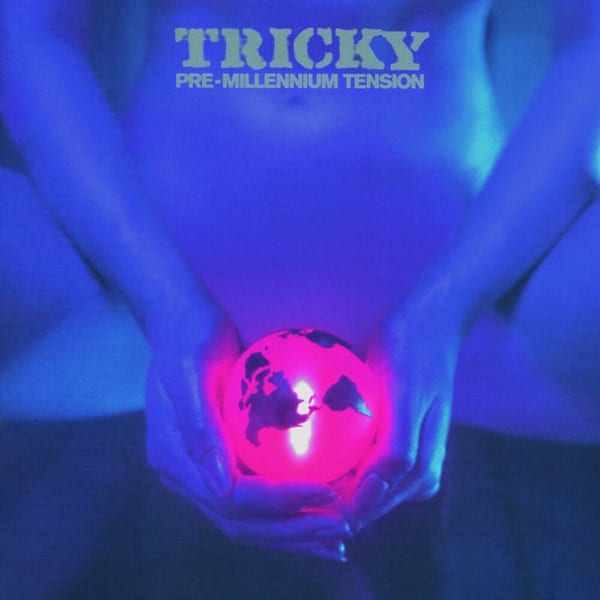
Pre-Millennium Tension
Be the first to rate—If Maxinquaye seduced, this one snarls. Recorded fast and hot in Jamaica, Pre-Millennium Tension (1996) is Tricky at his most abrasive and least commercial, claustrophobic, dub-scarred, genuinely unsettling. The label wanted another Maxinquaye; he handed them a nervous breakdown set to a riddim. It's aged into one of the decade's most uncompromising records.
- 7
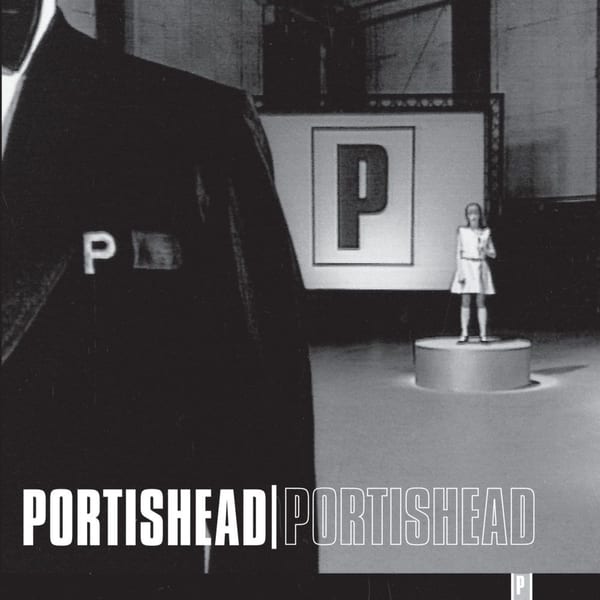
Portishead
Be the first to rate—The self-titled second album (1997) is colder and more ravaged than Dummy, same noir DNA, but the strings are sourer and Gibbons sounds closer to the edge. Recorded partly to a film score Barrow composed and then sampled, it refuses the easy prettiness of the debut. The crowd that wanted "Dummy 2" was disappointed; the crowd that wanted the band to go deeper got their wish.
- 8
Third
★ 4.4 · 4—Eleven years of silence, then this. Third (2008) abandoned trip-hop entirely for krautrock motorik, ukulele drone and the abyss, "Machine Gun" is built from a single brutal drum-machine pattern. Included here as the genre's coda: the band who perfected the Bristol sound proving they'd rather burn it down than repeat it. One of the great long-delayed comebacks in any genre.
- 9
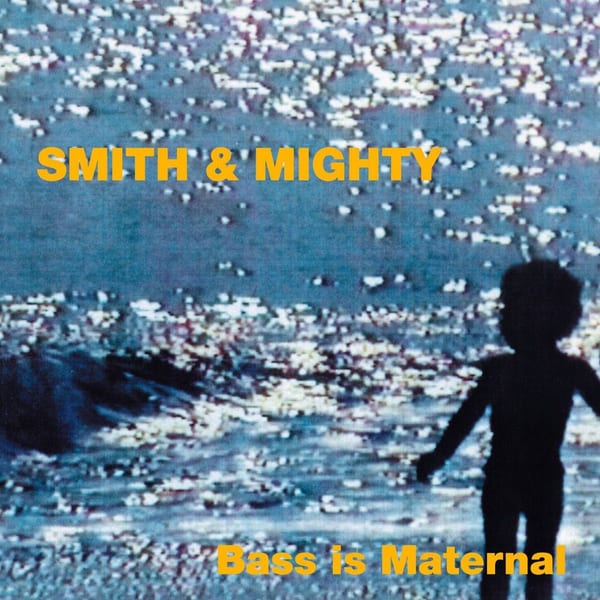
Bass Is Maternal
Be the first to rate—The missing link, and the source code. Rob Smith and Ray Mighty produced Massive Attack's first single and ran the sound-system culture the whole scene grew from. Recorded around 1989 but not released until 1995, Bass Is Maternal splits the difference between dub, proto-jungle and trip-hop, the Bristol sound's foundations laid bare. Essential for anyone who wants to hear where the city's bass weight actually came from.
- 10
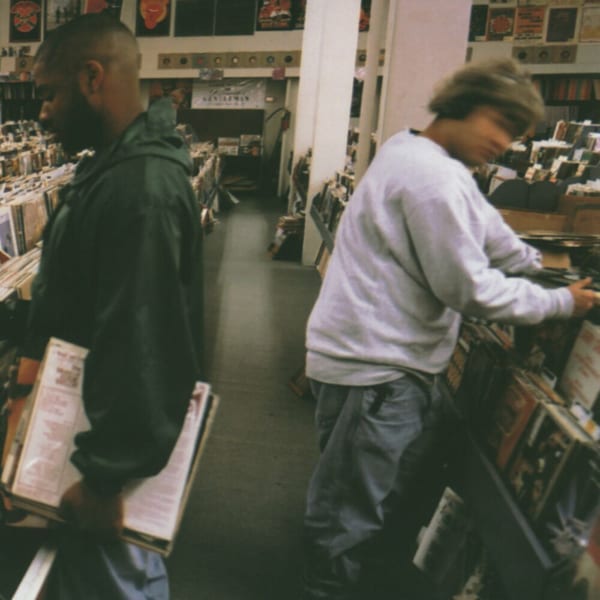
Endtroducing.....
Be the first to rate—The instrumental wing's holy text. Built entirely from samples by a Californian crate-digger for James Lavelle's Mo' Wax label, Endtroducing..... (1996) once held a Guinness record as the first album made purely from sampled material. It's trip-hop reimagined as archaeology, dusty soul, forgotten film dialogue and breakbeats assembled into something melancholy and vast. Not Bristol, but unthinkable without it.
- 11
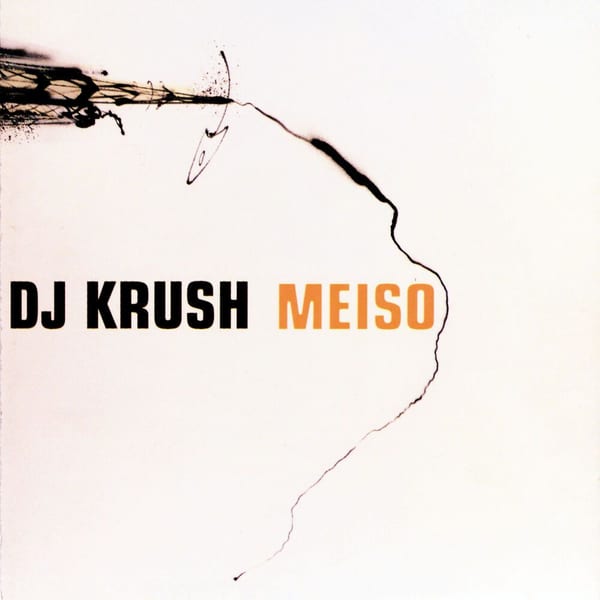
Meiso
Be the first to rate—Trip-hop's great Tokyo export. Hideaki Ishi turned the Mo' Wax sound inward (sparse, meditative, deeply rhythmic) and on Meiso (1995) pulled in Mos Def, Guru and DJ Shadow himself. It's the proof that the Bristol mood travelled: an East-meets-West instrumental hip-hop record that stands with anything the genre's home city produced. A cornerstone of the abstract beats lineage.
- 12
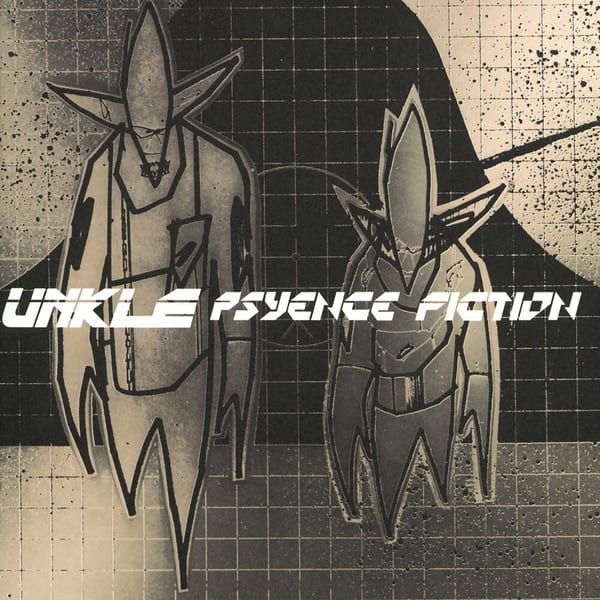
Psyence Fiction
Be the first to rate—James Lavelle's Mo' Wax supergroup, co-produced by DJ Shadow and stacked with guests, Thom Yorke on "Rabbit in Your Headlights," Richard Ashcroft, Mike D. Psyence Fiction (1998) is overblown, expensive and divisive, the sound of the instrumental scene reaching for stadium scale. Flawed and fascinating: the moment trip-hop tried to become event music.
- 13
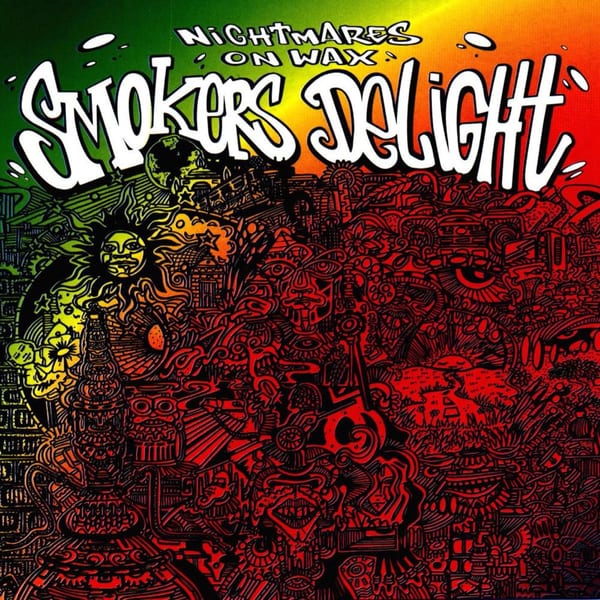
Smokers Delight
Be the first to rate—Warp Records' warmest record. George Evelyn traded the Leeds bleep-techno of his early singles for something blissed-out and horizontal, dub-soaked, sample-rich, the platonic ideal of the word "chilled" before that word became an insult. Smokers Delight (1995) is the down-tempo end of the spectrum done with genuine soul rather than spa-music blandness.
- 14
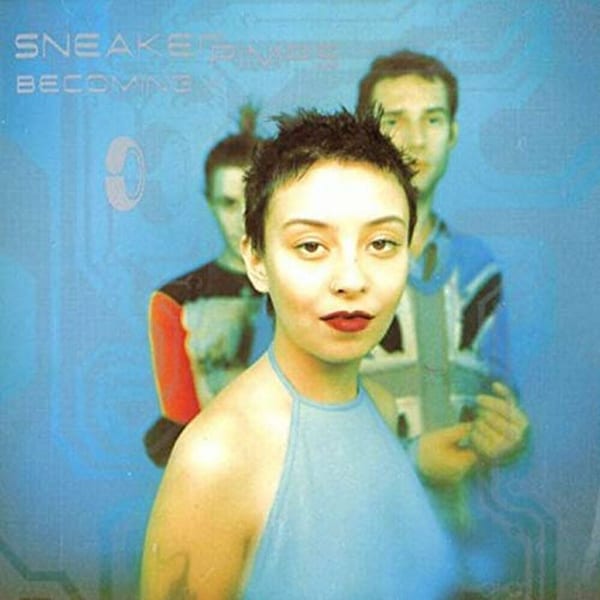
Becoming X
Be the first to rate—The pop end, done right. Becoming X (1996) paired skittering trip-hop production with Kelli Dayton's cool, knowing vocals, "6 Underground" became one of the genre's few genuine crossover hits. The band fired their singer afterward and never recaptured it, which only makes this debut feel more like a perfect accident. A gateway record that holds up far better than its one-hit reputation suggests.
- 15
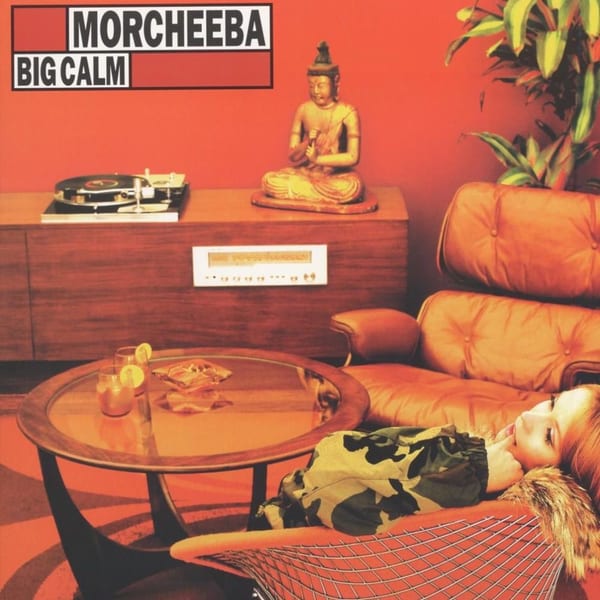
Big Calm
Be the first to rate—The sound at its most welcoming. Skye Edwards' honeyed voice over the Godfrey brothers' loping, blues-and-soul-soaked grooves, Big Calm (1998) is the album that made trip-hop a dinner-party staple, for better and worse. Strip away the smoothness and the songwriting is genuinely strong; "The Sea" and "Part of the Process" are small classics of the gentler wing.
- 16
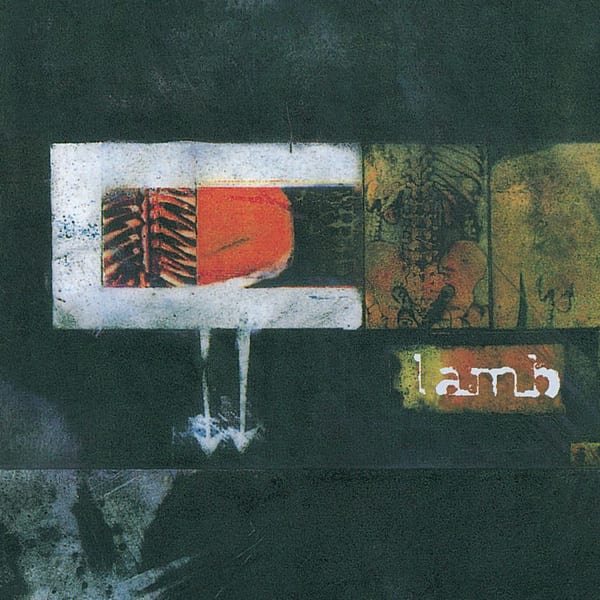
Lamb
Be the first to rate—Manchester's contribution, and the most restless. Lamb's 1996 debut fused trip-hop's atmosphere with drum-and-bass nervous energy and Lou Rhodes' jazz-trained voice, "Cotton Wool" and "Górecki" pulling in opposite directions, fragile and frantic at once. Proof the genre could be jittery and emotional rather than merely narcotic.
- 17
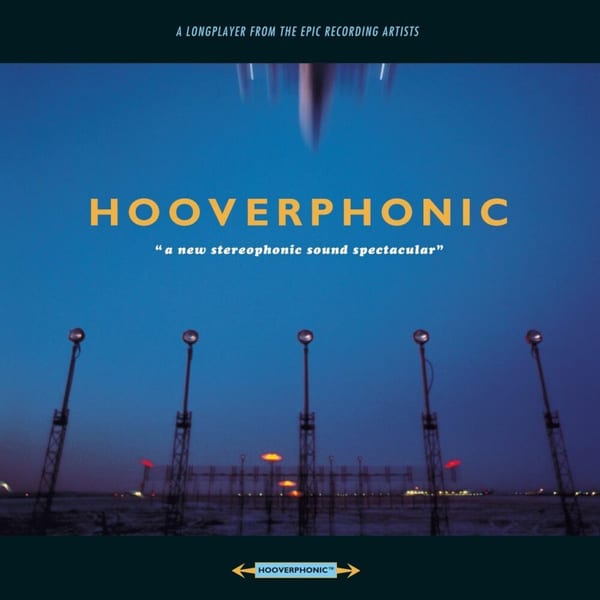
A New Stereophonic Sound Spectacular
Be the first to rate—Belgium's entry, and one of the genre's most cinematic. Originally a trip-hop outfit before drifting toward orchestral pop, Hooverphonic's 1996 debut is lush, widescreen and sample-savvy, "2Wicky" loops Isaac Hayes into something gorgeous. A reminder that the Bristol mood spread across Europe and mutated everywhere it landed.
- 18
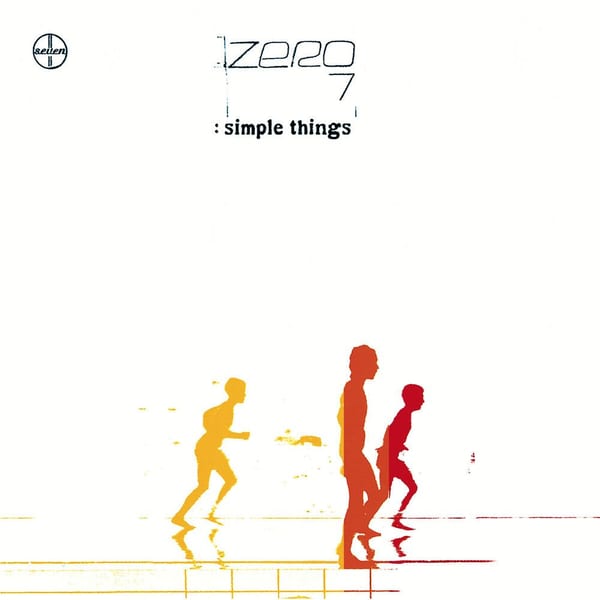
Simple Things
Be the first to rate—The graceful late entry, and where the golden age politely ends. Simple Things (2001) is downtempo at its most refined, introducing a then-unknown Sia on vocals and channelling Steely Dan's studio sheen into something warm and Sunday-morning soft. By now the abrasive edge of early trip-hop was gone, replaced by craft and comfort. A beautiful record, and the sound of a genre settling into respectability.


Explore the sound
Artists in this guide
Lists with these albums
Read next
The best debut albums of all time: 22 records that arrived finished
First albums that needed no apprenticeship, ranked, with an honest answer to the question that follows every one of them: did they ever beat it?
Best post-punk albums: 24 records, city by city
Post-punk was never one sound. It was a different argument in every town, and this is the map.
Best power pop albums: nineteen records with perfect songs and terrible luck
Beatles melody at Who volume, three minutes flat, almost never a hit. The canon of the genre that kept losing.
Best breakup albums: the ones that name names
Records made about one specific person walking out, not about sadness in general. Sinatra to Robyn, in the order they happened.
Got your own ranking? Build a list or tier of your own.