


Guides/A Riffiter guide
Spiritual jazz: from the Impulse! basement to the London revival
Sixty years of jazz reaching for God, the cosmos, and the diaspora, and the new generation that picked the thread back up.
Spiritual jazz is the modal, often ecstatic strain of jazz that grew out of John and Alice Coltrane's late work and the Black liberation politics of the late 1960s, carried by labels like Impulse!, Strata-East, and Black Jazz. This guide traces its canon from Pharoah Sanders and Sun Ra through to the London and Los Angeles revival of the 2010s and 2020s.
Spiritual jazz never had a tidy definition, which is part of why it has outlasted most of the subgenres invented alongside it. It is jazz that points at something past the music: God, the cosmos, Africa, a self that gets dissolved in a 33-minute drone. The harmony goes modal so it can hang in the air. The horns wail past the point of taste. A lot of it was self-released on Black-owned labels in the early 1970s because no major would touch a record this uncommercial and this Black.
For decades it lived in crate-digger lore and four-figure original pressings. Then the London and LA jazz kids of the 2010s grew up on it, sampled it, and started making it again with a clarity it had never quite needed before. What follows is one map of the territory: the saints, the records that taught the saints, and the players carrying it now.
- 1
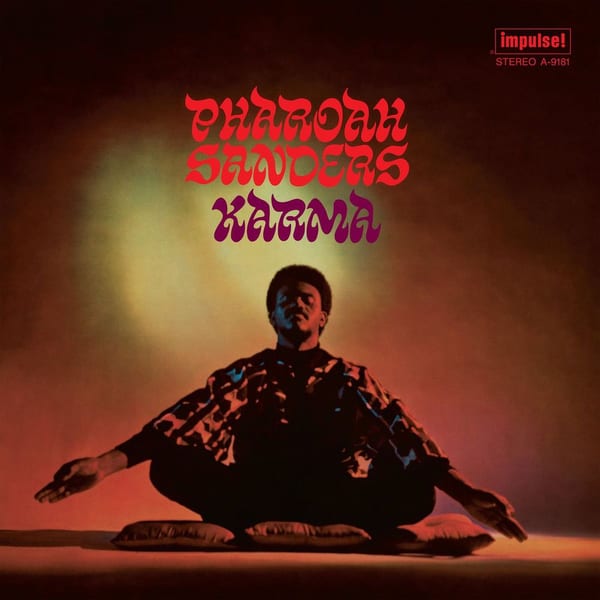
Karma
Be the first to rate—If spiritual jazz has a single founding text, it is this. Side one is "The Creator Has a Master Plan," 32 minutes of Sanders and vocalist Leon Thomas yodeling toward grace over a riff that refuses to resolve. Recorded in 1969 for Impulse!, a few years after Sanders had been blowing pure noise on Coltrane's last sessions, it pulls all that fire into something you could call devotional. Everyone here is descended from this.
- 2
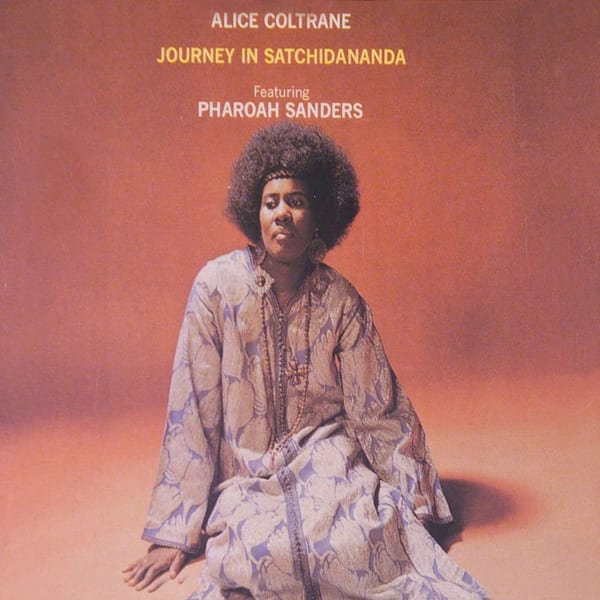
Journey in Satchidananda
Be the first to rate—Alice Coltrane on harp, Pharoah Sanders on soprano, Cecil McBee on a bassline that walks like a slow procession, and a tamboura droning underneath the whole thing. Released in 1971 and named for her guru, it is the most beautiful record in this entire lineage and the easiest to put on for someone who thinks they hate jazz. Nothing else sounds like that harp.
- 3
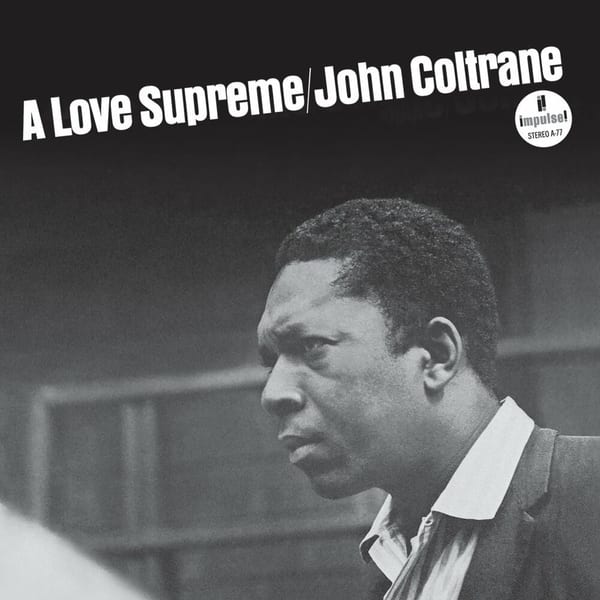
A Love Supreme
Be the first to rate—The ancestor everyone is praying to. Coltrane's 1965 suite is a four-part offering to God, complete with a printed devotional poem in the sleeve, and it set the template the rest of this list works inside: modal, structured as a spiritual journey, played like the stakes are eternal. You almost don't need the rest of the list once you've internalized this one. Almost.
- 4
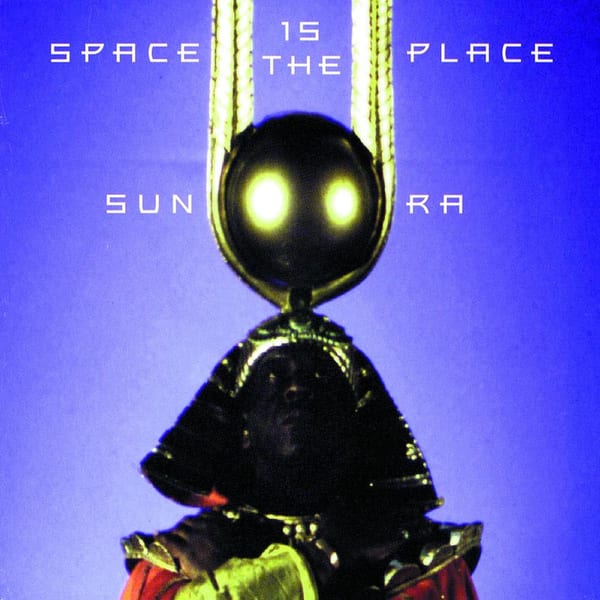
Space Is the Place
Be the first to rate—Sun Ra claimed he was from Saturn, dressed his Arkestra like Egyptian pharaohs, and meant every word of it. The 1973 album (and the film it scored) is Afrofuturism's loudest statement: cosmic chant, free-jazz blowouts, and a band that functioned as a commune for decades. Spiritual jazz's mystic wing starts here. It is funnier and stranger than its reputation suggests.
- 5
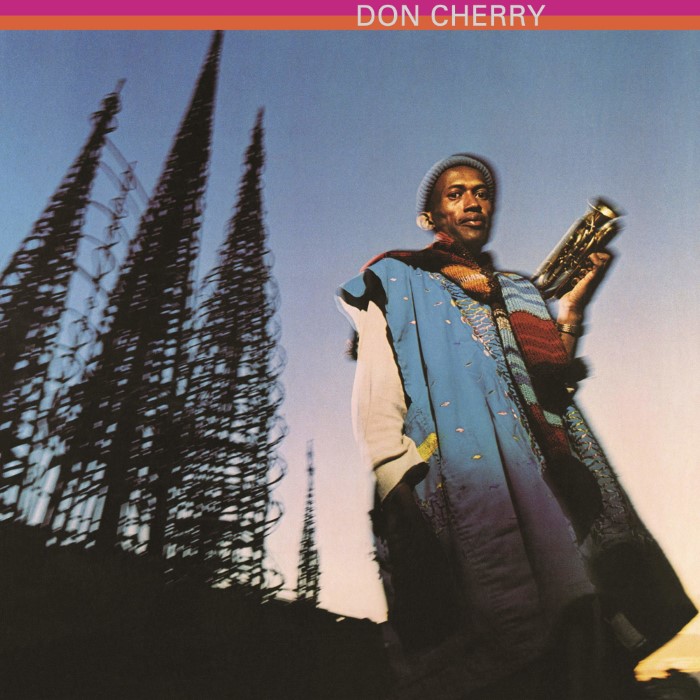
Brown Rice
Be the first to rate—Ornette Coleman's old trumpeter went global before "world music" was a marketing category, soaking up Indian, North African, and Turkish sounds and folding them into a loose, hypnotic groove. The 1975 title track rides a fretless bass and electric piano into a fog. Cherry's whole "organic music" project is one of the clearest bridges between spiritual jazz and the sample-based scenes that came later.
- 6
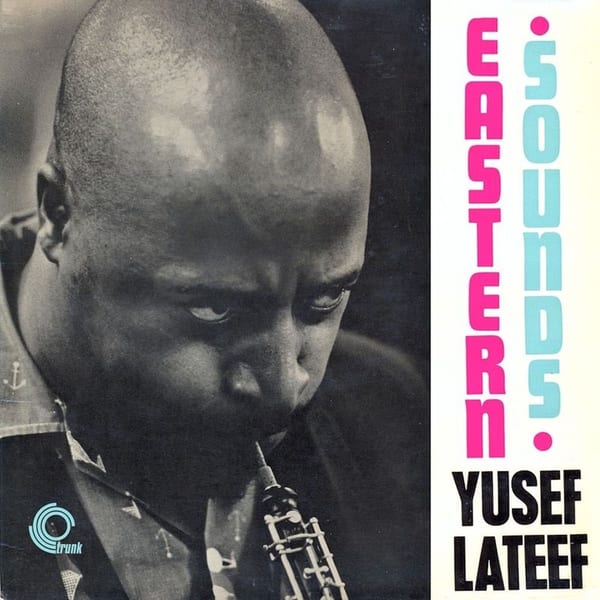
Eastern Sounds
Be the first to rate—From 1961, earlier than most of this list, and a key piece of its DNA. Lateef brought the oboe, the Chinese xun, and a deep curiosity about non-Western scales into a working hard-bop quartet. "Love Theme from Spartacus" is gorgeous; the whole record argues that jazz could look East and South without it being a gimmick. The London revival kids cite this one constantly.
- 7
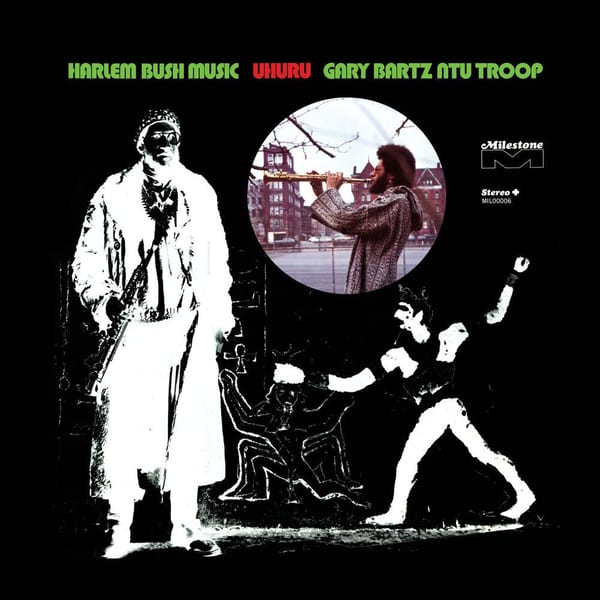
Gary Bartz NTU Troop: Harlem Bush Music (Uhuru)
Be the first to rate—Bartz's NTU Troop records from the early '70s are spiritual jazz with the Black-consciousness politics turned all the way up: Swahili titles, spoken affirmations, Andy Bey's vocals floating over modal vamps. The man is a direct line back to playing with Miles and McCoy Tyner, and the NTU material is the political heart of this whole movement. "Uhuru" means freedom, and the record means it.
- 8
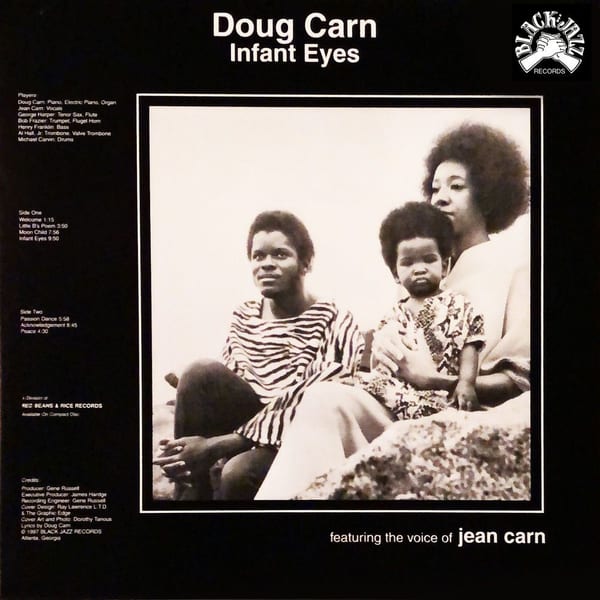
Infant Eyes
Be the first to rate—The Black Jazz label, founded by pianist Gene Russell in 1971, was Black-owned end to end and put out some of the deepest records of the era. Carn's debut sets jazz standards to lyrics his then-wife Jean Carn sang like hymns, turning Wayne Shorter and Lee Morgan tunes into church. Original Black Jazz pressings cost a fortune now for a reason. Start here.
- 9

Expansions
Be the first to rate—Smith played electric piano on Pharoah Sanders and Miles sessions before stepping out front with the Cosmic Echoes. "Expansions," the 1975 title track, is where spiritual jazz starts shaking hands with funk and proto-disco: a four-on-the-floor pulse, a flute line you'll hum for days, and a chant about expanding your mind. Sampled to death by hip-hop, and it earned every one of those samples.
- 10
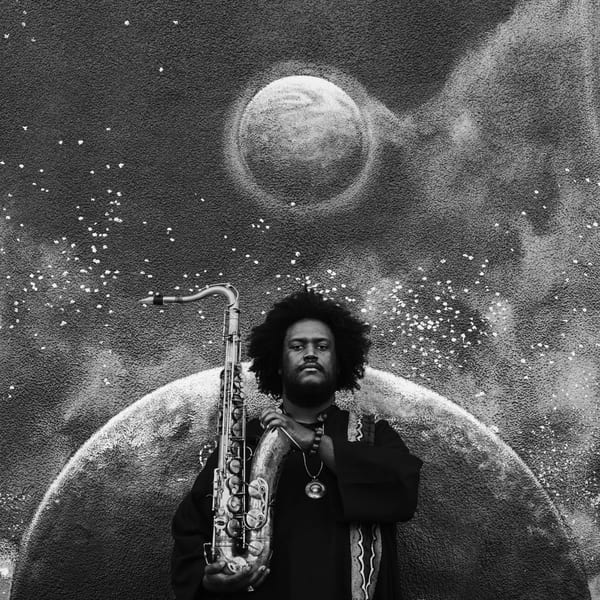
The Epic
Be the first to rate—The record that told a mainstream audience spiritual jazz was back. Washington, fresh off arranging strings for Kendrick Lamar's To Pimp a Butterfly, dropped a nearly three-hour triple album in 2015 with a choir, a string section, and the unembarrassed ambition of a man who'd been studying Coltrane and Sun Ra his whole life. It is maximalist to a fault and it converted thousands of people. The revival has a before and after, and this is the after.
- 11

Promises
Be the first to rate—The bridge between everything above and everything below. In 2021, the 80-year-old Sanders played his last great statement over a nine-movement composition by British electronic producer Floating Points, with the London Symphony Orchestra in support. A single seven-note motif loops for 46 minutes while Sanders breathes around it. It is the old master and the new world meeting in the middle, and it is shattering. Sanders died the next year.
- 12

Crush
Be the first to rate—Sam Shepherd is the neuroscientist-turned-producer who coaxed Promises out of Pharoah Sanders, and his own records explain why a club producer ended up here. Crush (2019) is jittery, melodic electronic music with a jazz musician's sense of harmony and space. He is the connective tissue between the dance floor, the conservatory, and the spiritual-jazz lineage. Worth knowing on his own terms.
- 13
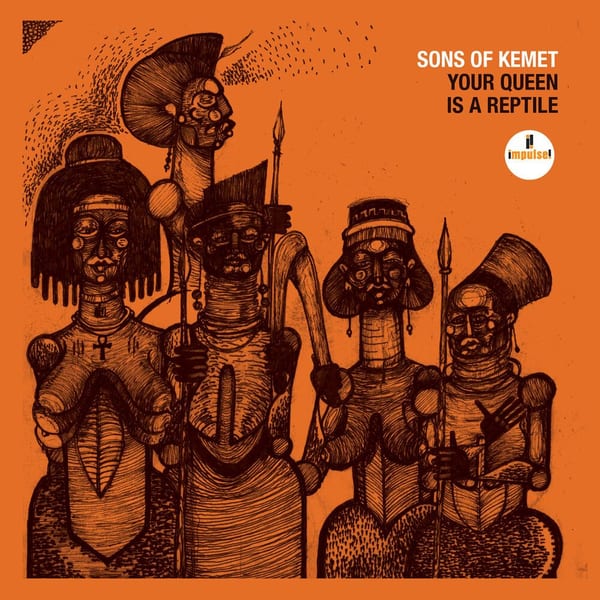
Your Queen Is A Reptile
Be the first to rate—Shabaka Hutchings on sax, Theon Cross on tuba, and two drummers, building a sound that runs Caribbean carnival rhythm straight through the spiritual-jazz tradition. Their 2018 album names each track for a Black woman it would rather have as queen than Elizabeth II. Loud, danceable, furious, and unmistakably part of this story. The London scene's clearest statement of intent.
- 14
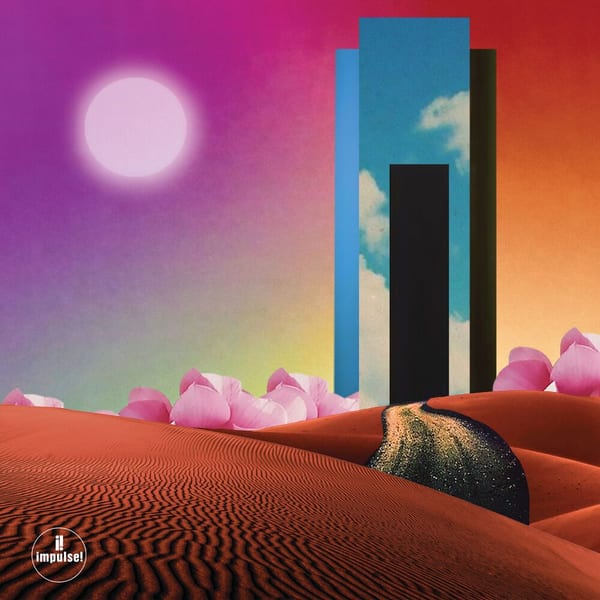
Trust In The Lifeforce Of The Deep Mystery
Be the first to rate—Shabaka Hutchings again, this time fronting a trio with a synth player and a drummer, aiming the spiritual-jazz impulse at something closer to acid house and afrofuturist rave. The 2019 album is cosmic in the Sun Ra sense and physical in the dance-music sense. Proof that the tradition isn't a museum: it mutates, it gets faster, it picks up a synthesizer.
- 15
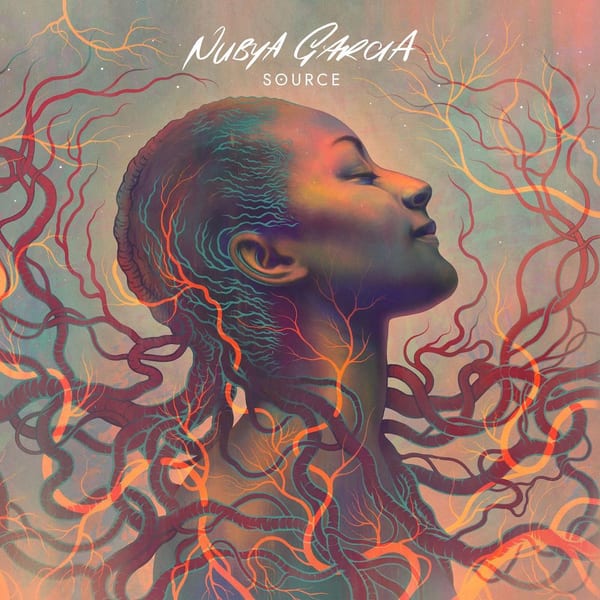
SOURCE
Be the first to rate—Garcia's tenor saxophone is one of the warmest sounds in the London scene, and her 2020 debut album threads dub, cumbia, and reggae through long modal explorations. The title track is a 12-minute build that earns every minute. Where a lot of the revival points back at the 1970s, Source feels rooted in a specifically British, specifically diasporic present. One of the decade's best jazz debuts.
- 16
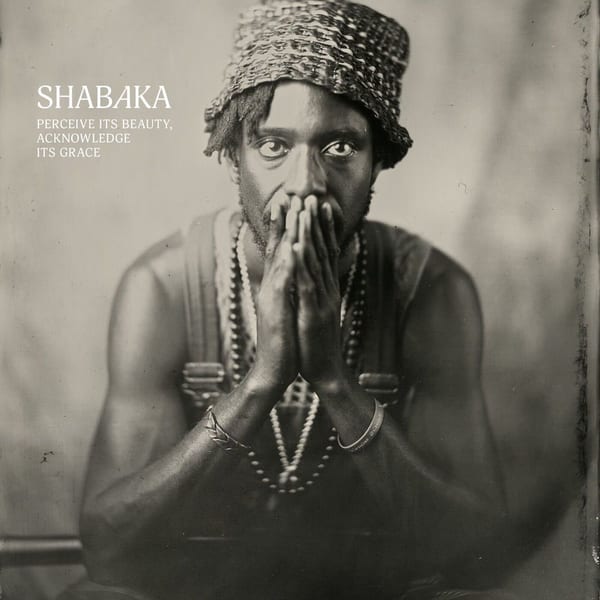
Shabaka: Perceive Its Beauty, Acknowledge Its Grace
Be the first to rate—In 2024 Shabaka put down the saxophone, picked up a shakuhachi and a cabinet of flutes, and made the quietest record of his career. Guests include André 3000, Floating Points, and Carlos Niño. After a decade of being the loudest man in British jazz, he turned all the way inward. It is the most literally spiritual album the revival has produced, and a fitting place for this guide to exhale.
- 17
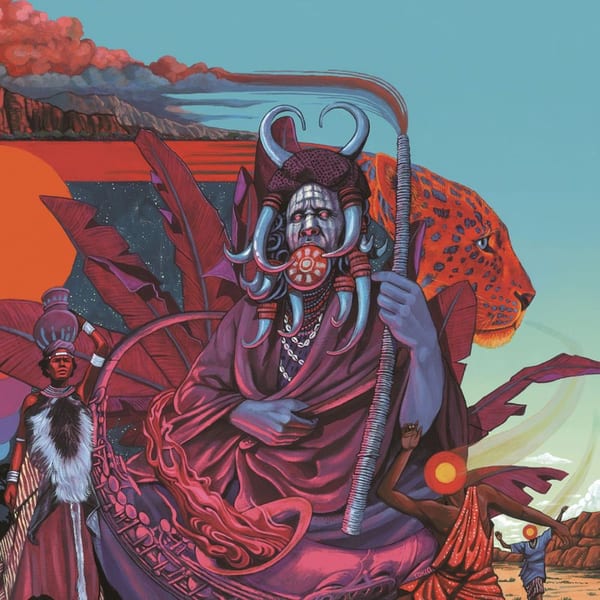
Shaman!
Be the first to rate—Ackamoor formed the Pyramids in 1972, toured Africa, made a few cosmic records, vanished, and then reappeared in the 2010s to a generation that had been digging for his old LPs. Shaman! (2020) is the living link: a founder of the form, still in costume, still chasing the cosmos, recording for the same young audience that drives the whole revival. The past and present of spiritual jazz are the same person here.


Explore the sound
Artists in this guide
Lists with these albums
Read next
The best albums of 2005: the year the blogs did the A&R
Nineteen records from the year Last.fm started keeping score and a band sold 125,000 albums out of an apartment.
The best debut albums of all time: 22 records that arrived finished
First albums that needed no apprenticeship, ranked, with an honest answer to the question that follows every one of them: did they ever beat it?
Best post-punk albums: 24 records, city by city
Post-punk was never one sound. It was a different argument in every town, and this is the map.
Best power pop albums: nineteen records with perfect songs and terrible luck
Beatles melody at Who volume, three minutes flat, almost never a hit. The canon of the genre that kept losing.
Got your own ranking? Build a list or tier of your own.