


Guides/A Riffiter guide
No wave: New York's short war on rock and roll
The four-year downtown movement that treated rock as something to be taken apart.
No wave was a downtown Manhattan movement, roughly 1978 to 1982, that set out to dismantle rock rather than play it. It crystallized on Brian Eno's 1978 compilation No New York and ran from James Chance and Lydia Lunch through the massed-guitar composers and the 99 Records dance floor, out the other side into Sonic Youth and Swans. These are the records that matter.
No wave lasted about as long as it took to say the word. It had no clubs of its own, no radio, barely any records, and a name that was mostly a joke at new wave's expense. What it had was a decision: that after punk had cleared the ground, the honest next move was to refuse rock's whole vocabulary. No blues licks, no choruses you could lean on, no solos, sometimes no tuning.
The bands played the Lower East Side lofts and a five-day festival at Artists Space in May 1978, where Brian Eno saw enough to walk out with a compilation in mind. That record, No New York, pinned four groups to the scene forever and left almost everyone else out. What follows starts there and follows the noise where it actually went — into free-jazz funk, into concert halls, onto the dance floor, and finally into the two bands that carried the whole idea into the next decade.
The years and labels below are the originals. Where a record now lives on a later reissue, that's what the link opens.
- 1
Various Artists — No New York (1978)
The document that made a scene out of a shrug. Brian Eno produced it after catching the Artists Space festival in May 1978, and he gave four sides to four bands: the Contortions, Teenage Jesus and the Jerks, Mars, and DNA. Every reputation here either starts on this record or gets measured against it.
The cruel side effect is that everyone Eno left off — and there were plenty — got written out of the story. It has been out of print for decades and never made the jump to streaming, which is why it's the one record on this list you can't open and rate. Track down the vinyl if you ever see it. Nothing else sounds this much like a city arguing with itself.
- 2
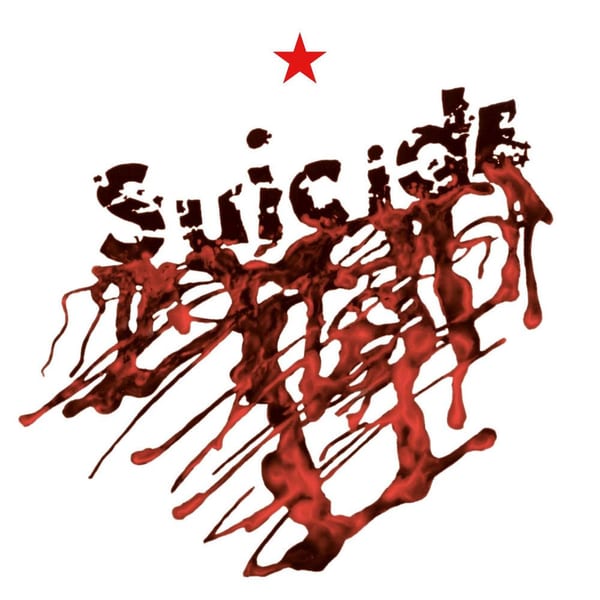
Suicide
Be the first to rate—Start with the elders. Alan Vega and Martin Rev were calling their shows "punk music" on flyers back in 1970, years before the word meant a haircut, and by this 1977 debut they'd built a template no wave would spend the next five years living inside: a cheap drum machine, a farfisa turned to a threat, and a frontman who dared the room to hit him first.
"Frankie Teardrop" is ten minutes of a factory worker murdering his family and himself, and it is genuinely hard to sit through on purpose. Glenn Branca later called Vega the godfather of the whole thing. He wasn't being generous. He was being accurate.
- 3
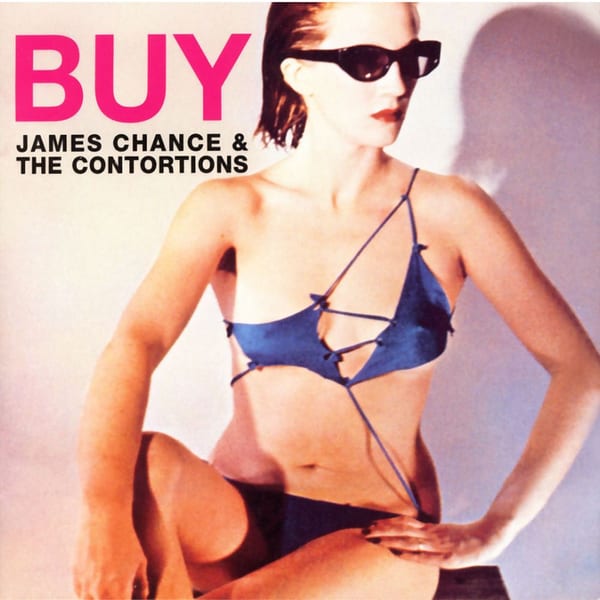
Buy
James Chance & The Contortions
Be the first to rate—James Chance heard James Brown and Ornette Coleman as the same idea and decided nobody else had noticed. On Buy (1979, ZE Records) his saxophone tears across a funk band that keeps slipping its own groove, and his voice yelps like a man being electrocuted in time.
He was also the scene's most literal confrontationalist — he'd wade into the crowd and start swinging, which got him punched back more than once. The violence was part of the pitch. What keeps the record alive now is that underneath the aggression it swings harder than almost anything its peers made.
- 4
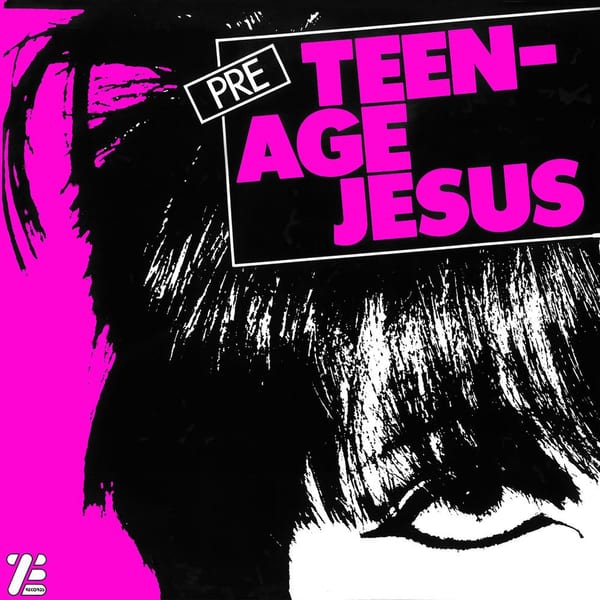
The Closet EP
Be the first to rate—Lydia Lunch was seventeen when she started this band, and she wrote as if melody were a form of lying. The songs run under two minutes. There are no solos, no blues, and her slide guitar mostly scrapes rather than sings, a flat metal scream over drums that refuse to swing.
This short EP holds "The Closet" and "Less of Me," and it's about as much studio Teenage Jesus as exists. Everything is deliberately unpleasant, and that's the point: she wanted to leave you nothing warm to hold onto.
- 5
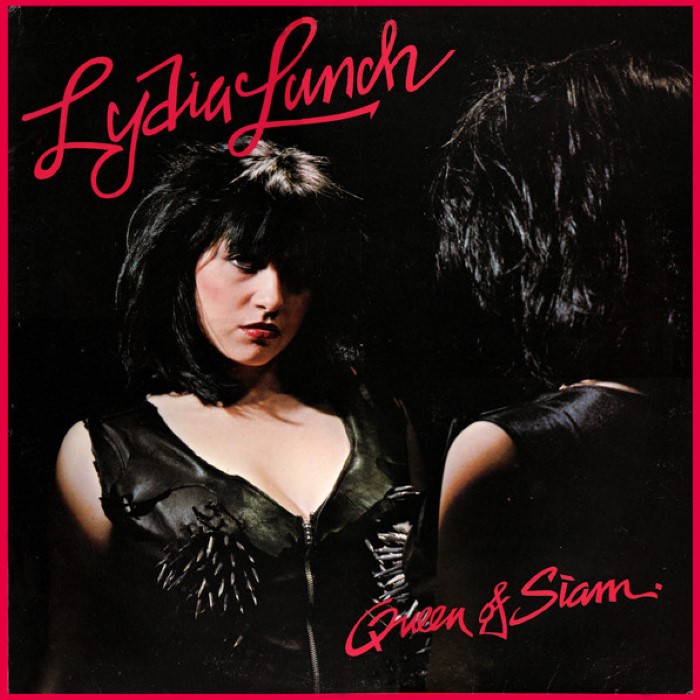
Queen of Siam
Be the first to rate—The plot twist. A year after Teenage Jesus made a career of ugliness, Lunch hired Billy Ver Planck — the man who arranged the music for Rocky and Bullwinkle — to write big-band charts behind her.
The result is one of no wave's strangest records: her deadpan menace floating over lounge horns and cartoon jazz, half Peggy Lee, half ransom note. It shouldn't cohere and it does, and it's the first sign that these people could do more than just say no.
- 6
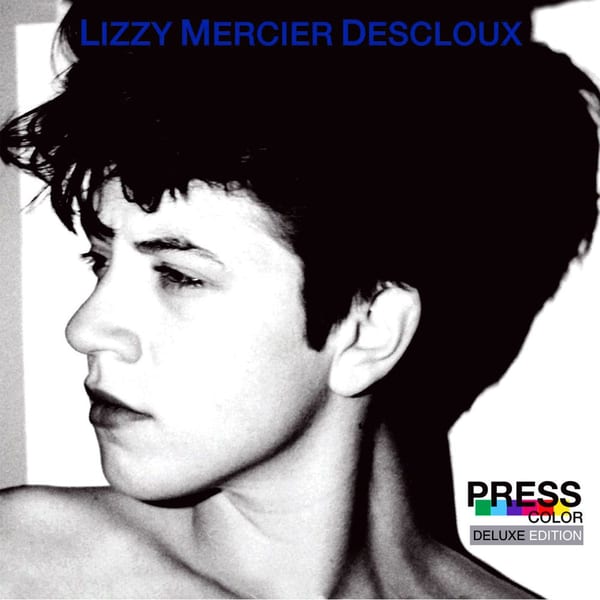
Press Color
Be the first to rate—Descloux came from Paris, ran with the Patti Smith crowd, and made the most fun record the scene produced. Press Color (1979) is skeletal punk-funk with the gaps left in on purpose, wiry guitar and cheap rhythm boxes and her voice half-speaking through it.
She covers Arthur Brown's "Fire" and the Mission: Impossible theme and makes both sound like they were always meant to be this nervy and this thin. Where most of no wave wanted to hurt you, she just wanted to make you move without letting you relax.
- 7

Songs '77-'79
Be the first to rate—Before Branca turned armies of detuned guitars into symphonies, he was in two of no wave's sharpest bands — Theoretical Girls and the Static — and this collection is where they live. The songs are jagged, art-damaged, and closer to conventional structure than what came after, but you can already hear him treating the guitar as raw voltage.
What he did next matters as much as any album here: he handed the massed-guitar idea to a couple of kids who came to his shows and started Sonic Youth. Half the noise on this list flows downhill from him.
- 8

Boom in the Night
Be the first to rate—Pat Place played the slide guitar in the Contortions, then walked and started her own band, and Bush Tetras turned no wave's dread into something you could dance to in a club. "Too Many Creeps" was a real downtown hit in 1980 — funk bass, scratchy dub-inflected guitar, and Cynthia Sley talking her way through a city that won't leave her alone.
Boom in the Night gathers the early singles. It's proof that the movement's paranoia and its groove were never actually opposites.
- 9
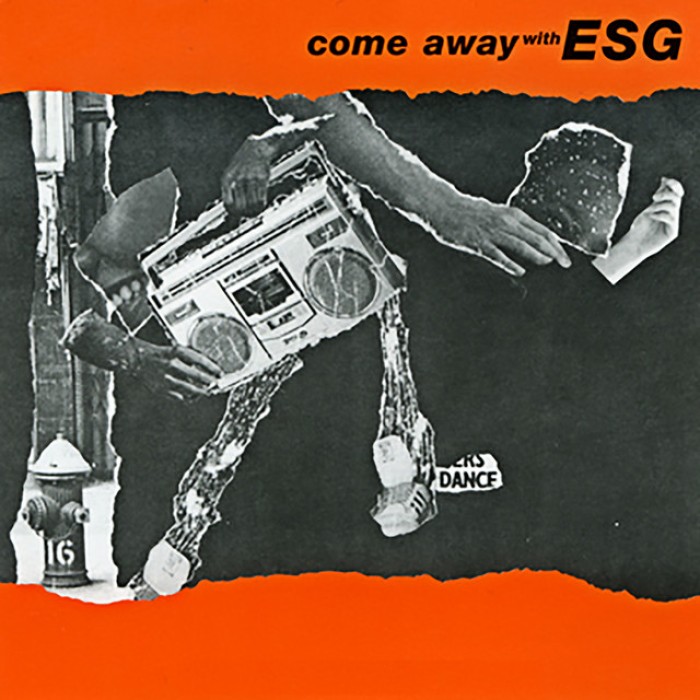
Come Away With ESG
Be the first to rate—Three sisters from the South Bronx, a bass, and almost nothing else. ESG weren't no wave by pedigree, but Ed Bahlman's 99 Records put them next to it, and their radical minimalism — Renee Scroggins' bassline, hand percussion, space where a chorus would go — belongs in the same conversation.
"UFO," from their 1981 EP, became one of the most sampled records in hip-hop, usually without a cent finding its way home. Come Away With ESG (1983) is the fullest early statement. Nothing here is doing more than it has to, which is exactly the discipline.
- 10
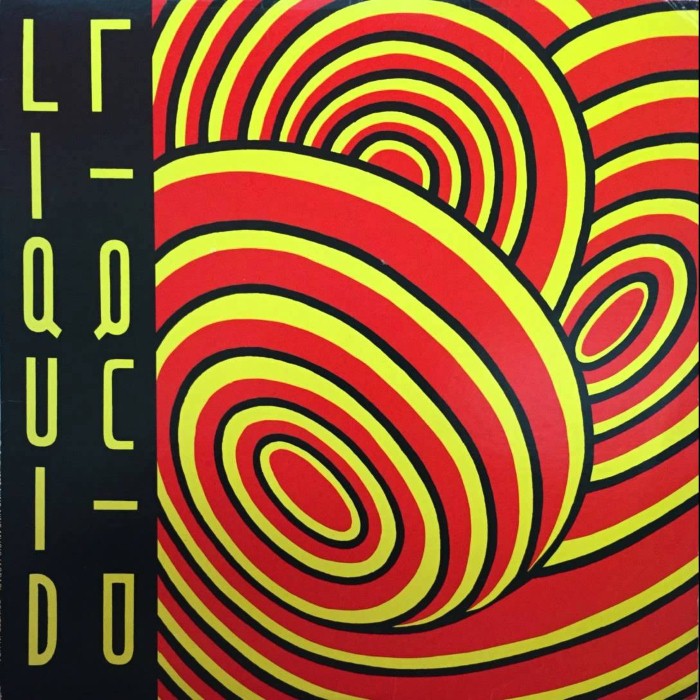
Optimo
Be the first to rate—The other side of the 99 Records coin. Liquid Liquid built tracks out of bass, percussion and treated voice, and their 1983 EP Optimo carries "Cavern," whose bassline Grandmaster Flash and Melle Mel lifted wholesale for "White Lines."
The lawsuit that followed helped sink the label. The music didn't deserve that ending — it's tense, physical, and years ahead of the post-punk dance records everyone credits later. This is where downtown noise learned to keep time.
- 11
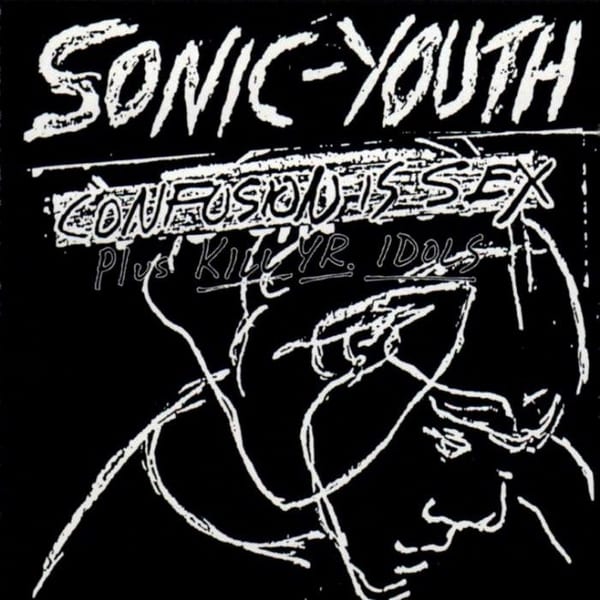
Confusion Is Sex
Be the first to rate—The inheritors. Thurston Moore, Kim Gordon and Lee Ranaldo came up watching Branca and playing the same lofts, and their second-year statement Confusion Is Sex (1983) is no wave's guitar theory turned back into songs — detuned, bowed, hit with drumsticks, all menace and no comfort.
They're the reason the whole movement didn't vanish into a footnote. Everything they'd become famous for is here in raw form, still closer to the noise it came from than to the melodies it would later find.
- 12
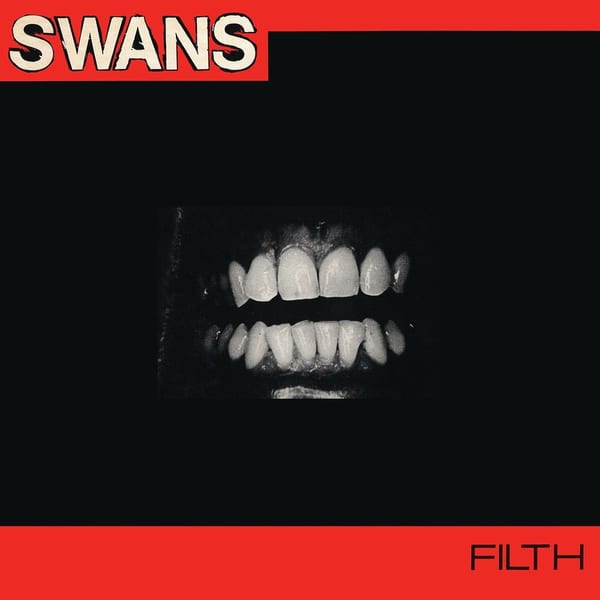
Filth
Be the first to rate—And here's where it ends, or rather where it hits bottom. Michael Gira took no wave's refusal and stripped even the speed out of it, leaving slow, crushing repetition that sounds like being pinned under something heavy.
Filth (1983) is barely music by rock's terms, which was always the destination. If the scene began by saying no to melody, Swans said no to relief. Play it loud once. You'll understand why the movement had nowhere left to go.


Explore the sound
Artists in this guide
Read next
Sophisti-pop: the essential albums of the smart, sad eighties
Roxy Music to Destroyer: the jazz chords, wine-bar sheen and quiet heartbreak of pop's most tailored wing.
Footwork: the 160bpm lineage from Chicago juke to the concert hall
From DJ Deeon's ghetto house 45s to Jlin scoring for the Kronos Quartet: how a Chicago dance-battle music built a canon of its own.
Dark jazz: a canon for the last hour of the night
Slow, smoky and funereal: the film-noir end of jazz, in 15 albums.
The last track: the album closers that stick the landing
Openers announce. Closers confess. Where a record decides what it was actually about.
Got your own ranking? Build a list or tier of your own.