Guides/A Riffiter guide
Footwork: the 160bpm lineage from Chicago juke to the concert hall
From DJ Deeon's ghetto house 45s to Jlin scoring for the Kronos Quartet: how a Chicago dance-battle music built a canon of its own.
Footwork is a 160bpm dance and production style that grew out of 1990s Chicago ghetto house. RP Boo's 1997 track "Baby Come On" is widely cited as the first true footwork record, and the Teklife crew carried the sound worldwide after DJ Rashad's 2013 album Double Cup on Hyperdub. This guide traces that lineage from Dance Mania singles through Planet Mu and Hyperdub full-lengths to Jlin's 2024 album Akoma, made with Björk, Philip Glass and the Kronos Quartet.
Footwork was built for a fight, not a listen. Chicago dancers battled to it in circles, feet moving faster than 160 beats per minute should physically allow, while producers looped soul, house and rap samples into something closer to a drum solo than a song. RYM files it under Chicago juke, footwork, ghettotech; none of the tags quite hold it still, because the scene kept mutating under them.
What follows isn't a top-however-many list. It's roughly the order the genre actually happened in: the ghetto house records that taught footwork its drum patterns, the Planet Mu and Hyperdub albums that took the sound out of Chicago, and the handful of records that pushed it somewhere the dance battles never intended. Start wherever you want; the through-line holds.
- 1

The Freaks
Be the first to rate—Ghetto house is footwork's direct parent: juke tracks built for Chicago's South and West Side dance battles, house sped up and stripped down with vocal chops and a filthy sense of humor. DJ Deeon's Dance Mania singles, collected here, are as blunt as the genre gets, one loop and one joke repeated until the floor gives in. Deeon, who died in 2023, also ran with the DJ crew House-O-Matics alongside DJ Milton and a young RP Boo, which is where footwork's actual family tree begins.
- 2

Legacy
Be the first to rate—RP Boo's 1997 white label "Baby Come On," built from a radio DJ's on-air rant chopped over ODB and Mariah Carey, is generally credited as the first true footwork track, years before anyone had a name for the style. Legacy, his belated 2013 debut album for Planet Mu, gathers that record next to newer work, functioning as both a career primer and an origin document in one sleeve. If you're only going to own one footwork album to explain the genre to somebody, make it this one.
- 3

Da Mind Of Traxman
Be the first to rate—Traxman was juking before footwork had a name, and Da Mind of Traxman sounds like a scene elder cataloguing his own record collection: soul samples and disco flips, run through the same 160bpm grid. It's looser and funnier than DJ Rashad's records, closer to ghetto house's source material. Planet Mu's Mike Paradinas signed him off tapes that had already been circulating around Chicago for a decade.
- 4

Double Cup
Be the first to rate—Double Cup is the record that got footwork covered outside dance blogs, released on Kode9's Hyperdub label in October 2013 with drums that snap like they're arguing with each other. Rashad had been making footwork for over a decade by then; here he let jungle and Atlanta bass bleed into the mix without losing the dancefloor logic underneath. It's still the footwork album non-footwork listeners actually own.
- 5

Off That Loud
Be the first to rate—DJ Spinn co-founded Teklife with Rashad in 2011, and this EP, released on Hyperdub two years after Double Cup with a title track featuring Danny Brown, is the sound of the crew widening its reach without softening anything. Spinn's drums hit harder and messier than Rashad's ever did. The Danny Brown feature made the link between footwork and rap-adjacent bass music explicit instead of implied.
- 6
Afterlife
Be the first to rate—Rashad died in April 2014 at 34, and Afterlife, assembled by Teklife from unreleased tracks and collaborations, arrived two years later as the new label's first release. It isn't a tidy victory lap. Some tracks feel deliberately unfinished, which is more or less the point: this is footwork's closest thing to a communal act of mourning turned into a record.
- 7

Fingers, Bank Pads & Shoe Prints
Be the first to rate—Where Legacy looked backward, Fingers, Bank Pads & Shoe Prints is RP Boo working entirely in the present tense: sparser, stranger, more interested in negative space than density. The title names the physical evidence behind the music, fingers on drum pads and shoe prints left by the dancers the tracks were built to serve. It's the footwork album most likely to convert a techno listener who thinks they already know what fast, minimal dance music sounds like.
- 8
Open Your Eyes
Be the first to rate—Released in August 2016 as Teklife's second album, four months after Afterlife, Open Your Eyes finds DJ Earl pulling footwork toward psychedelia, with warped vocal samples and disorienting edits in a palette that owes as much to hip-hop beat tapes as to juke. It's the sound of a crew figuring out what the genre could still be without its founder in the room.
- 9
Dark Energy
Be the first to rate—Jlin came up under RP Boo and DJ Rashad's mentorship but never made a track meant for an actual dance battle. Dark Energy strips footwork down to its rhythmic skeleton and rebuilds it as something closer to Xenakis than juke, full of sudden silences and chords that never resolve. It's the album that made critics who'd never touched footwork start taking its structure seriously as composition rather than choreography.
- 10
Black Origami
Be the first to rate—Black Origami pushes even further from any dancefloor origin, layering polyrhythms so dense they stop registering as 160bpm at all. William Basinski and Holly Herndon both guest, two names from opposite ends of the experimental-music map, which tells you roughly where Jlin had already moved by 2017. It topped year-end lists at outlets that had never once mentioned footwork before.
- 11

Still Trippin'
Be the first to rate—Two years in the making, Still Trippin' folds R&B and pop songcraft into the footwork template, with guests as unlikely as Chuck Inglish and Jersey club's UNIIQU3 turning up on the same tracklist. Taye came up as one of Teklife's youngest members, and this album plays like a producer refusing to be boxed into one generation's version of the sound.
- 12

Sold Out
Be the first to rate—Flying Lotus signing DJ Paypal to Brainfeeder for his debut told you footwork had found an audience among beat-scene heads who'd never once set foot in a Chicago dance battle. Sold Out leans into that crowd's soul and jazz digging while keeping the tempo and drum programming pure juke underneath. It's the footwork album most likely to sit next to a Thundercat record in somebody's collection.
- 13

Painful Enlightenment
Be the first to rate—Jana Rush had been DJing Chicago's juke scene since the 1990s before she turned her second album into a document of her own depression and suicidal ideation: disfigured samples, jazz drumming smeared past recognition, tempo used as anxiety instead of release. It's the least fun record on this list and one of the most substantial, footwork's rhythmic language turned inward instead of toward the floor.
- 14

Signals In My Head
Be the first to rate—DJ Manny set out to make an R&B love-song album without abandoning footwork, juke, house or techno along the way, and Signals in My Head mostly pulls it off: the drums stay hyperactive while the vocal chops turn tender instead of chopped up and anonymous. After two decades of footwork records built for competition, this is a rare one built for a slow dance.
- 15
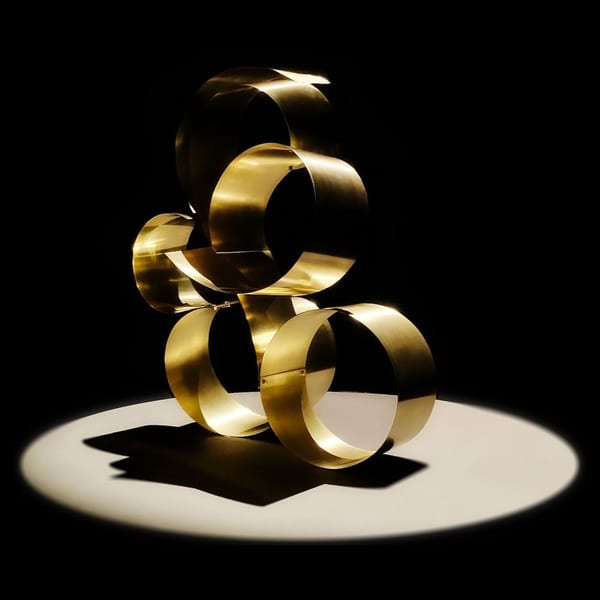
Akoma
Be the first to rate—By Akoma, Jlin was writing with Björk, Philip Glass and the Kronos Quartet, footwork's rhythmic vocabulary performed by a string quartet without losing its snap. It's a strange, fitting endpoint for a genre that started as dance-battle ammunition on Chicago's South Side. Thirty years later the same rhythmic ideas are being played in concert halls, credited to the people who actually built them.


Explore the sound
Artists in this guide
Read next
Sophisti-pop: the essential albums of the smart, sad eighties
Roxy Music to Destroyer: the jazz chords, wine-bar sheen and quiet heartbreak of pop's most tailored wing.
Dark jazz: a canon for the last hour of the night
Slow, smoky and funereal: the film-noir end of jazz, in 15 albums.
No wave: New York's short war on rock and roll
The four-year downtown movement that treated rock as something to be taken apart.
The last track: the album closers that stick the landing
Openers announce. Closers confess. Where a record decides what it was actually about.
Got your own ranking? Build a list or tier of your own.