


Guides/A Riffiter guide
Dark jazz: a canon for the last hour of the night
Slow, smoky and funereal: the film-noir end of jazz, in 15 albums.
Dark jazz, also called doom jazz, is a slow and cinematic style that fuses smoky jazz instrumentation with ambient dread and film-noir atmosphere. It took shape in the 1990s and 2000s around Germany's Bohren & der Club of Gore and the Utrecht ensemble The Kilimanjaro Darkjazz Ensemble, with much of the scene gathering on the German label Denovali. These 15 albums trace the sound from its noir-soundtrack ancestors to its current practitioners.
Somewhere in the 1990s a handful of bands worked out that you could take the instruments of jazz, a saxophone, a double bass, a brushed kit, and slow them down until the swing turned to dread. No solos to speak of. No release. Just a mood held at gunpoint for the length of an album.
The scene never really had a scene. It grew in three places at once: a converted metalhead band in Germany, a silent-film-scoring collective in the Netherlands, and a Lynch-obsessed project in France, most of them eventually gathering on the German label Denovali. What they share is a refusal to hurry and a fondness for the hour after the bar has emptied and the lights are still on. Here are fifteen records that map it, from the noir soundtracks that pointed the way to the people still making it.
- 1
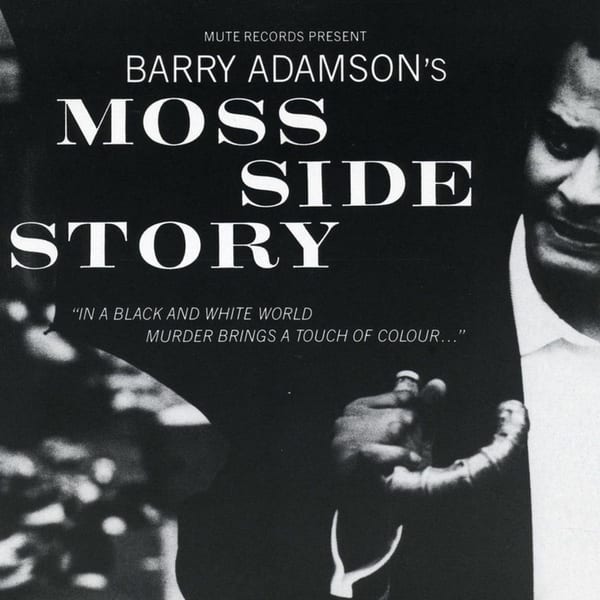
Moss Side Story
Be the first to rate—Adamson left Magazine and Nick Cave's Bad Seeds to write soundtracks for films that don't exist. His 1989 debut for Mute imagines a noir thriller set in his native Manchester, all walking bass, brushed drums and a menace that never quite explains itself. Everything the Germans and the Dutch would later formalize is here in embryo: jazz used as suspense music, mood standing in for plot. Start the family tree here.
- 2
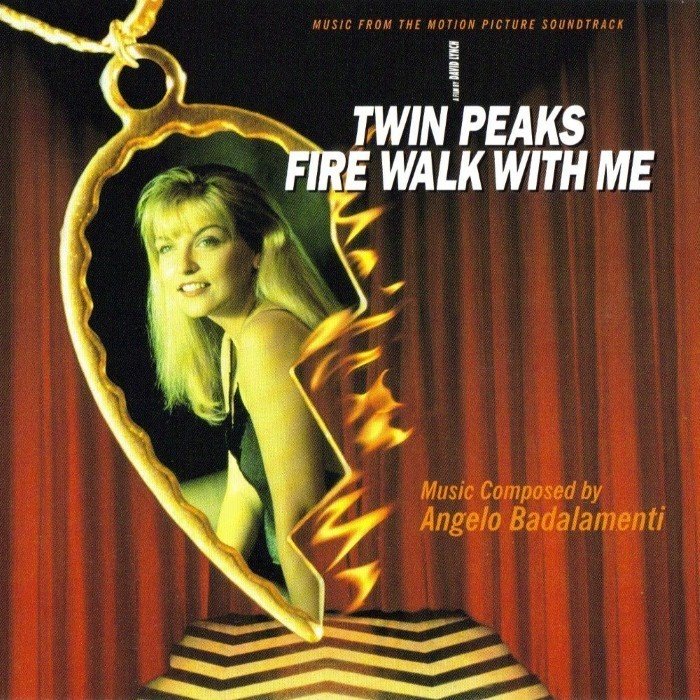
Twin Peaks: Fire Walk With Me
Be the first to rate—The Twin Peaks series score gave the world its slow, syrupy idea of small-town dread, but the 1992 prequel film is where Badalamenti went fully into the black. "The Pink Room" is a smeared, drunken blues that sounds like it's melting off the tape. Half the bands below name David Lynch and this exact palette as the thing they were chasing.
- 3
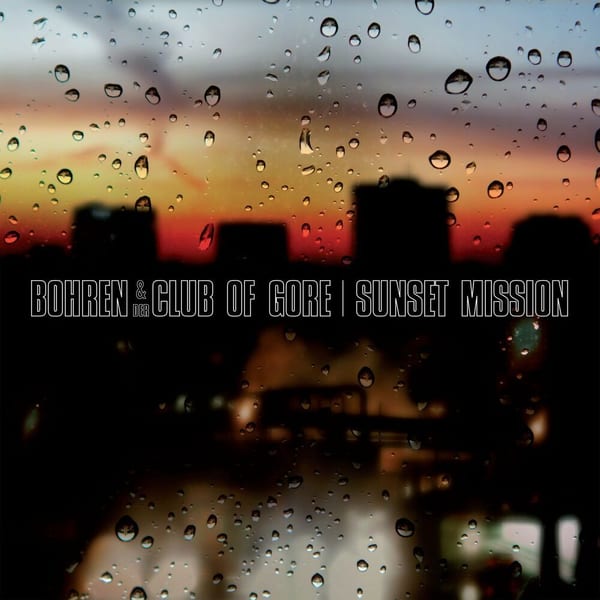
Sunset Mission
Be the first to rate—Four Germans who started in the early 1990s as a doom and hardcore band, then slowed down until the metal fell away and only the dread was left. Sunset Mission (2000) is where the change completed: saxophone, Rhodes and drums played at the tempo of a heartbeat winding down. This is the record that gave dark jazz a fixed address.
- 4
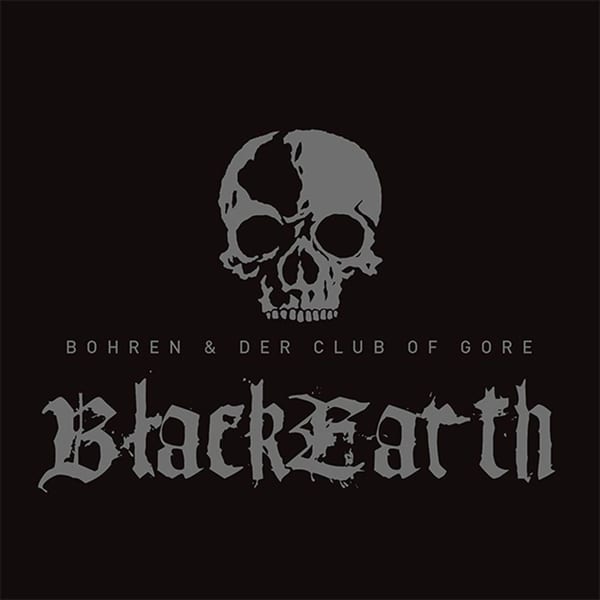
Black Earth
Be the first to rate—The one most people mean when they say Bohren. Black Earth (2002) is even slower and heavier than Sunset Mission, a set of pieces that barely move and never resolve, saxophone hanging in the dark like cigarette smoke in a shut room. If a single album defines the genre, it's this one. Play it at 3am and it plays you back.
- 5
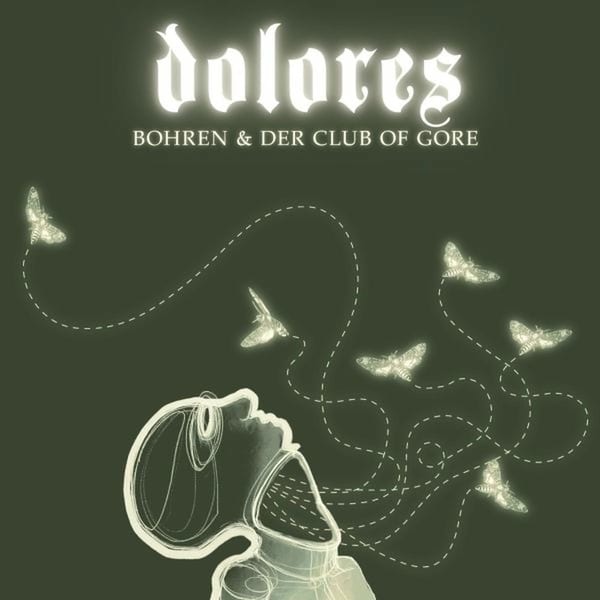
Dolores
Be the first to rate—By Dolores (2008) Bohren had refined the formula to the edge of stillness. The playing is warmer here, closer to a lounge act performing for an empty bar long after everyone's gone home. Newcomers who find Black Earth punishing often start with this one, then work backward into the murk.
- 6
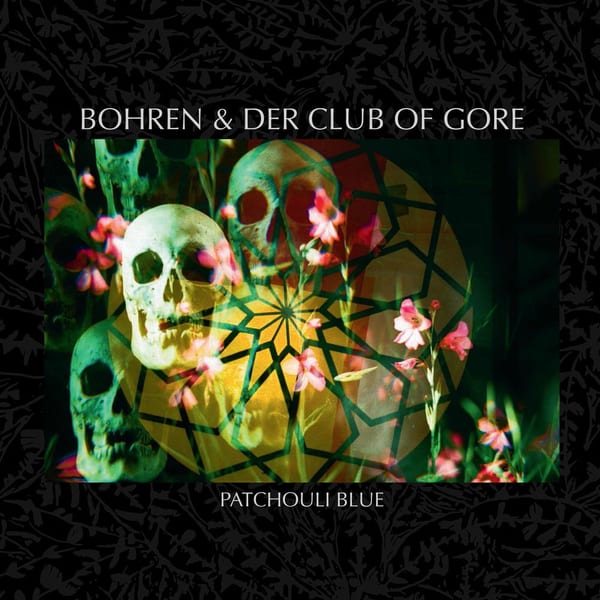
Patchouli Blue
Be the first to rate—Proof the band hasn't run out of night. Patchouli Blue (2020) is quieter and more fragile than their early work, the saxophone brushed rather than blown, the silences longer. Two decades in, they've stopped trying to sound doom-laden and simply do. A late record with nothing left to prove.
- 7
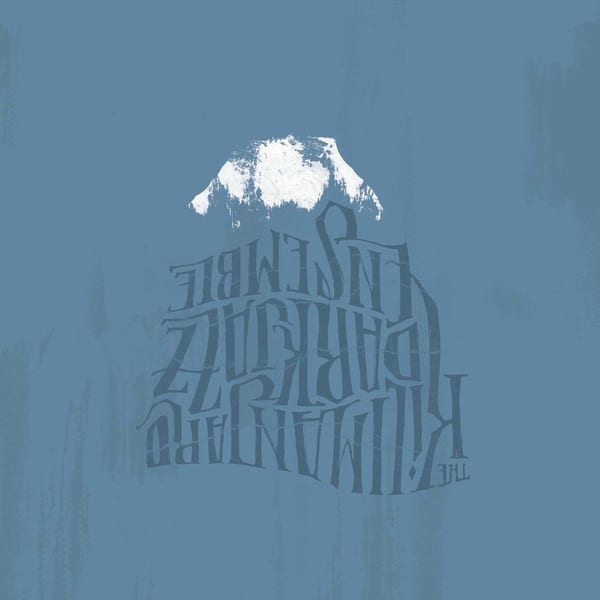
The Kilimanjaro Darkjazz Ensemble
The Kilimanjaro Darkjazz Ensemble
Be the first to rate—The scene's other founding act, formed in Utrecht in 1999 by Jason Köhnen and Gideon Kiers to score silent films like Nosferatu and Metropolis. Their 2006 debut brought electronics, dub weight and sampled decay to the Bohren template, colder and more processed. Where Bohren sound like a live band at last call, Kilimanjaro sound like a haunted mixing desk.
- 8
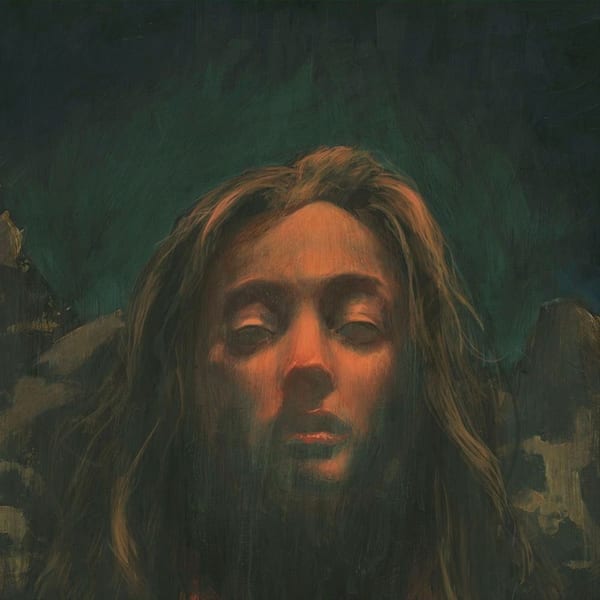
Here Be Dragons
The Kilimanjaro Darkjazz Ensemble
Be the first to rate—Released on Planet Mu in 2009, Here Be Dragons pulls the group toward cinema: trumpet and cello over slow-collapsing beats and field recordings, the dread now widescreen. It's the most soundtrack-like of their albums, which is exactly the point for a band that started out scoring the dead.
- 9
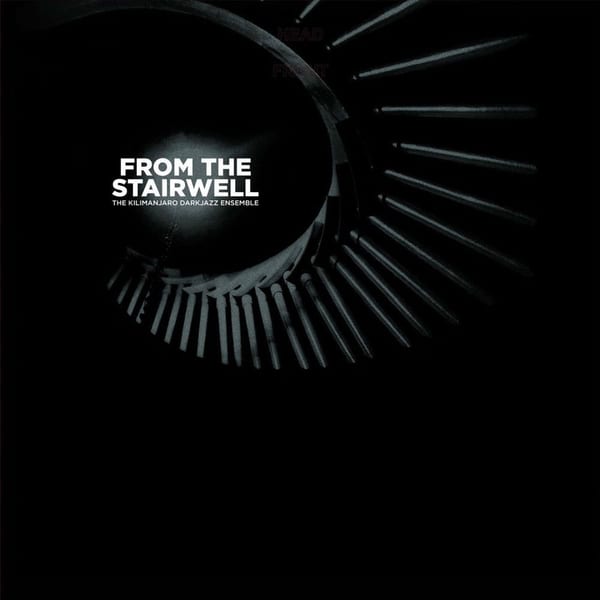
From the Stairwell
The Kilimanjaro Darkjazz Ensemble
Be the first to rate—Their 2011 farewell, and their richest. From the Stairwell adds strings and horns until the doom-jazz core turns almost orchestral, without losing the rot underneath. The ensemble dissolved after this and splintered into side projects, so it stands as a full stop few genres ever get.
- 10

Anthropomorphic
The Mount Fuji Doomjazz Corporation
Be the first to rate—The improvising, live-in-the-room half of the same crew. Where Kilimanjaro composed, The Mount Fuji Doomjazz Corporation jam a single darkening idea into the ground for forty minutes at a stretch. Anthropomorphic (2011) is a good first plunge: fewer edits, more menace, the sound of a séance that won't end.
- 11

Egor
The Mount Fuji Doomjazz Corporation
Be the first to rate—Egor (2012) is even more punishing, drone and doom pulling the jazz almost fully underwater. There are stretches here with no melody at all, just pressure. This is the point where dark jazz shakes hands with drone metal and neither side blinks.
- 12
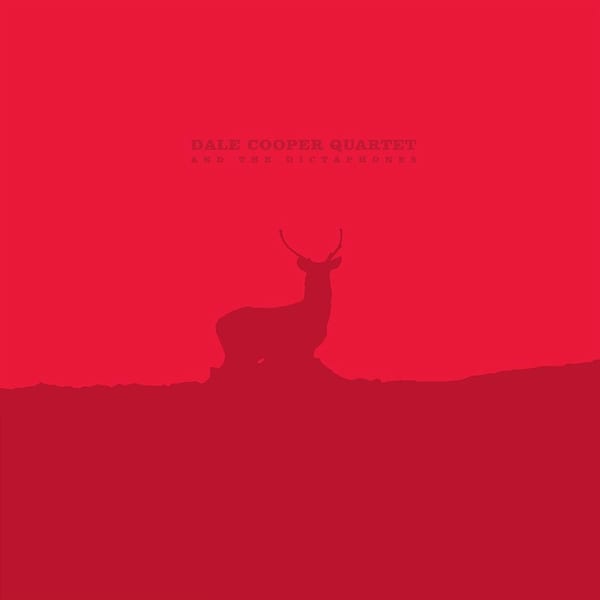
Parole de Navarre
Be the first to rate—The French wing, named for Twin Peaks' Agent Cooper and released on Denovali, the label that became the genre's home. Dale Cooper Quartet & the Dictaphones smear saxophone and whispered French vocals into a fog thick enough to lose the melody in. Noir jazz as sleep paralysis.
- 13

Metamanoir
Be the first to rate—Metamanoir (2011) pushes further into electronic decay, the horns half-dissolved in reverb and tape hiss. It's the most abstract entry here, closer to dark ambient than to anything with a swing feel left in it. For listeners who want the jazz almost gone, this is your record.
- 14
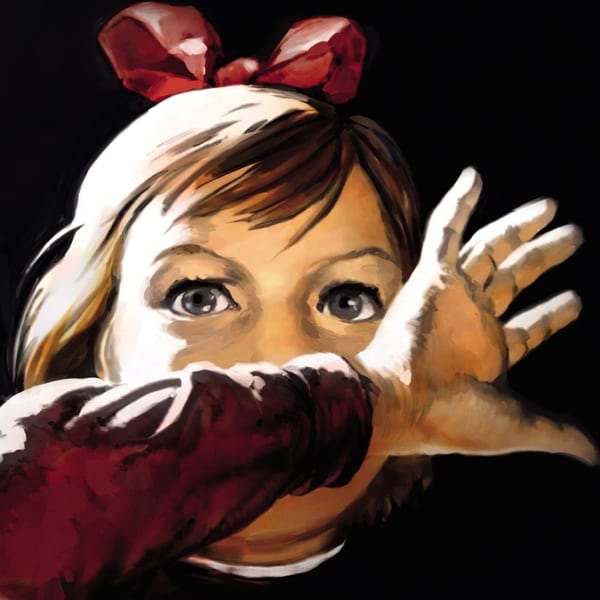
Bersarin Quartett
Be the first to rate—Not actually a quartet, and only half jazz: Bersarin Quartett is the solo project of German producer Thomas Bücker. The 2008 debut on Denovali builds cinematic pieces from strings, piano and hiss that sit right on the border of the genre, warmer and prettier than the Bohren axis. The easiest way in for anyone who finds pure doom jazz too bleak.
- 15
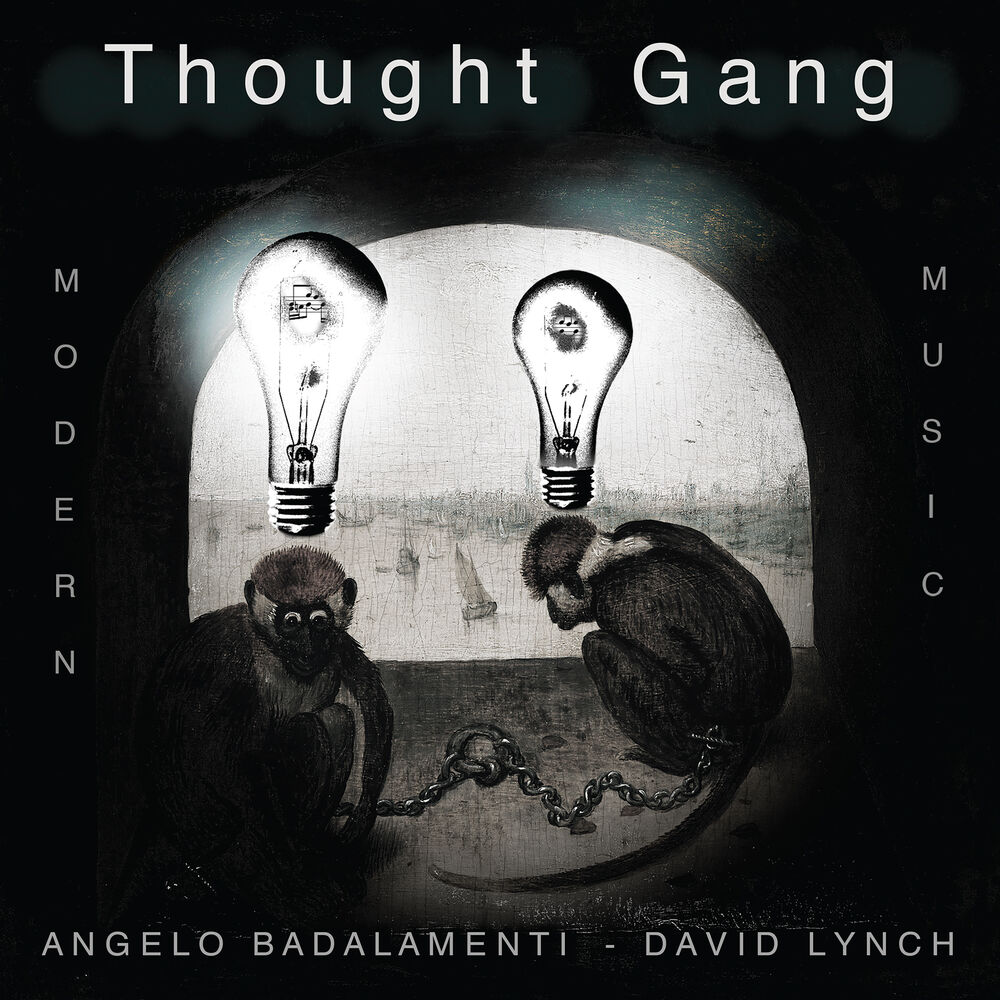
Thought Gang
Be the first to rate—A closing curio that's also a source. Under the name Thought Gang, Badalamenti and David Lynch recorded these deranged jazz experiments in 1992 and 1993, then shelved them until Sacred Bones finally put the album out in 2018. Skronking horns, spoken-word menace, grooves that lurch and stall. Hear it and half the records above stop sounding like a movement and start sounding like children of Lynch's basement.


Explore the sound
Artists in this guide
Read next
Sophisti-pop: the essential albums of the smart, sad eighties
Roxy Music to Destroyer: the jazz chords, wine-bar sheen and quiet heartbreak of pop's most tailored wing.
Footwork: the 160bpm lineage from Chicago juke to the concert hall
From DJ Deeon's ghetto house 45s to Jlin scoring for the Kronos Quartet: how a Chicago dance-battle music built a canon of its own.
No wave: New York's short war on rock and roll
The four-year downtown movement that treated rock as something to be taken apart.
The last track: the album closers that stick the landing
Openers announce. Closers confess. Where a record decides what it was actually about.
Got your own ranking? Build a list or tier of your own.