


Guides/A Riffiter guide
Krautrock: the essential albums, scene by scene
Can, Neu!, Faust, Cluster and the rest — West Germany's experimental decade, mapped from Cologne to Düsseldorf to Berlin.
Krautrock is the loose name for the experimental rock made in West Germany between roughly 1969 and 1978 — motorik pulse, kosmische drift and tape-edit chaos, built by bands rejecting both Anglo-American rock and their parents' past. This guide walks the canon scene by scene: Can in Cologne, Neu! and Kraftwerk in Düsseldorf, Amon Düül II and Popol Vuh in Munich, Tangerine Dream and Ash Ra Tempel in Berlin.
The musicians never used the word. "Krautrock" was British music-press slang, half insult, that the bands mostly shrugged at — they called it kosmische Musik, or nothing at all. What it actually describes is a generation of West German players who, around 1968, decided that copying the Beatles and the Stones was a dead end, and that a country with no usable rock tradition of its own was free to invent one from scratch.
What came out had no center. In Cologne, Can welded free jazz to repetition. In Düsseldorf, Neu! found a beat so steady it became a philosophy, and Kraftwerk followed the wire all the way to the machine. In Munich, Amon Düül II turned commune chaos into epic psych. In Berlin, Tangerine Dream and Ash Ra Tempel pointed their synthesizers at deep space. The thread that connects them is method, not sound: repetition over riffs, texture over chords, the studio as an instrument, and producer Conny Plank's mixing desk as the scene's secret nerve center.
This is the canon, organized the way the map actually works — by city. Seventeen records; start anywhere, but start.
- 1
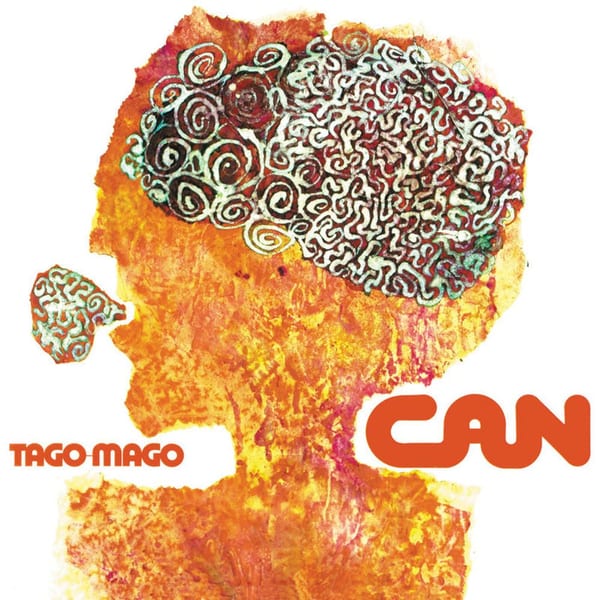
Tago Mago
Be the first to rate—The double-LP peak of the whole movement. Recorded at Can's own Inner Space studio in a castle near Cologne and released in 1971, Tago Mago is built on Jaki Liebezeit's inhuman metronomic drumming, Holger Czukay's tape-splice edits, and Damo Suzuki — the Japanese vocalist the band found busking in Munich — improvising in a private language. "Halleluwah" alone is eighteen minutes of groove that never repeats and never lets up. If you own one krautrock record, own this one.
- 2
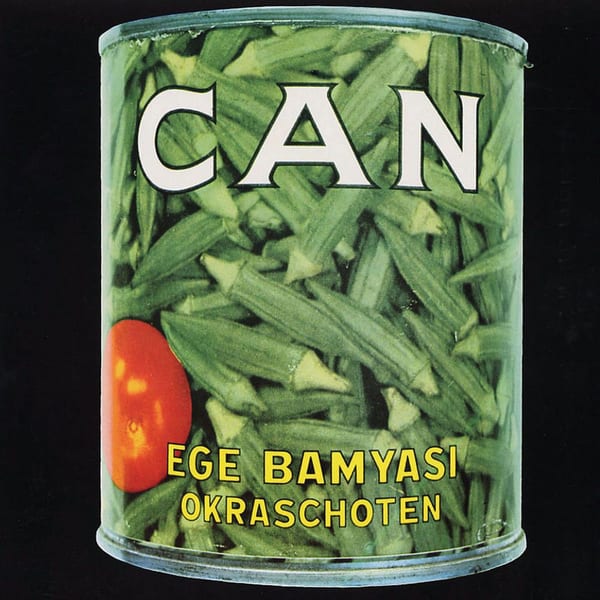
Ege Bamyasi
Be the first to rate—Tago Mago's leaner, funkier 1972 sequel, named after a tin of Turkish okra. Where the double album sprawled, Ege Bamyasi tightens everything into hooks — "Vitamin C" and "Spoon" are as close as Can ever came to pop, and "Spoon" actually went top ten in West Germany as a TV theme. The same hypnotic engine, now built for the radio.
- 3
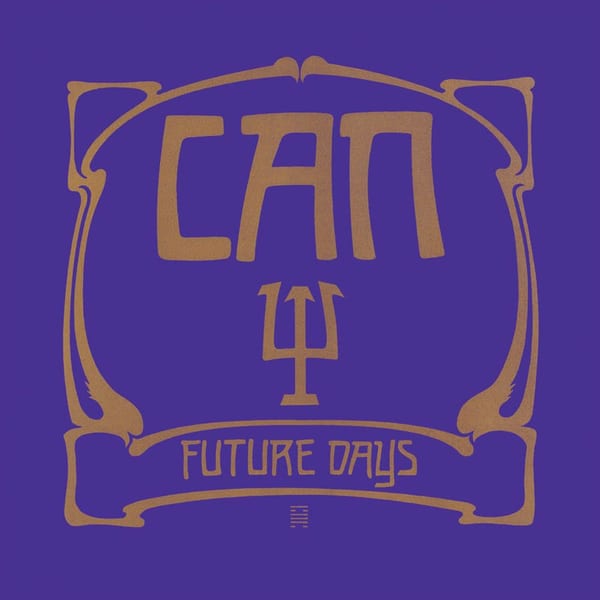
Future Days
Be the first to rate—Damo Suzuki's last album with the band (1973), and the warmest thing they made — ambient before the word existed, all shimmering water-textures and the twenty-minute "Bel Air." Czukay later said it was the record where the studio finally became the fifth member. Put it on at dusk.
- 4

Neu!
Be the first to rate—Klaus Dinger and Michael Rother quit Kraftwerk's early lineup and, in 1972, invented the motorik beat — that steady, forward-rushing 4/4 pulse Dinger called the "Apache beat," the sound of a car on an empty autobahn. Conny Plank produced; "Hallogallo" is ten minutes of pure momentum that has been quietly rewiring guitar music ever since (Bowie, Stereolab, Radiohead, every band that ever locked into a groove and refused to leave). Minimal, gorgeous, foundational.
- 5

Neu! '75
Be the first to rate—The 1975 third album splits in two: a serene Rother side of drifting beauty, and a Dinger side that snarls and stomps in a way that punk would spend the next two years catching up to. "Hero" is proto-punk a year early. The sound of a partnership flying apart and making art out of the friction.
- 6
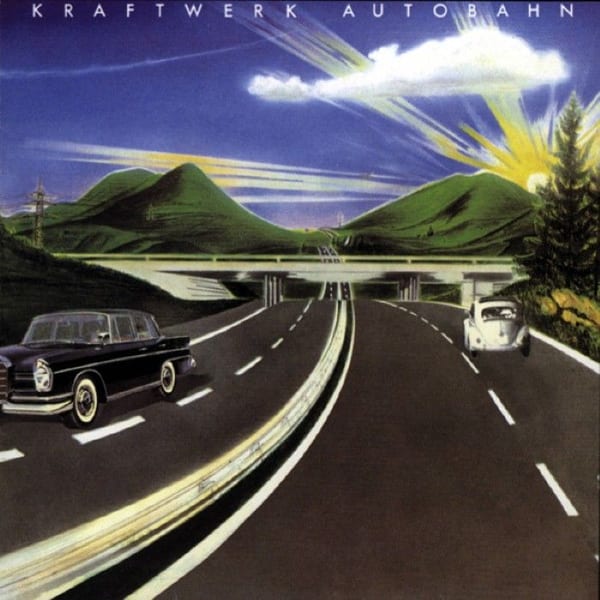
Autobahn
Be the first to rate—The hinge of the entire scene. Düsseldorf's Ralf Hütter and Florian Schneider had made three albums of fairly typical kosmische experiment; in 1974 they pointed everything at the machine and produced the 22-minute title suite — a road trip rendered in synthesizer, the moment krautrock crossed over into electronic music proper. Everything from synth-pop to techno to hip-hop runs through this record.
- 7
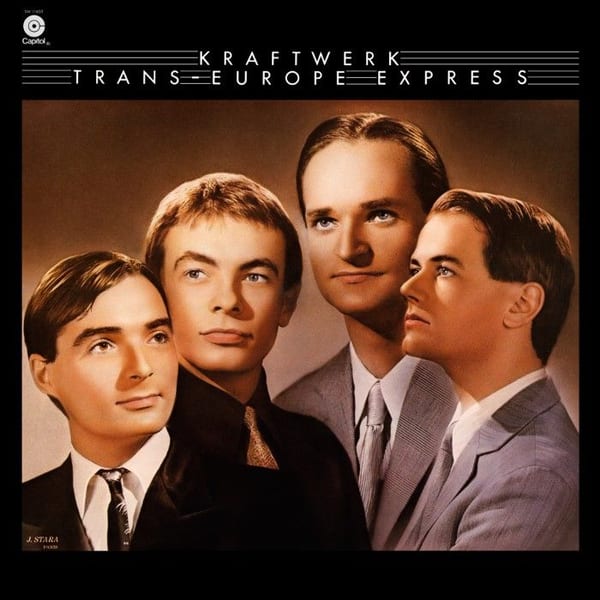
Trans-Europe Express
★ 4.8 · 5—By 1977 Kraftwerk had fully become the robots: gleaming, precise, ironic about European identity and utterly futuristic. The title track's rhythm got sampled into the foundation of hip-hop when Afrika Bambaataa built "Planet Rock" on it. Arguably the most influential electronic album ever made — and it sounds like it was beamed in from next year.
- 8
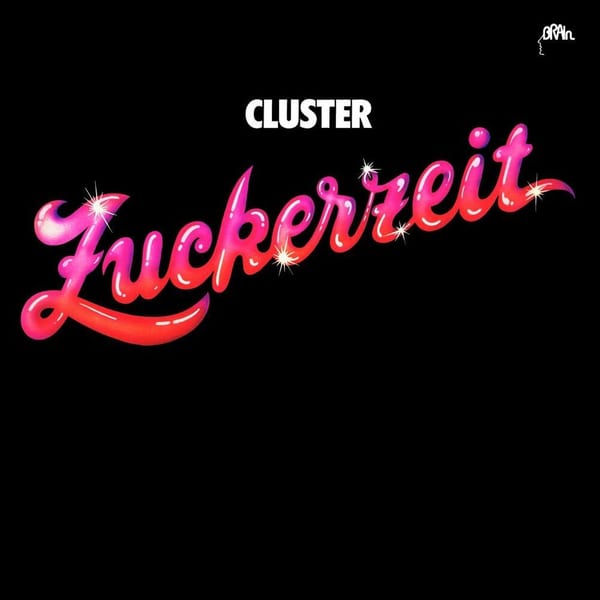
Zuckerzeit
Be the first to rate—Hans-Joachim Roedelius and Dieter Moebius, produced by Michael Rother, made this 1974 record of warm, lopsided electronic miniatures — proto-synthpop melodies that wander and squelch and never quite resolve. It's the missing link between krautrock's drift and the ambient pop Eno would chase a few years later. Charming, strange, deeply influential on everything bedroom-electronic since.
- 9
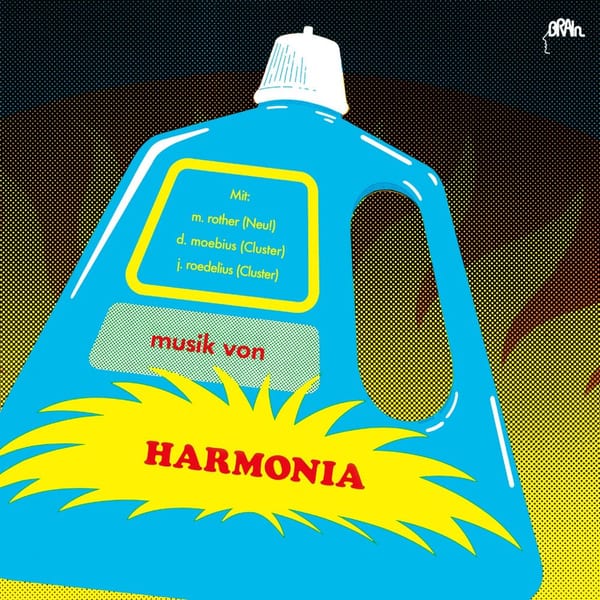
Musik von Harmonia
★ 3.5 · 1—The supergroup: Cluster's two members plus Neu!'s Michael Rother, holed up in rural Forst. Brian Eno called them "the world's most important rock group" and later came to record with them. This 1974 debut is where motorik propulsion and Cluster's electronic warmth fuse into something pastoral and weightless — kosmische music with a pulse and a heart.
- 10
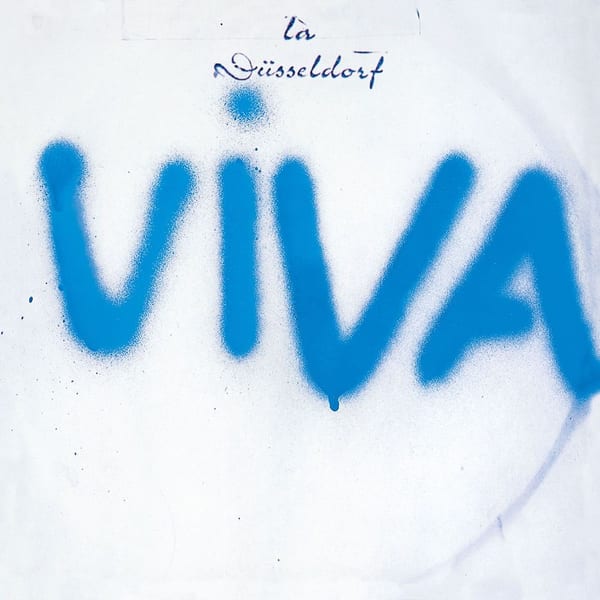
Viva
★ 3.5 · 1—Klaus Dinger's post-Neu! project, and the bridge to the 1980s. The 1978 album Viva takes the motorik beat and makes it anthemic, almost euphoric — Bowie name-checked it as the soundtrack to the era. Where Neu! was austere, La Düsseldorf is celebratory, the motorik pulse turned into something you could almost call pop.
- 11
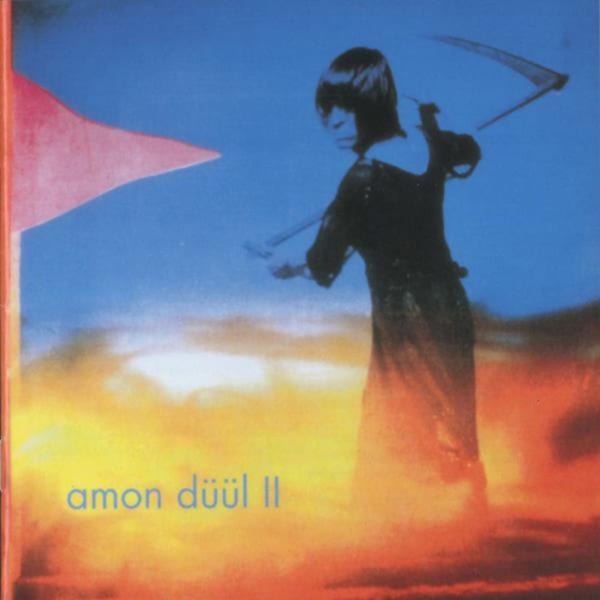
Yeti
Be the first to rate—Out of a Munich political commune came the loudest, most sprawling wing of krautrock. Yeti (1970) is a double album of acid-damaged epic psych — "Archangels Thunderbird," "Cerberus," and a side-long improvised title suite. Heavier and more chaotic than the Düsseldorf school, it's the genre's great freak-out, and the more song-focused entry point to the whole Munich scene.
- 12
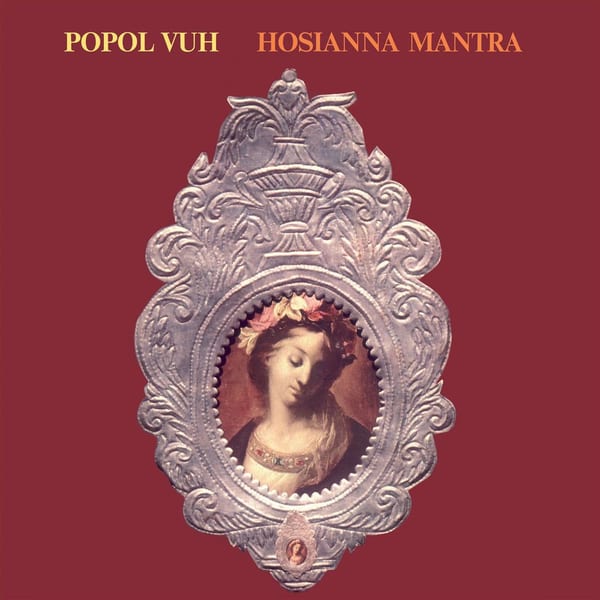
Hosianna Mantra
Be the first to rate—Florian Fricke abandoned the Moog after one album and turned to piano, oboe, tamboura and voice for this 1972 record of devotional, cross-cultural sacred music. Less rock than ritual, it pointed toward new age and ambient decades early, and Fricke's later soundtracks for Werner Herzog (Aguirre, Nosferatu) made him krautrock's great mystic. Hushed and luminous.
- 13
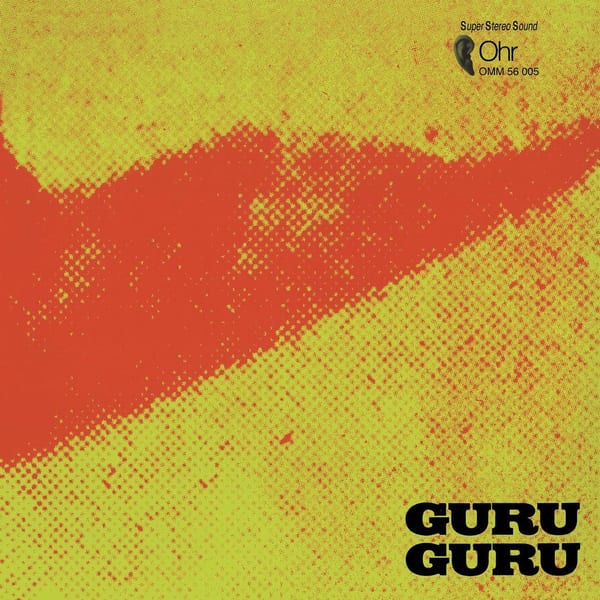
Ufo
Be the first to rate—Drummer Mani Neumeier's power trio at its wildest. Ufo (1970) is free-rock pushed to the edge of collapse — Hendrix-damaged guitar, jazz energy, and a sense that the whole thing could fly apart at any second. The rawest, most psychedelic record on this list, and proof the Munich scene had a heavy, improvising heart.
- 14
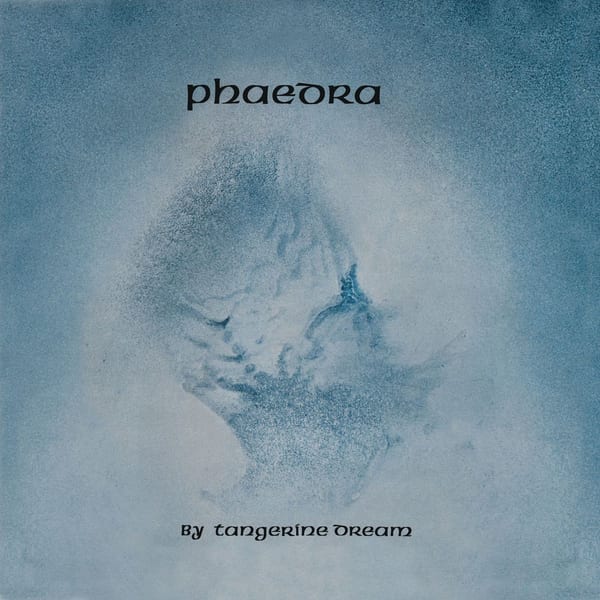
Phaedra
★ 4.3 · 2—Edgar Froese's group started in Berlin making formless cosmic noise; by 1974's Phaedra, with the sequencer doing the work, they'd invented the gliding, arpeggiated "Berlin School" sound that would feed straight into ambient, new age and decades of film scoring. The title track's pulsing 17-minute drift is the blueprint for synth music as deep-space travelogue.
- 15
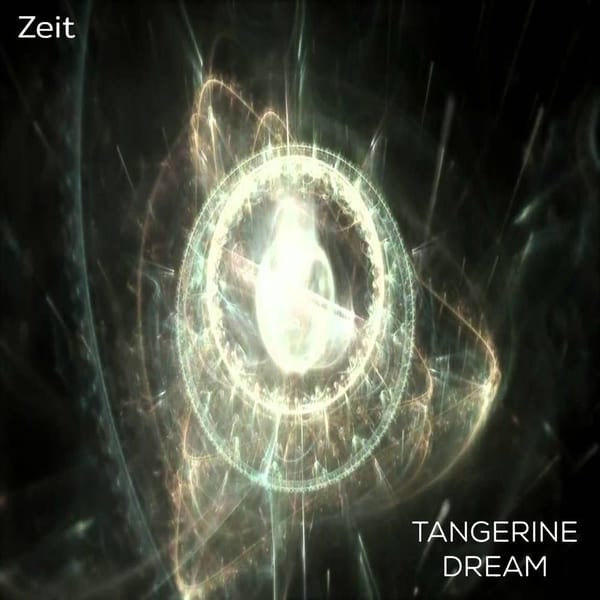
Zeit
Be the first to rate—Before the sequencers, there was the void. Zeit (1972), subtitled "Largo in Four Movements," is a double album of glacial, near-beatless cosmic dread — cellos, Moog, and vast empty space. It's the most demanding, least "rock" record here, and the purest distillation of kosmische as cosmic horror. For the patient; immense once it clicks.
- 16
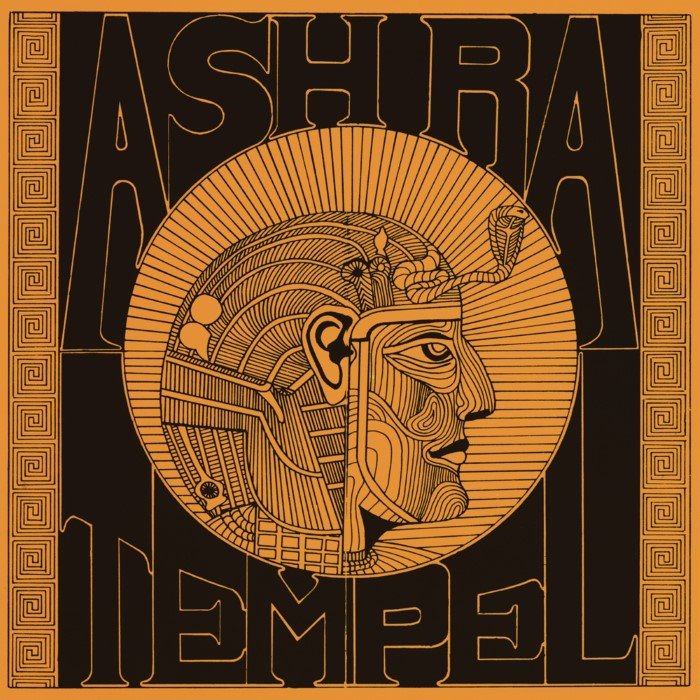
Ash Ra Tempel
Be the first to rate—Berlin's heaviest psychedelic explorers. The 1971 debut — Manuel Göttsching's liquid guitar, Klaus Schulze on drums before he went fully electronic — is two side-long tracks: one a build from silence to ecstatic burn, the other pure drift. The platonic ideal of the krautrock long-form jam, all patience and payoff.
- 17
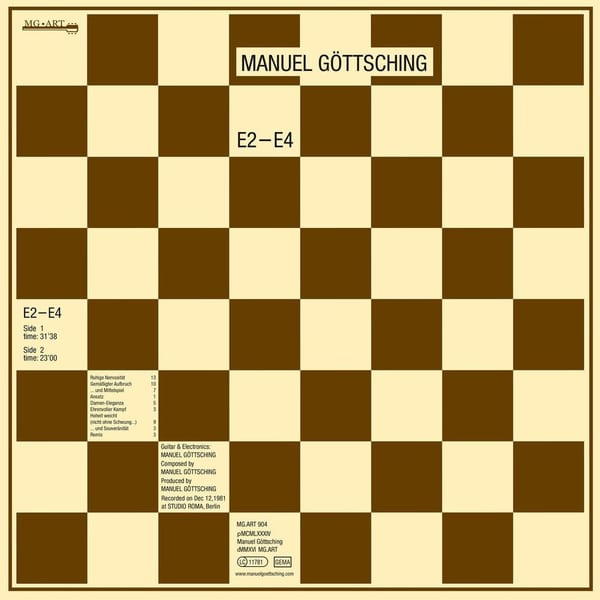
E2-E4
Be the first to rate—The coda, and the bridge to the future. Recorded in 1981, Göttsching's solo album is one hour of looping, hypnotic, sequenced guitar and synth — almost a single track — that house and techno producers later treated as a sacred text (Sueño Latino built a club anthem from it). Krautrock's repetition philosophy, followed all the way to the dancefloor it would help invent.


Explore the sound
Artists in this guide
Lists with these albums
Read next
The best debut albums of all time: 22 records that arrived finished
First albums that needed no apprenticeship, ranked, with an honest answer to the question that follows every one of them: did they ever beat it?
Best post-punk albums: 24 records, city by city
Post-punk was never one sound. It was a different argument in every town, and this is the map.
Best power pop albums: nineteen records with perfect songs and terrible luck
Beatles melody at Who volume, three minutes flat, almost never a hit. The canon of the genre that kept losing.
Best breakup albums: the ones that name names
Records made about one specific person walking out, not about sadness in general. Sinatra to Robyn, in the order they happened.
Got your own ranking? Build a list or tier of your own.