


Guides/A Riffiter guide
Detroit techno albums: eighteen records from a scene that lived on singles
Cybotron to Kyle Hall, in order of release. The album canon of a city that mostly did its thinking on 12-inches.
Detroit techno was a singles culture, which makes its album canon smaller and stranger than the genre's reputation suggests. This guide collects eighteen of them in order of release, from Cybotron's Enter (1983) to Kyle Hall's Crown (2023), taking in Metroplex, Transmat, KMS, Underground Resistance, Axis, Planet E and the deep house wing around Moodymann and Theo Parrish.
Techno left Detroit as a singles music. You made a track, you pressed a few hundred copies, a DJ in Berlin or Sheffield bought one, and that was the distribution plan. Albums were an afterthought, or a European label's idea, or a compilation with the word classics on the spine.
Which is why the Detroit album canon is so odd. Half of it is retrospective. Some of the biggest names in the city never made a proper album at all, and the ones who did tend to sound stranger or softer on a record than they ever did on a 12-inch. That is the interesting part. Given fifty minutes instead of nine, these people did not write longer club tracks. Larkin wrote chords. Craig hired singers. Hood took things away. Parrish got muddier on purpose.
Ordered by release, not by rank. The years below are original release years, not the reissue dates your streaming service is showing you.
- 1
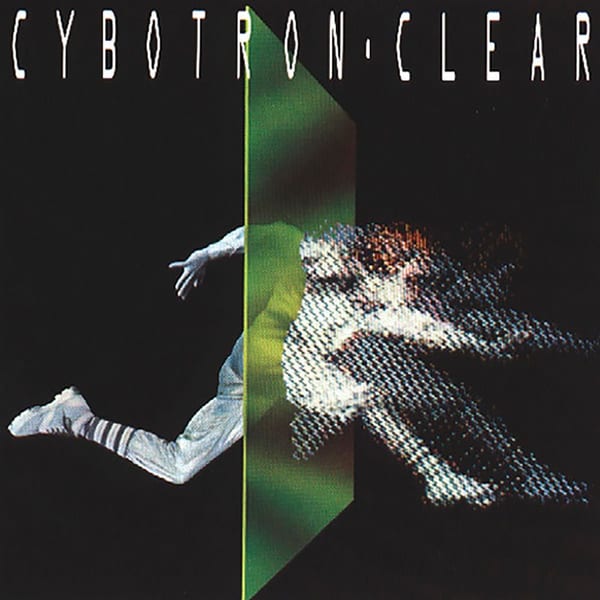
Clear
Be the first to rate—Juan Atkins was barely out of his teens when he and Rick Davis started building machine funk out of Alvin Toffler paperbacks and a room of synthesizers. Fantasy put it out as Enter in 1983 and reissued it in 1990 under the name of its most famous song, which is how most people know it now.
It isn't techno yet. "Clear" is electro, "Industrial Lies" still has audible guitar. But the future-shock vocabulary the whole city would use for the next forty years is already sitting there, fully formed.
- 2

Innovator
Be the first to rate—May never made an album. He made "Strings of Life" in 1987 as Rhythim Is Rhythim, a piano loop with no bassline that DJs have failed to wear out in four decades, and then largely stopped. Innovator is the Transmat retrospective that gathers the singles, out in 1997 in the US after a Japanese edition the year before. Treat it as evidence rather than as a record.
- 3
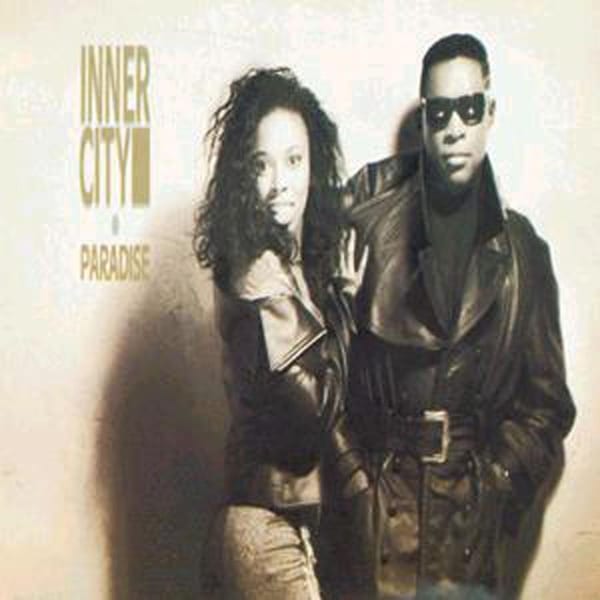
Paradise
Be the first to rate—Kevin Saunderson's crossover, with Chicago singer Paris Grey out front and no embarrassment at all about wanting a hit. "Big Fun", "Good Life" and "Ain't Nobody Better" all came off it, and in 1989 it sold in numbers no Detroit techno record has come near since.
Thirty-seven years of purists rolling their eyes at this thing, and it still sounds better than most of what they preferred.
- 4
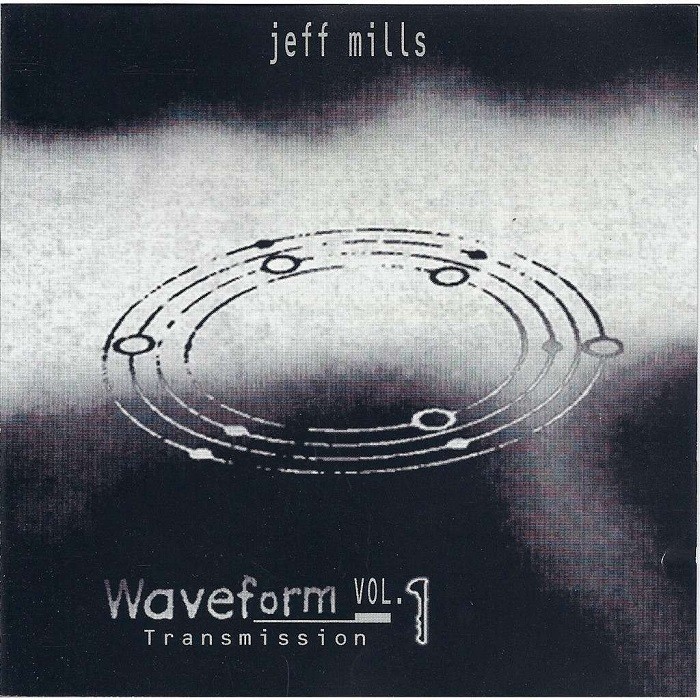
Waveform Transmission, Volume 1
Be the first to rate—Mills was a Detroit radio DJ called the Wizard before any of this, and Volume 1 sounds like a man who mixes for a living finding out how fast a record can go. Tresor released it in 1992, just after he stepped away from Underground Resistance. Barely any melody, tempos that outrun the room. Volume 3 from 1994 is warmer and more famous; start here if you want the second wave while it was still angry.
- 5
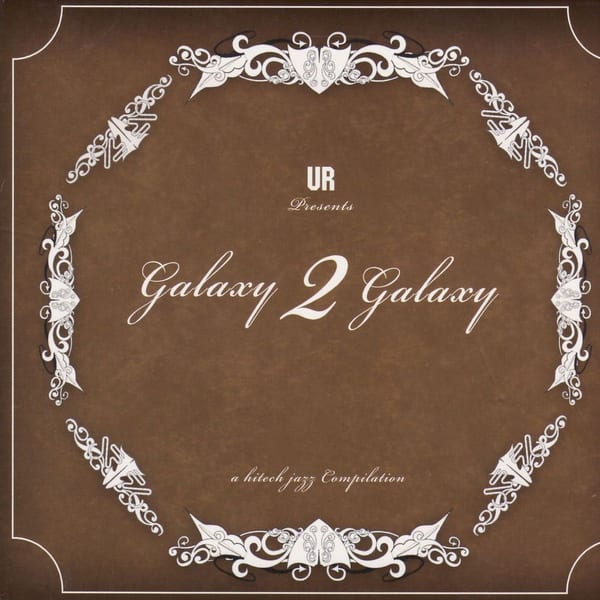
Galaxy 2 Galaxy: A High Tech Jazz Compilation
Be the first to rate—Mad Mike Banks conceived Galaxy 2 Galaxy as an Underground Resistance offshoot and put the first double 12-inch out in 1993. Submerge collected the material in 2005, which is how most listeners found it.
"Hi-Tech Jazz" is the reason it matters: a lead line that phrases like a horn player, riding drum machines, played completely straight. UR usually get written up as militants. This is the record where they are beautiful.
- 6
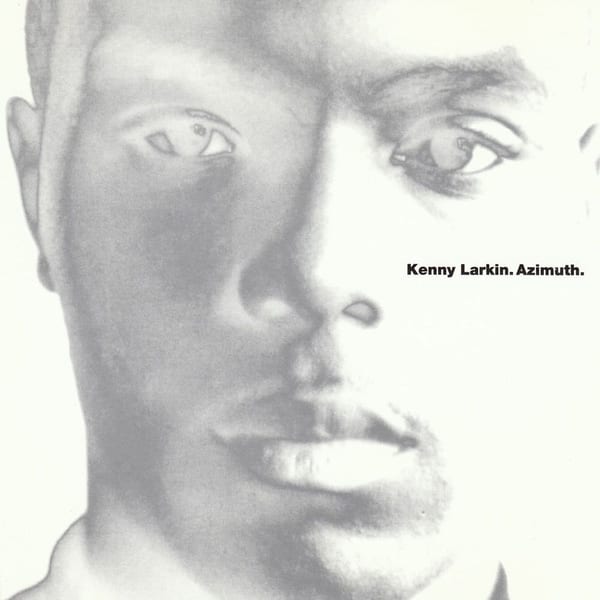
Azimuth
Be the first to rate—Warp released Azimuth in February 1994, which tells you how Britain read Detroit at the time, as a source of music for thinking rather than dancing. Larkin is the most melodic writer of the second wave by a distance, and he treats a drum machine the way an ECM session treats a piano, with a lot of air around it and a low-grade sadness under everything. The Detroit album for anyone who insists techno has no chords.
- 7

Minimal Nation
Be the first to rate—Hood was Underground Resistance's Minister of Information, and then he started subtracting. Minimal Nation, on his own Axis in 1994, cuts a track down to a kick, one bass figure and a hi-hat that moves about a millimetre every eight bars. The effect is hypnotic rather than austere. Most of the minimal techno Germany exported after 1998 is still paying rent on this record.
- 8
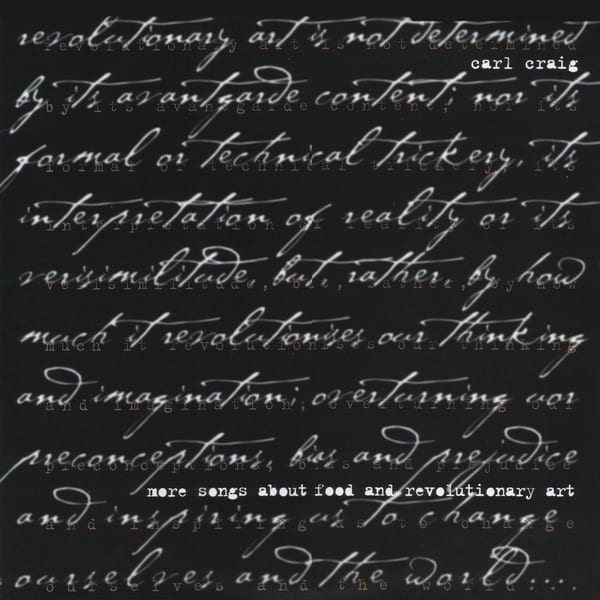
More Songs About Food and Revolutionary Art
Be the first to rate—Craig came up in Derrick May's orbit and turned out to have the widest ears in the city. This is 1997 on his own Planet E, and it is techno with jazz drumming, breakbeats and actual singing in it, close to heresy at the time. "Televised Green Smoke" and "At Les" are the ones that survived into everybody's record bag. He also released Moodymann and Kenny Larkin on Planet E, so his fingerprints are on a good chunk of this list.
- 9
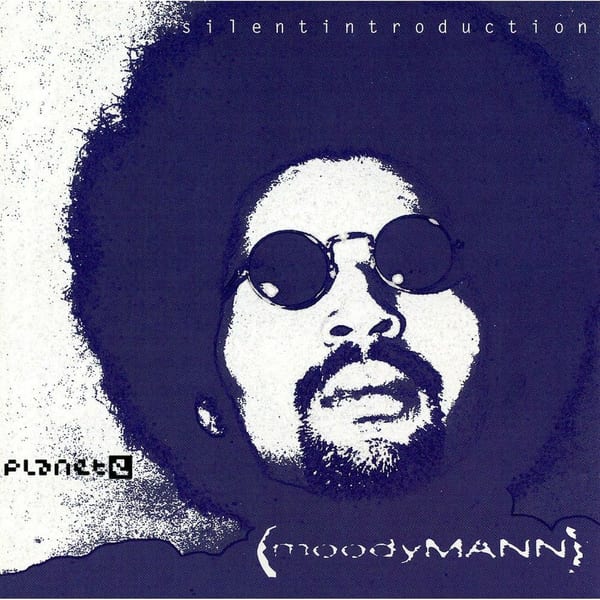
Silentintroduction
Be the first to rate—Kenny Dixon Jr. collected his own KDJ 12-inches for Planet E in 1997 and accidentally made the definitive Detroit house album. The samples come off old soul and jazz sides and get chopped with a roughness that is obviously a choice rather than a limitation. Dixon has spent three decades declining to explain any of it in public, which has only made people listen harder.
- 10
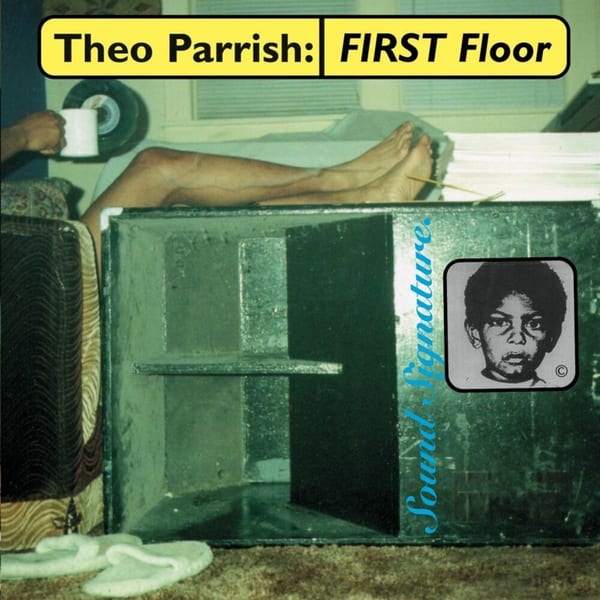
First Floor
Be the first to rate—Parrish was born in Washington, raised in Chicago, and studied sound sculpture in Kansas City before he moved to Detroit, which explains the record. This is house treated as a lump of material to be bent out of shape: everything slightly off the grid, the mixes murky on purpose.
Peacefrog released it in 1998, a year after he started Sound Signature. It makes far more sense at 3am on a big system than it does on headphones, and he has been the city's most stubborn purist ever since.
- 11
Interstellar Fugitives
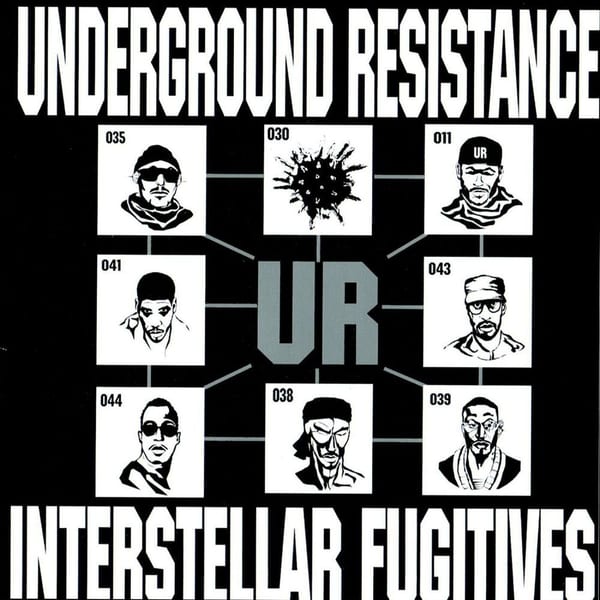
Be the first to rate—UR spent the nineties masked, refusing interviews and major labels, putting out 12-inches faster than anyone could keep track of. Interstellar Fugitives, from 1998, was the first proper album, and it reads as a roll call of aliases as much as a record: sci-fi paranoia and organizing document, sleeve notes doing as much work as the music.
A major label's unlicensed cover of "Knights of the Jaguar" was pulled in 1999 after UR went after them. That anecdote is the entire ethos.
- 12
Neptune's Lair
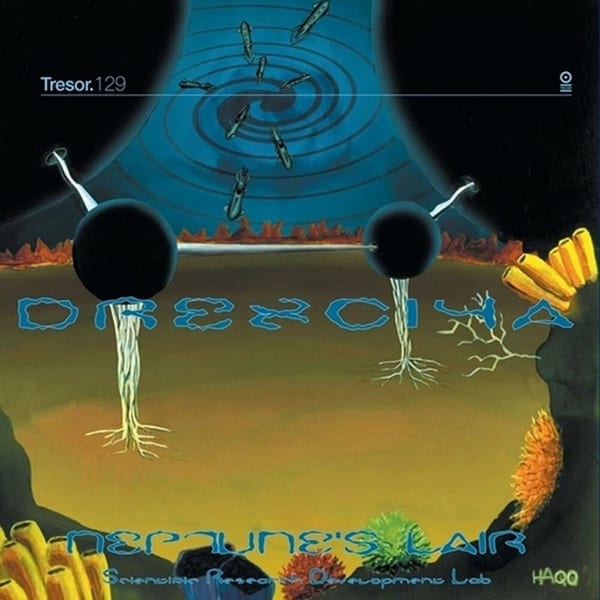
Be the first to rate—James Stinson and Gerald Donald built the mythology before the discography: an underwater nation descended from pregnant women thrown from slave ships, whose children learned to breathe water. Neptune's Lair, on Tresor in 1999, is where that finally got a full album to spread out in. Electro that is genuinely cold rather than nostalgic about coldness. Stinson died in 2002, in his early thirties, and the reissues have not stopped arriving since.
- 13
From the Far Future
Be the first to rate—Dixon works in the same subtractive mode as Robert Hood, with a warmer hand and a much stranger sense of space. "One Bedroom Apartment" and "Detroit Express" sound like recordings made in a city that has been emptied out. Tresor released it in March 2000. He has made two sequels and a great many other records since, and this is still where to start.
- 14

Just Ask the Lonely
Be the first to rate—Alex Omar Smith runs FXHE himself, presses his own vinyl and is famously unimpressed by nearly everyone else in dance music. This landed in January 2005 and is his loosest, warmest hour, house that keeps drifting toward something jazzier and then declining to arrive. The tracks run long because they were built for DJs, not for you on the bus.
- 15

F.T.N.W.O.
Be the first to rate—Sherard Ingram was Drexciya's touring DJ, a job James Stinson gave him along with the name and the balaclava, and he kept the electro line running at higher speed after Stinson died. F.T.N.W.O. came out on WéMè in 2012 and got its first vinyl reissue a decade later on his own Micron Audio. Song titles like "Denial Of Service" and "No Knock" tell you the subject: surveillance, money, the door coming in.
- 16

Paradise
Be the first to rate—Hood became an ordained minister in Detroit and then made gospel house out of it. Paradise, on M-Plant in 2013, is the record that turned Floorplan from side project into main event, built on handclaps and church samples. "Never Grow Old" runs on Aretha Franklin, recorded in a Los Angeles church in 1973.
The author of Minimal Nation making the most openly joyful music of his life is a better third act than most of his generation got.
- 17
Broken Knowz
Be the first to rate—Daniel's mother is Naomi Daniel, who sang on Planet E records in the early nineties, and he cut this one in her basement by playing drums into a multitrack for the first time. It swings badly on purpose, live and lopsided, closer to a session that keeps tripping over itself than to anything quantized. Ninja Tune's Technicolour released it in October 2016.
- 18
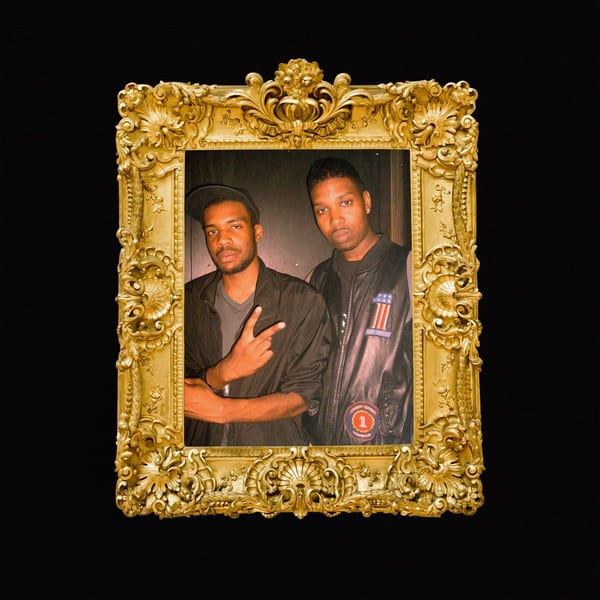
Crown
Be the first to rate—Hall was a teenager when Detroit started calling him the next one, and he has spent the years since ducking the promotion: raw drum programming, dub-damaged mixes, and a label in Wild Oats that puts out whatever he feels like putting out. Crown arrived in 2023 and is the most complete he has sounded. The lineage still runs through basements rather than institutions.


Explore the sound
Artists in this guide
Read next
Screamo: the canon, from Gravity Records to the 2026 revival
Skramz, not Warped Tour. Twenty-two records that hold the line from San Diego in 1994 to Brighton this March.
Where to start with Swans: seventeen albums, in the order you should hear them
Michael Gira has spent forty years making music that punishes casual listening. Chronological order is the worst way in.
Best city pop albums: eighteen records from the studio boom, 1977 to 2006
Sunshower to Tokyo Sniper, in order of release, with the session players and producers who actually built the thing.
The best albums of 2005: the year the blogs did the A&R
Nineteen records from the year Last.fm started keeping score and a band sold 125,000 albums out of an apartment.
Got your own ranking? Build a list or tier of your own.