Blog/Essay
Talk Talk's vanishing act: the band that quit pop and invented post-rock
They had the synth-pop hits. Then they spent them — on two albums so quiet and strange they had to invent a genre to hold them.
Riffiter2 min read
Talk Talk began the 1980s as a synth-pop band with chart hits like 'It's My Life,' then systematically abandoned everything that made them popular. Their final two albums — Spirit of Eden (1988) and Laughing Stock (1991) — are now seen as foundational post-rock, and as one of the great vanishing acts in music.
Most bands chase their hits. Talk Talk ran from theirs.
They started exactly where you'd expect a British band in 1982 to start: synthesizers, eyeliner, a sound built for radio. And it worked.
"It's My Life" and "Such a Shame" were genuine hits; for a moment Talk Talk sat on the shelf next to Duran Duran and nobody thought twice. Mark Hollis thought several times. With each record the band got quieter, slower, more organic — trading sequencers for real rooms and real silence.
The Colour of Spring (1986) was the pivot: still melodic, still successful, but breathing in a way pop wasn't supposed to. EMI must have thought they had a reliable act. What came next was a polite catastrophe.
The disappearing act
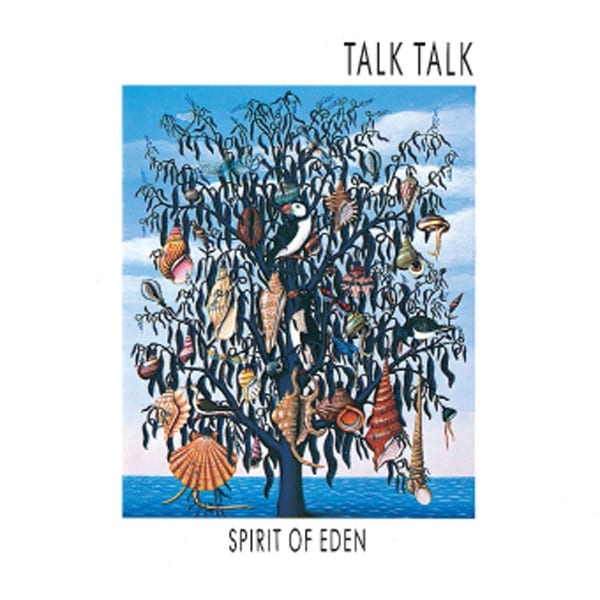
Spirit of Eden (1988) has no singles, because there's nothing on it a label could cut into one. Assembled from hours of improvisation in a darkened, candlelit studio, it drifts between near-silence and sudden swells, in no hurry to arrive anywhere. EMI were reportedly horrified; there was no tour, and lawsuits followed. It is also, quietly, one of the most beautiful records ever made.
Laughing Stock (1991) went further into the hush and then simply stopped — the band's final album, and one of the records most often credited, alongside Slint's Spiderland, with inventing post-rock. Mark Hollis made a single, even sparer solo album in 1998 and then walked away from music entirely. He died in 2019, having spent his last two decades saying nothing louder than his albums already had.
Talk Talk's arc is the rare one that runs toward silence. You'll meet Laughing Stock again among the greatest final albums, and the genre they helped father in our post-rock guide. Start at the hits above and listen forward — you can hear a band working out, in real time, that the bravest thing they could do was leave.
Discussion
Disagree? Have a better record in mind? Say it — top takes rise.
Sign in to join the discussion.
No one's weighed in yet. Go first.