

Stan Kenton
Stan Kenton is a jazz artist from United States formed in 1911. 183 releases are catalogued on Riffiter.
Jazz · United States · Best jazz albums
- 183
- Releases
- 1951–1979
- Active years
- 1911
- Formed
- 1979
- Died
Discography
162Rank them 1 vs 1 →Two covers at a time. Pick the one you rate higher, we build the order.
Most popular
Remastered Classics, Vol. 200, Stan Kenton
2022 · 25 tracks
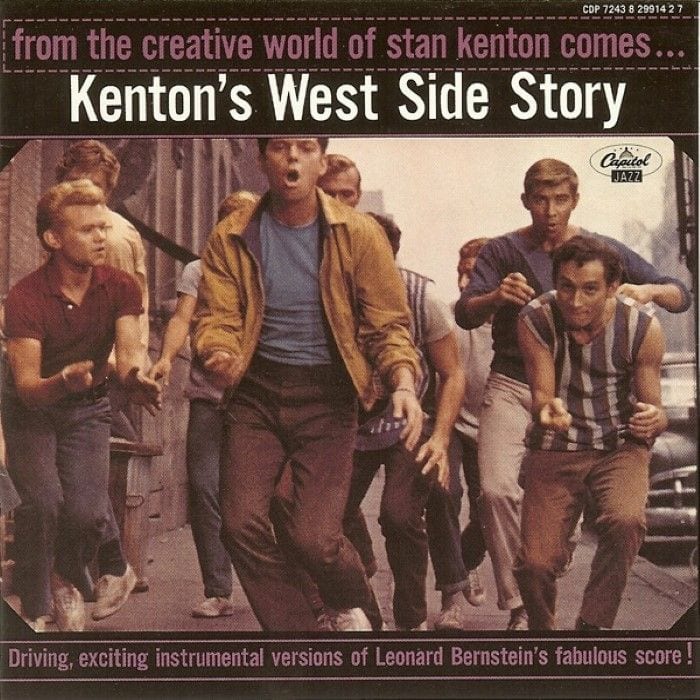
Kenton's West Side Story
1961
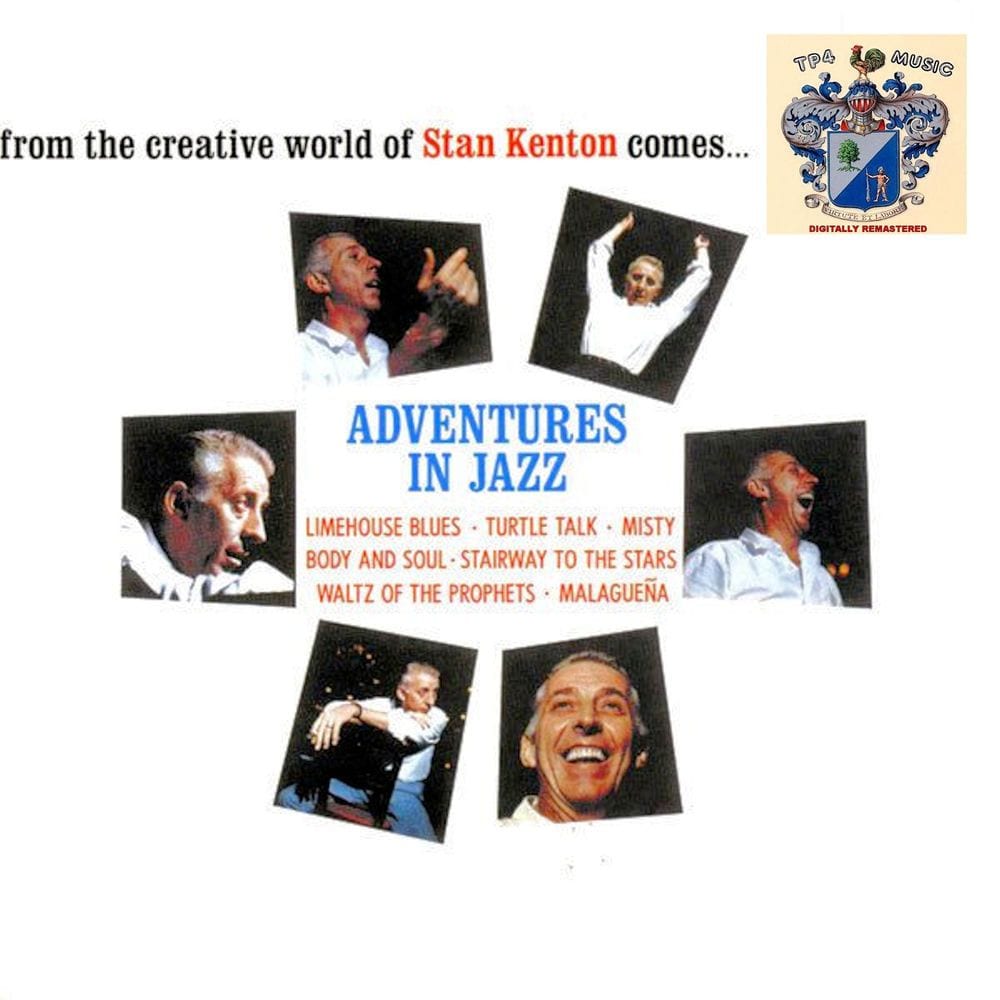
Adventures in Jazz
1999
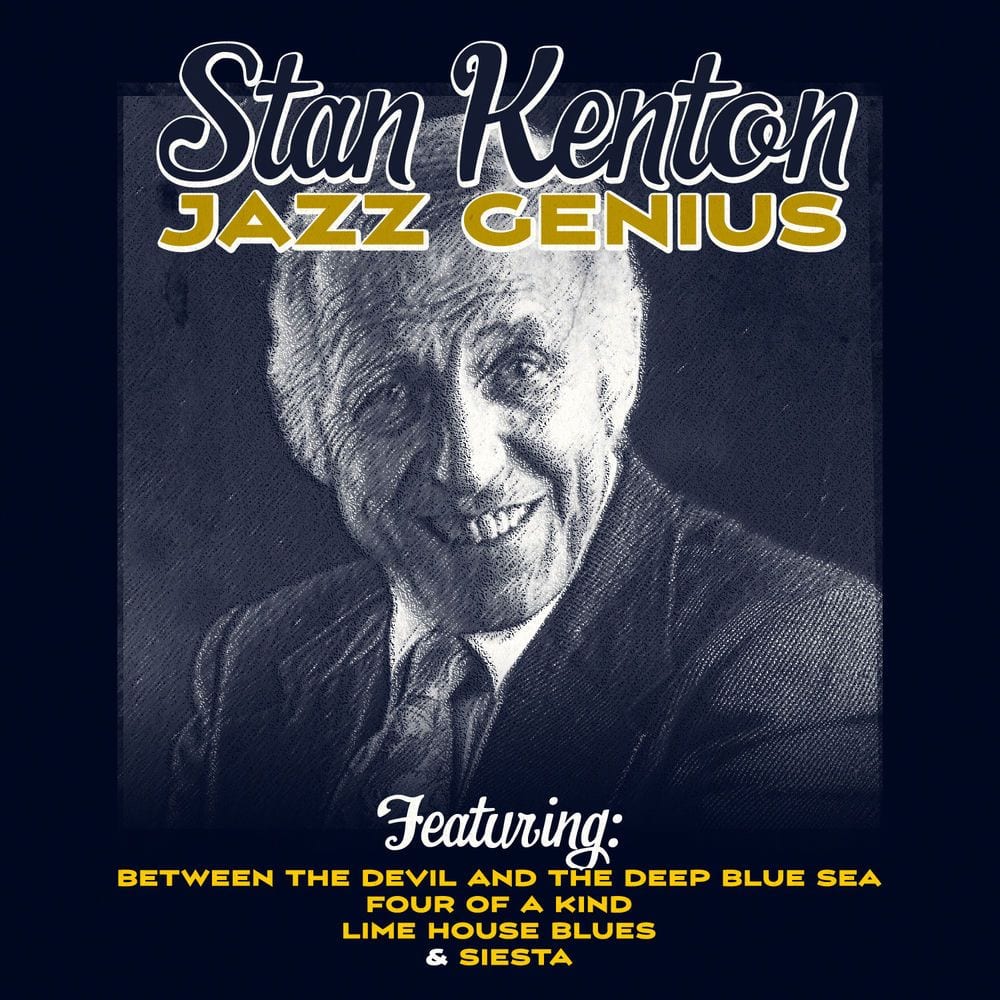
Stan Kenton - Jazz Genius
2016

I Love Big Bands
2015
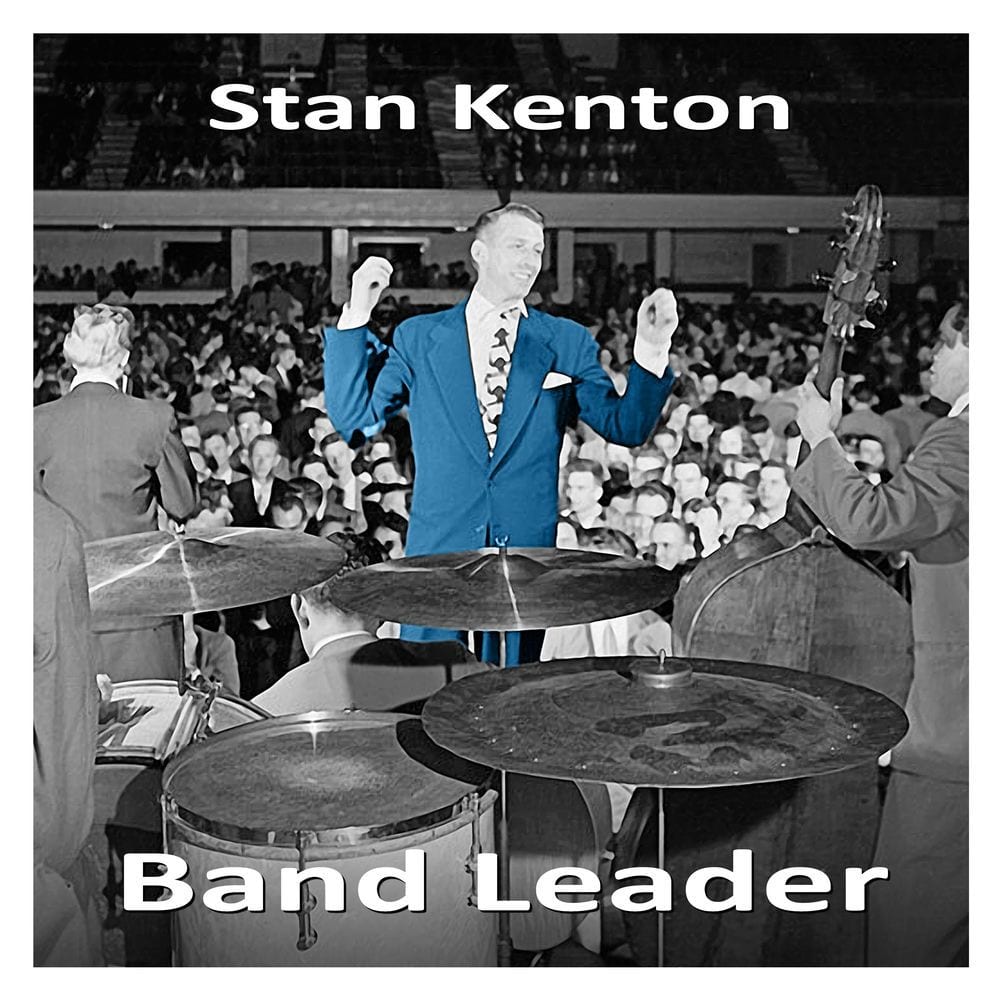
Band Leader
2015
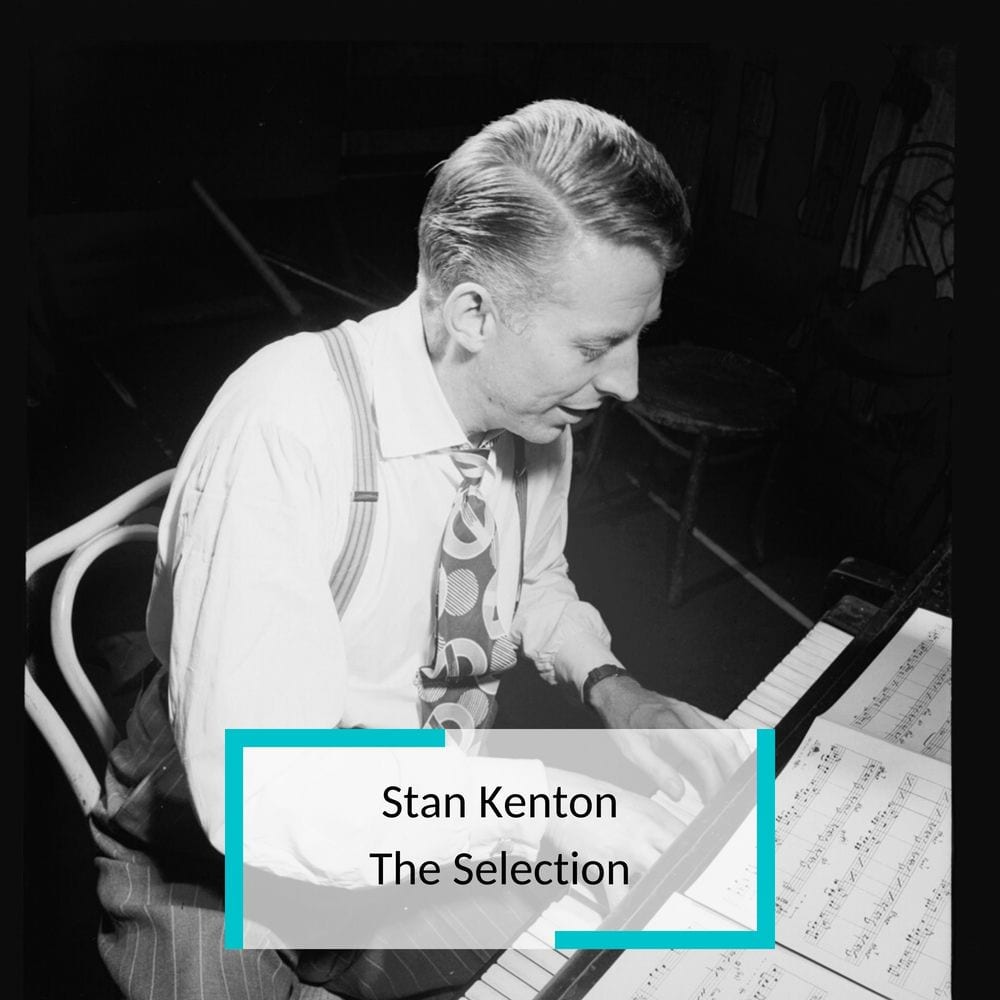
Stan Kenton - The Selection
2020
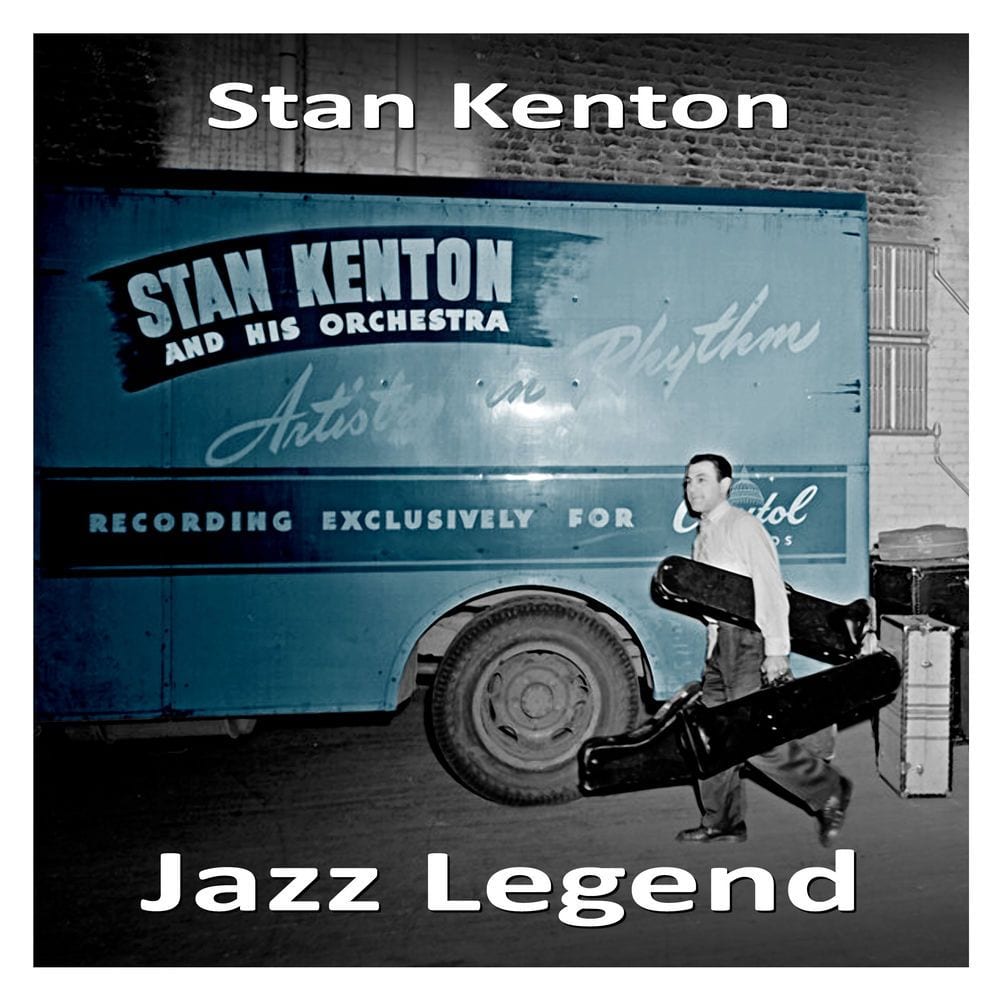
Jazz Legend
2015
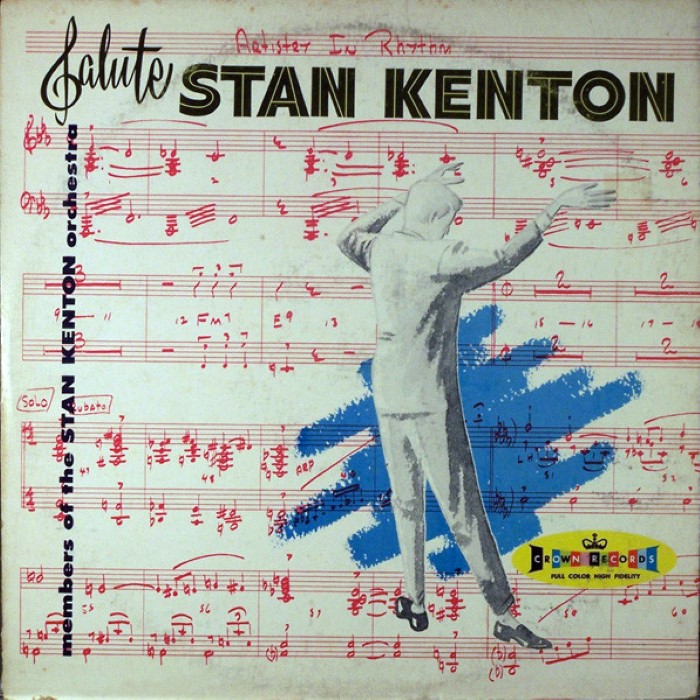
Artistry 2
-
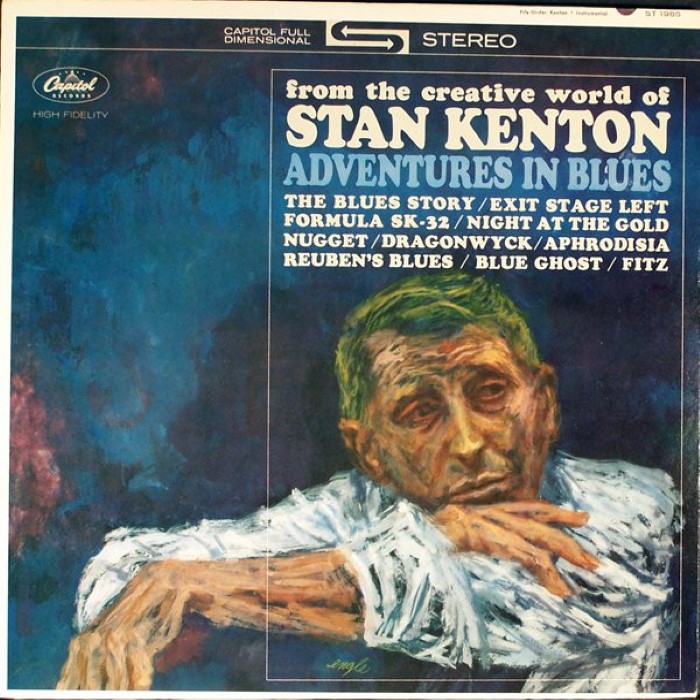
Adventures in Blues
-
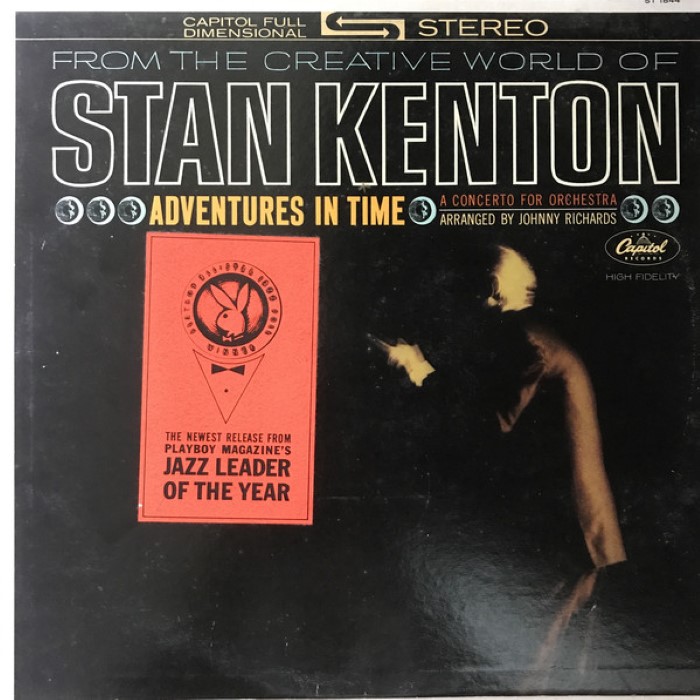
Adventures in Time
-
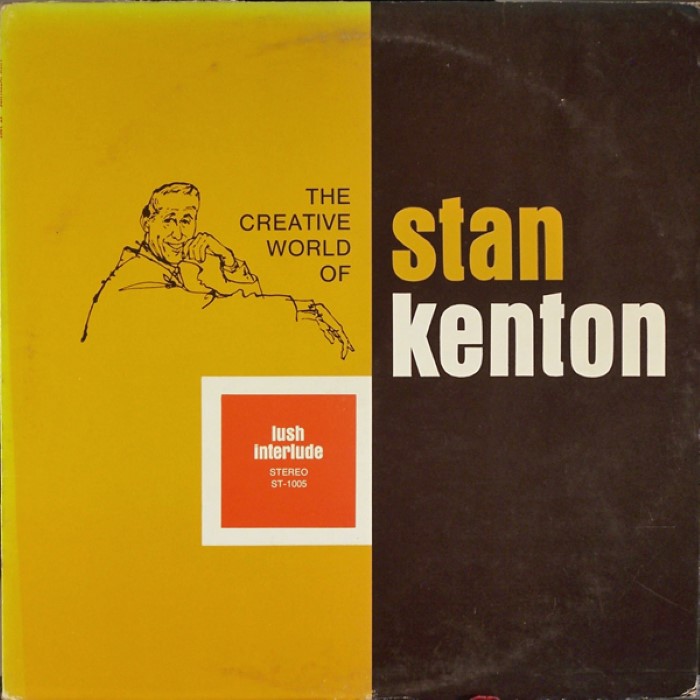
Lush Interlude
-

The Sound of Kenton: The Waze Clearwater Jazz Concert Series
2025

Stan Kenton: Cuba & Mambo - The Hi-Fi Fire Suite
2025

Clearwater '72
2025

Progressive Kenton
2025

That Holy Christmas Feeling
2024

Genius In Rhythm (Remastered 2024)
2024

Just Jazz Presents, Stan Kenton
2024

Classic Albums 1947-56
2024

Lullaby's of Broadway
2024

The Best Jazz, Stan Kenton
2024

Sophisticated Approach (Expanded Edition)
2023

Over the Rainbow (Remastered 2014)
2023
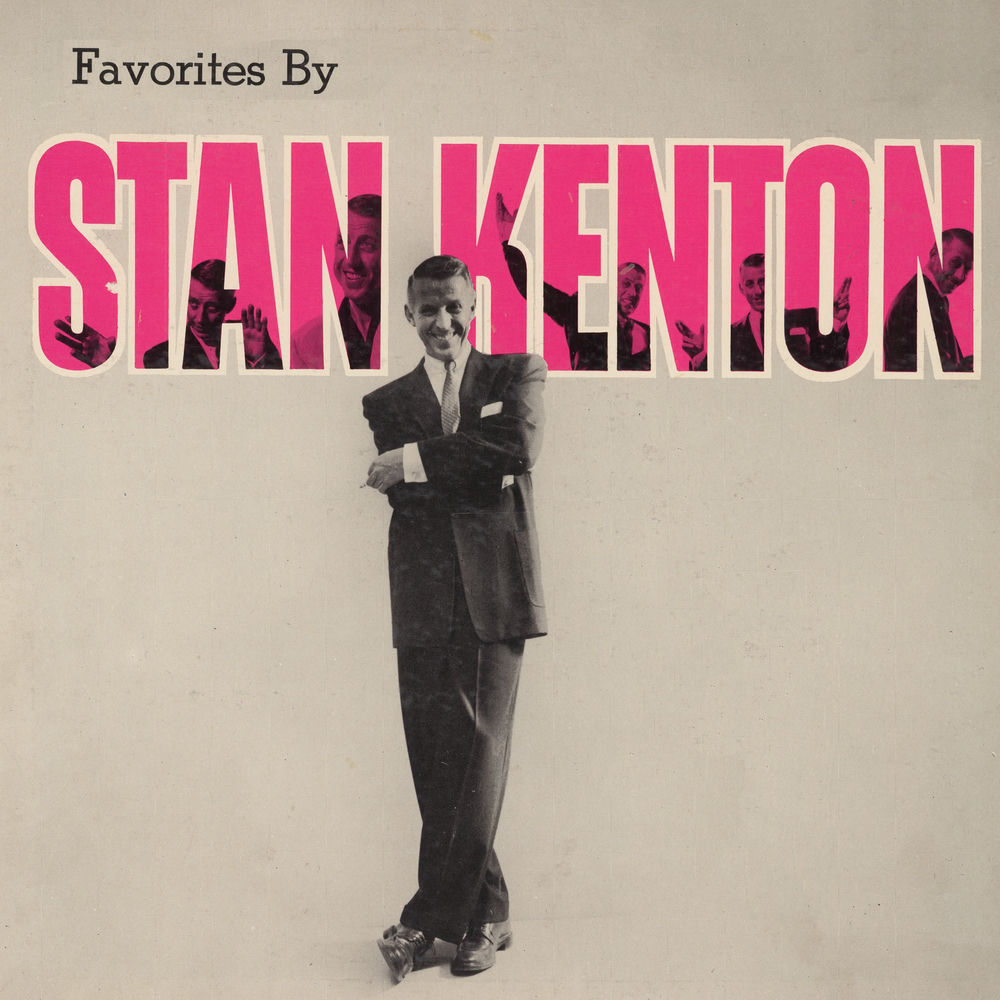
Favorites
2023

30 Hits of Stan Kenton
2023

Three of a Kind: Stan Kenton, Woody Herman, Benny Carter
2023

50 Hits of Stan Kenton
2023

Great Hits of Stan Kenton
2023

Kenton in Europe
2023

Just Stan Kenton
2023

Day Dream (Jazz Idols)
2023

Great Hits of Stan Kenton, Vol. 2
2023

40 Hits of Stan Kenton
2023

Just Stan Kenton, Vol. 2
2023

Three of a Kind: Stan Kenton, Tommy Dorsey, Woody Herman
2023

On the Street Where You Live
2023

30 More Hits of Stan Kenton
2023

Hits of Stan Kenton
2023

Three of a Kind: Stan Kenton, Woody Herman, Count Basie
2023

Three of a Kind: Woody Herman, Stan Kenton, Lionel Hampton
2023

Painted Rhythm
2023

Early Autumn
2023

10 Hits of Stan Kenton
2023

Artistry in Boogie
2023
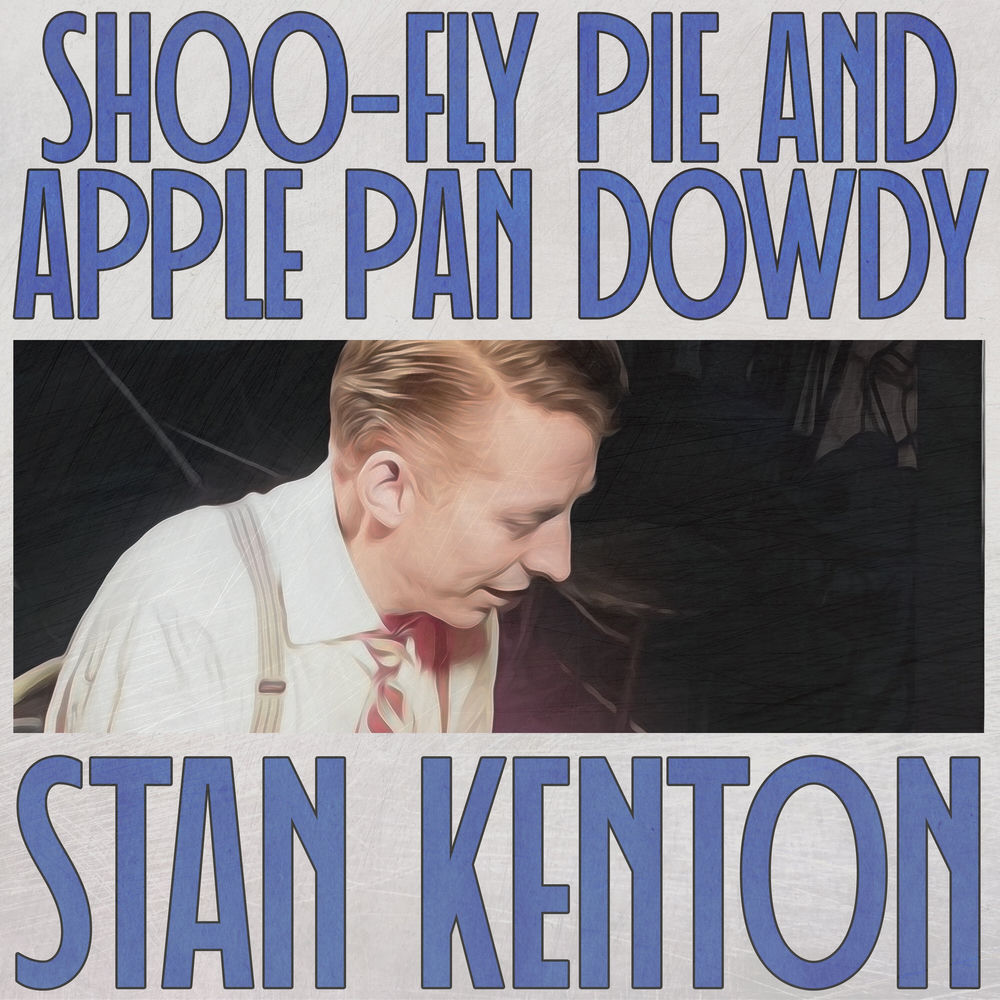
Shoo-Fly Pie and Apple Pan Dowdy
2023

Two of a Kind: Duke Ellington & Stan Kenton
2022

Stan Kenton - Vintage Sounds
2022

Christmas Medley
2022

Two of a Kind: Stan Kenton & Gene Krupa
2022

Two of a Kind: Stan Kenton & Billy May
2022

Two of a Kind: Maynard Ferguson & Stan Kenton
2022

20 Hits of Stan Kenton
2022

Two of a Kind: Stan Kenton & Woody Herman
2022

Sketches On Standards
2021

Four Classic Albums (The Ballad Style of Stan Kenton / Standards in Silhouette / The Romantic Approach / Sophisticated Approach) (
2021

The Romantic Approach (2021 Digitally Remastered)
2021

Southern Scandal - Stan Kenton
2021

On Stage in Vegas
2021

Innovations In Modern Music
2020

Finian's Rainbow
2020

Solid Gold Stan Kenton
2020

Cuban Fire!
2020

Best Collection Stan Kenton
2020

Jazz Infusion - Stan Kenton
2020

Platinum Selection
2020

Swing House
2019

Collection 1945-55
2019

All the Best
2019

Golden Hits
2019

Stan Kenton Plays 'West Side Story'
2019

Stan Kenton Conducts The Los Angeles Neophonic Orchestra
2019

Artistry In Voices And Brass (Expanded Edition)
2019

The Romantic Approach
2019

Back To Balboa
2019

Easy Go (The 1950-52 Jazz Band)
2019

Rendezvous With Kenton
2019

Stan Kenton Presents
2019

The Stan
2019

At the Holiday Ballroom
2018

The Classic Albums Collection: 1948-1962
2018
Mellophonium Memoirs
2017

Two Much!
2017
Kenton Celebration
2017

Gotta Be Gettin
2016

El Choclo
2016

Kings of Jazz
2015

Golden Hits By Stan Kenton Vol 1
2015

Golden Hits By Stan Kenton Vol 2
2015

City of Glass and This Modern World 1953
2015

On Easy Street
2015
Early Swing with Mann and Kenton
2015

Masters of Swing: Stan Kenton
2015

Jazz in Stereo
2015

Artistry in Rhythm (Remastered)
2015

Famous Hits
2015

Stan Kenton
2015

The Kenton Touch
2015
This Is An Orchestra
2014

Vinyl Vault Presents the Four Freshman and Stan Kenton
2014

Malibu Moonlight
2014

Grandes Orquestas
2014

Easy Songs
2014

City of Glass and This Modern World
2014

Artistry in Jazz
2014

Young Blood
2014

The Discovery of Jazz
2014

All that Jazz, Vol. 2: Stan Kenton
2014

Early Hours
2014

40 World Jazz Hits Vol 2
2014

STAN KENTON - WE WISH YOU A MERRY CHRISTMAS
2014
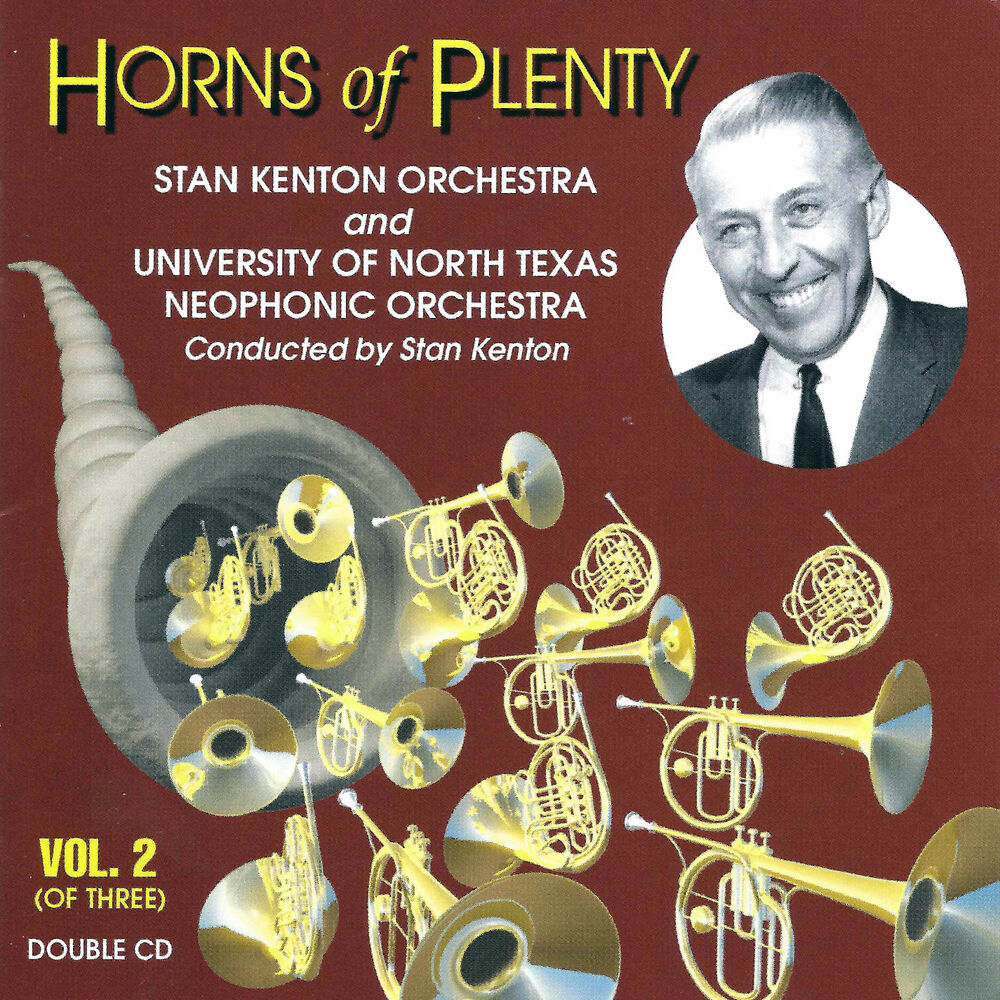
Horns Of Plenty Vol. 2
2014
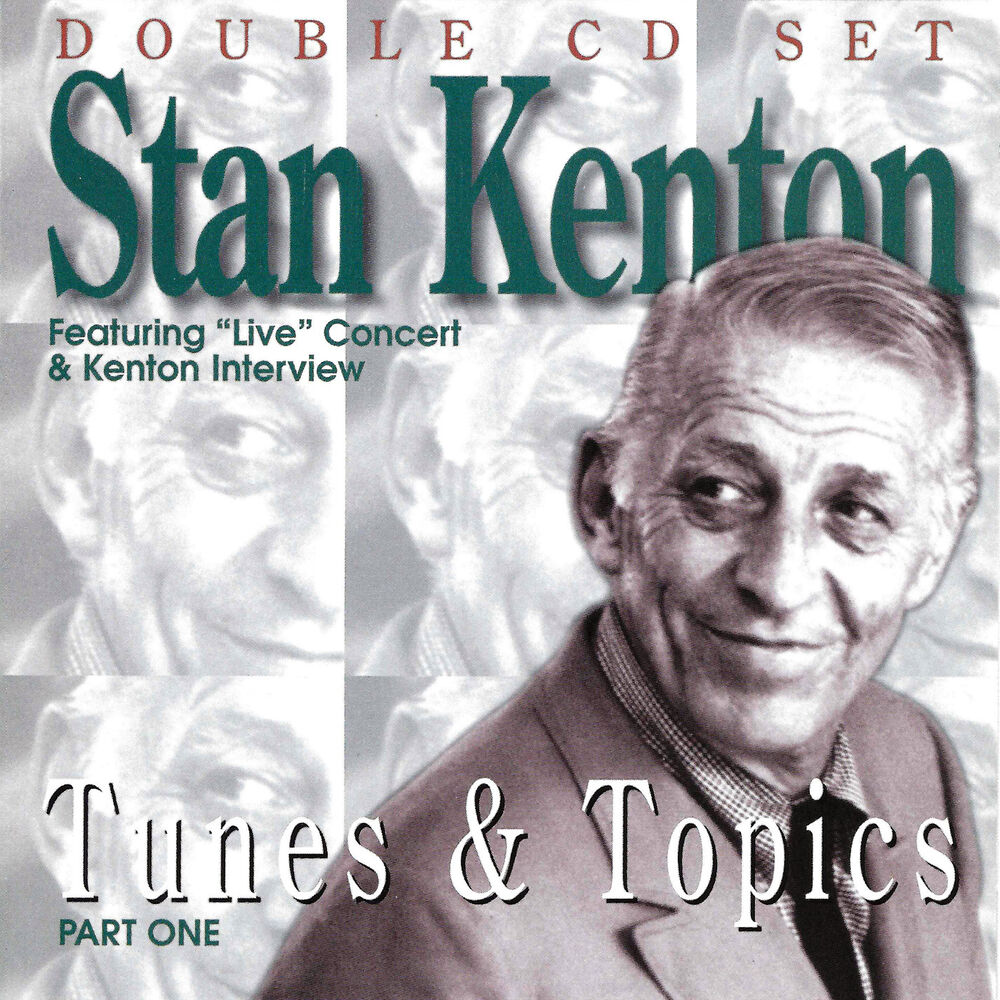
Tunes & Topics Part One
2014
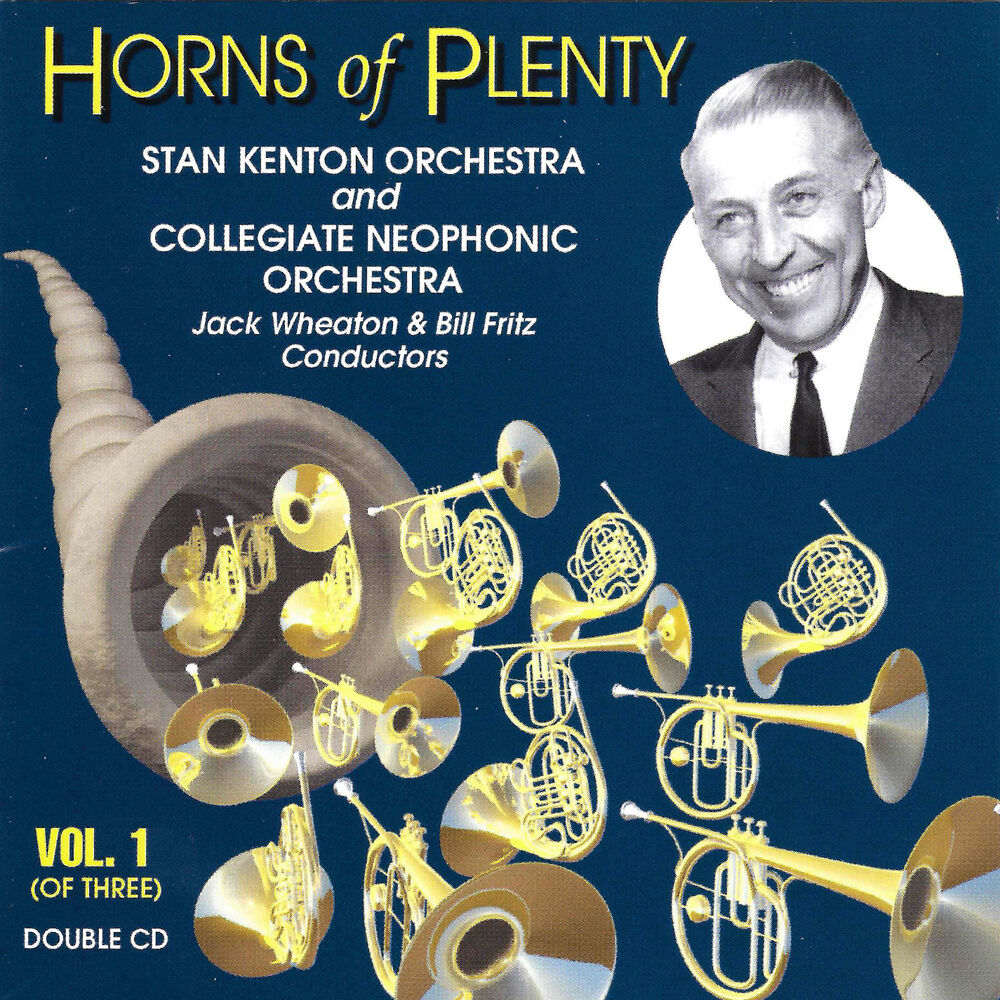
Horns Of Plenty Vol. 1
2014

Artistry in Rhythm: The Complete Kenton
2013

Kenton With Voices
2013

Stan Kenton - Stan Kenton - Lonely Woman (MP3 EP)
2013

Stan Kenton & His Orchestra Play West Side Story
2013

A Merry Christmas (Expanded Edition)
2013

The End of a Love Affair
2013

Merry Christmas
2013

West Side Story
2013

Limehouse Blues
2013
Las Mejores Orquestas Del Mundo Stan Kenton
2013

Somewhere
2013

Essential Piano Jazz
2012

100+ Classic Greats
2012

Christmas Days With Stan Kenton
2012
Stan Kenton Be Boppers
2012

Greatest Jazz Masters
2012

2012 American Choral Directors Association, Western Division (ACDA): Tesoro High School Madrigals & Box Elder High School Madrigal
2012

The Ballad Style Of Stan Kenton
2011

Jazz Masters: Stan Kenton
2011
Artistry In Bossa Nova
2011
Stan Kenton: 9th & Kenton
2010

January 30th, 1960 - Barstow, Ca
2010

Jazz Profile: Stan Kenton
2009

Fascinating Rhythm
2009

Duet (Expanded Edition)
2008

Ten Best
2008

The Formative Years
2007

Fire, Fury, and Fun
2007

The Jazz Compositions Of Dee Barton (Remastered)
2007
The Stage Door Swings
2005
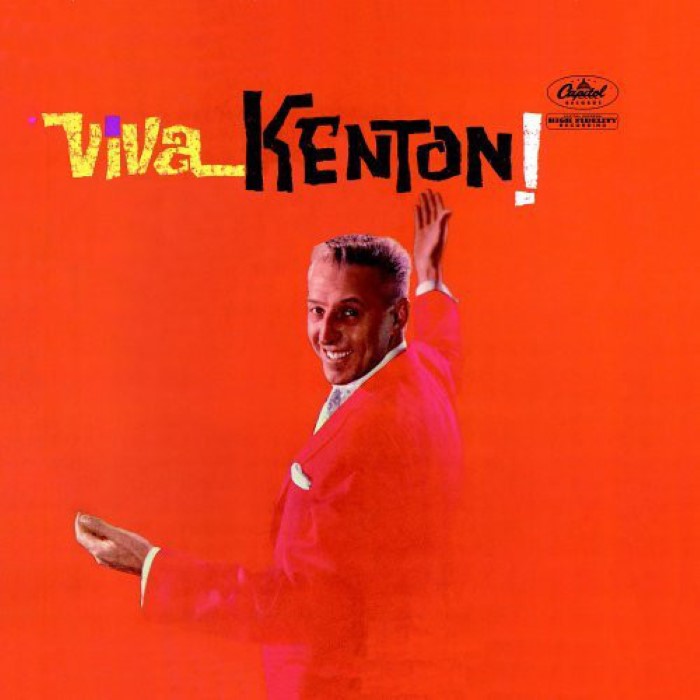
Viva Kenton!
2005

Kenton, Stan: Macgregor Transcriptions, Vol. 5 (1944-1945)
2004

Kenton, Stan: Macgregor Transcriptions, Vol. 3 (1941-1943)
2003

Kenton, Stan: Macgregor Transcriptions, Vol. 4 (1944)
2003
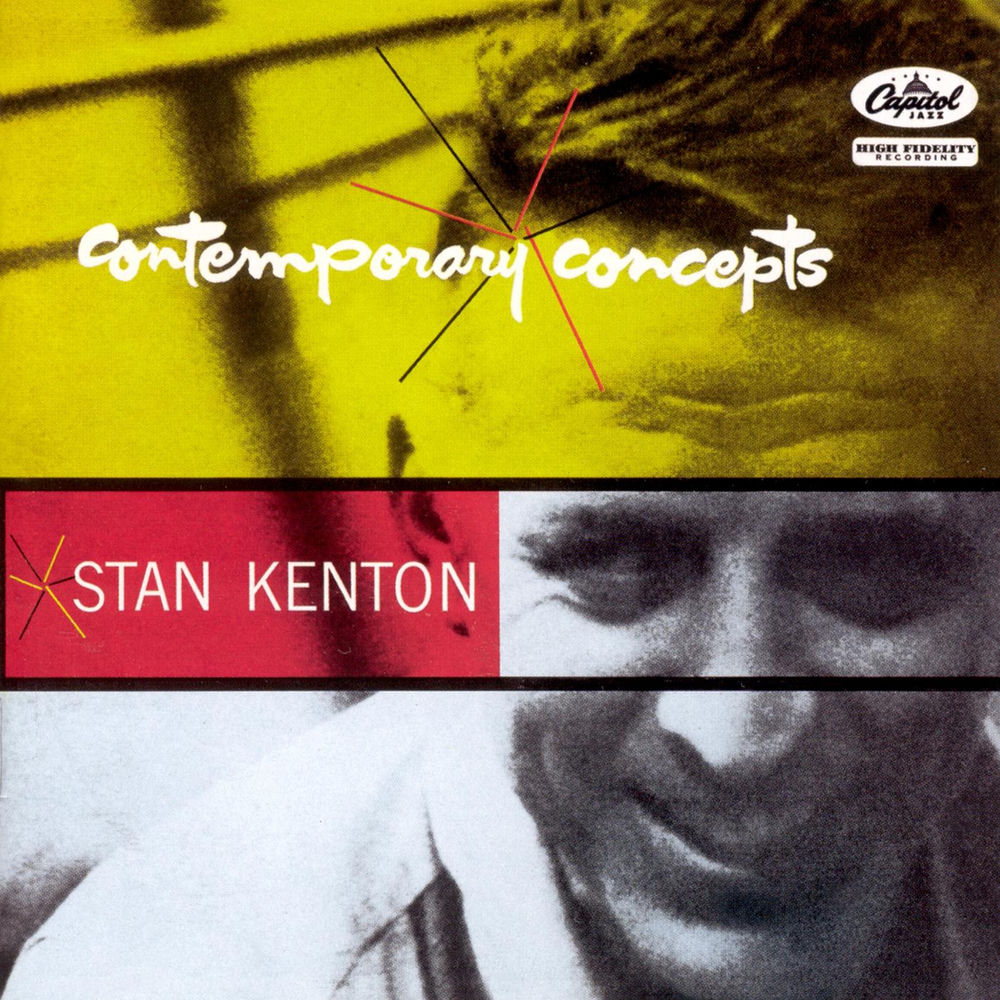
Contemporary Concepts (Expanded Edition)
2003

Kenton, Stan: Macgregor Transcriptions, Vol. 1 (1941)
2002
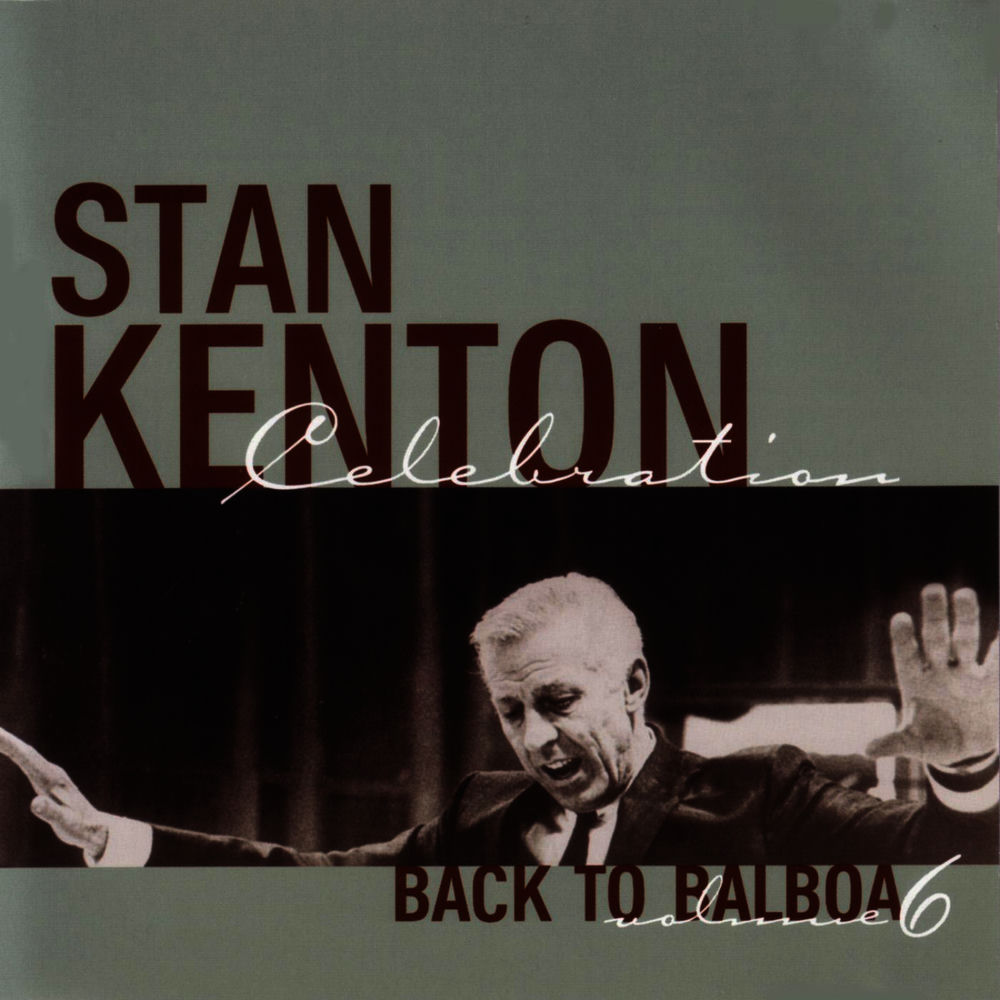
Celebration-Back To Balboa Volume 6
2001

Kenton, Stan: Macgregor Transcriptions, Vol. 2 (1941-1942)
2001

Kenton Showcase (Expanded Edition)
2000
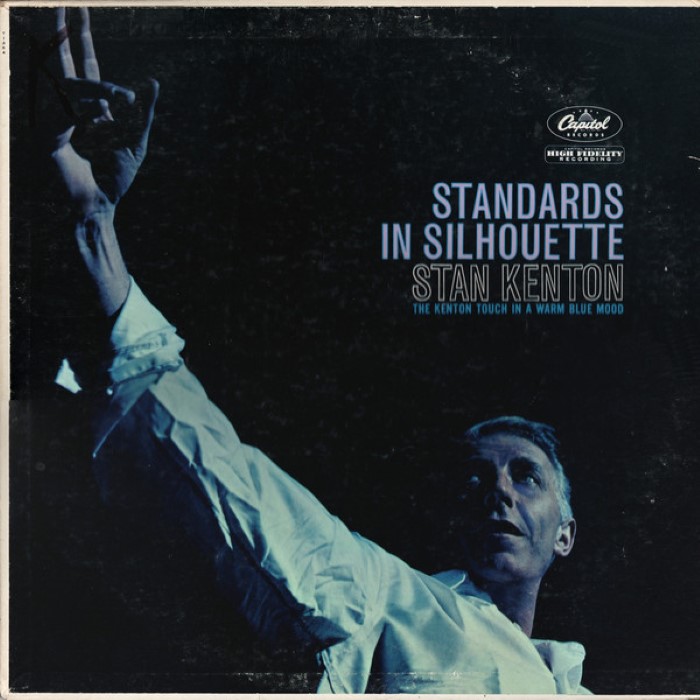
Standards in Silhouette
1998

Journey into Capricorn
1996

Street of Dreams
1996
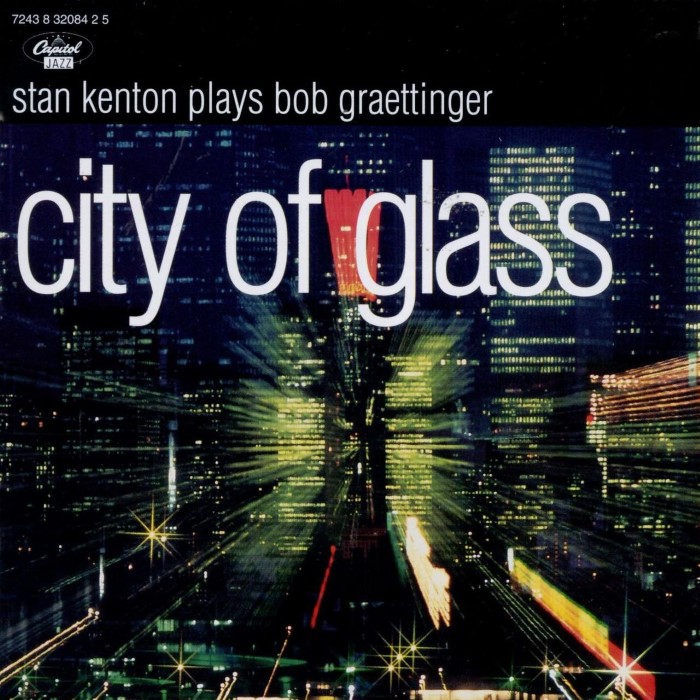
City of Glass
1995

Retrospective - The Capitol Years
1992
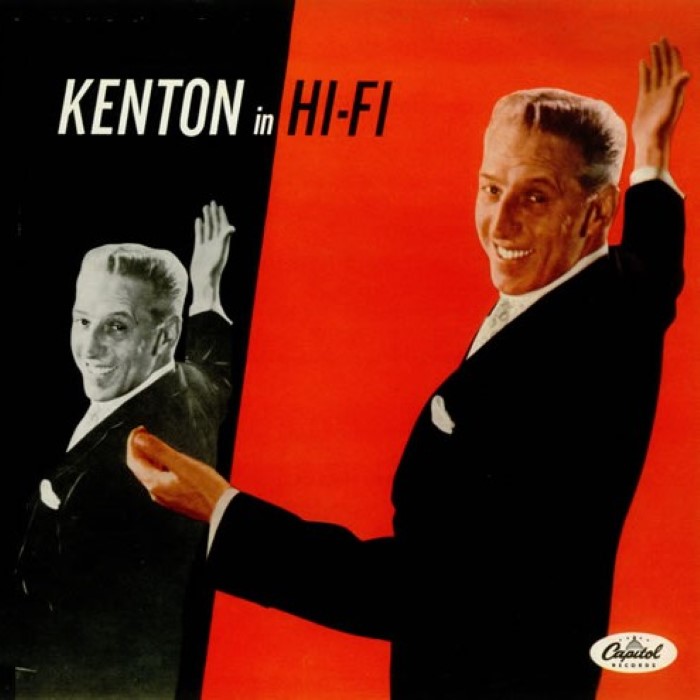
Kenton in HI-FI
1992

Concepts Of Artistry In Rhythm
1990
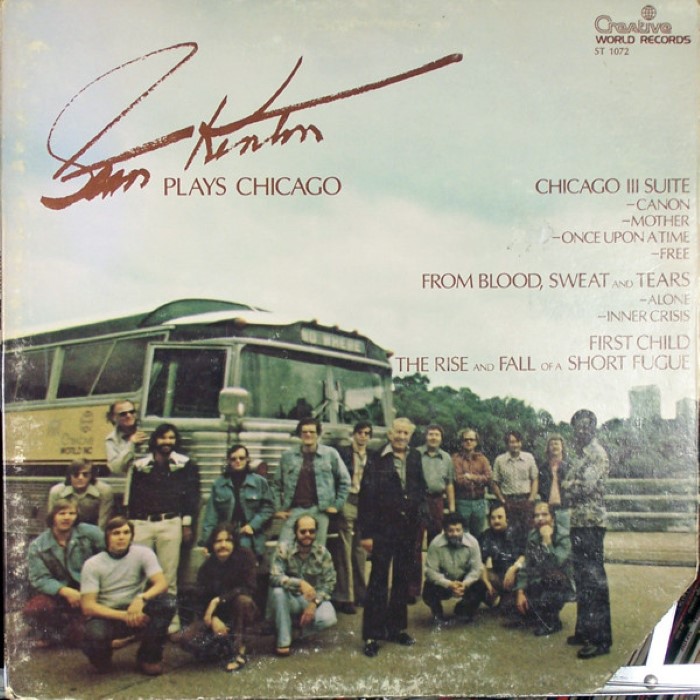
Stan Kenton Plays Chicago
1974
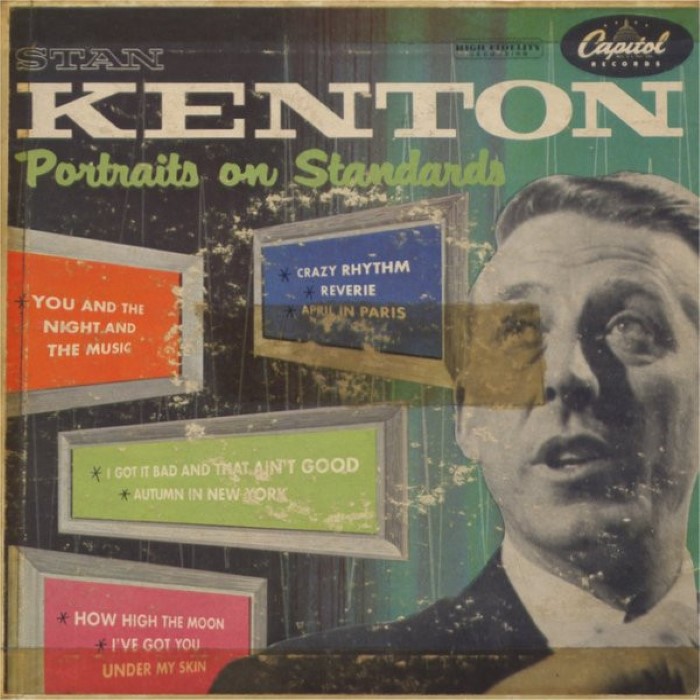
Portraits on Standards
1951


Singles & EPs
3


Live & compilations
18
Kenton Live from the Las Vegas Tropicana
Live · 2020

Lullaby of Broadway - Stan Kenton Plays the Best of Broadway (Remastered)
Compilation · 2019

Greatest Hits
Compilation · 2018
Tickle the Ivories: Classic Jazz Piano, Vol. 9
Compilation · 2012
Tickle the Ivories: Classic Jazz Piano, Vol. 12
Compilation · 2012
Tickle the Ivories: Classic Jazz Piano, Vol. 13
Compilation · 2012
Tickle the Ivories: Classic Jazz Piano, Vol. 7
Compilation · 2012
Tickle the Ivories: Classic Jazz Piano, Vol. 5
Compilation · 2012
Tickle the Ivories: Classic Jazz Piano, Vol. 1
Compilation · 2012
Tickle the Ivories: Classic Jazz Piano, Vol. 2
Compilation · 2012

Stan Kenton Greatest Hits
Compilation · 2011

Live at the Hollywood Palladium
Live · 2011

In Concert
Live · 2009
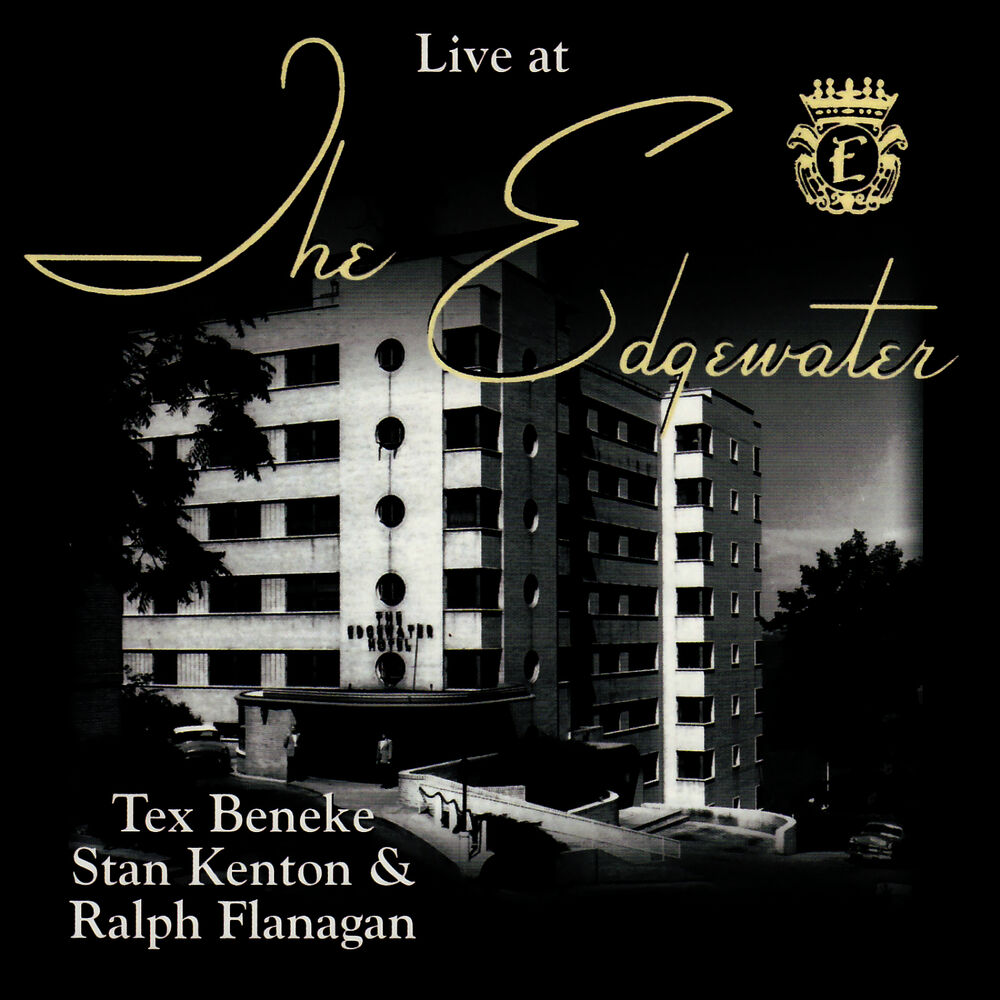
Live at The Edgewater with Tex Beneke, Stan Kenton & Ralph Flanagan
Compilation · 2008

Carnegie Hall ~ Oct. '51 (Live)
Live · 2000

The Best Of Stan Kenton
Compilation · 1995

50th Anniversary Celebration-Back to Balboa
Compilation · 1991

Summer Of '51
Compilation · 1987
Collaborators
1
Community
More about Stan Kenton
Stan Kenton at a glance
- Born in
- Wichita
- From
- United States
- Active since
- 1930
- Instruments
- piano
- Member of
- Stan Kenton and His Orchestra
- Labels
- Capitol Records, Decca
- Educated at
- Bell High School
Facts from Wikidata (CC0). Children listed are those with their own public record, so the list may be incomplete.
About
Stanley Newcomb Kenton (December 15, 1911 August 25, 1979) led a highly innovative, influential, and often controversial American jazz orchestra. In later years he was widely active as an educator. Origins Stan Kenton was born in Wichita, Kansas, and raised first in Colorado and then in California. He learned piano as a child, and while still a teenager toured with various bands. In June 1941 he formed his own band, which developed into one of the best-known West Coast ensembles of the Forties. Music Kenton's musical aggregations were decidedly "orchestras." Sometimes consisting of two dozen or more musicians at once, they produced an unmistakable Kenton sound--as recognizable as that of the bands of Glenn Miller, Duke Ellington, or Count Basie.
Read moreRead less
So large an orchestra was able to produce a tremendous, at times overpowering, volume in the dance and concert halls of the land; among musical conservatives it developed a reputation for playing strange-sounding pieces much too loudly, and indeed one comical MC introduced Stan Kenton as "Cant Standit." A Kenton specialty was Afro-Cuban rhythm, as exported to North America by such bandleaders as Machito (whose brass and reed sound, in turn, began to show the influence of Kenton). Translated into the Kenton idiom, however, the Latin rhythms might be scored for a full panoply of percussion instruments: tympani, bongos, conga, timbales, claves, and maracas. This component of Kenton's work may be heard on the 1947 recording "Machito" and on the album Cuban Fire, still in print after more than fifty years of ceaseless change in popular music. Many of Kenton's band arrangements were written by Kenton himself, as well as other composers and arrangers such as Gene Roland, Pete Rugolo, W. A. Mathieu, Johnny Richards, Lennie Niehaus, Gerry Mulligan, Hank Levy, Bill Russo, Dee Barton, Bill Holman, Shorty Rogers, Ken Hanna, and Bob Graettinger (ref. his formidable but fascinating "City of Glass"). The music, which could be intensely dissonant, made use of powerful brass sections and unconventional saxophone voicings that showed Kenton's love of experimenting, reflected in the names he gave his ensembles: "Innovations Orchestra," "Neophonic Orchestra," and "Mellophonium Orchestra." Kenton's theme song from the early days to the last was called, significantly, "Artistry in Rhythm." It was owing in part to Kenton's ambitious musical nomenclature that many critics dismissed his work as mannered and pretentious. But apart from recording a few dance-band albums (Kenton's men could play standards beautifully), he avoided compromising his idea of jazz to please either critics or public. Career Kenton played in the 1930s in the dance bands of Vido Musso and Gus Arnheim, but he was born to be a leader. In 1941 he formed his first orchestra, which later was named after his theme song "Artistry in Rhythm." A decent Earl Hines-influenced pianist, Kenton was much more important in the early days as an arranger and inspiration for his loyal sidemen. Although there were no major names in his first band (bassist Howard Rumsey and trumpeter Chico Alvarez come the closest), Kenton spent the summer of 1941 playing regularly before a very appreciative audience at the Rendezvous Ballroom in Balboa Beach, CA. Influenced by Jimmie Lunceford (who, like Kenton, enjoyed high-note trumpeters and thick-toned tenors), the Stan Kenton Orchestra struggled a bit after its initial success. Its Decca recordings were not big sellers and a stint as Bob Hope's backup radio band was an unhappy experience; Les Brown permanently took Kenton's place. By late 1943 with a Capitol contract, a popular record in "Eager Beaver," and growing recognition, the Stan Kenton Orchestra was gradually catching on. Its soloists during the war years included Art Pepper, briefly Stan Getz, altoist Boots Mussulli, and singer Anita O'Day. By 1945 the band had evolved quite a bit. Pete Rugolo became the chief arranger (extending Kenton's ideas), Bob Cooper and Vido Musso offered very different tenor styles, and June Christy was Kenton's new singer; her popular hits (including "Tampico" and "Across the Alley From the Alamo") made it possible for Kenton to finance his more ambitious projects. Calling his music "progressive jazz," Kenton sought to lead a concert orchestra as opposed to a dance band at a time when most big bands were starting to break up. By 1947 Kai Winding was greatly influencing the sound of Kenton's trombonists, the trumpet section included such screamers as Buddy Childers, Ray Wetzel, and Al Porcino, Jack Costanzo's bongos were bringing Latin rhythms into Kenton's sound, and a riotous version of "The Peanut Vendor" contrasted with the somber "Elegy for Alto." Kenton had succeeded in forming a radical and very original band that gained its own audience. In 1949 Kenton took a year off. In 1950 he put together his most advanced band, the 39-piece Innovations in Modern Music Orchestra that included 16 strings, a woodwind section, and two French horns. Its music ranged from the unique and very dense modern classical charts of Bob Graettinger to works that somehow swung despite the weight. Such major players as Maynard Ferguson (whose high-note acrobatics set new standards), Shorty Rogers, Milt Bernhart, John Graas, Art Pepper, Bud Shank, Bob Cooper, Laurindo Almeida, Shelly Manne, and June Christy were part of this remarkable project, but from a commercial standpoint, it was really impossible. Kenton managed two tours during 1950-1951 but soon reverted to his usual 19-piece lineup. Then quite unexpectedly, Kenton went through a swinging period. The charts of such arrangers as Shorty Rogers, Gerry Mulligan, Lennie Niehaus, Marty Paich, Johnny Richards, and particularly Bill Holman and Bill Russo began to dominate the repertoire. Such talented players (in addition to the ones already named) as Lee Konitz, Conte Candoli, Sal Salvador, Stan Levey, Frank Rosolino, Richie Kamuca, Zoot Sims, Sam Noto, Bill Perkins, Charlie Mariano, Mel Lewis, Pete Candoli, Lucky Thompson, Carl Fontana, Pepper Adams, and Jack Sheldon made strong contributions. The music was never predictable and could get quite bombastic, but it managed to swing while still keeping the Kenton sound. Controversy Critics of Kenton have not limited their attacks to his music only. In 1956, when the band returned from its European trip, the Critics Poll in Down Beat reflected victories by Negroes in virtually every category. The Kenton band was playing in Ontario, Canada, at the time, and Stan dispatched a telegram which brought near apoplexy to critic Leonard Feather. The telegram lamented "a new minority, white jazz musicians," and stated Kenton's "complete and total disgust [with the] literary geniuses of jazz." Feather, alone of all the critics, took up his cudgel to answer and attack Kenton. In the October 3, 1956, issue he wrote an open letter which distorted Kenton's words, and in the heat of anger (though he claimed it was sorrow) he questioned Kenton's racial views, his alleged disparagement of Negro leaders like Duke Ellington, Count Basie and Dizzy Gillespie. Feather inferred that Kenton's failure to win the Critics Poll was the major reason for the complaint; that there had been a prejudice for many years and now it had to be expressed; that Kenton had not hired enough Negro musicians over the years. All points except the last were based on conjecture, and events preceding and following Feather's complaint have shown how ridiculous they were. The latter point was based on a poor or prejudiced memory of the writer, for in noting the presence of only a handful of Negroes in Kenton's band he overlooked at least five times as many others who have played with or been aided by Kenton. (The night that Kenton sent the telegram there were two Negroes playing in the trombone section.) Not least among these would be Charlie Parker and, particularly, Art Tatum, who was given more exposure on a Kenton sponsored tour than he ever received elsewhere. Feather's weak memory tore his thesis to threads. In reality, every musician who has ever played with Kenton will tell you that he has been a staunch defender of the Negro's place in jazz and that he has fought just as violently against the Crow-Jim concept of some Negroes that jazz is their music alone. As critic Ralph J. Gleason wrote, also in Down Beat, Feather's verdict was passed on Kenton ". . without, unfortunately, any public statement from the only musicians really in a position to know." Again, unfortunately, it took critic Feather four years to realise his error, for it was not until August, 1960, that he took stock and tried to clear the scene.Kenton later was asked if Feather had apologised for his article before the jazz world in Down Beat. The answer was: "Yes: I think it was on the back page of the Pittsburg Inquirer ." Kenton was pointing to the irony that Feather had created a great tempest, and no matter how apologetic the critic would be he had created great ill-feeling, and there is still much of that prejudice-in-reverse by Negro musicians toward Stan. Nearly three years before this, in the December 16, 1953, issue of Down Beat, critic Nat Hentoff had written that ". . . Stan is as free from prejudice of any kind as any man I know," Later years Kenton's last successful experiment was his mellophonium band of 1960-1963. Despite the difficulties in keeping the four mellophoniums (which formed their own separate section) in tune, this particular Kenton orchestra had its exciting moments. However from 1963 on, the flavor of the Kenton big band began to change. Rather than using talented soloists, Kenton emphasized relatively inexpensive youth at the cost of originality. While the arrangements (including those of Hank Levy) continued to be quite challenging, after Gabe Baltazar's "graduation" in 1965, there were few new important Kenton alumni (other than Peter Erskine and Tim Hagans). For many of the young players, touring with Kenton would be the high point of their careers rather than just an important early step. Kenton Plays Wagner (1964) was an important project, but by then the bandleader's attention was on jazz education. By conducting a countless number of clinics and making his charts available to college and high-school stage bands, Kenton insured that there would be many bands that sounded like his, and the inverse result was that his own young orchestra sounded like a professional college band! Kenton continued leading and touring with his big band up until his death in 1979.
Stan Kenton in brief
- How many Stan Kenton releases are on Riffiter?
- 183 releases are catalogued, spanning 1951 to 2025.
- When was Stan Kenton formed?
- Stan Kenton formed in 1911, in United States.
- What genre is Stan Kenton?
- Stan Kenton is catalogued under Jazz, Swing, Big Band.
- What is the most recent Stan Kenton release on Riffiter?
- The Sound of Kenton: The Waze Clearwater Jazz Concert Series, released in 2025.


