

Artist
Freddie Hubbard
Freddie Hubbard is a jazz artist from Indianapolis, Indiana, USA. 57 releases are catalogued on Riffiter.
Jazz · Indianapolis, Indiana, USA · Best jazz albums
- 57
- Releases
- 1961–2021
- Active years
Discography
57
Most popular
Red Clay
1970 · 6 tracks
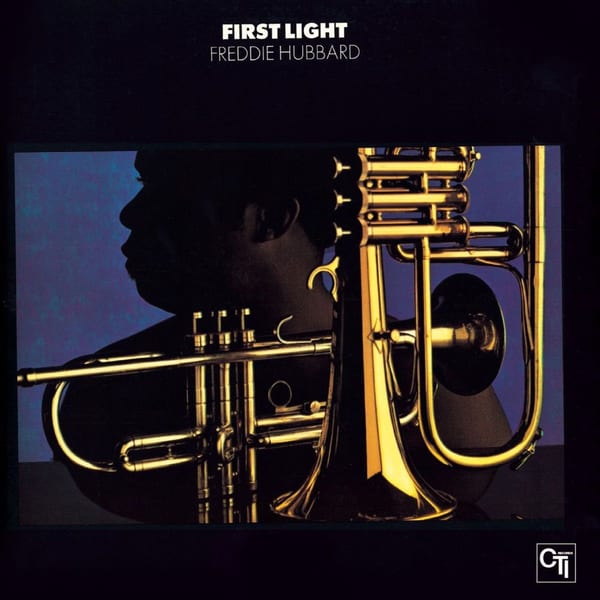
First Light
1971
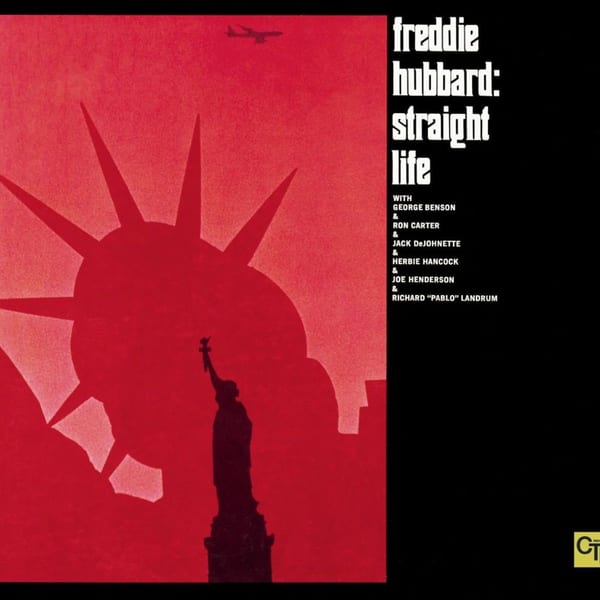
Straight Life
1971
A Soul Experiment
1969
The Body & The Soul
1964
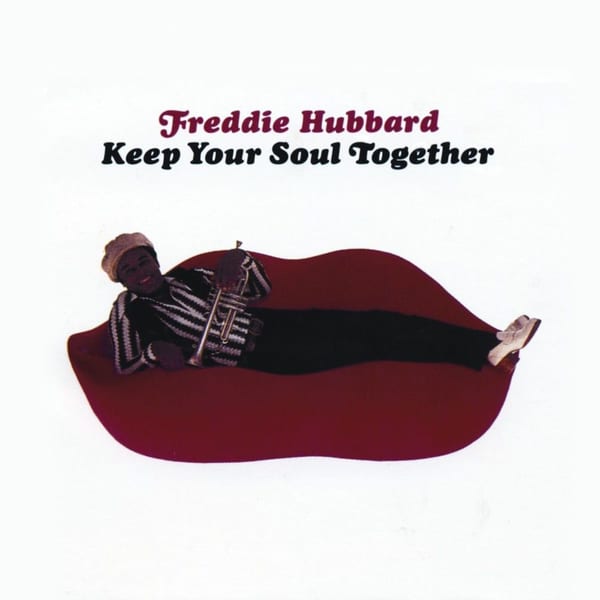
Keep Your Soul Together
1973
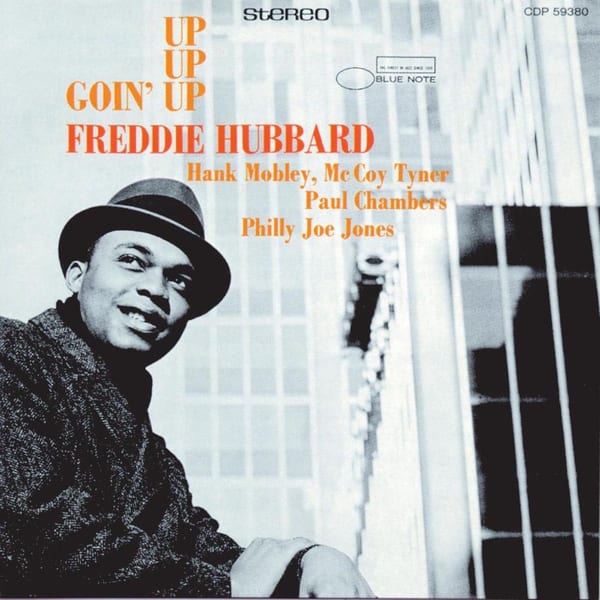
Goin' Up
1961
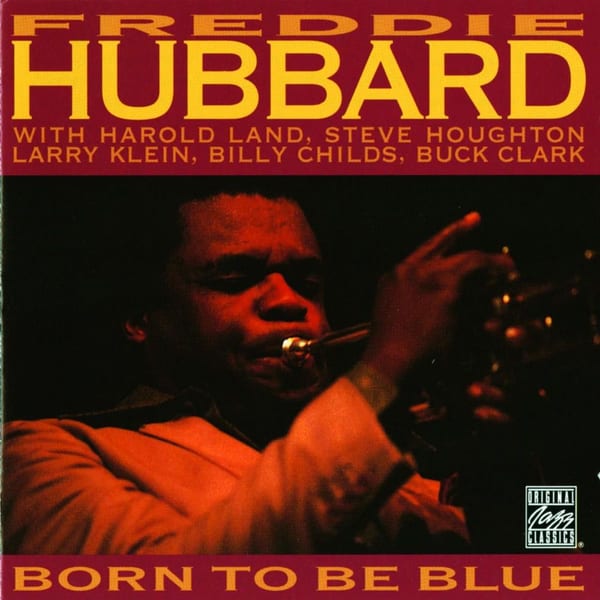
Born to Be Blue
1981
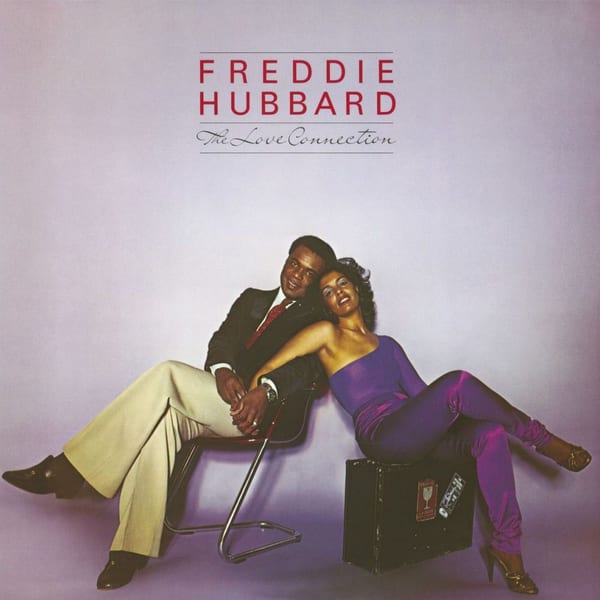
The Love Connection
1979
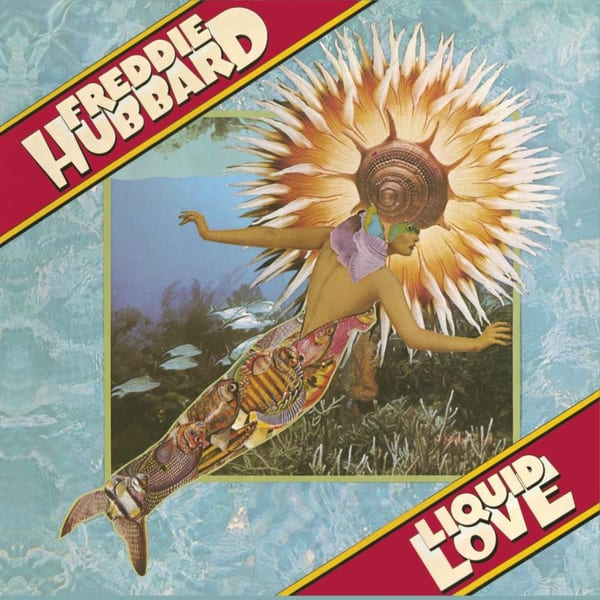
Liquid Love
1975
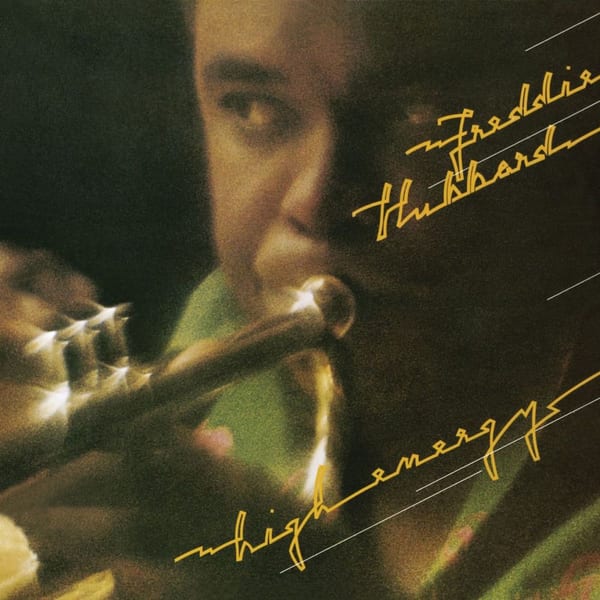
High Energy
1974
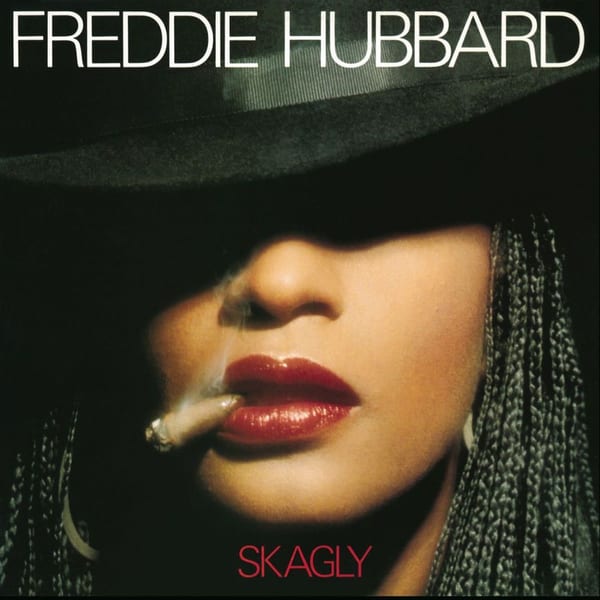
Skagly
1980
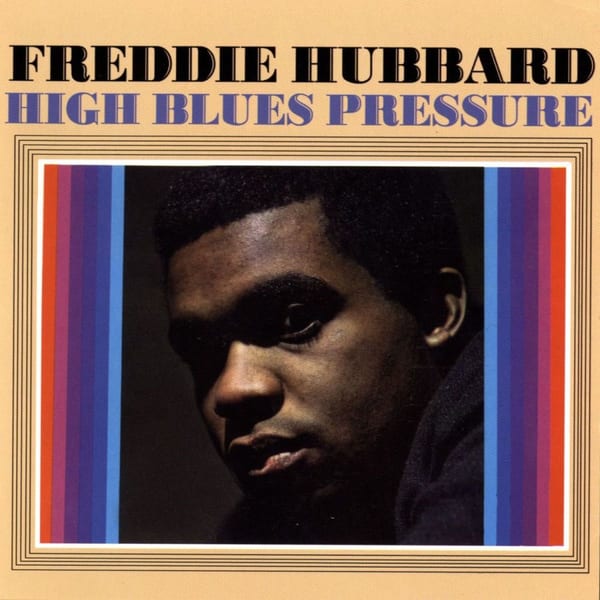
High Blues Pressure
1968
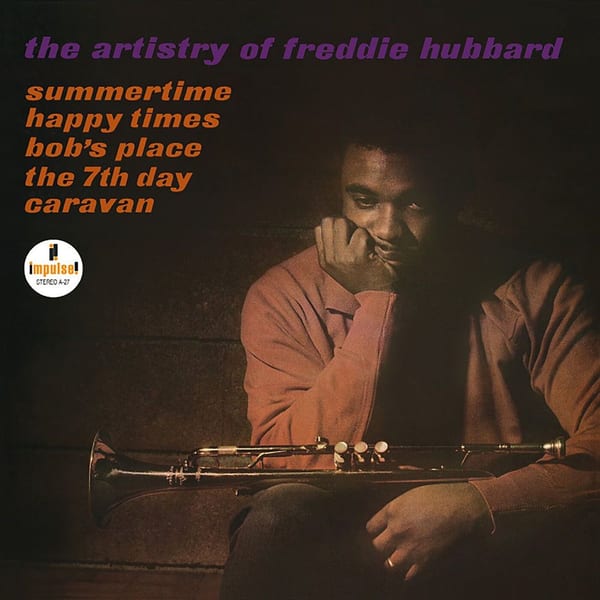
The Artistry of Freddie Hubbard
1963

Hub Cap
2021
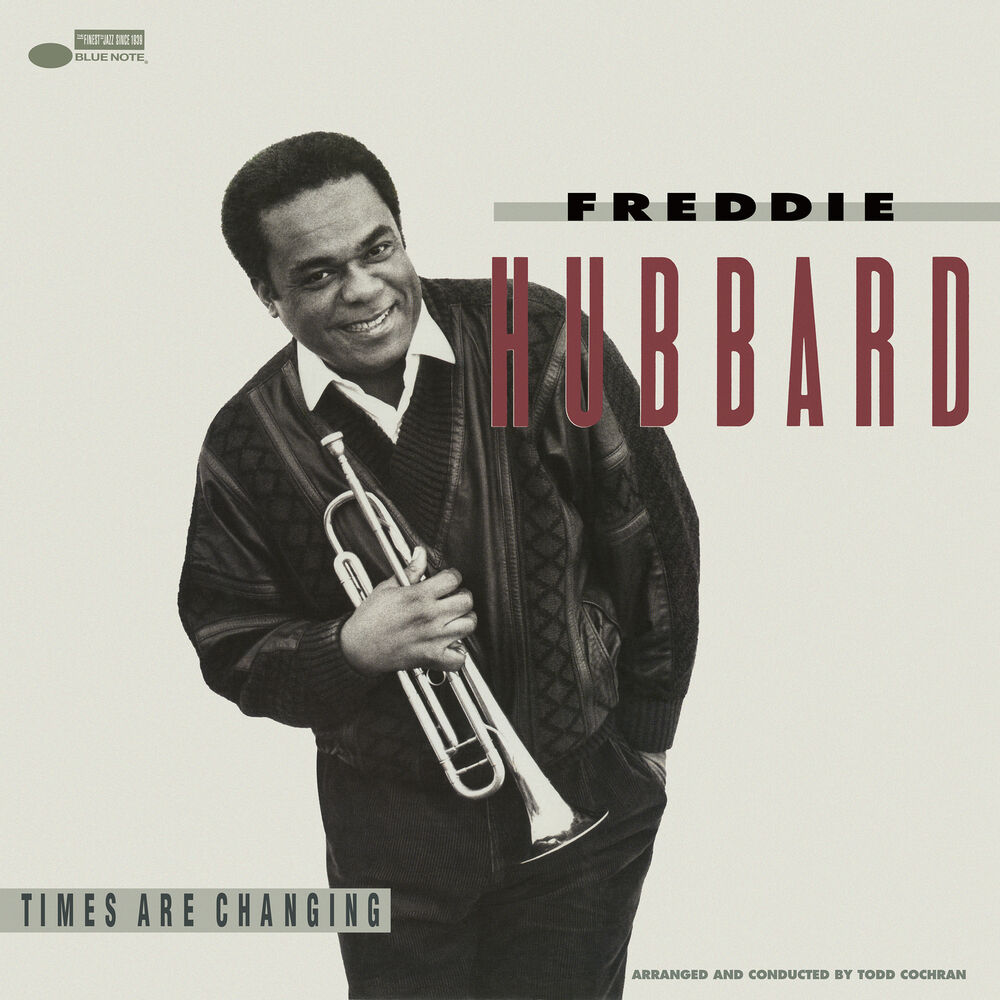
Times Are Changing
2020

Open Sesame (The Rudy Van Gelder Edition)
2018
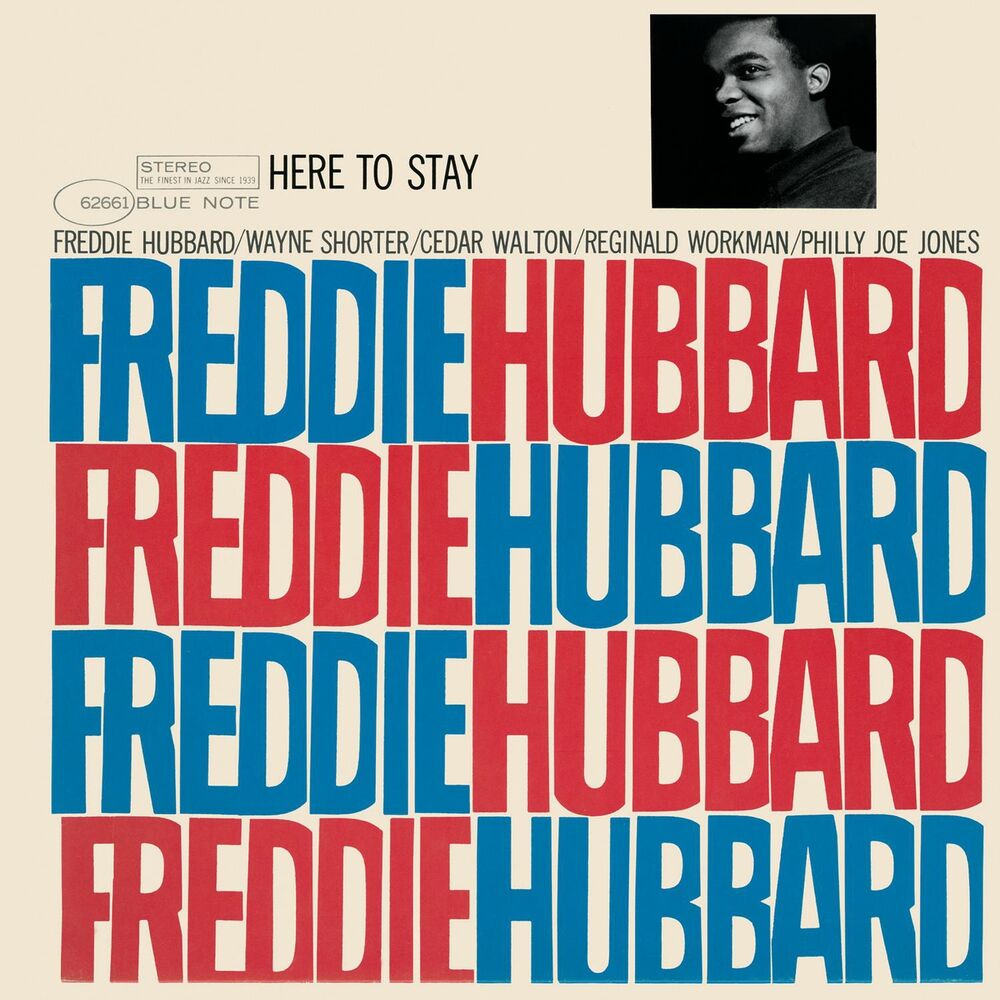
Here To Stay
2017
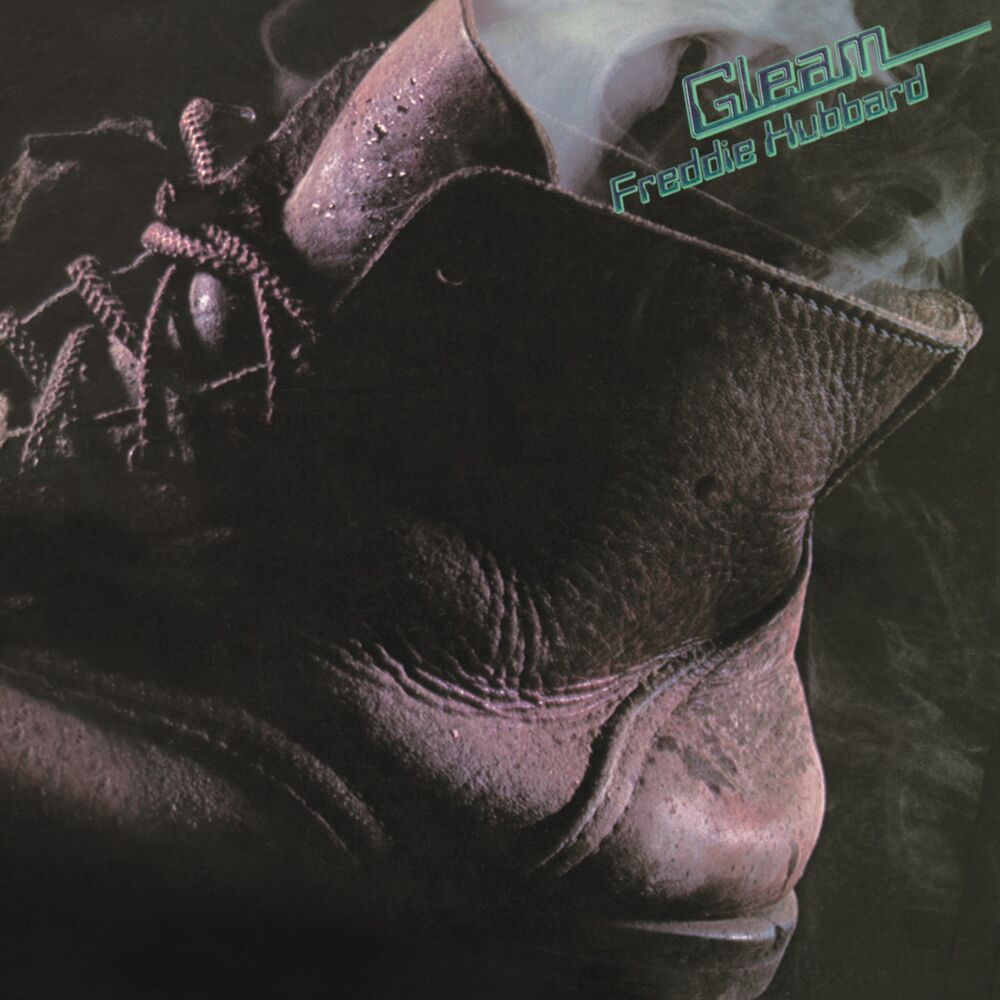
Gleam
2014

The Night Of The Cookers (Volume One/Live)
2014

Hub-Tones
2014

Ready For Freddie (Rudy Van Gelder Remaster Edition)
2012

Super Blue (With Bonus Tracks)
2010
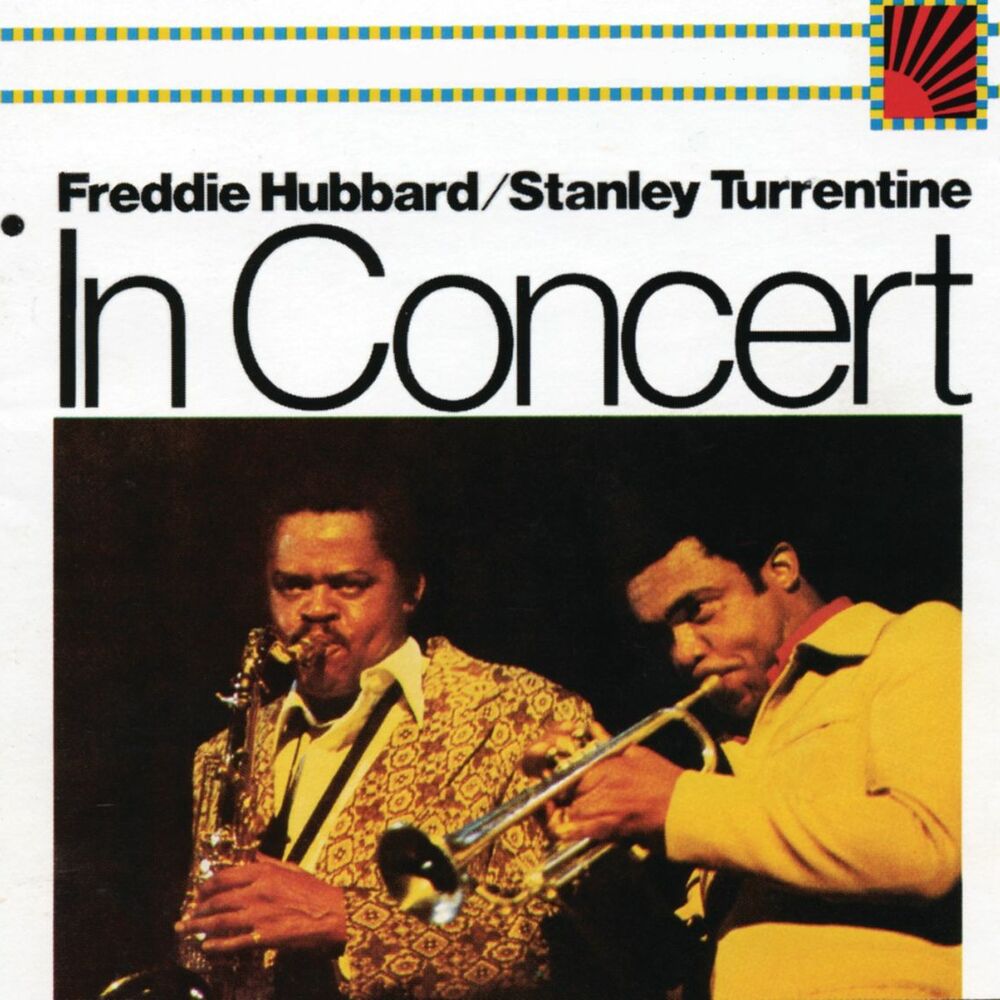
In Concert: Volume 1 & 2
2009
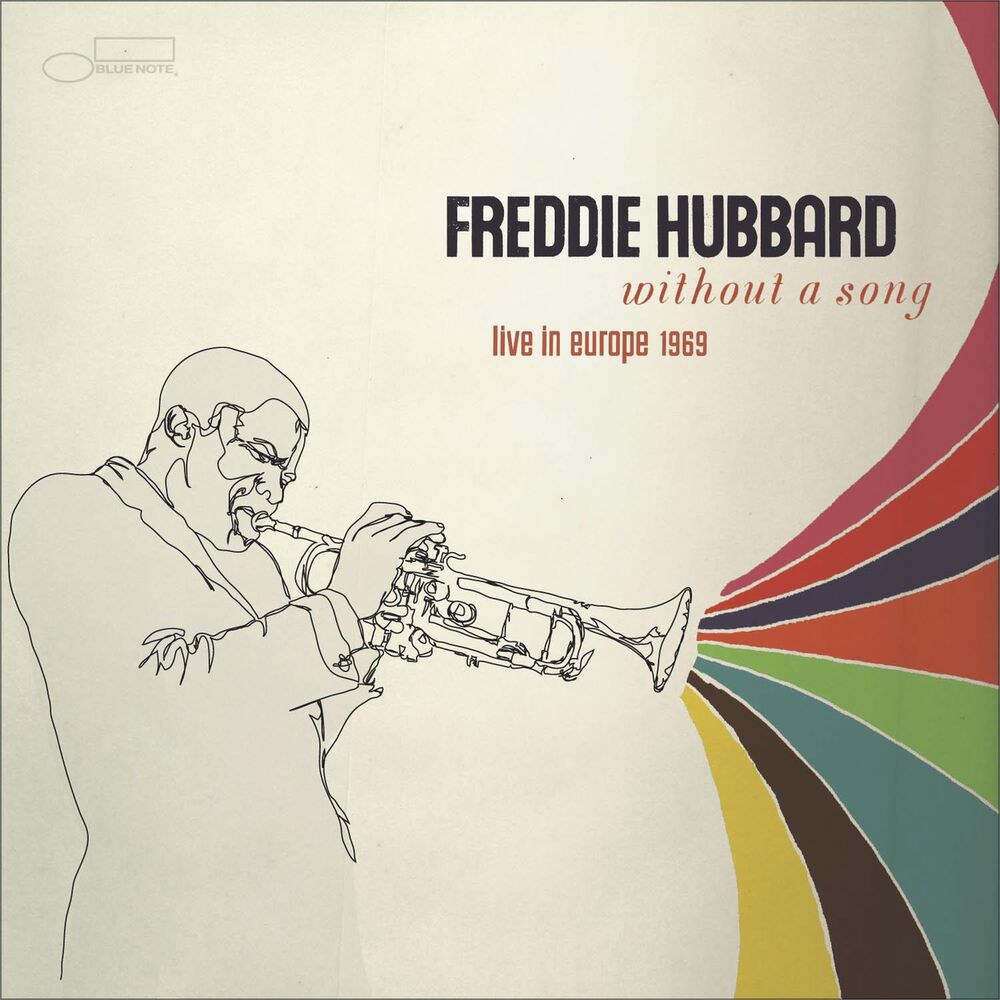
Without A Song
2009
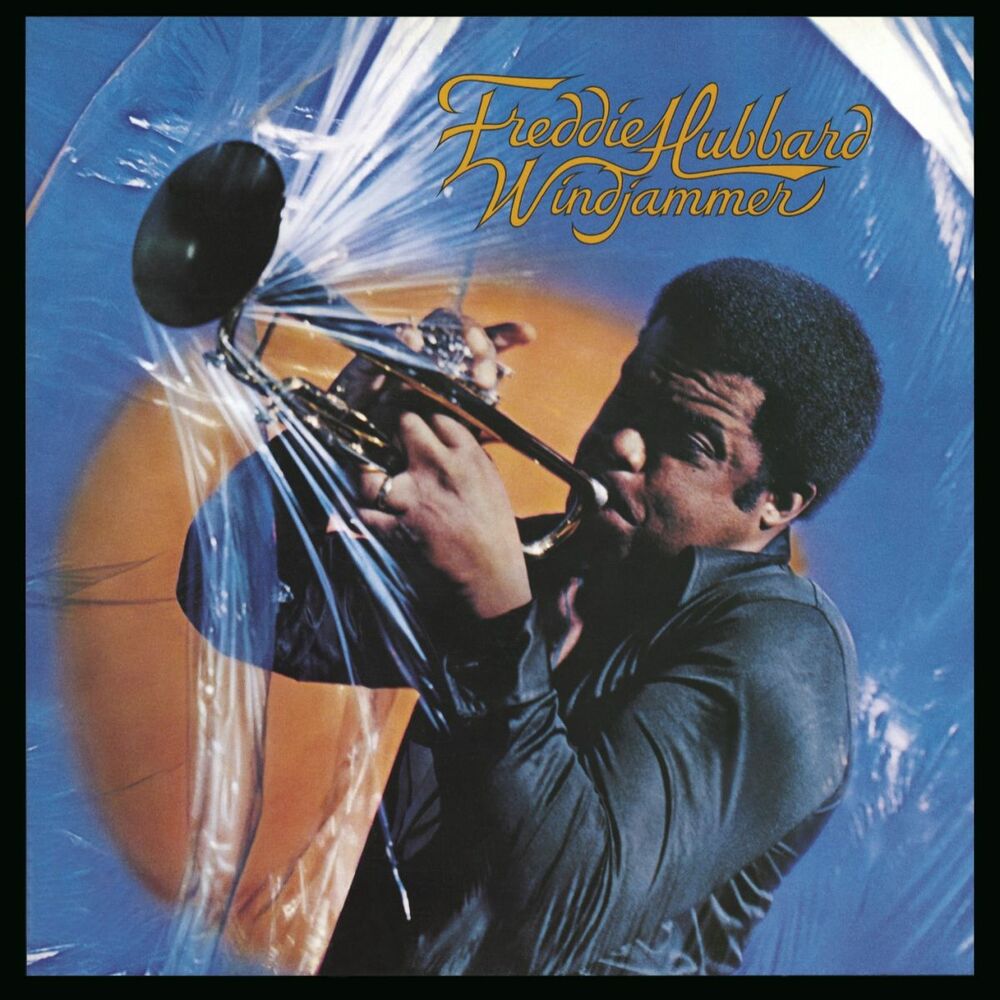
Windjammer
2009
Bundle Of Joy
2009
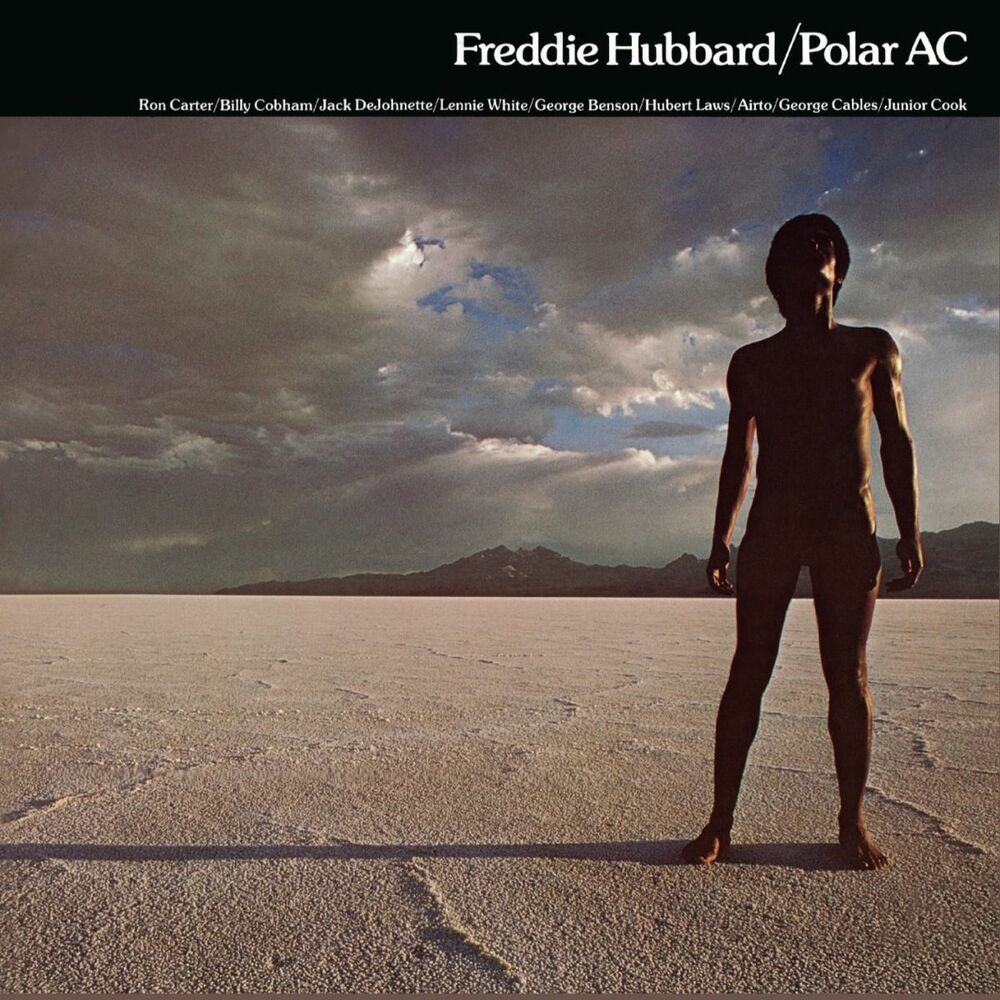
Polar AC
2009
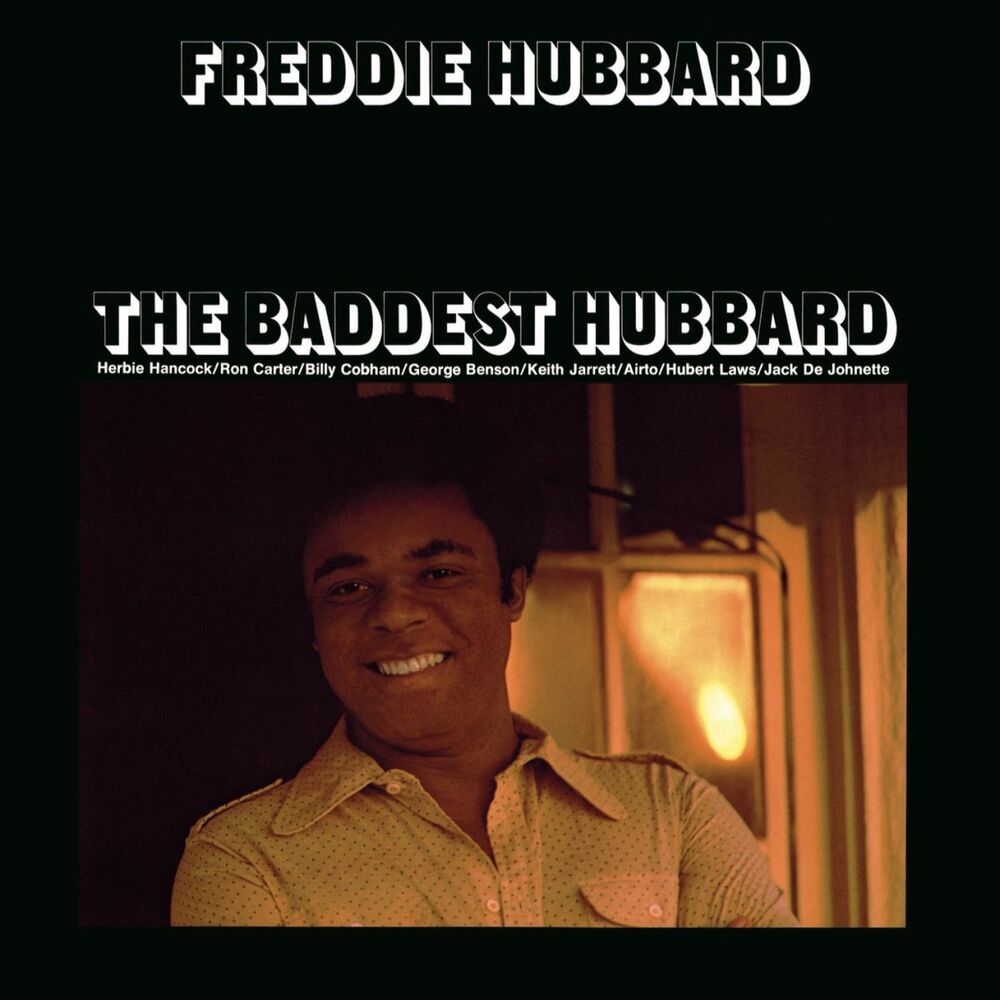
The Baddest Hubbard
2009
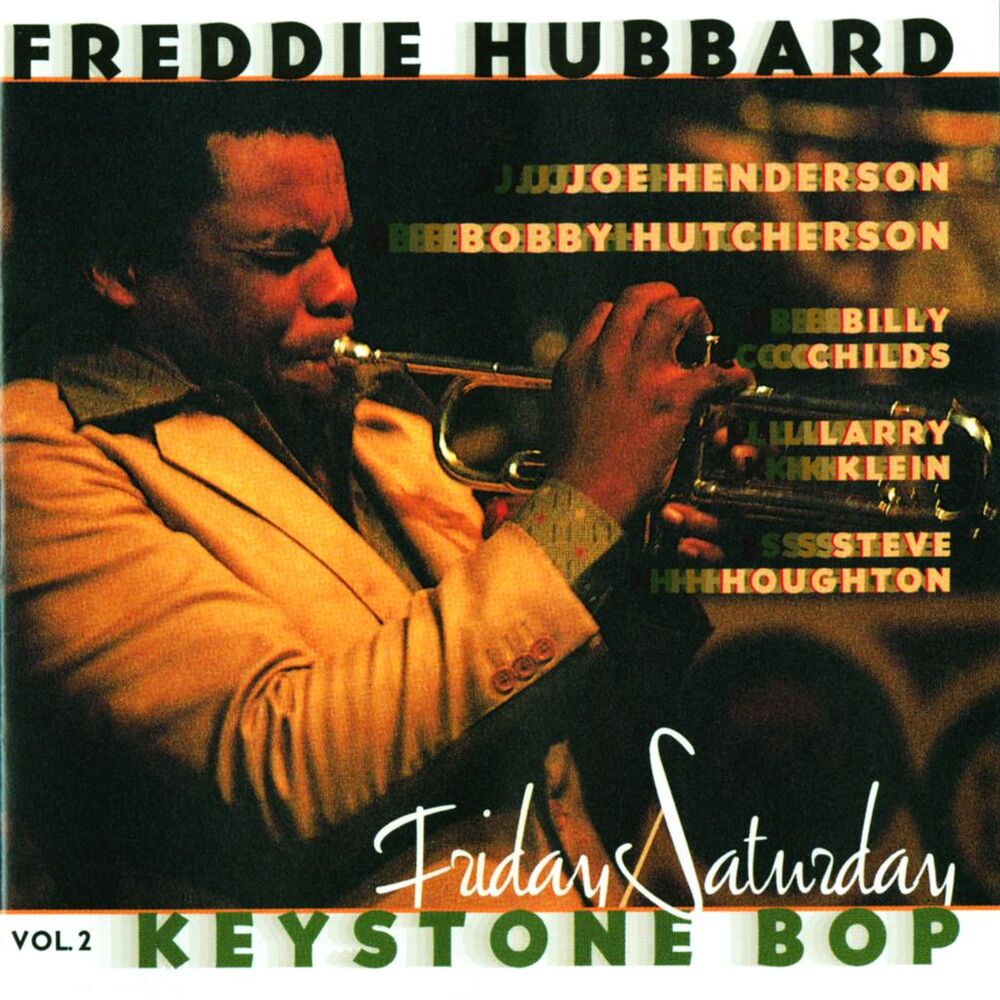
Keystone Bop vol. 2: Friday/Saturday
2006
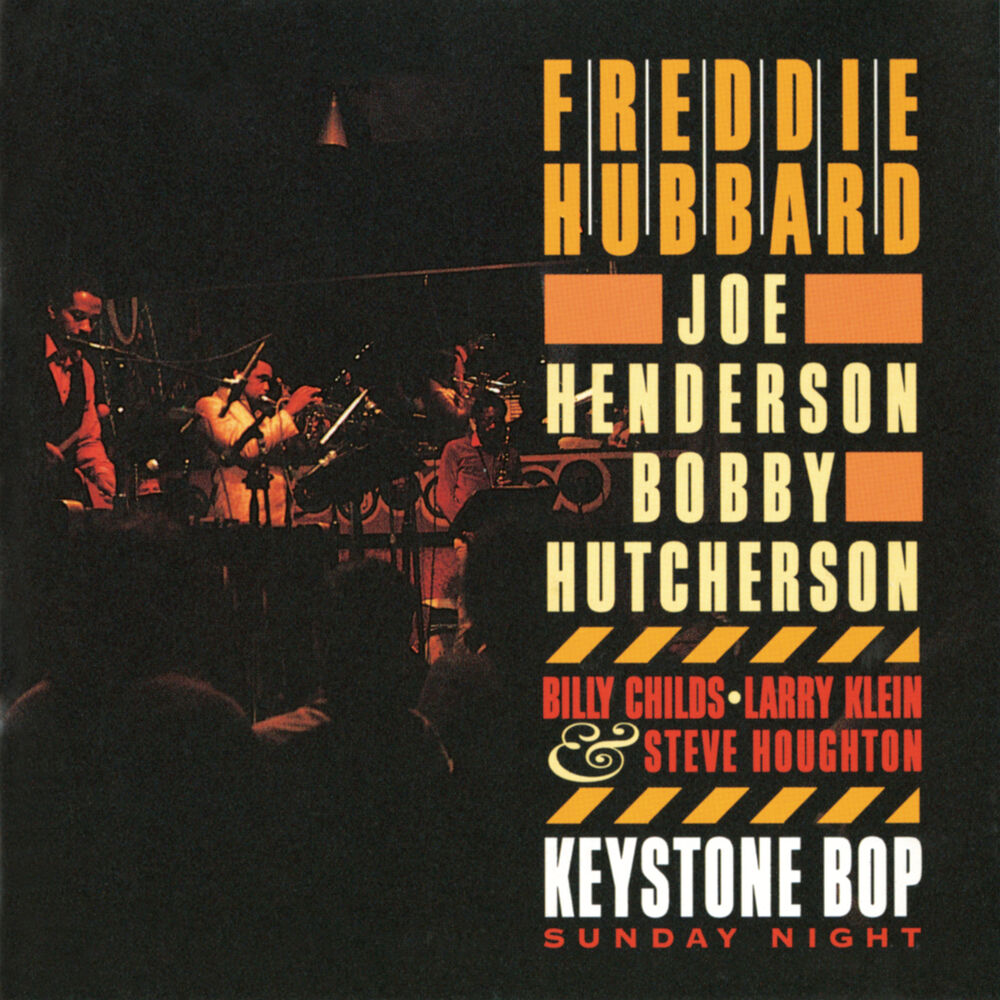
Keystone Bop: Sunday Night
2006

Ride Like The Wind
2005
Echoes Of Blue
2005

The Black Angel
2005
The Artist Selects
2005

Sweet Return
2005

Jazz Moods - Hot
2004

Sony Jazz Trios
2004

Breaking Point
2004

Sing Me a Song Of Songmy
2003

Freddie Hubbard: Jazz Profile
2003
Live At The Northsea Jazz Festival, 1980
1998
This Is Jazz
1997

Ballads
1997
This Is Jazz #25
1997

Sky Dive
1988

Life Flight
1987

Backlash
1987

Double Take
1985
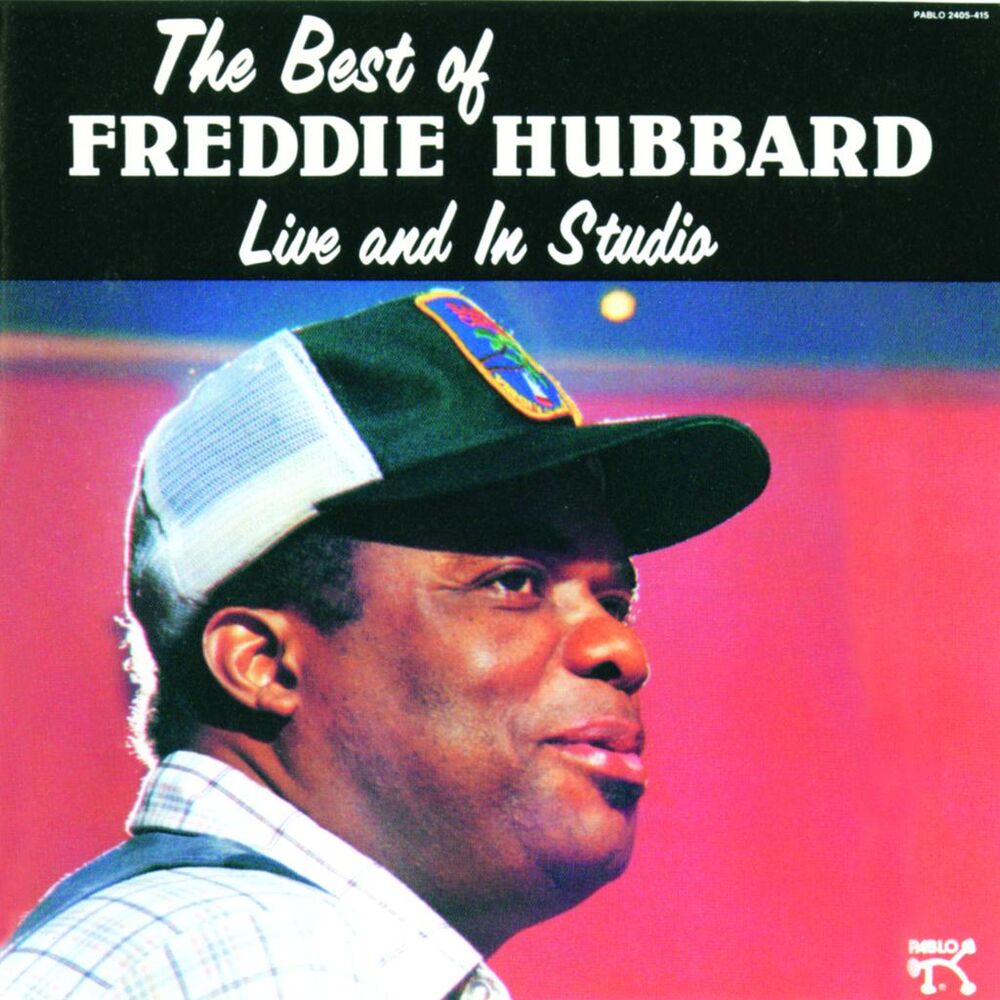
The Best Of Freddie Hubbard
1983
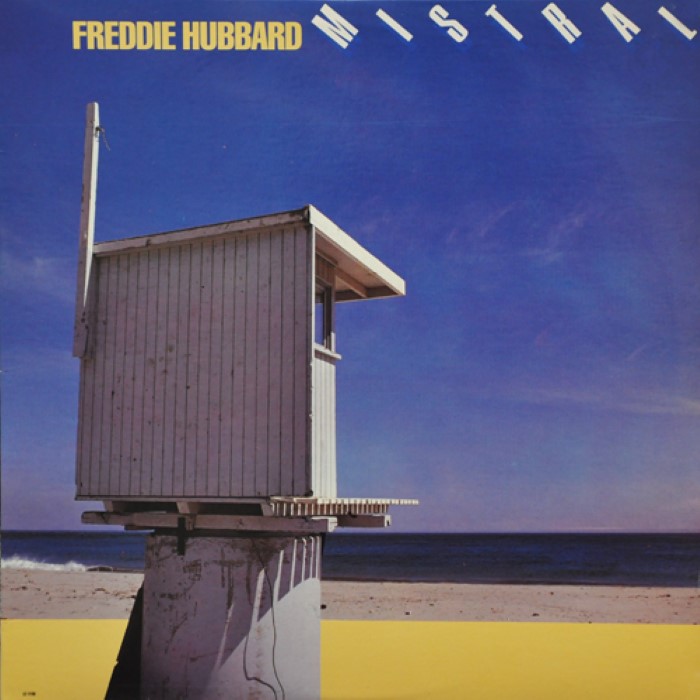
Mistral
1981
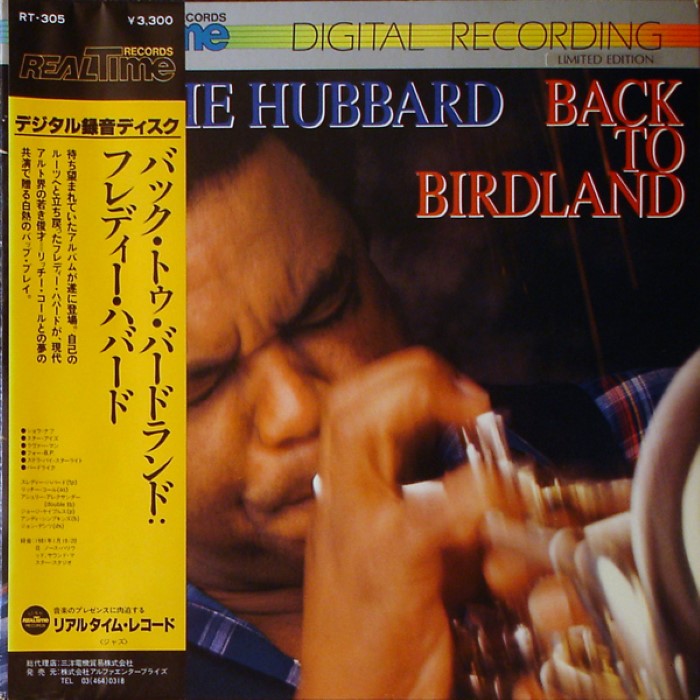
Back to Birdland
1981
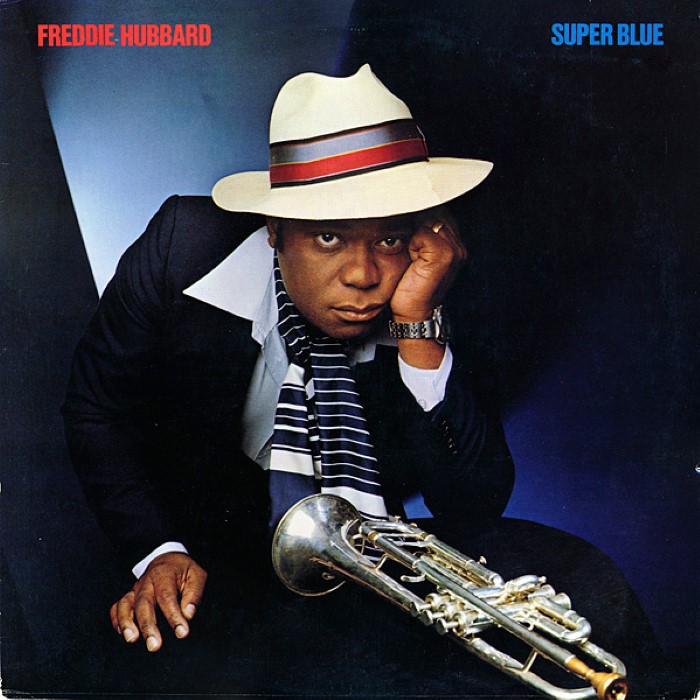
Super Blue
1978
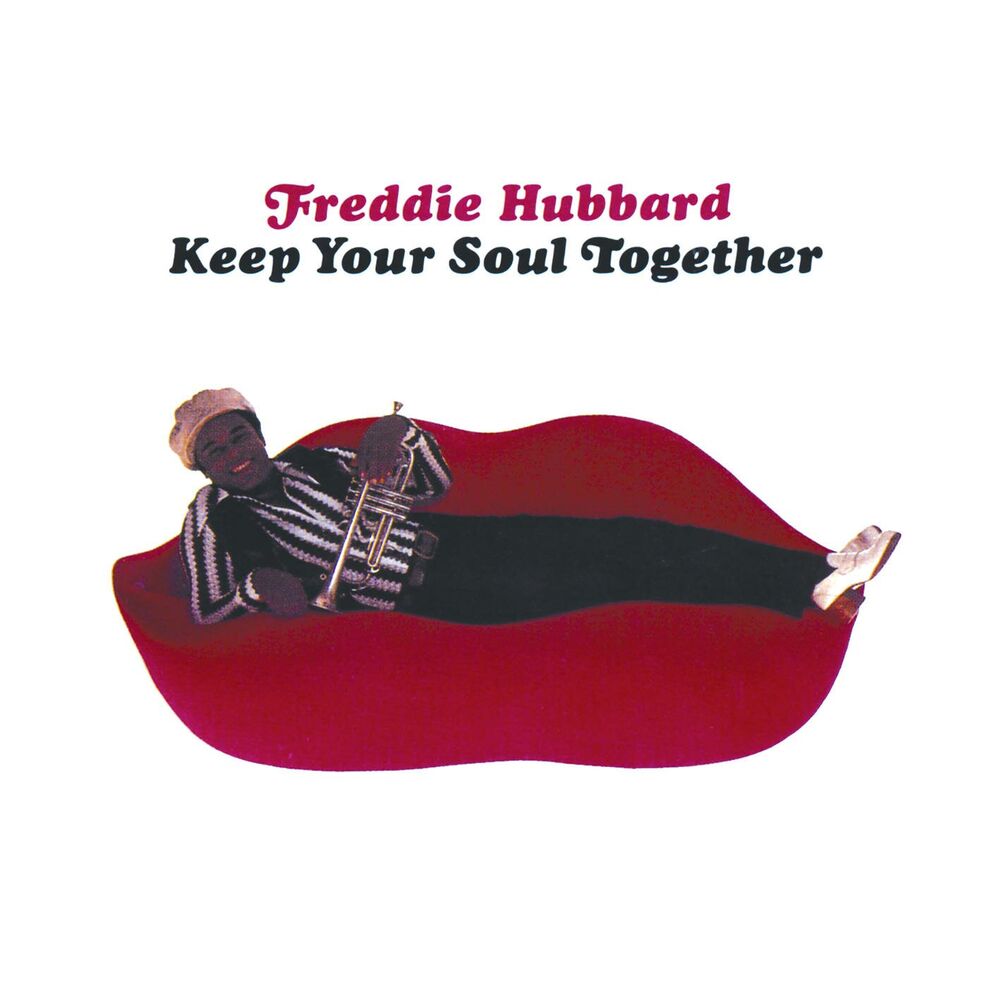
Keep Your Soul Together (2023 Remaster)
1973

The Night Of The Cookers (Volume Two/Live)
1965

Blue Spirits
1965
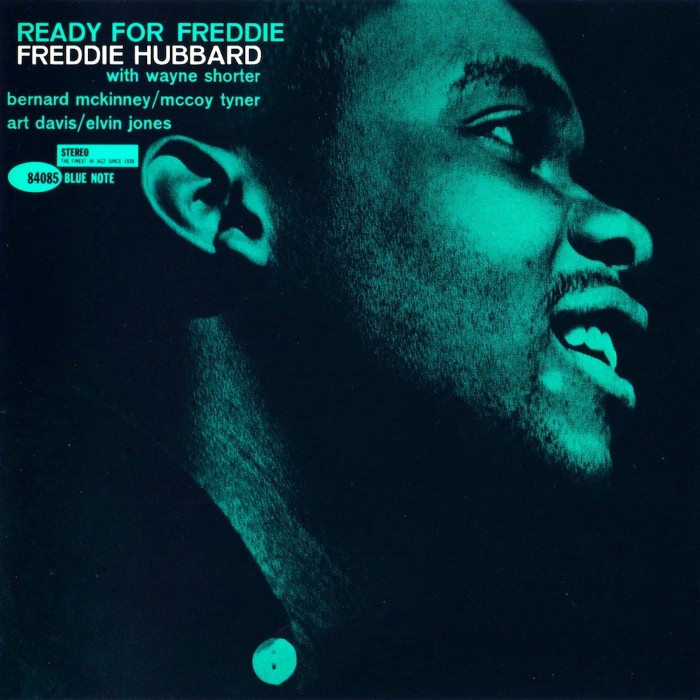
Ready for Freddie
1961


Popular tracks
Trending this week
Most viewed
Community
More about Freddie Hubbard
About
Frederick Dewayne "Freddie" Hubbard (April 7, 1938 – December 29, 2008) was an American jazz trumpeter. He was known primarily for playing in the bebop, hard bop and post bop styles from the early 1960s and on. His unmistakable and influential tone contributed to new perspectives for modern jazz and bebop. Hubbard started playing the mellophone and trumpet in his school band at Arsenal Technical High School in Indianapolis, Indiana. Trumpeter Lee Katzman, former sideman with Stan Kenton, recommended that he begin studying at the Arthur Jordan Conservatory of Music (now the Jordan College of the Arts at Butler University) with Max Woodbury, the principal trumpeter of the Indianapolis Symphony Orchestra. In his teens Hubbard worked locally with brothers Wes and Monk Montgomery and worked with bassist Larry Ridley and saxophonist James Spaulding. In 1958, at the age of 20, he moved to New York, and began playing with some of the best jazz players of the era, including Philly Joe Jones, Sonny Rollins, Slide Hampton, Eric Dolphy, J. J. Johnson, and Quincy Jones.
Read moreRead less
In June 1960 Hubbard made his first record as a leader, Open Sesame, with saxophonist Tina Brooks, pianist McCoy Tyner, bassist Sam Jones, and drummer Clifford Jarvis. In December 1960, Hubbard was invited to play on Ornette Coleman's Free Jazz after Coleman had heard him playing with Don Cherry. Then in May 1961, Hubbard played on Olé Coltrane, John Coltrane's final recording session with Atlantic Records. Together with Eric Dolphy, Hubbard was the only session musician who appeared on both Olé and Africa/Brass, Coltrane's first album with ABC/Impulse! Later, in August 1961, Hubbard made one of his most famous records, Ready for Freddie, which was also his first collaboration with saxophonist Wayne Shorter. Hubbard joined Shorter later in 1961 when he replaced Lee Morgan in Art Blakey's Jazz Messengers. He played on several Blakey recordings, including Caravan, Ugetsu, Mosaic, and Free For All. Hubbard remained with Blakey until 1966, leaving to form the first of several small groups of his own, which featured, among others, pianist Kenny Barron and drummer Louis Hayes. It was during this time that he began to develop his own sound, distancing himself from the early influences of Clifford Brown and Morgan, and won the Downbeat jazz magazine "New Star" award on trumpet. Throughout the 1960s Hubbard played as a sideman on some of the most important albums from that era, including, Oliver Nelson's The Blues and the Abstract Truth, Eric Dolphy's Out to Lunch, Herbie Hancock's Maiden Voyage, and Wayne Shorter's Speak No Evil. He recorded extensively for Blue Note Records in the 1960s: eight albums as a bandleader, and twenty-eight as a sideman. Hubbard was described as "the most brilliant trumpeter of a generation of musicians who stand with one foot in 'tonal' jazz and the other in the atonal camp". Though he never fully embraced the free jazz of the 1960s, he appeared on two of its landmark albums: Coleman's Free Jazz and Coltrane's Ascension, as well as on Sonny Rollins' 1966 "New Thing" track "East Broadway Run Down" with Elvin Jones and Jimmy Garrison. Hubbard achieved his greatest popular success in the 1970s with a series of albums for Creed Taylor and his record label CTI Records, overshadowing Stanley Turrentine, Hubert Laws, and George Benson. Although his early 1970s jazz albums Red Clay, First Light, Straight Life, and Sky Dive were particularly well received and considered among his best work, the albums he recorded later in the decade were attacked by critics for their commercialism. First Light won a 1972 Grammy Award and included pianists Herbie Hancock and Richard Wyands, guitarists Eric Gale and George Benson, bassist Ron Carter, drummer Jack DeJohnette, and percussionist Airto Moreira. In 1994, Hubbard, collaborating with Chicago jazz vocalist/co-writer Catherine Whitney, had lyrics set to the music of First Light. In 1977 Hubbard joined with Herbie Hancock, Tony Williams, Ron Carter and Wayne Shorter, members of the mid-sixties Miles Davis Quintet, for a series of performances. Several live recordings of this group were released as VSOP, VSOP: The Quintet, VSOP: Tempest in the Colosseum (all 1977) and VSOP: Live Under the Sky (1979). Hubbard's trumpet playing was featured on the track "Zanzibar", on the 1978 Billy Joel album 52nd Street (the 1979 Grammy Award Winner for Best Album). The track ends with a fade during Hubbard's performance. An "unfaded" version was released on the 2004 Billy Joel box set My Lives. In the 1980s Hubbard was again leading his own jazz group - this time with Billy Childs and Larry Klein, among others, as members - attracting favorable reviews, playing at concerts and festivals in the USA and Europe, often in the company of Joe Henderson, playing a repertory of hard-bop and modal-jazz pieces. Hubbard played at the Monterey Jazz Festival in 1980 and in 1989 (with Bobby Hutcherson). He played with Woody Shaw, recording with him in 1985, and two years later recorded Stardust with Benny Golson. In 1988 he teamed up once more with Blakey at an engagement in Holland, from which came Feel the Wind. In 1988, Hubbard played with Elton John, contributing trumpet and flugelhorn and trumpet solos on the track "Mona Lisas and Mad Hatters (Part Two)" for John's Reg Strikes Back album. In 1990 he appeared in Japan headlining an American-Japanese concert package which also featured Elvin Jones, Sonny Fortune, pianists George Duke and Benny Green, bass players Ron Carter, and Rufus Reid, with jazz and vocalist Salena Jones. He also performed at the Warsaw Jazz Festival at which Live at the Warsaw Jazz Festival (Jazzmen 1992) was recorded. Following a long setback of health problems and a serious lip injury in 1992 where he ruptured his upper lip and subsequently developed an infection, Hubbard was again playing and recording occasionally, even if not at the high level that he set for himself during his earlier career. His best records ranked with the finest in his field. In 2006, The National Endowment for the Arts honored Hubbard with its highest honor in jazz, the NEA Jazz Masters Award. On December 29, 2008, Hubbard's hometown newspaper, The Indianapolis Star, reported that Hubbard had died from complications from a heart attack suffered on November 26. Billboard magazine reported that Hubbard died in Sherman Oaks, California. Freddie Hubbard had close ties to the Jazz Foundation of America in his later years. Freddie is quoted as saying, “When I had congestive heart failure and couldn't work, The Jazz Foundation paid my mortgage for several months and saved my home! Thank God for those people." The Jazz Foundation of America’s Musicians' Emergency Fund took care of him during times of illness. After his death, Hubbard’s estate requested that tax-deductible donations be made in his name to the Jazz Foundation of America.
Freddie Hubbard in brief
- How many Freddie Hubbard releases are on Riffiter?
- 57 releases are catalogued, spanning 1961 to 2021.
- What genre is Freddie Hubbard?
- Freddie Hubbard is catalogued under Jazz.
- What is the most recent Freddie Hubbard release on Riffiter?
- Hub Cap, released in 2021.