

Hugh Masekela
Hugh Masekela is a jazz artist from South Africa. 73 releases are catalogued on Riffiter.
Jazz · South Africa · Best jazz albums
- 73
- Releases
- 1967–2018
- Active years
- 2018
- Died
Discography
47Rank them 1 vs 1 →Two covers at a time. Pick the one you rate higher, we build the order.
Most popular
Home
1982 · 8 tracks
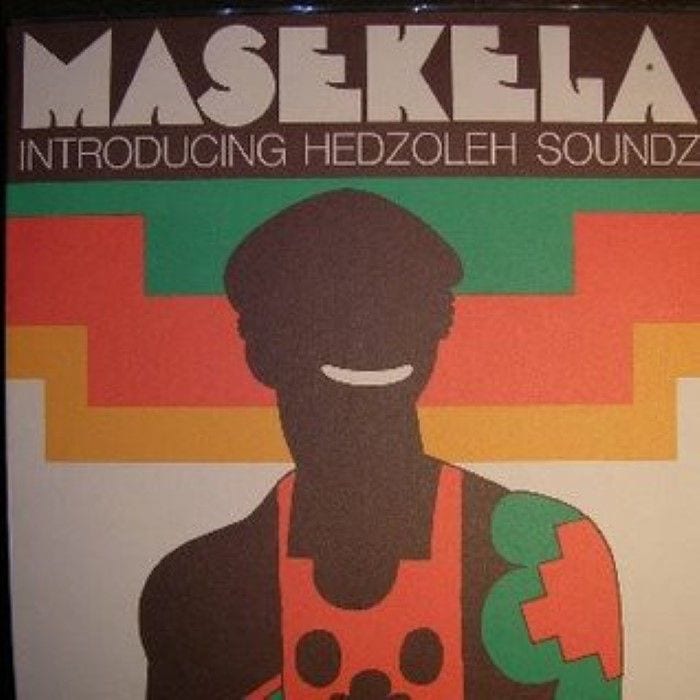
Introducing Hedzoleh Soundz
1973
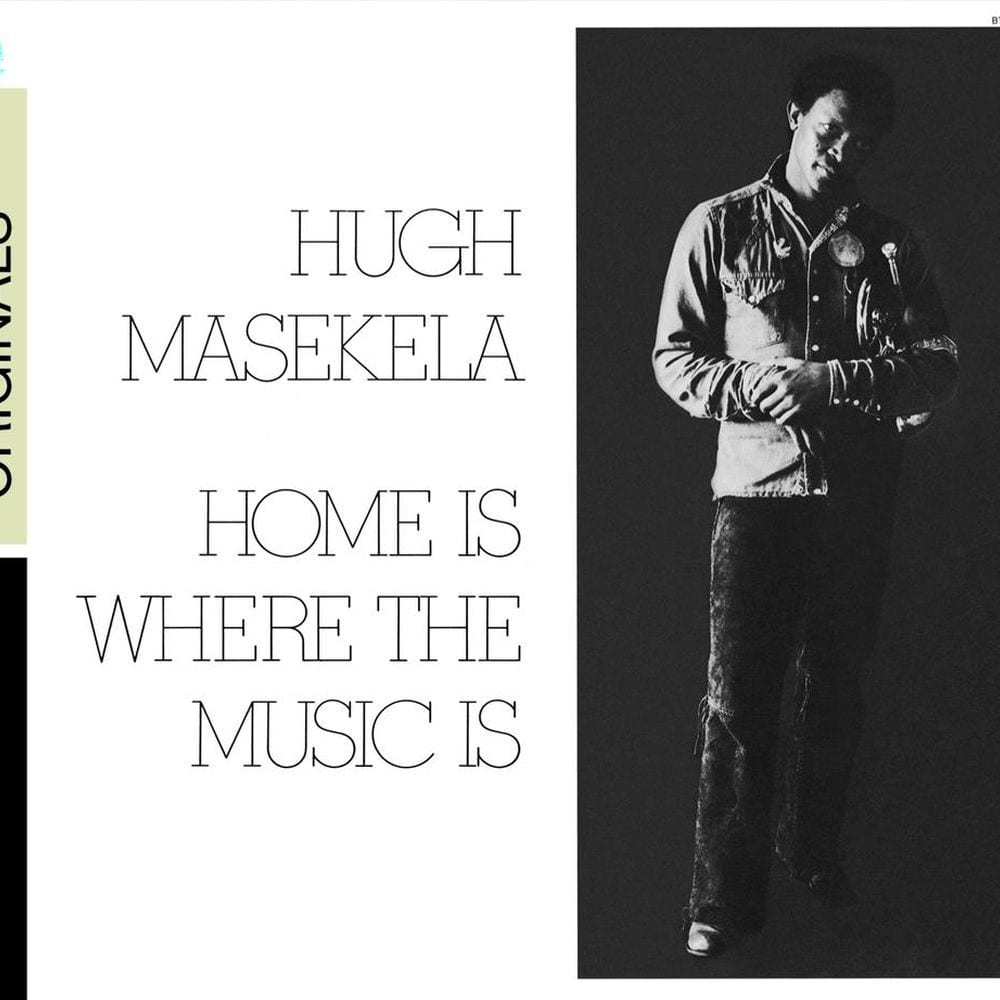
Home Is Where the Music Is
1972
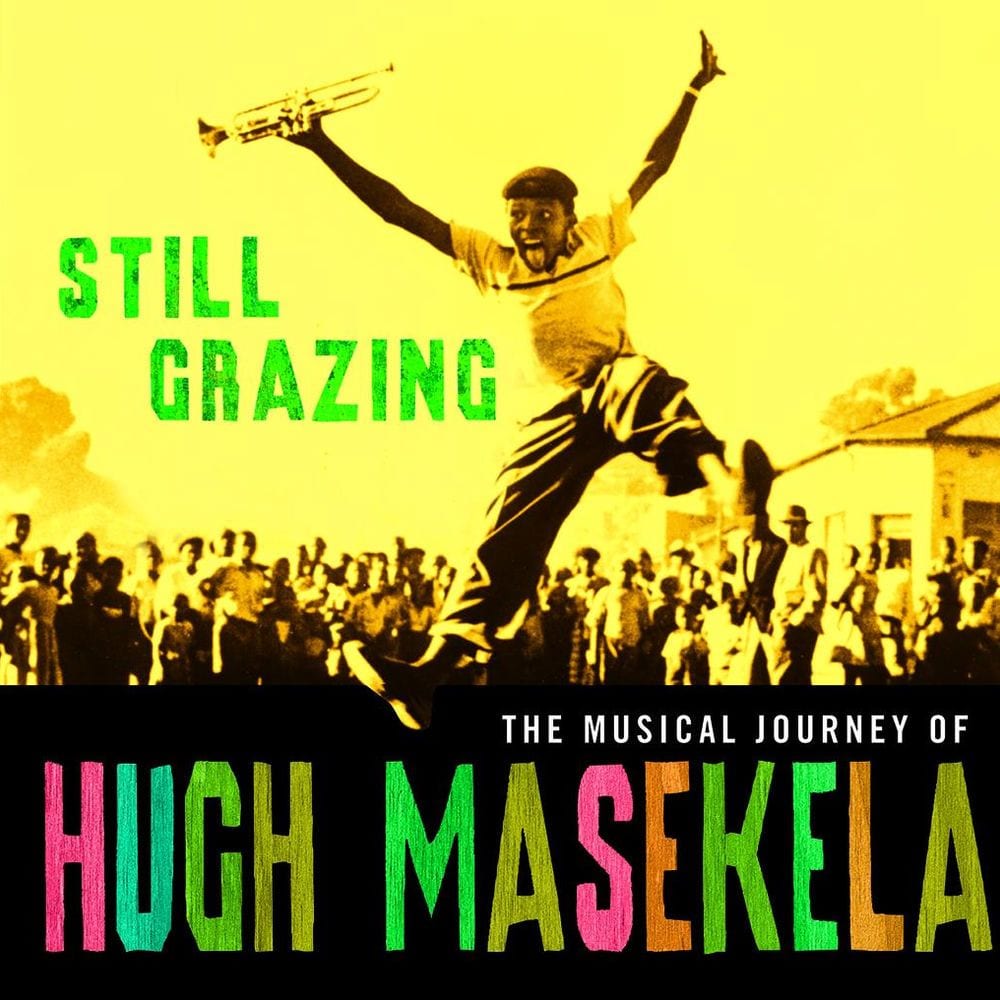
Still Grazing
2004
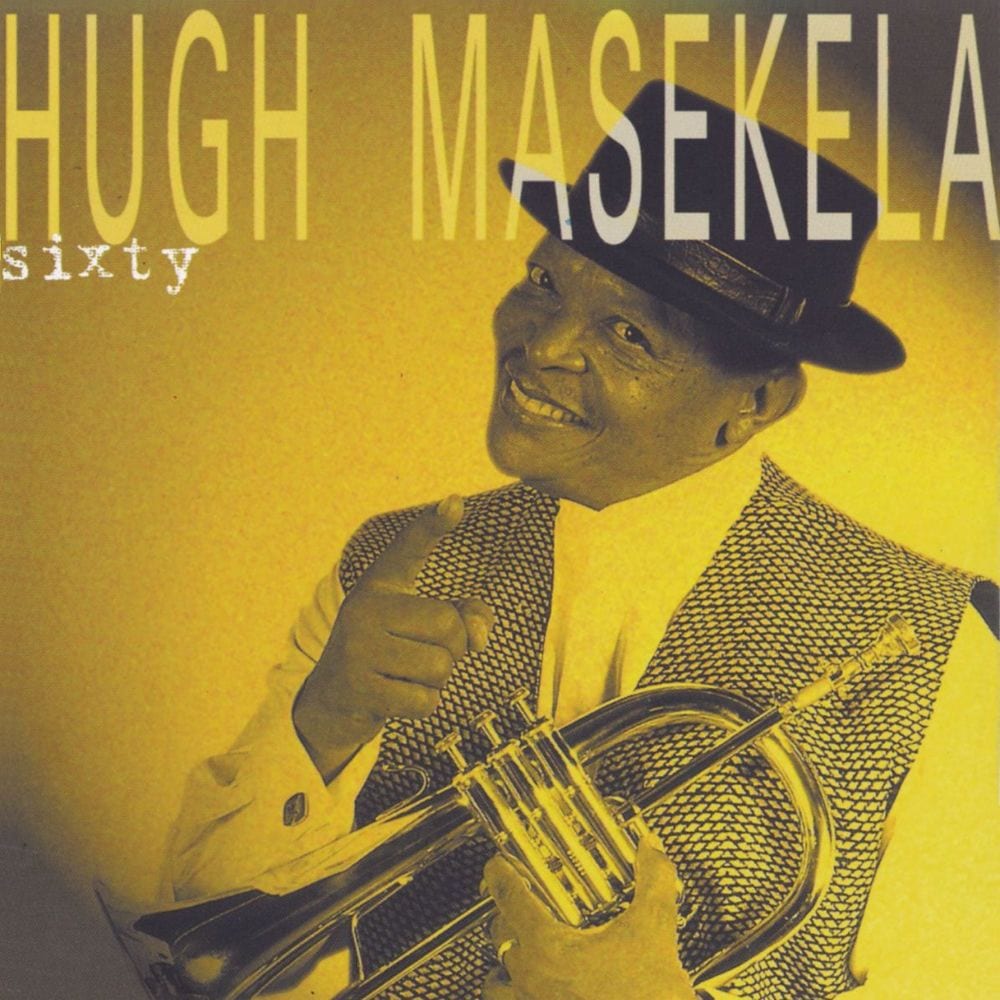
Sixty
2000
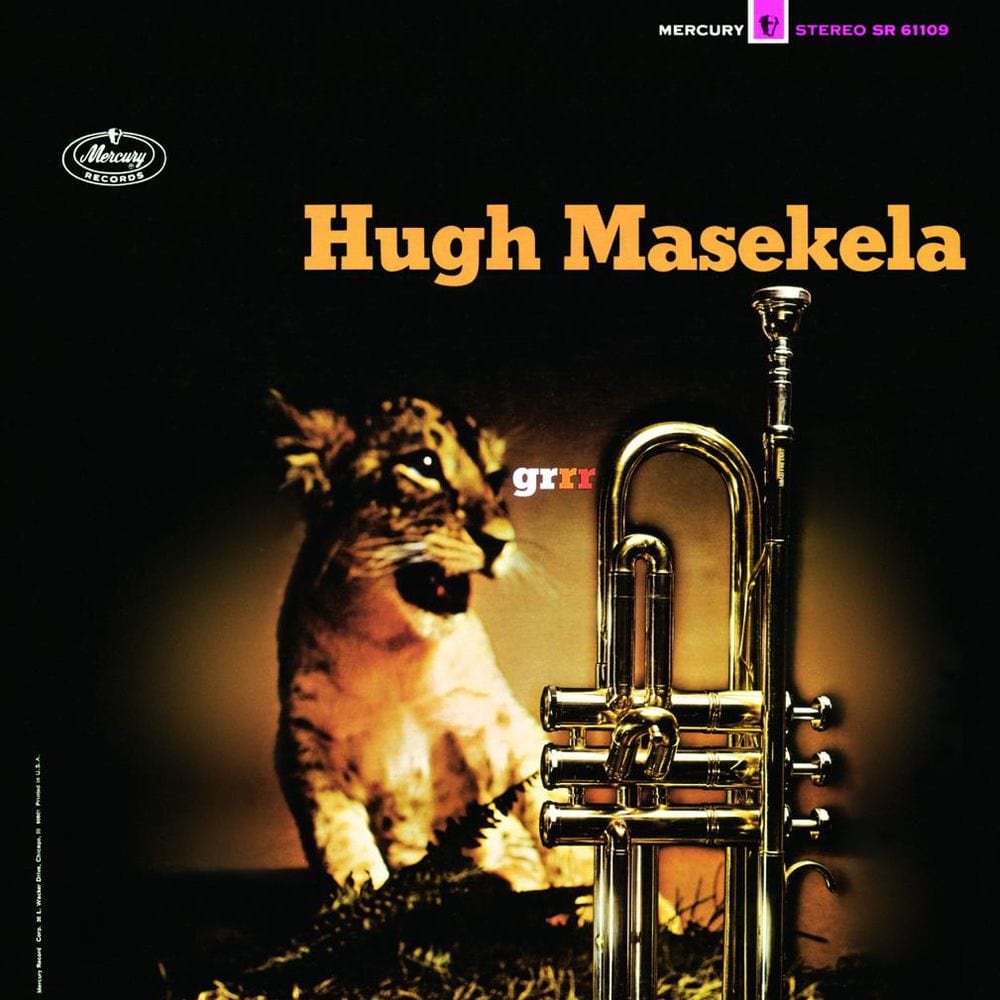
Grrr
2003
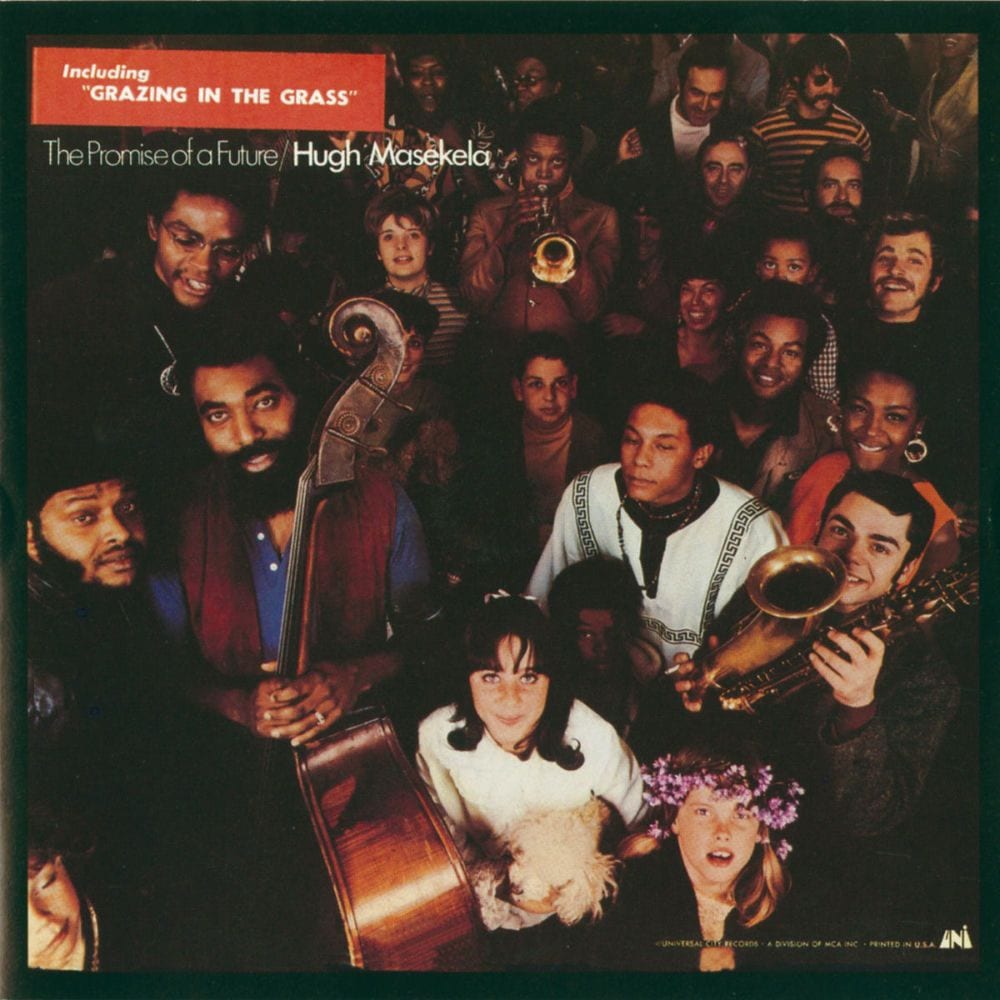
The Promise of a Future
1968
We Are One
2011
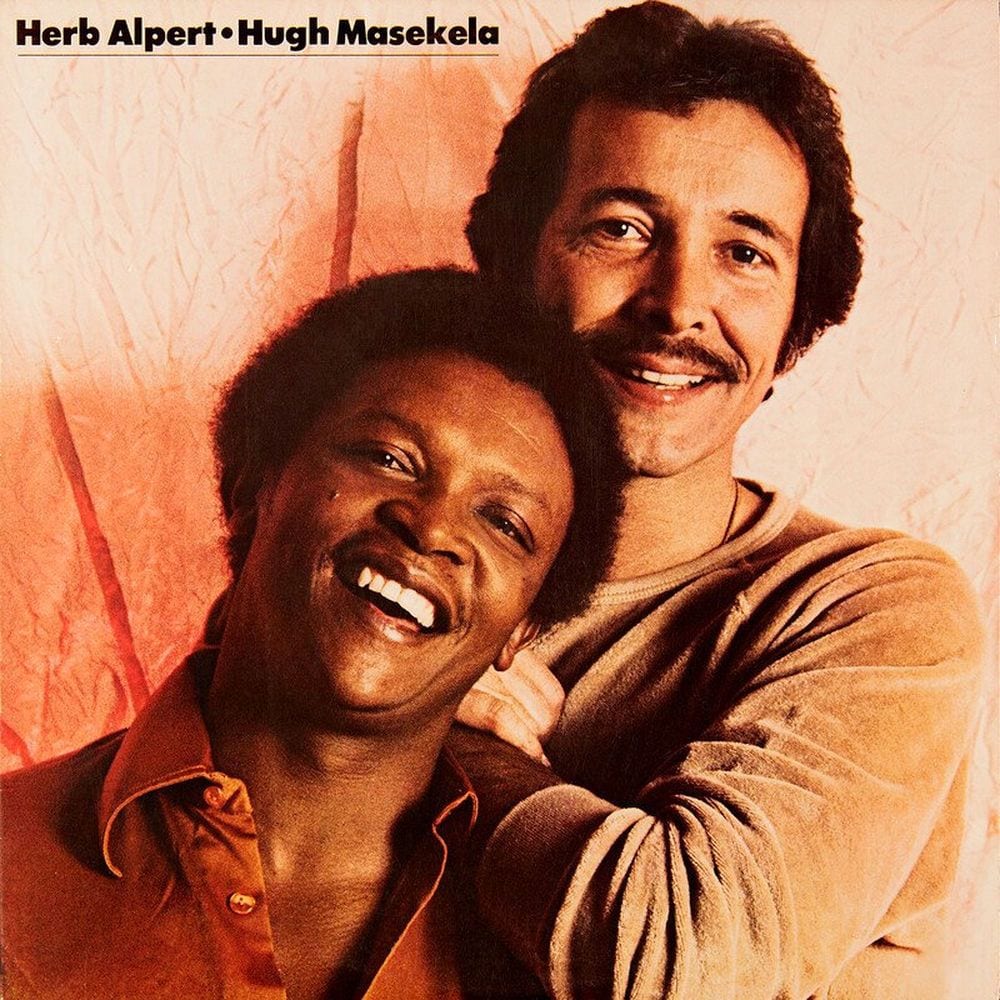
Herb Alpert / Hugh Masekela
1978
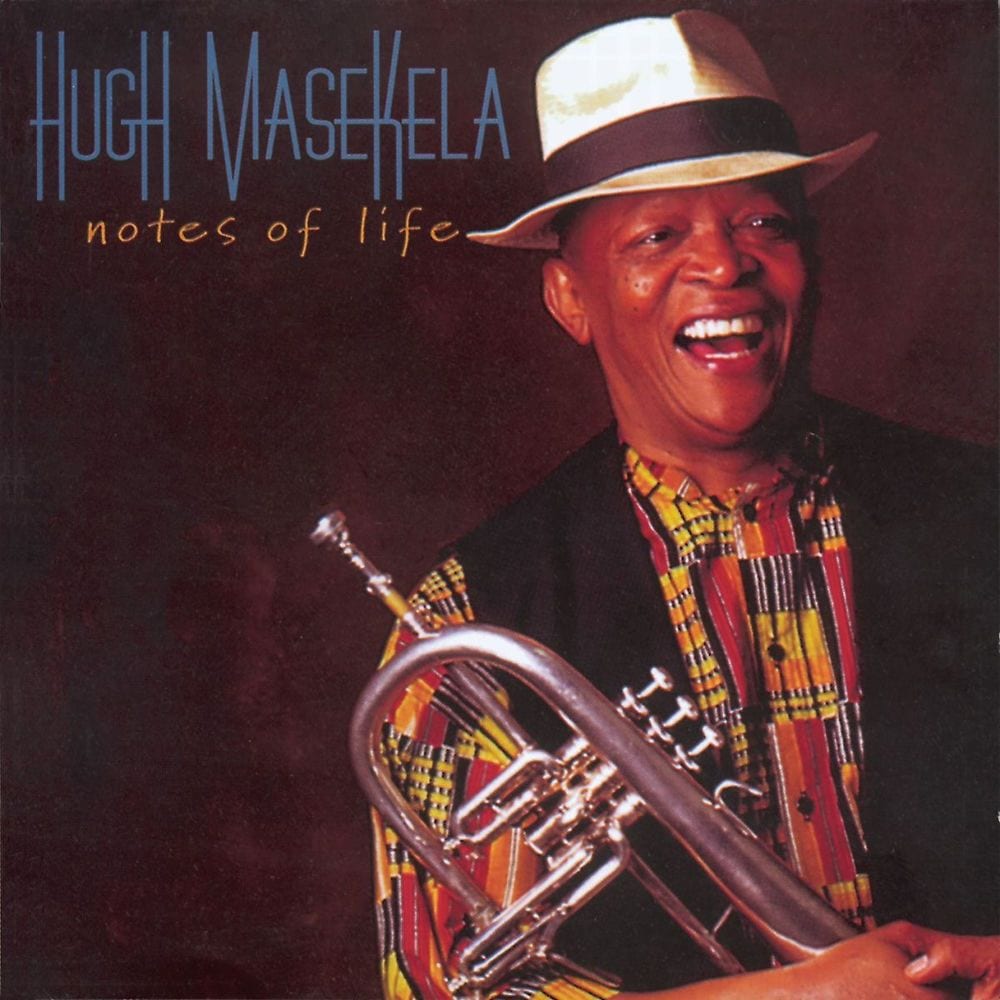
Notes of Life
2010
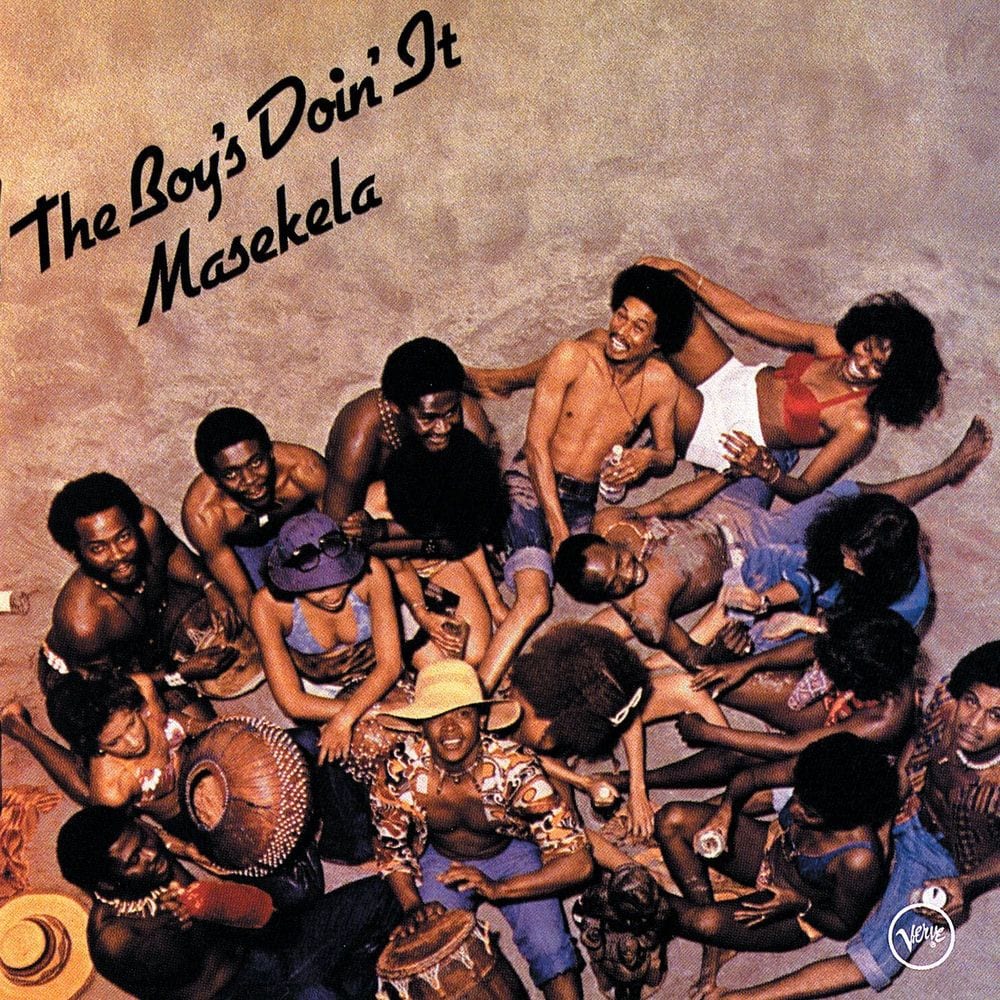
The Boy's Doin' It
1975
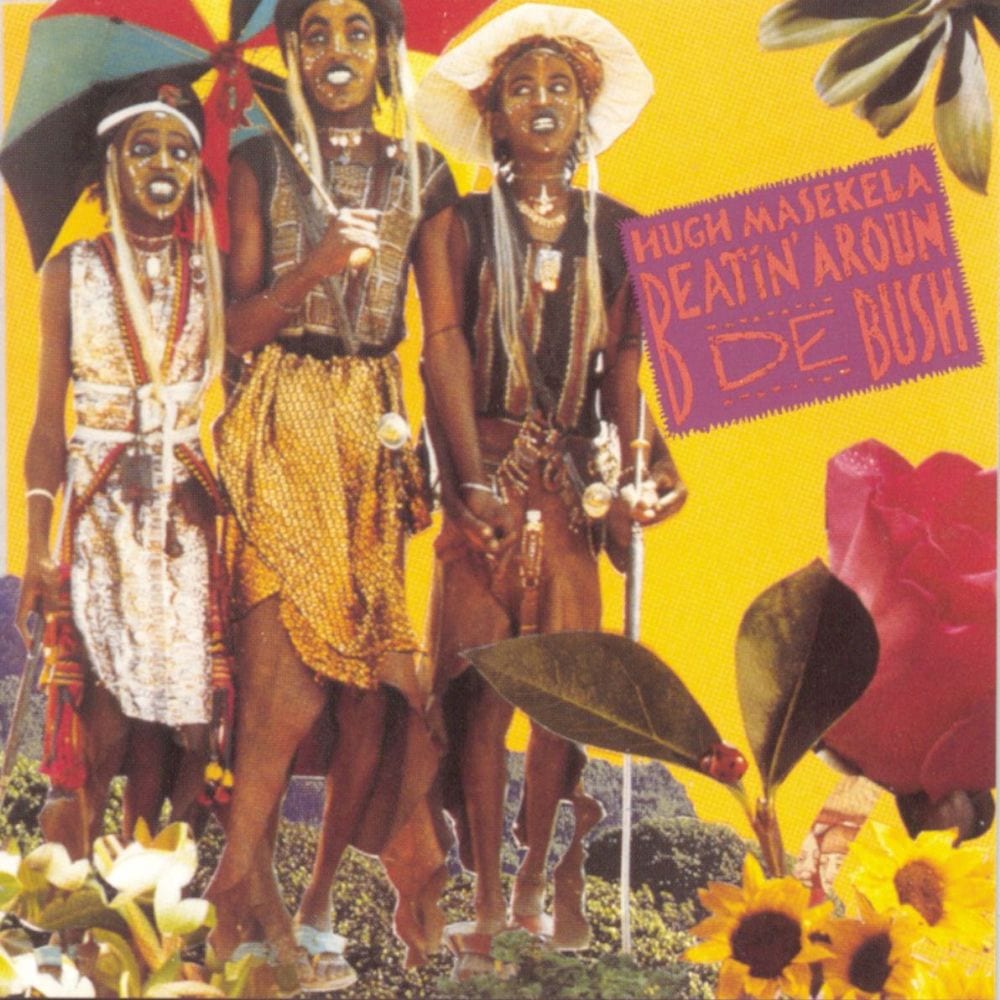
Beatin' Aroun de Bush
1992
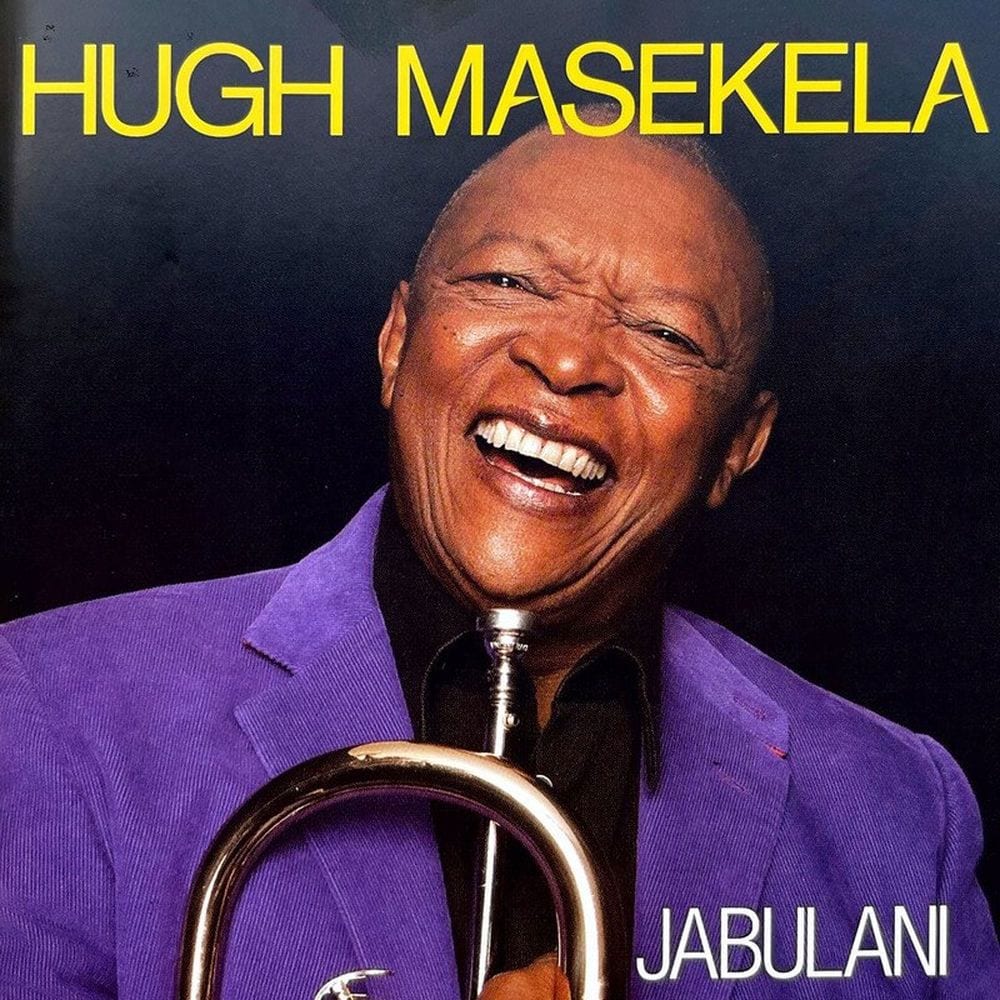
Jabulani
2012
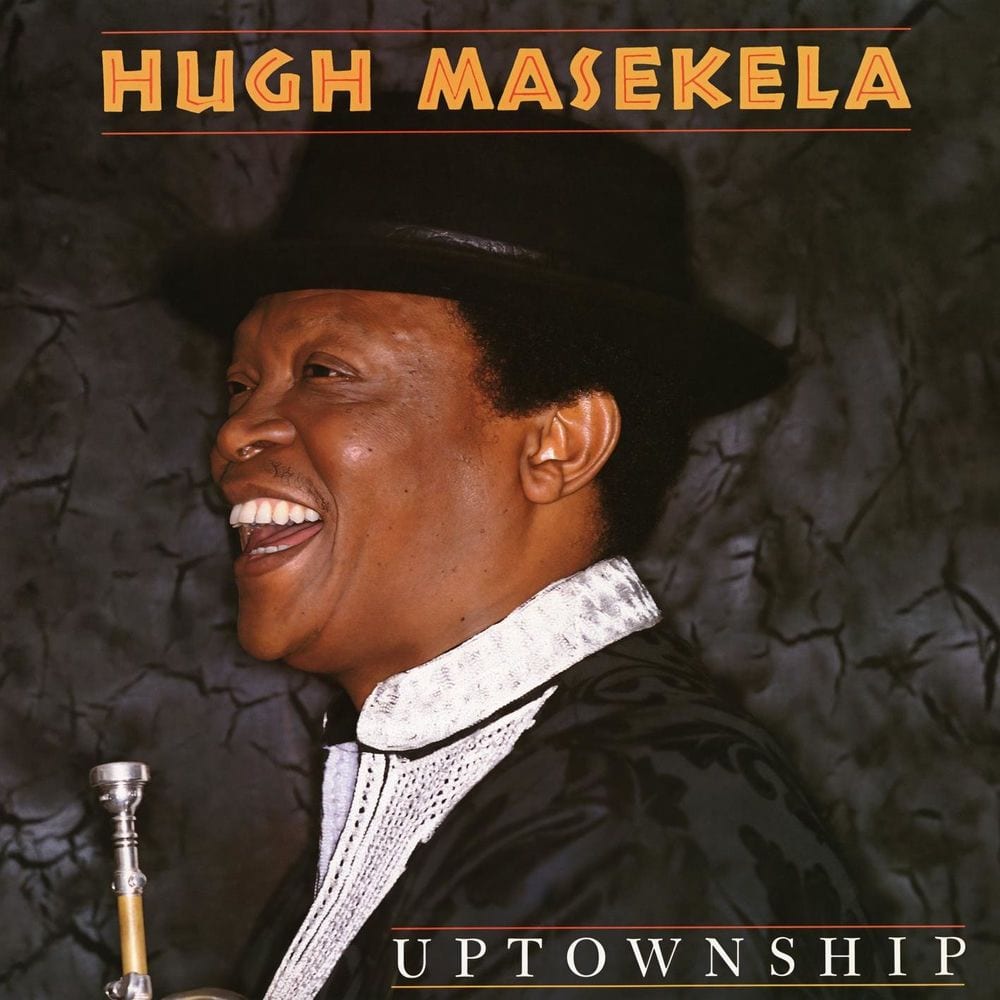
Uptownship
1989
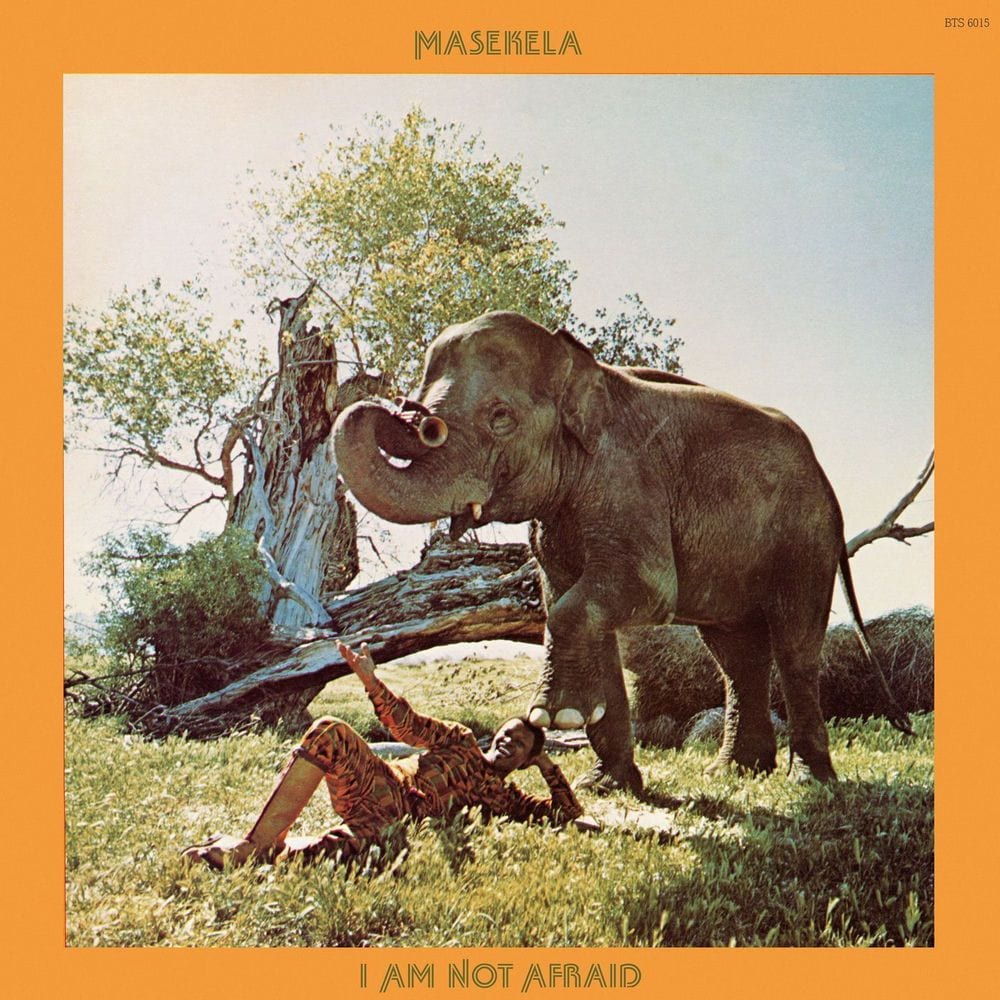
I Am Not Afraid
1974
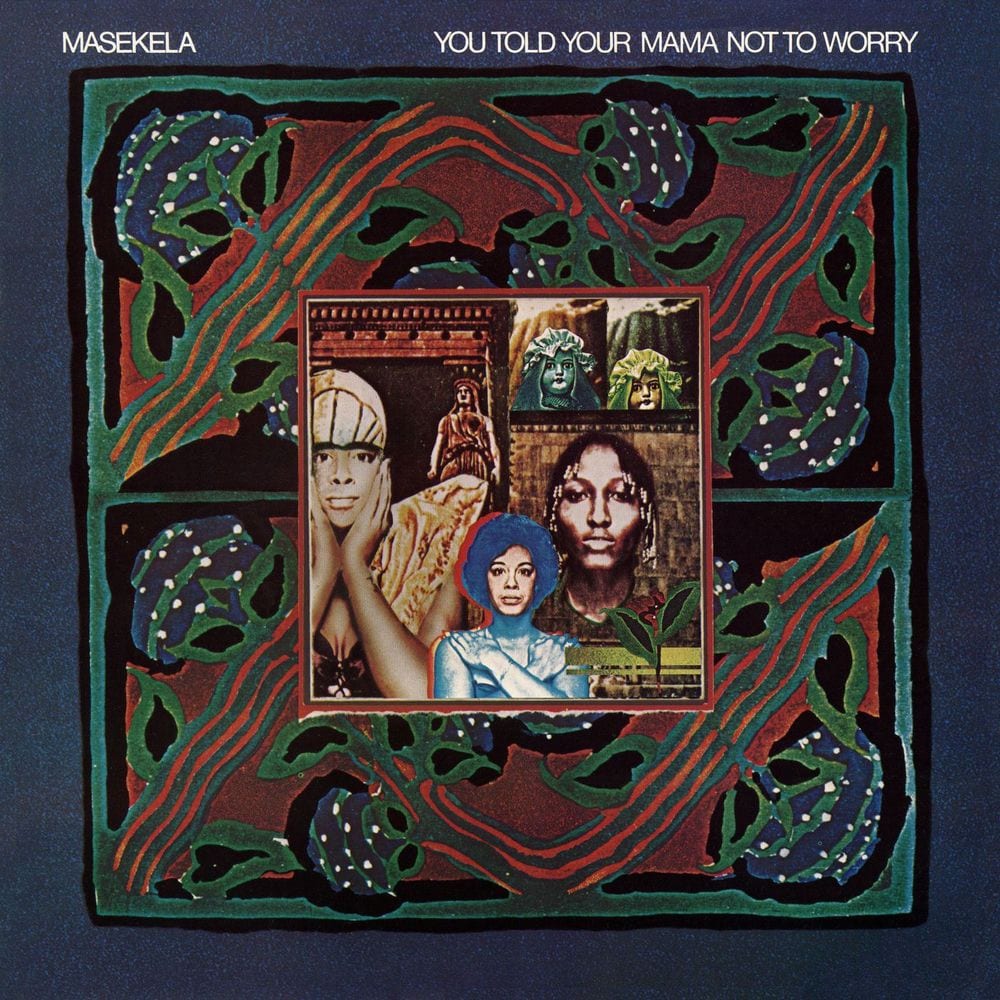
You Told Your Mama Not to Worry
1977
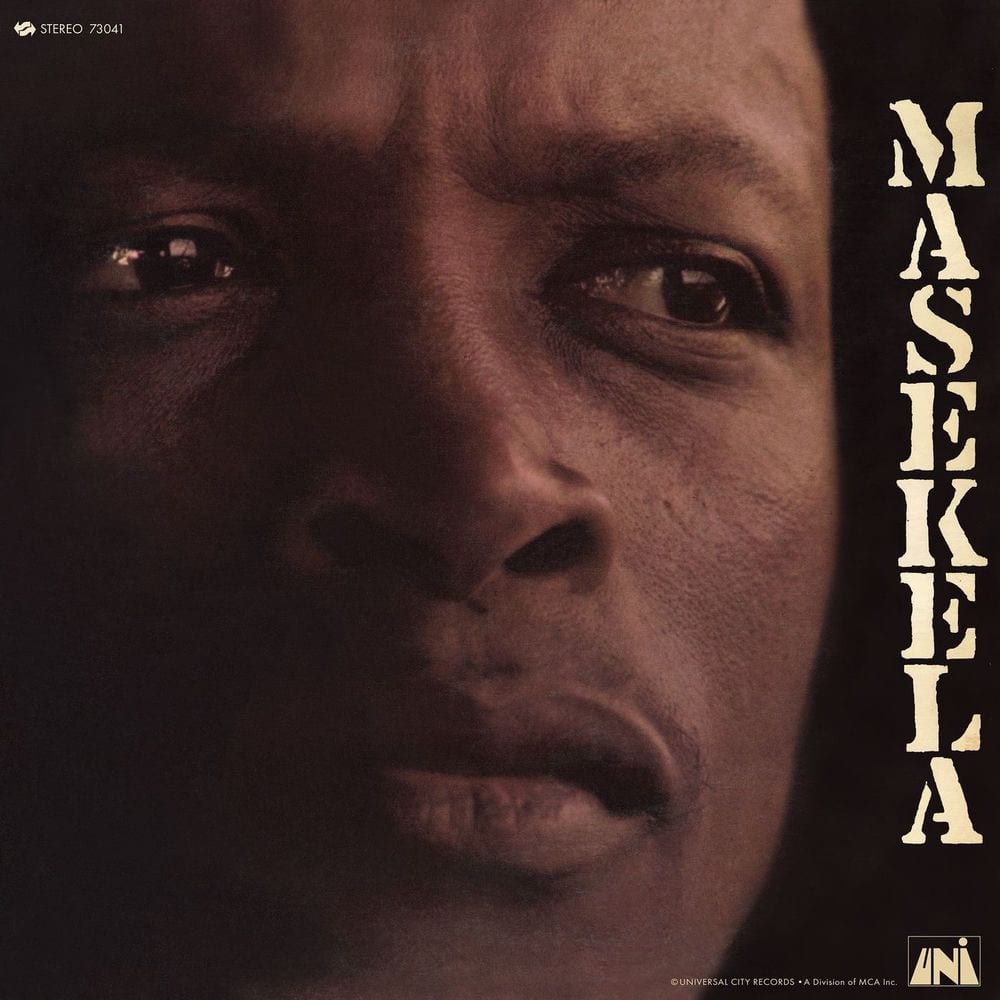
Masekela
1969
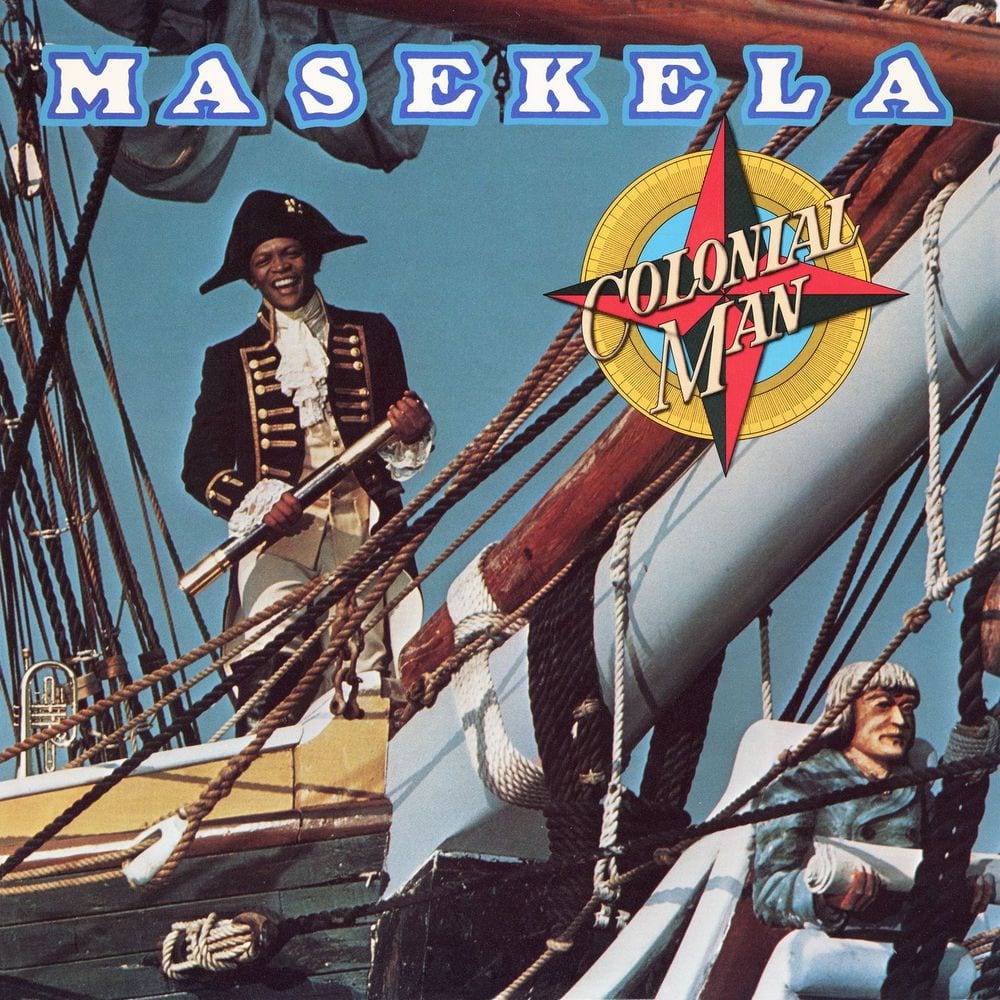
Colonial Man
1976
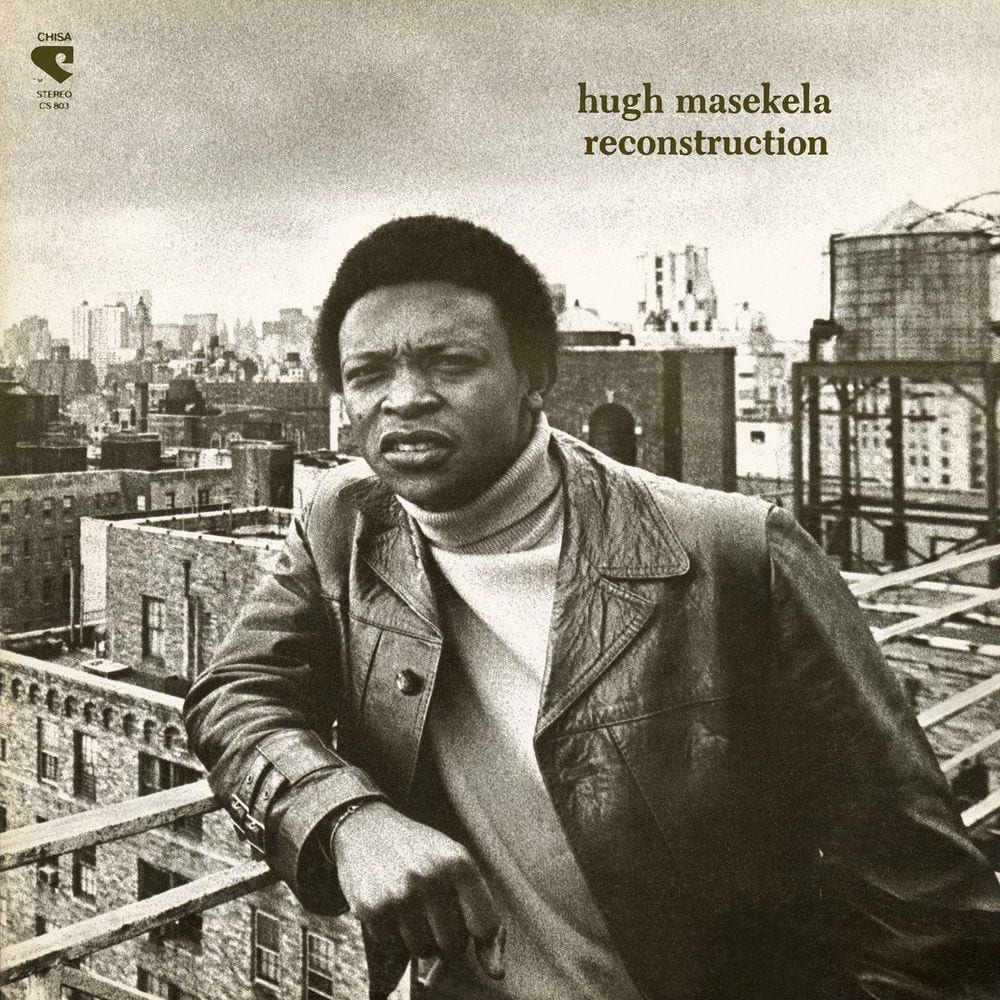
Reconstruction
1994

The Emancipation Of Hugh Masekela
2026

Is Alive And Well At The Whisky
2026

Hugh Masekela & The Union Of South Africa
2026

Hugh Masekela's Latest
2026

Masekela Introducing Hedzoleh Soundz
2026

The Americanization Of Ooga-Booga
2026

Siparia To Soweto
2023

Rejoice (Special Edition)
2021
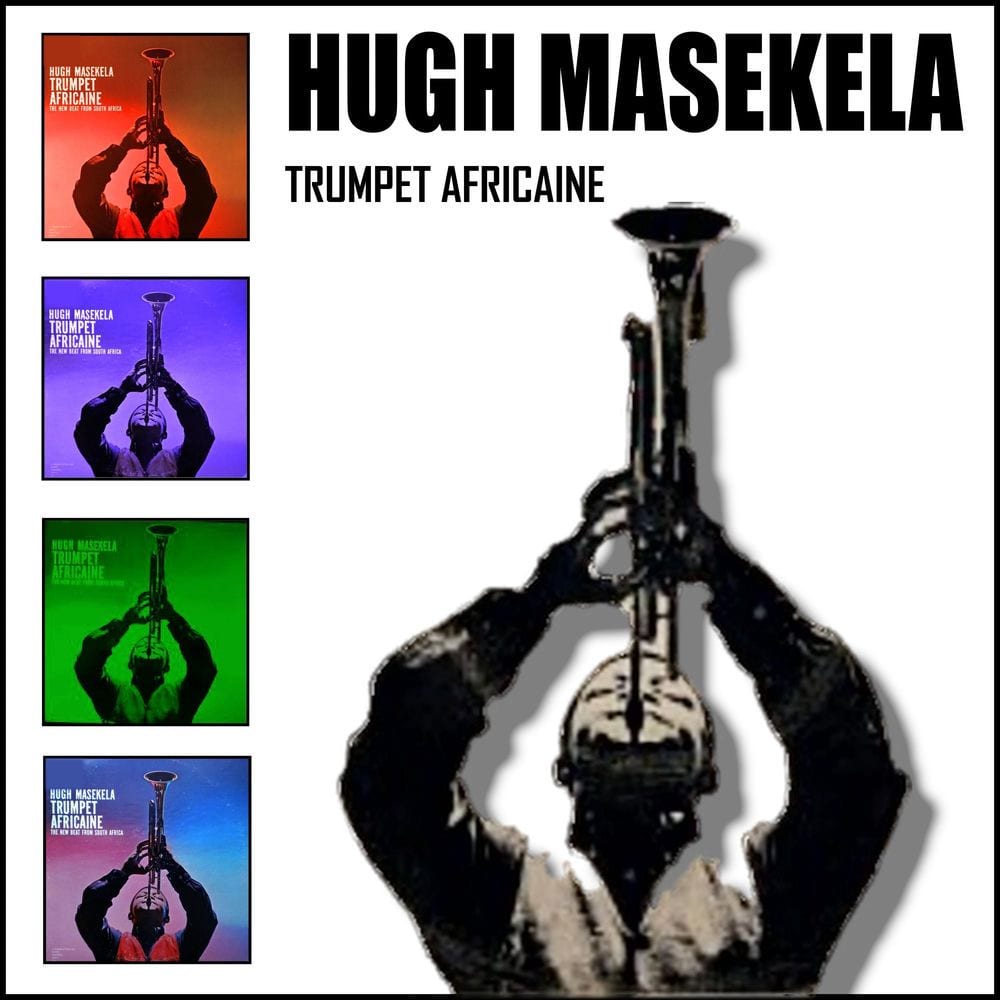
Trumpet Africaine
2021

Rejoice
2020

No Borders
2016

Pure Sounds of Africa
2015

Greatest Trumpet Jazz Hits
2015

Playing at Work (Re-Worked)
2013

Playing @ Work
2012

Songs of Migration
2011

Phola
2009

Best Of/20th Century
2006
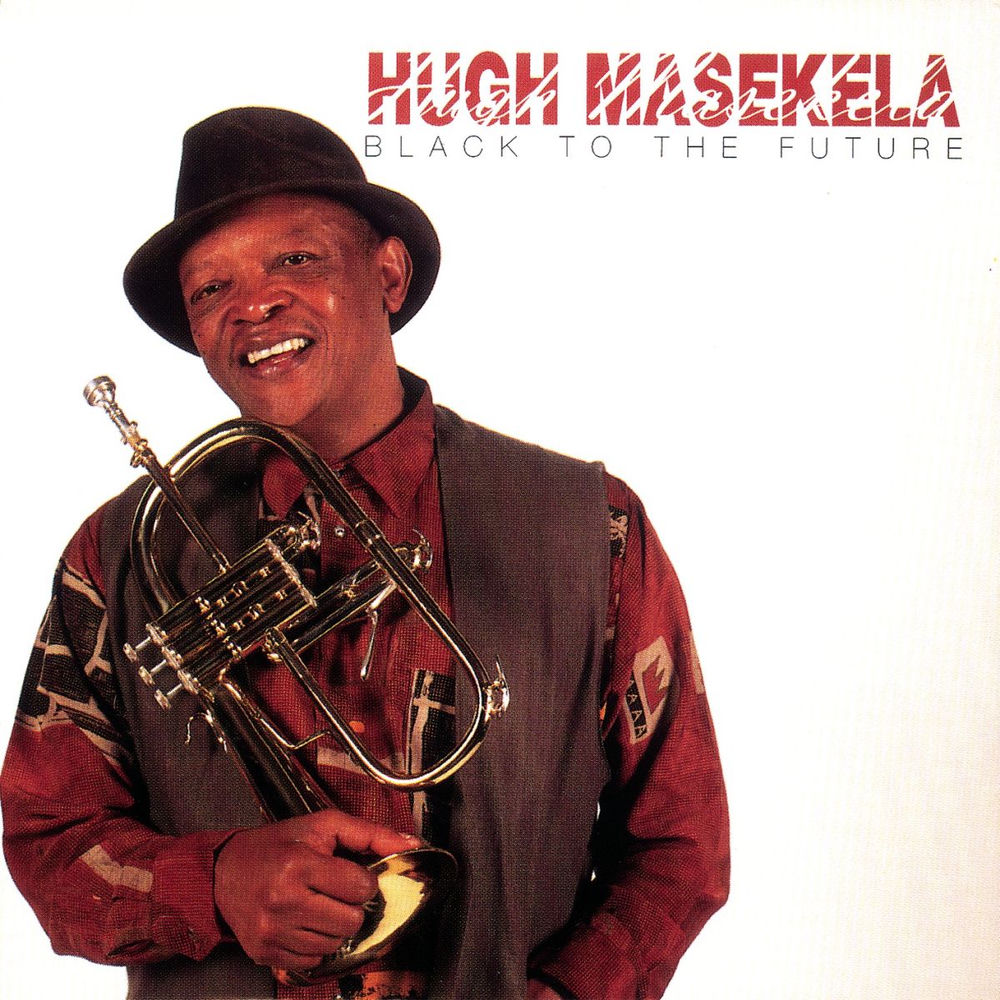
Black To The Future
2005
Almost Like Being In Jazz
2005
Revival
2005

The Collection
2003

The Lasting Impressions Of Ooga Booga
1996
Hugh Masakela & the Union of South Africa
1994
Hope
1994

Mbongeni Ngema's Sarafina! (Original Stage Show Recording)
1992
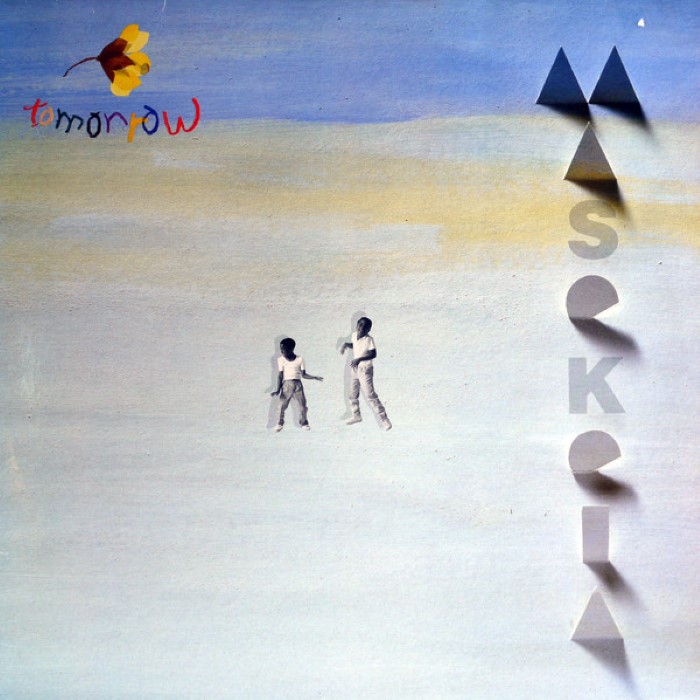
Tomorrow
1987

Main Event Live
1978


Singles & EPs
11We've Landed (Cool Cats Mix)
Single · 2026
Slow Bones (Cool Cats Mix)
Single · 2026

We've Landed (Matthew Herbert's Absence Dub Remix)
Single · 2026

Market Place 2.0 (feat. The Bless)
Single · 2026

The Meeting Place (Amapiano Version)
Single · 2023

Mango Tree
Single · 2023

Dingolay
Single · 2023

The Meeting Place (Soca Version)
Single · 2023

Slow Bones
Single · 2020
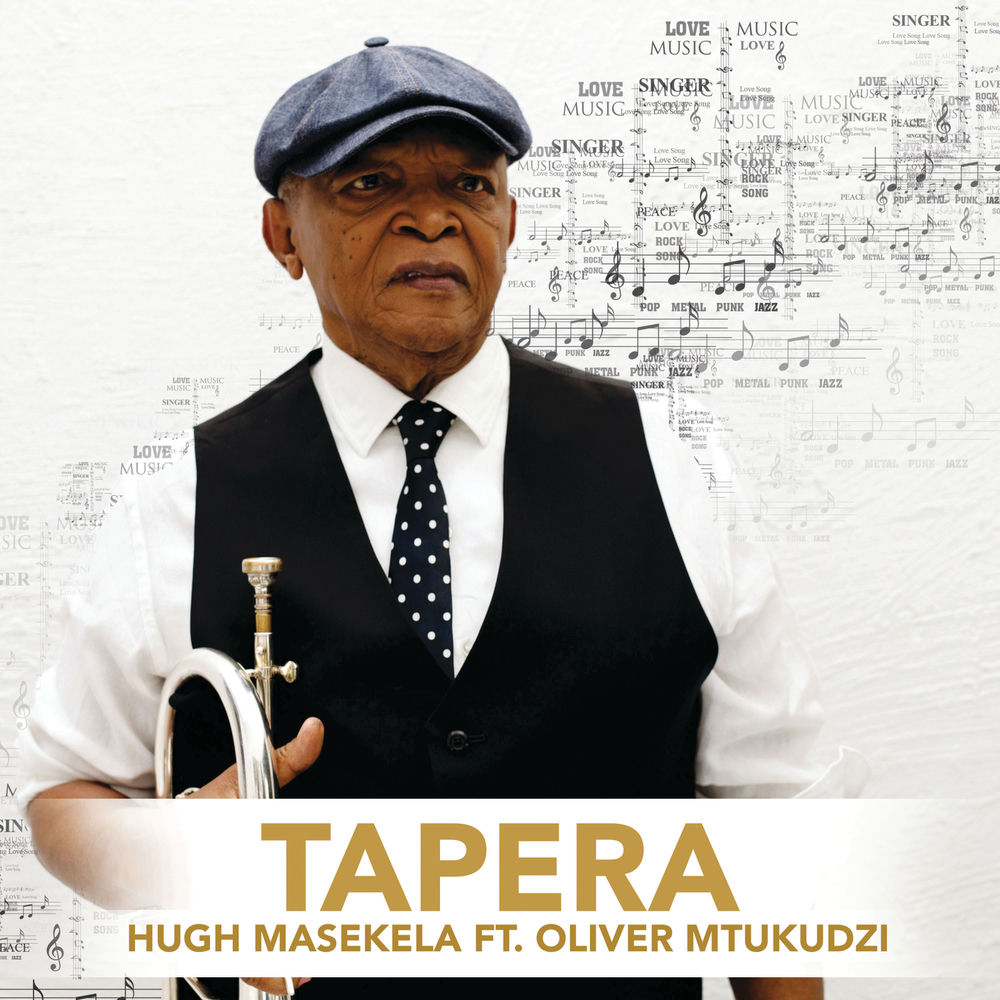
Tapera
Single · 2019

Win The World
Single · 2010
Live & compilations
15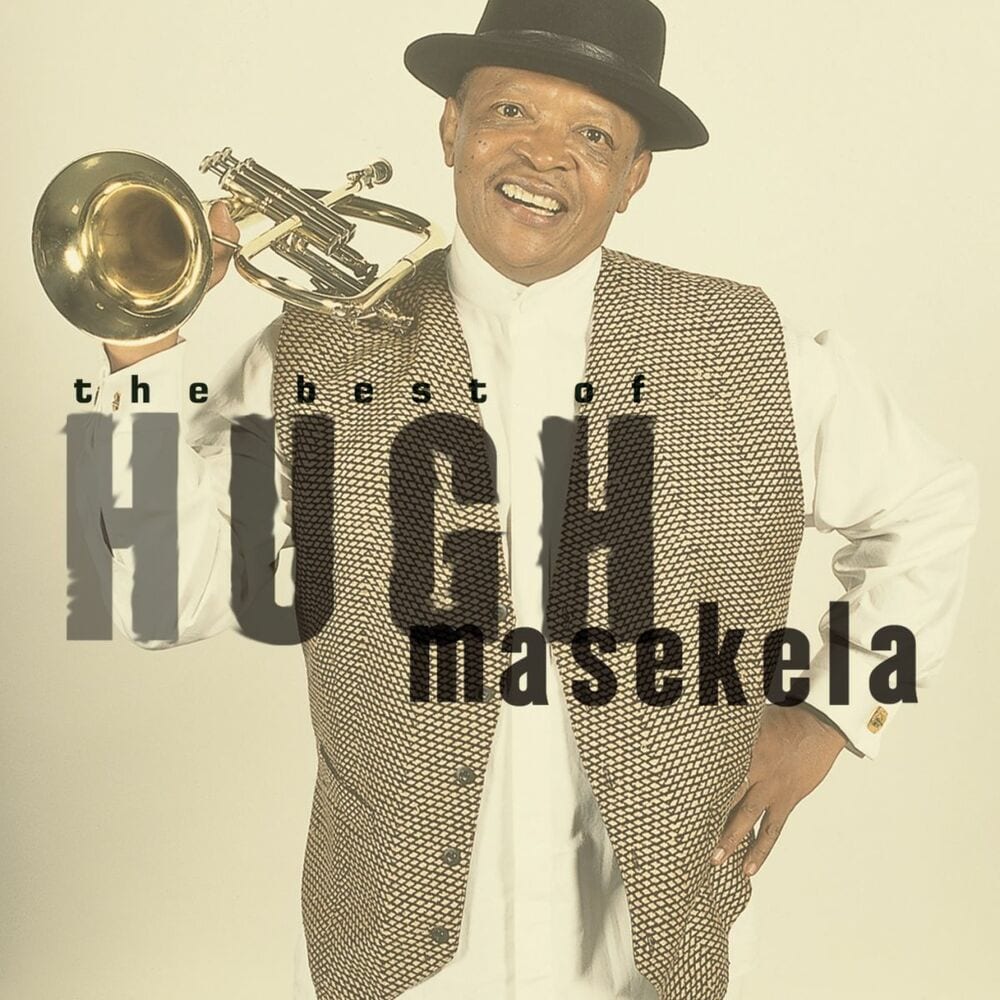
Grazing in the Grass: The Best of Hugh Masekela
Compilation · 2000

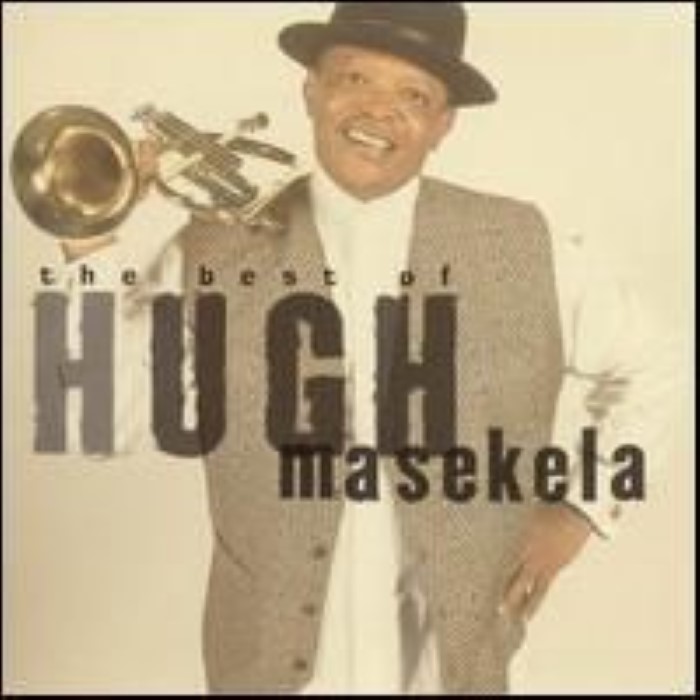
The Best of Hugh Masekela
Compilation · 2024
![Live in Lesotho (Remastered 2019) [Remastered] cover](https://is1-ssl.mzstatic.com/image/thumb/Music124/v4/35/b9/0c/35b90c92-1b3b-bfa7-1ffc-2b7d509c3f64/artwork.jpg/1200x1200bb.jpg)
Live in Lesotho (Remastered 2019) [Remastered]
Live · 2020

Live at Carnival City
Live · 2011
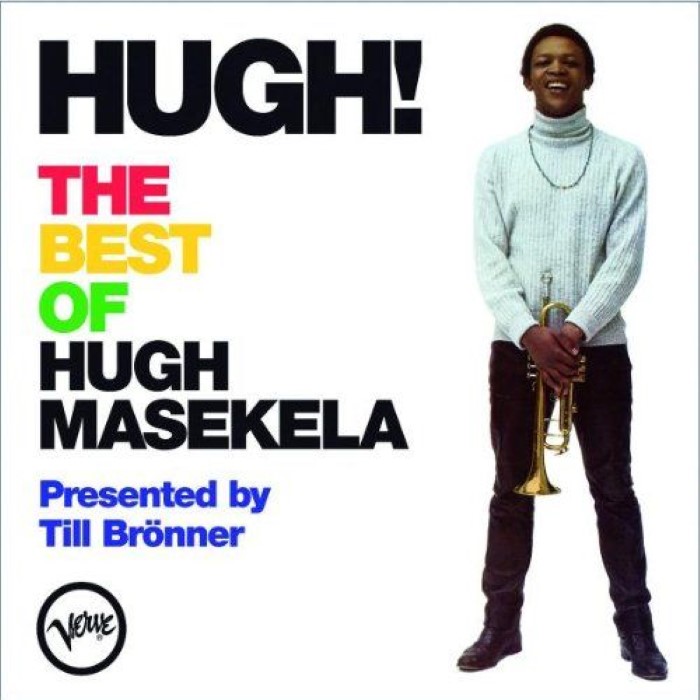
Hugh! The Best of Hugh Masekela
Compilation · 2010
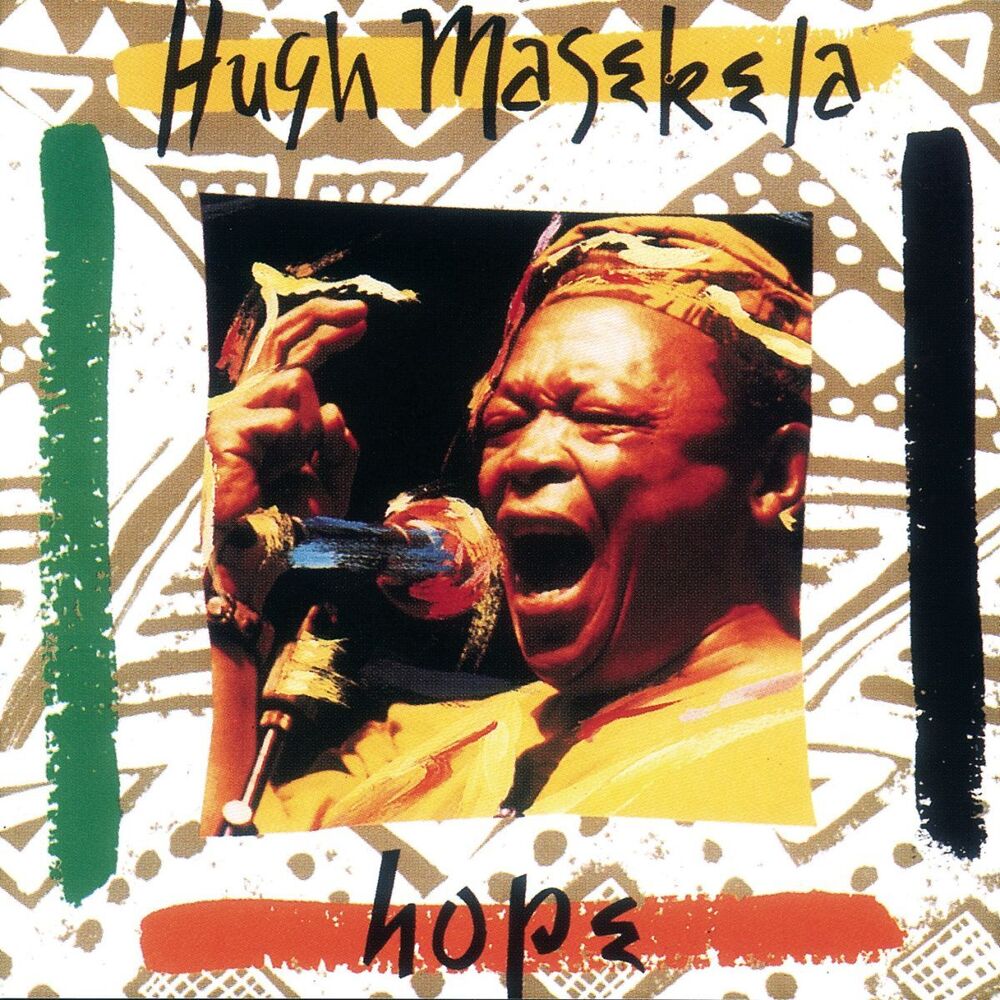
Hope (Live)
Live · 2009

20th Century Masters: The Best of Hugh Masekela
Compilation · 2006
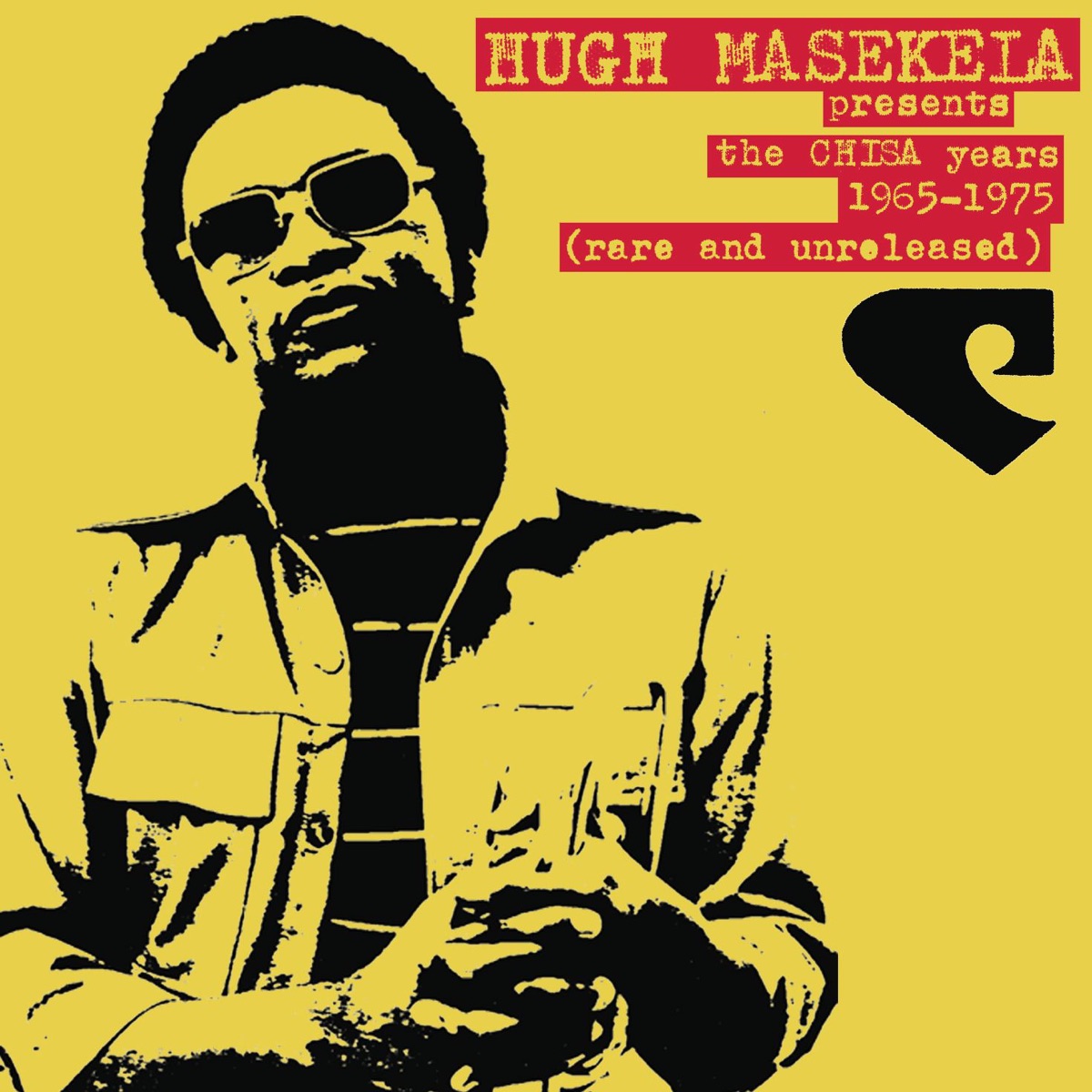
Hugh Masekela Presents the CHISA Years: 1965-1975 (Rare & Unreleased)
Compilation · 2006

The Chisa Years 1965-1975 (Rare and Unreleased)
Compilation · 2006
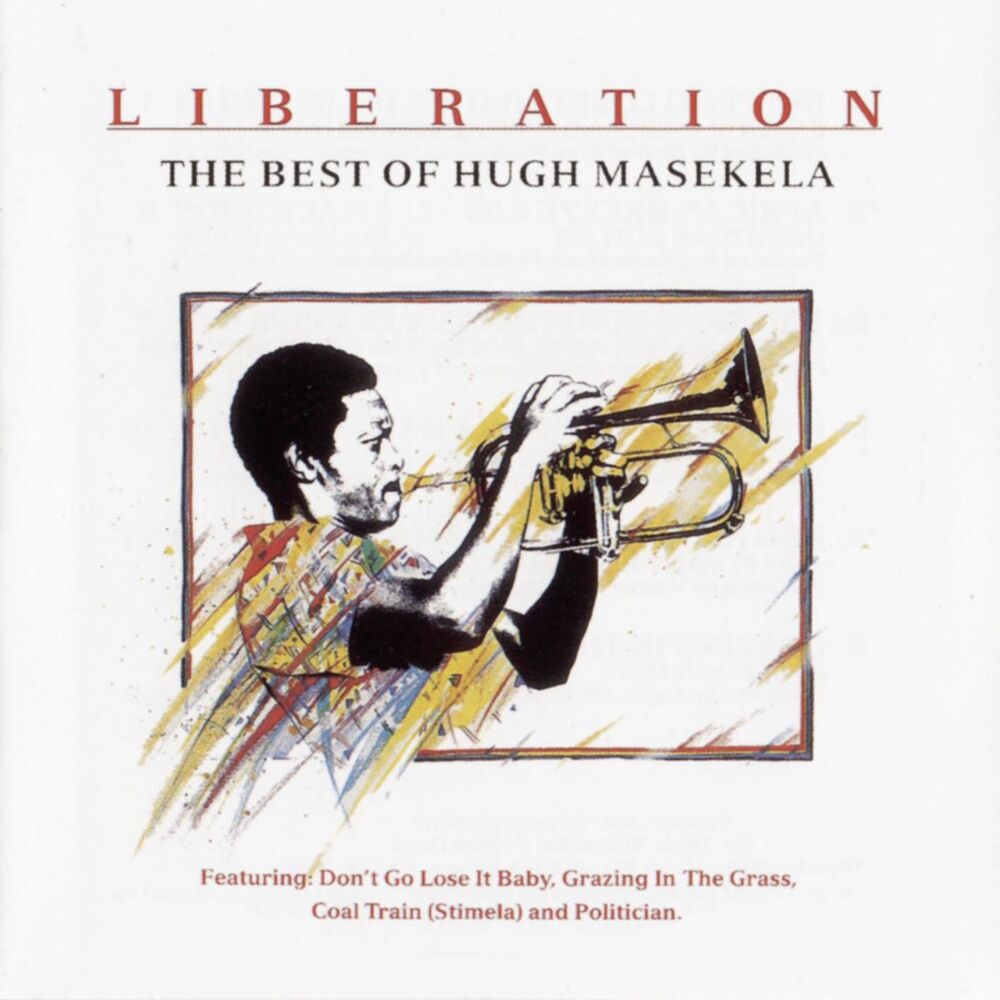
Liberation - The Best Of
Compilation · 2003

Live in Concert
Live · 2002
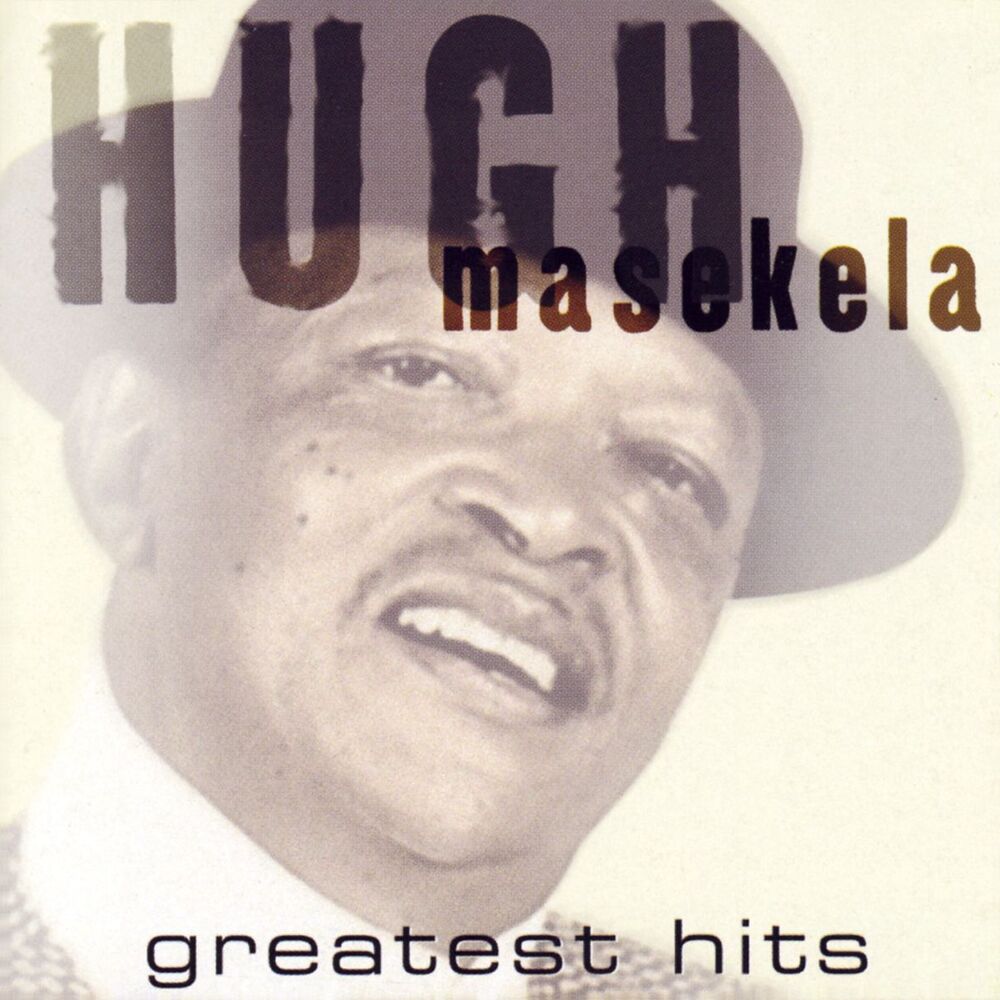
Greatest Hits
Compilation · 2000

The Best Of Hugh Masekela On Novus
Compilation · 1999
African Breeze : 80's Masekela
Compilation · 1996

Hugh Masekela: Greatest Hits
Compilation · 1967

Credits
2Records Hugh Masekela worked on for other artists — the roles are as credited on each release.


Appears on
1Releases by other artists featuring Hugh Masekela.

Featured tracks
1Collaborators
1
Community
More about Hugh Masekela
Hugh Masekela at a glance
- Born in
- Witbank
- From
- South Africa
- Active since
- 1956
- Instruments
- trumpet, saxophone, flugelhorn, voice
- Labels
- Mercury Records
- Educated at
- Guildhall School of Music and Drama, St. Martin's School
- Spouse
- Chris Calloway
- Former spouse
- Miriam Makeba (1964–1966)
- Children
- Sal Masekela
- Siblings
- Barbara Masekela
Facts from Wikidata (CC0). Children listed are those with their own public record, so the list may be incomplete.
About
Hugh Ramopolo Masekela (born 4 April 1939) is a South African trumpeter, flugelhornist, cornetist, composer, and singer. He is the father of American television host Sal Masekela. Masekela was born in Kwa-Guqa Township, Witbank, South Africa. He began singing and playing piano as a child. At age 14, after seeing the film Young Man with a Horn (in which Kirk Douglas plays a character modeled after American jazz cornetist Bix Beiderbecke), he took up playing the trumpet. His first trumpet was given to him by Archbishop Trevor Huddleston, the anti-apartheid chaplain at St. Peter's Secondary School. Huddleston asked the leader of the then Johannesburg "Native" Municipal Brass Band, Uncle Sauda, to teach Masekela the rudiments of trumpet playing. Masekela quickly mastered the instrument. Soon, some of his schoolmates also became interested in playing instruments, leading to the formation of the Huddleston Jazz Band, South Africa's first youth orchestra. By 1956, after leading other ensembles, Masekela joined Alfred Herbert's African Jazz Revue.
Read moreRead less
Since 1954, Masekela has played music that closely reflects his life experience. The agony, conflict, and exploitation South Africa faced during the 1950s and 1960s: This inspired, influenced him to make music and also spread political change. He was an artist who in his music vividly portrayed the struggles and sorrows, as well as the joys and passions of his country. His music protested about apartheid, slavery, government; the hardships individuals were living. Masekela reached a large population that also felt oppressed due to the country's situation. Following a Manhattan Brothers tour of South Africa in 1958, Masekela wound up in the orchestra of the musical King Kong, written by Todd Matshikiza. King Kong was South Africa's first blockbuster theatrical success, touring the country for a sold-out year with Miriam Makeba and the Manhattan Brothers' Nathan Mdledle in the lead. The musical later went to London's West End for two years. Career At the end of 1959, Dollar Brand (later known as Abdullah Ibrahim), Kippie Moeketsi, Makhaya Ntshoko, Johnny Gertze and Hugh formed the Jazz Epistles, the first African jazz group to record an LP and perform to record-breaking audiences in Johannesburg and Cape Town through late 1959 to early 1960. Following the 21 March 1960 Sharpeville Massacre—where 69 peacefully protesting Africans were shot dead in Sharpeville, and the South African government banned gatherings of ten or more people—and the increased brutality of the Apartheid state, Masekela left the country. He was helped by Trevor Huddleston and international friends such as Yehudi Menuhin and John Dankworth, who got him admitted into London's Guildhall School of Music. During that period, Masekela visited the United States, where he was befriended by Harry Belafonte. He attended Manhattan School of Music in New York, where he studied classical trumpet from 1960 to 1964. In 1964, Makeba and Masekela were married, divorcing two years later. He had hits in the United States with the pop jazz tunes "Up, Up and Away" (1967) and the number-one smash "Grazing in the Grass" (1968), which sold four million copies. He also appeared at the Monterey Pop Festival in 1967, and was subsequently featured in the film Monterey Pop by D. A. Pennebaker. In 1974, Masekela and friend Stewart Levine organised the Zaire 74 music festival in Kinshasa set around The Rumble in the Jungle boxing match. Masekela in Washington, D.C., 2007 He has played primarily in jazz ensembles, with guest appearances on recordings by The Byrds ("So You Want to Be a Rock 'n' Roll Star" and "Lady Friend") and Paul Simon ("Further to Fly"). In 1984, Masekela released the album Techno Bush; from that album, a single entitled "Don't Go Lose It Baby" peaked at number two for two weeks on the dance charts. In 1987, he had a hit single with "Bring Him Back Home", which became an anthem for the movement to free Nelson Mandela. A renewed interest in his African roots led Masekela to collaborate with West and Central African musicians, and finally to reconnect with Southern African players when he set up with the help of Jive Records a mobile studio in Botswana, just over the South African border, from 1980 to 1984. Here he re-absorbed and re-used mbaqanga strains, a style he has continued to use since his return to South Africa in the early 1990s. In the 1980s, he toured with Paul Simon in support of Simon's album Graceland, which featured other South African artists such as Ladysmith Black Mambazo, Miriam Makeba, Ray Phiri, and other elements of the band Kalahari, which Masekela recorded with in the 1980s. He also collaborated in the musical development for the Broadway play, Sarafina! He previously recorded with the band Kalahari. Masekela in Cambridge, Massachusetts, 26 June 2013 In 2003, he was featured in the documentary film Amandla!. In 2004, he released his autobiography, Still Grazing: The Musical Journey of Hugh Masekela, co-authored with journalist D. Michael Cheers, which thoughtfully detailed Masekela's struggles against apartheid in his homeland, as well as his personal struggles against alcoholism from the late 1970s through to the 1990s. In this period, he migrated, in his personal recording career, to mbaqanga, jazz/funk, and the blending of South African sounds to an adult contemporary sound, through two albums he recorded with Herb Alpert, and solo recordings, Techno-Bush (recorded in his studio in Botswana), Tomorrow (featuring the anthem "Bring Him Back Home"), Uptownship (a lush-sounding ode to American R&B), Beatin' Aroun de Bush, Sixty, Time, and Revival. His song "Soweto Blues", sung by his former wife, Miriam Makeba, is a blues/jazz piece that mourns the carnage of the Soweto riots in 1976. He has also provided interpretations of songs composed by Jorge Ben, Antonio Carlos Jobim, Caiphus Semenya, Jonas Gwangwa, Dorothy Masuka and Fela Kuti. In 2009, Masekela released the album Phola (meaning "to get well, to heal"), his second recording for 4 Quarters Entertainment/Times Square Records. It includes some songs he wrote in the 1980s but never completed, as well as a reinterpretation of "The Joke of Life (Brinca de Vivre)", which he recorded in the mid-1980s. Since October 2007, he has been a Board Member of the Woyome Foundation for Africa. In 2010, Hugh Masekela was featured, with his son Salema, in a series of videos on ESPN. The series, called Umlando – Through My Father's Eyes, was aired in 10 parts during ESPN's coverage of the FIFA World Cup in South Africa. The series focused on Hugh and Sal's travels through South Africa. Hugh brought his son to the places he grew up. It was Sal's first trip to his father's homeland. On 3 December 2013, Masekela guested with the Dave Matthews Band in Johannesburg, South Africa. He joined Rashawn Ross on trumpet for "Proudest Monkey" and "Grazing in the Grass". Social initiatives Masekela is involved in several social initiatives, and serves for instance as a director on the board of The Lunchbox Fund, a non-profit organization that provides a daily meal to students of township schools in Soweto.
Hugh Masekela in brief
- How many Hugh Masekela releases are on Riffiter?
- 73 releases are catalogued, spanning 1967 to 2026.
- What genre is Hugh Masekela?
- Hugh Masekela is catalogued under Jazz.
- What is the most recent Hugh Masekela release on Riffiter?
- The Emancipation Of Hugh Masekela, released in 2026.
- Who is Hugh Masekela married to?
- Hugh Masekela is married to Chris Calloway.
- Does Hugh Masekela have children?
- Sal Masekela is a child of Hugh Masekela on public record.


