

Giacomo Puccini
Giacomo Puccini is a classical artist. 24 releases are catalogued on Riffiter.
- 24
- Releases
- 1953–1953
- Active years
- 1924
- Died
Discography
24Rank them 1 vs 1 →Two covers at a time. Pick the one you rate higher, we build the order.
Most popular
Puccini: Opera Arias
2012 · 19 tracks
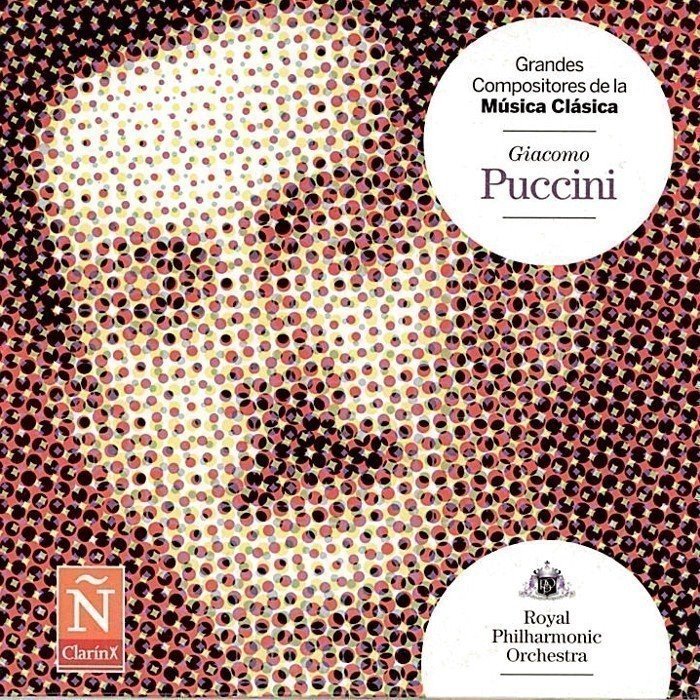
Grandes Compositores de la Música Clásica: Puccini
2010
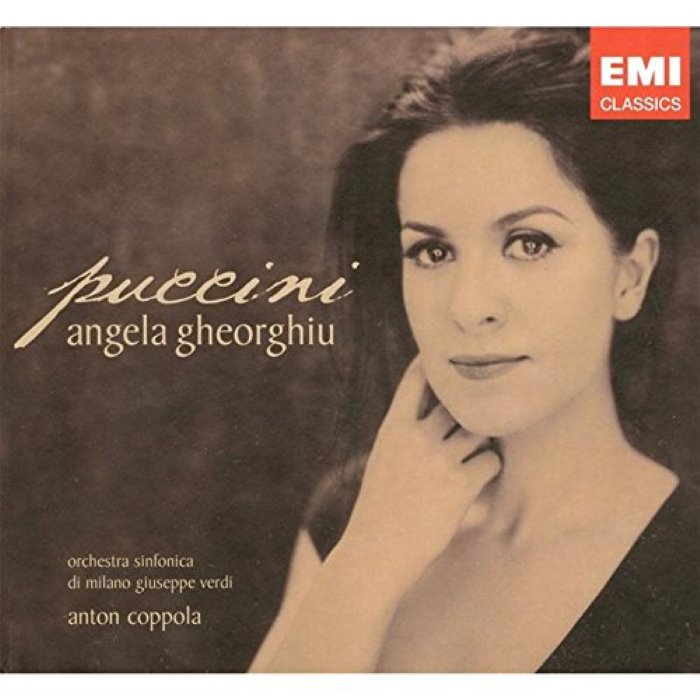
Puccini Opera Arias
2005
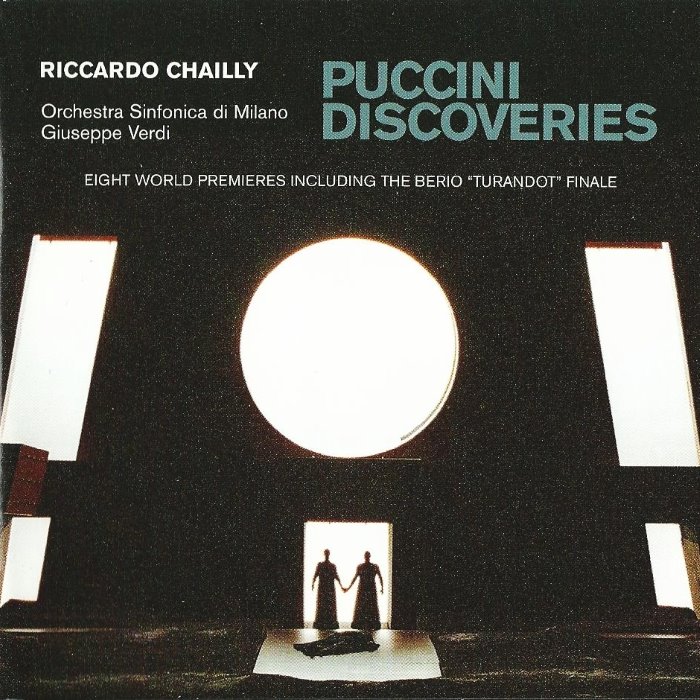
Puccini Discoveries
2004

Manon Lescaut (Highlights)
2000

Ti Amo - Puccini's greatest love songs
1993
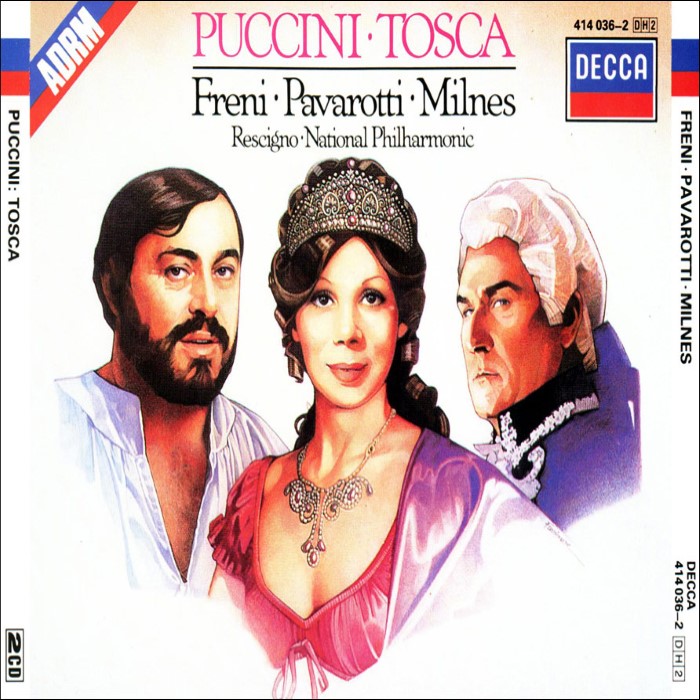
Tosca (National Philharmonic feat. conductor: Nicola Rescigno, soprano: Mirella Freni, tenor: Luciano Pavarotti, baritone: Sherrill Milnes)
1988
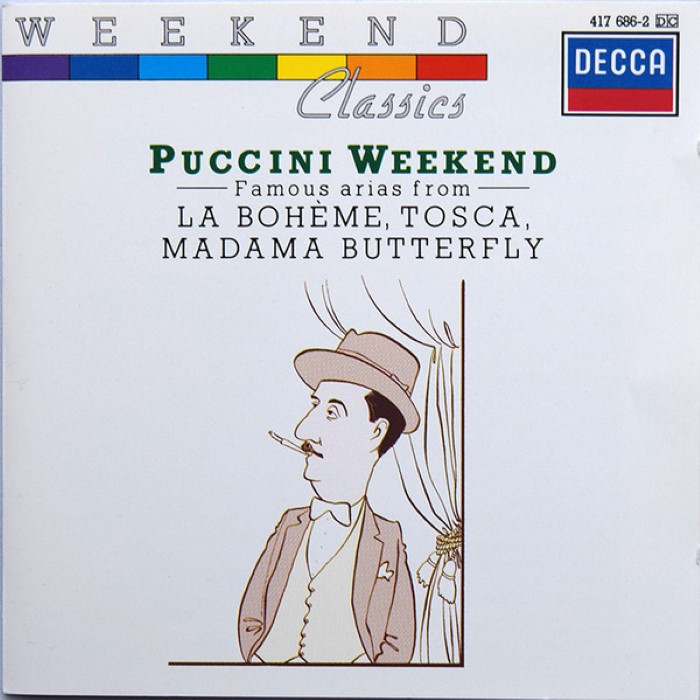
Puccini Weekend, Famous Arias
1988
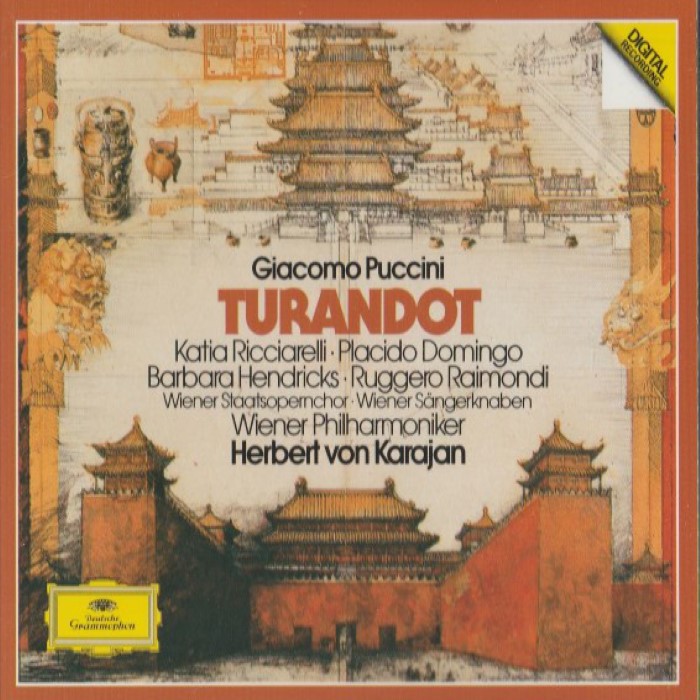
Turandot (Vienna Philharmonic Orchestra feat. conductor: Herbert von Karajan, vocals: Siegmund Nimsgern, Piero de Palma, Katia Ricciarelli, Gottfried Hornik, Francisco Araiza, Heinz Zednik, Ruggero Ra
1988
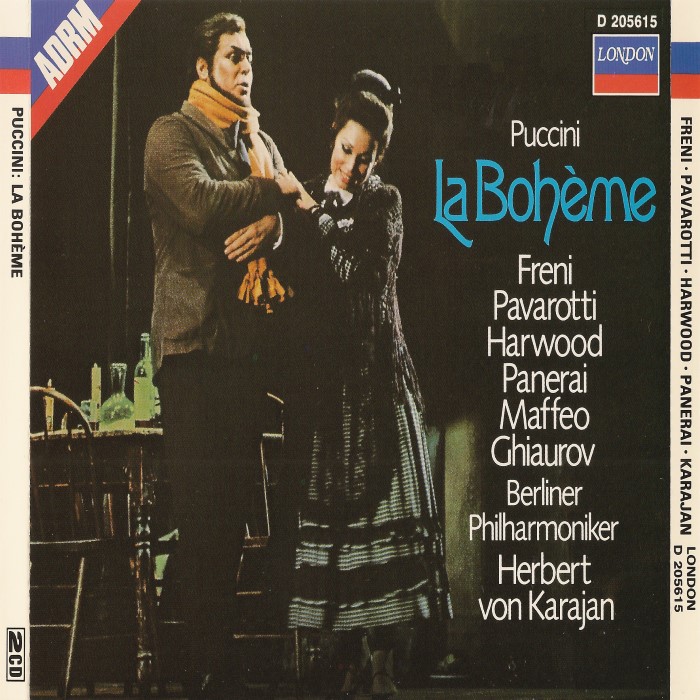
La Bohème
1987
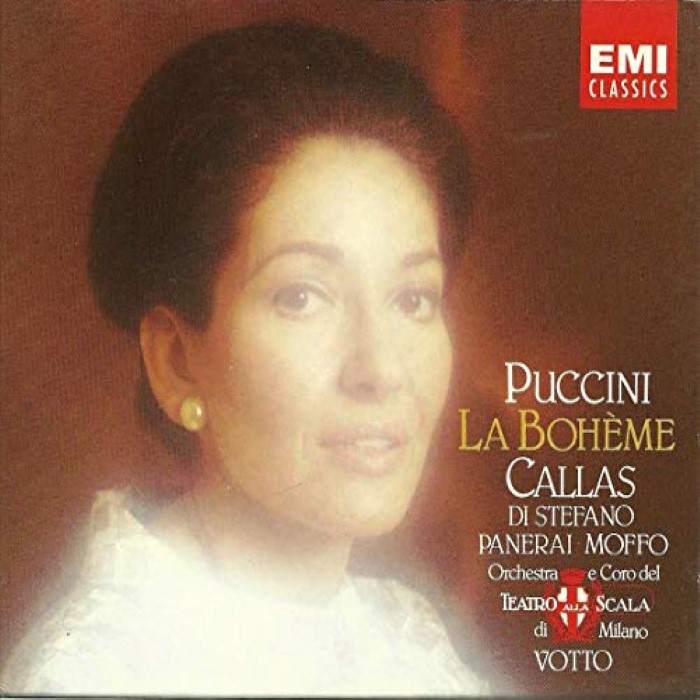
La bohème (Orchestra e Coro del Teatro alla Scala, Milano feat conductor: Antonino Votto; Maria Callas, Giuseppe Di Stefano, Rolando Panerai, Manuel Spatafora, Nicola Zaccaria, Anna Moffo, Carlo Badio
1987
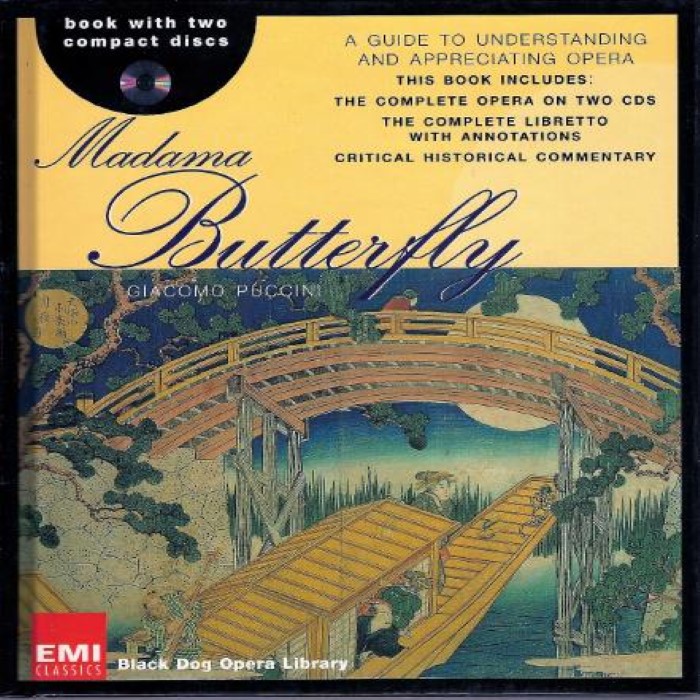
Madama Butterfly
1986
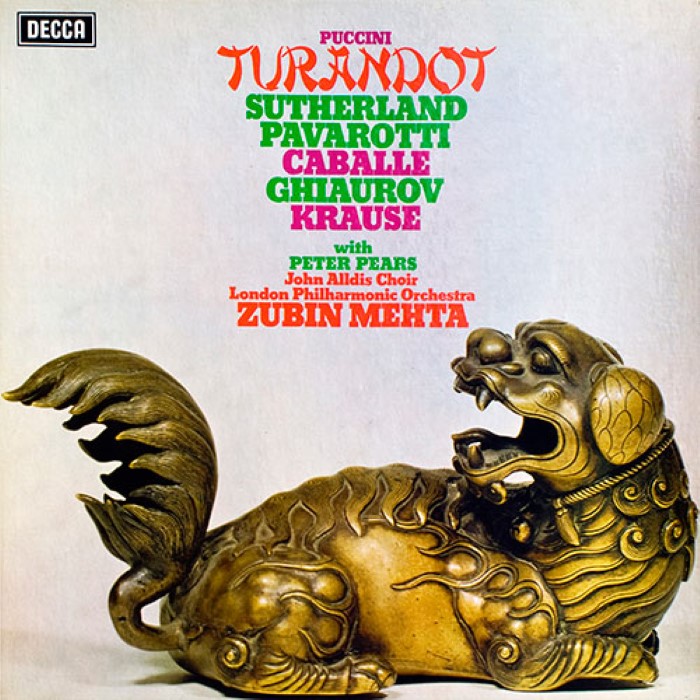
Turandot
1985
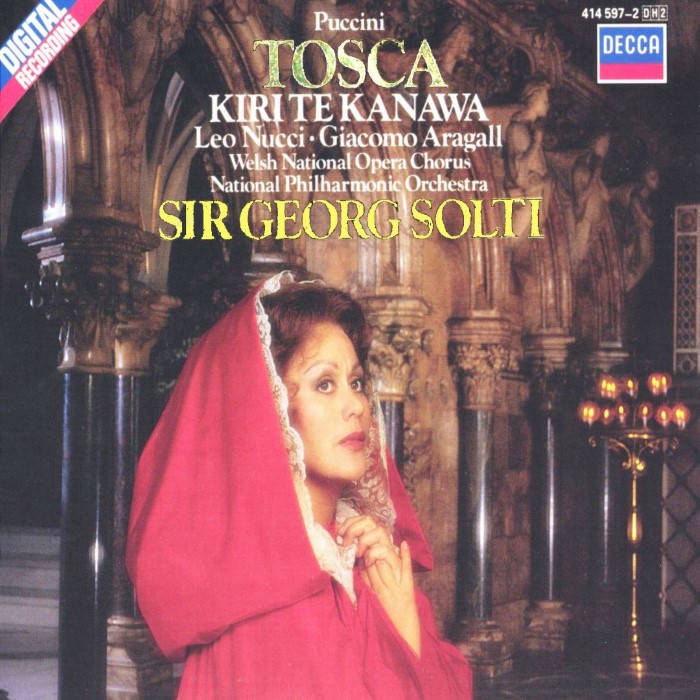
Tosca (National Philharmonic Orchestra, Welsh National Opera Chorus feat. conductor: Sir Georg Solti, soprano: Kiri Te Kanawa, baritono: Leo Nucci, tenor: Giacomo Aragall)
1984
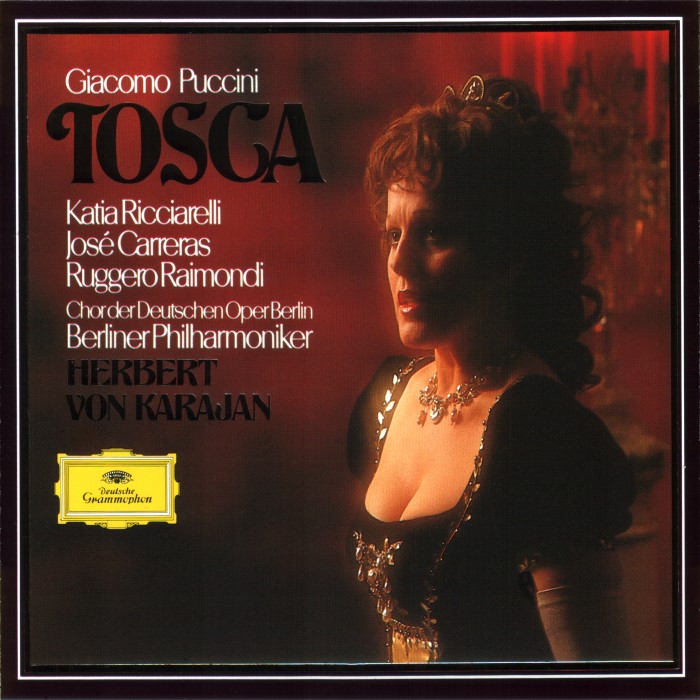
Tosca (Berliner Philharmonic Orchestra feat. conductor: Herbert von Karajan, soprano: Katia Ricciarelli)
1984
- La Rondine (London Symphony Orchestra, Ambrosian Opera Chorus, feat. Conductor Lorin Maazel)
La Rondine (London Symphony Orchestra, Ambrosian Opera Chorus, feat. Conductor Lorin Maazel)
1983
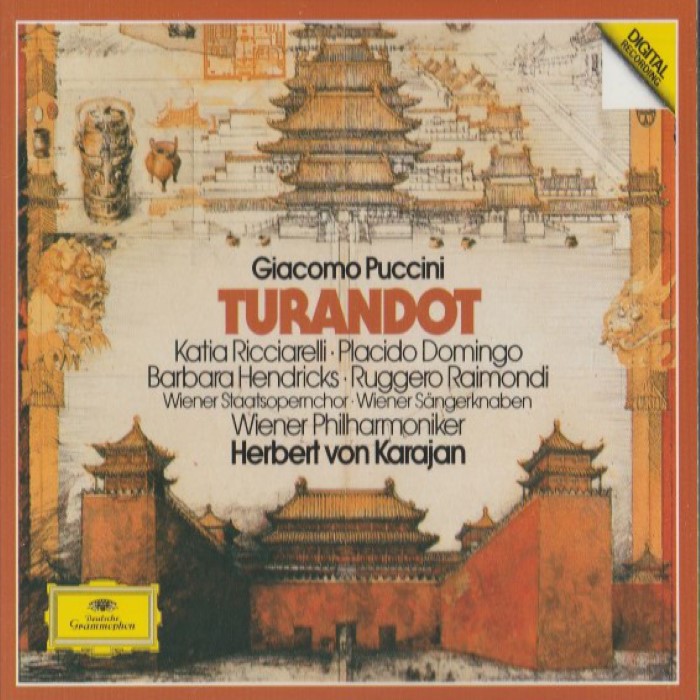
Turandot (Wiener Philharmoniker feat. conductor: Herbert von Karajan, soprano: Katia Ricciarelli, tenor: Placido Domingo)
1982
Missa di Gloria (Chœur symphonique et Orchestre de la fondation Gulbenkian de Lisbonne feat. conductor: Michel Corboz)
1978
Gianni Schicchi (Lamberto Gardelli, Orch. e coro del Maggio Musicale Fiorentino)
1962
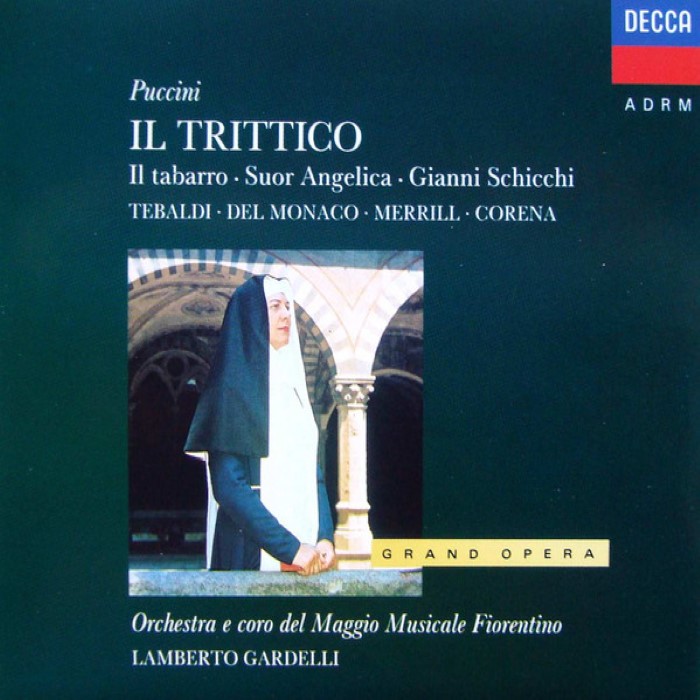
Il tabarro (Lamberto Gardelli, Orch. e coro del Maggio Musicale Fiorentino)
1962
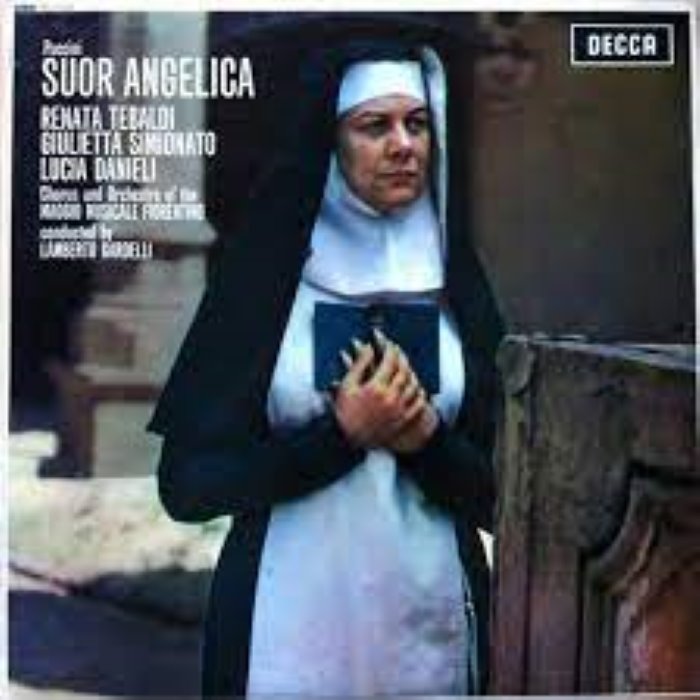
Suor Angelica (Lamberto Gardelli, Orch. e coro del Maggio Musicale Fiorentino)
1962
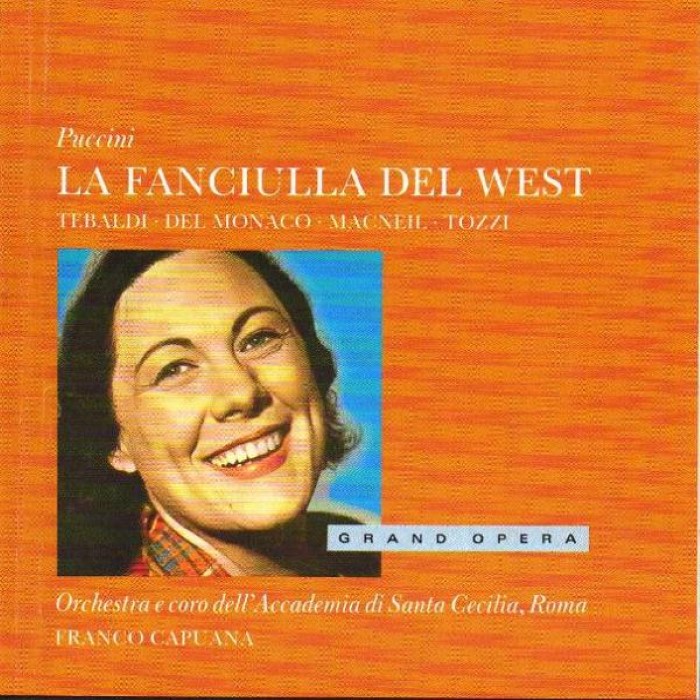
La fanciulla del West (Franco Capuana, Orch. e coro dell'Accademia di Santa Cecilia)
1958
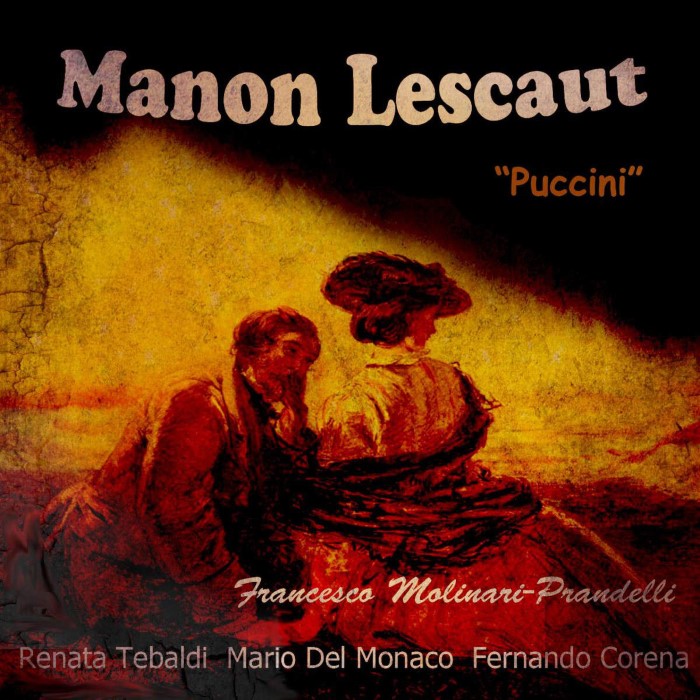
Manon Lescaut
1954
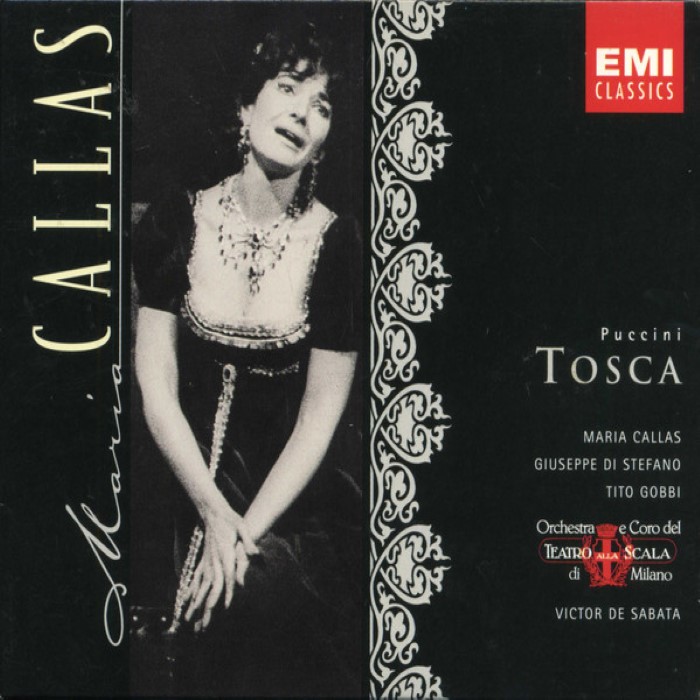
Tosca
1953
Appears on
8Releases by other artists featuring Giacomo Puccini.
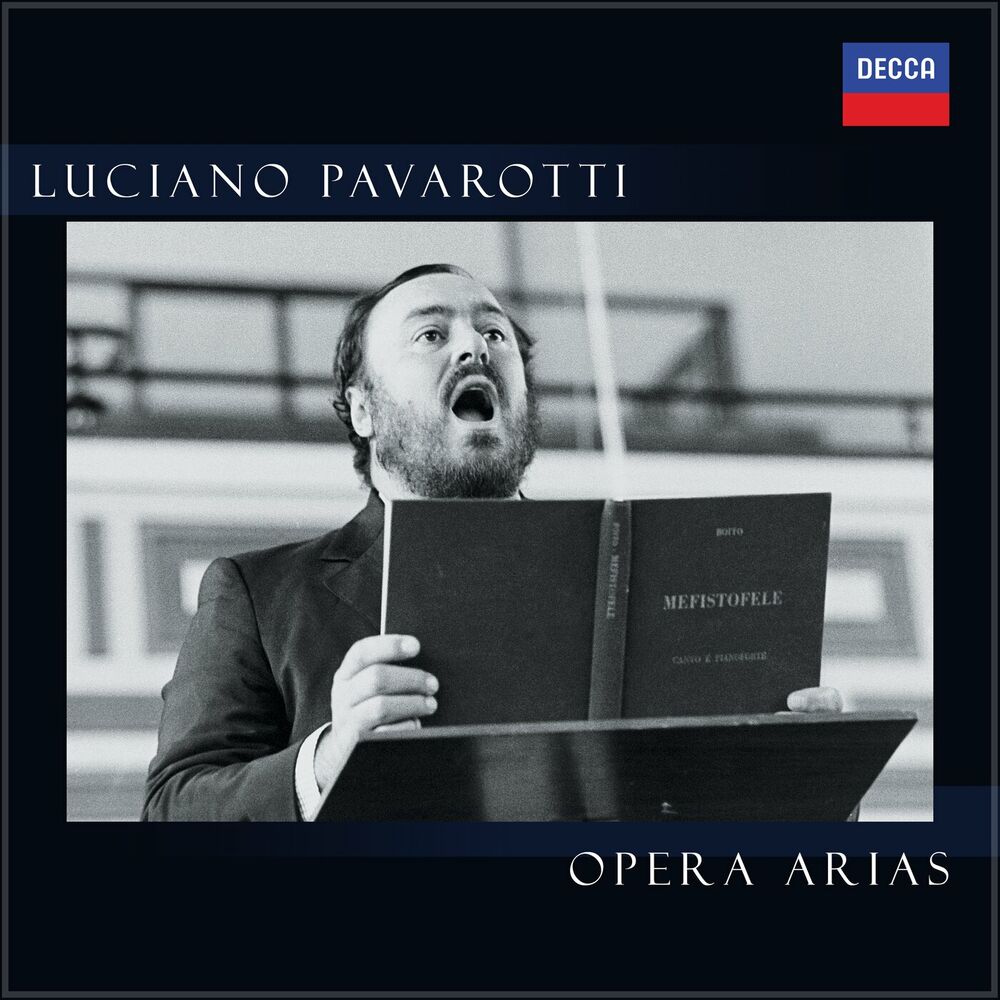
Luciano Pavarotti: Opera Arias
Gaetano Donizetti · 2024

Pavarotti: Great Arias
Gaetano Donizetti · 2024

A Night at the Opera: Luciano Pavarotti
Gaetano Donizetti · 2024

Pavarotti: Puccini, Verdi & Donizetti
Gaetano Donizetti · 2024

From the Heart: Italian Arias and Neopolitan Songs
Gaetano Donizetti · 2022

The Artistry of Fernando de la Mora
Gaetano Donizetti · 2022
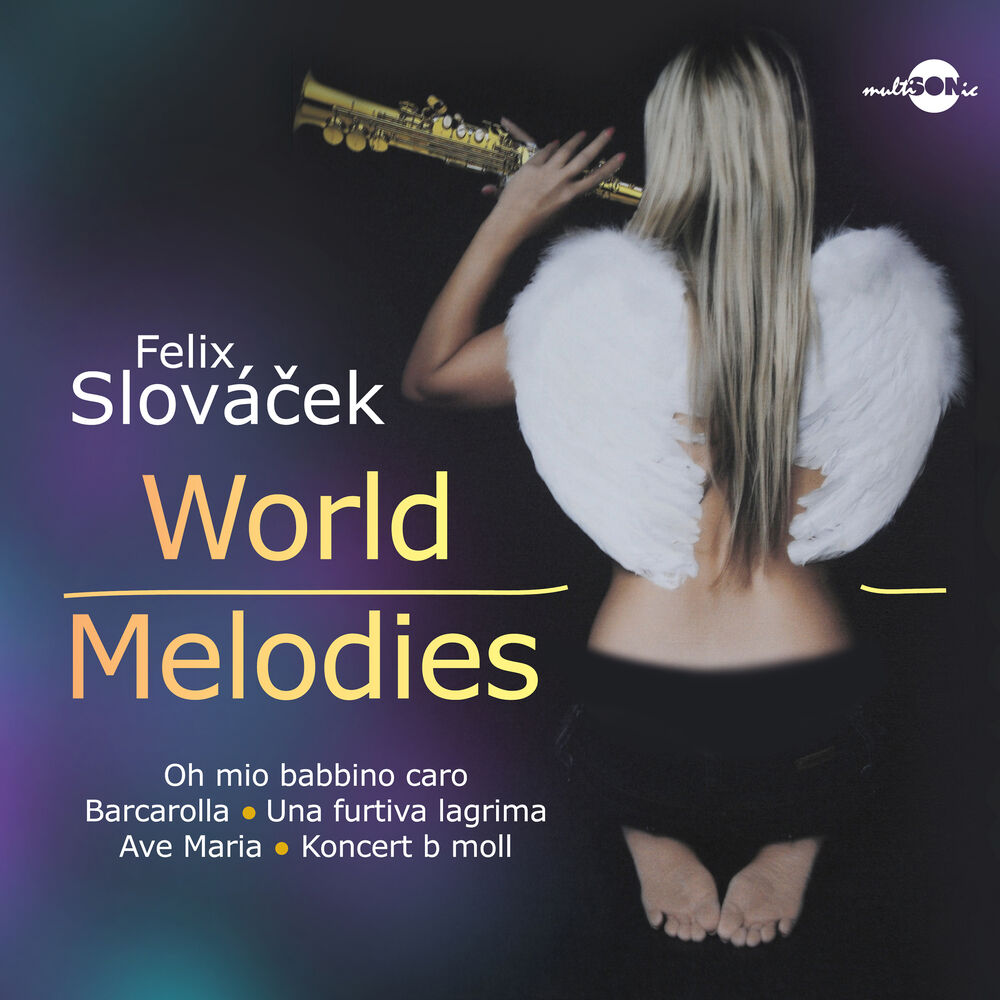
World Melodies
Gaetano Donizetti · 2014

Jussi Björling (1911-1960) - Anniversary
Pietro Mascagni · 2010
Featured tracks
22 Tosca, SC 69, Act III : Puccini: Tosca, SC 69, Act III: E lucevan le stelleGaetano Donizetti · Luciano Pavarotti: Opera Arias
 Turandot, Act III : Puccini: Turandot, Act III: Nessun dorma!Gaetano Donizetti · Pavarotti: Great Arias
- Tosca, Act III : Puccini: Tosca, Act III: E lucevan le stelleGaetano Donizetti · Pavarotti: Great Arias
- Madama Butterfly, Act III : Puccini: Madama Butterfly, Act III: Addio, fiorito asil (2013 Remastered Version)Gaetano Donizetti · Pavarotti: Great Arias
- La fanciulla del West, Act III : Puccini: La fanciulla del West, Act III: Ch'ella mi credaGaetano Donizetti · Pavarotti: Great Arias
- Manon Lescaut, Act I : Puccini: Manon Lescaut, Act I: Tra voi, belle, brune e bionde (Remastered 2014)Gaetano Donizetti · Luciano Pavarotti: Opera Arias
- Manon Lescaut, Act I : Puccini: Manon Lescaut, Act I: Donna non vidi maiGaetano Donizetti · Luciano Pavarotti: Opera Arias
- La bohème, Act I : Puccini: La bohème, Act I: Chi è là?Gaetano Donizetti · Luciano Pavarotti: Opera Arias
 La bohème, Act II : Puccini: La bohème, Act II: Quando men vo – Fuori il danaro!Gaetano Donizetti · A Night at the Opera: Luciano Pavarotti
- Turandot, Act II : Puccini: Turandot, Act II: In questa reggia – O PrincipiGaetano Donizetti · A Night at the Opera: Luciano Pavarotti
 Madama Butterfly, Act I : Puccini: Madama Butterfly, Act I: Vogliatemi bene – Vieni, vieni! (Love Duet)Gaetano Donizetti · Pavarotti: Puccini, Verdi & Donizetti
- Manon Lescaut, Act III : Puccini: Manon Lescaut, Act III: Presto! In fila! – No! Pazzo son!Gaetano Donizetti · Pavarotti: Puccini, Verdi & Donizetti
 La bohème, SC 67: Che gelida maninaGaetano Donizetti · From the Heart: Italian Arias and Neopolitan Songs
- Tosca, SC 69: Recondita armoniaGaetano Donizetti · From the Heart: Italian Arias and Neopolitan Songs
- Tosca, SC 69: E lucevan le stelleGaetano Donizetti · From the Heart: Italian Arias and Neopolitan Songs
- Madama Butterfly, SC 74: Addio, fiorito asilGaetano Donizetti · From the Heart: Italian Arias and Neopolitan Songs
- Turandot, SC 91: Nessun dorma!Gaetano Donizetti · From the Heart: Italian Arias and Neopolitan Songs
 Tosca, SC 69: E luccevan le stelleGaetano Donizetti · The Artistry of Fernando de la Mora
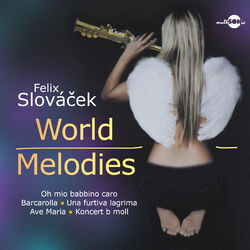 Oh Mio Babbino CaroGaetano Donizetti · World Melodies
 Turandot, Act III: Nessun dorma!Pietro Mascagni · Jussi Björling (1911-1960) - Anniversary
- La Bohème, Act I: Che gelida maninaPietro Mascagni · Jussi Björling (1911-1960) - Anniversary
- Tosca, Act III: E lucevan le stellePietro Mascagni · Jussi Björling (1911-1960) - Anniversary
Collaborators
4


Community
More about Giacomo Puccini
Giacomo Puccini at a glance
- Born in
- Lucca
- From
- Grand Duchy of Tuscany, Kingdom of Italy
- Active since
- 1876
- Instruments
- organ
- Member of
- Royal Swedish Academy of Music
- Educated at
- Milan Conservatory
- Former spouse
- Elvira Puccini (1904–1924)
- Children
- Antonio Puccini
- Parents
- Michele Puccini
- Family
- Giacomo Puccini, Simonetta Puccini, Fosca Gemignani
Facts from Wikidata (CC0). Children listed are those with their own public record, so the list may be incomplete.
About
Born Giacomo Antonio Domenico Michele Secondo Maria Puccini, Puccini was born in Lucca in Tuscany, into a family with five generations of musical history behind them, including composer Domenico Puccini. His father died when Giacomo was five years old, and he was sent to study with his uncle Fortunato Magi, who considered him to be a poor and undisciplined student. Magi may have been prejudiced against his nephew because his contract as choir master stipulated that he would hand over the position to Puccini "as soon as the said Signore Giacomo be old enough to discharge such duties." Puccini took the position of church organist and choir master in Lucca, but it was not until he saw a performance of Verdi's Aida that he became inspired to be an opera composer.
Read moreRead less
In 1880, with the help of a relative and a grant, Puccini enrolled in the Milan Conservatory to study composition with Stefano Ronchetti-Monteviti, Amilcare Ponchielli, and Antonio Bazzini. In the same year, at the age of 21, he composed the Messa, which marks the culmination of his family's long association with church music in his native Lucca. Although Puccini himself correctly titled the work a Messa, referring to a setting of the Ordinary of the Catholic Mass, today the work is popularly known as his Messa di Gloria, a name that technically refers to a setting of only the first two prayers of the Ordinary, the Kyrie and the Gloria, while omitting the Credo, the Sanctus, and the Agnus Dei. The work anticipates Puccini's career as an operatic composer by offering glimpses of the dramatic power that he would soon bring forth onto the stage; the powerful "arias" for tenor and bass soloists are certainly more operatic than is usual in church music and, in its orchestration and dramatic power, the Messa compares interestingly with Verdi's Requiem. While studying at the Conservatory, Puccini obtained a libretto from Ferdinando Fontana and entered a competition for a one-act opera in 1882. Although he did not win, Le Villi was later staged in 1884 at the Teatro Dal Verme and it caught the attention of Giulio Ricordi, head of G. Ricordi & Co. music publishers, who commissioned a second opera, Edgar, in 1889. Edgar failed: it was a bad story and Fontana's libretto was poor. This may have had an effect on Puccini's thinking because when he began his next opera Manon Lescaut he announced that he would write his own libretto so that "no fool of a librettist" could spoil it for him. Ricordi persuaded him to accept Leoncavallo as his librettist, but Puccini soon asked Ricordi to remove him from the project. Four other librettists were then involved with the opera, due mainly to Puccini constantly changing his mind about the structure of the piece. It was almost by accident that the final two, Illica and Giacosa, came together to complete the opera and they remained with Puccini for his next three operas and probably his greatest successes La Boheme, Tosca and Madama Butterfly. It may well have been the failure of Edgar that made Puccini so apt to change his mind. Edgar nearly cost him his career: Puccini had eloped with the married Elvira Gemignani and Ricordi's associates were willing to turn a blind eye to his life style as long as he was successful. When Edgar failed, they suggested to Ricordi that he should drop Puccini, but Ricordi said that he would stay with him and made him an allowance from his own pocket until his next opera. Manon Lescaut was a great success and Puccini went on to become the leading operatic composer of his day.
Giacomo Puccini in brief
- How many Giacomo Puccini releases are on Riffiter?
- 24 releases are catalogued, spanning 1953 to 2012.
- What genre is Giacomo Puccini?
- Giacomo Puccini is catalogued under Classical, Opera.
- What is the most recent Giacomo Puccini release on Riffiter?
- Puccini: Opera Arias, released in 2012.
- Does Giacomo Puccini have children?
- Antonio Puccini is a child of Giacomo Puccini on public record.


