

Discography
20
Most popular
Grandes Compositores de la Música Clásica: Wagner
2010 · 6 tracks
Der Ring des Nibelungen
1998
Tristan und Isolde (Berliner Philharmoniker feat. conductor: Herbert von Karajan)
1988
Preludes & Overtures (Berliner Philharmoniker feat. conductor: Herbert von Karajan)
1987
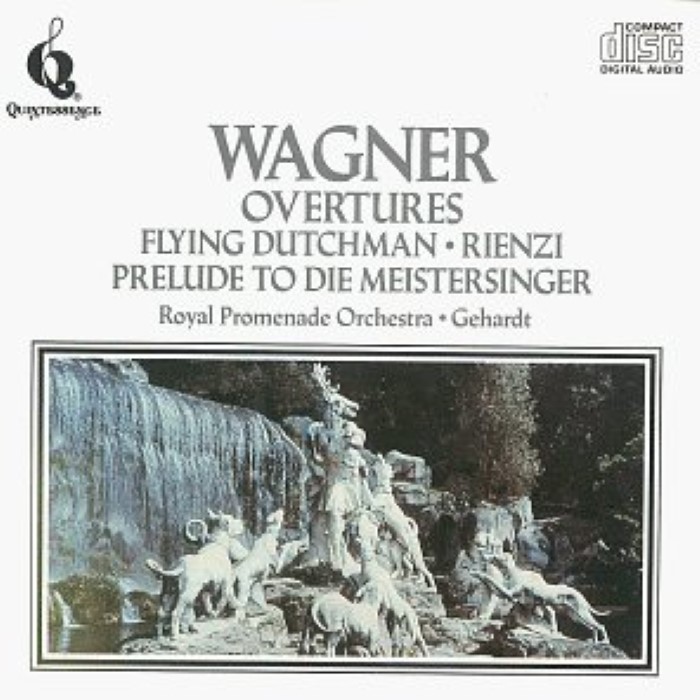
Wagner Overtures (Royal Promenade Orchestra feat. conductor: Alfred Gehardt)
1987
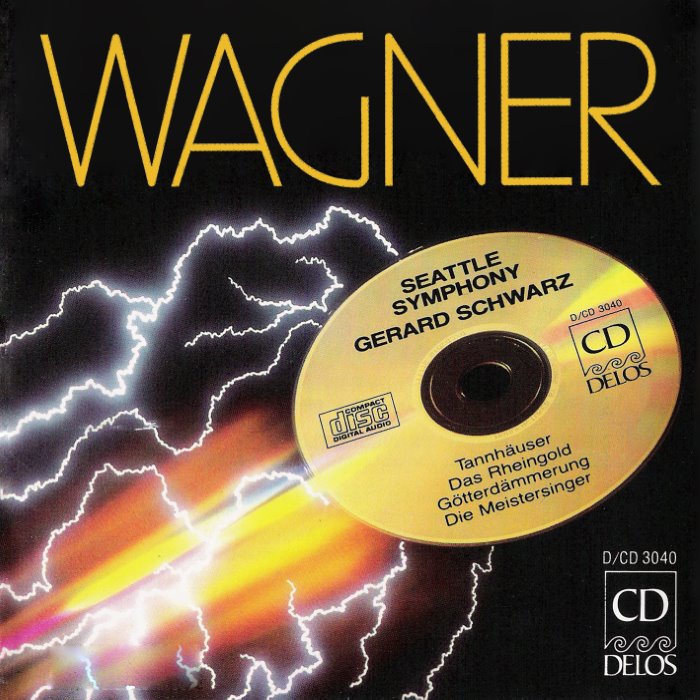
Wagner (Seattle Symphony, feat. conductor: Gerard Schwarz)
1986
- Die Meistersinger von Nürnberg (Chor und Orchester der Bayerischen Staatsoper feat. conductor: Joseph Keilberth)
Die Meistersinger von Nürnberg (Chor und Orchester der Bayerischen Staatsoper feat. conductor: Joseph Keilberth)
1986
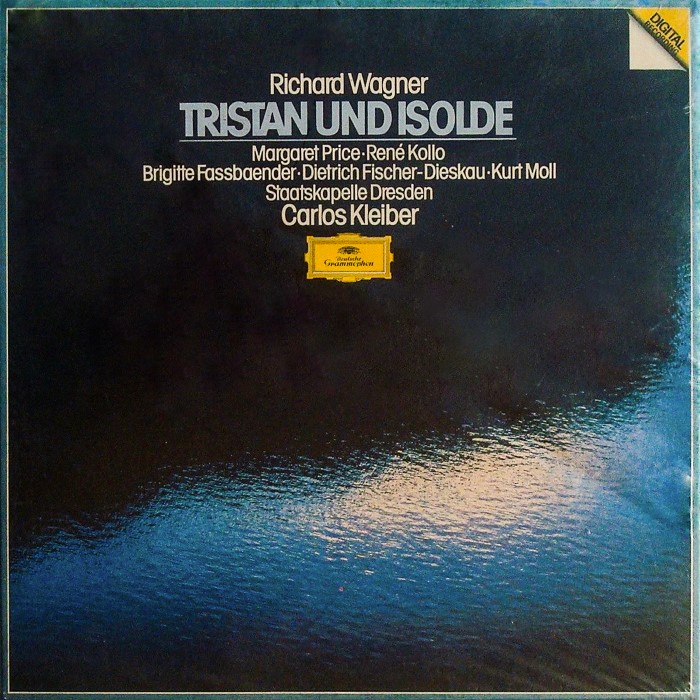
Tristan und Isolde (Staatskapelle Dresden feat. conductor: Carlos Kleiber)
1986
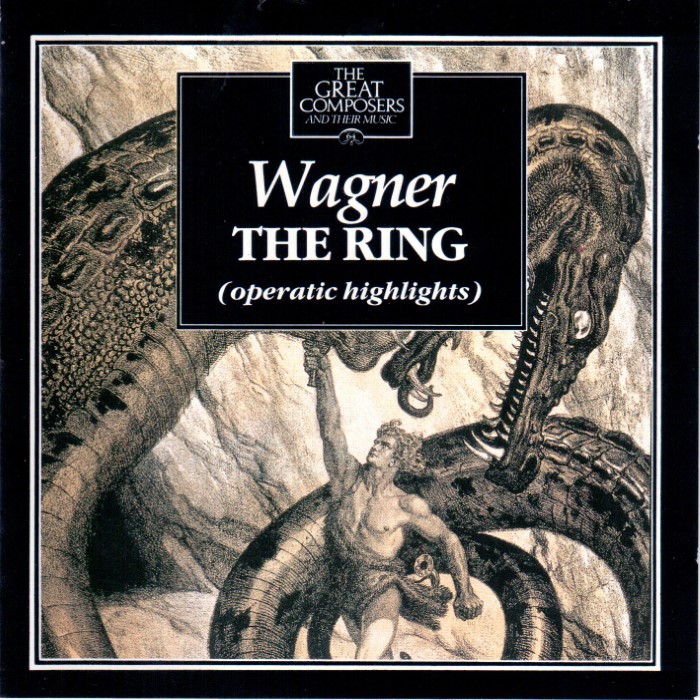
The Great Composers: Wagner - The Ring
1986
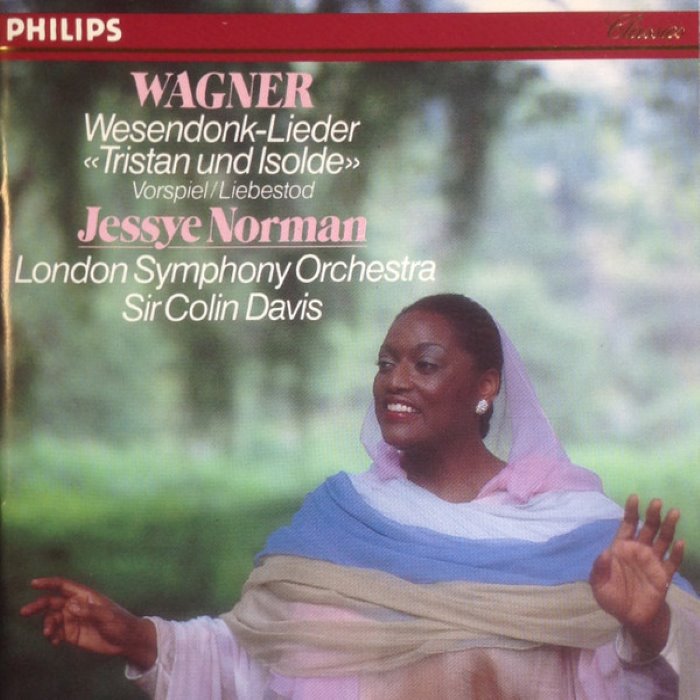
Wesendonk-Lieder / Tristan und Isolde: Vorspiel/Liebestod (soprano: Jessye Norman, London Symphony Orchestra feat. conductor: Sir Colin Davis)
1985
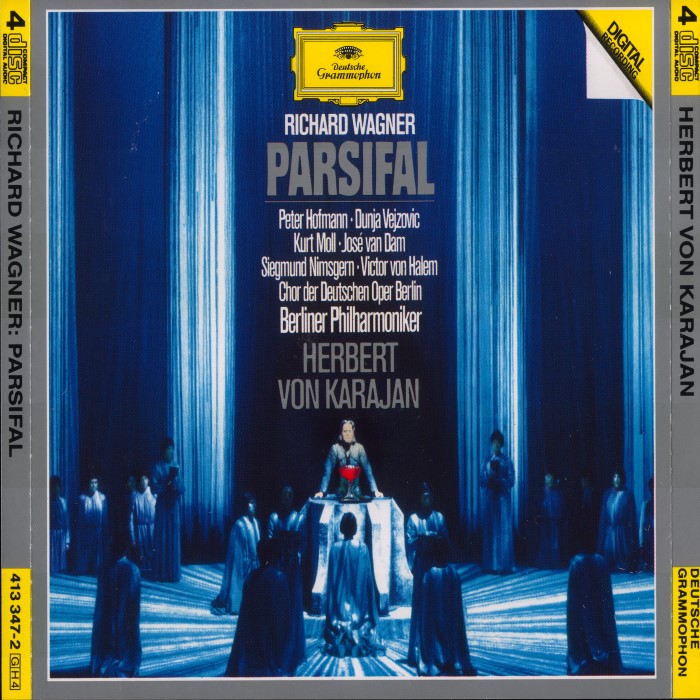
Parsifal
1984
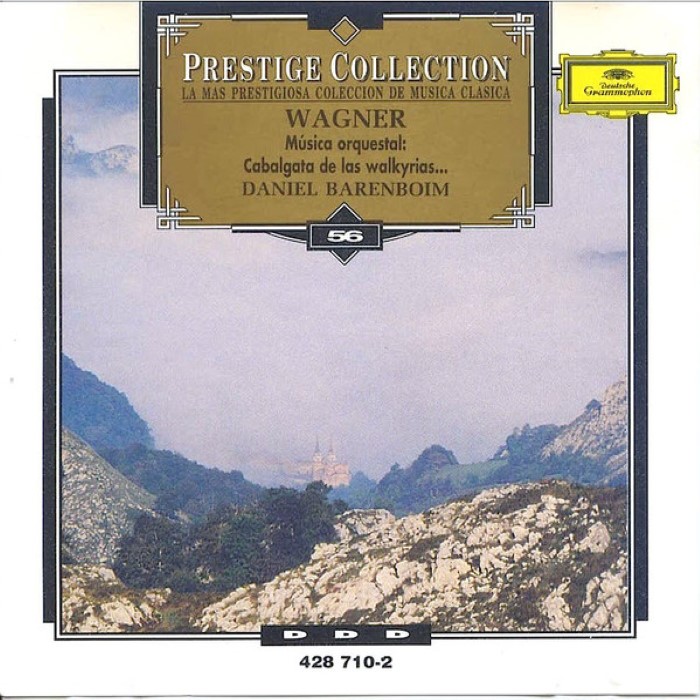
Orchestermusik (Orchestre de Paris feat. conductor: Daniel Barenboim)
1984
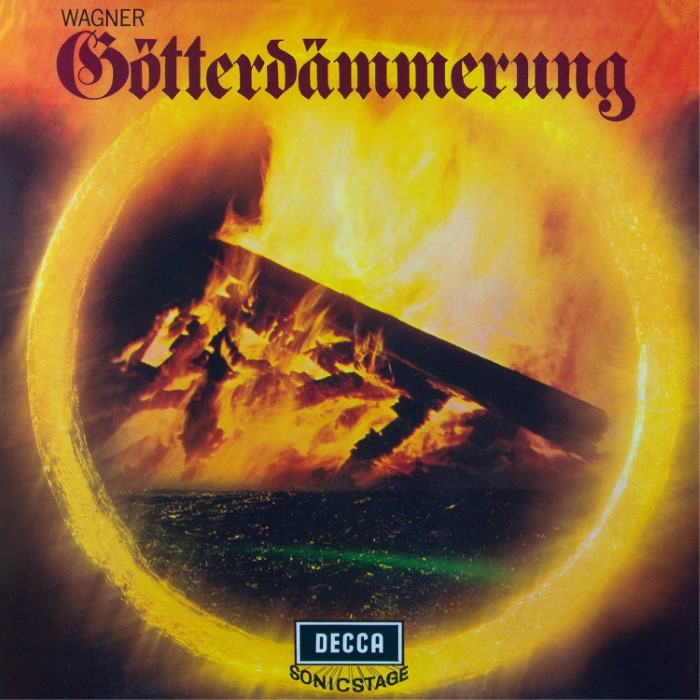
Götterdämmerung (Wiener Staatsopernchor & Philharmoniker feat. conductor: Sir Georg Solti)
1984
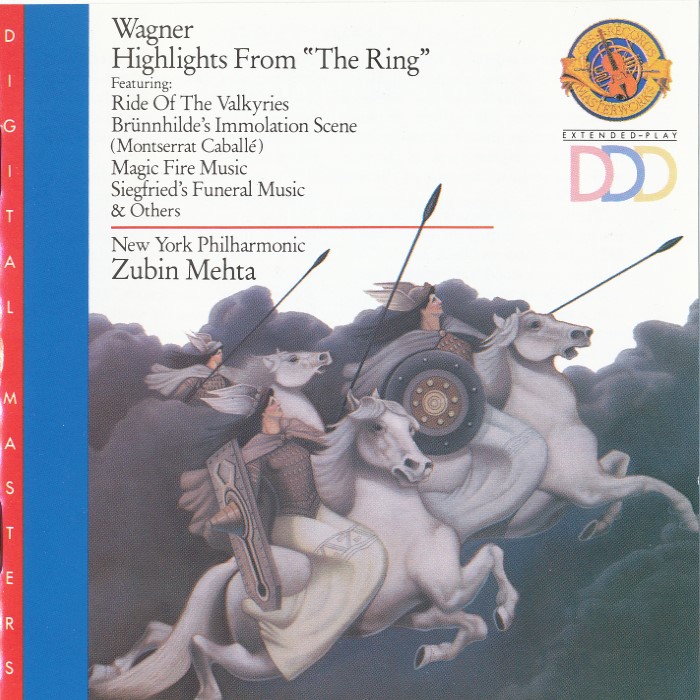
Highlights from "The Ring" (New York Philharmonic feat. conductor: Zubin Mehta)
1982
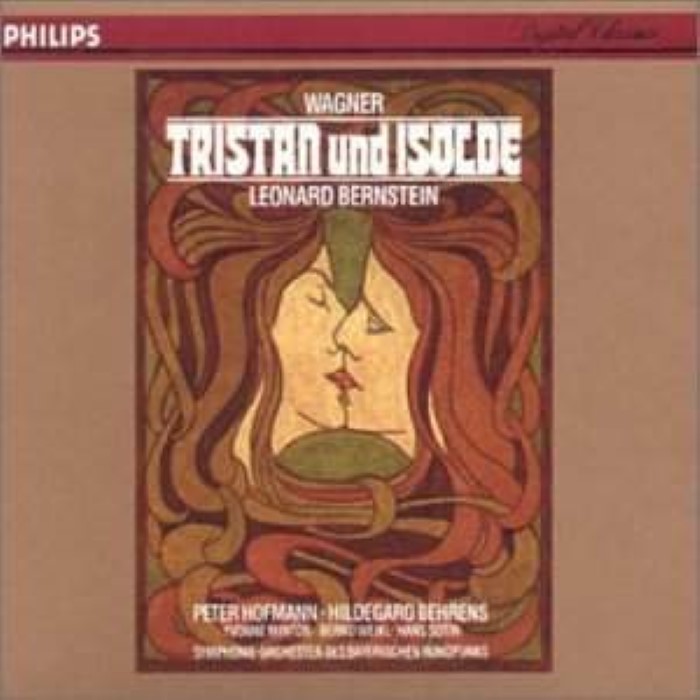
Tristan und Isolde
1981
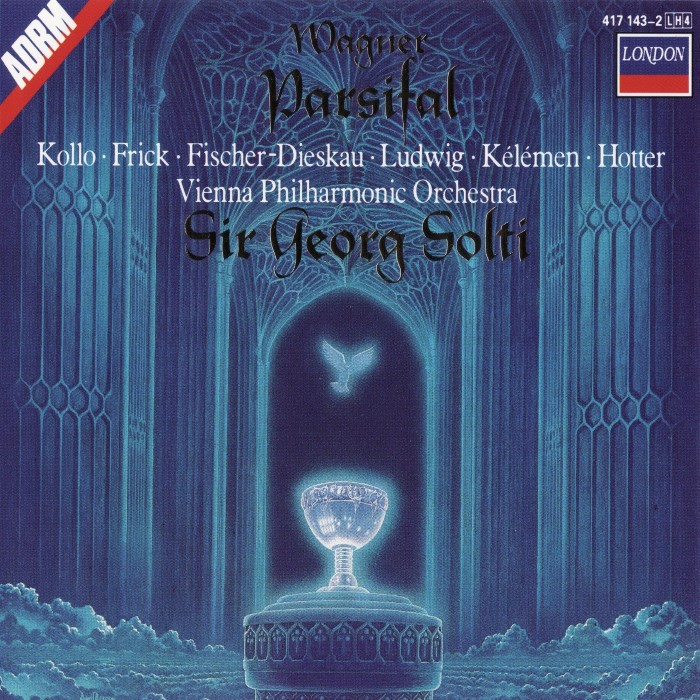
Parsifal (Vienna Philharmonic Orchestra feat. conductor: Sir Georg Solti)
1972
Tristan und Isolde (Stein, Nilsson, Vickers)
1971
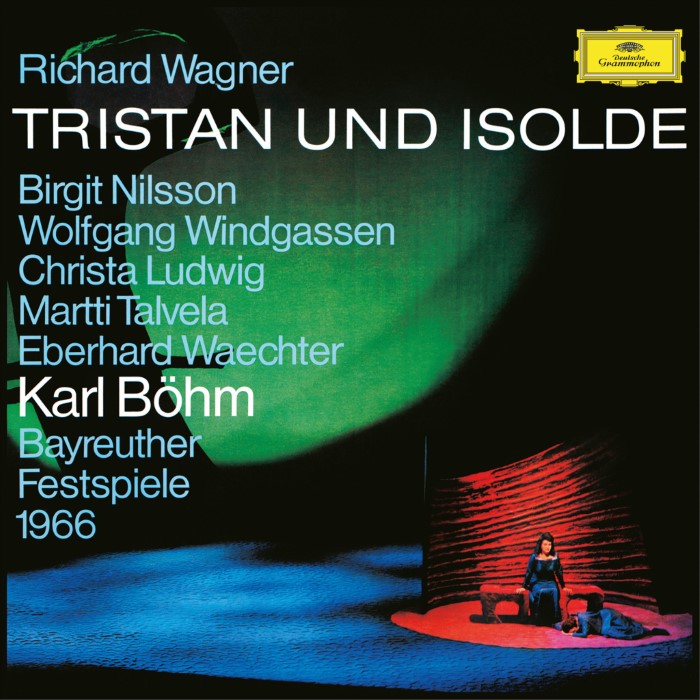
Tristan und Isolde (Bayreuther Festspiele Orchester feat. conductor: Karl Böhm)
1966
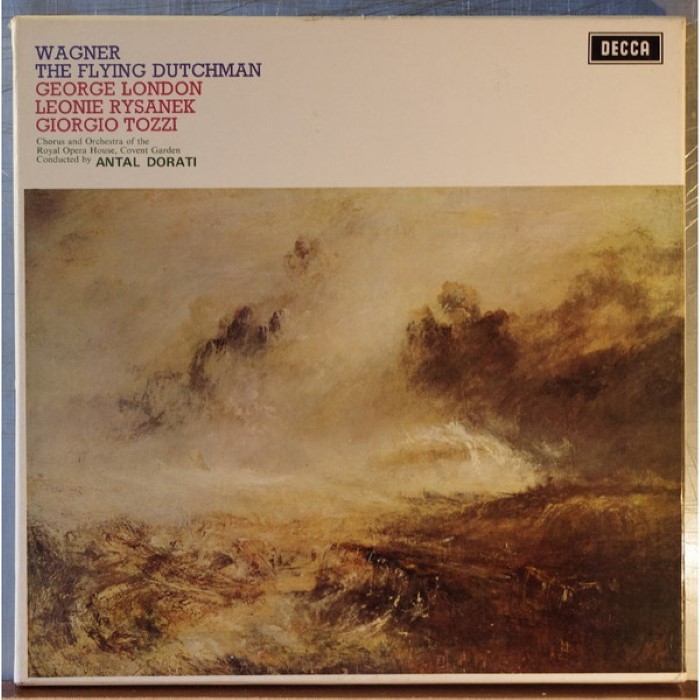
The Flying Dutchman
1962
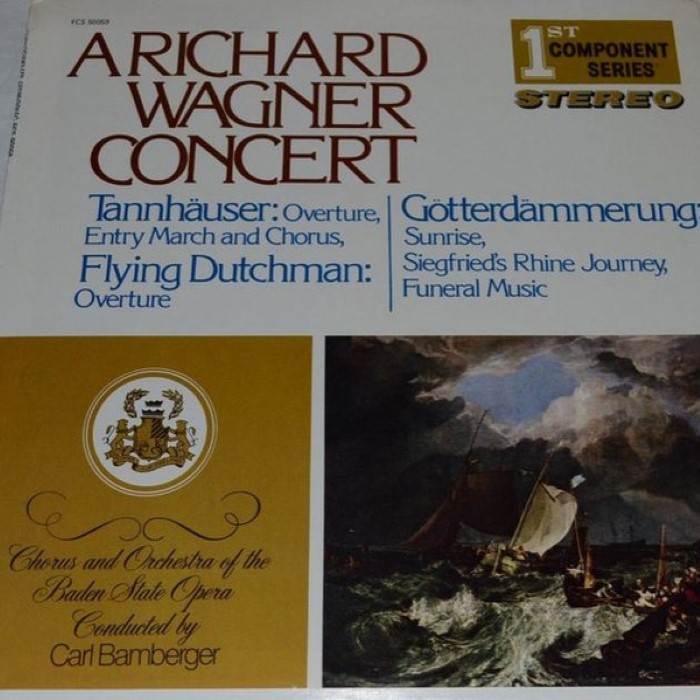
A Wagner Concert
1944
Popular tracks
Trending this week
Appears on
2Releases by other artists featuring Richard Wagner.
Featured tracks
17 Tristan und Isolde, WWV 90 / Act I : Wagner: Tristan und Isolde, WWV 90 / Act I: Prelude to Act IBenjamin Britten · The Unreleased Masters
- Tristan und Isolde, WWV 90 / Act I : Wagner: Tristan und Isolde, WWV 90 / Act I: Westwärts schweift der BlickBenjamin Britten · The Unreleased Masters
- Tristan und Isolde, WWV 90 / Act I : Wagner: Tristan und Isolde, WWV 90 / Act I: Frisch weht der Wind der Heimat zuBenjamin Britten · The Unreleased Masters
- Tristan und Isolde, WWV 90 / Act I : Wagner: Tristan und Isolde, WWV 90 / Act I: Weh, ach wehe! Dies zu duldenBenjamin Britten · The Unreleased Masters
- Tristan und Isolde, WWV 90 / Act I : Wagner: Tristan und Isolde, WWV 90 / Act I: Wie lachend sie mir Lieder singenBenjamin Britten · The Unreleased Masters
- Tristan und Isolde, WWV 90 / Act II : Wagner: Tristan und Isolde, WWV 90 / Act II: Isolde! Geliebte! - Tristan! Geliebter!Benjamin Britten · The Unreleased Masters
- Tristan und Isolde, WWV 90 / Act II : Wagner: Tristan und Isolde, WWV 90 / Act II: Doch es rächte sich der verscheuchte TagBenjamin Britten · The Unreleased Masters
- Tristan und Isolde, WWV 90 / Act II : Wagner: Tristan und Isolde, WWV 90 / Act II: O sink hernieder, Nacht der LiebeBenjamin Britten · The Unreleased Masters
- Tristan und Isolde, WWV 90 / Act II : Wagner: Tristan und Isolde, WWV 90 / Act II: Einsam wachend in der NachtBenjamin Britten · The Unreleased Masters
- Tristan und Isolde, WWV 90 / Act II : Wagner: Tristan und Isolde, WWV 90 / Act II: Unsre Liebe? Tristans Liebe?Benjamin Britten · The Unreleased Masters
- Tristan und Isolde, WWV 90 / Act II : Wagner: Tristan und Isolde, WWV 90 / Act II: So starben wir, um ungetrenntBenjamin Britten · The Unreleased Masters
- Tristan und Isolde, WWV 90 / Act III : Wagner: Tristan und Isolde, WWV 90 / Act III: Mild und leise wie er lächelt (Isoldes Liebestod)Benjamin Britten · The Unreleased Masters
- Wesendonck Lieder, WWV 91 : Wagner: Wesendonck Lieder, WWV 91: No. 1, Der Engel (Orch. Felix Mottl)Benjamin Britten · The Unreleased Masters
- Wesendonck Lieder, WWV 91 : Wagner: Wesendonck Lieder, WWV 91: No. 2, Stehe still (Orch. Felix Mottl)Benjamin Britten · The Unreleased Masters
- Wesendonck Lieder, WWV 91 : Wagner: Wesendonck Lieder, WWV 91: No. 3, Im Treibhaus (Orch. Felix Mottl)Benjamin Britten · The Unreleased Masters
- Wesendonck Lieder, WWV 91 : Wagner: Wesendonck Lieder, WWV 91: No. 4, Schmerzen (Orch. Felix Mottl)Benjamin Britten · The Unreleased Masters
 Wagner: Tannhäuser, WWV 70, Act III: To the Evening Star (Arr. Schulz for Cello & Piano)Manuel de Falla · Casals Encores – A Cello Tribute to Pablo Casals
Collaborators
2

Community
More about Richard Wagner
About
Wilhelm Richard Wagner (German: Born 22 May 1813 – 13 February 1883) was a German composer, theatre director, polemicist, and conductor primarily known for his operas (or, as some of his later works were later known, "music dramas"). His compositions, particularly those of his later period, are notable for their complex textures, rich harmonies and orchestration, and the elaborate use of leitmotifs—musical phrases associated with individual characters, places, ideas or plot elements. His advances in musical language, such as extreme chromaticism and quickly shifting tonal centres, greatly influenced the development of classical music; his Tristan und Isolde is sometimes described as marking the start of modern music.
Read moreRead less
Unlike most opera composers, Wagner wrote both the libretto and the music for each of his stage works. Initially establishing his reputation as a composer of works in the romantic vein of Weber and Meyerbeer, Wagner transformed operatic thought through his concept of the Gesamtkunstwerk ("total work of art"), by which he sought to synthesise the poetic, visual, musical and dramatic arts, with music subsidiary to drama, and which was announced in a series of essays between 1849 and 1852. Wagner realised these ideas most fully in the first half of the four-opera cycle Der Ring des Nibelungen (The Ring of the Nibelung). He had his own opera house built, the Bayreuth Festspielhaus, which contained many novel design features. It was here that the Ring and Parsifal received their premieres and where his most important stage works continue to be performed in an annual festival run by his descendants. His thoughts on the relative contributions of music and drama in opera were to change again, and he reintroduced some traditional forms into his last few stage works, including Die Meistersinger von Nürnberg (The Mastersingers of Nuremberg). Until his final years, Wagner's life was characterised by political exile, turbulent love affairs, poverty and repeated flight from his creditors. The effect of his ideas can be traced in many of the arts throughout the 20th century; their influence spread beyond composition into conducting, philosophy, literature, the visual arts and theatre. Wagner's controversial writings on music, drama and politics have attracted extensive comment in recent decades, especially where they express antisemitic sentiments.
Richard Wagner in brief
- How many Richard Wagner releases are on Riffiter?
- 20 releases are catalogued, spanning 1944 to 2010.
- What is the most recent Richard Wagner release on Riffiter?
- Grandes Compositores de la Música Clásica: Wagner, released in 2010.