

Đorđe Balašević
Đorđe Balašević is a pop rock artist from Serbia formed in 1953. 33 releases are catalogued on Riffiter.
Pop Rock · Serbia · Best pop rock albums
- 33
- Releases
- 1979–2021
- Active years
- 1953
- Formed
- 2021
- Died
Discography
18Rank them 1 vs 1 →Two covers at a time. Pick the one you rate higher, we build the order.
Most popular
Naposletku...
1996 · 9 tracks
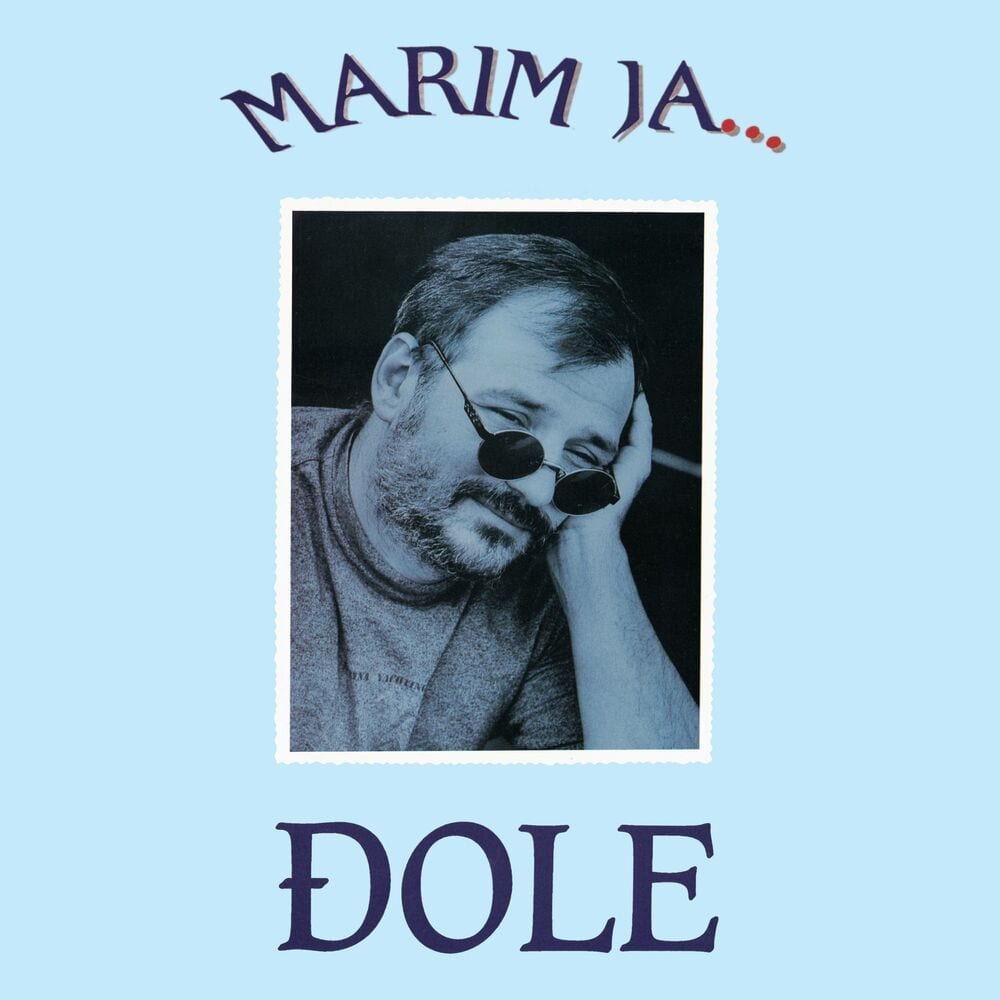
Marim ja...
1991
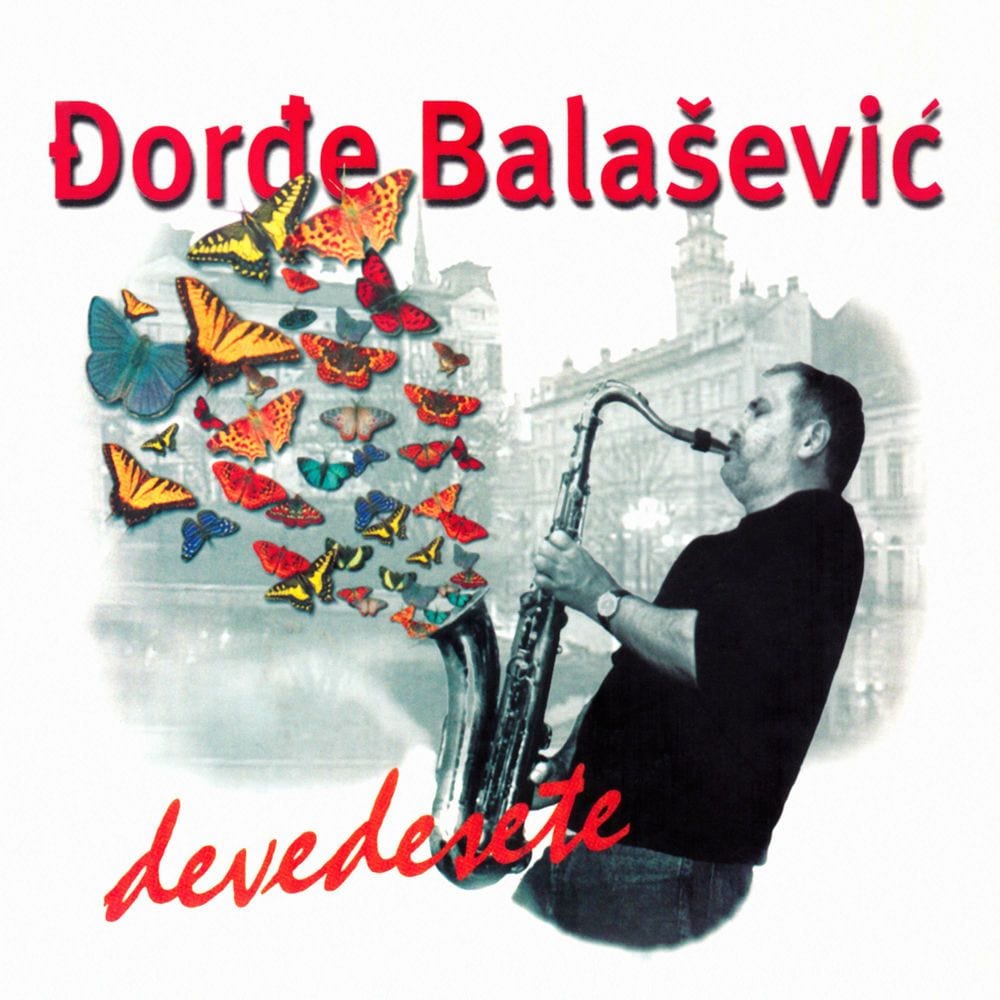
Devedesete
2000
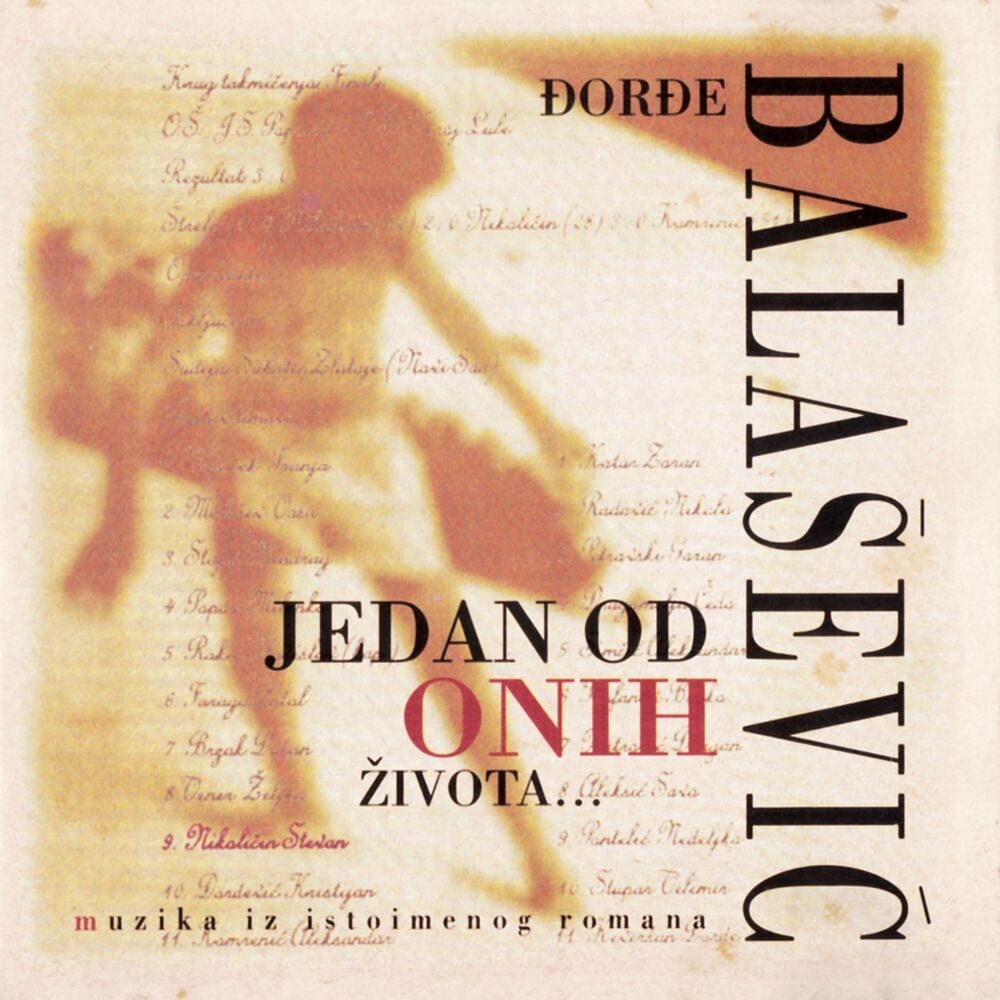
Jedan od onih života...
1993
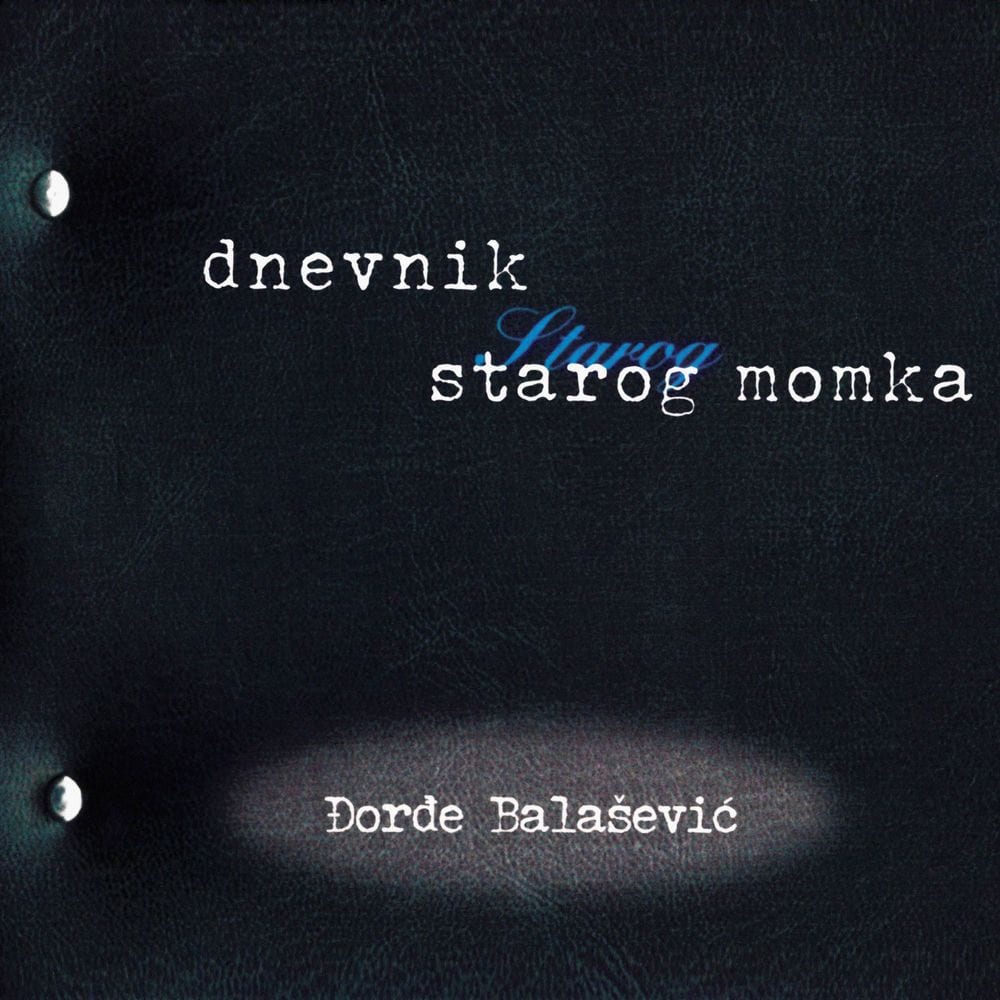
Dnevnik starog momka
2001

Panta Rei
1988
Tri posleratna druga
1989

Bezdan
1986

003
1985

Pub
1982
Celovečernji the kid
1983

Singlice
2026

RANI MRAZ
2010
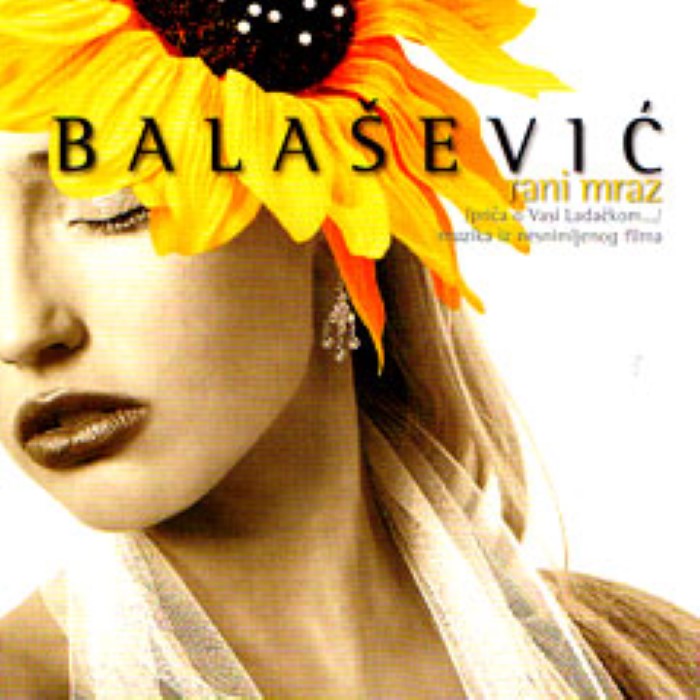
Rani mraz /priča o Vasi Ladačkom.../
2004

OSTAĆE OKRUGLI TRAG NA MESTU ŠATRE
2002

U tvojim molitvama (balade)
1987

Odlazi cirkus
1980

Mojoj mami, umesto maturske slike u izlogu
1979


Singles & EPs
14
Rođendanska 29.04.
Single · 2022

HEJ, LEGA
Single · 2020

Dno dna
Single · 2019

Rapsodija o katrin
EP · 2019

Mati
Single · 2019

Baronov bal
Single · 2019

Osmeh se vratio u grad
Single · 2019

Berba '59
Single · 2019

Duet
Single · 2019

Ljubav ne pobeđuje
Single · 2019

Mala vidra
Single · 2019

Stih iznad svih
Single · 2019

Olivera (Live Zadar)
Single · 2019
Unikatna
Single · 2019
Live & compilations
1
Community
More about Đorđe Balašević
Đorđe Balašević at a glance
- Born in
- Novi Sad
- From
- Serbia, Socialist Federal Republic of Yugoslavia, Federal Republic of Yugoslavia
- Active since
- 1977
- Instruments
- voice
- Voice
- baritone
- Member of
- Rani mraz, Žetva
- Labels
- PGP-RTB, Jugoton, Založba kaset in plošč RTV Ljubljana, Hi-Fi Centar
- Educated at
- Jovan Jovanović Zmaj Gymnasium (Novi Sad)
- Spouse
- Olivera Balašević
- Children
- Jovana Balašević, Aleksa Balašević
Facts from Wikidata (CC0). Children listed are those with their own public record, so the list may be incomplete.
About
Djordje Balasevic (Serbian latin: Đorđe Balašević, Serbian cyrillic: Ђорђе Балашевић, 11 May 1953 – 19 February 2021 in Novi Sad, Serbia) is a prominent Serbian songwriter and singer. Balasevic's songs have always had a strong pacifistic note and often talked about love in his unique way. Listening to Balasevic isn't just listening to music, it's living a philosophy of peace, love, unity and tolerance. He worked with famous gitarists such are Jovan Demirović, Elvis Stanić, Nikša Sviličić and many others. Upon joining band Žetva (Harvest), in the fall of 1977 he recorded his first song, titled "U razdeljak te ljubim". The song scored a great success and sold more than 180,000 copies. Next year he left Žetva and together with Verica Todorović formed band "Rani mraz" (Early Frost). The band had its début on Opatija '78. music festival with song "moja prva ljubav" (My First Love)). The same year Biljana Krstić and Bora Đorđević joined the band, and the band recorded "Računajte na nas" (Count on Us), a song celebrating young generations as being the followers of the communist revolution.
Read moreRead less
The song became popular with both the authorities and the people, making the song a kind of a hymn for his and generations to come. They couldn't have known that the same people who sang those songs and bought those records would be the ones to resented Balašević for ever writing it. After just few months of cooperation, Verica and Bora left the band (Bora forming his famous Riblja Čorba band), so Biljana and Balašević recorded Rani mraz's first album "Mojoj mami umesto maturske slike u izlogu" (To my Mother instead of Prom Photo in the Shop-Window) on their own. At the Split '79. music festival Balašević won the first prize with single "Panonski mornar" (Pannonian sailor). Few months later he sold out Beograd's "Dom sindikata" hall eight times in a row and a star was born. By the end of 1980 Rani mraz released their second and final album titled "Odlazi cirkus" and the band dissolved shortly afterwards. The album indead was one of Balašević's greatest and delivered few unforgettable songs such as "Priča o Vasi Ladačkom" (Story of Vasa Ladački) and "Život je more" (Life is a Sea) which, 20 years after their release, still have great popularity. He started his solo career in 1982 with the album "Pub" (Jack) which was excellently received too. In the following 1982/83 tour he sold out Belgrade's Sava Center hall for the first time. His Sava Center concerts would become his trademark in years to follow. The next two albums "Celovečernji The Kid" (1983) and "003" (1985) follow the same path of success and Balašević established himself as respectable singer-songwriter. The next album, "Bezdan" (Abyss), released in 1986, was a milestone in his career. The record was produced by Đorđe Petrović and arrangement was done by Aleksandar Dujin. Those two would be the key associates of Balašević for the next 20 years and substantially influence his work. They became the backbone of Balašević supporting band "The Unfuckables" (although this is just a nickname, as he performs under his own name and the support band is never mentioned) and part of his stage appearance. The next album was his first and (as of 2006) the last live album "U tvojim molitvama" (In Your Prayers). The album was recorded on his concerts in Sarajevo (Zetra hall), Zagreb (Ledena dvorana and Šalata), Belgrade (Sava Center) and Novi Sad (Studio M) in 1986 and 1987. Apart from his well-known previous songs, the album featured few previously unrecorded tracks, one of which is "Samo da rata ne bude" (Just Let There be no War). The song features a large children's choir which, together with lyrics warning about the war (which indeed will start in 3 years time), delivers a hymn of pacifists throughout then still existing Yugoslavia. The same sensation of imminent disaster predominates his next album "Panta rei" (1988). The "Requiem" was dedicated to late Josip Broz Tito and those who identified themselves with his ideas, while satire "Soliter" caricatures Yugoslavia as a skyscraper in which only façade still holds while foundations slide. The atmosphere of the album is dark and bitter as Balašević realises the hard times are coming. Famous guitarist Elvis Stanić takes part in recording of album "Tri Posleratna Druga" (1989) (Three Afterwar Friends). Josip Kiki Kovač joined "The Unfuckables" on album "Marim ja..." (I Care...) (1991). As the war began, Balašević withdrew to isolation. He was forced to stop collaborating with Croatian artists and his tempo of one album per year was disrupted. His next album "Jedan od onih života" (One of Those Lives) (1993) featured songs such as "Krivi smo mi" (It's Our Fault) and "Čovek sa mesecom u očima" (The Man with Moonlight in the Eyes) which heavily criticised and denounced the ongoing war. After a long pause, he issued "Naposletku" (In the end) (1996). The change in sentiment was obvious and would be more or less prevalent on all of his albums up to date (as of 2006). Nearly all instruments on this album are acoustic, violin becomes dominant and woodwind instruments are heavily used. "Devedesete" (2000) (The nineties) was his most politically involved album. He engaged himself in broad criticism of current political situation in Serbia, openly making fun of Slobodan Milošević with song "Lege'da o Gedi Gluperdi" (Legend of Geda the Stupid), criticising police officers who defended the corrupt system by confronting demonstrating youth in "Plava Balada" (The Blue Ballad), looking back to 1990s with disgust in song "Devedesete" (Nineties) (first line of refrain was "Ma, jebite se devedesete" - Fuck you, nineties), supplying young demonstrators with a hymn "Živeti slobodno" (To Live Freely), reaching out for his lost friends in Croatia and Bosnia with "Stih na asfaltu" (A Verse on the Asphalt), singing about Zagreb and "Sevdalinka", but still preserving patriotism with "Dok gori nebo nad Novim Sadom" (While the Sky over Novi Sad is Burning), song about NATO bombardement of Novi Sad. This album clearly marked the atmosphere in Serbia in the year when Slobodan Milošević lost the power. After this open engagement in politics, he returned to romance. Album "Dnevnik starog momka" (Diary of the old bachelor) (2001) comprises 12 songs, each having a female name as the title, and each singing about another girl. Balašević repeatedly stated that the girls and songs are pure fiction, and song titles form acrostic "Olja je najbolja" (Olja is the Best), Olja being nickname of his wife Olivera Balašević. His last album (as of 2006) "Rani mraz" (2004) follows the style developed on "Naposletku" and "Dnevnik starog momka". He is often criticised to plagiarize himself and to write songs which resemble each other, but he rebuffs such criticism by saying that "Balašević ought to sing Balaševićian songs".
Đorđe Balašević in brief
- How many Đorđe Balašević releases are on Riffiter?
- 33 releases are catalogued, spanning 1979 to 2026.
- When was Đorđe Balašević formed?
- Đorđe Balašević formed in 1953, in Serbia.
- What genre is Đorđe Balašević?
- Đorđe Balašević is catalogued under Pop Rock.
- What is the most recent Đorđe Balašević release on Riffiter?
- Singlice, released in 2026.
- Who is Đorđe Balašević married to?
- Đorđe Balašević is married to Olivera Balašević.
- Does Đorđe Balašević have children?
- Jovana Balašević, Aleksa Balašević are children of Đorđe Balašević on public record.


