

Jack DeJohnette
Jack DeJohnette is a jazz artist from United States. 67 releases are catalogued on Riffiter.
Jazz · United States · Best jazz albums
- 67
- Releases
- 1974–2026
- Active years
Discography
46Rank them 1 vs 1 →Two covers at a time. Pick the one you rate higher, we build the order.
Most popular
Terje Rypdal / Miroslav Vitous / Jack DeJohnette
1979
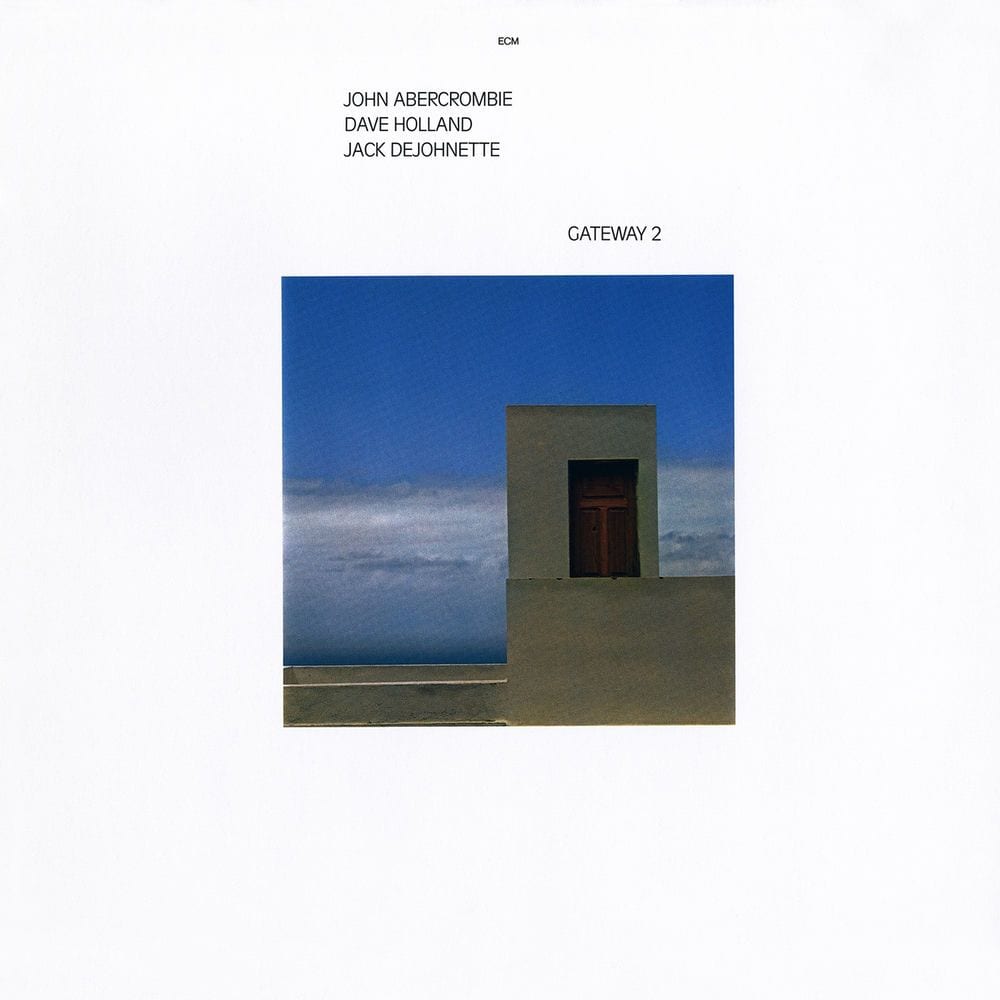
Gateway 2
1978
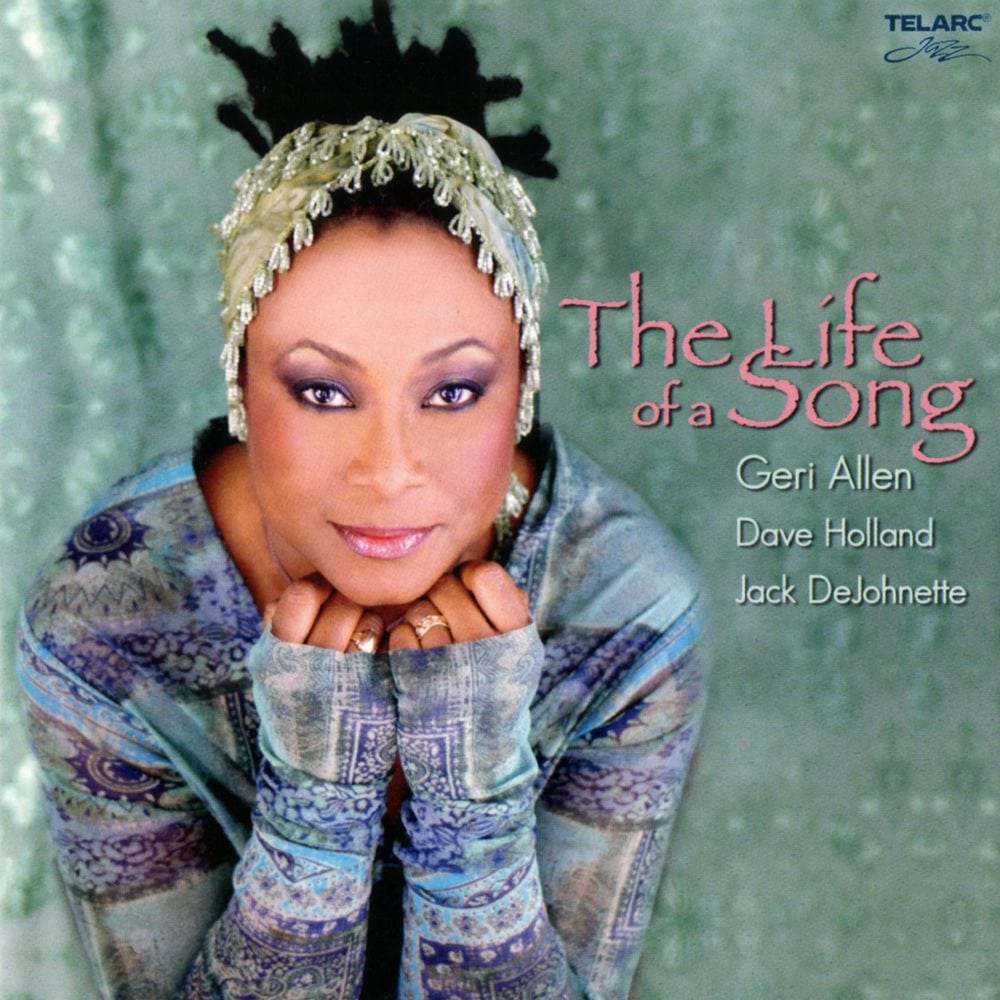
The Life of a Song
2004
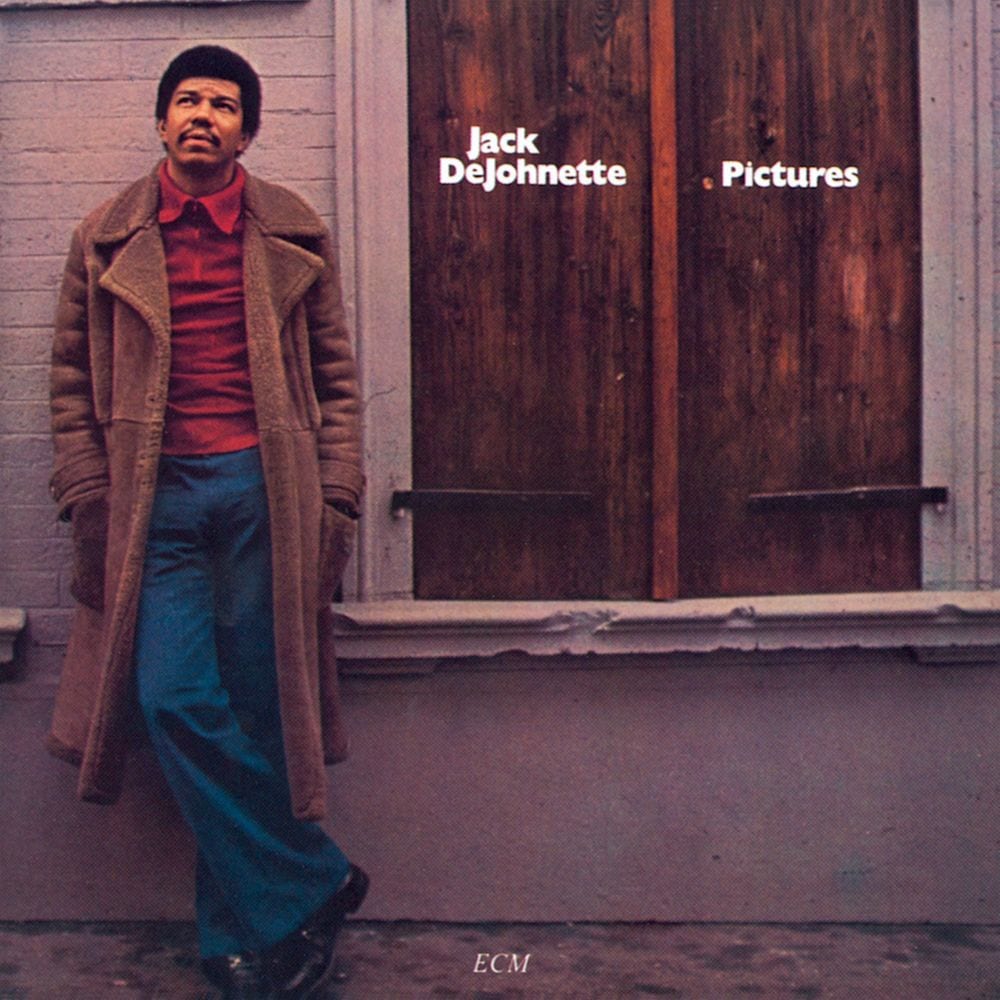
Pictures
1977
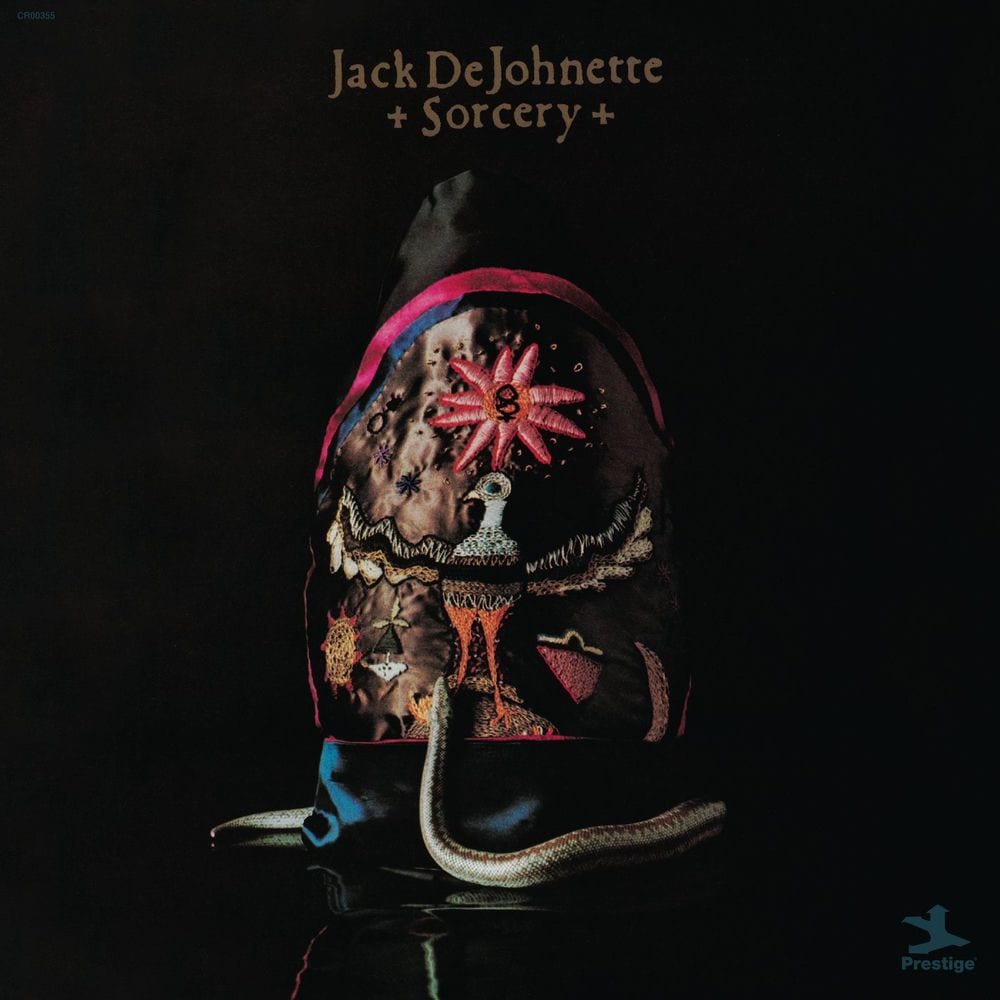
Sorcery
1974
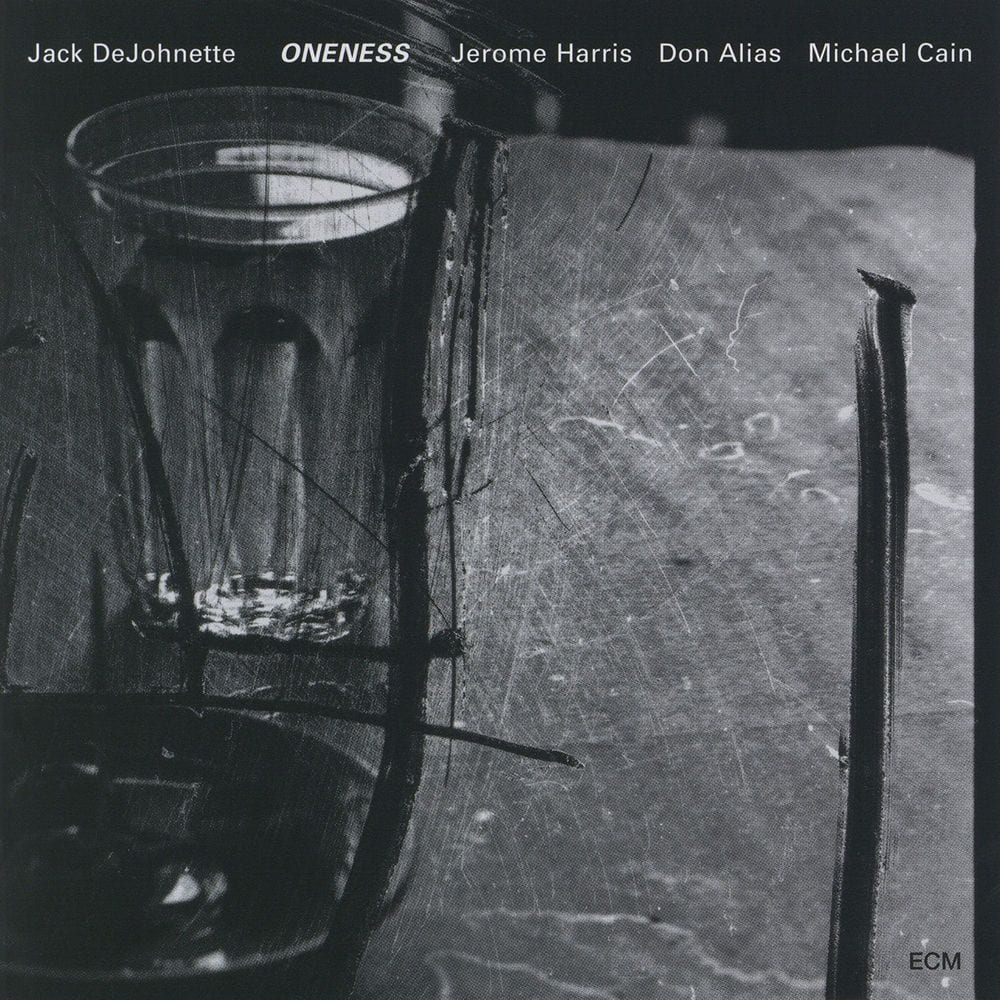
Oneness
1997
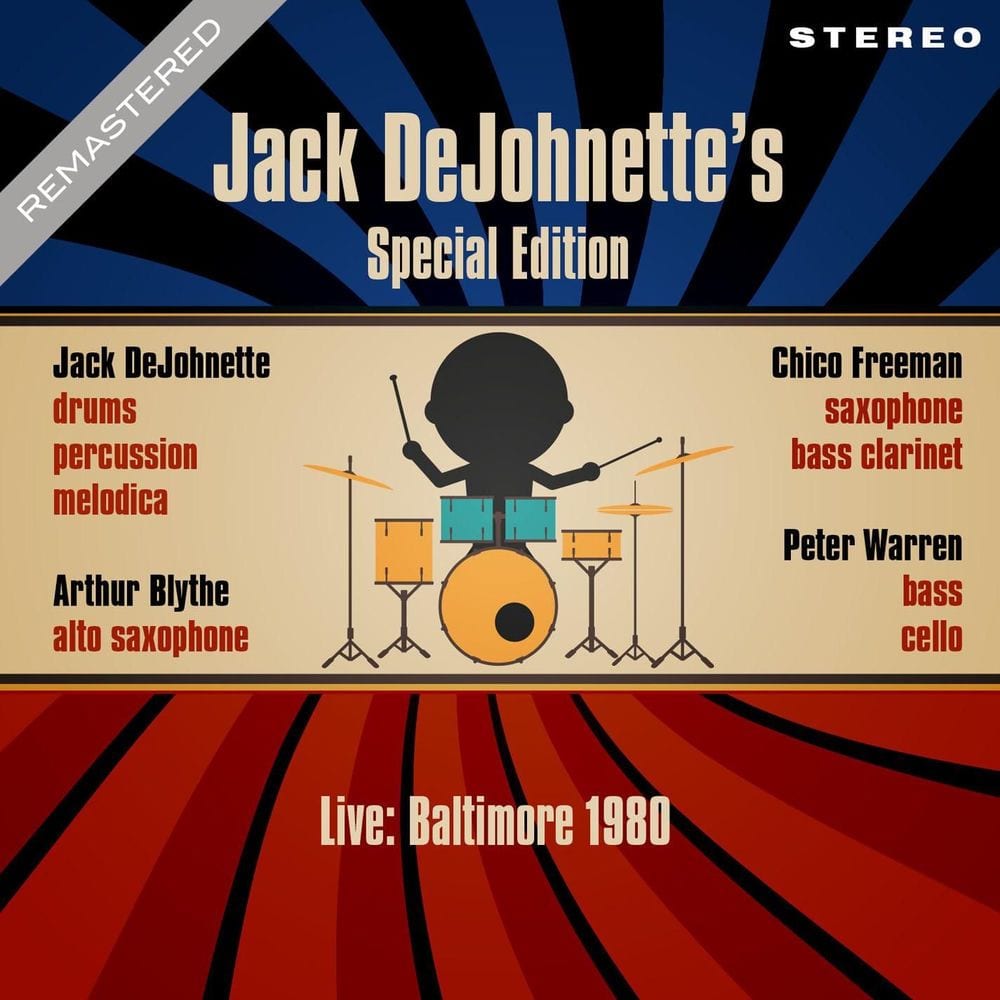
Live: Baltimore 1980 - Remastered - Jack DeJohnette's Special Edition (Live: Famous Ballroom, Baltimore 4th May 1980)
2018
America
2009
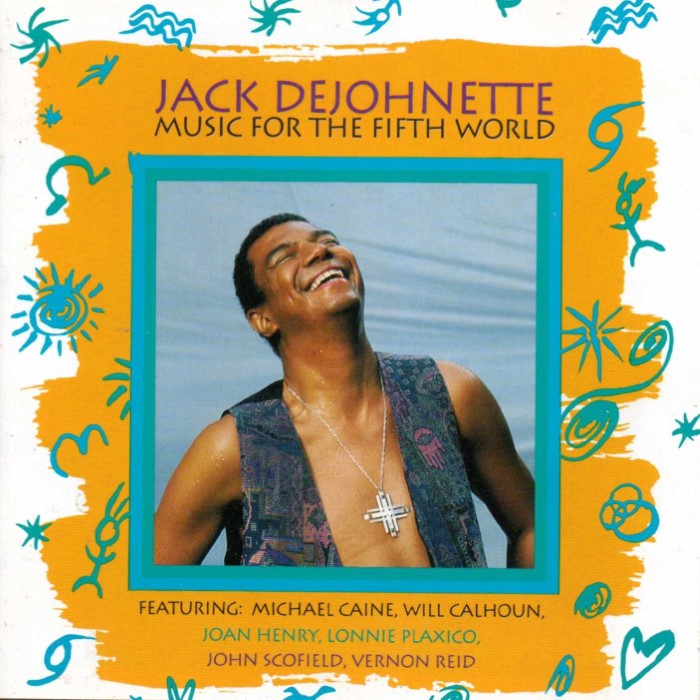
Music For The Fifth World
-

Mountain Call
2026

The Art of The Quartet - Vol. 1 (Vinyl Remastered Edition)
2025

Ellingtonia
2024
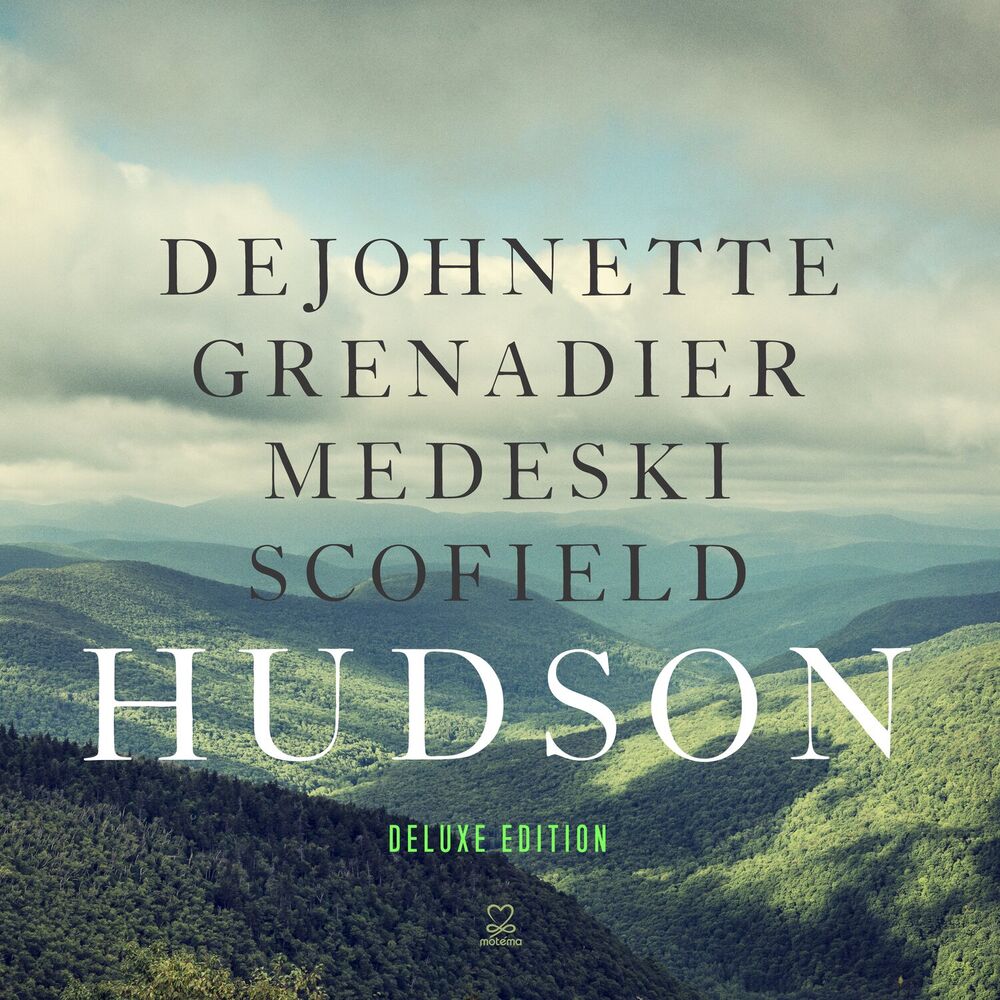
Hudson (Deluxe Edition)
2023

Jack & John
2023
Lifelines
2021
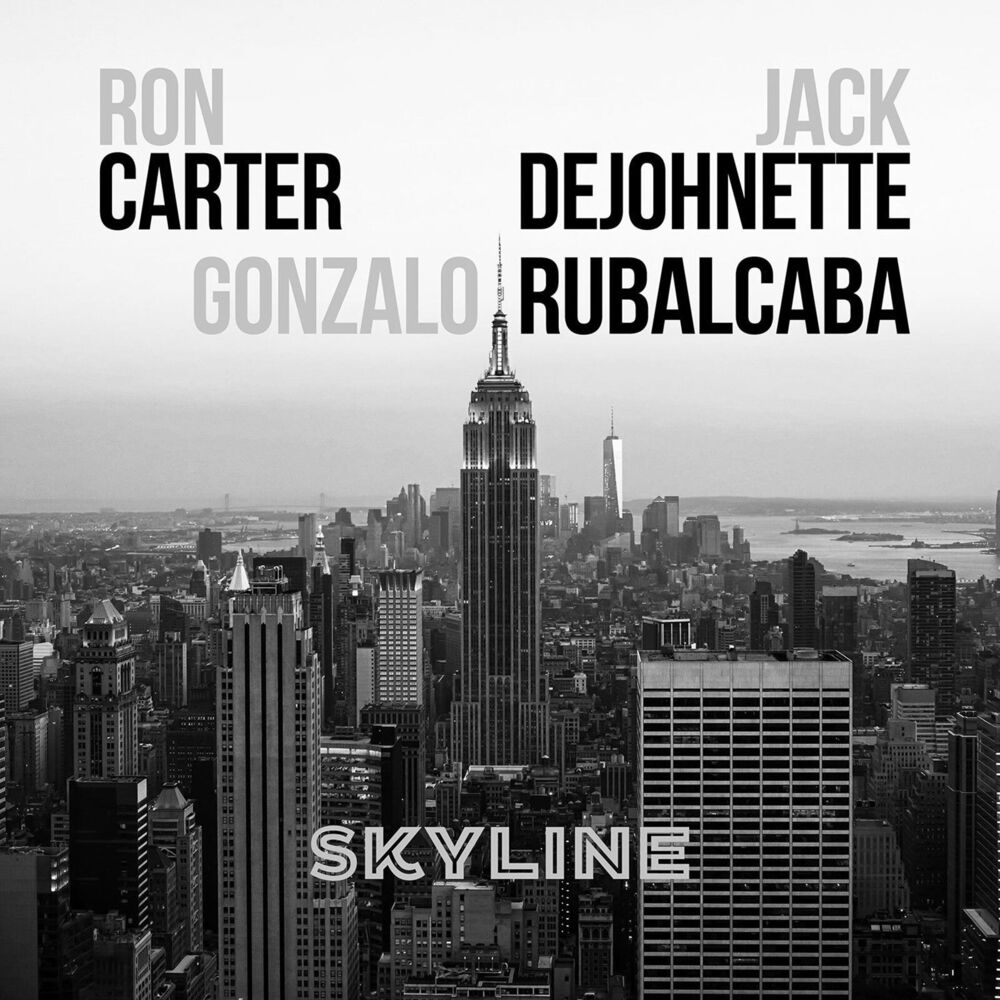
Skyline
2021

Werner Pirchner, Harry Pepl, Jack DeJohnette
2019
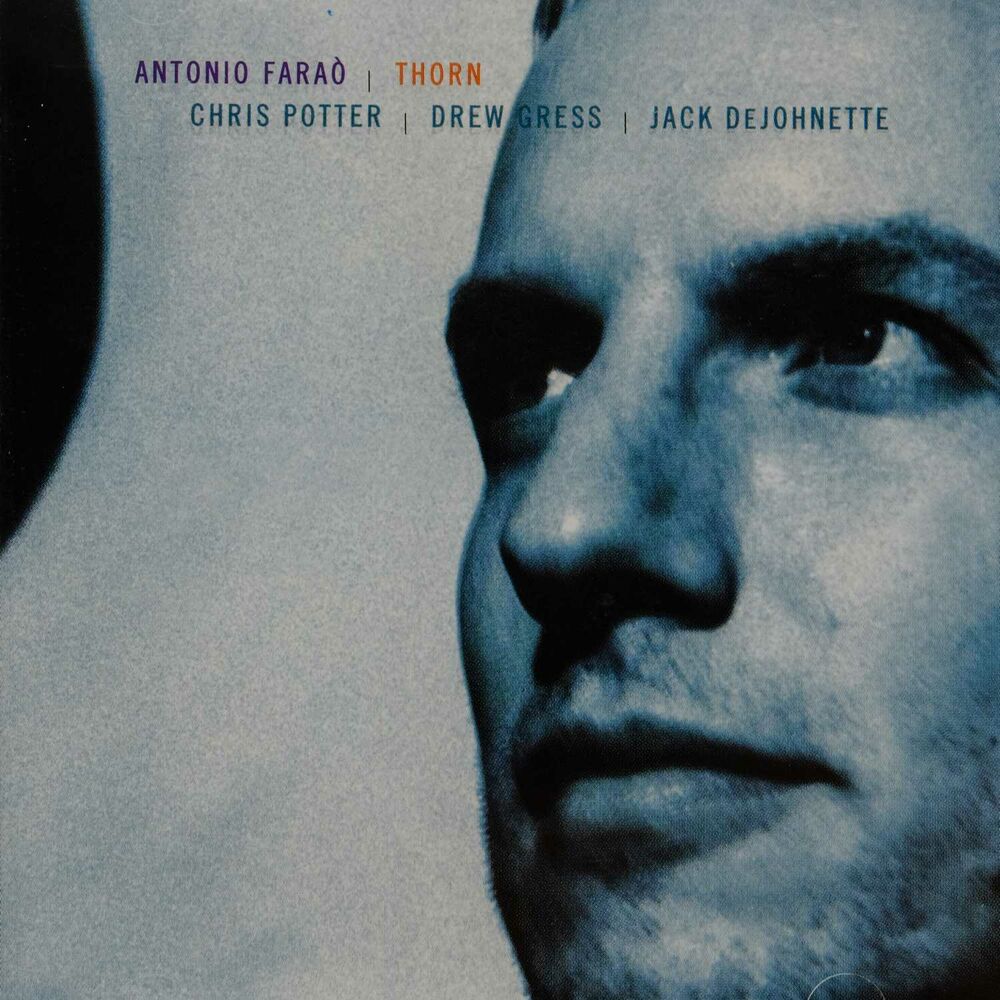
The Enja Heritage Collection: Thorn
2018
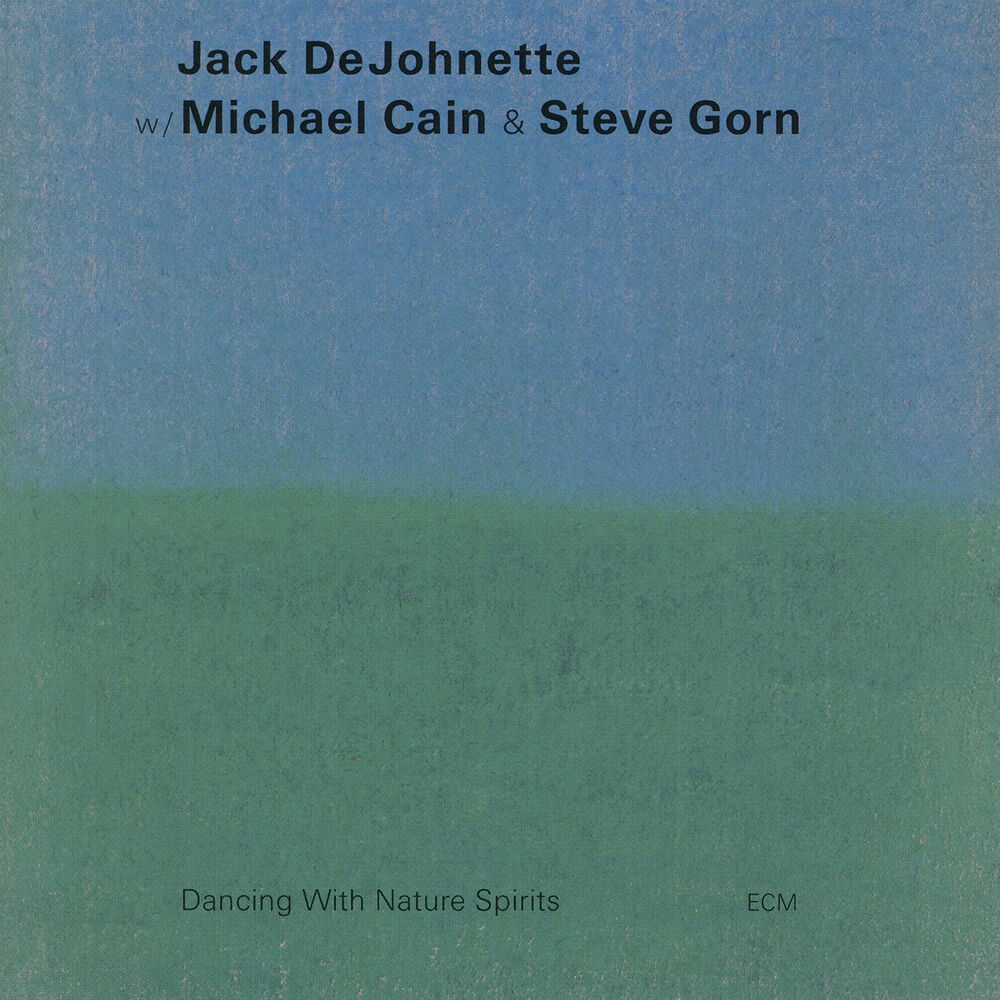
Dancing With Nature Spirits
2017
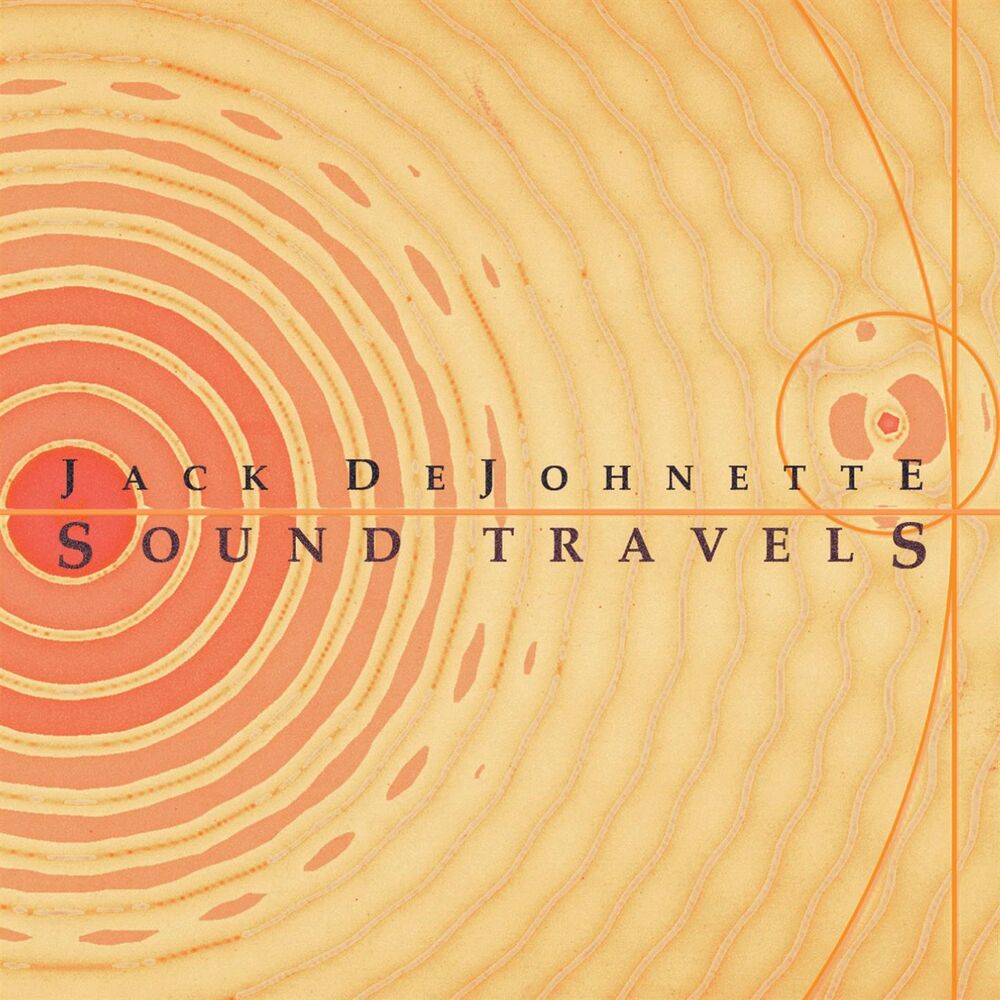
Sound Travels
2012
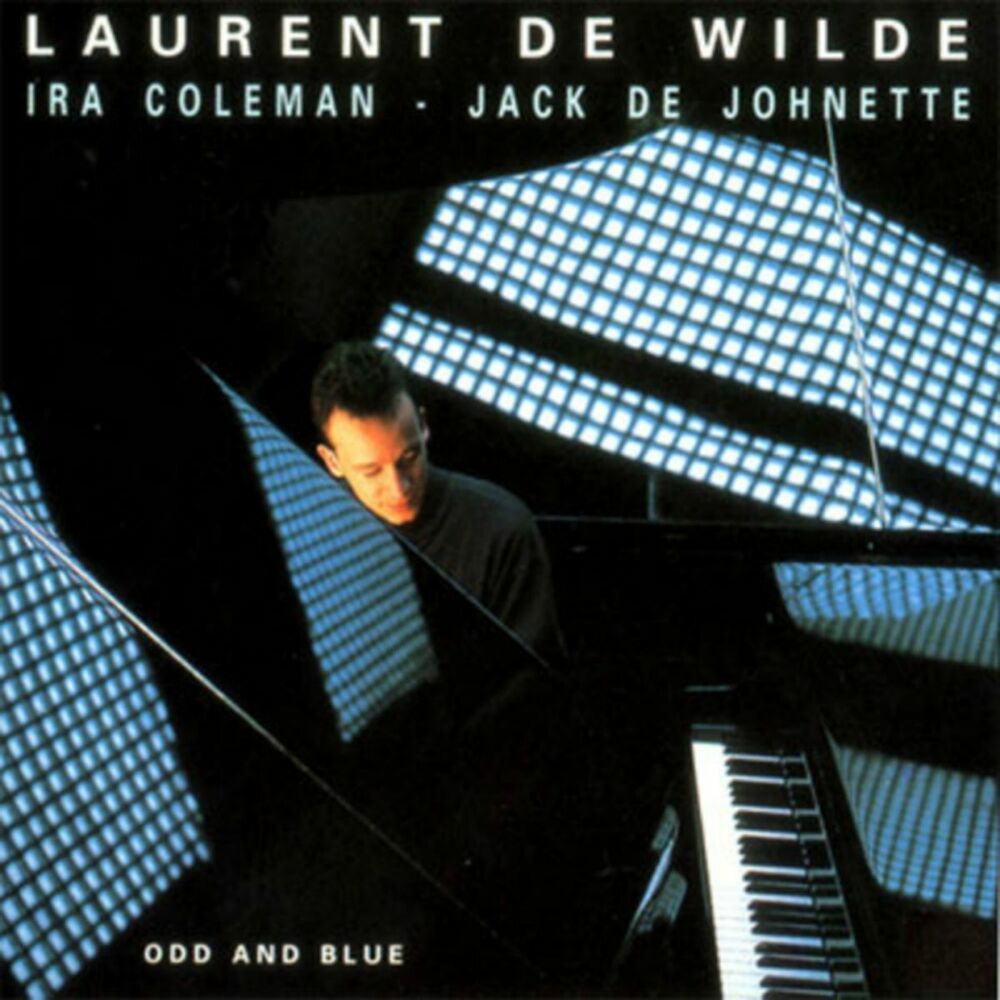
Odd and Blue
2011
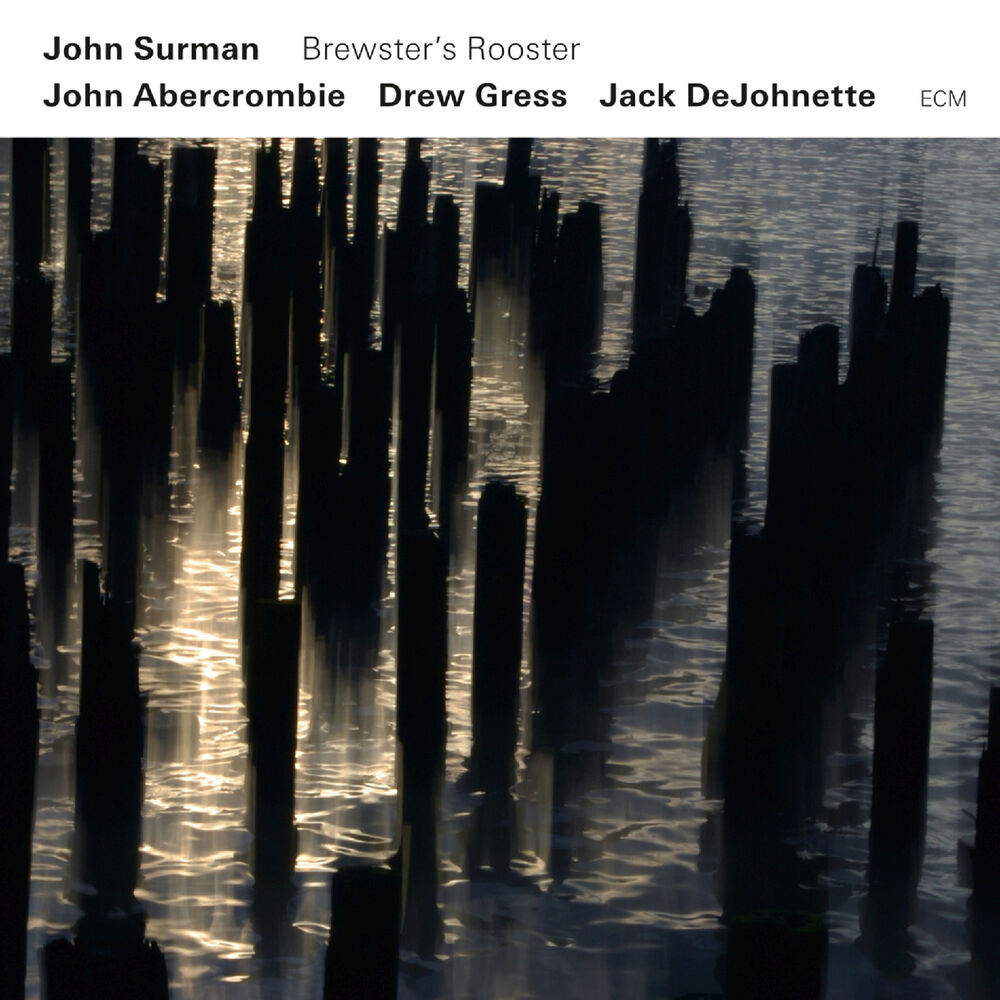
Brewster's Rooster
2009

Walton, Carter & Dejohnette
2009
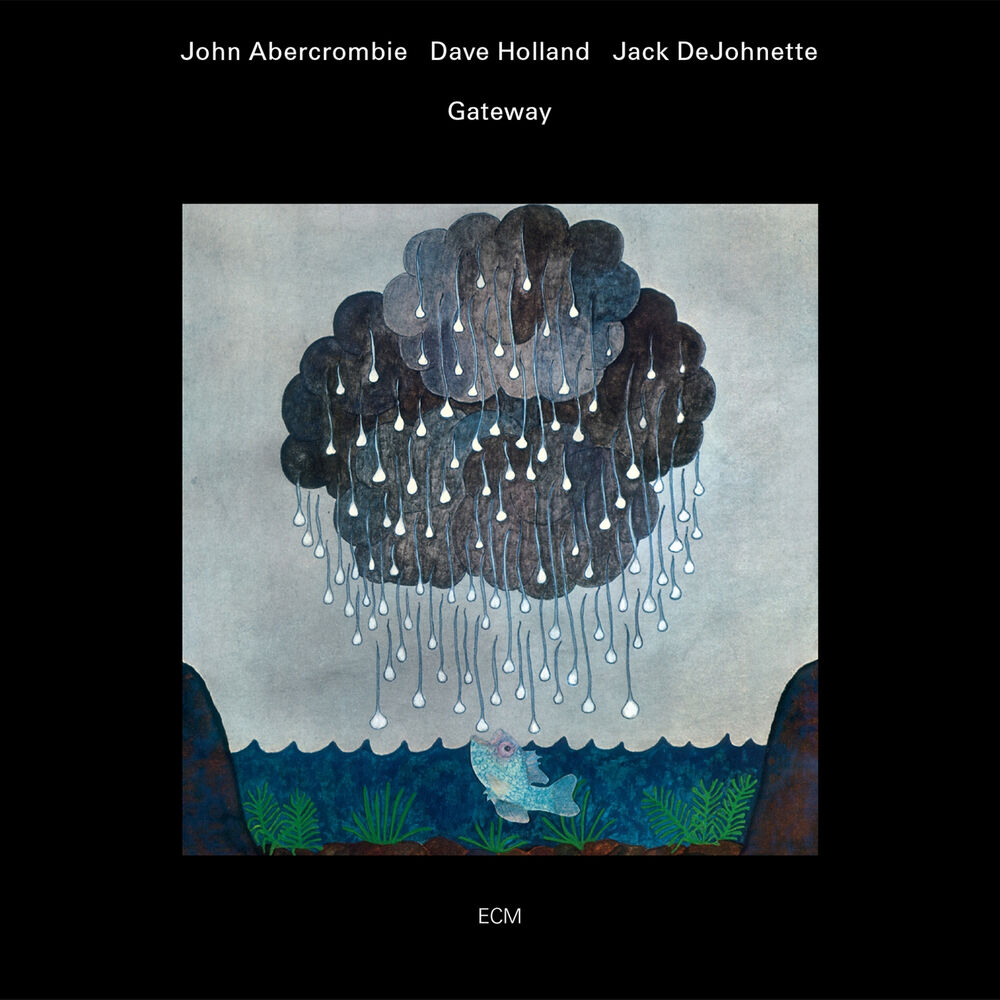
Gateway
2007

Works
2007
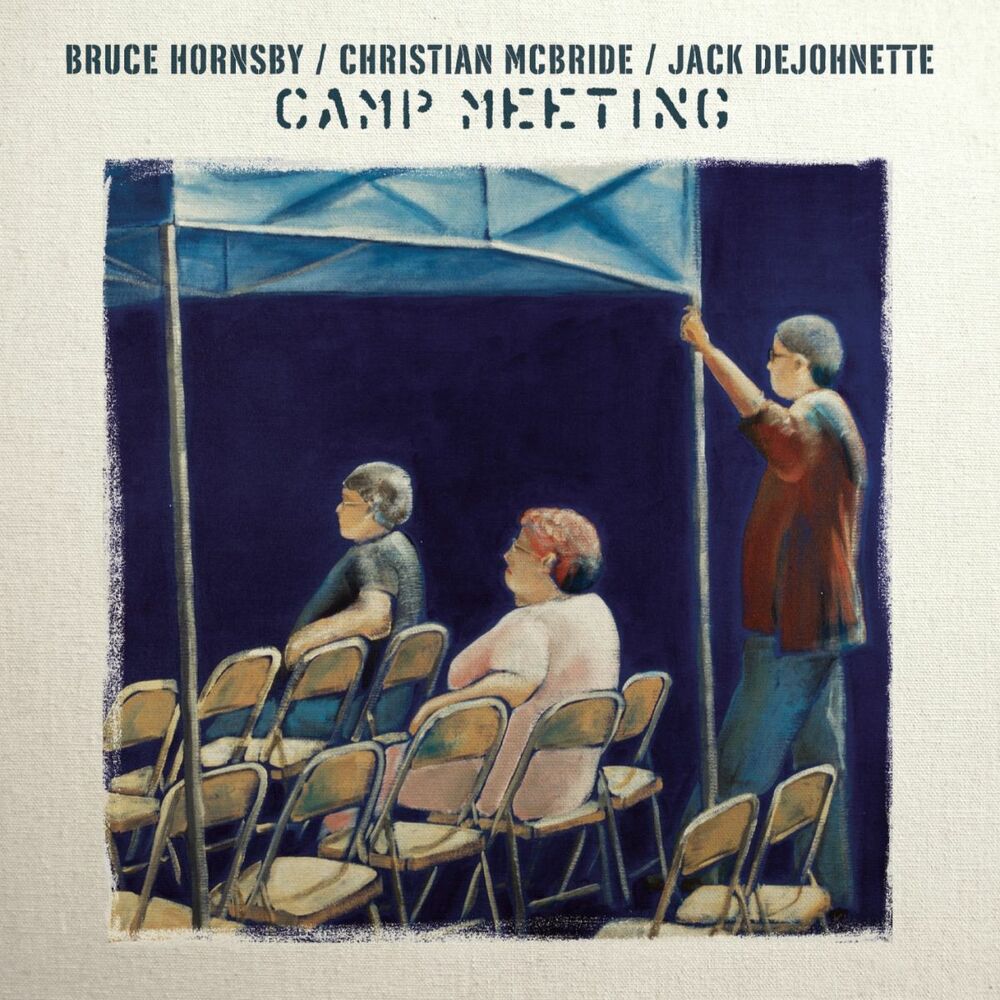
Camp Meeting
2007
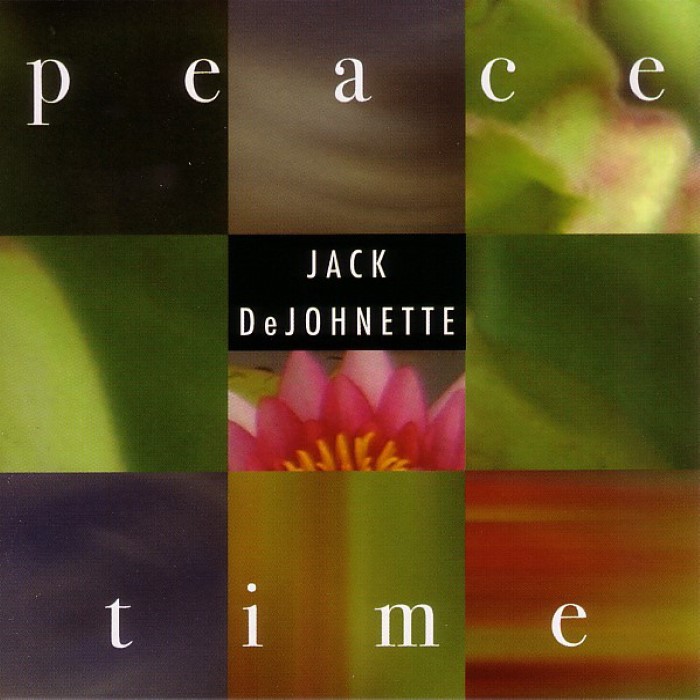
Peace Time
2007

Selected Recordings
2004

Parallel Realities
2004
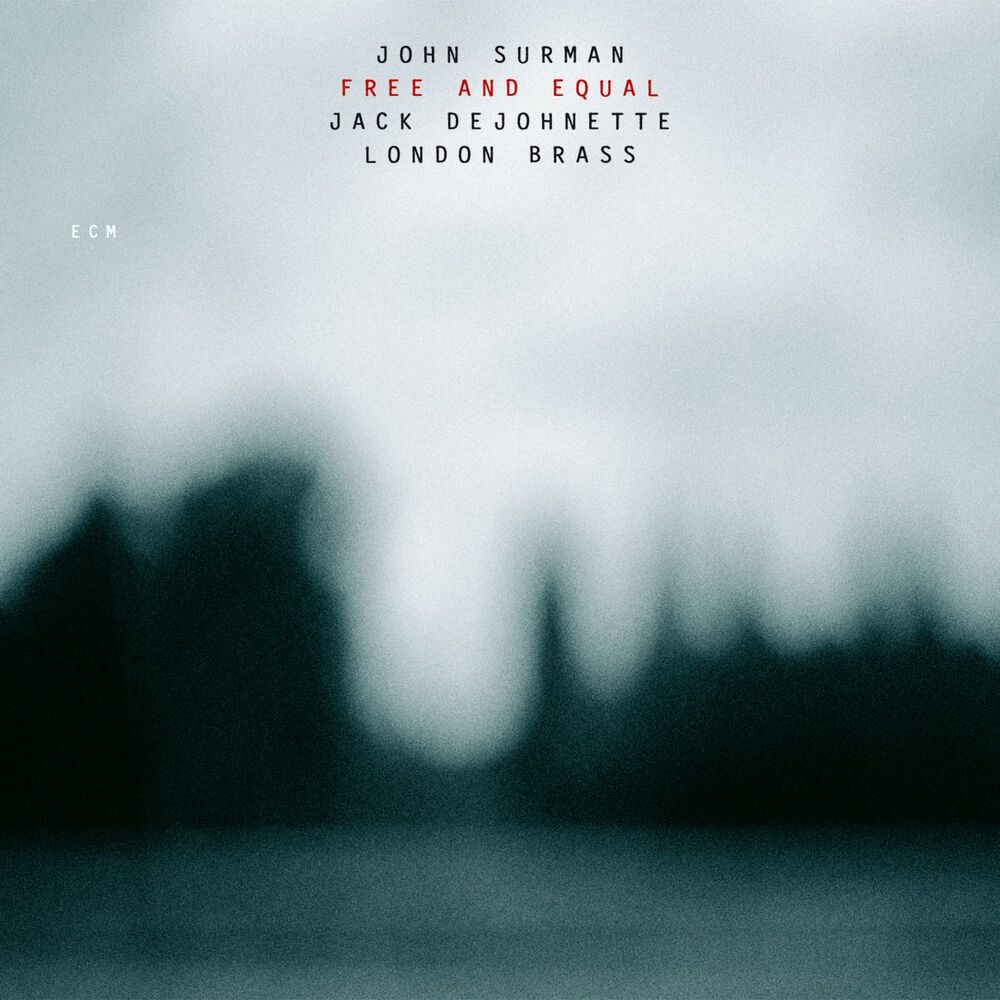
Free And Equal
2003
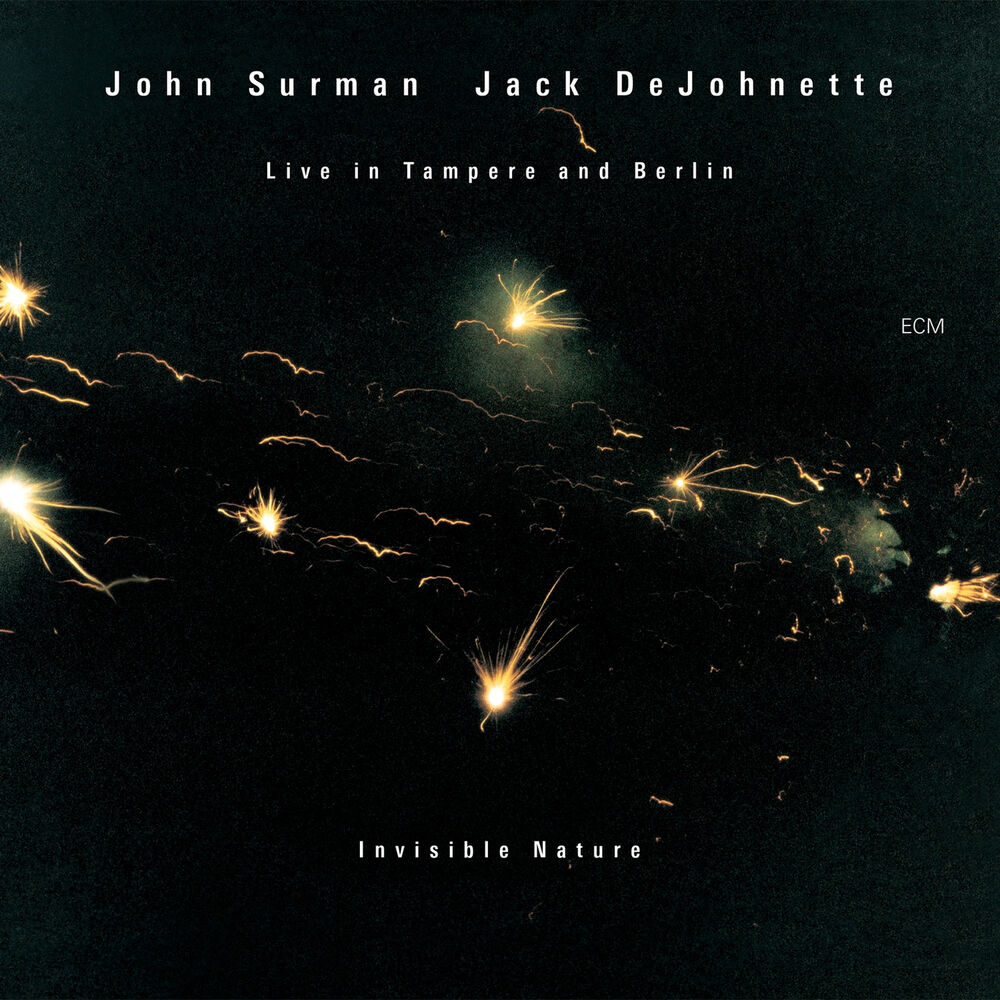
Invisible Nature
2002
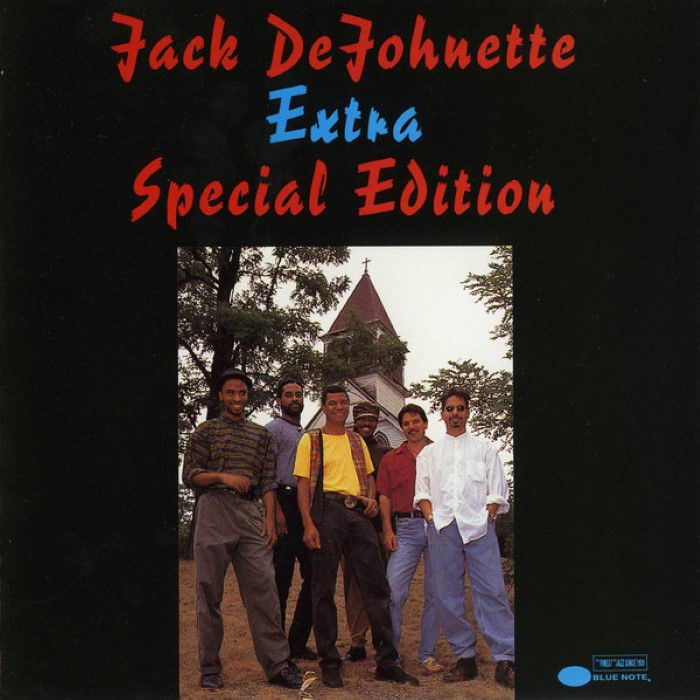
Extra Special Edition 1994
1994
Of Mist And Melting
1993
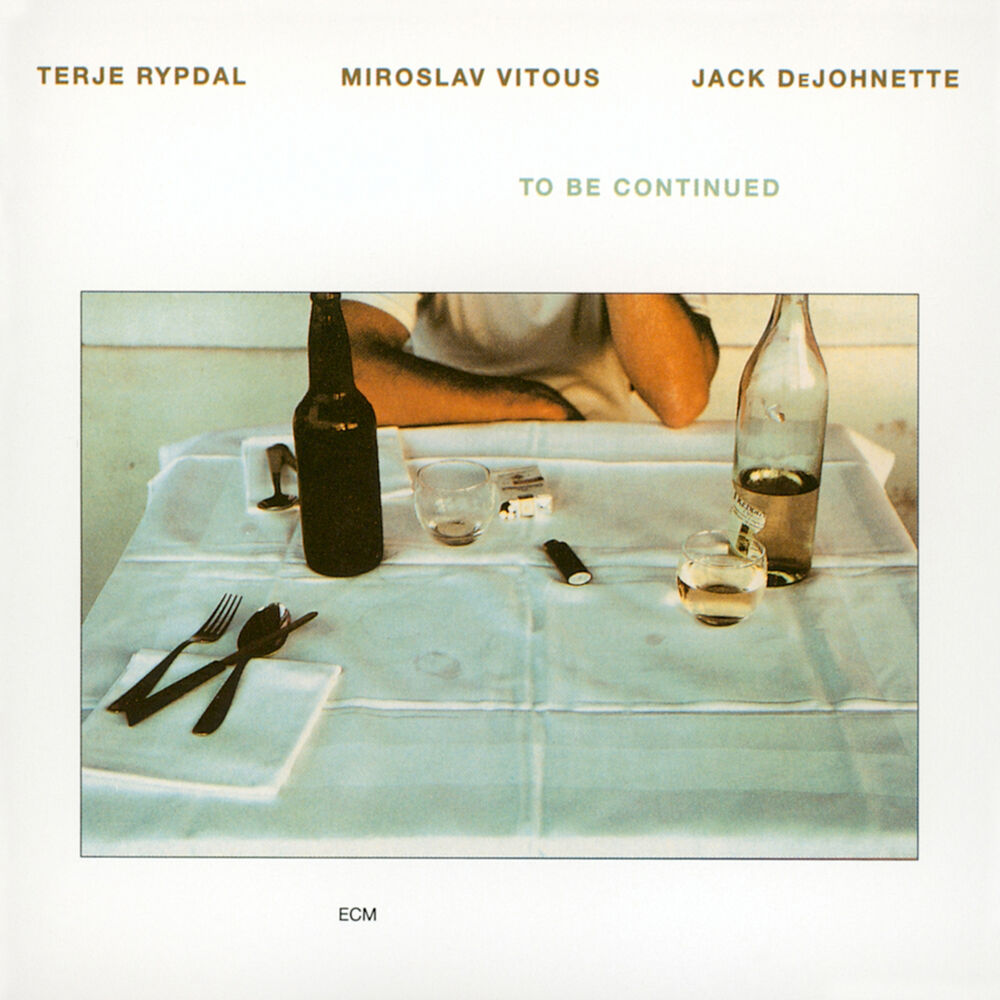
To Be Continued
1992
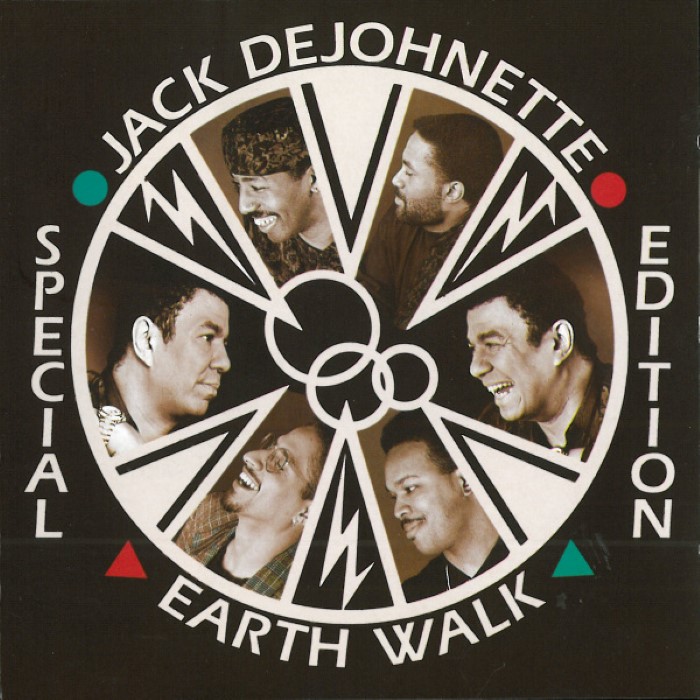
Earth Walk
1991

The Jack DeJohnette Complex
1991
Double, Double You
1990
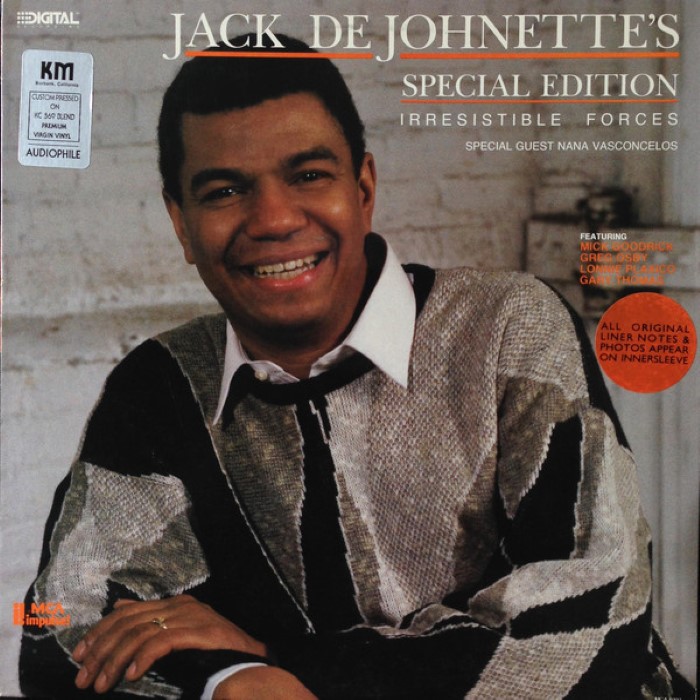
Irresistible Forces
1987
Timeless
1986

The Amazing Adventures Of Simon Simon
1986
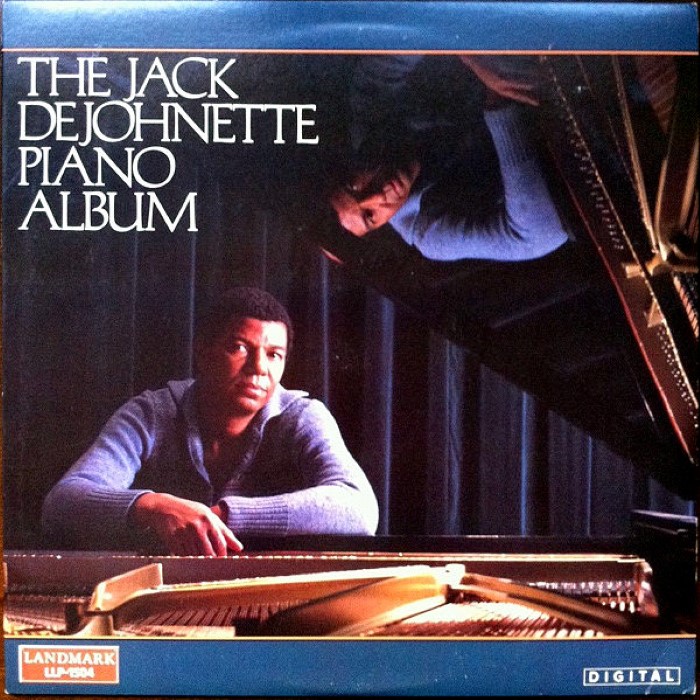
The Jack DeJohnette Piano Album
1985
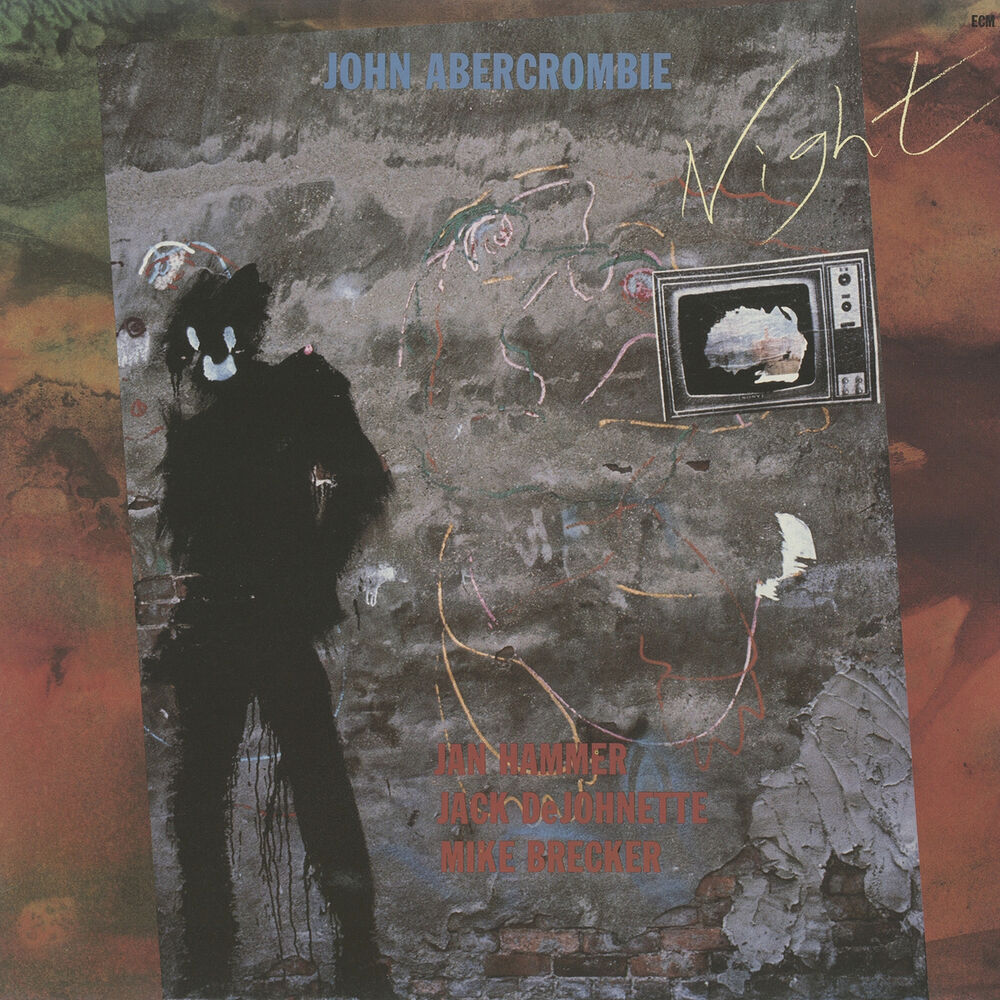
Night
1984
Special Edition
1980
New Directions In Europe
1979
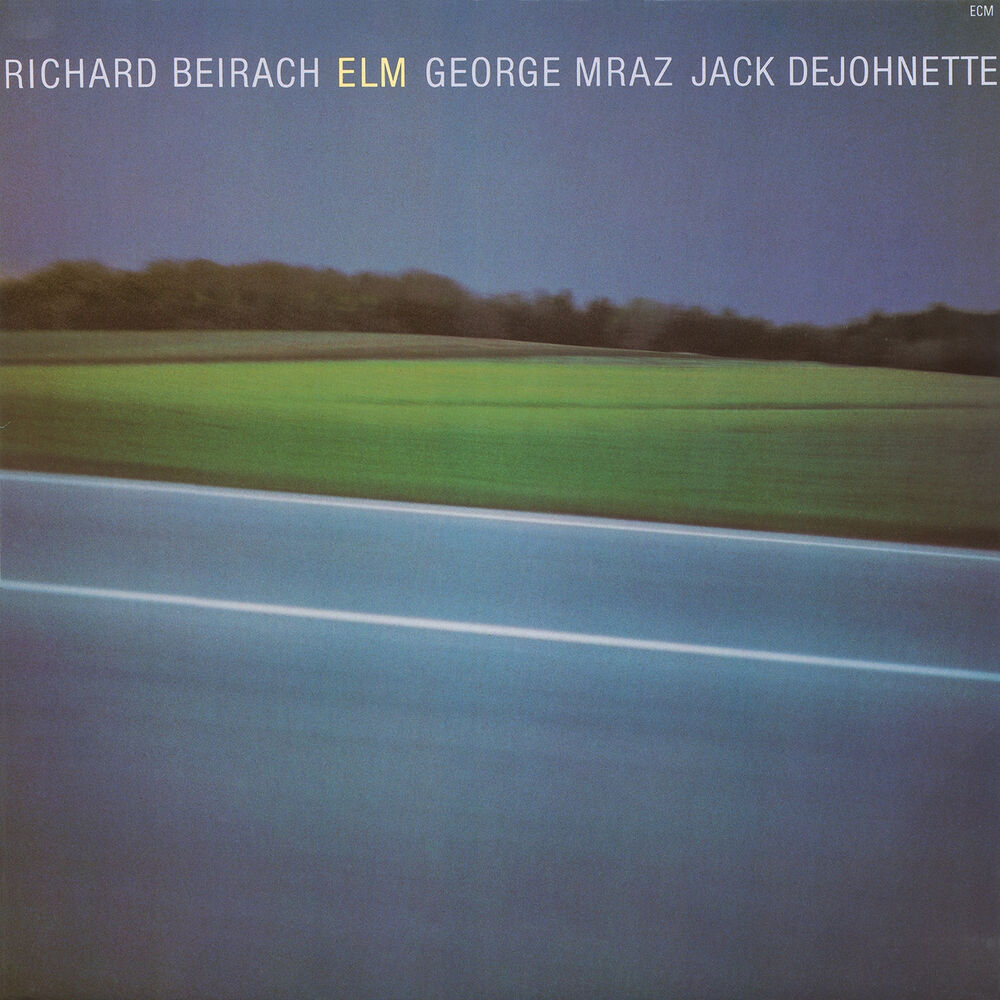
Elm
1979
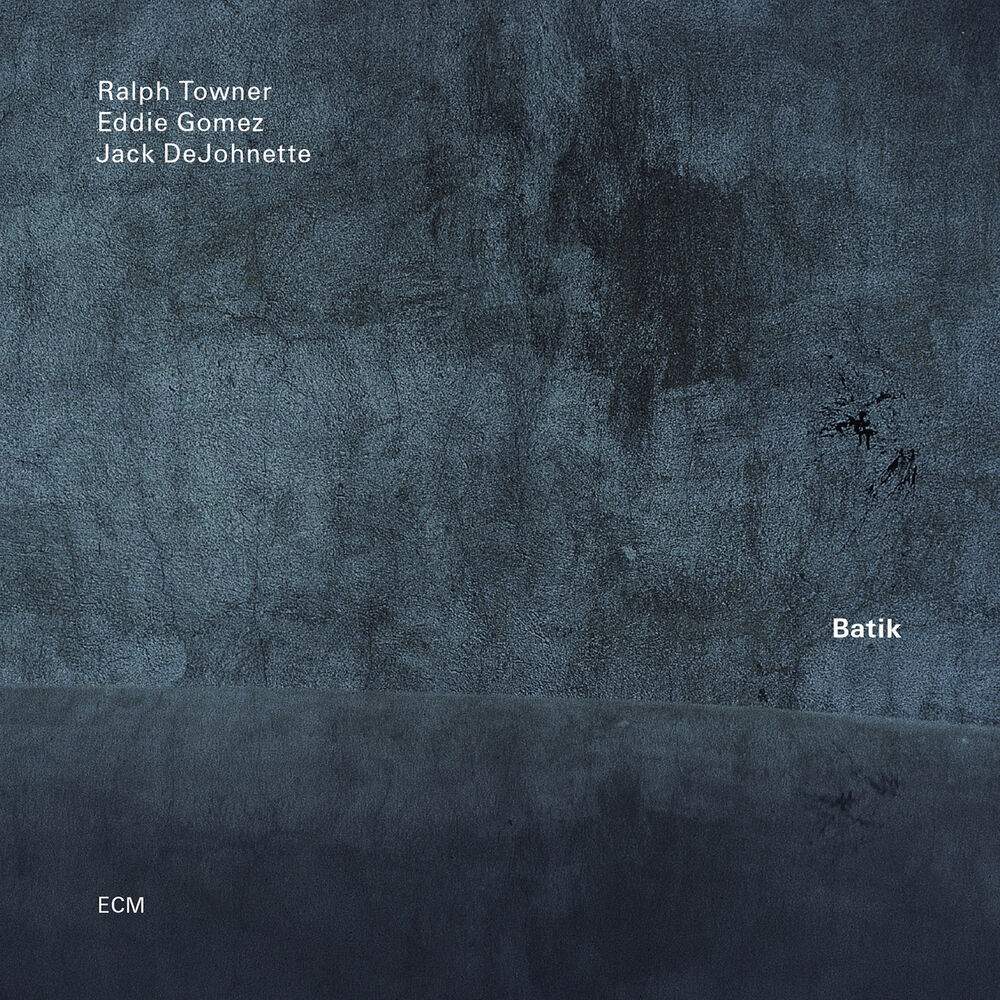
Batik
1978


Singles & EPs
16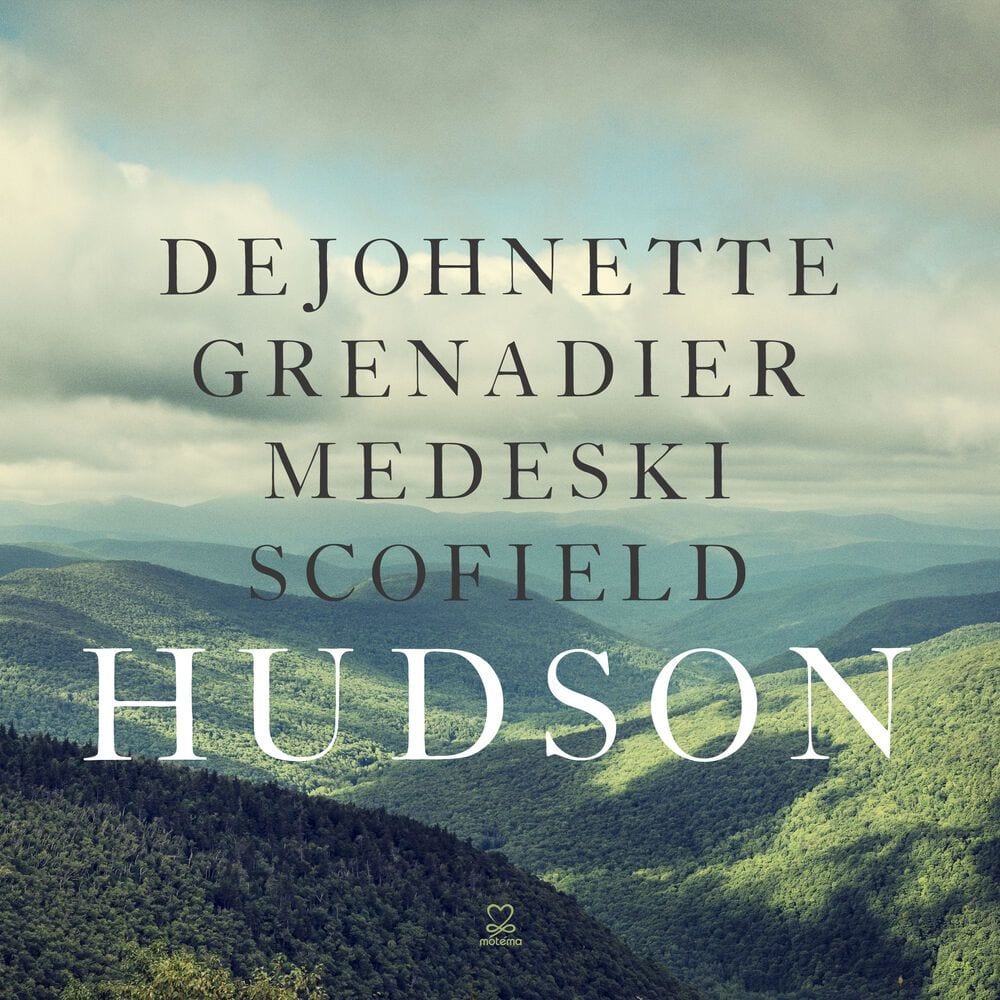
Lay Lady Lay
Single · 2017
A Hard Rain's A-Gonna Fall
Single · 2017
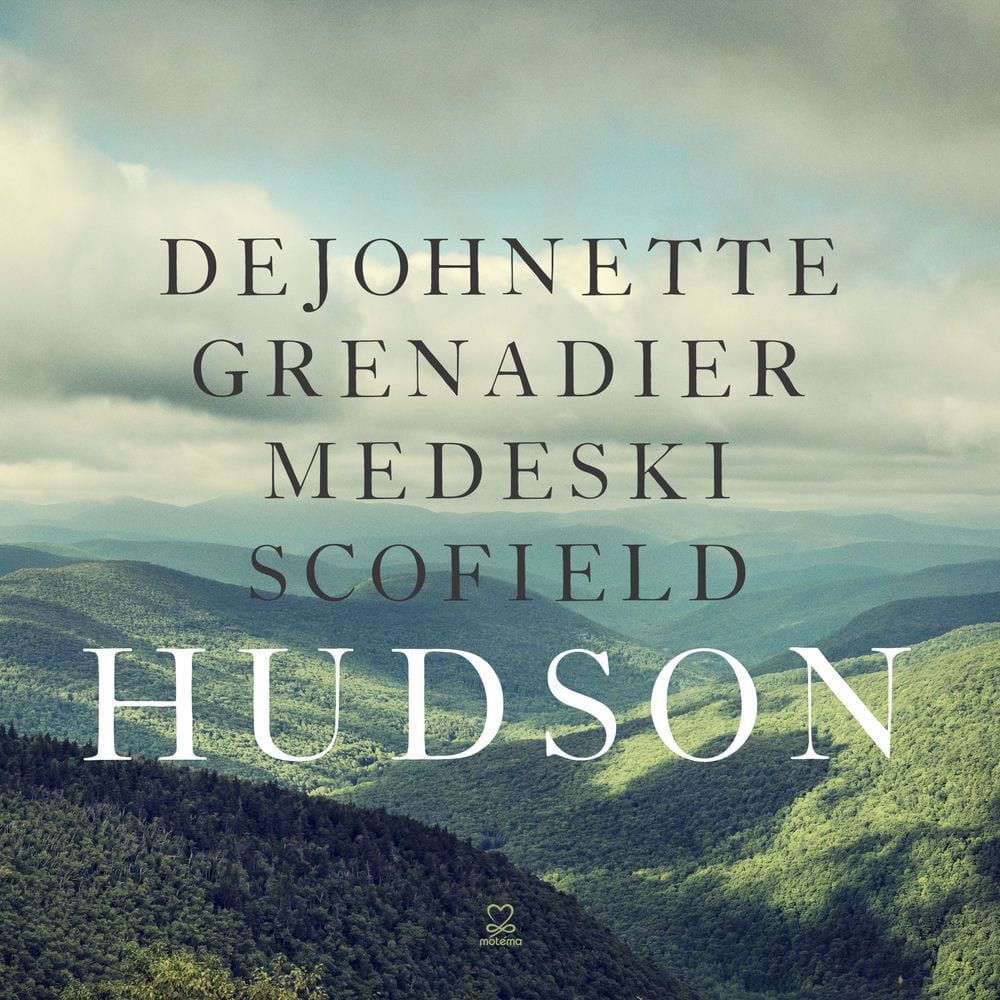
Wait Until Tomorrow
Single · 2017

The Law of Diminishing Returns (Radio)
Single · 2026

Rio Grande (Short Cuts - breakdown)
EP · 2026
Rio Grande (Radio)
Single · 2026

L'Inverno (Short Cuts - breakdown)
EP · 2026
The Law of Diminishing Returns (Short Cuts - breakdown)
EP · 2026

Milagro (Short Cut)
Single · 2024

Acoma
Single · 2024
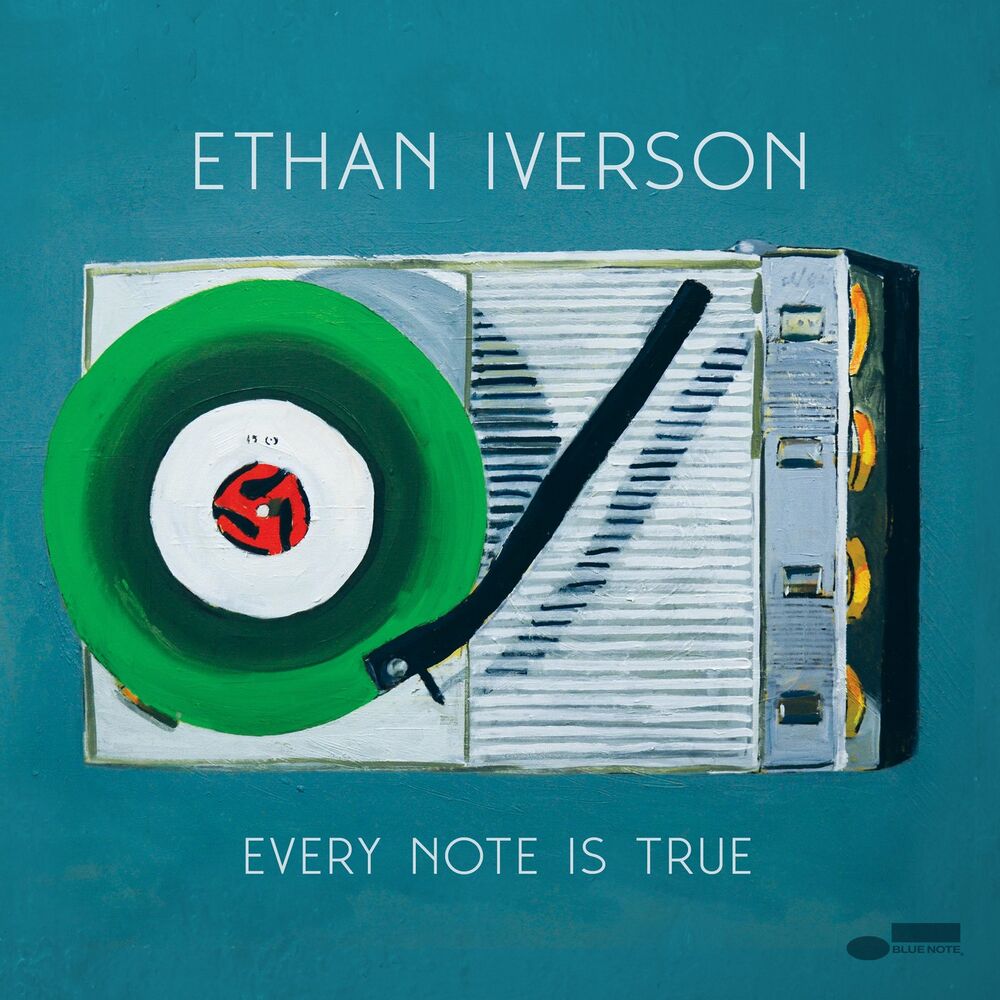
She Won’t Forget Me
Single · 2022
For Ellen Raskin
Single · 2022

Milagro
Single · 2021
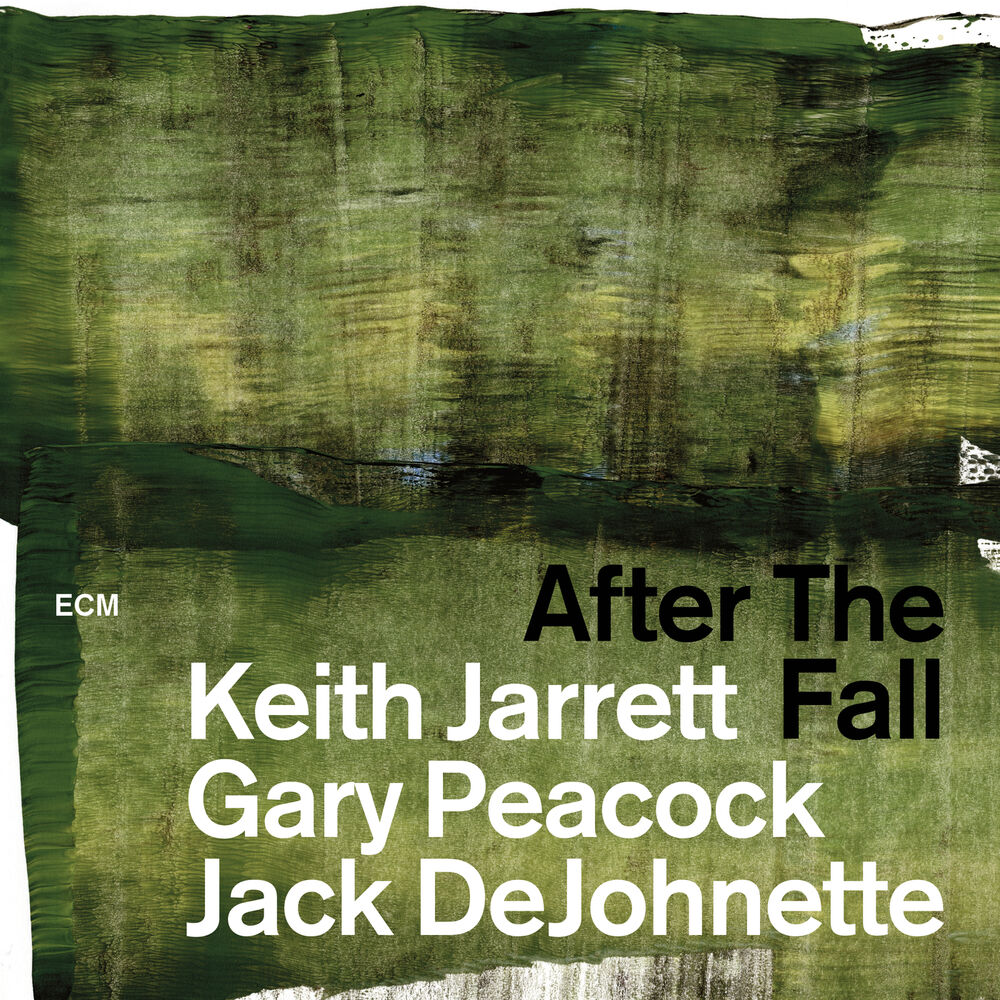
One For Majid (Live)
Single · 2018

The Target (2023 Remastered Version)
Single · 1987

Home (2023 Remastered Version)
Single · 1987


Live & compilations
5


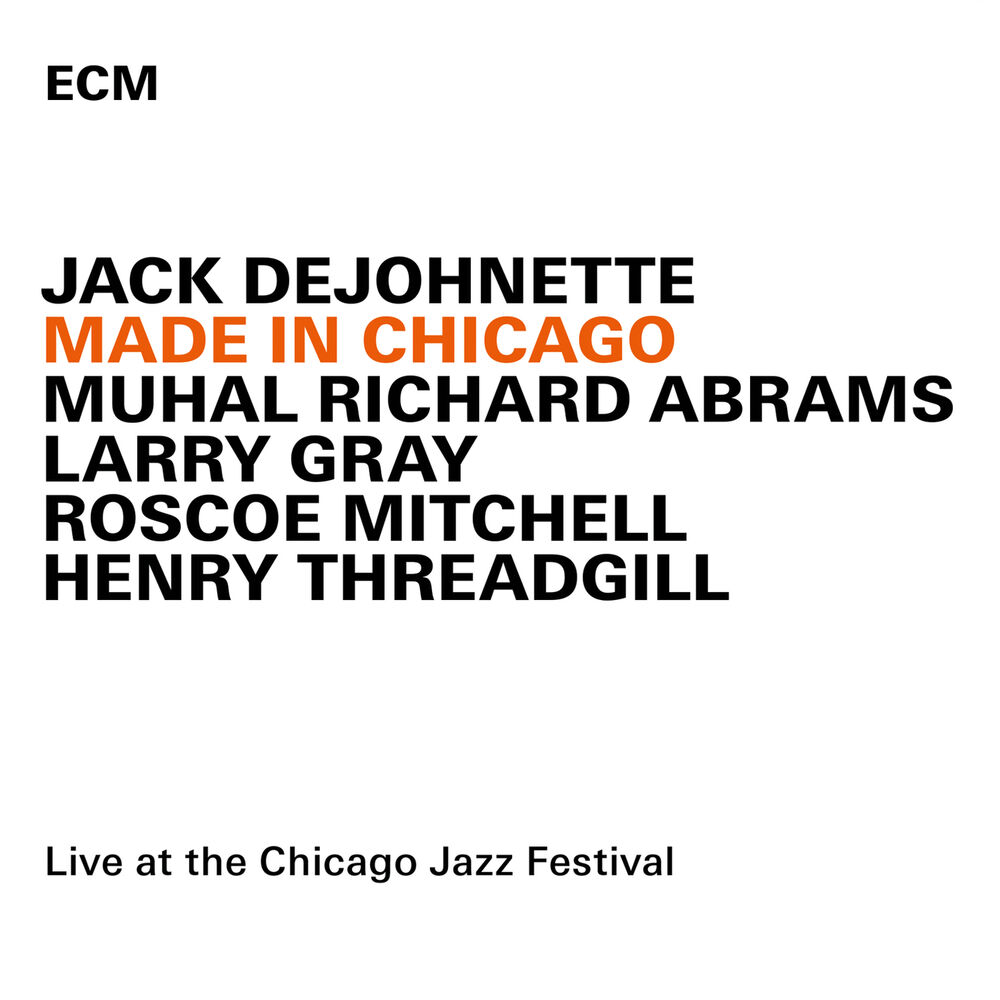
Credits
9Records Jack DeJohnette worked on for other artists — the roles are as credited on each release.
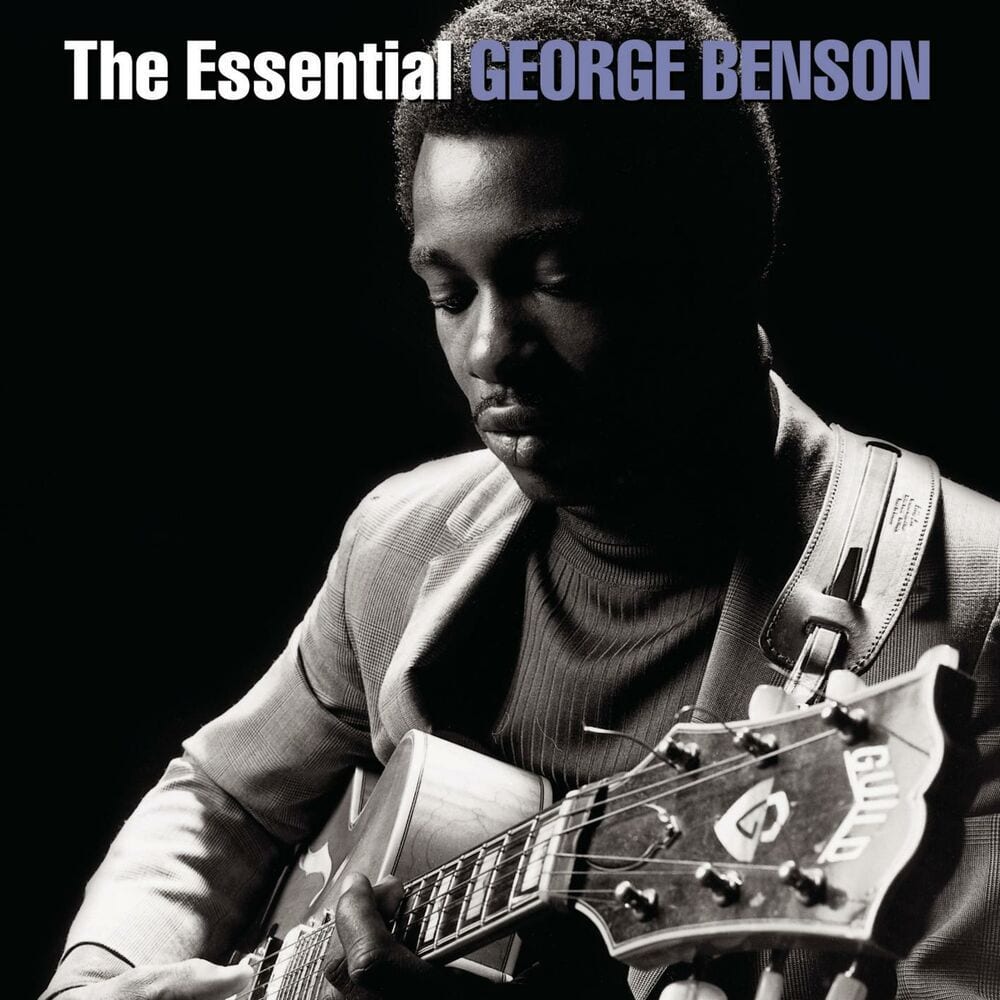
The Essential George Benson
George Benson · 2006
Musician · 3 songs
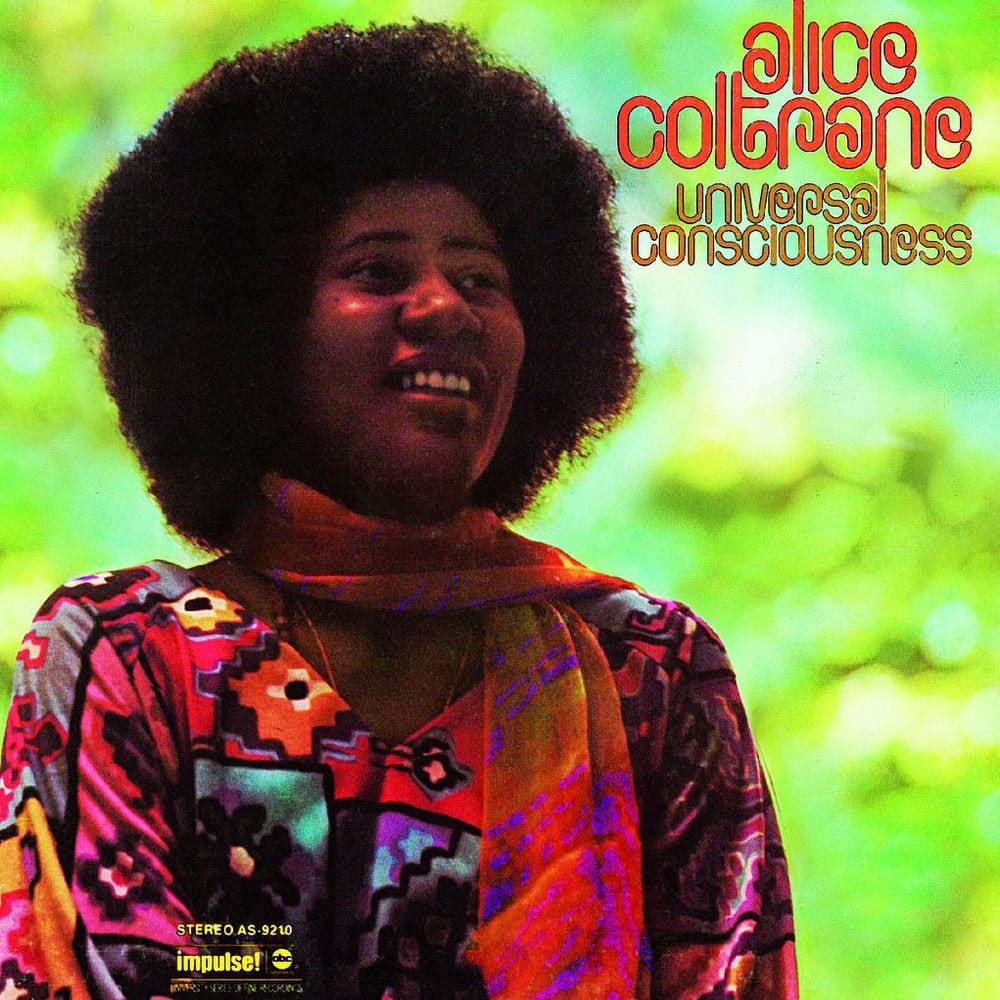
Universal Consciousness
Alice Coltrane · 1971
Musician · 3 songs
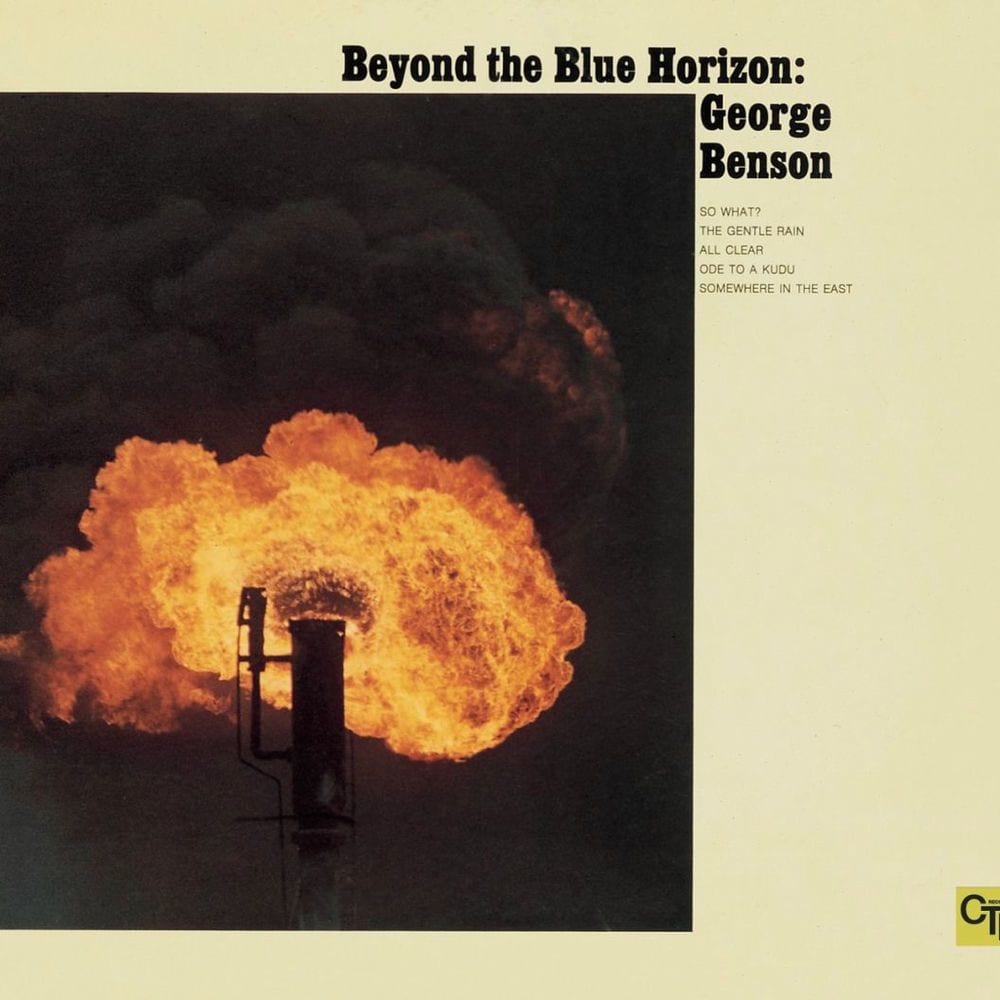
Beyond the Blue Horizon
George Benson · 1971
Musician · 3 songs
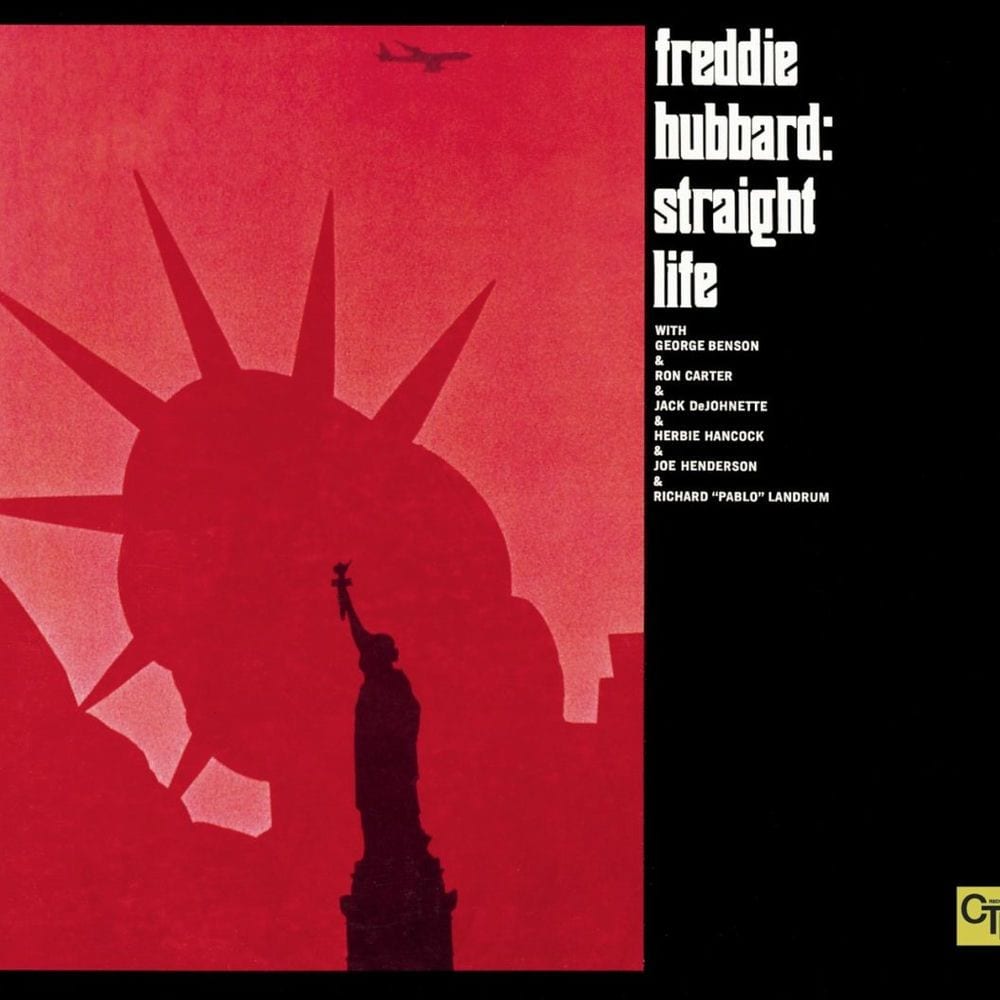
Straight Life
Freddie Hubbard · 1971
Musician · 3 songs
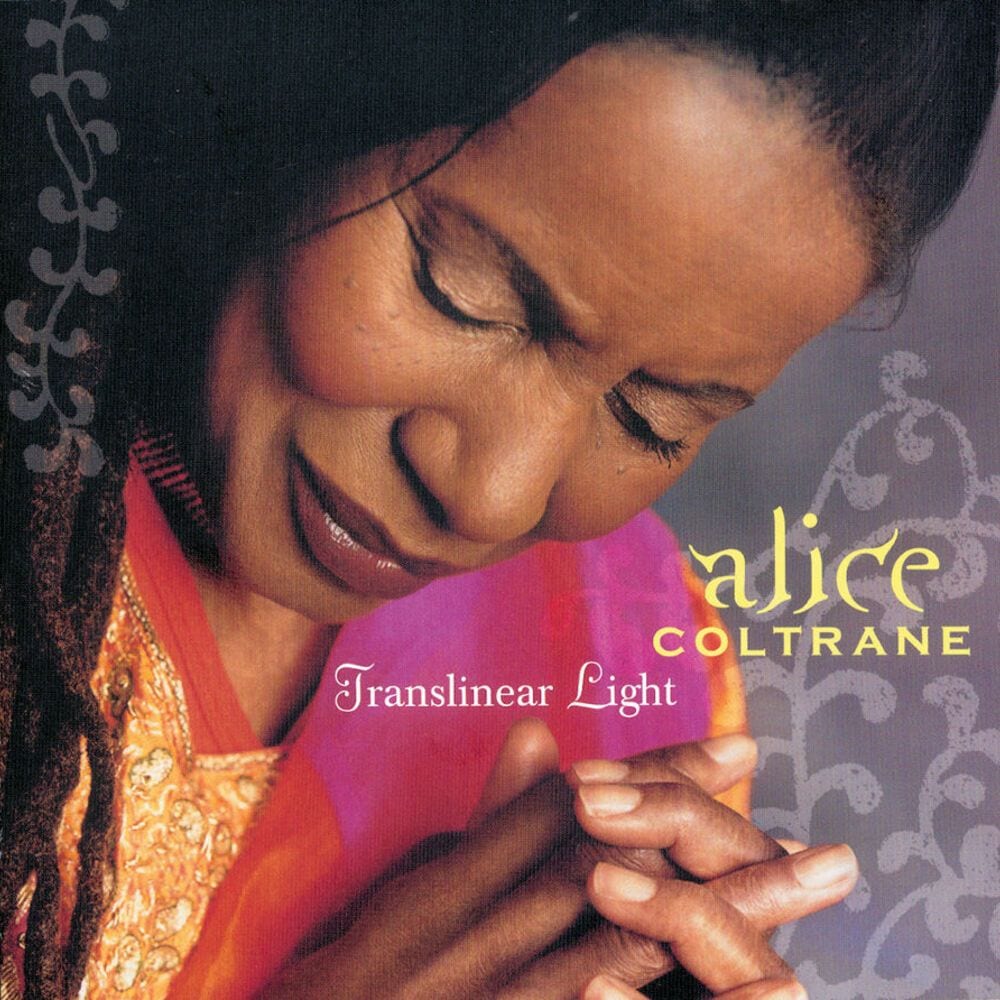
Translinear Light
Alice Coltrane · 2004
Musician · 5 songs
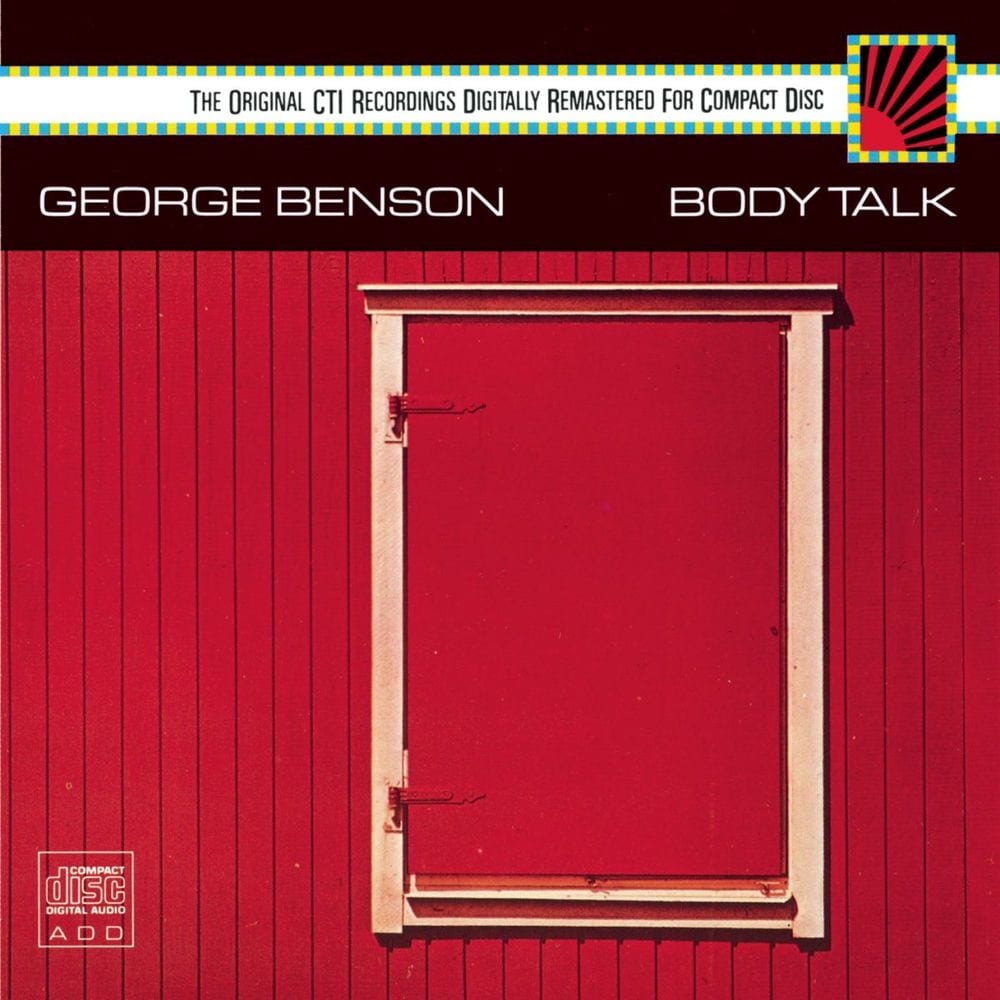
Body Talk
George Benson · 1989
Musician · 4 songs
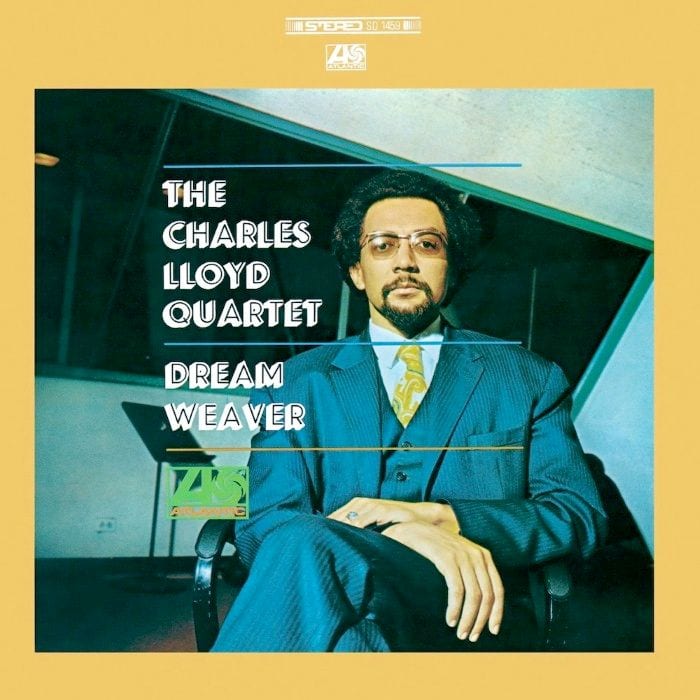
Dream Weaver
Charles Lloyd
Musician · 3 songs
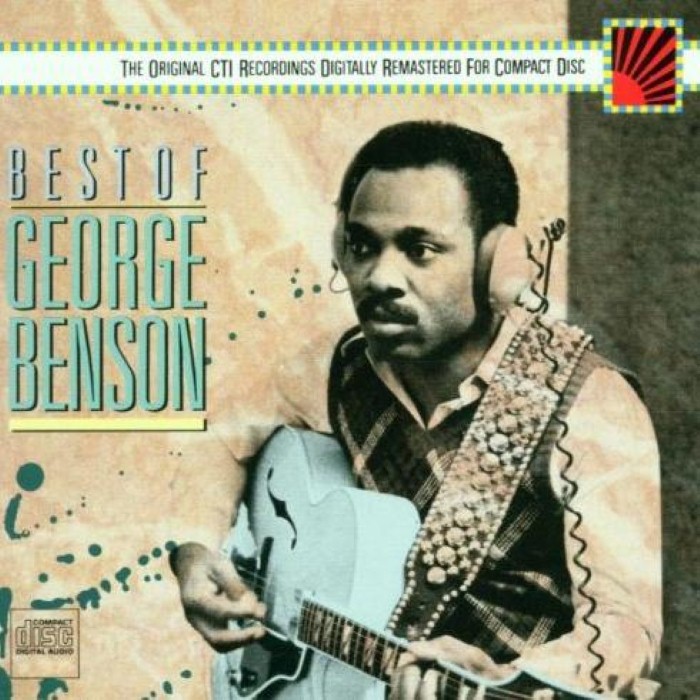
Best of George Benson
George Benson · 1989
Musician · 3 songs
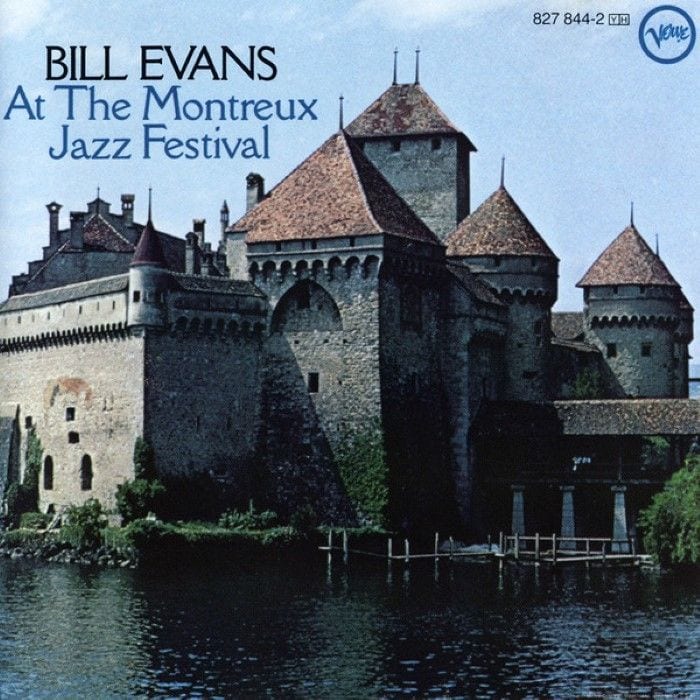
At the Montreux Jazz Festival
Bill Evans · 1968
Musician · 8 songs


Collaborators
1
Past shows
Community
More about Jack DeJohnette
Jack DeJohnette at a glance
- Born in
- Chicago
- From
- United States
- Active since
- 1961
- Instruments
- piano, drum kit, percussion instrument, melodica
- Member of
- Charles Lloyd Quartet
- Labels
- Columbia Records, ECM Records, Blue Note, Prestige, MCA Records, Milestone
- Educated at
- American Conservatory of Music
Facts from Wikidata (CC0). Children listed are those with their own public record, so the list may be incomplete.
About
Jack DeJohnette (born August 9, 1942) is an American jazz drummer, pianist, and composer. An important figure of the fusion era of jazz, DeJohnette is one of the most influential jazz drummers of the 20th century, given his extensive work as leader and sideman for musicians including Freddie Hubbard, Keith Jarrett, Sonny Rollins, Miles Davis, Joe Henderson, and John Scofield. DeJohnette was born in Chicago, Illinois. He began his musical career as a piano player, studying from age four and beginning to play professionally at the age of 14, but he decided to forsake it and took on the drums as his main instrument. DeJohnette would later credit an uncle, Roy I. Wood Sr., as the person in his life who inspired him to play music. Wood was a Chicago disc jockey who would later become vice president of the National Network of Black Broadcasters.
Read moreRead less
DeJohnette began his drumming career playing R&B, hard bop, and avant-garde music in Chicago, leading his own groups while playing also with Richard Abrams and Roscoe Mitchell, both of whom were members of the Association for the Advancement of Creative Musicians. In the early 1960s, Dejohnette had the opportunity to perform with John Coltrane and his quintet, an early foray into playing with big name jazz musicians. In 1966 DeJohnette moved to New York City, where he became a member of the Charles Lloyd Quartet. A band that recognized the potential influence of rock and roll on jazz, Lloyd’s group was where DeJohnette first encountered pianist Keith Jarrett, who would work extensively with him throughout his career. However, DeJohnette left the group in early 1968, citing Lloyd’s deteriorating, “flat” playing as his main reason for leaving. While Lloyd’s band was where he received international recognition for the first time, it was not the only group DeJohnette played with during his early years in New York, as he also worked with groups including Jackie McLean, Abbey Lincoln, Betty Carter, and Bill Evans. DeJohnette joined Evan’s trio in 1968, the same year the group headlined the Montreux Jazz Festival and produce the album Bill Evans at the Montreux Jazz Festival. In November 1968 he worked briefly with Stan Getz and his quartet, which led to his first recordings with Miles Davis. In 1969, DeJohnette left the Evans trio and replaced Tony Williams in Miles Davis's live band. Davis had seen DeJohnette play many times, one of which was during a stint with Evans at Ronnie Scott's Jazz Club in London in 1968, where he also first heard bassist Dave Holland. Davis recognized DeJohnette’s ability to combine the driving grooves associated with rock and roll with improvisational aspects associated with jazz. DeJohnette played on the album Directions, and was the drummer on the landmark album Bitches Brew. DeJohnette and the other musicians saw the Bitches Brew sessions as unstructured and fragmentary, but also innovative: “As the music was being played, as it was developing, Miles would get new ideas...He’d do a take, and stop, and then get an idea from what had just gone on before, and elaborate on it...The recording of Bitches Brew was a stream of creative musical energy. One thing was flowing into the next, and we were stopping and starting all the time.” While he was not the only drummer involved in the project, as Davis had also enlisted Billy Cobham, Don Alias, and Lenny White, DeJohnette was considered the leader of the rhythm section within the group. He played on the live albums that would follow the release of Bitches Brew, taken from concerts at the Fillmore East in New York and Fillmore West in San Francisco. These ventures were undertaken at the behest of Clive Davis, then president of Columbia Records. DeJohnette continued to work with Davis for the next three years, which led to collaborations with other Davis band members John McLaughlin, Chick Corea, and Holland; he also drew Keith Jarrett into the band. He contributed to such famous Davis albums as Live-Evil (1971), A Tribute to Jack Johnson (1971), and On the Corner (1972). He left the Davis group in the middle of 1971, although he returned to the group for several concerts through the rest of that year. DeJohnette had begun his career as a bandleader during his time in the Davis group. His first record, The DeJohnette Complex, was released in 1968; on the album, DeJohnette played melodica as well as drums, preferring often to let a mentor of his, Roy Haynes, sit behind the set. He also recorded, in the early 1970s, the albums Have You Heard, Sorcery, and Cosmic Chicken. He released these first four albums on either the Milestone or Prestige labels, and then switched to ECM for his next endeavors; ECM gave him a “fertile platform” for his “atmospheric drumming and challenging compositions.” The musical freedom he had while recording for ECM offered DeJohnette many dates as a sideman and opportunities to start his own groups. He first formed the group Compost in 1972, but this was a short-lived endeavor, and DeJohnette cited the music as far too experimental to achieve commercial success. During this period, DeJohnette continued his career as a sideman as well, rejoining Stan Getz’s quartet from 1973 to October 1974, and also enticing Dave Holland to join Getz’s rhythm section. This stint briefly preceded the formation of the Gateway Trio, a group that DeJohnette helped form but did not lead. This group came directly out of the DeJohnette’s time with Getz, as Holland joined him in this group along with guitarist John Abercrombie, both of whom would become associated with DeJohnette throughout his career. His next group effort was Directions, a group formed in 1976 featuring saxophonist [Alex Foster], bassist Mike Richmond, and Abercrombie, showing the links between the members of the Gateway trio. This was another short-lived group, yet it led directly to the formation of DeJohnette’s next group, New Directions, which featured Abercrombie again on guitar along with Lester Bowie on trumpet and Eddie Gomez on bass. This group coexisted with another DeJohnette group, Special Edition, which was the first DeJohnette-led group to receive critical acclaim. This group also helped the careers of many lesser-known young horn players, as it had a rotating front line that included David Murray, Arthur Blythe, Chico Freeman, John Purcell, and Rufus Reid, among many others. During this period, especially with Special Edition, DeJohnette offered “the necessary gravity to keep the horns in a tight orbit” in his compositions while also treating his listeners to “the expanded vocabulary of the avant-garde plus the discipline of traditional jazz compositions.” DeJohnette’s work with Special Edition has been interrupted regularly by other projects, the most significant of which are his recordings in 1983 and tours from 1985 as a member of Keith Jarrett’s trio, which was totally devoted to playing jazz standards. The trio included his long-time compatriot Jarrett and bassist Gary Peacock, and all three have been members of the group for over 25 years. In 1981 he performed at the Woodstock Jazz Festival, held in celebration of the tenth anniversary of the Creative Music Studio. DeJohnette continued to work with Special Edition into the 1990s, but did not limit himself to that. In 1990 he toured in a quartet consisting of himself, Herbie Hancock, Pat Metheny, and his long-time collaborator Holland, and released the Parallel Realities CD with this group the same year. In 1992 he released a major collaborative record, Music for the Fifth World, which was inspired by studies with a Native American elder and brought him together musically with players like Vernon Reid and John Scofield. He had also, during the 1980s, resumed playing piano, which led to his 1994 tour as an unaccompanied pianist. He also began working again with Abercrombie and Holland, reviving the Gateway trio. In 2004 he was nominated for a GRAMMY award for his work on Keith Jarrett’s live album The Out-of-Towners, and continued to work with that group into 2005. In the next few years DeJohnette would begin and lead three new projects, the first of which was the Latin Project consisting of percussionists Giovanni Hidalgo and Luisito Quintero, reedman Don Byron, pianist Edsel Gomez, and bassist Jerome Harris. The other two new projects were the Jack DeJohnette Quartet, featuring Harris again alongside Danilo Perez and John Patitucci, and the Trio Beyond, a tribute to DeJohnette’s friend Tony Williams and his The Tony Williams Lifetime trio (consisting of Williams, Larry Young and John McLaughlin)featuring John Scofield and Larry Goldings. He also founded his own label, Golden Beams Productions, in 2005. That same year, he released Music in the Key of OM on his new label, an electronic album which he created for relaxing and meditative purposes on which he played synthesizer and resonating bells, and which was nominated for a GRAMMY in the Best New Age Album category. He continued to makes albums as a leader and sideman throughout this period as well, one of which was The Elephant Sleeps But Still Remembers, a collaboration that documents the first meeting of DeJohnette and guitarist Bill Frisell in 2001 and led to another tour, with Frisell and Jerome Harris. The next year Trio Beyond released Saudades, a live recording of a concert commemorating Tony Williams in London in 2004. In 2008 he toured with Bobby McFerrin, Chick Corea, and the Jarrett trio, and the next year won the Grammy Award for Best New Age Albumwith Peace Time. In 2010 he founded the Jack DeJohnette Group, featuring Rudresh Mahanthappa on alto saxophone, David Fiuczynski on double-neck guitar, George Colligan on keyboards and piano, and long-time associate Jerome Harris on electric and acoustic bass guitars. In 2012, DeJohnette released Sound Travels, a multi-genre album that DeJohnette himself dominates but features many new collaborators like Bruce Hornsby, Esperanza Spalding, and Lionel Loueke as well as old faces such as McFerrin, Quintero, and Jason Moran. He was also, in 2012, awarded with an NEA Jazz Masters Fellowship for his "significant lifetime contributions have helped to enrich jazz and further the growth of the art form."
On screen
19Acting roles

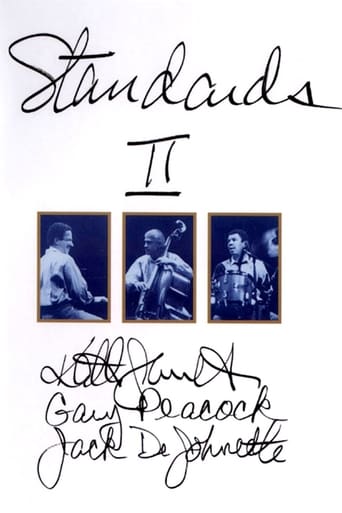
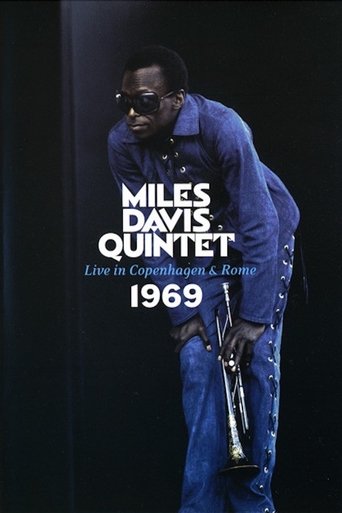
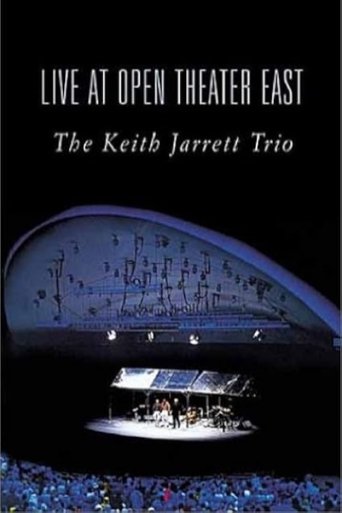
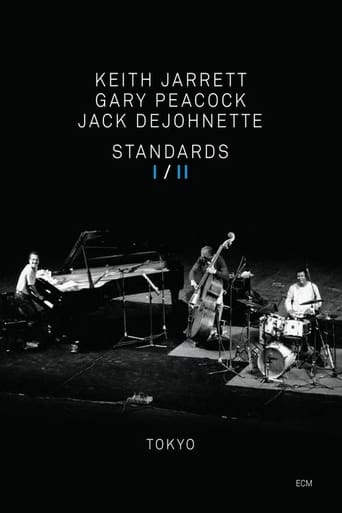
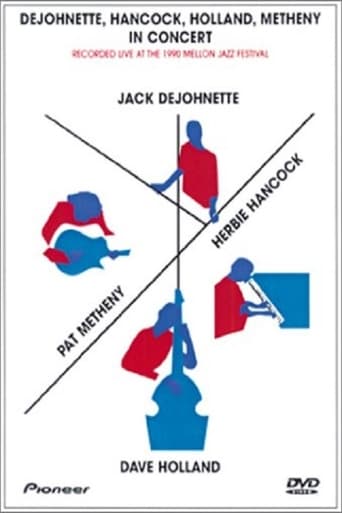
As themselves
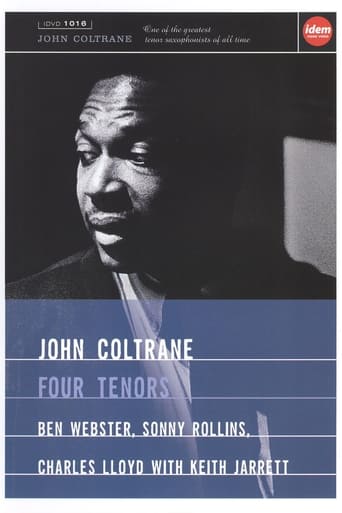
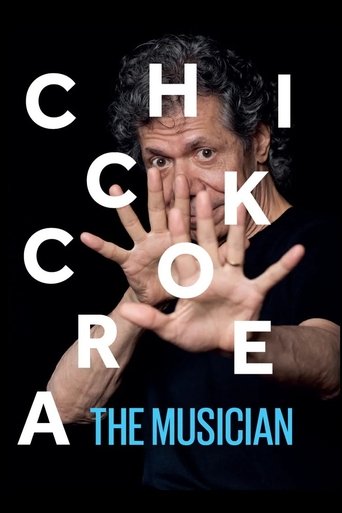
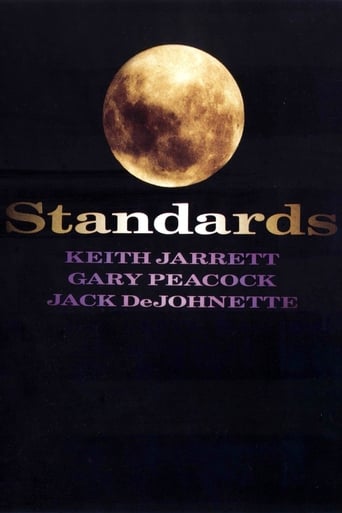
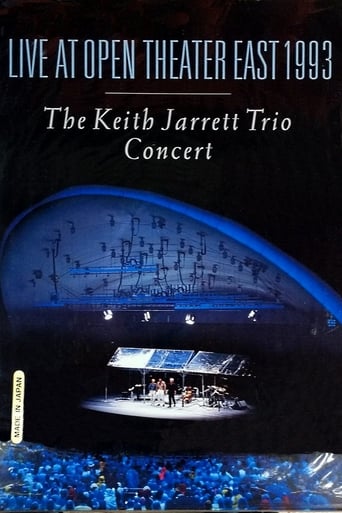
Film & TV data from TMDB. This product uses the TMDB API but is not endorsed or certified by TMDB.
Jack DeJohnette in brief
- How many Jack DeJohnette releases are on Riffiter?
- 67 releases are catalogued, spanning 1974 to 2026.
- What genre is Jack DeJohnette?
- Jack DeJohnette is catalogued under Jazz.
- What is the most recent Jack DeJohnette release on Riffiter?
- The Law of Diminishing Returns (Radio), released in 2026.