

George Duke
George Duke is a fusion artist. 62 releases are catalogued on Riffiter.
- 62
- Releases
- 1971–2026
- Active years
Discography
52Rank them 1 vs 1 →Two covers at a time. Pick the one you rate higher, we build the order.
Most popular
A Brazilian Love Affair
1980 · 11 tracks
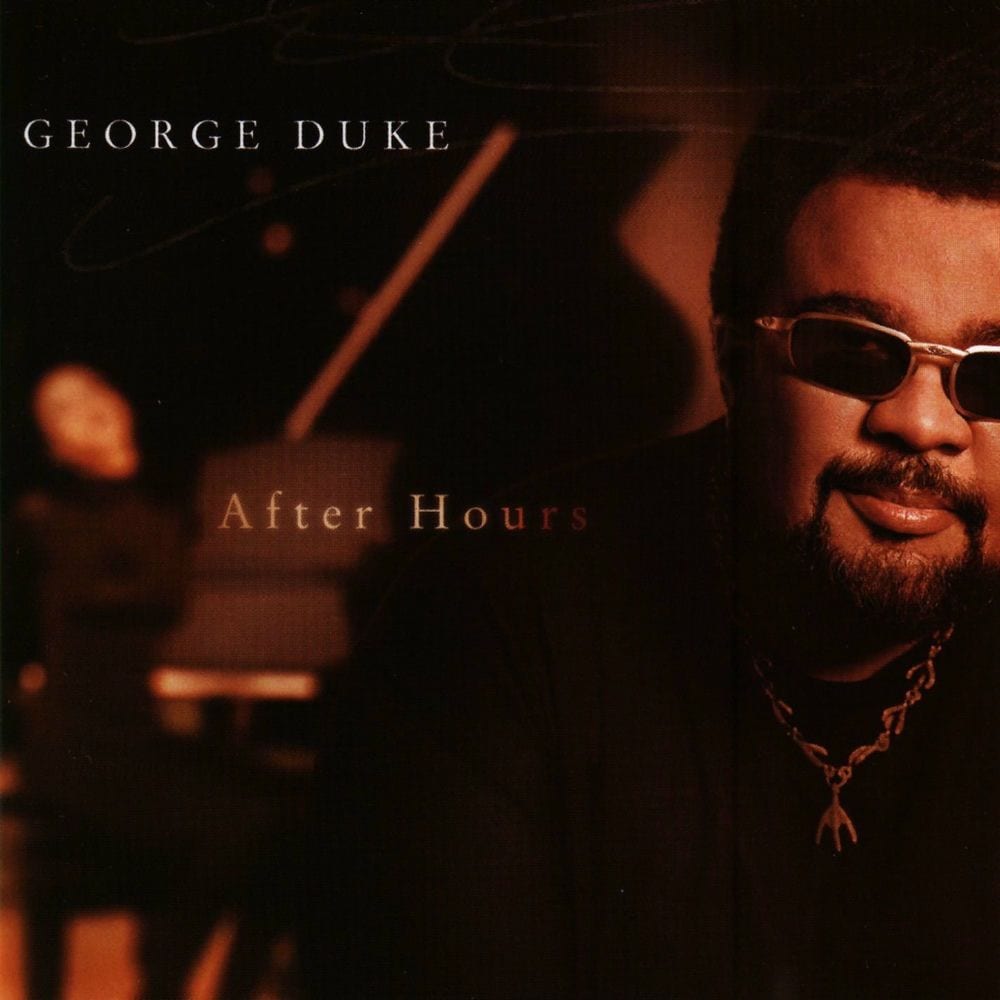
After Hours
1998
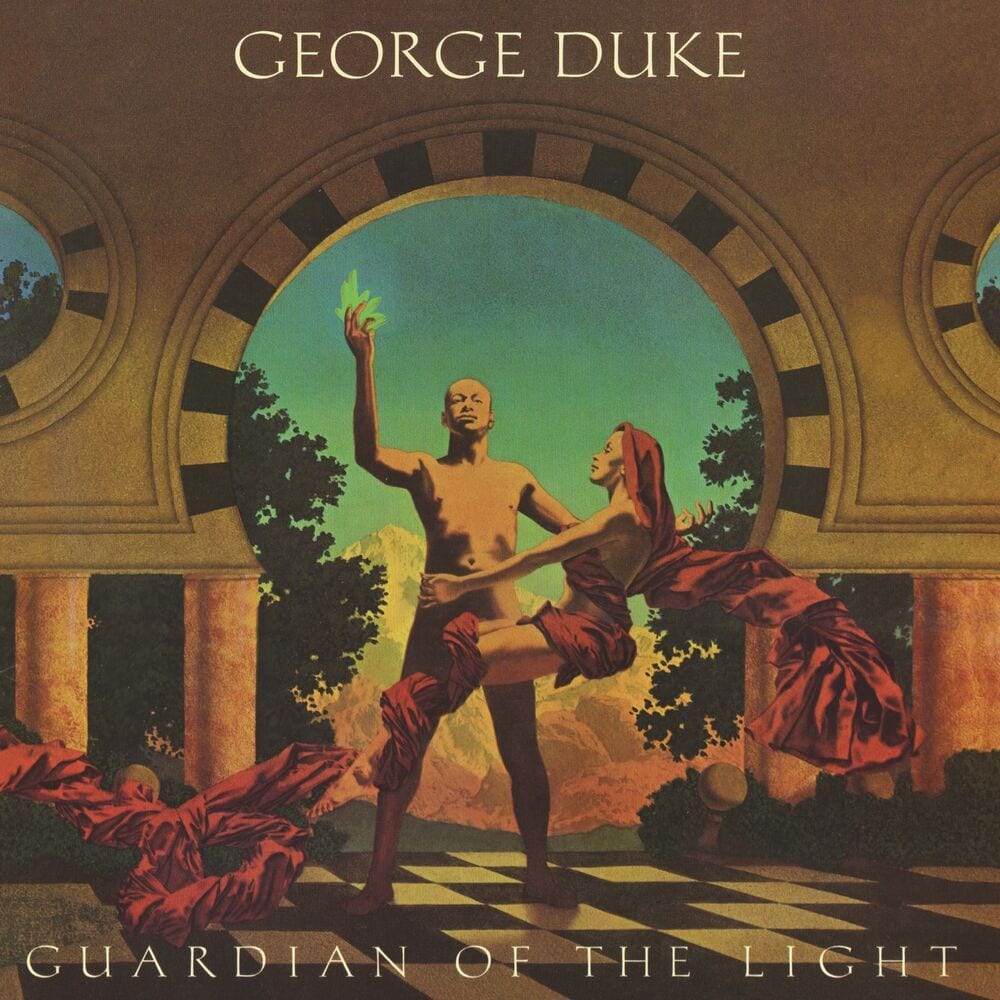
Guardian of the Light
1983
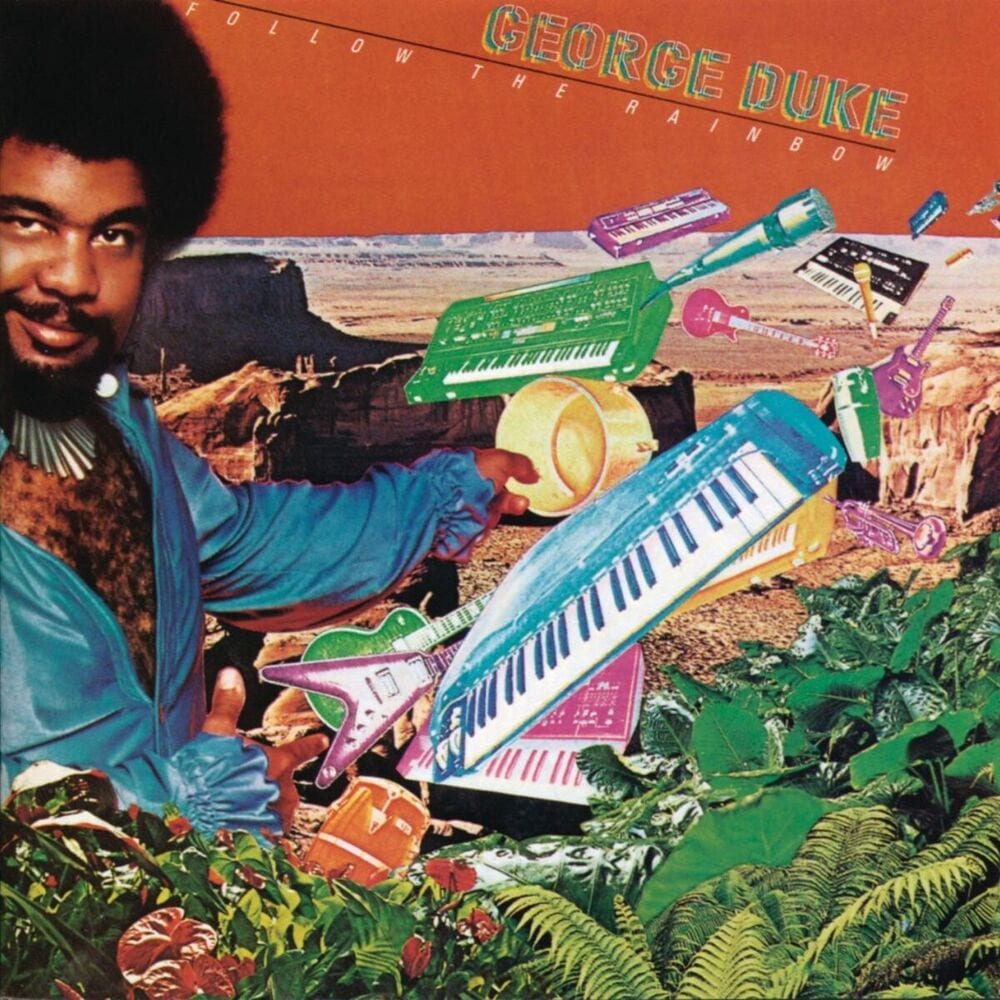
Follow the Rainbow
1979
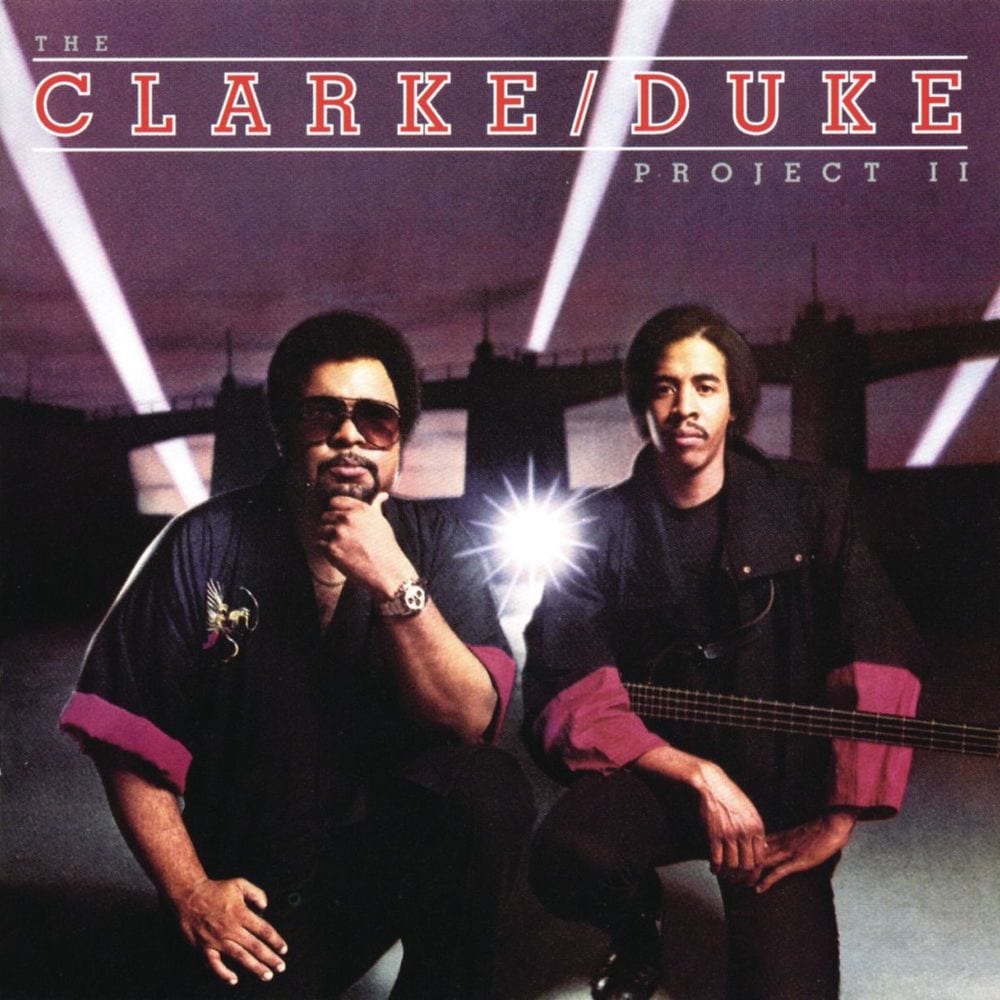
The Clarke / Duke Project II
1983
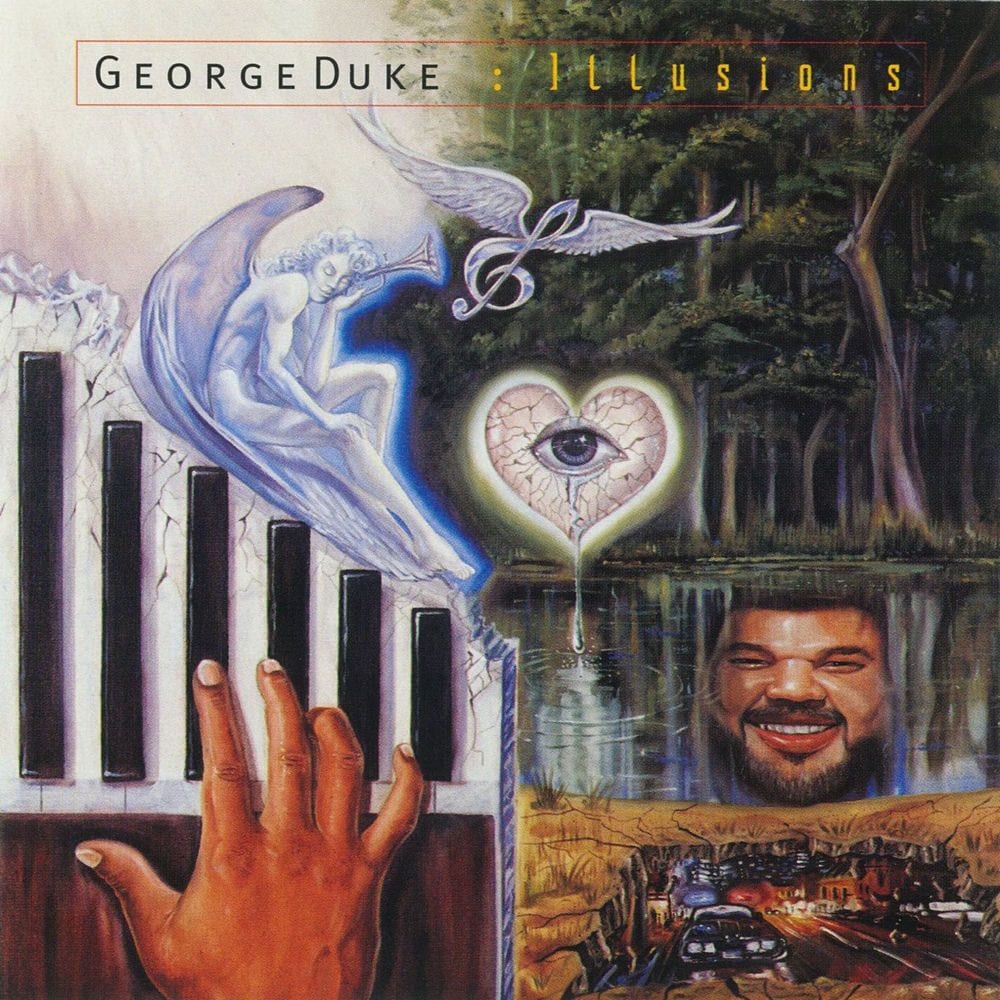
Illusions
1995
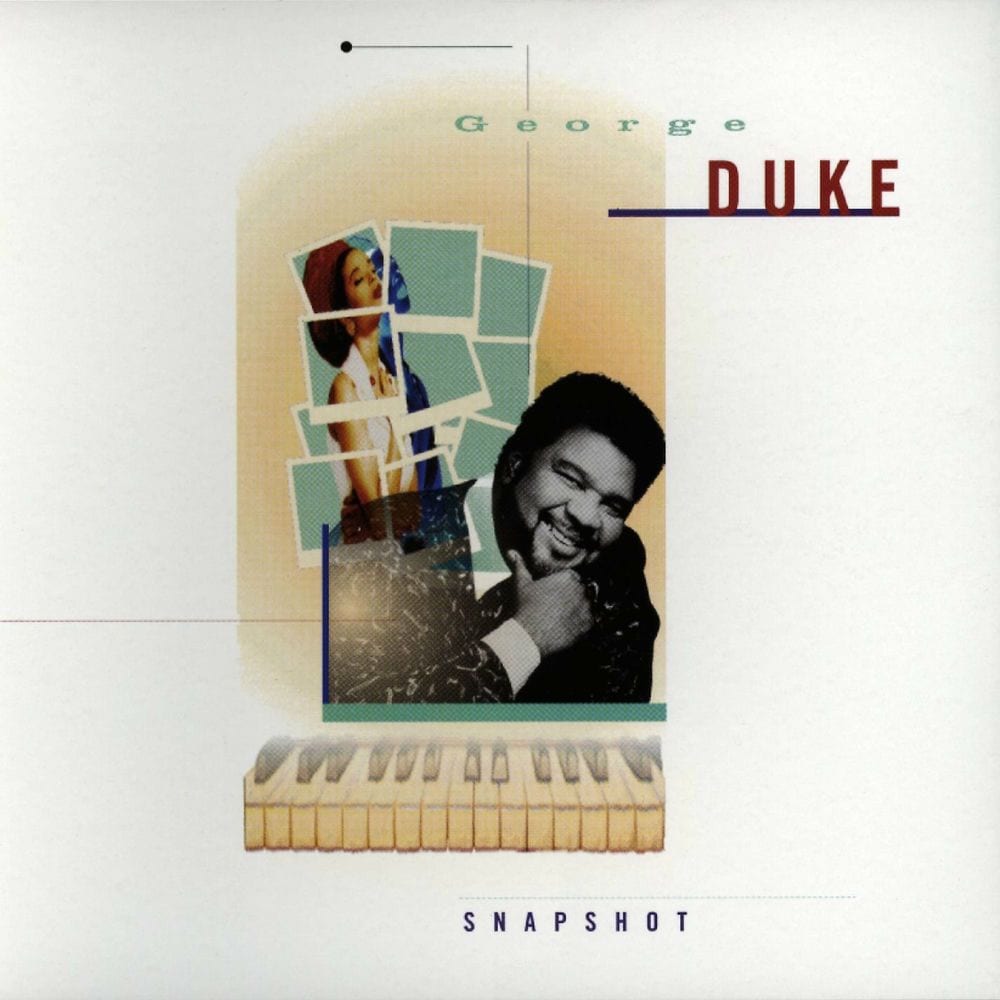
Snapshot
1992
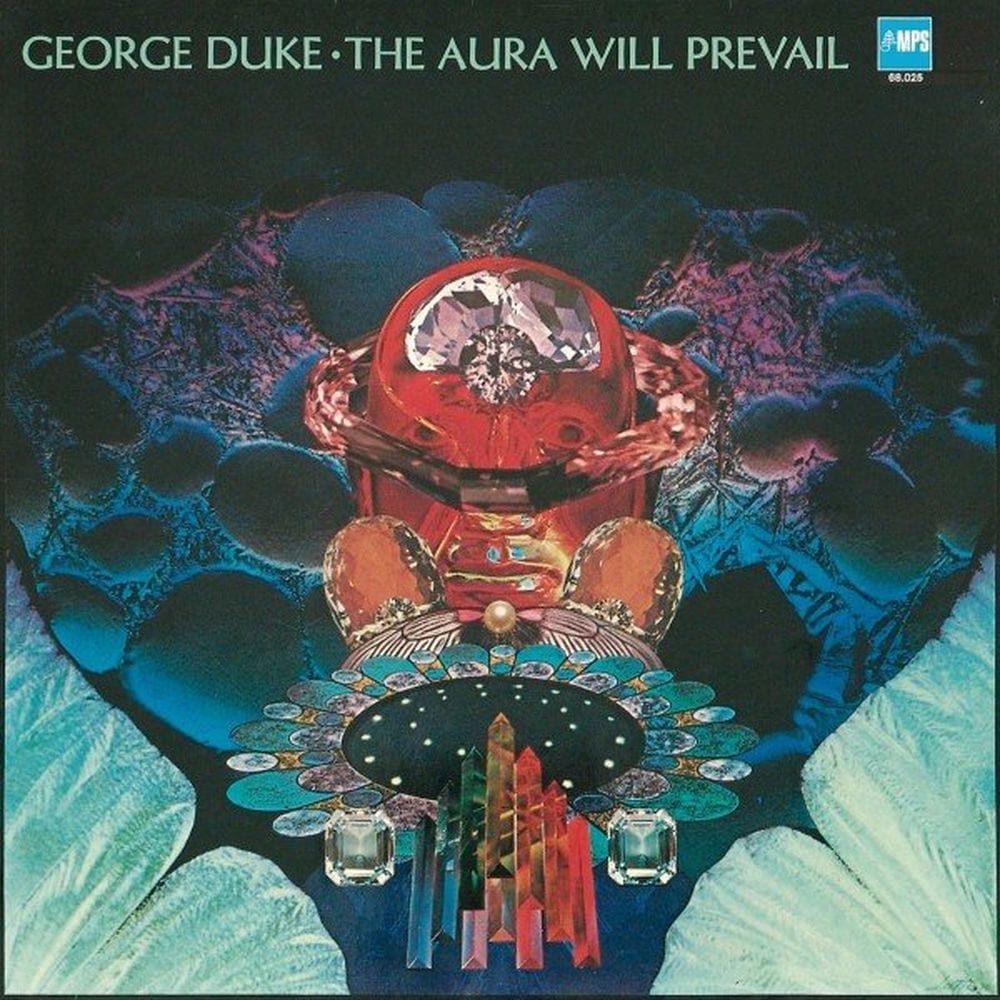
The Aura Will Prevail
1975
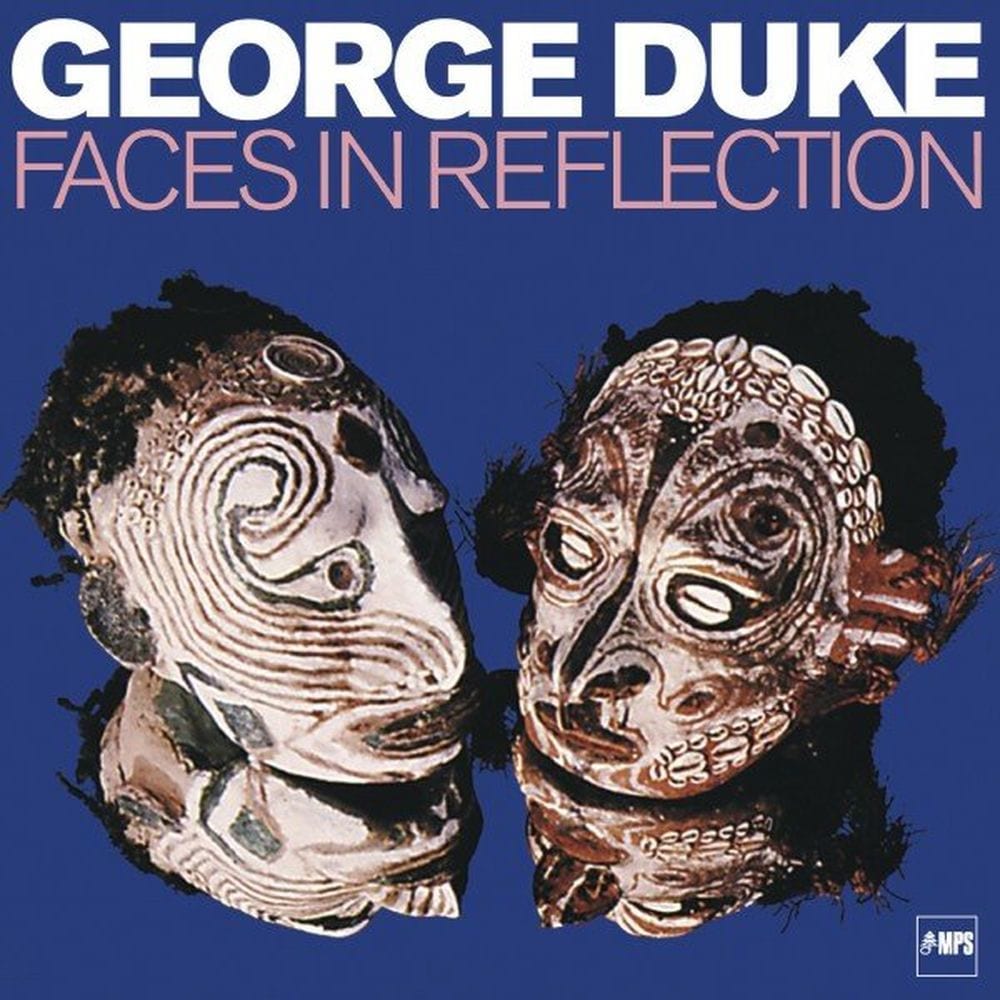
Faces in Reflection
1973
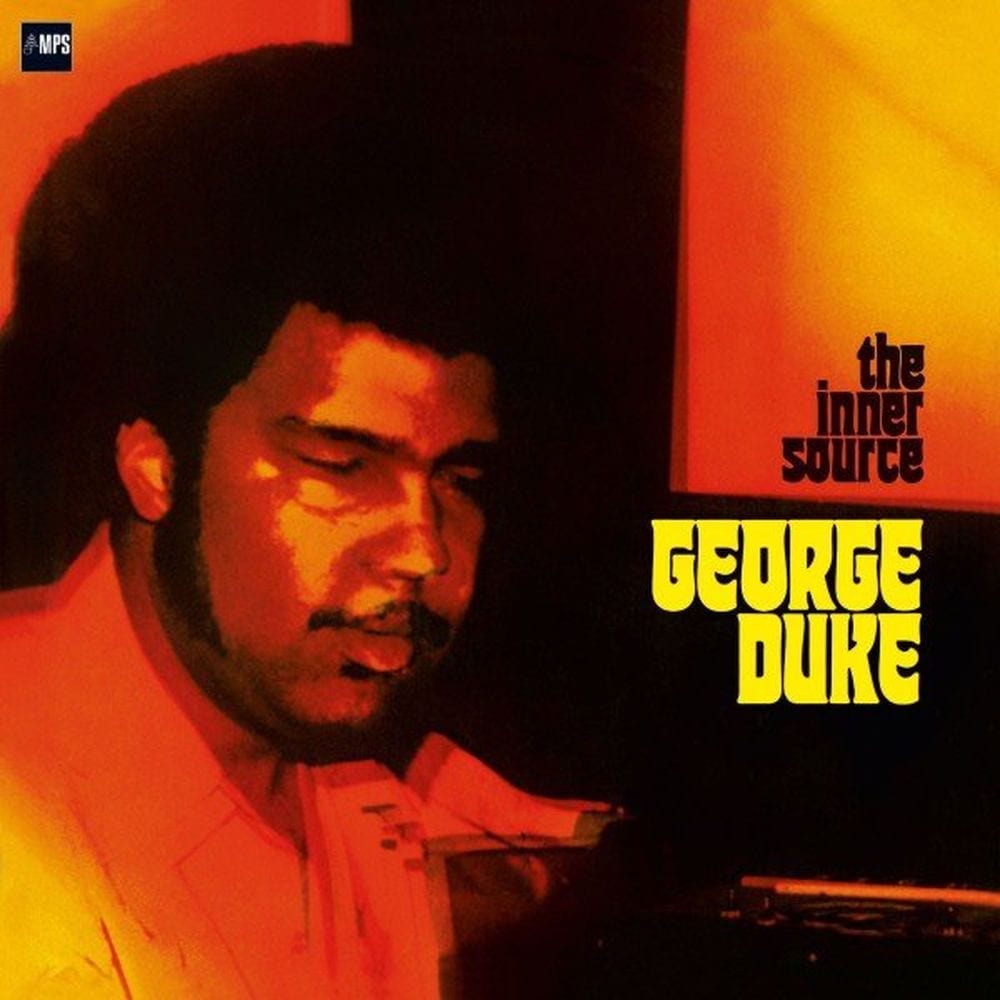
The Inner Source
1971
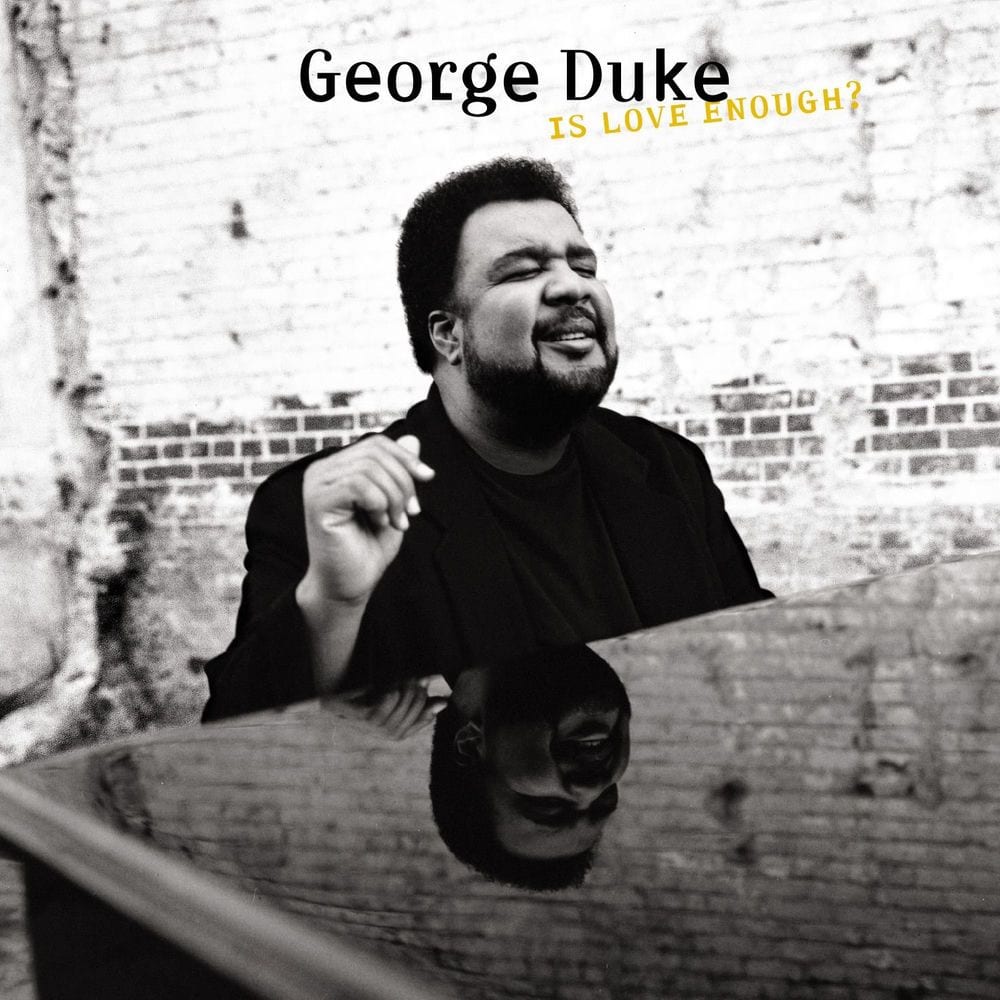
Is Love Enough?
1997
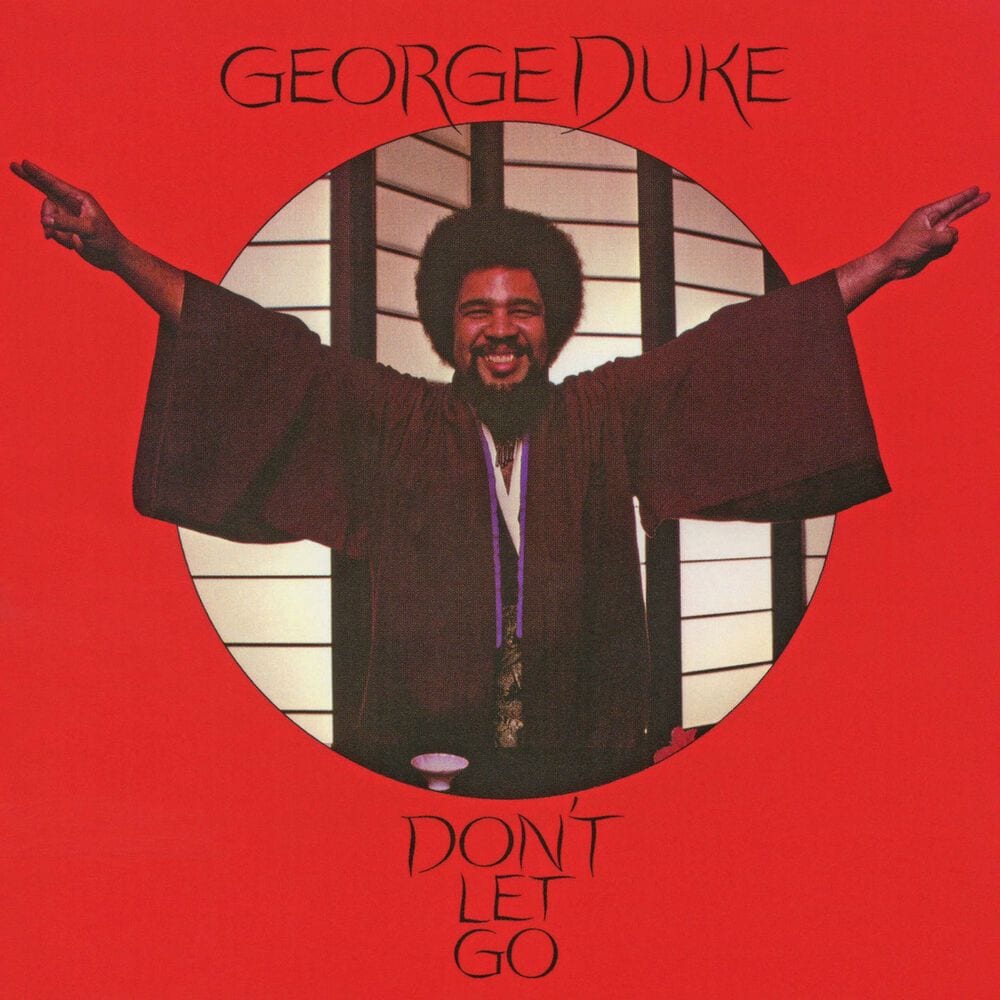
Don't Let Go
1978
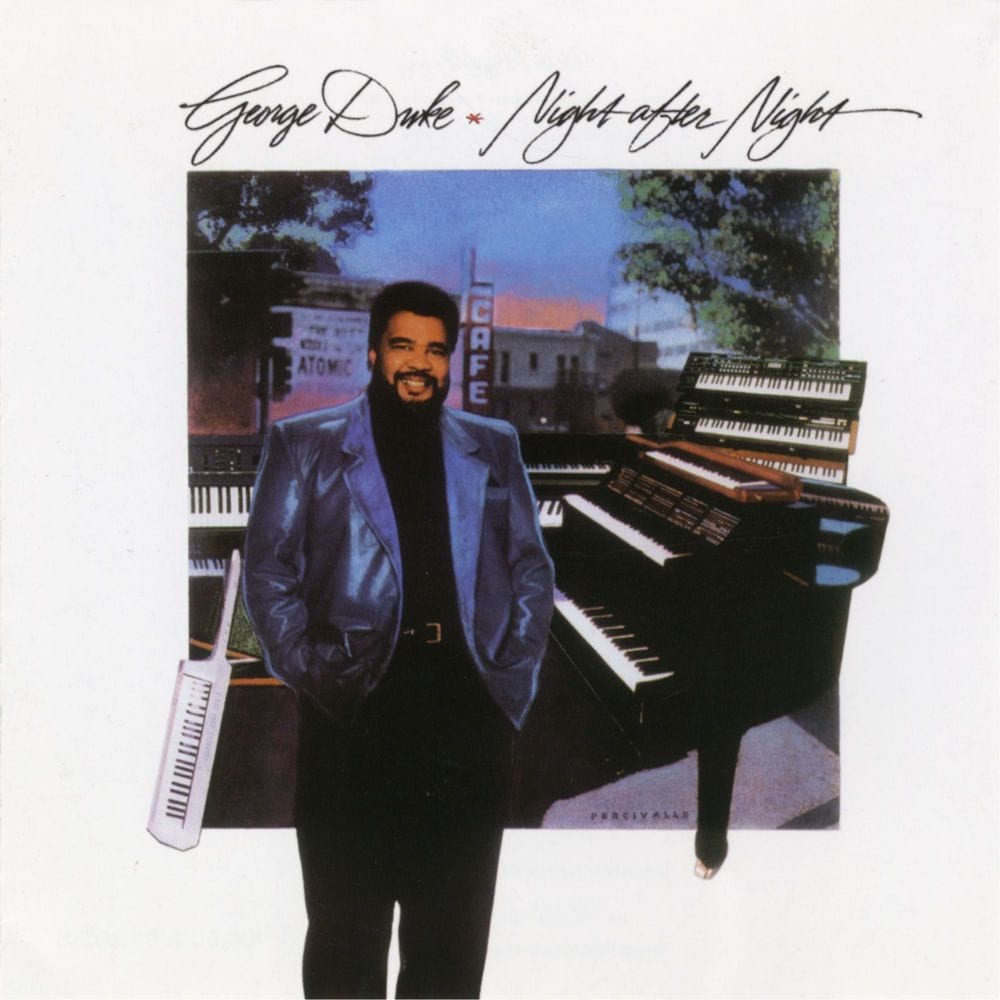
Night After Night
1989
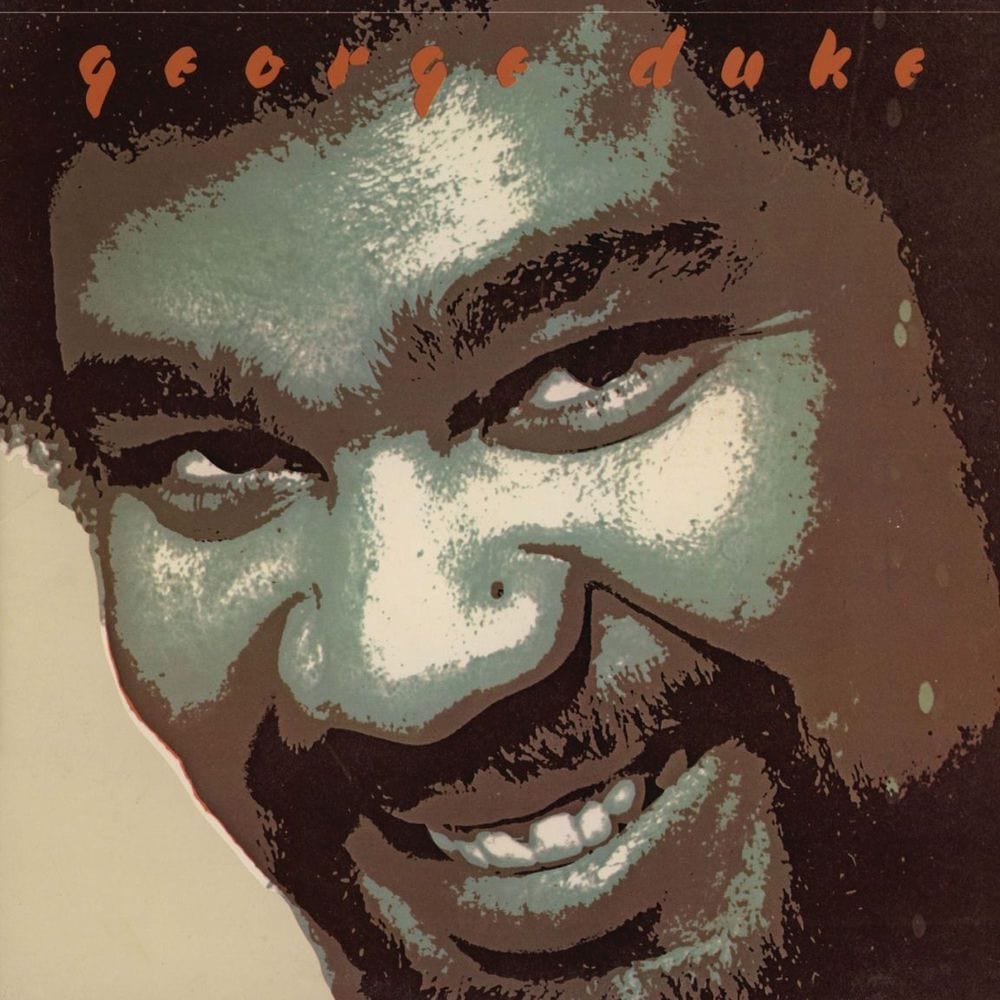
From Me to You
1977
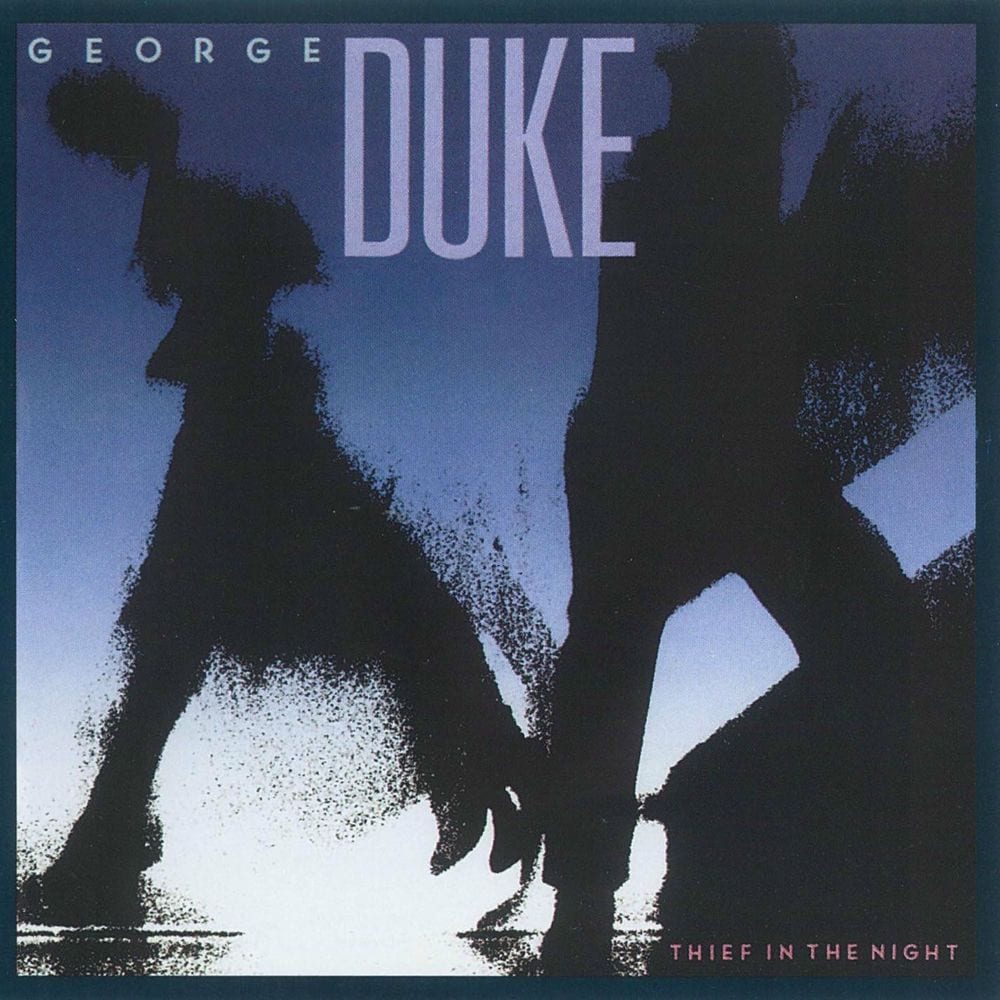
Thief in the Night
1985

Juicy (Remastered) (Live - Electric Ballroom, Dallas. New Year’s Day 1975)
2016

No Rhyme, No Reason: The Elektra / Warner Years 1985-2000
2022

Save The Country
2021
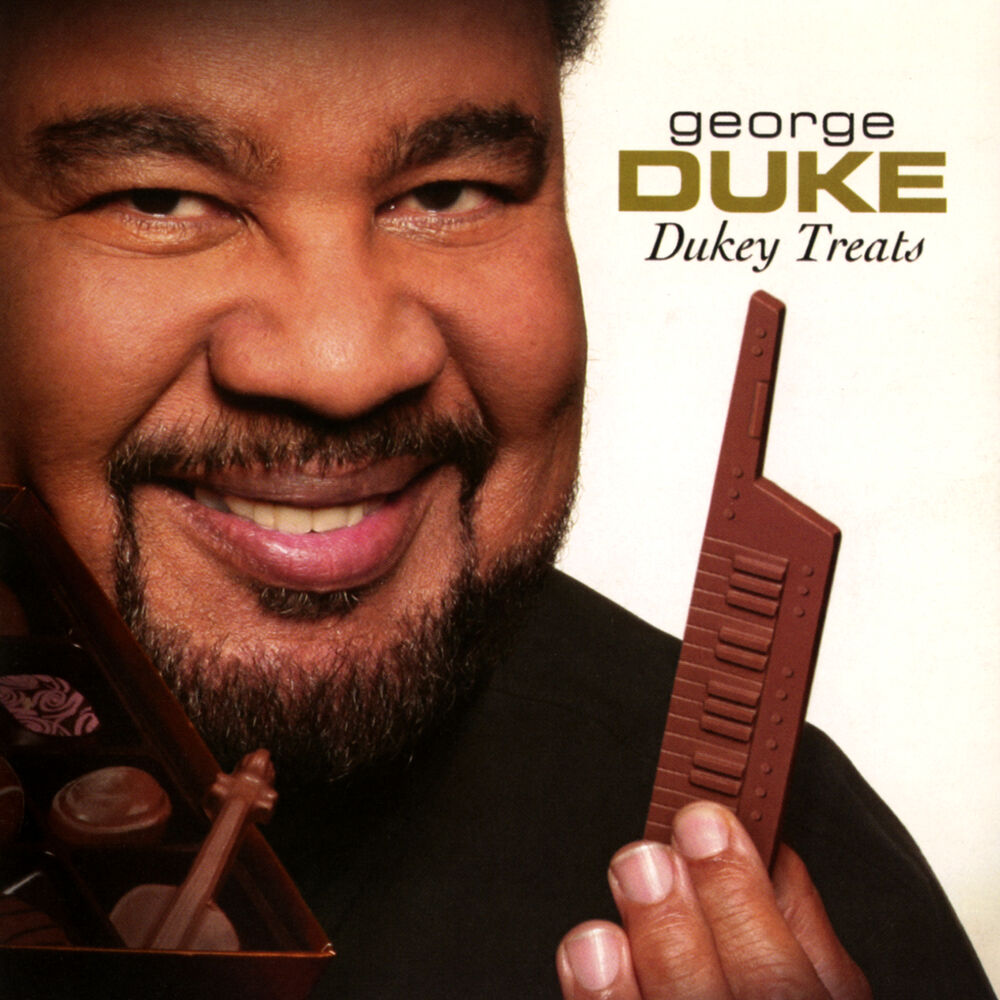
Dukey Treats
2018

No Rhyme, No Reason
2016
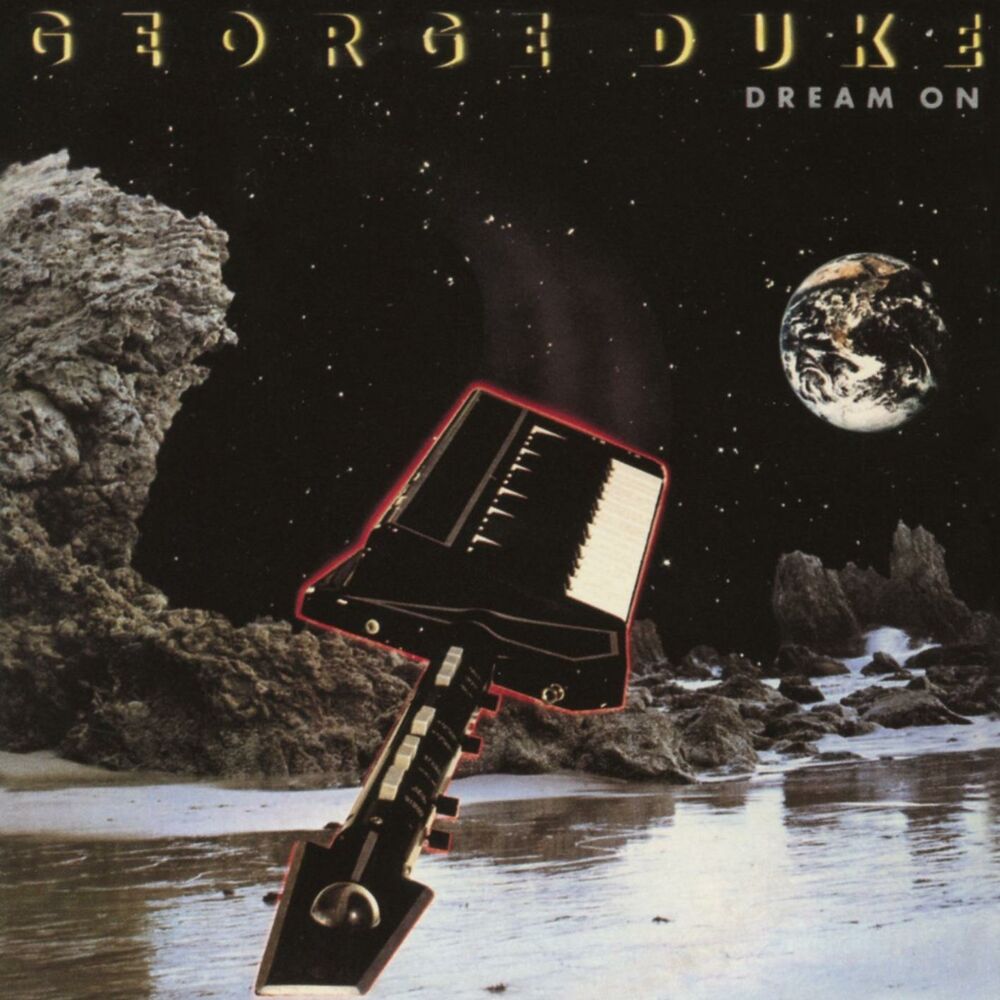
Dream On (Bonus Track Version)
2015

Feel
2015

Icons Of Jazz - George Duke
2015

The Era Will Prevail (The MPS Studio Years 1973-1976)
2015

Jazz Workshop 1966
2015

George Duke Collection
2014
Brazilian Fusion
2014

DreamWeaver
2013
George Duke
2010

Déjà Vu
2010

Liberated Fantasies
2008

I Love the Blues, She Heard Me Cry
2006

In A Mellow Tone
2006

Duke
2005

Jazz Moods - Midnight
2004
Jazz Moods - 'Round Midnight: George Duke
2004

Jazz Moods - 'Round Midnight
2004
Face The Music
2002
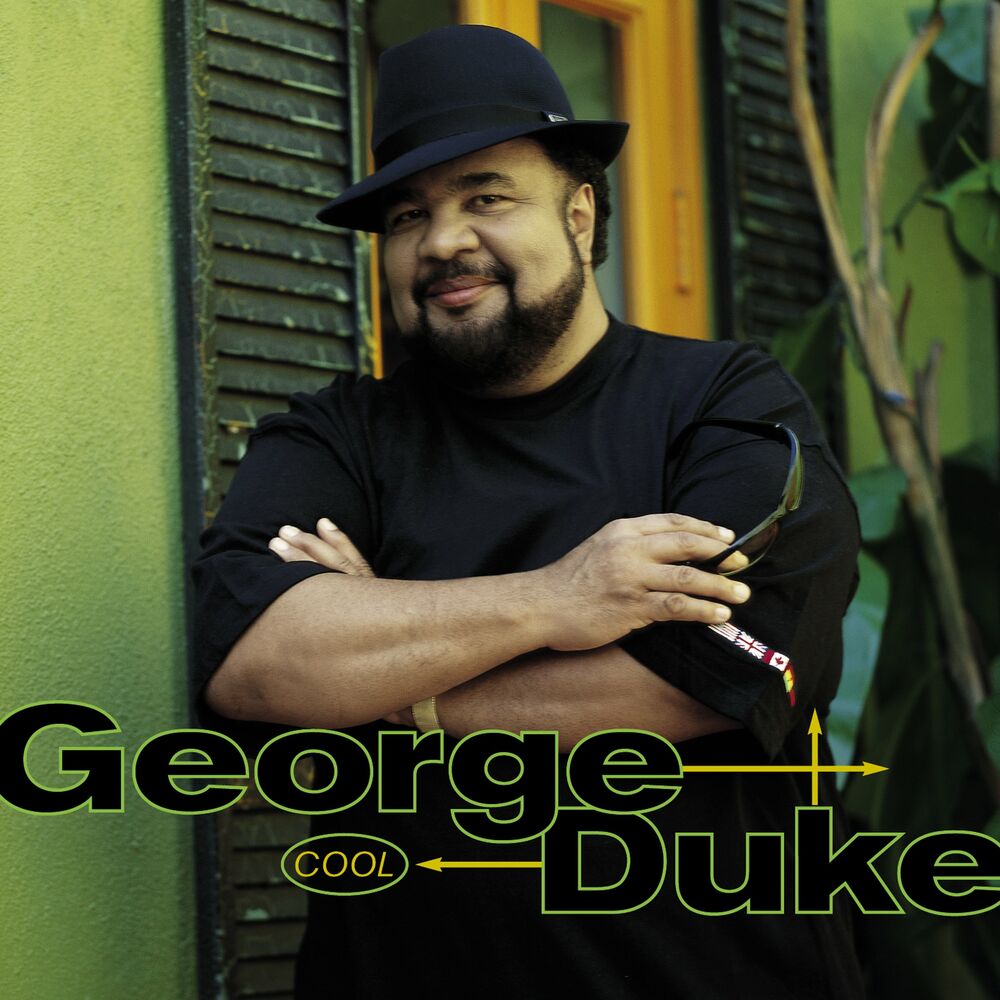
Cool
2000
This Is Jazz, Vol. 37 - George Duke
1998

This Is Jazz
1998
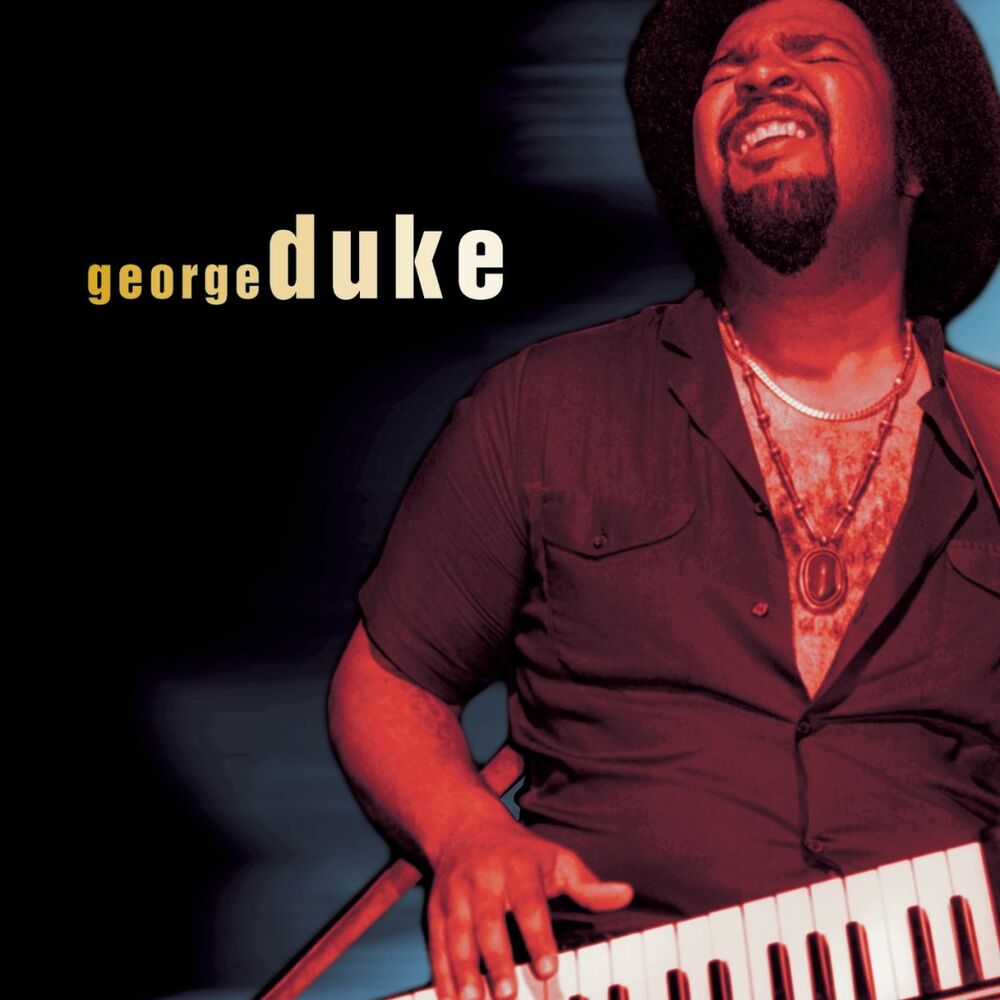
This Is Jazz #37- George Duke
1998
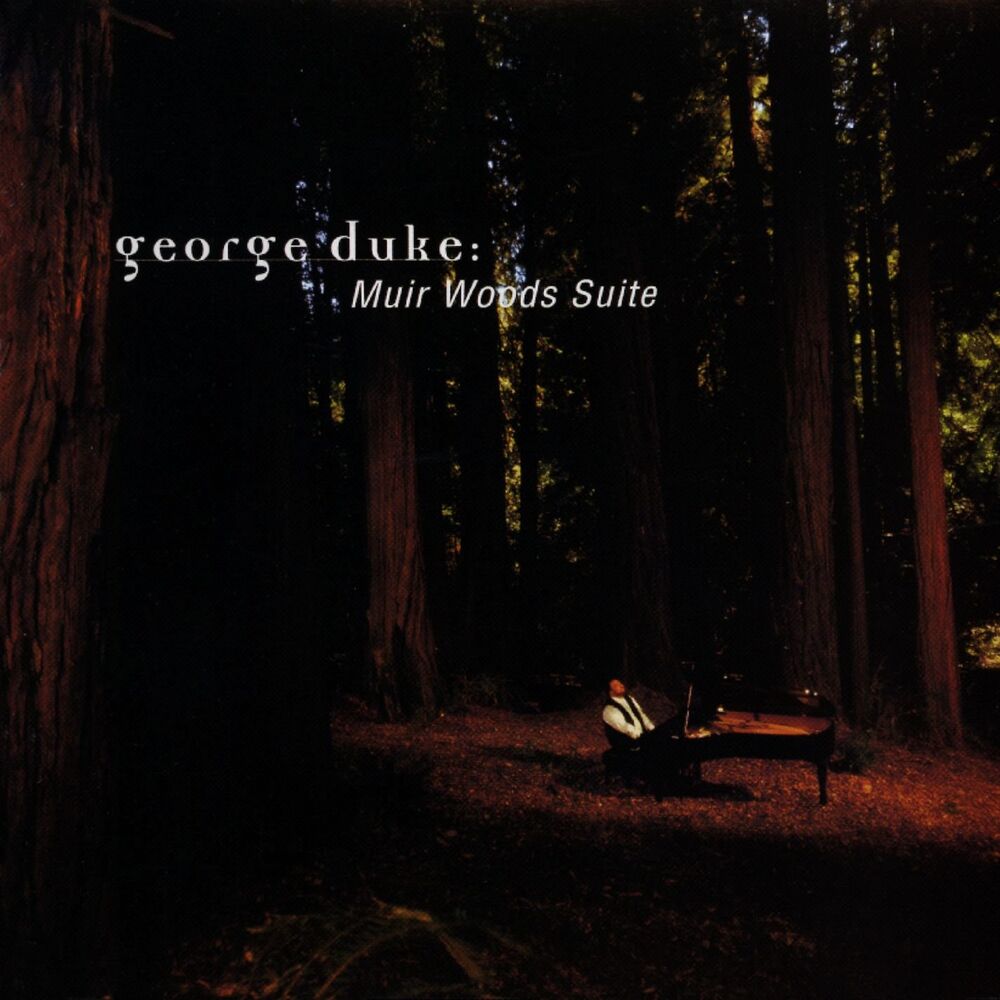
Muir Woods Suite
1993
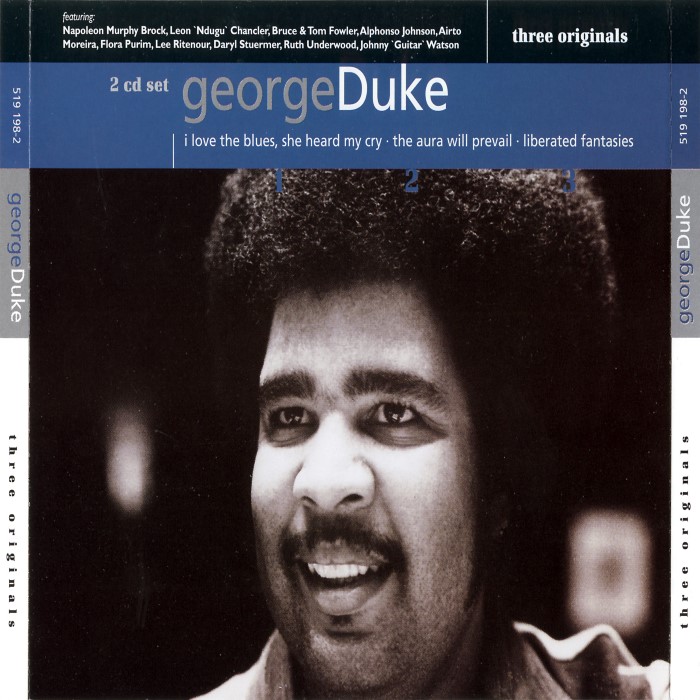
Three Originals
1993
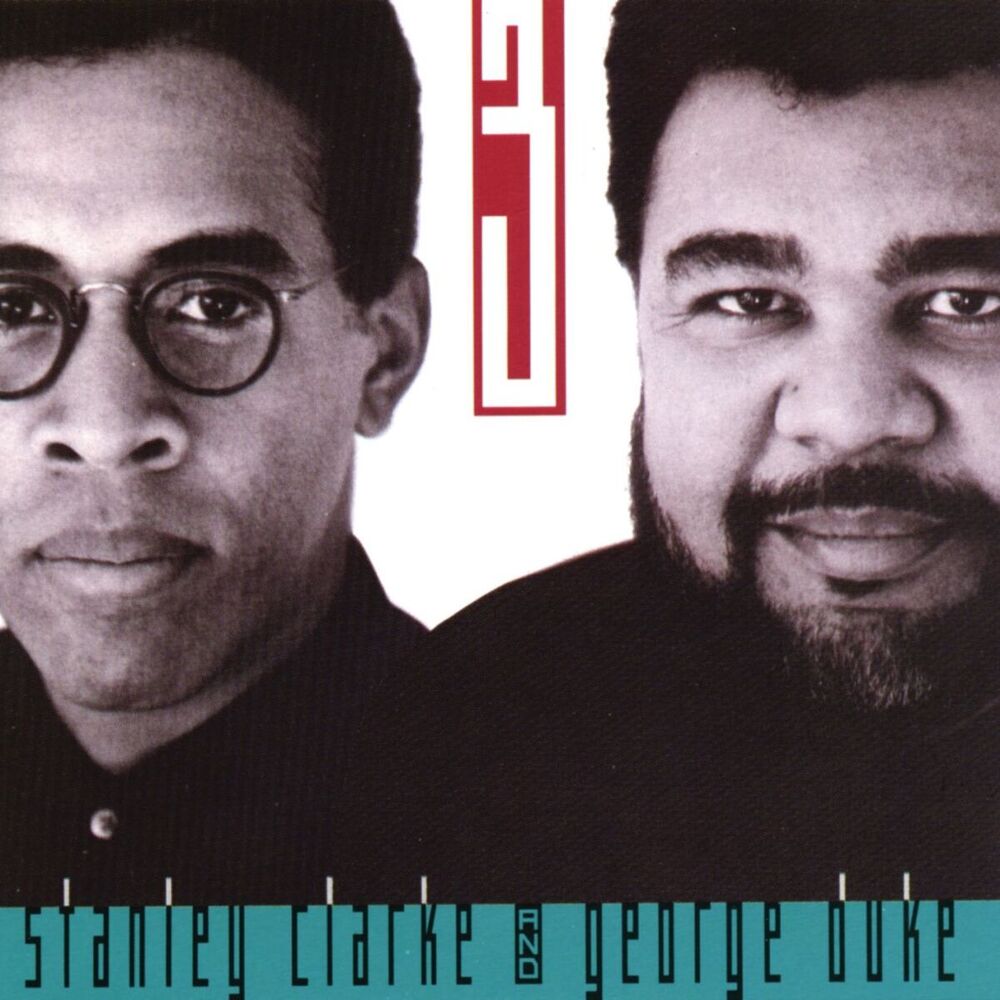
The Clarke/Duke Project Vol. 3
1992

Reach For It
1991
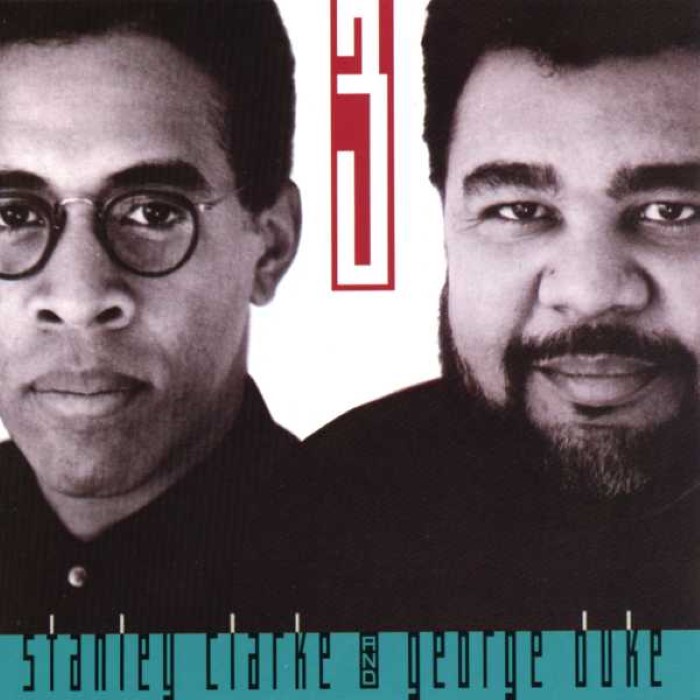
3
1990
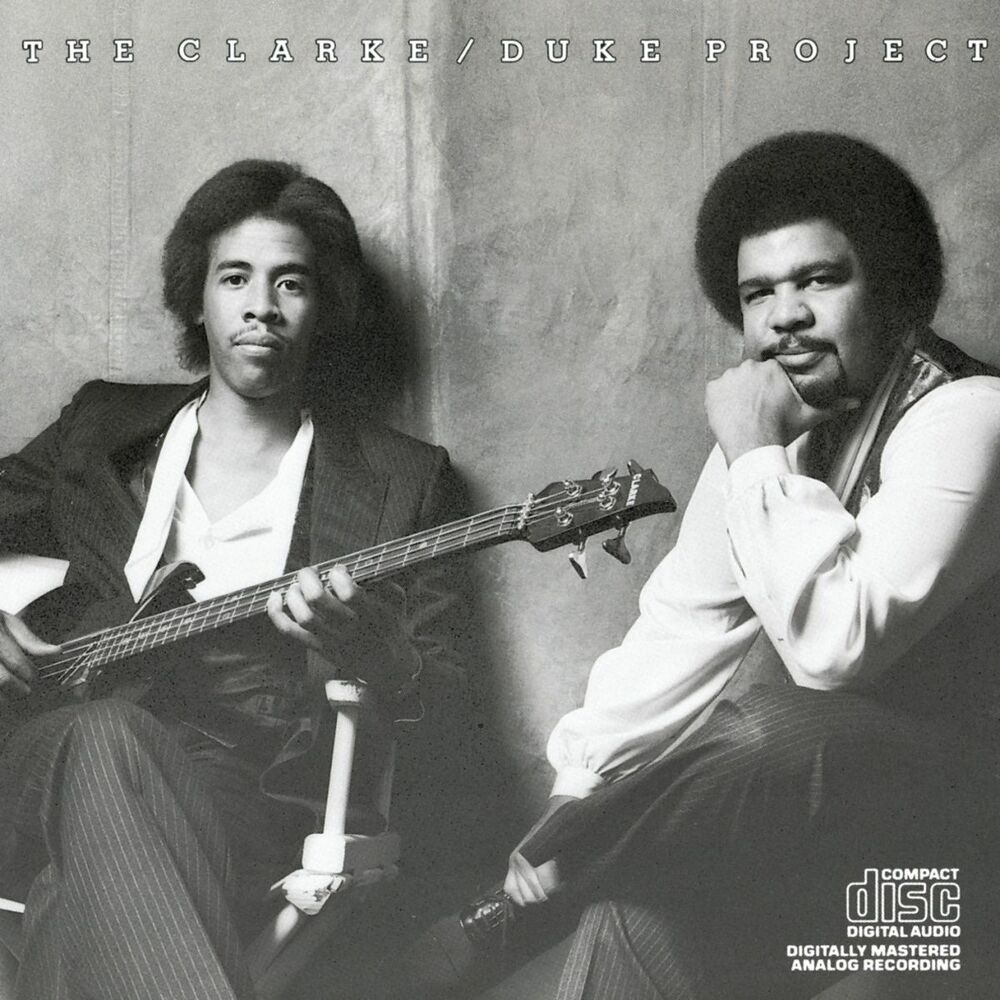
The Clarke/Duke Project
1985

Rendezvous (Expanded Edition)
1984
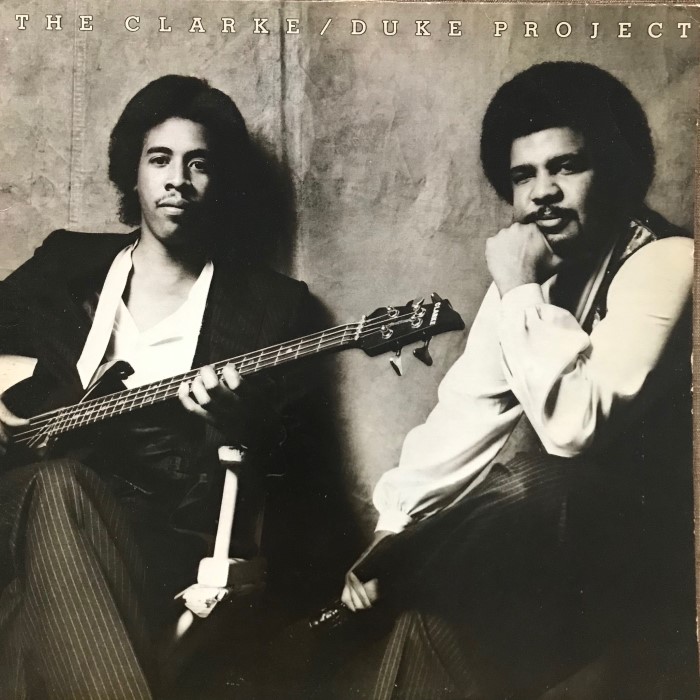
The Clarke / Duke Project, Volume 1
1981

Master of the Game (Expanded Edition)
1979

Brazilian Love Affair (Expanded Edition)
1979


Singles & EPs
5![Superwoman (feat. IQ Musique) [Iq Musique Redone] cover](https://is1-ssl.mzstatic.com/image/thumb/Music211/v4/de/0c/74/de0c7428-ae91-4afb-a9a5-ad727a160a09/5056760520383.png/1200x1200bb.jpg)


Live & compilations
5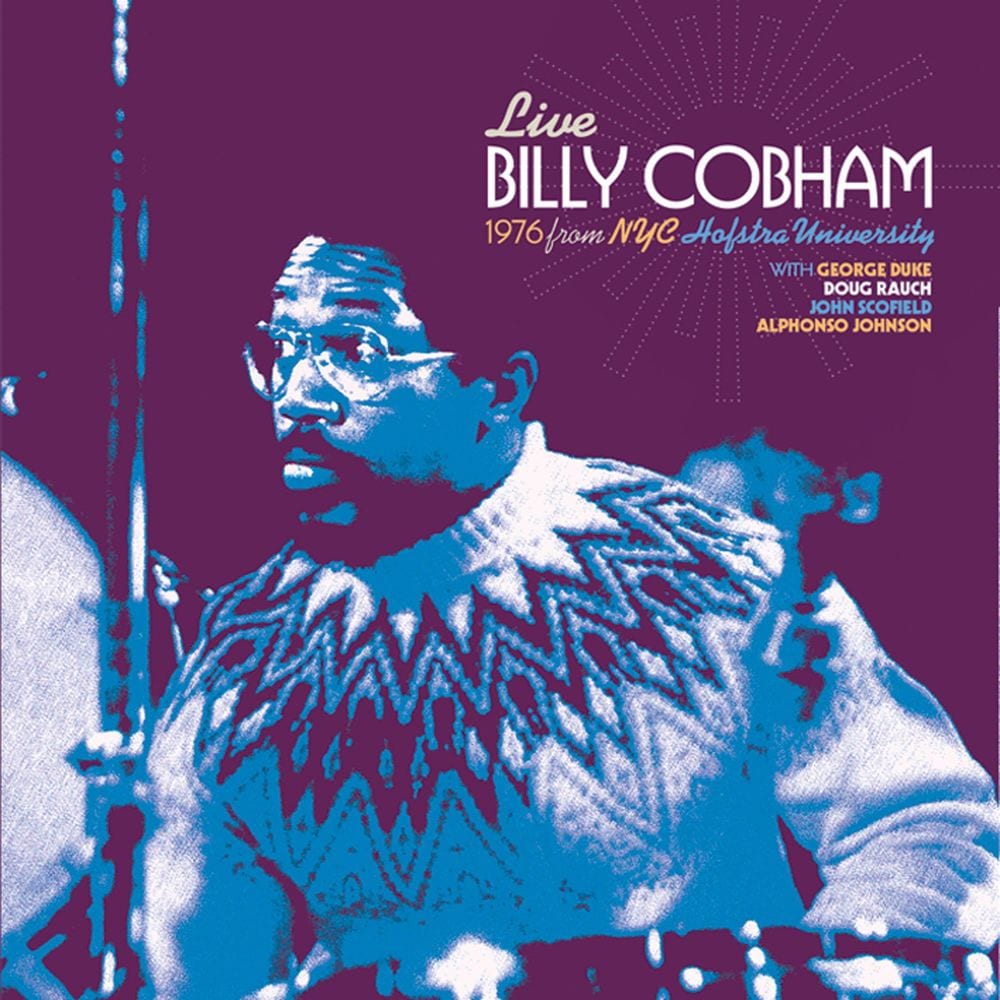
Live at Hofstra University, New York, 1976 (Live at Hofstra University, New York, 1976)
Live · 2016

Live from Electric Ballroom in Dallas Texas, 1975 (Live from Electric Ballroom in Dallas Texas, 1975)
Live · 2015

The Best of the MPS Years
Compilation · 2022
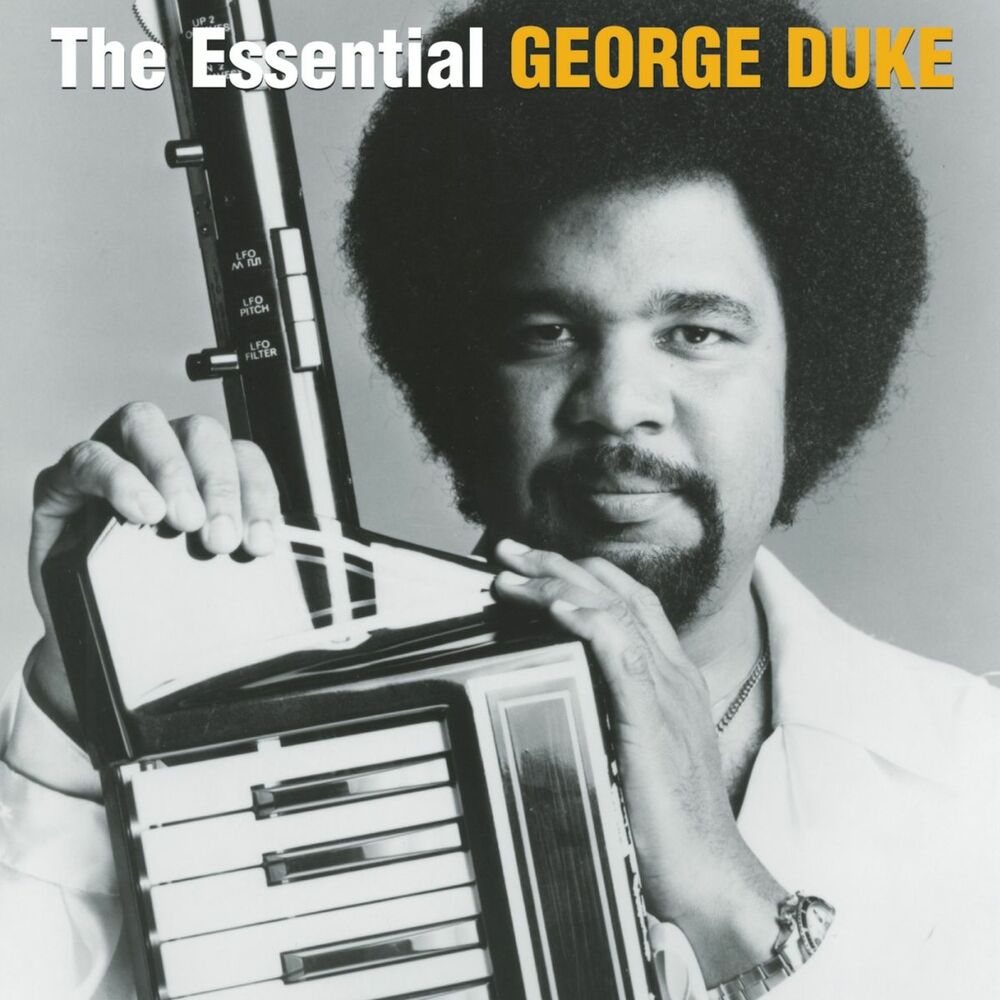
The Essential George Duke
Compilation · 2006

George Duke Greatest Hits
Compilation · 1996


Credits
9Records George Duke worked on for other artists — the roles are as credited on each release.
Discovery
Daft Punk · 2001
Writer
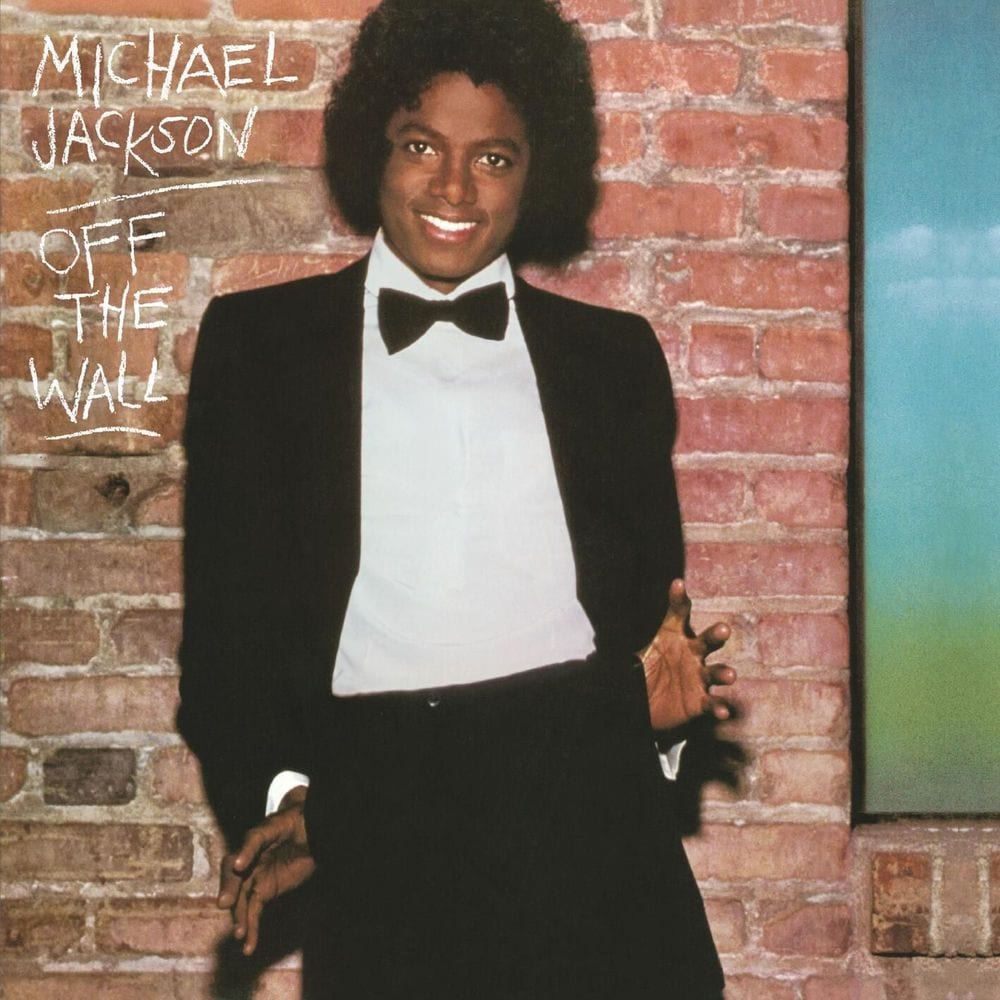
Off the Wall
Michael Jackson · 1979
Musician · 2 songs
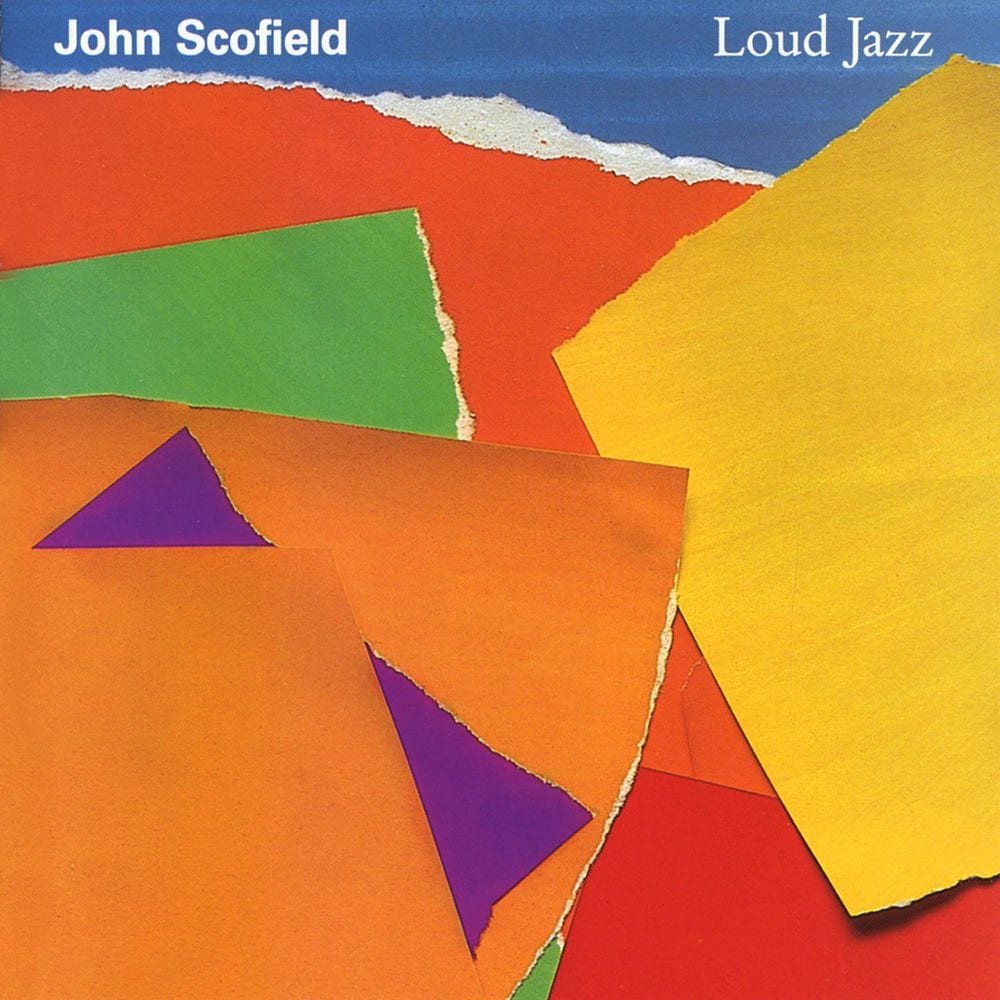
Loud Jazz
John Scofield · 1987
Musician · 5 songs
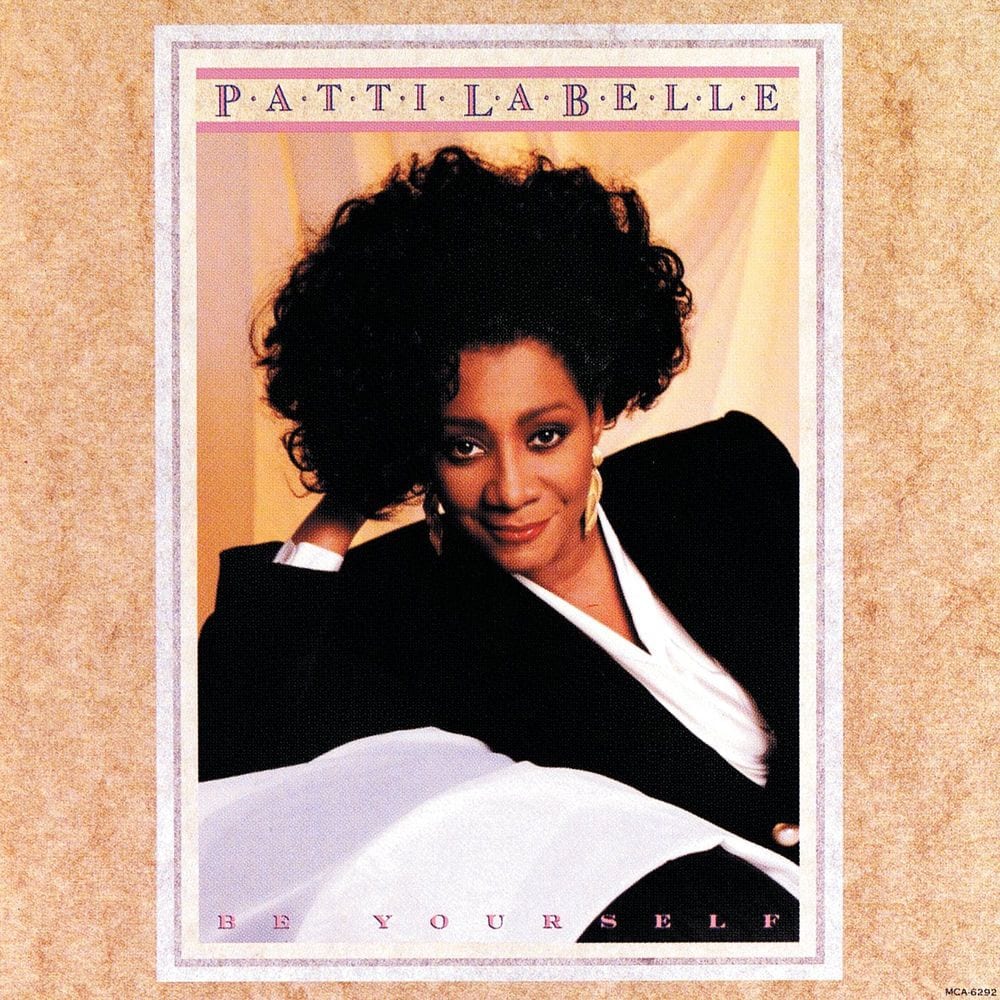
Be Yourself
Patti LaBelle · 1989
Musician
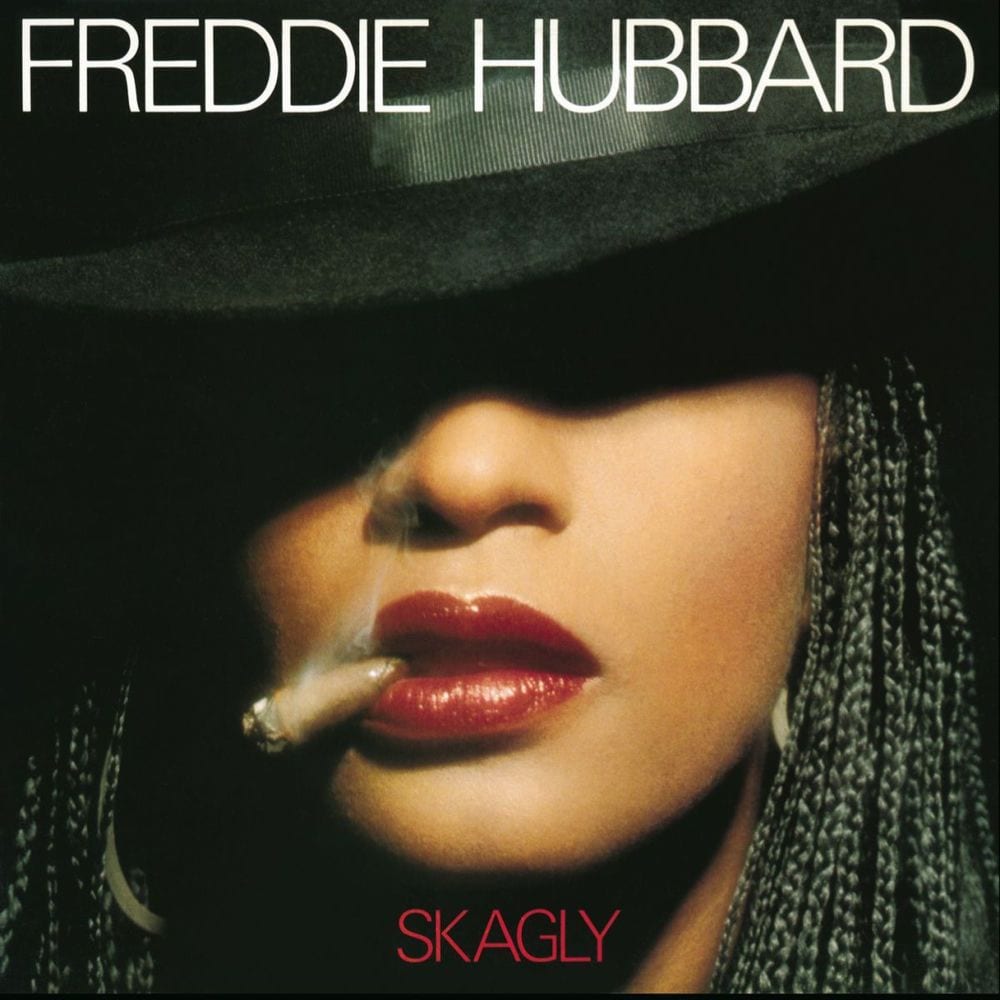
Skagly
Freddie Hubbard · 1980
Musician
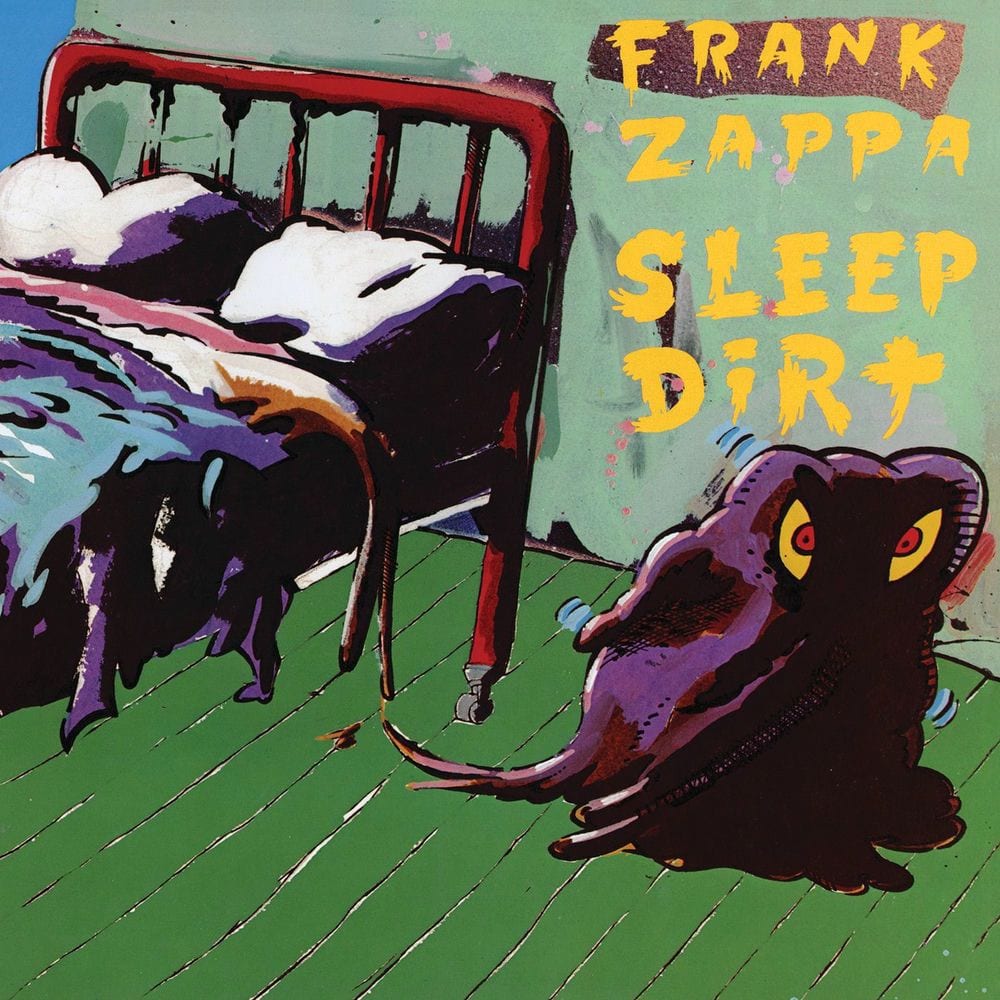
Sleep Dirt
Frank Zappa · 1979
Musician · 3 songs
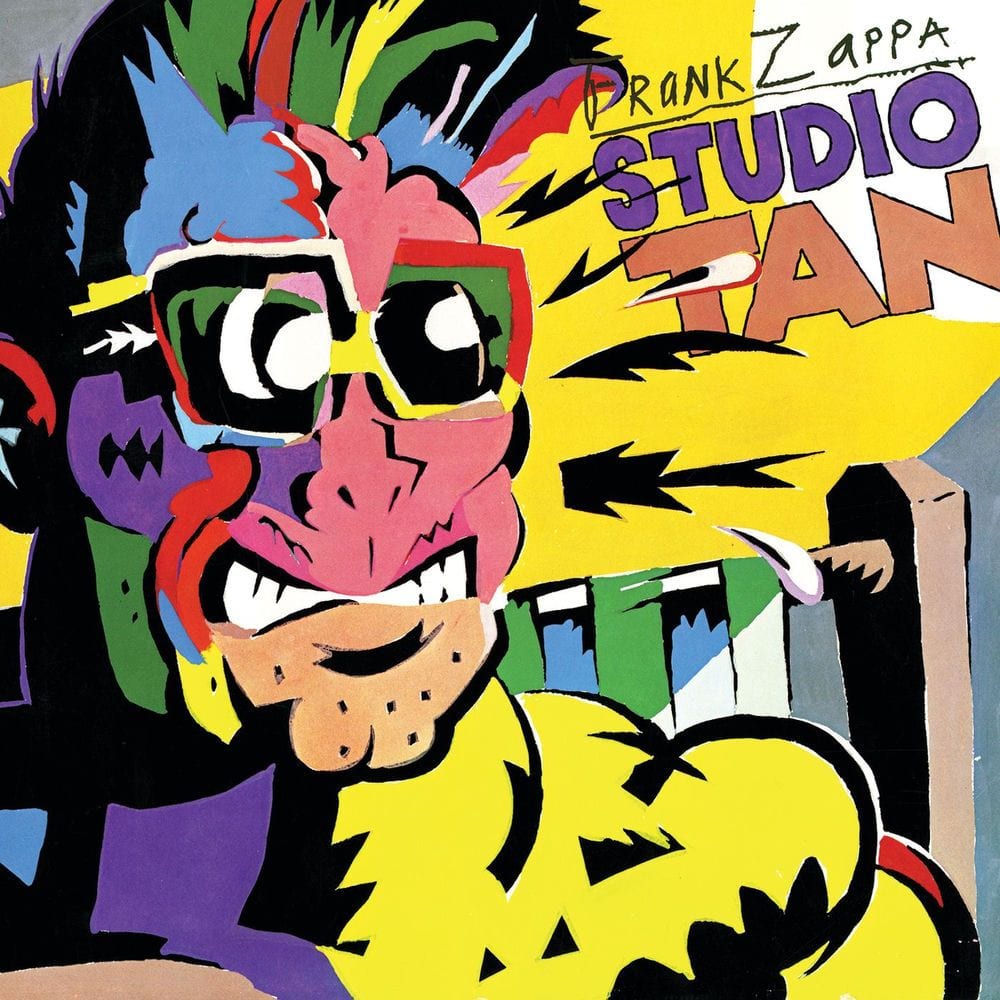
Studio Tan
Frank Zappa · 1978
Musician
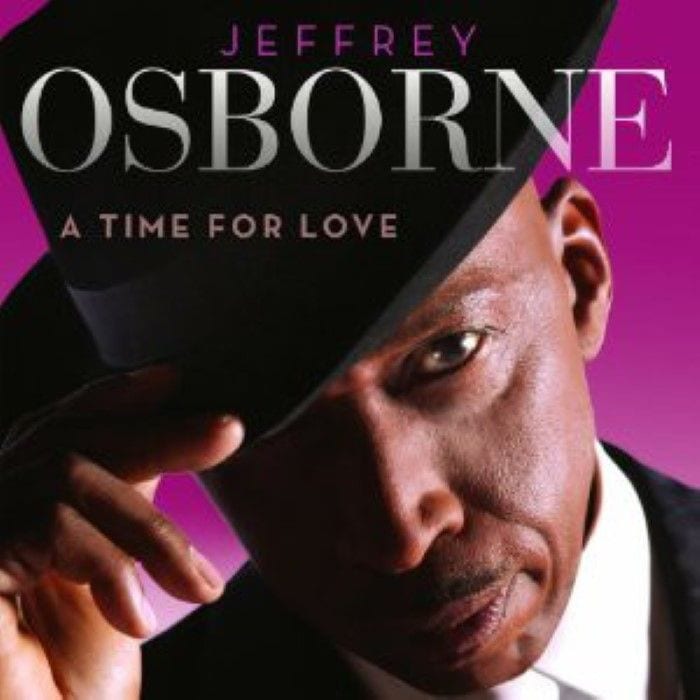
A Time for Love
Jeffrey Osborne · 2013
Producer, Musician · 12 songs
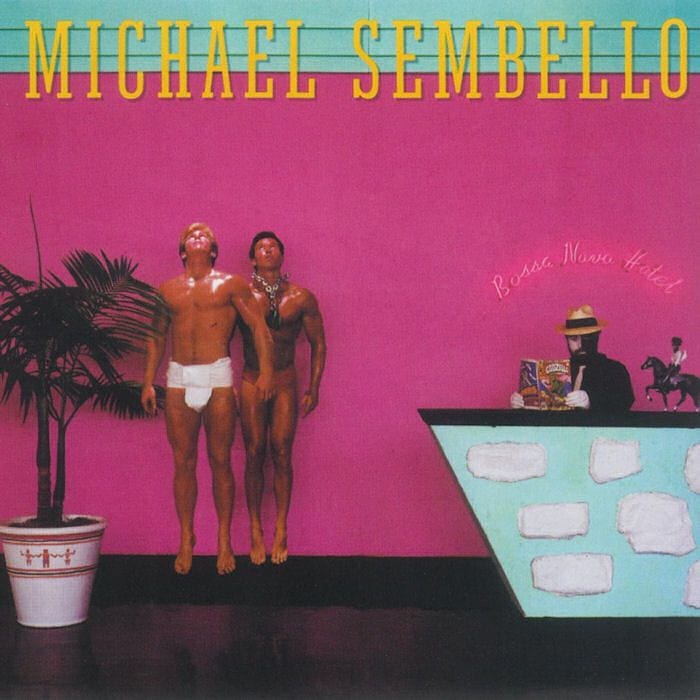
Bossa Nova Hotel
Michael Sembello · 1983
Musician


Appears on
6Releases by other artists featuring George Duke.


Featured tracks
3Collaborators
3


Community
More about George Duke
George Duke at a glance
- Born in
- San Rafael
- From
- United States
- Active since
- 1966
- Instruments
- piano, synthesizer, musical keyboard, electronic keyboard, voice
- Member of
- The Mothers of Invention
- Labels
- Atlantic Records, Epic Records, Elektra, Warner Bros. Records, Pacific Jazz Records
- Educated at
- San Francisco State University, San Francisco Conservatory of Music, Sir Francis Drake High School, Tamalpais High School
Facts from Wikidata (CC0). Children listed are those with their own public record, so the list may be incomplete.
About
George Duke (January 12, 1946 – August 5, 2013) was an American musician, known as a keyboard pioneer, composer, singer and producer in both jazz and popular mainstream musical genres. He worked with numerous acclaimed artists as arranger, music director, writer and co-writer, record producer and as a professor of music. He first made a name for himself with the album The Jean-Luc Ponty Experience with the George Duke Trio. He was known primarily for thirty-odd solo albums as well as for his collaborations with other musicians, particularly Frank Zappa. Duke attended Tamalpais High School in Mill Valley before earning a bachelor's degree in trombone and composition with a minor in contrabass, from the San Francisco Conservatory in 1967. Playing initially with friends from garages to local clubs, Duke quickly eased his way into session work, which refined his abilities and expanded his approach to music. He later earned his Masters Degree in composition from San Francisco State University. He also taught a course on Jazz And American Culture at Merritt College in Oakland.
Read moreRead less
Beginning in 1967 Duke experimented further with jazz fusion, playing and recording with violinist Jean-Luc Ponty, as well as performing with the Don Ellis Orchestra, and Cannonball Adderley's band, while he acquainted himself with Frank Zappa. Duke appeared on a number of Frank Zappa's albums through the 1970s. Duke served as a record producer and composer on two instrumental tracks on Miles Davis albums: "Backyard Ritual" (from Tutu, 1986) and "Cobra" (from Amandla, 1989). He has also worked with a number of notable Brazilian musicians, including singer Milton Nascimento, percussionist Airto Moreira and singer Flora Purim. Sheila E appeared on Duke's late-1970s solo albums Don't Let Go and Master of the Game. Duke was prominent in the R&B genre, releasing funk-based songs like "Reach for It" and "Dukey Stick". In 1979 he traveled to Rio de Janeiro, where he recorded the album A Brazilian Love Affair, on which he employed singers Flora Purim and Milton Nascimento and percussionist Airto Moreira. The album contained music in a wide assortment of genres, including some Latin jazz and jazz-influenced material. From a jazz standpoint, the album's most noteworthy songs include Nascimento's "Cravo e Canela," "Love Reborn," and "Up from the Sea It Arose and Ate Rio in One Swift Bite." The track "Brazilian Sugar" was featured on the 2006 video game Dead or Alive Xtreme 2. Meanwhile, Nascimento's vocal on the ballad "Ao Que Vai Nascer" is an example of Brazilian pop at its most sensuous. The 1992 film Leap of Faith featured gospel songs and choir produced by George Duke and choir master Edwin Hawkins. Duke worked as musical director at numerous large-scale musical events, including the Nelson Mandela tribute concert at Wembley Stadium, London in 1988. In 1989, he temporarily replaced Marcus Miller as musical director of NBC's acclaimed late-night music performance program Sunday Night during its first season. Duke was also a judge for the second annual Independent Music Awards to support independent artists' careers. Duke worked with Jill Scott on her third studio album, The Real Thing: Words and Sounds Vol. 3; guesting on the track, "Whenever You're Around". In the summer of 2011, he put together a trio with David Sanborn and Marcus Miller for a tour across the US of more than 20 sold out shows. Duke died August 5, 2013 in Los Angeles from chronic lymphocytic leukemia. He was 67 and is survived by his sons, Rashid and John. Duke's songs have been used by a wide variety of contemporary musicians in a wide array of genres. These include: "I Love You More", sampled by house music-act Daft Punk for their hit "Digital Love"; "Guilty", sampled by electronica music artist Mylo in his song "Guilty of Love" on Destroy Rock & Roll. "For Love", sampled by underground hip hop artist MF Doom on his track "I Hear Voices"; "Someday", sampled by hip hop artist/producer Kanye West for Common in "Break My Heart" on his "Finding Forever" album; "You and Me", sampled and used by soul/rhythm and blues influenced hip hop-producer 9th Wonder for his collaboration album with Kaze for the track "Spirit Of '94" on the album Spirit Of '94: Version 9.0; and "Reach for It", sampled by Ice Cube in "True to the Game" on his Death Certificate album and Spice 1 in "In My Neighborhood" on his self-titled debut album, and sampled by W.C. & The Maad Circle (featuring Mack 10 & Ice Cube) in "West Up" on their "Curb Servin'" album. Madlib utilized Duke's "My Soul" on the track "Mingus" from his "Madlib Medicine Show #8: Advanced Jazz" album. Duke was nominated for a Grammy as Best Contemporary Jazz Performance for After Hours in 1999. By popular vote, Duke was inducted into The SoulMusic Hall Of Fame at SoulMusic.com in December 2012.
George Duke in brief
- How many George Duke releases are on Riffiter?
- 62 releases are catalogued, spanning 1971 to 2026.
- What genre is George Duke?
- George Duke is catalogued under Fusion.
- What is the most recent George Duke release on Riffiter?
- Superwoman (feat. IQ Musique) [Iq Musique Redone], released in 2026.


