

Dr. John
Dr. John is a blues artist from United States formed in 1968. 157 releases are catalogued on Riffiter.
Blues · United States · Best blues albums
- 157
- Releases
- 1958–2026
- Active years
- 1968
- Formed
Discography
69Rank them 1 vs 1 →Two covers at a time. Pick the one you rate higher, we build the order.
Most popular
Locked Down
2012 · 10 tracks
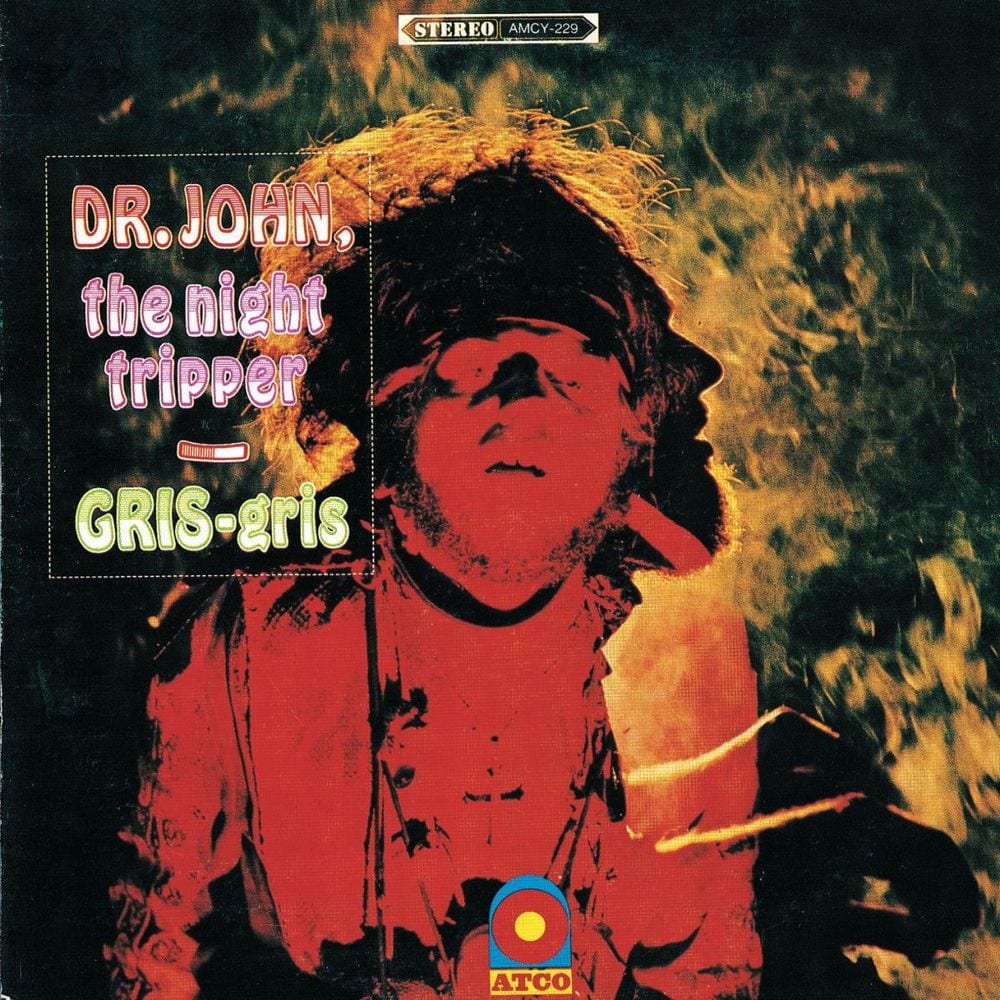
Gris-Gris
1968
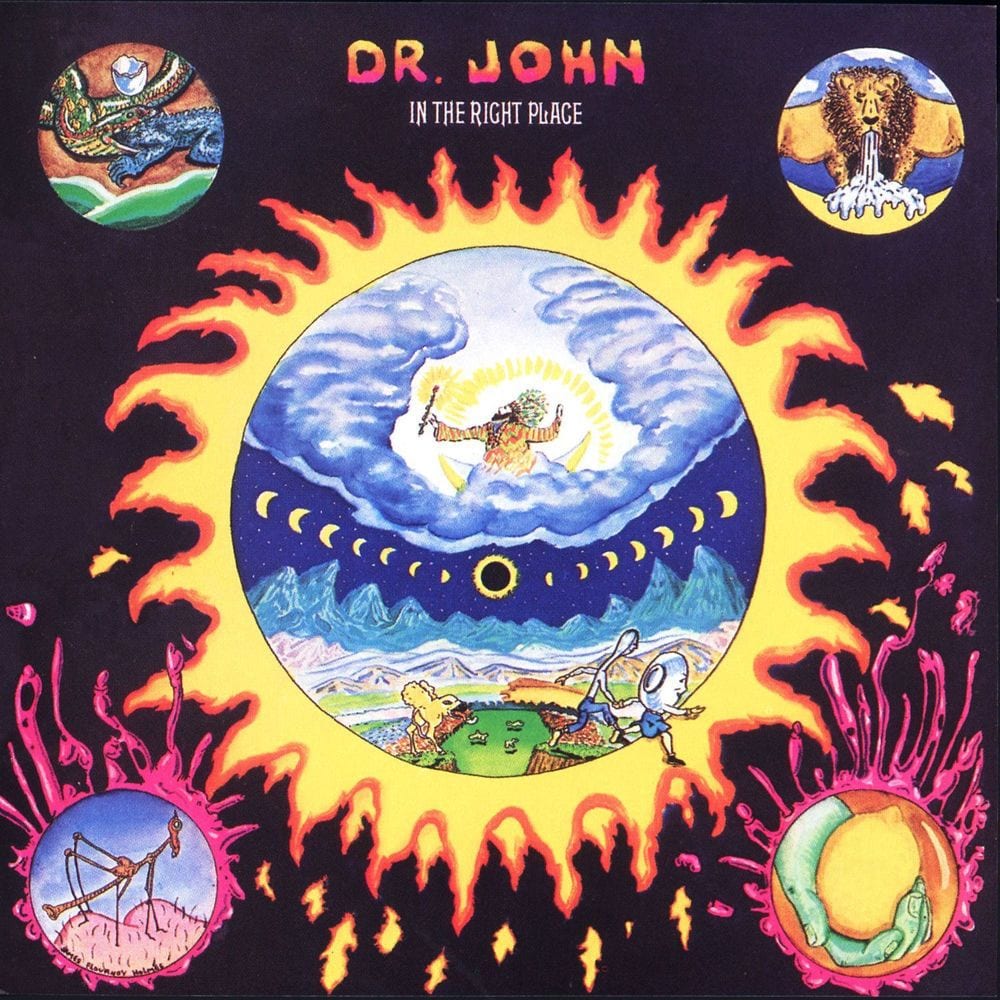
In the Right Place
1973
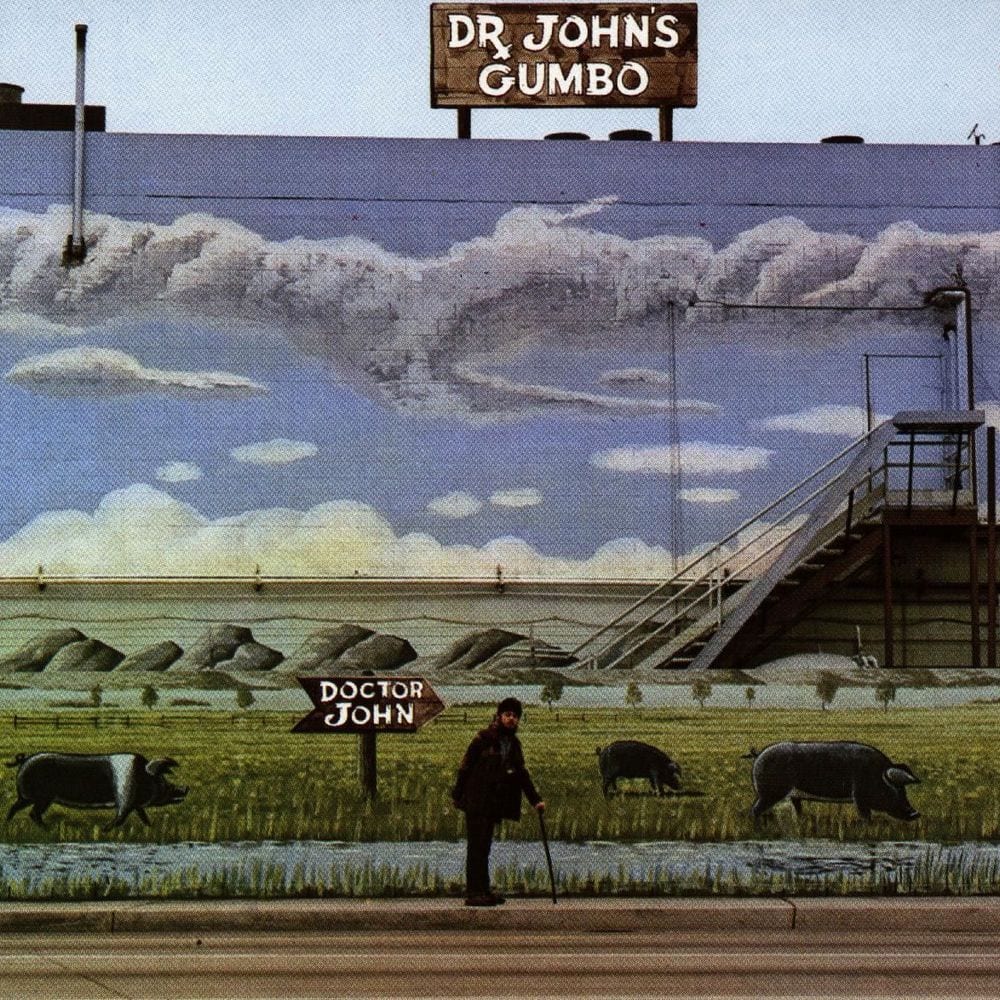
Dr. John's Gumbo
1972
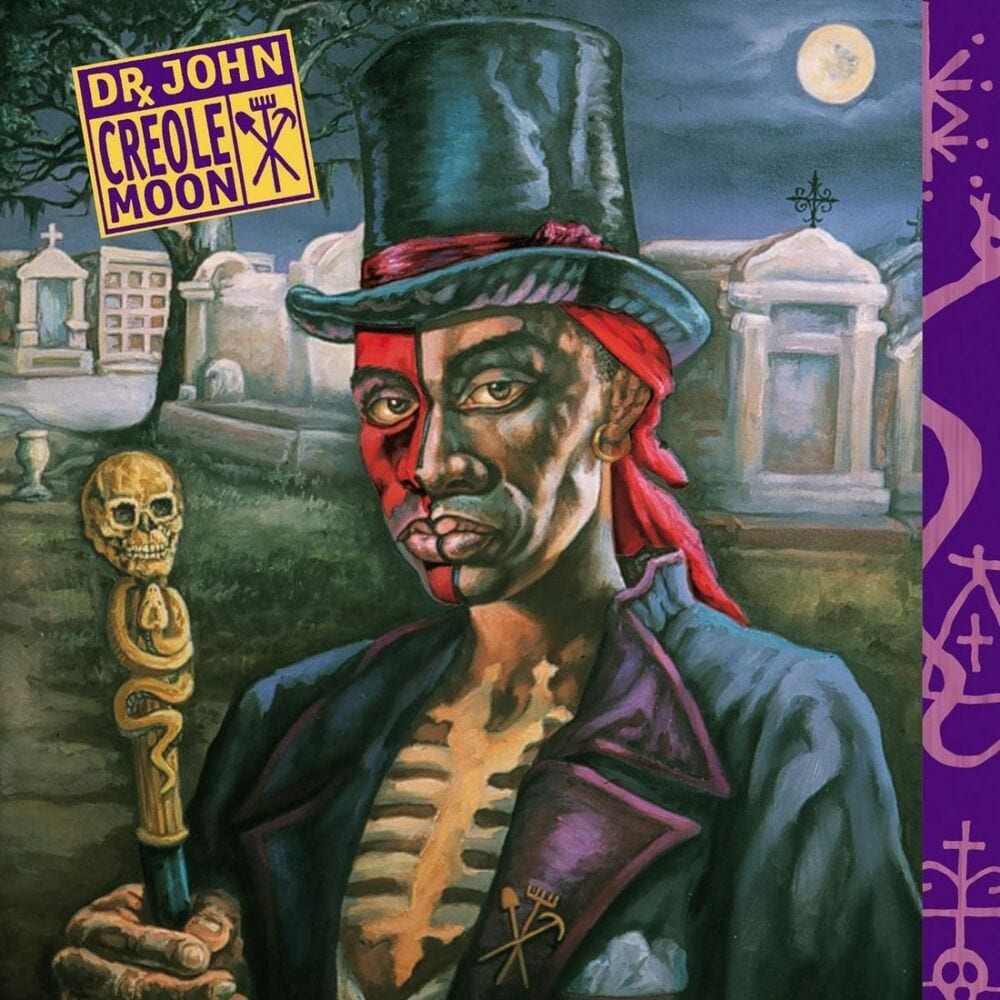
Creole Moon
2001
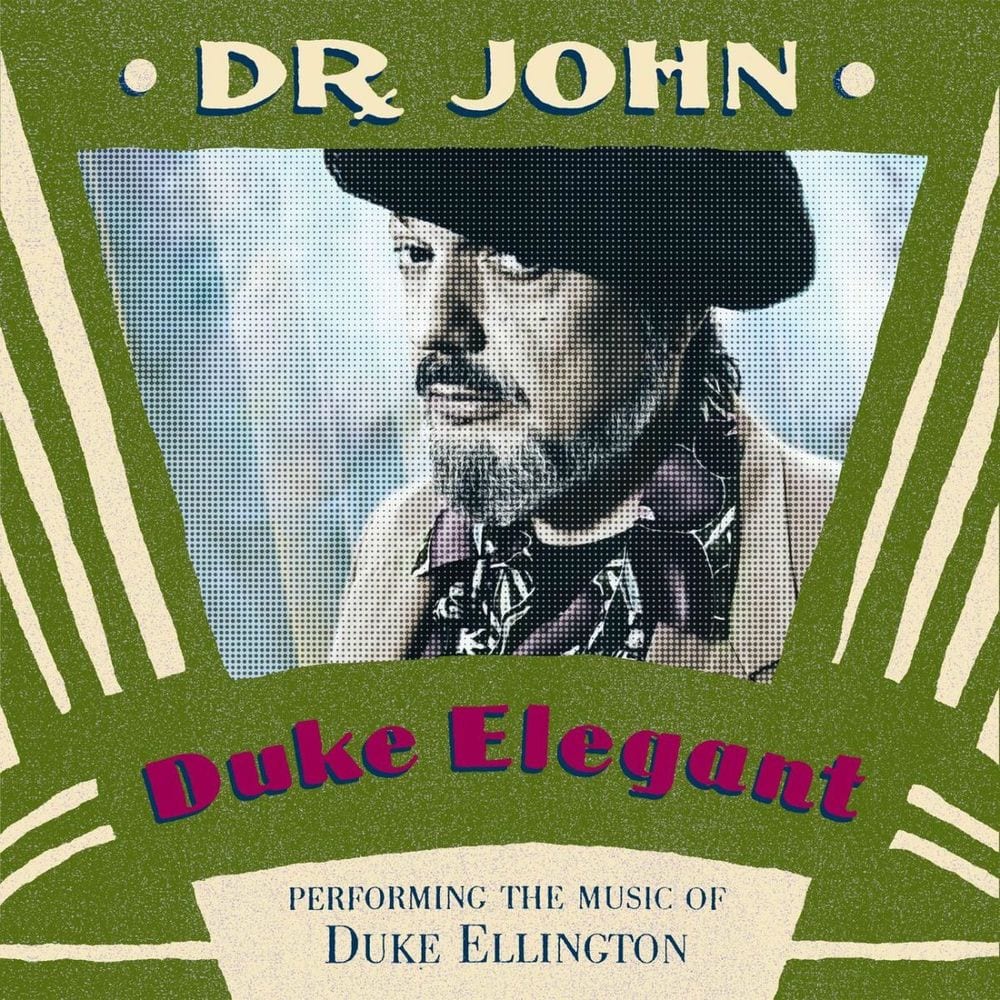
Duke Elegant
1999
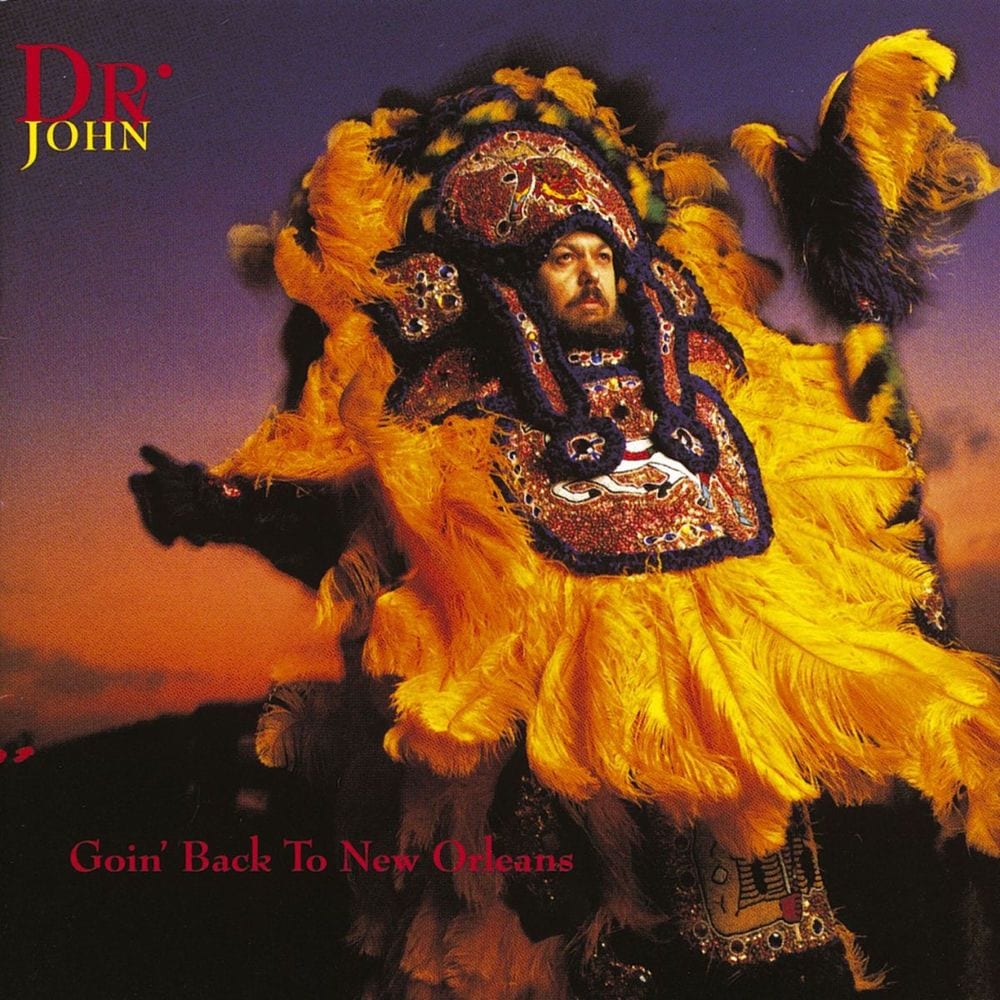
Goin' Back to New Orleans
1992
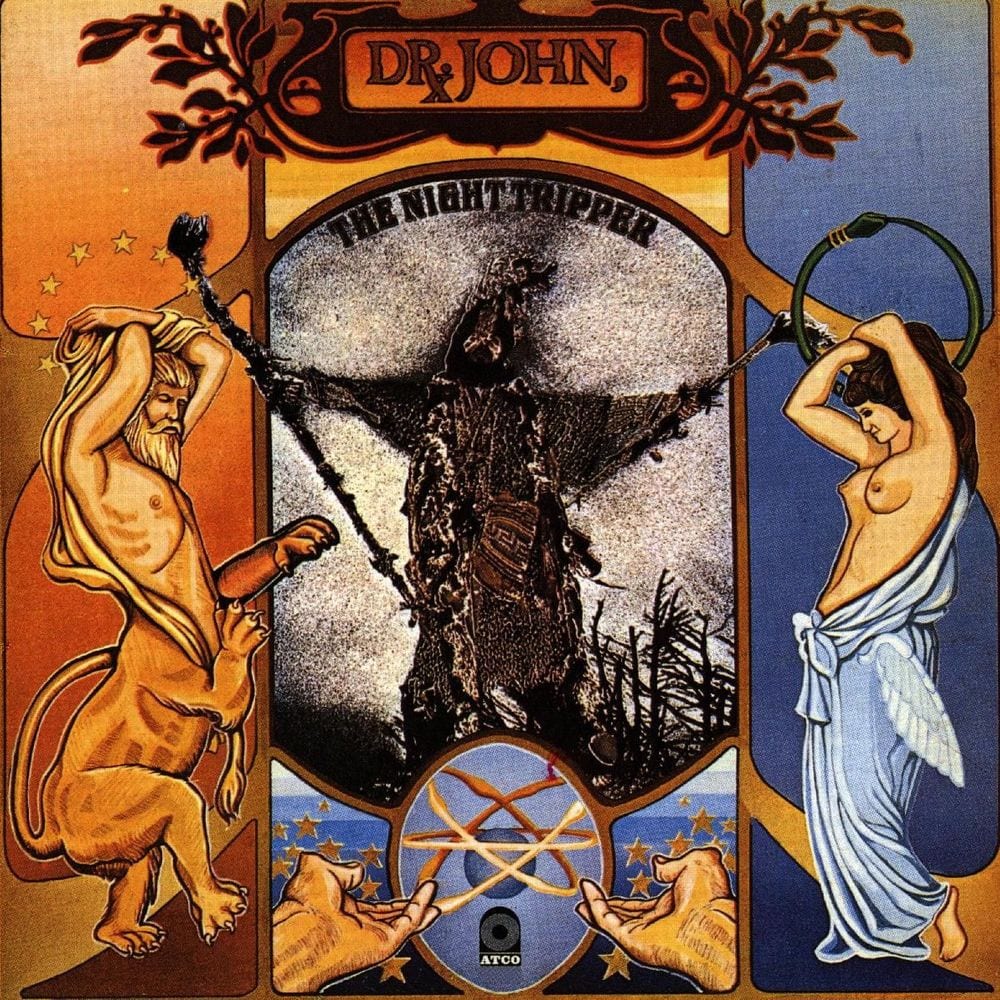
The Sun, Moon & Herbs
1971
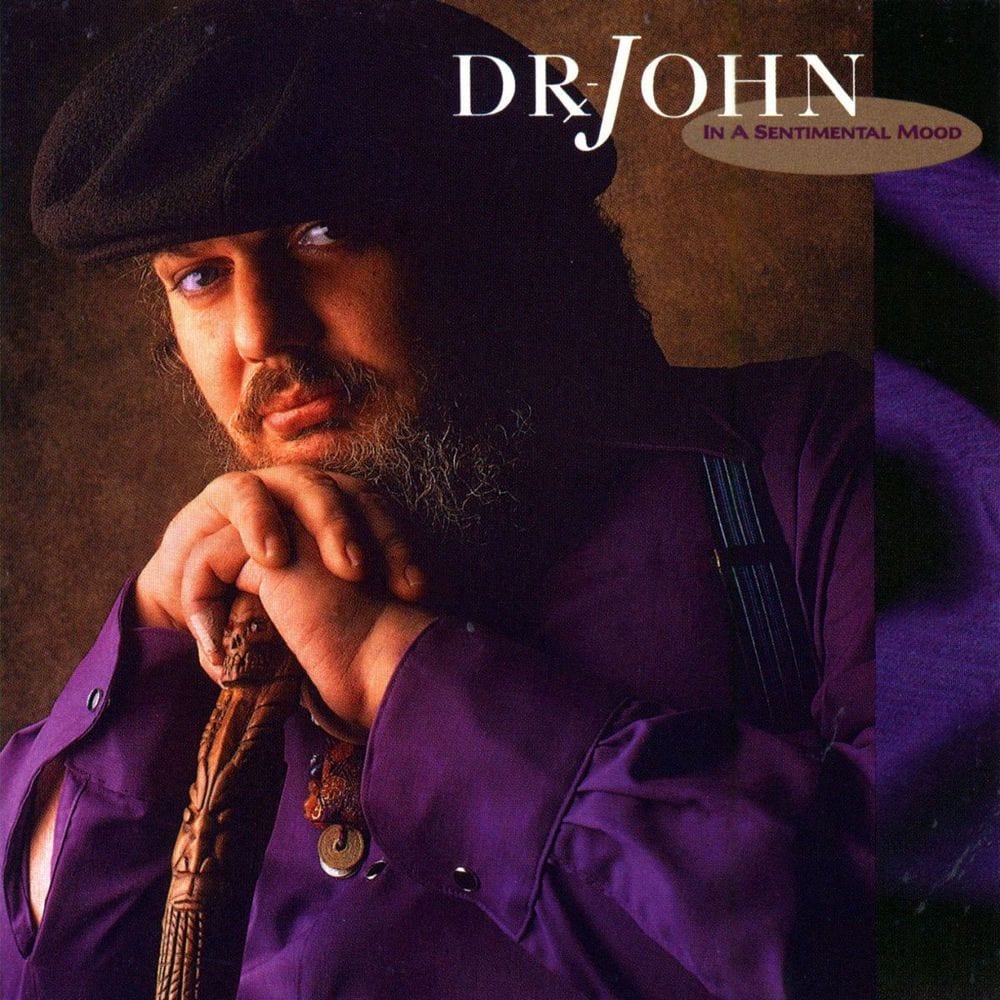
In a Sentimental Mood
1989
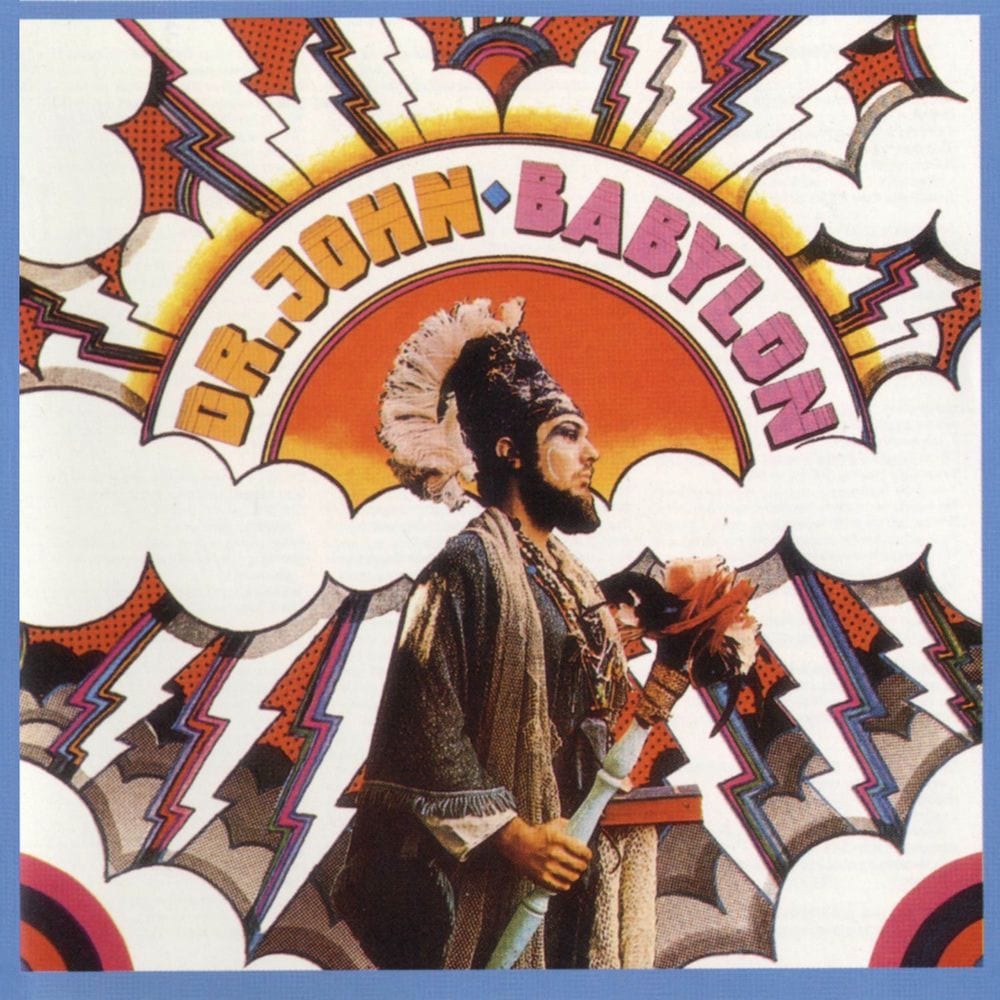
Babylon
1969
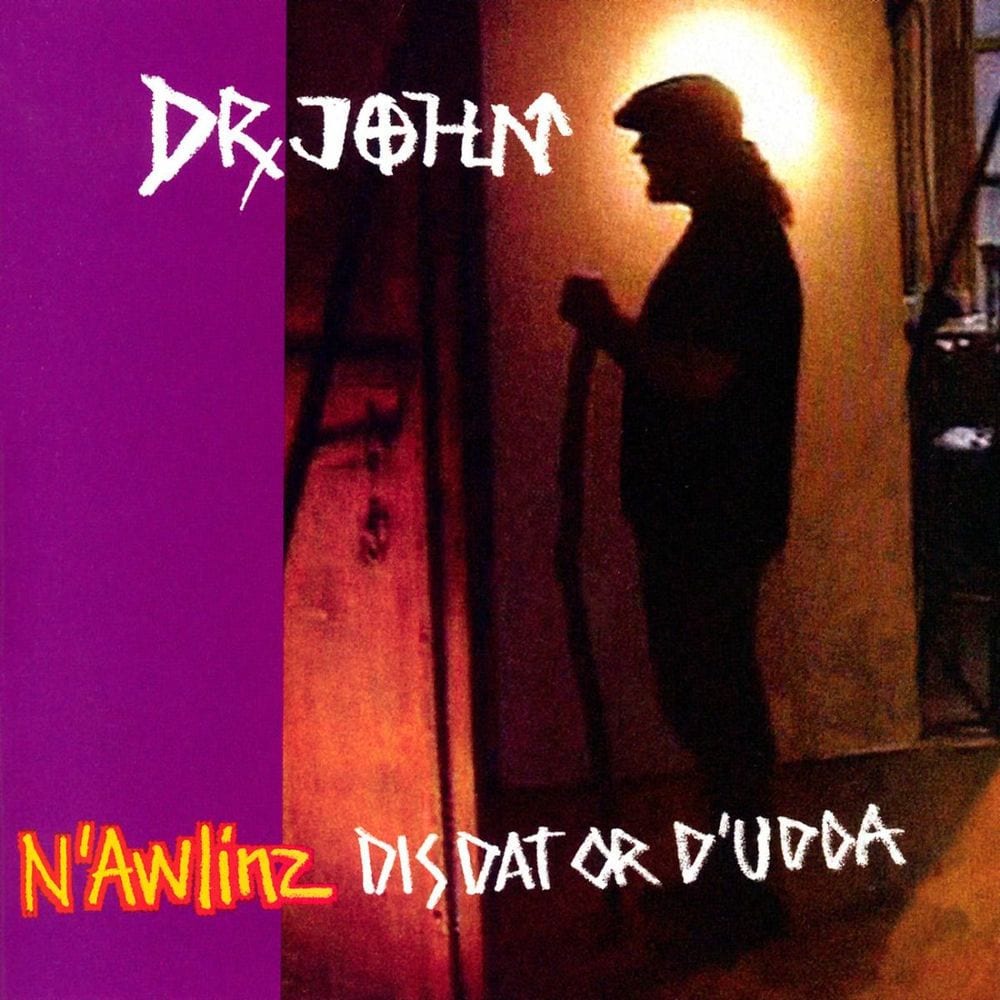
N'Awlinz: Dis, Dat or D'udda
2004

Remedies
1970
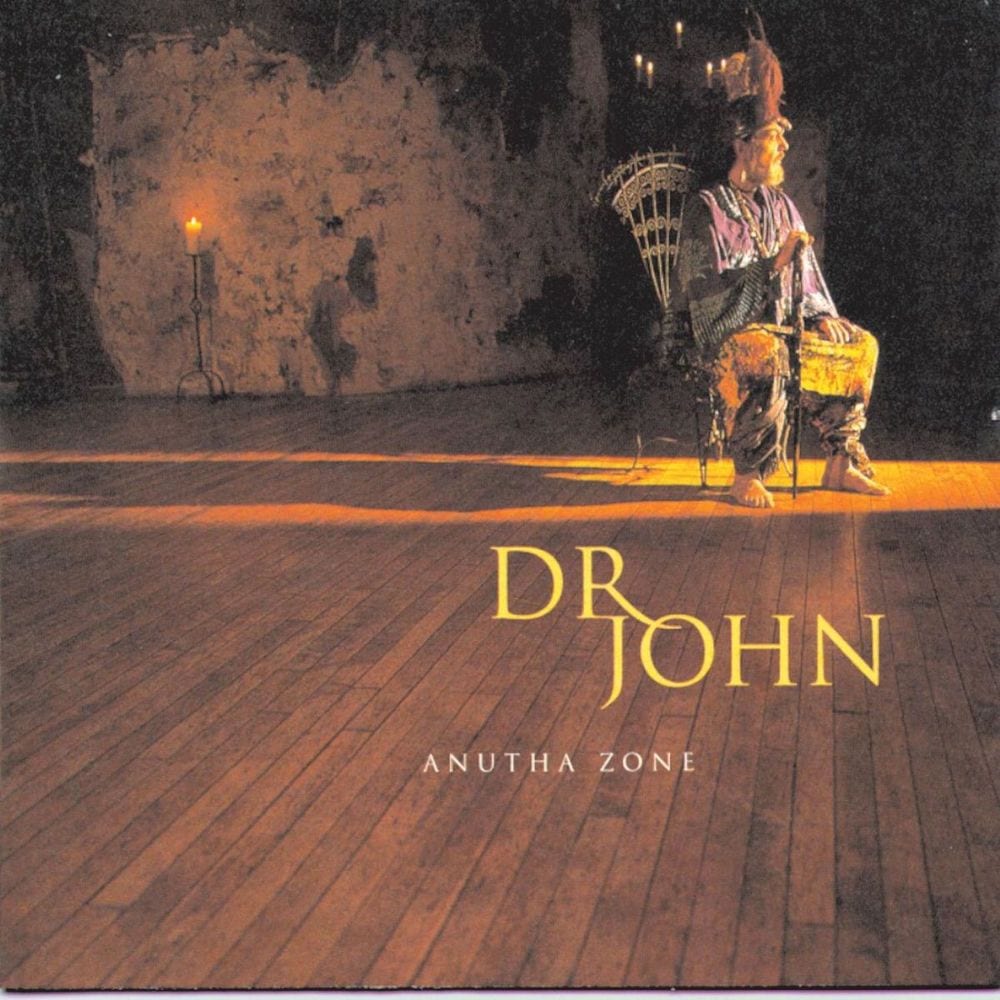
Anutha Zone
1998
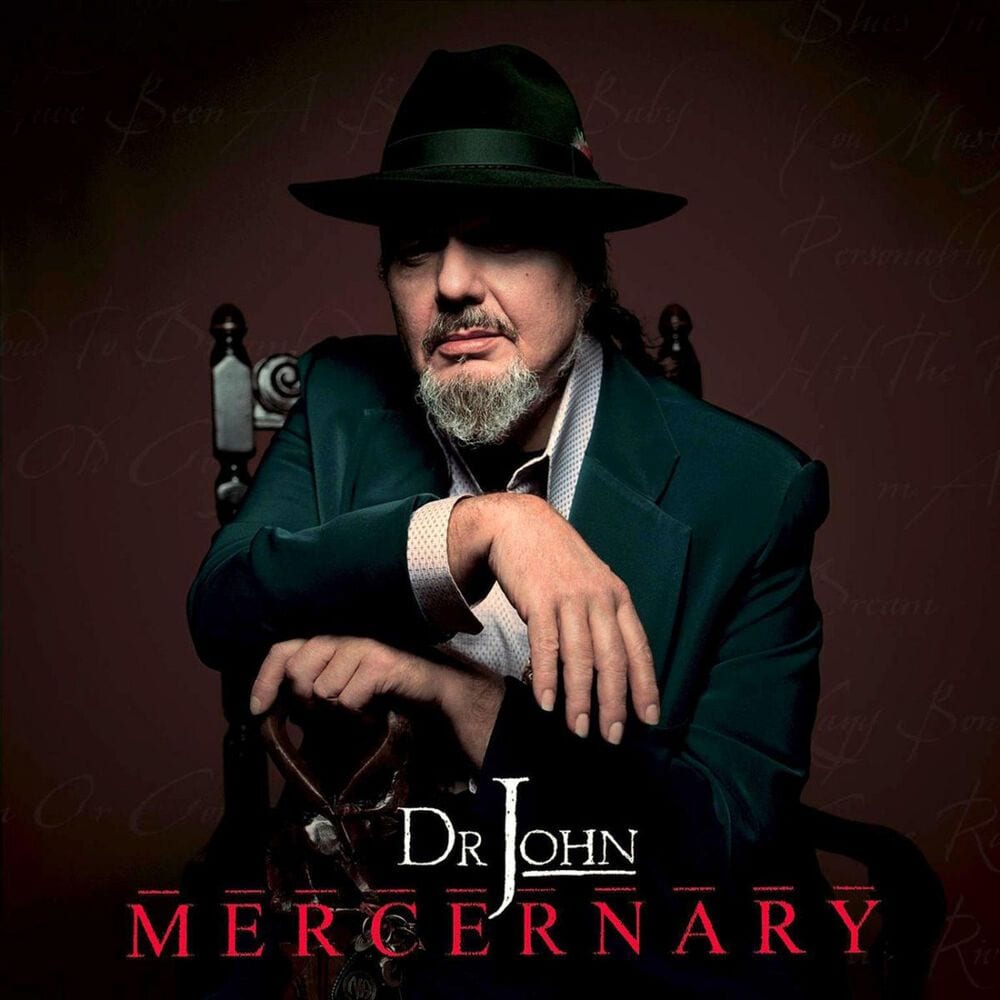
Mercernary
2006
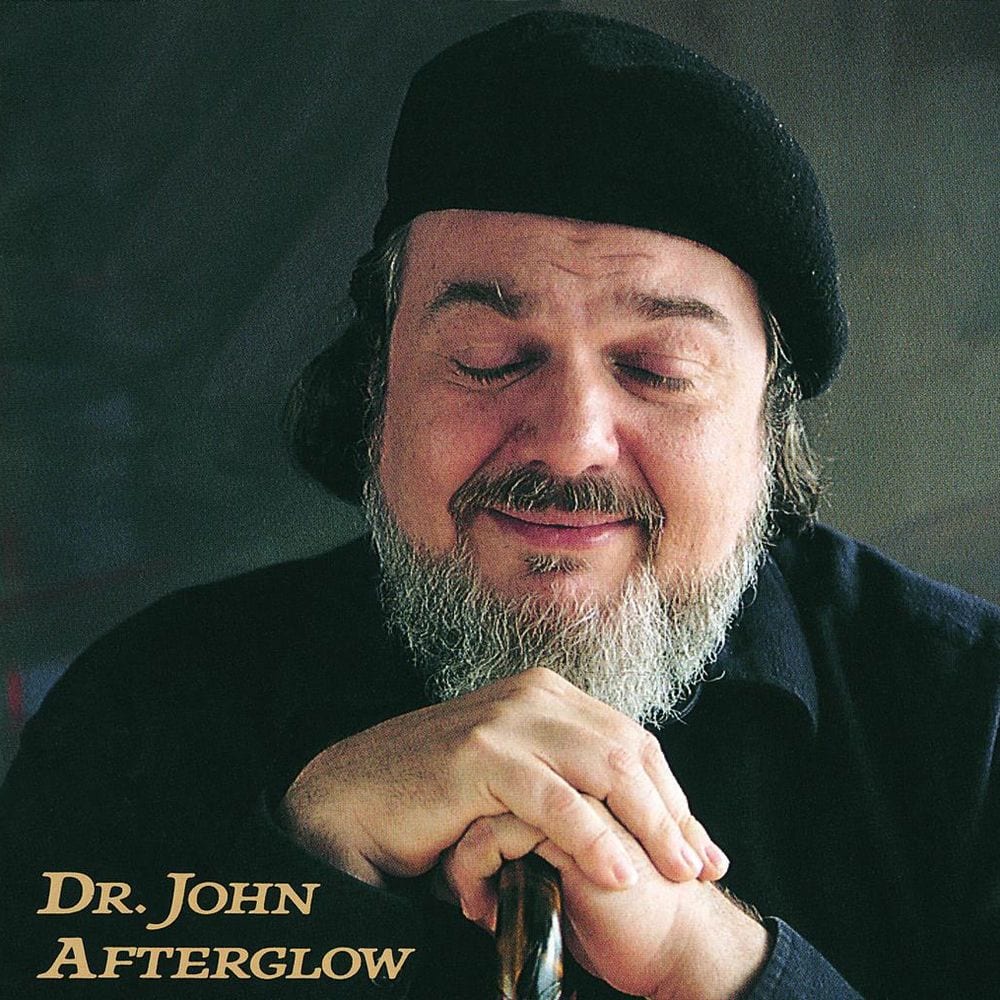
Afterglow
1995
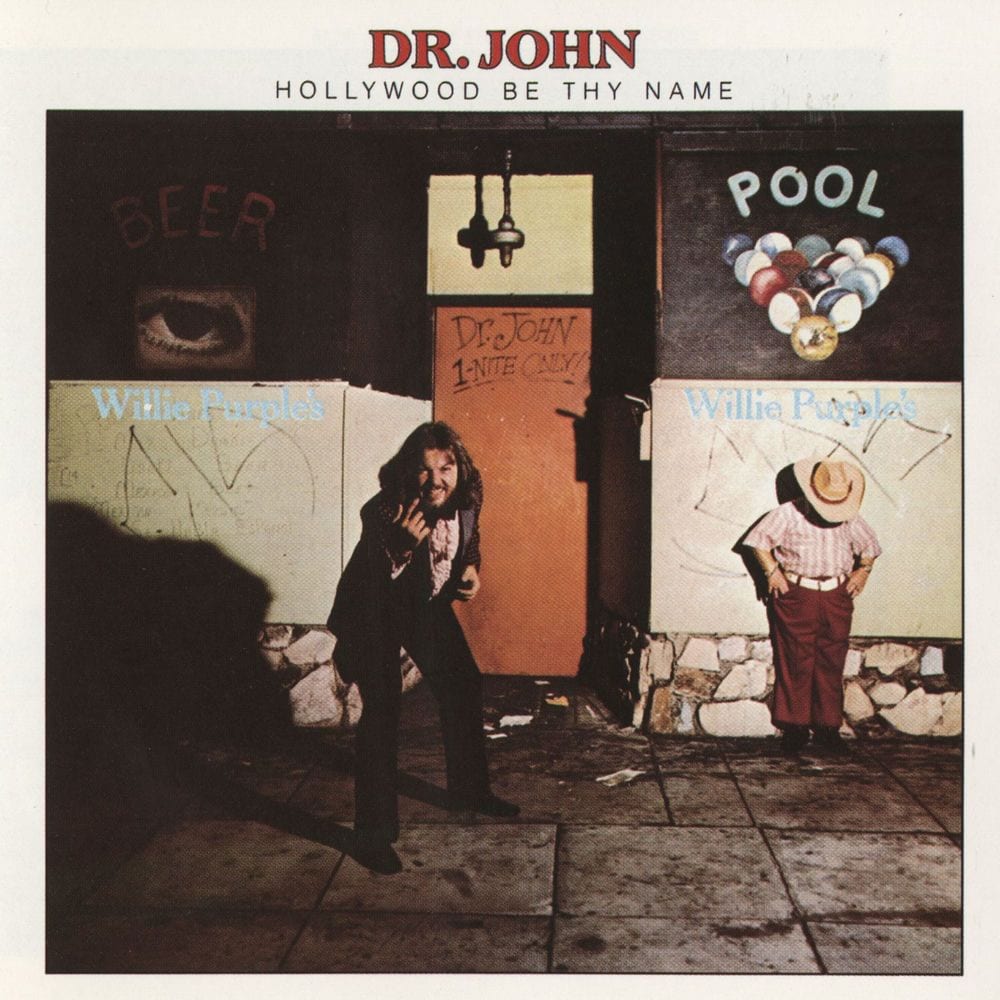
Hollywood Be Thy Name
1975
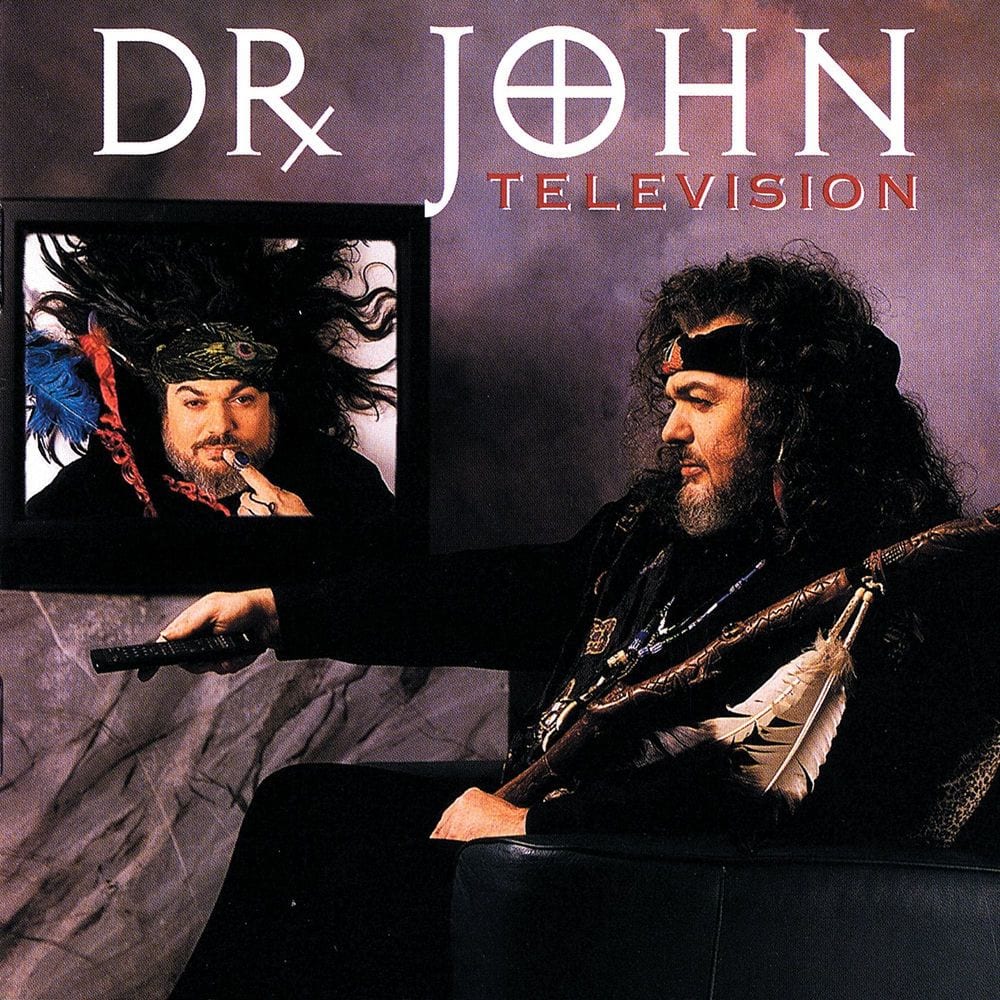
Television
2004
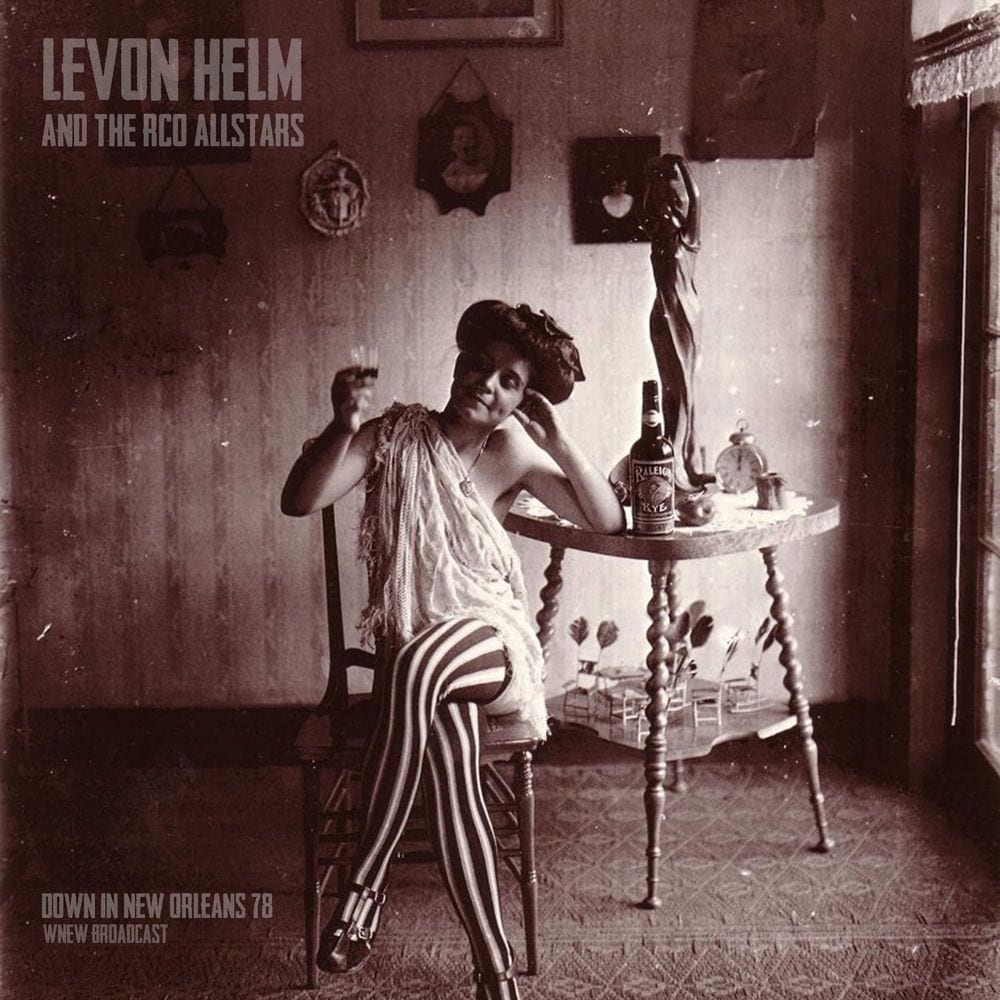
Down In New Orleans '78 (LIVE 1978)
2020
- 1996‐01‐13: Soho Serenade: Ronnie Scott’s Club, London, England, UK
1996‐01‐13: Soho Serenade: Ronnie Scott’s Club, London, England, UK
-
The Return of the Mighty Night Tripper
-
1972‐04‐07: Syracuse 1972: Manley Field House, Syracuse, NY, USA
-
- New Orleans Swamp
New Orleans Swamp
2025
Frankie & Johnny
2024
- Solo Piano/Live in New Orleans 1984
Solo Piano/Live in New Orleans 1984
2023
- Soundstage, WTTW Studios, Chicago, IL, 1982
Soundstage, WTTW Studios, Chicago, IL, 1982
2023
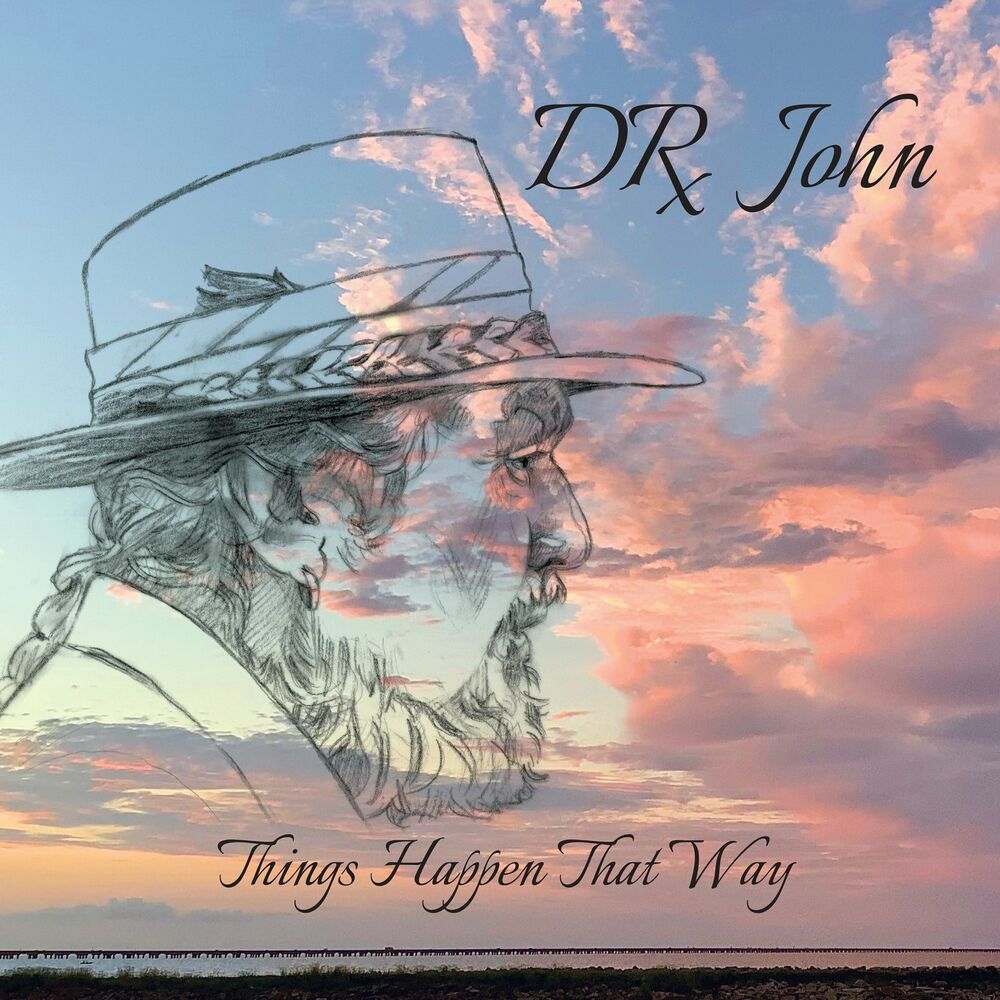
Things Happen That Way
2022

Gumbo Blues (2020 Re-Recorded Versions)
2020
- New Orleans Jazz Festival '93 (WWOZ Broadcast Remastered)
New Orleans Jazz Festival '93 (WWOZ Broadcast Remastered)
2020
Gumbo Blues
2020
Big Band Voodoo
2019

Tango Palace
2019

The Atco Albums Collection (Remastered)
2017

Ske-Dat-De-Dat…The Spirit Of Satch
2014
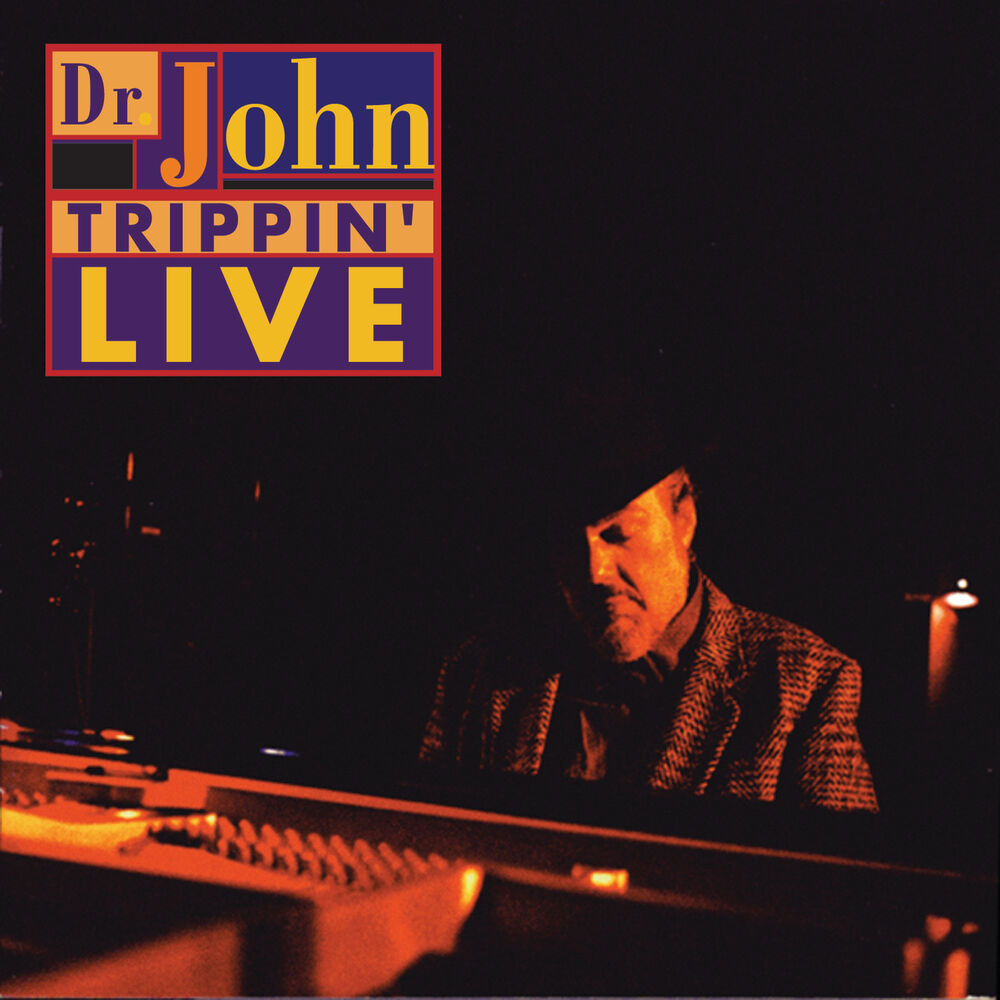
Trippin' Live
2014
The Lost Broadcast: Dr John at the Ultrasonic Studios, New York 1973
2013

Tribal
2010

City That Care Forgot
2008
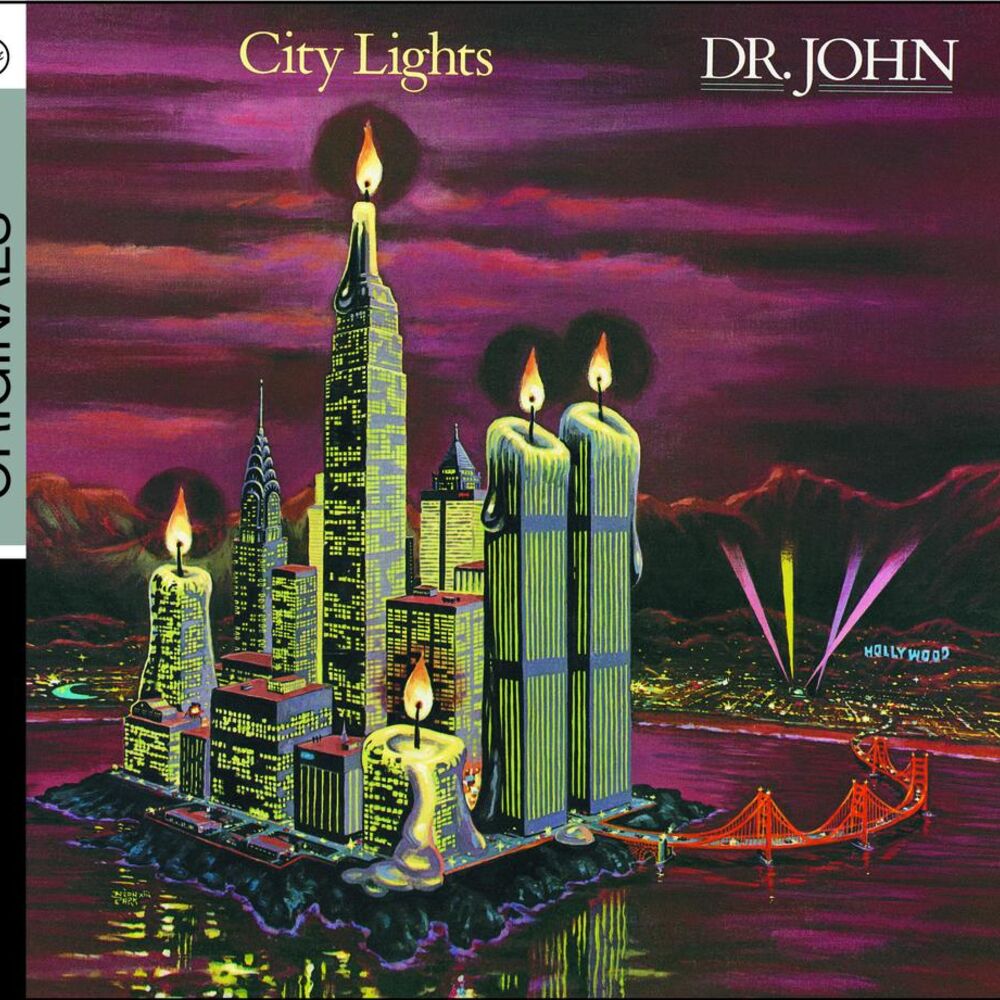
City Lights
2008

Definitive Pop: Dr. John
2007
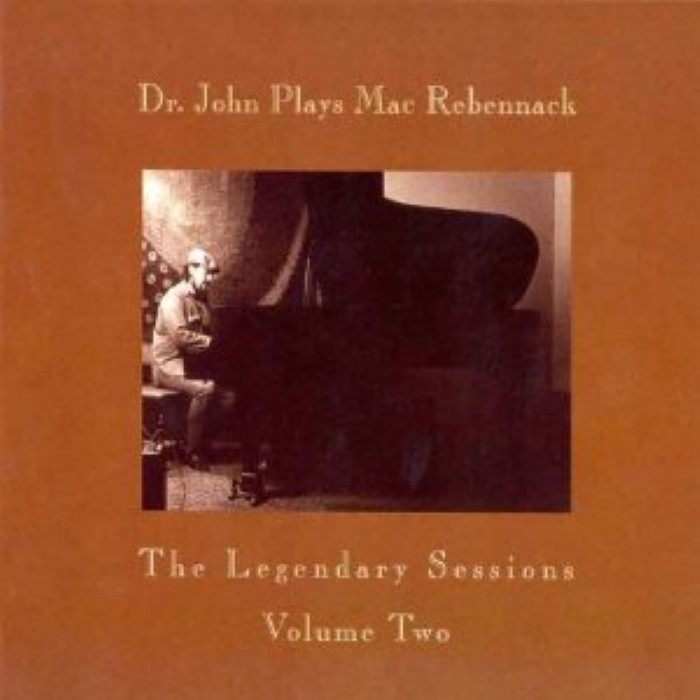
Dr John Plays Mac Rebennack: Legendary Sessions, Volume. 2
2006
UFO Saloon
2006
- The Ahoy, Rotterdam NL, July 16, 2006
The Ahoy, Rotterdam NL, July 16, 2006
2006
Dr. John Bellinzona Piazza Blues
2005
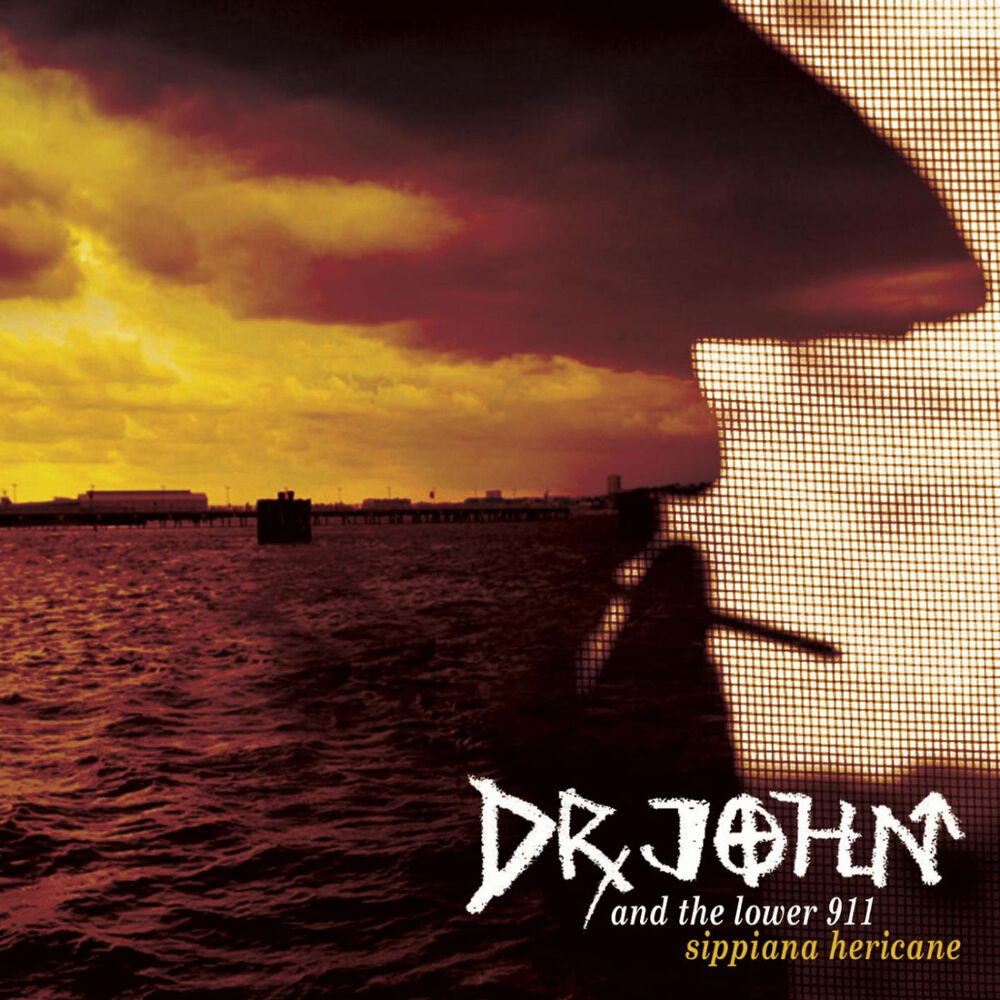
Sippiana Hericane
2005
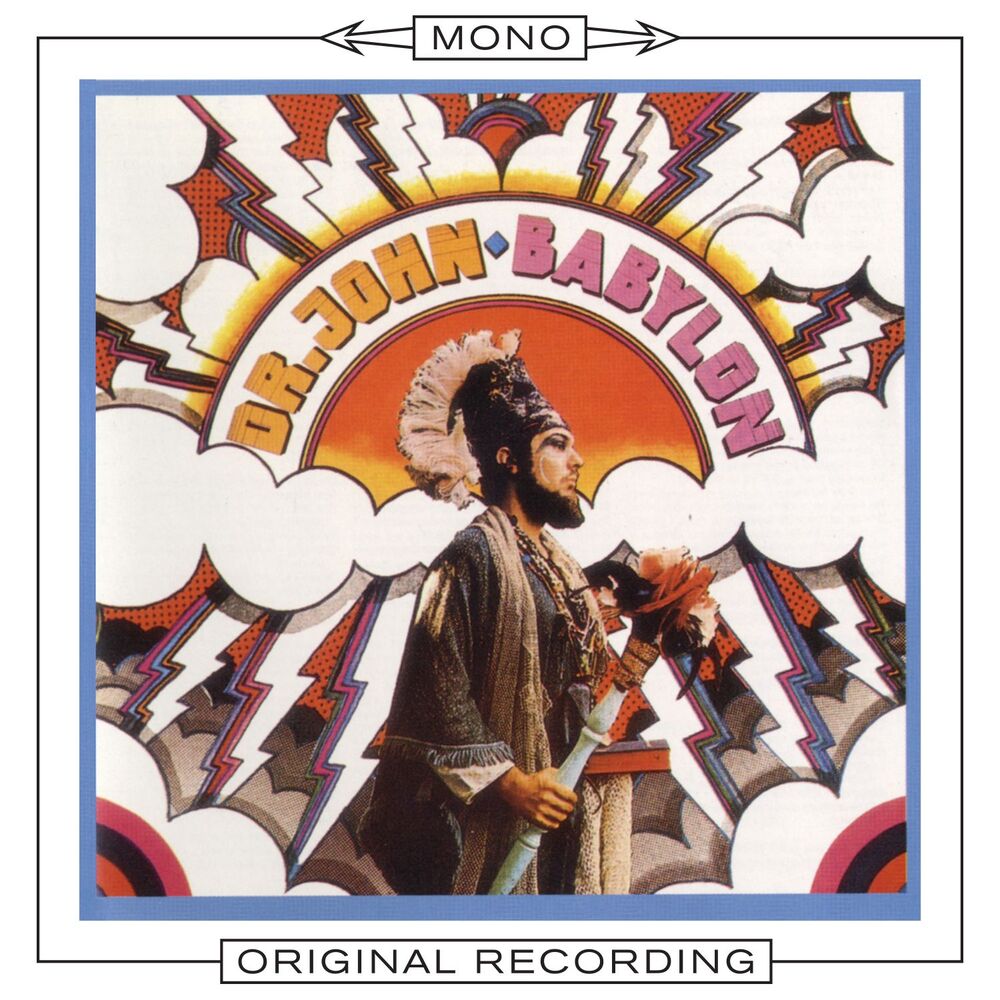
Babylon (Mono)
2005
- Tribute to Professor Longhair: Chicago Blues Festival
Tribute to Professor Longhair: Chicago Blues Festival
2004

Desitively Bonnaroo
2004
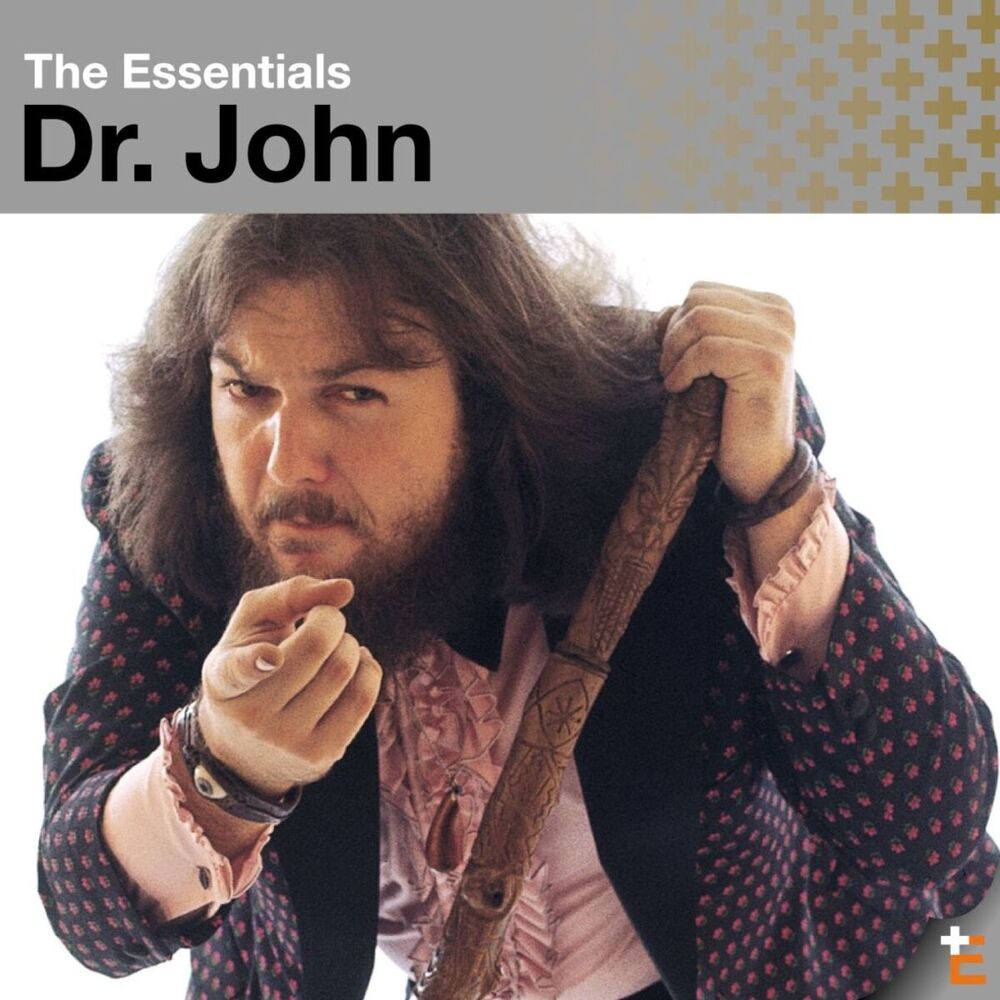
The Essentials: Dr. John
2002
Dr. John Plays Mac Rebennack: The Legendary Sessions, Vol. 1
2002
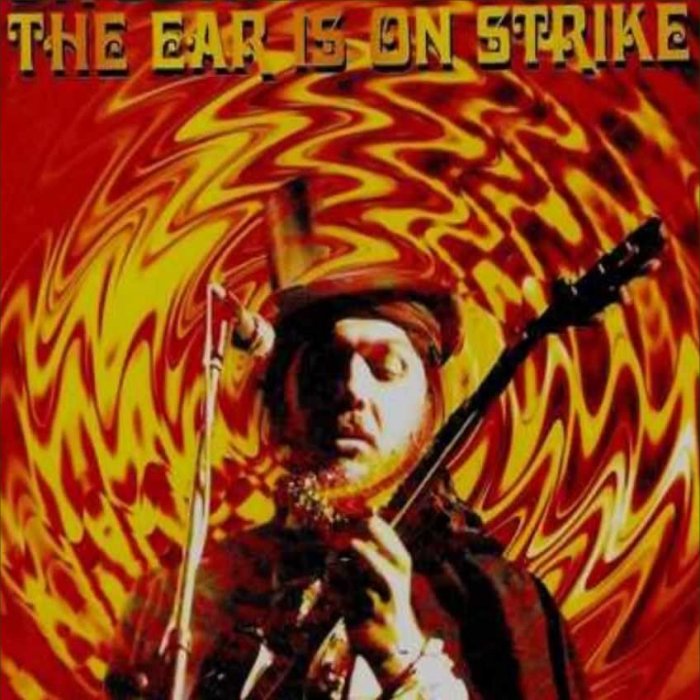
The Ear Is on Strike
2001
- Next Hex
Next Hex
1999

Next Hex: The Nashville Sessions
1999
- A Night in New Orleans
A Night in New Orleans
1998
Crawfish Sóiree
1996
- Brer Rabbit And Boss Lion
Brer Rabbit And Boss Lion
1992
Indian Blues
1992
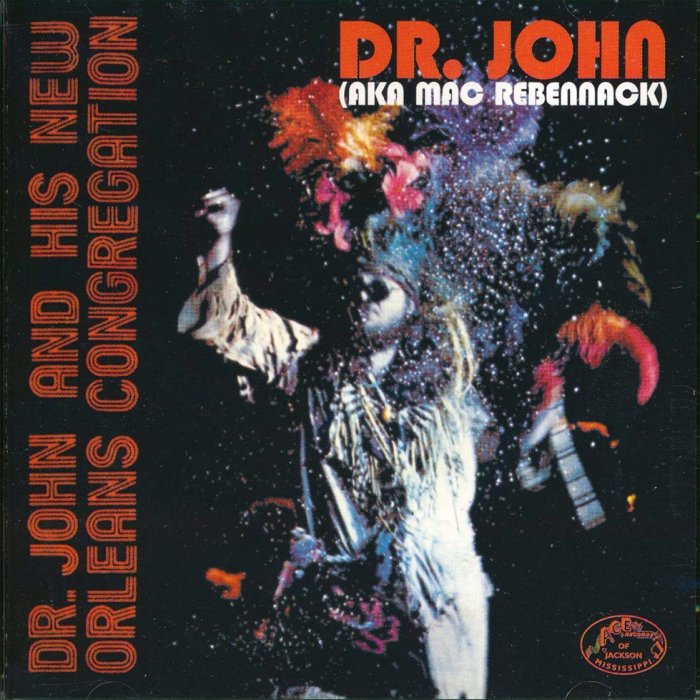
Dr. John and His New Orleans Congregation
1992
On a Mardi Gras Day
1990
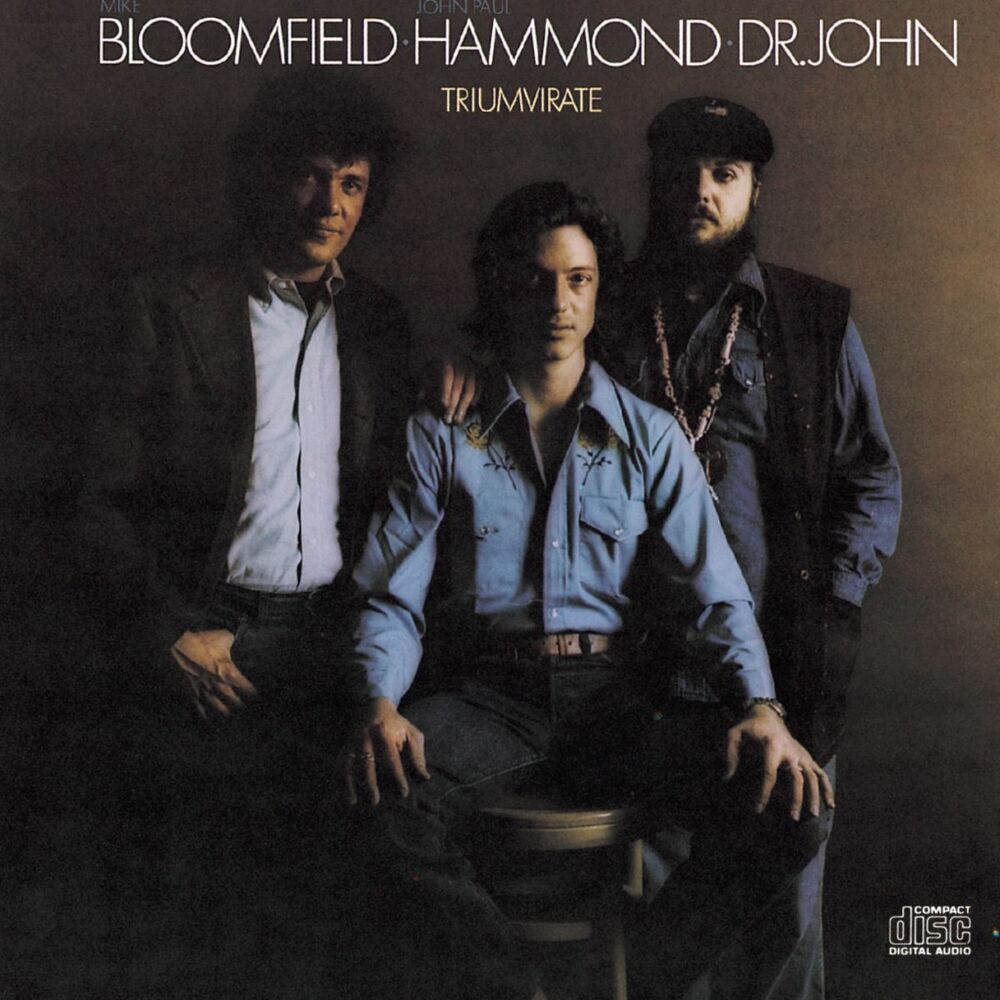
Triumvirate
1989
Mardi Gras at the Marquee
1989
The Brightest Smile in Town
1989
You Got Me
1988
Van Morrison & Dr. John’s Amsterdam’s Tapes
1983
Take Me Back to New Orleans
1981
Dr. John Plays Mac Rebennack
1981

Plays Mac Rebennack
1981
One Night Late
1977
Anytime, Anyplace
1974
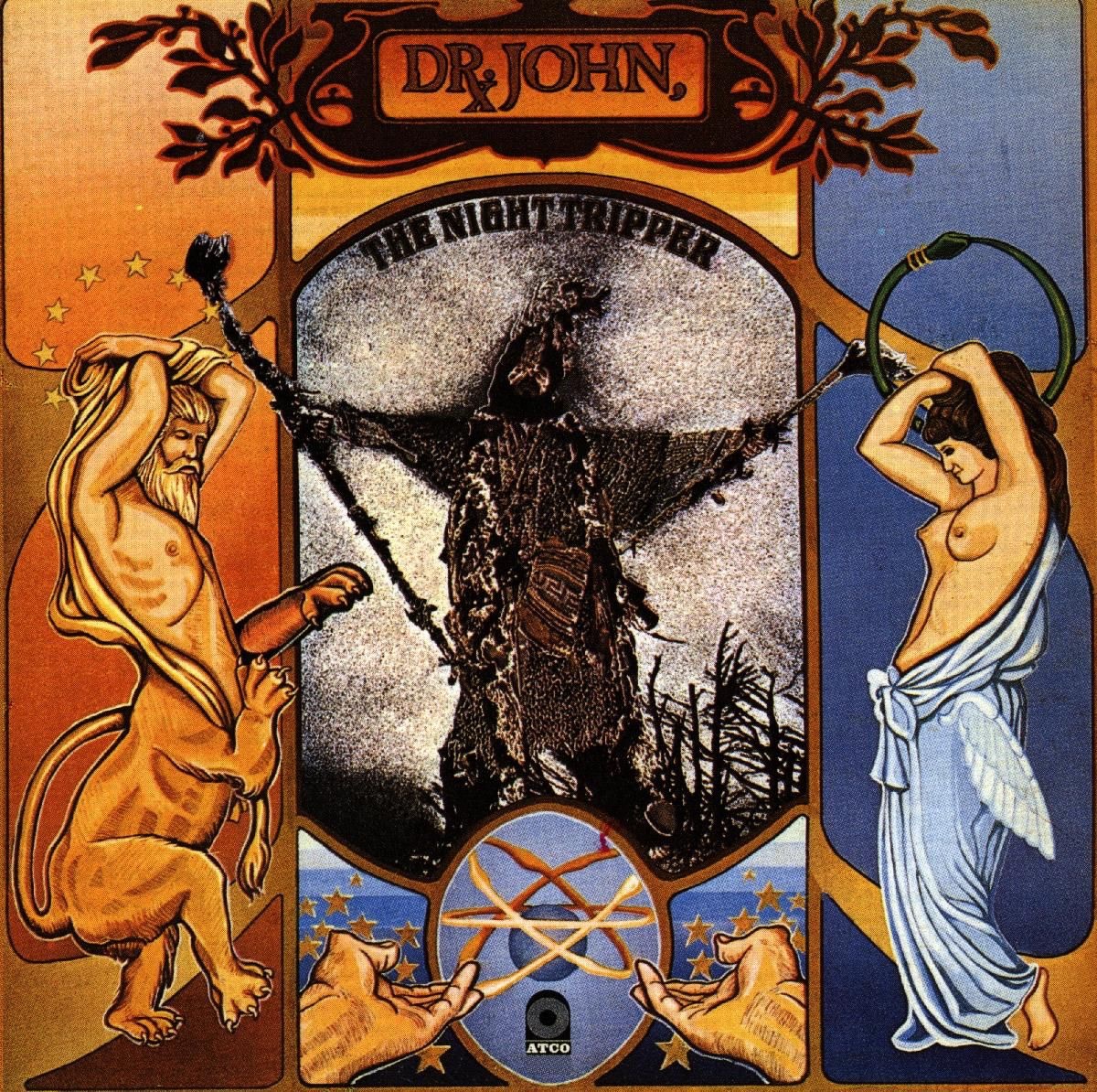
The Sun, Moon and Herbs
1971


Singles & EPs
19Sleeping Dogs Best Left Alone
Single · 2022

When I First Saw Your Face
Single · 2022
I Walk On Guilded Splinters
Single · 2022
Gimme That Old Time Religion
Single · 2022
End Of The Line
Single · 2022
- Iko Iko
Iko Iko
Single · 2021

Bald Head
Single · 2020
Walking By the River
Single · 2020

Walking By the River
Single · 2020

Danger Zone
Single · 2020

The Jungle Book: The Idris Elba Easy Tiger Remixes
Single · 2016
- I’ve Got the World on a String
I’ve Got the World on a String
Single · 2014

Revolution
Single · 2012

All Washed Up (They Say)
Single · 2012

Silent Night
Single · 1988
Jet-Set
Single · 1984
Right Place Wrong Time
Single · 1973
- Storm Warning / Foolish Little Girl
Storm Warning / Foolish Little Girl
Single · 1959
- Morgus the Magnificent / Lonely Boy
Morgus the Magnificent / Lonely Boy
Single · 1958
Live & compilations
69- At His Best
At His Best
Compilation
- Diggin' Dr. John
Diggin' Dr. John
Compilation
- 1996-05-09: Duets: Roseland Ballroom, New York City, NY, USA
1996-05-09: Duets: Roseland Ballroom, New York City, NY, USA
Live
- Herbal Mixture
Herbal Mixture
Compilation
The Essential Recordings
Compilation
- Who Was Mac Rebennack?
Who Was Mac Rebennack?
Compilation
Live at Rockpalast 1999
Live · 2026
- Live at the Village Gate
Live at the Village Gate
Live · 2025
- Gris-Gris Gumbo Ya Ya: Singles 1968-1974
Gris-Gris Gumbo Ya Ya: Singles 1968-1974
Compilation · 2024

Dr John: Live At Montreux 1986
Live · 2024
Dr. John: The Montreux Years (Live)
Compilation · 2023

Live at Manley Field House, Syracuse, New York - April 7, 1972 (Great American Radio, Vol. 5)
Live · 2020
- An Introduction to Dr. John
An Introduction to Dr. John
Compilation · 2019

Dr. John (Live In Tokyo, Japan)
Live · 2019
The Best Of Dr. John - 35 Great Performances On 2 Cds
Compilation · 2019
Recorded Live In Tokyo, Japan
Live · 2019
The Mojo of Dr John
Compilation · 2019
Best of the Night Tripper
Compilation · 2016
Live From London
Live · 2016
The Musical Mojo of Dr. John: Celebrating Mac and His Music
Compilation · 2016
Playlist: The Best Of The Atco Years
Compilation · 2016
Live In Sweden 1987
Live · 2016
- Anutha Zone + Duke Elegant
Anutha Zone + Duke Elegant
Compilation · 2015
The Atco/Atlantic Singles 1968-1974
Compilation · 2015
High Priest of Psychedelic Voodoo
Compilation · 2014

Splinter Trip Revisited (Live at Hayfield Jazz, 1988)
Live · 2012
Rare Doctor Remedies - The Dave Cash Collection
Compilation · 2011
- Zu Zu Soirée
Zu Zu Soirée
Compilation · 2011
Original Album Series
Compilation · 2010
- 2009-06-09: The Catalyst, Santa Cruz, CA, USA
2009-06-09: The Catalyst, Santa Cruz, CA, USA
Live · 2009
- The Best of the Night Tripper
The Best of the Night Tripper
Compilation · 2008
- Voodoo Hex
Voodoo Hex
Compilation · 2008
Trader John's Crawfish Soiree
Compilation · 2007
- The Definitive Collection
The Definitive Collection
Compilation · 2006
- Right Place, Right Time: Live at Tipitina's - Mardi Gras '89
Right Place, Right Time: Live at Tipitina's - Mardi Gras '89
Live · 2006
- I Pulled the Cover Off You Two Lovers
I Pulled the Cover Off You Two Lovers
Compilation · 2006
New Orleans Man
Compilation · 2006
The Definitive Pop Collection
Compilation · 2006
The Best of the Parlophone Years
Compilation · 2005
Live at Montreux 1995
Live · 2005
- The Anthology
The Anthology
Compilation · 2005
Storm Warning
Compilation · 2004
All by Hisself: Live at the Lonestar
Live · 2003
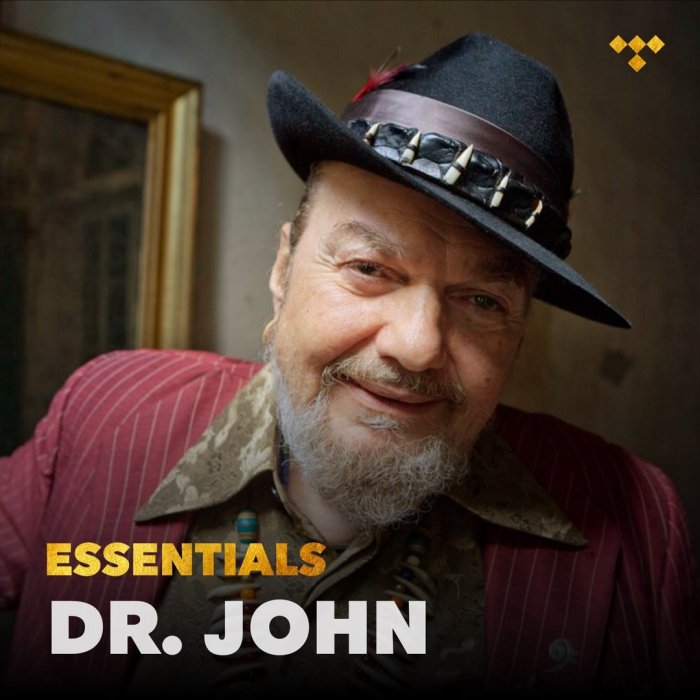
The Essentials
Compilation · 2002
Woman Is The Root Of All Evil
Compilation · 2001
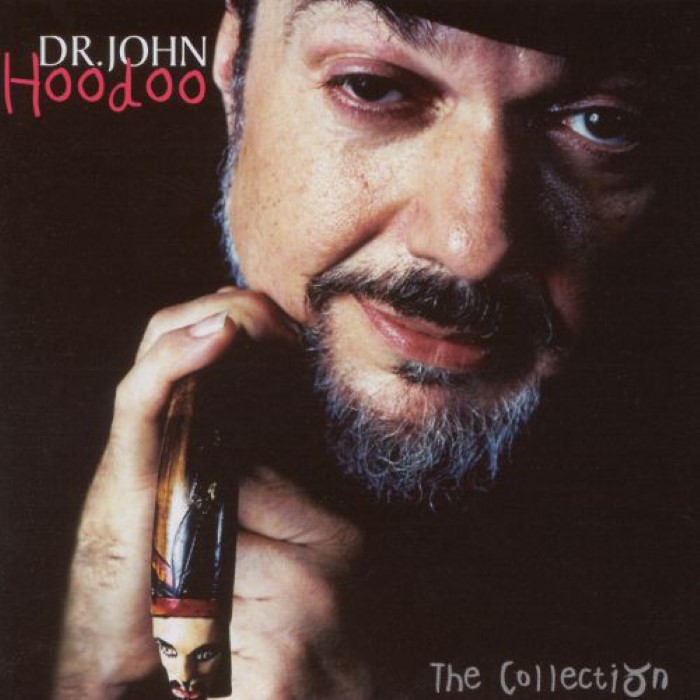
Hoodoo: The Collection
Compilation · 2000
- 2000-12-22: Yoshi's, Oakland, CA, USA
2000-12-22: Yoshi's, Oakland, CA, USA
Live · 2000
Funky New Orleans
Compilation · 2000
- The Crazy Cajun Recordings
The Crazy Cajun Recordings
Compilation · 1999
Voodoo Blues
Compilation · 1999
Medical School: the Early Sessions of Mac Dr. John Rebennack
Compilation · 1999
- The Gold Collection
The Gold Collection
Compilation · 1998
Right Place Wrong Time and Other Hits
Compilation · 1997
The Masters
Compilation · 1996
The Very Best of Dr. John
Compilation · 1995
- Cut Me While I'm Hot: The Sixties Sessions
Cut Me While I'm Hot: The Sixties Sessions
Compilation · 1995
Dr. John’s Gumbo / In the Right Place
Compilation · 1994
Mos' Scocious: The Dr. John Anthology
Compilation · 1993
New Orleans Sound
Compilation · 1993
Zu Zu Man
Compilation · 1990

Mardi Gras at The Marquee (Live)
Live · 1989

Such A Night! (Live At The Albany Empire Theatre, London, 1983)
Live · 1988
Such a Night! Live in London
Live · 1988
The Ultimate Dr. John
Compilation · 1987
Loser for You Baby
Compilation · 1982
MalcolM RebennacK
Compilation · 1977
The Night Tripper
Compilation · 1977

Hollywood Be Thy Name (Live)
Live · 1975
Nite Tripper At His Best
Compilation · 1975
Credits
7Records Dr. John worked on for other artists — the roles are as credited on each release.
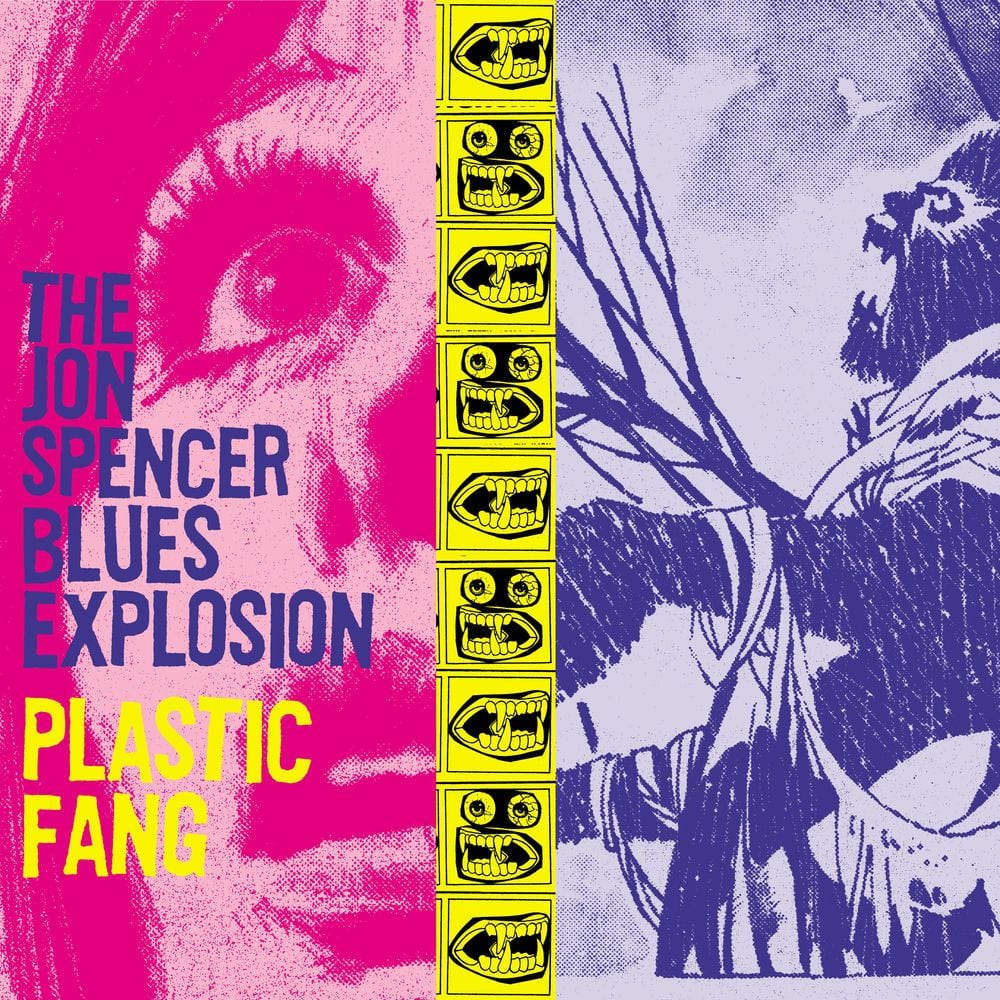
Plastic Fang
The Jon Spencer Blues Explosion · 2002
Musician
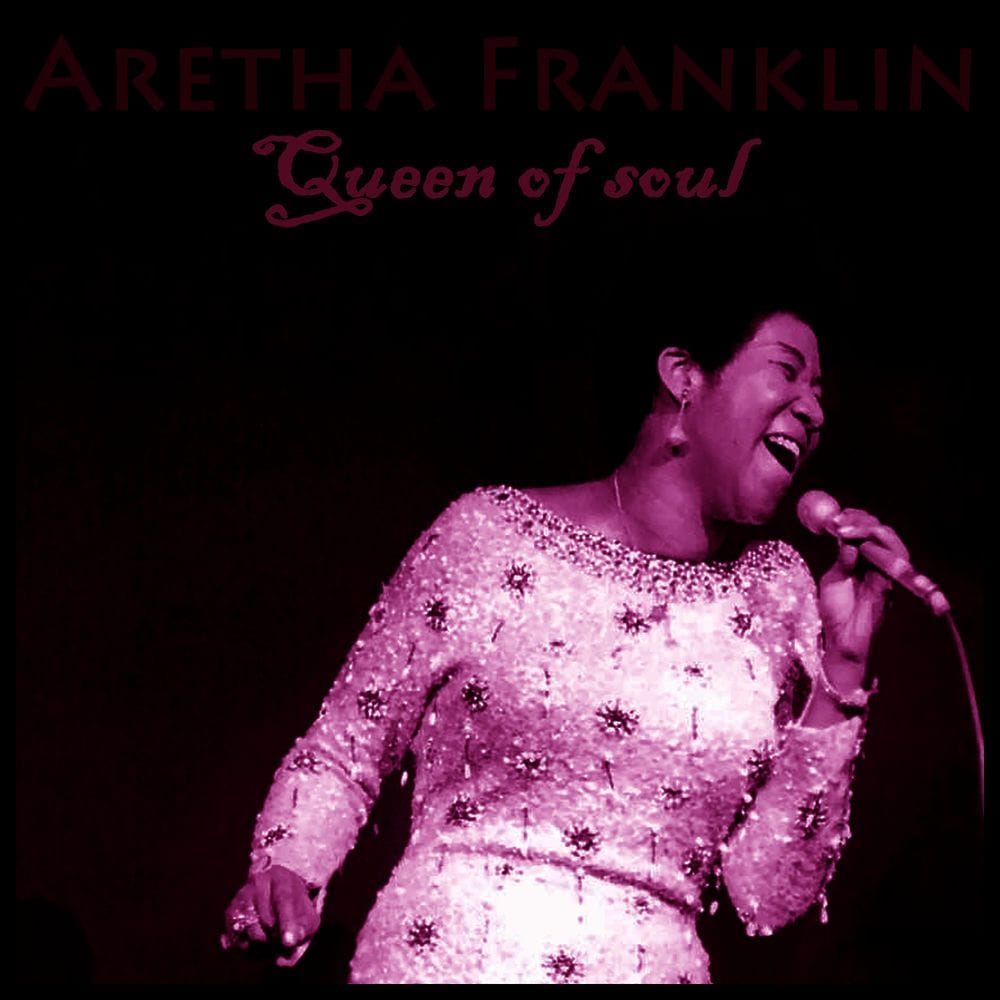
Queen of Soul
Aretha Franklin · 1992
Musician
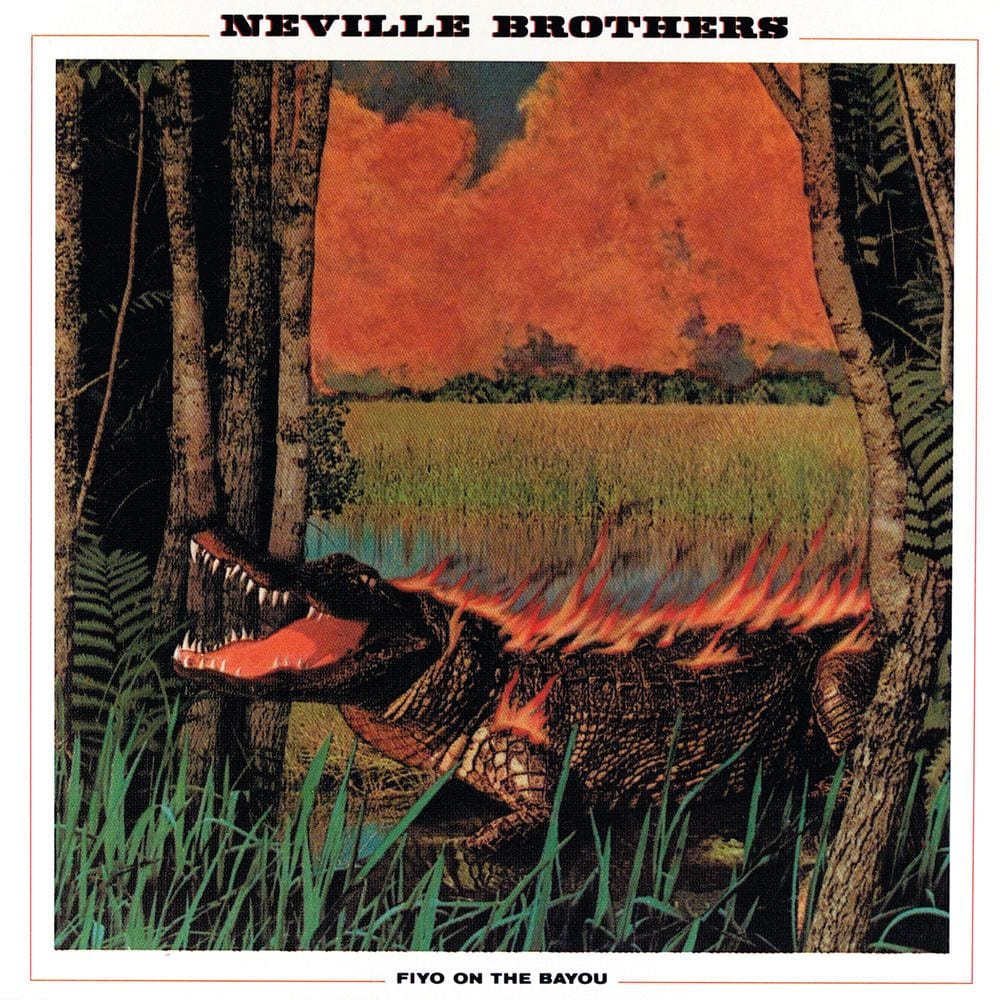
Fiyo on the Bayou
The Neville Brothers · 1990
Musician · 2 songs
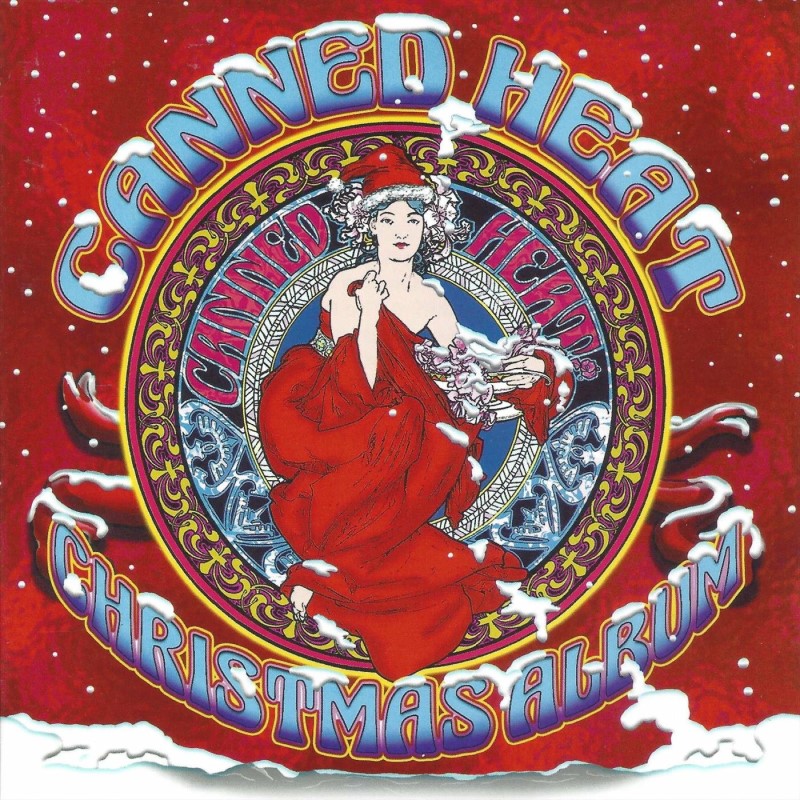
Christmas Album
Canned Heat · 2007
Musician
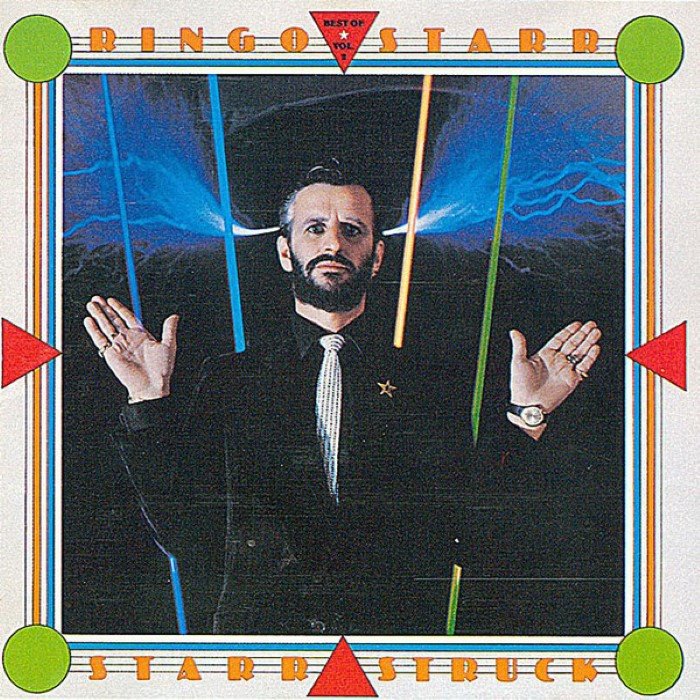
Starr Struck: Best of Ringo Starr, Volume 2
Ringo Starr · 1989
Musician · 2 songs
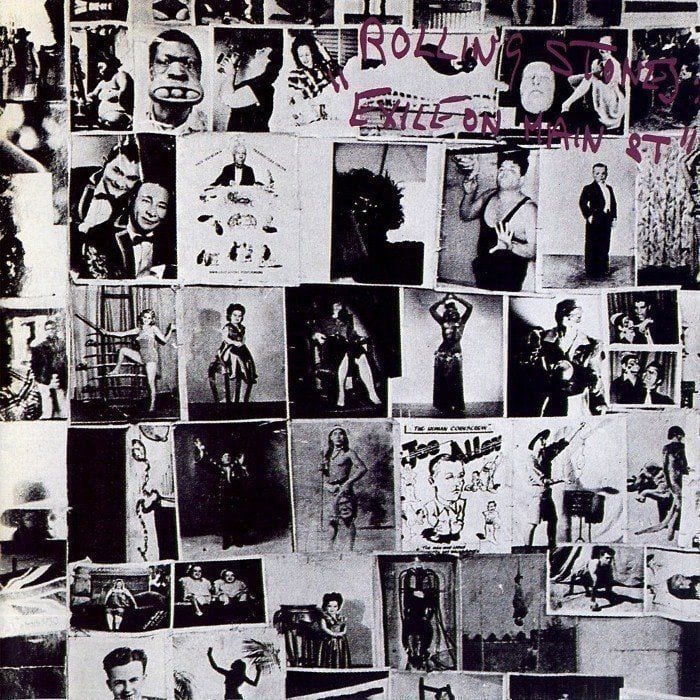
Exile on Main St.
The Rolling Stones · 1972
Vocals
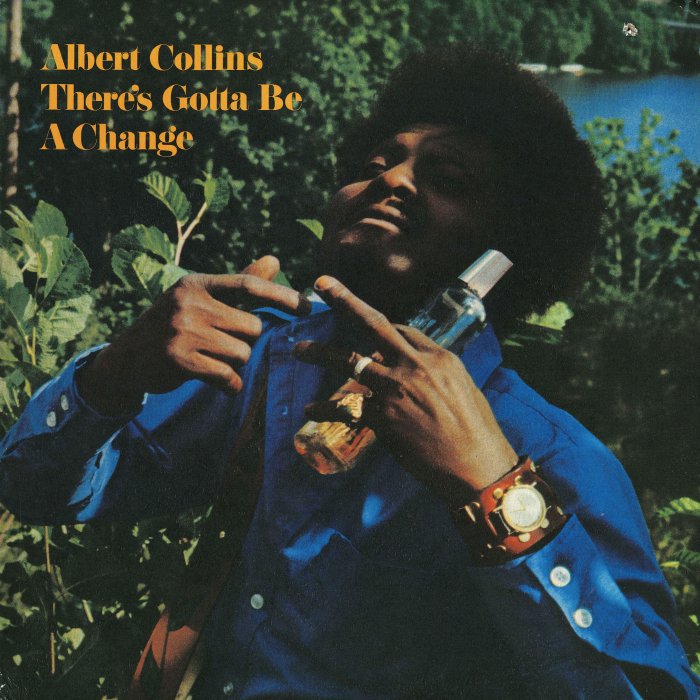
There's Gotta Be a Change
Albert Collins · 1971
Musician


Appears on
6Releases by other artists featuring Dr. John.

James Andrews and Trombone Shorty Brothers
Trombone Shorty · 2019
Christmas Album
Canned Heat · 2007
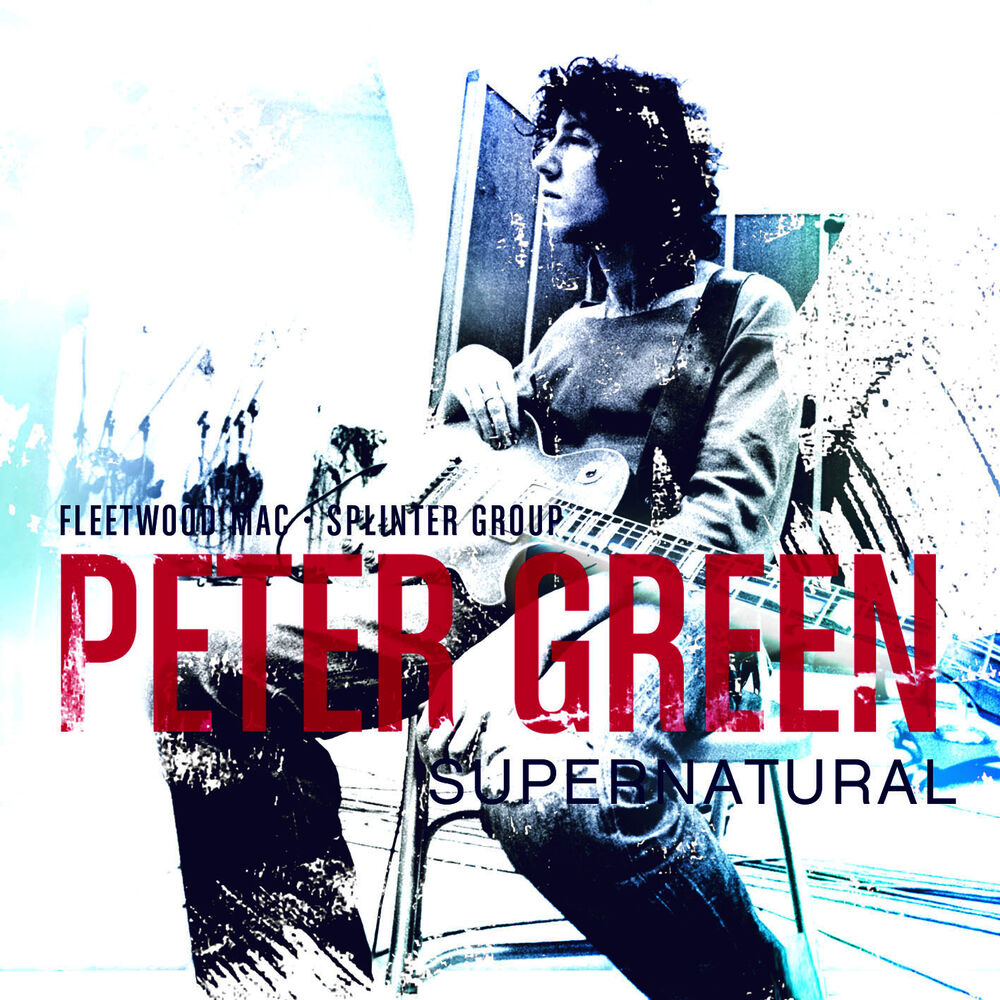
Supernatural - An Anthology
Peter Green · 2007

That's What I Say (John Scofield Plays the Music of Ray Charles)
John Scofield · 2005
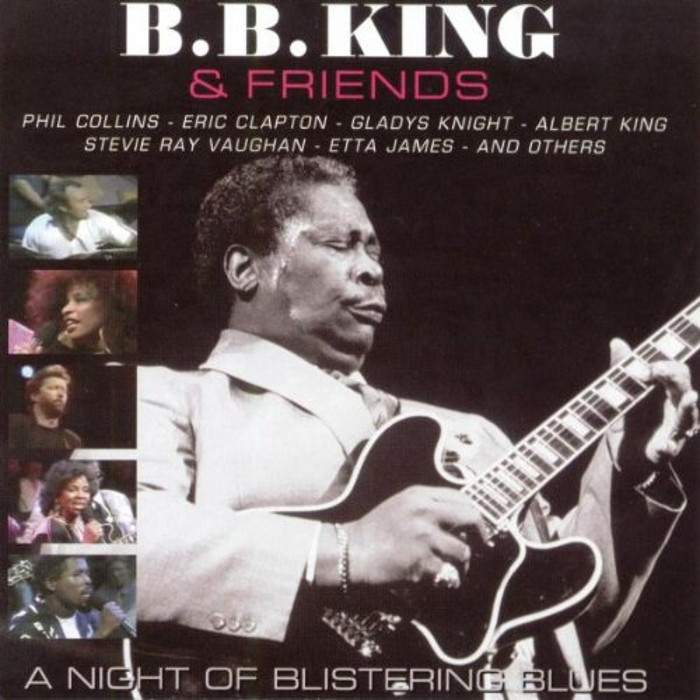
A Night of Blistering Blues
B.B. King · 2005

B.B. King In London
B.B. King · 1971
Featured tracks
8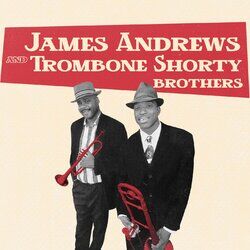 Bourbon Street ParadeTrombone Shorty · James Andrews and Trombone Shorty Brothers
- Zulu KingTrombone Shorty · James Andrews and Trombone Shorty Brothers
- Christmas Blues (feat. Dr. John)Canned Heat · Christmas Album
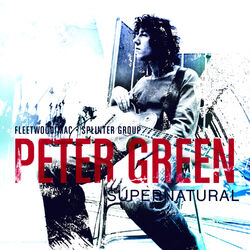 From Four Until Late Feat. Dr. JohnPeter Green · Supernatural - An Anthology
- Talkin' 'Bout You / I Got a Woman (feat. Dr. John)John Scofield · That's What I Say (John Scofield Plays the Music of Ray Charles)
- I'd Rather Go BlindB.B. King · A Night of Blistering Blues
- What'd I Say (feat. Dr. John, Warren Haynes, John Mayer, Aaron Neville & Mavis Staples)John Scofield · That's What I Say (John Scofield Plays the Music of Ray Charles)
- Ghetto Woman (feat. Ringo Starr & Dr. John)B.B. King · B.B. King In London
Collaborators
11


Community
More about Dr. John
Dr. John at a glance
- Born in
- New Orleans
- From
- United States
- Active since
- 1950
- Instruments
- organ, piano, guitar, Hammond organ, musical keyboard, electric piano
- Labels
- Warner Music Group, Atco Records, GRP Records, Blue Note, Concord Records, United Artists Records
- Educated at
- Jesuit High School
Facts from Wikidata (CC0). Children listed are those with their own public record, so the list may be incomplete.
About
Malcolm John "Mac" Rebennack, Jr. (born November 21, 1940), better known by the stage name Dr. John (also Dr. John Creaux, or Dr. John the Night Tripper), is an American singer-songwriter, pianist and guitarist, whose music combines blues, pop, jazz as well as zydeco, boogie woogie and rock and roll. Active as a session musician since the late 1950s, he came to wider prominence in the early 1970s with a wildly theatrical stage show inspired by medicine shows, Mardi Gras costumes and voodoo ceremonies. Rebennack has recorded over 20 albums and in 1973 scored a top-20 hit with the jaunty funk-flavored "Right Place Wrong Time", still perhaps his best-known song.
Read moreRead less
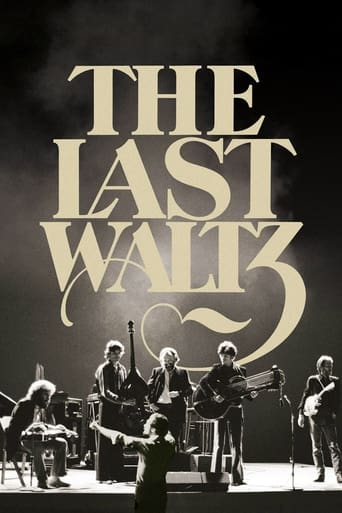
The winner of five Grammy Awards, Rebennack was inducted into the Rock and Roll Hall of Fame by singer John Legend on Monday, March 14, 2011. Born in New Orleans, Louisiana, United States, Dr. John's Acadian ancestry traces back to the imperial territory of Alsace-Lorraine. He claims that his lineage took root in New Orleans sometime in the early 1800s. Growing up in the Third Ward, Dr. John found early musical inspiration in the minstrel tunes sung by his grandfather and a number of aunts, uncles, and cousins who played piano. He did not take music lessons before his teens, he only endured a short stint in choir before getting kicked out. His father, the owner of an appliance store and record shop, exposed him as a young boy to prominent jazz musicians like King Oliver and Louis Armstrong. Throughout his adolescence his father's connections enabled him access to the recording rooms of burgeoning rock artists such as Little Richard and Guitar Slim. From these exposures he advanced into clubs and onto the stage with varying local artists, most notably, Professor Longhair. When he was about 13 or 14 years old, Dr. John met Professor Longhair. This started a period in his life that would mark rapid growth as a musician and the beginnings of his entry into professional music. He describes his initial impression of Professor Longhair with note, not only of his musical prowess, but of his style: "I was also fascinated that he was sitting out there in a turtleneck shirt with a beautiful gold chain with a watch hangin' on it, and an Army fatigue cap on his head. And I thought, Wow, I never seen nobody dressed like this guy. Just everything about the man was totally hip. And he had gloves on him, too, beautiful silk gloves. I'll never forget this." At age 16 he was hired by Johnny Vincent as a producer at Ace Records. There, he worked with artists like James Booker and Earl King, his musical experience expanding notably. He struggled through intermittent years of high school, eventually focusing entirely on music. Thereafter an entry into heavy narcotics use would fuel his desire to get out of New Orleans and move to California where his character, Dr. John, was born. In late 1950s New Orleans, Dr. John originally concentrated on guitar and he gigged with local bands including Mac Rebennack and the Skyliners, (Paul Staele/Dennis "Bootsie" Cuquet, drums; Earl Stanley, bass; Charlie Miller, trumpet; Charlie Maduell, sax; Roland "Stone" LeBlanc, vocals), Frankie Ford and the Thunderbirds, and Jerry Byrne and the Loafers. He had a regional hit with a Bo Diddley-influenced instrumental called "Storm Warning" on Rex Records in 1959. During these days he was an A&R man producing, with Charlie Miller, monophonic singles on 45s for Johnny Vincent and Joe Corona for such local labels as ACE, RON, RIC and others. For these sessions he oversaw A&R and the rhythm section while Miller wrote the horn arrangements and headed up the horns. It was a productive team until Miller decided to move to New York and to study music formally. Rebennack's career as a guitarist came to an end when his left ring finger was injured by a gunshot while he was defending singer/keyboardist Ronnie Barron, his bandmate, Jesuit High School classmate, and longtime friend. After the injury, Rebennack concentrated on bass guitar before making piano his main instrument; pianist Professor Longhair was an important influence on Rebennack's piano-playing style. He moved to Los Angeles in 1963 where he became a "first call" session musician on the booming Los Angeles studio scene in the 1960s and 1970s, providing backing for Sonny & Cher (and some of the incidental music for Cher's first film, Chastity), and for Canned Heat on their albums Living the Blues (1968) Future Blues (1970), and Freak Out! for Frank Zappa and the Mothers of Invention (1966); along with many other acts. Dr. John grew up with full exposure to the realities of New Orleans. Prostitutes, pimps, thieves and addicts all participated in the same nightlife scene that contributed to his development as a musician. He was introduced to marijuana, among other drugs, at a young age, ultimately gaining an addiction to heroin in his teen years. He recalls being "loaded" the first time while at high school, identifying the high he would chase for all of his life. Not so fondly, Dr. John looks back on the shortsighted moneymaking schemes he would devise through his teens and twenties, all to pay only for the next dose of heroin. During the 1950s, he sold narcotics, ran a whorehouse, and even opened a business offering abortions (illegal at the time). Drug-induced nightclub furies throughout Louisiana and Florida would result in frequent shootouts and altercations with the police, he picked up a list of arrests that finally led to prison time in Texas. His sentence ended in 1965 and he left for Los Angeles. His characteristic, nameless genre of jazzy funk, emphasized with a flair of psychedelic rock, was a direct image of his drug habit throughout his hoodoo albums of the 1960s and up through the 1970s. He failed to heed the warnings of friends and paid no attention to his mother's concern; through the 1980s he continued his habit, failing to beat addiction after numerous stays at rehabilitation. Finally, after experiencing cardiac problems in New York, Dr. John exited his final rehabilitation stint, sober, in December 1989. He went on to struggle with psychiatric problems throughout the 1990s, but today is sober and mentally stable with the help of medication. Dr. John was always fascinated with New Orleans voodoo, and in Los Angeles he developed the idea of the Dr. John persona for his old friend Ronnie Barron. He imagined it as an interesting stage show and an emblem to their New Orleans heritage. "Well, there was a guy the name of Dr. John, a hoodoo guy in New Orleans. He was competition to Marie Laveau. He was like her opposite. I actually got a clipping from the Times Picayune newspaper about how my great-great-great-grandpa Wayne was busted with this guy for runnin' a voodoo operation in a whorehouse in 1860. I decided I would produce the record with this as a concept." Of course, he would assume the role of Dr. John himself, which he claims, came apprehensively. He recalls reading about the original Doctor John in his youth, a purported Senegalese prince who came to New Orleans from Haiti, a medicinal and spiritual healer. The Doctor was a free man of color who lived on Bayou Road and claimed to have fifteen wives and over fifty children. He maintained a fascination with reptiles and kept an assortment of snakes and lizards, along with embalmed scorpions and animal and human skulls. His specialization was healing, and as such, in selling Gris-Gris, voodoo amulets that protected the wearer from harm. Gris Gris, would, of course, become of the name of Dr. John the musician's famed debut album, his own form of "voodoo medicine." Beginning in the late 1960s, Rebennack gained fame as a solo artist after adopting the persona of "Dr. John, The Night Tripper". Dr. John's act combined New Orleans-style rhythm and blues with psychedelic rock and elaborate stage shows that bordered on voodoo religious ceremonies, including elaborate costumes and headdress (reflecting and presumably inspired by Screamin' Jay Hawkins's stage act). The name "Dr. John" came from a legendary Louisiana voodoo practitioner of the early 19th century. On the earliest Dr. John records, the artist billing was "Dr. John, The Night Tripper", while the songwriting credits billed him as "Dr. John Creaux". Within a few years the "Night Tripper" subtitle was dropped, and Rebennack resumed using his real name for writing and producing/arranging credits. Gris-Gris, his 1968 debut album combining voodoo rhythms and chants with the New Orleans music tradition, was ranked 143rd on Rolling Stone's "The 500 Greatest Albums of All Time" list. Three more albums, 1969's Babylon, 1970's Remedies, and 1971's The Sun, Moon, And Herbs were released in the same vein of Gris-Gris, but none of them have enjoyed the popularity of his first album. During early-to-mid-1969, Dr. John toured extensively, backed by supporting musicians Richard "Didymus" Washington (congas), Richard Crooks (drums), David Leonard Johnson (bass), Gary Carino (guitar), and singers Eleanor Barooshian, Jeanette Jacobs from The Cake, and Sherry Graddie. A second lineup formed later in the year for an extensive tour of the East Coast with Crooks and Johnson joined by Doug Hastings (guitar) and Don MacAllister (mandolin). Also in 1969, Dr. John contributed to the Music from Free Creek "supersession" project, playing on three tracks with Eric Clapton. Washington and Crooks also contributed to the project. By the time The Sun, Moon, and Herbs was released, he had gained a notable cult following, including artists such as Eric Clapton and Mick Jagger, who both took part in the sessions for that album. This album would serve as a transition from his Night Tripper voodoo, psychedelic persona to one more closely associated with traditional New Orleans R&B and funk. His next album, Dr. John's Gumbo, proved to be a landmark recording which is one of his most popular to this day; with drummer Fred Staehle serving as the band's backbone. Along with Gris-Gris, Dr. John is perhaps best known for his recordings during 1972-1974. 1972's Dr. John's Gumbo, an album covering several New Orleans R&B standards with only one original, is considered a cornerstone in New Orleans music. In his 1994 autobiography, Under a Hoodoo Moon, Dr. John writes, "In 1972, I recorded Gumbo, an album that was both a tribute to and my interpretation of the music I had grown up with in New Orleans in the 1940s and 1950s. I tried to keep a lot of the little changes that were characteristic of New Orleans, while working my own funknology on piano and guitar." The lead single from the album, "Iko Iko", broke into the Billboard top 40 singles chart. In 2003, Dr. John's Gumbo was ranked number 402 on Rolling Stone magazine's list of the 500 greatest albums of all time. It also earned a place on Offbeat magazine's 1999 listing of the Top 100 Louisiana CDs. With Gumbo, Dr. John expanded his career beyond the psychedelic voodoo music and theatrics that had driven his career since he took on the Dr. John persona, although it has always remained an integral part of his music and identity. It wasn't until 1998's Anutha Zone that he would again concentrate on this aspect of his music wholly for a full album. "After we cut the new record", he wrote, "I decided I'd had enough of the mighty-coo-de-fiyo hoodoo show, so I dumped the Gris-Gris routine we had been touring with since 1967 and worked up a new act—a Mardi Gras revue featuring the New Orleans standards we had covered in Gumbo." In early 1973 Thomas Jefferson Kaye produced an album featuring a collaboration with Dr. John, Mike Bloomfield and John Paul Hammond. This album, Triumvirate, was recorded in Columbia Studios, San Francisco, and Village Recorders, Los Angeles. In 1973, with Allen Toussaint producing and The Meters backing, Dr. John released the seminal New Orleans funk album, In the Right Place. In the same way that Gris-Gris introduced the world to the voodoo-influenced side of his music, and in the manner that Dr. John's Gumbo began his career-long reputation as an esteemed interpreter of New Orleans standards, In the Right Place established Dr. John as one of the main ambassadors of New Orleans funk. In describing the album, Dr. John states, "The album had more of a straight-ahead dance feel than ones I had done in the past, although it was still anchored solid in R&B." It rose to #24 on the Billboard album charts, while the single "Right Place Wrong Time" landed at #9 on the Billboard Hot 100 singles chart. A second single, "Such a Night", peaked at #42. Still in heavy rotation on most classic rock stations, "Right Place Wrong Time" remains his single most recognized song. Artists such as Bob Dylan, Bette Midler, and Doug Sahm contributed single lines to the lyrics, which lists several instances of ironic bad luck and failure. Dr. John attempted to capitalize on In the Right Place's successful formula, again collaborating with Allen Toussaint and The Meters for his next album, Desitively Bonnaroo, released in 1974. Although similar in feel to In the Right Place, it failed to catch hold in the mainstream like its predecessor. It would be his last pure funk album until 1994 with Television, although like his voodoo and traditional New Orleans R&B influences, funk has continued to heavily influence most of his work to the present day, especially in his concerts. While Dr. John stated in an interview during 1990s that he'd like to work with Toussaint again for a full album, this has yet to come to fruition. In the mid-1970s Dr. John began an almost twenty-year-long collaboration with the R&R Hall of Fame/Songwriters Hall of Fame writer Doc Pomus to create songs for Dr. John's releases City Lights and Tango Palace and for B.B. King's Stuart Levine-produced There Must Be a Better World Somewhere, which won a Grammy for Best Ethnic or Traditional Recording in 1982. Dr. John also recorded "I'm On a Roll", the last song written with Pomus prior to Pomus' death in 1991, for the now out-of-print Rhino/Forward Records 1995 tribute to Pomus titled Til the Night Is Gone: A Tribute to Doc Pomus that also included covers of Pomus-penned songs by Bob Dylan, John Hiatt, Shawn Colvin, Brian Wilson, the Band, Los Lobos, Dion, Rosanne Cash, Solomon Burke and Lou Reed. According to Doc Pomus' daughter, Dr. John and her father were very close friends as well as writing partners; Dr. John delivered one of a number of eulogies and performed with singer Jimmy Scott at Pomus' funeral on March 17, 1991, in New York City. On Thanksgiving Day 1976 he performed at the farewell concert for the Band, which was filmed and released as The Last Waltz. In 1979, he collaborated with the legendary Professor Longhair on Fess's (another nickname for Henry Byrd) last recording Crawfish Fiesta as a guitarist and co-producer. The album was awarded the first W.C. Handy Blues Album of the Year in 1980, and was released shortly after Longhair's death in January, 1980. By the mid-1970s, Rebennack began focusing on a blend of music that touched on blues, New Orleans R&B, Tin Pan Alley standards and more. In 1975 Dr. John's manager, Richard Flanzer, hired legendary producer Bob Ezrin. Hollywood Be Thy Name was recorded live at Cherokee Studios in Los Angeles, California. The studio was transformed into a New Orleans nightclub for the sessions. In 1981 and 1983 Dr. John recorded two solo piano albums for the Baltimore-based Clean Cuts label. In these two recordings Dr. John plays many of his own compositions in boogie-woogie. He has also been a prominent session musician throughout his career, playing piano on the Rolling Stones' 1972 song "Let It Loose", as well as backing Carly Simon and James Taylor in their duet of "Mockingbird" in 1974 and Neil Diamond on 1976's Beautiful Noise. He also contributed the song "More and More" to Simon's Playing Possum album. He played on three songs on Maria Muldaur's 1973 solo debut album, including his composition "Three Dollar Bill". He sang on four songs and played piano on two songs on Muldaur's 1992 Louisiana Love Call. He was co-producer on Van Morrison's 1977 album A Period of Transition and also played keyboards and guitar. He contributed three songs as writer or co-writer ("Washer Woman", "The Ties That Bind", and "That's My Home") and also played guitar and keyboards on Levon Helm's 1977 release, Levon Helm and the RCO Allstars. He performed on the March 19, 1977 episode of NBC's Saturday Night Live. He played keyboards on the highly successful 1979 solo debut album by Rickie Lee Jones and has toured with Willy DeVille and contributed to his Return to Magenta (1978), Victory Mixture (1990), Backstreets of Desire (1992), and Big Easy Fantasy (1995) albums. His music has been featured in many films including "New Look" in National Lampoon's European Vacation in 1985 and "Such a Night" in Colors in 1988. In 1992 Dr. John released the album Goin' Back to New Orleans which included many classic songs from New Orleans and many great New Orleans based musicians like Aaron Neville, the Neville brothers, Al Hirt and Pete Fountain backed up Dr. John on this album. He performed as the first American artist at the Franco Follies festival in 1992. Dr. John has also done vocals for Popeyes Chicken & Biscuits' "Luv dat chicken..." jingle, as well as the theme song ("My Opinionation") for the early-1990s television sitcom Blossom. A version of "Do You Know What It Means To Miss New Orleans" with Harry Connick, Jr. was released on Connick's album 20 and VHS Singin' & Swingin' in 1990. Dr. John's longtime confidant and personal manager, Paul Howrilla was responsible for moving Dr. John from Los Angeles, California to New York, New York and securing the "crossover" work, as well as modifying Dr. John's image from the 1970s to the 1990s. Paul Howrilla was the brains behind the scenes, as Dr. John would attest. They remain very close friends to the present day. His movie credits include Martin Scorsese's documentary The Last Waltz (in which he joins The Band for a performance of his song "Such a Night"), the 1978 Beatles-inspired musical "Sgt. Pepper's Lonely Hearts Club Band", and Blues Brothers 2000 (in which he joins the fictional band the Louisiana Gator Boys to perform the songs "How Blue Can You Get" and "New Orleans"). His version of the Donovan song "Season of the Witch" was also featured in this movie and on the soundtrack. He also wrote and performed the score for the film version of John Steinbeck's "Cannery Row" released in 1982. In 1993, his hit song "Right Place Wrong Time" was used extensively in the movie Dazed and Confused. Dr. John has also been featured in several video and audio blues and New Orleans piano lessons published by Homespun Tapes. In addition to the instructional value, there is historical context about many other blues artists. Other documentary film scores include the New Orleans dialect film Yeah You Rite! (1985) and American Tongues in 1987. Between July and September 1989, Dr. John toured in the first Ringo Starr & His All-Starr Band, alongside Levon Helm, Rick Danko, Nils Lofgren, Jim Keltner, Joe Walsh, Billy Preston and Clarence Clemons. The tour produced the 1990 live album Ringo Starr and His All-Starr Band. Dr.John at the Liri Blues Festival, Italy. In 1997, he appeared on the charity single version of Lou Reed's "Perfect Day". In the same year, he played piano on the Spiritualized song "Cop Shoot Cop...", from their critically acclaimed album Ladies and Gentlemen We Are Floating in Space. Frontman Jason Pierce, a fan of John's music, reciprocated by guesting on John's 1998 album Anutha Zone along with drummer Damon Reece and guitarist Thighpaulsandra. He recorded the live album Trippin' Live with drummer Herman Ernest, David Barard, bass, Tommy Moran, guitar, trumpeter Charlie Miller, tenor Red Tyler, and baritone sax Ronnie Cuber. In September 2005 he performed Fats Domino's "Walkin' to New Orleans", to close the Shelter from the Storm: A Concert for the Gulf Coast telethon. This was for the relief of Hurricane Katrina victims; following the devastation of his hometown of New Orleans. In November 2005, he released a four-song EP, Sippiana Hericane, to benefit New Orleans Musicians Clinic, Salvation Army, and the Jazz Foundation of America. On February 5, 2006, he joined fellow New Orleans native Aaron Neville, Detroit resident Aretha Franklin and a 150-member choir for the national anthem at Super Bowl XL as part of a pre-game tribute to New Orleans. On February 8, 2006, he joined Allen Toussaint, Bonnie Raitt, The Edge, and Irma Thomas to perform "We Can Can" as the closing performance at the Grammy Awards of 2006. On May 12, 2006, Dr. John recorded a live session at Abbey Road Studios for Live from Abbey Road. His performance was aired alongside those of LeAnn Rimes and Massive Attack on the Sundance Channel in the USA and Channel 4 in the UK. On July 30, 2006, Dr. John performed a solo piano benefit for New Orleans composer and arranger Wardell Quezergue (King Floyd's "Groove Me") at a New Orleans Musicians Relief Fund benefit at the Black Orchid Theatre in Chicago. Special guest Mike Mills of R.E.M. was in attendance, along with an all-star funk band. Dr. John performed the theme music to the Fox drama K-Ville. He also performed and co-produced the theme song for the PBS children's show Curious George. In 2007, Dr. John accepted an invitation to contribute to Goin' Home: A Tribute to Fats Domino. He contributed his version of Domino's "Don't Leave Me This Way". In January 2008, Dr. John, was inducted into The Louisiana Music Hall of Fame. Later, in February, he performed at All-Star Saturday Night, part of the NBA All-Star Weekend hosted by New Orleans. In the 2009 Disney film The Princess and the Frog, Dr. John sings the opening tune, "Down in New Orleans". He reigned as King of the Krewe du Vieux for the 2010 New Orleans Mardi Gras season. On May 13, 2010, Dr. John played alongside The Roots on Late Night with Jimmy Fallon (episode 246) and was warmly greeted by Jimmy's first guest, Keith Richards. Dr. John played keyboards and had a major role in shaping Gregg Allman's 2011 album Low Country Blues which was produced by T-Bone Burnett. In 2011 he collaborated with Hugh Laurie on the song "After You've Gone" on his album Let Them Talk. In 2011 Dr. John, Allen Toussaint and The Meters performed Desitively Bonnaroo at the Bonnaroo Music & Arts Festival in Manchester, Tennessee as part of the festival's tenth year celebration. The name of the festival was inspired by the album. In 2012, he released Locked Down, a collaboration with Dan Auerbach of The Black Keys, who produces and plays guitar. The album received very positive reviews for its raw, Afrobeat-influenced sound. The Los Angeles Times said it showed Dr. John "exiting a period of relative creative stagnation by creating something magical, the embodiment of everything he's done but pushed in a clear new direction."
On screen
38Acting roles
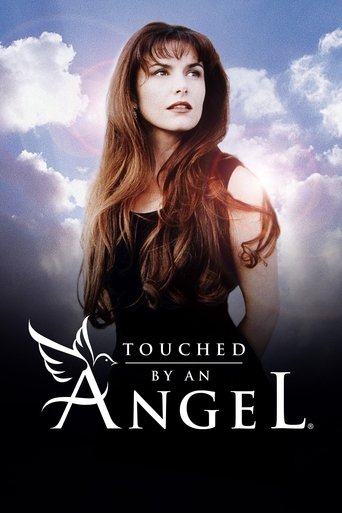
Touched by an Angel
1994 · TV
as Dr. John
Treme
2010 · TV
as Dr. John

Blues Brothers 2000
1998
as The Louisiana Gator Boys
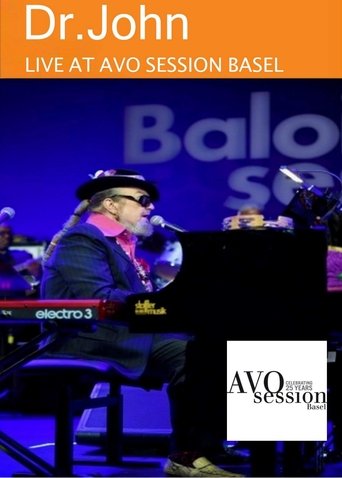
Dr John . feat.Arturo Sandoval & Sarah Morrow -Live At Avio Session Basel
2014
as vocals, piano

Sgt. Pepper's Lonely Hearts Club Band
1978
as Our Guests at Heartland
The Fat Black Pussycat
1963
as Witness (uncredited)
As themselves
Film & TV data from TMDB. This product uses the TMDB API but is not endorsed or certified by TMDB.
Dr. John in brief
- How many Dr. John releases are on Riffiter?
- 157 releases are catalogued, spanning 1958 to 2026.
- When was Dr. John formed?
- Dr. John formed in 1968, in United States.
- What genre is Dr. John?
- Dr. John is catalogued under Blues.
- What is the most recent Dr. John release on Riffiter?
- Live at Rockpalast 1999, released in 2026.


