

Béla Bartók
Béla Bartók is a classical artist. 26 releases are catalogued on Riffiter.
- 26
- Releases
- 1965–1965
- Active years
- 1945
- Died
Discography
26Rank them 1 vs 1 →Two covers at a time. Pick the one you rate higher, we build the order.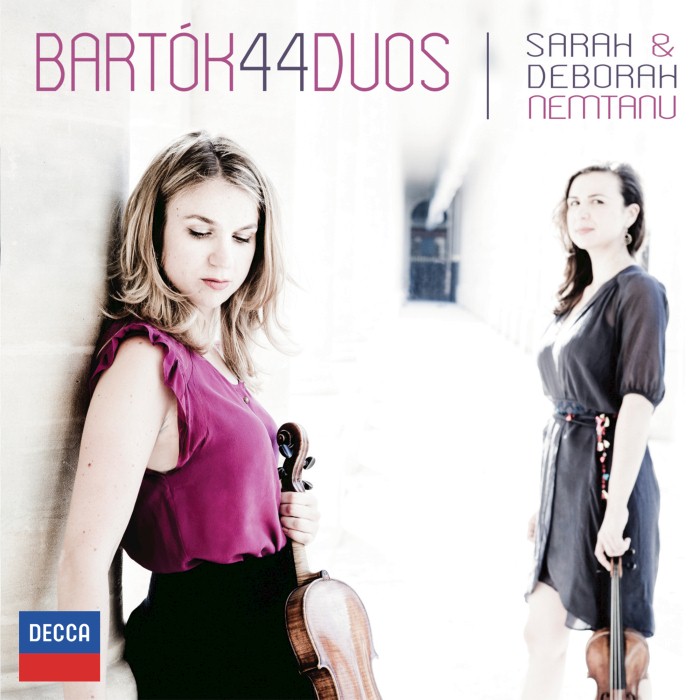
Most popular
44 Duos
2016 · 44 tracks
- Bartok Music for Strings, Percussion, and Celesta / Stravinsky Apollo (Berlin Philharmonic Orchestra cond. Herbert von Karajan)
Bartok Music for Strings, Percussion, and Celesta / Stravinsky Apollo (Berlin Philharmonic Orchestra cond. Herbert von Karajan)
1980
The Rose Collection: Concerto for Orchestra & The Miraculous Mandarin
1995
Violin Concerto No. 2 / Viola Concerto
1994
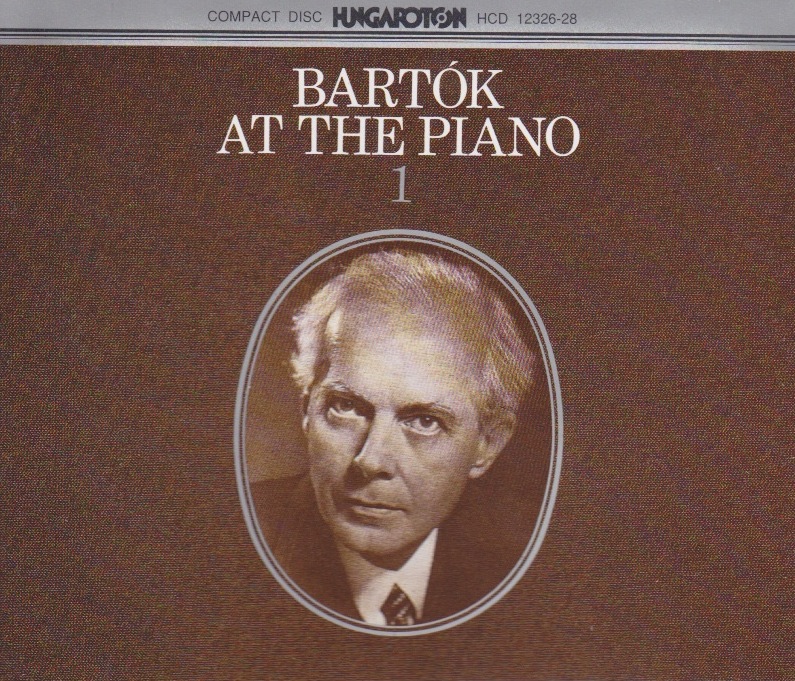
Bartók At the Piano 1
1991
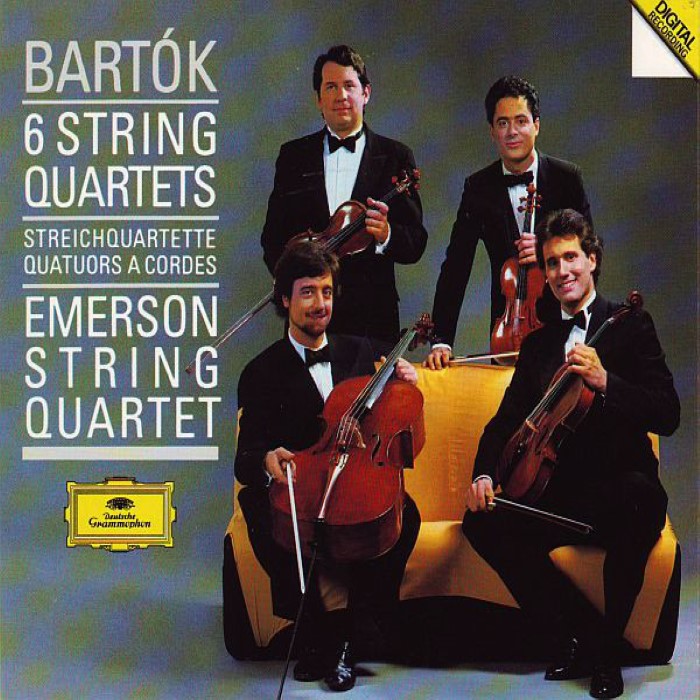
Die 6 Streichquartette
1988
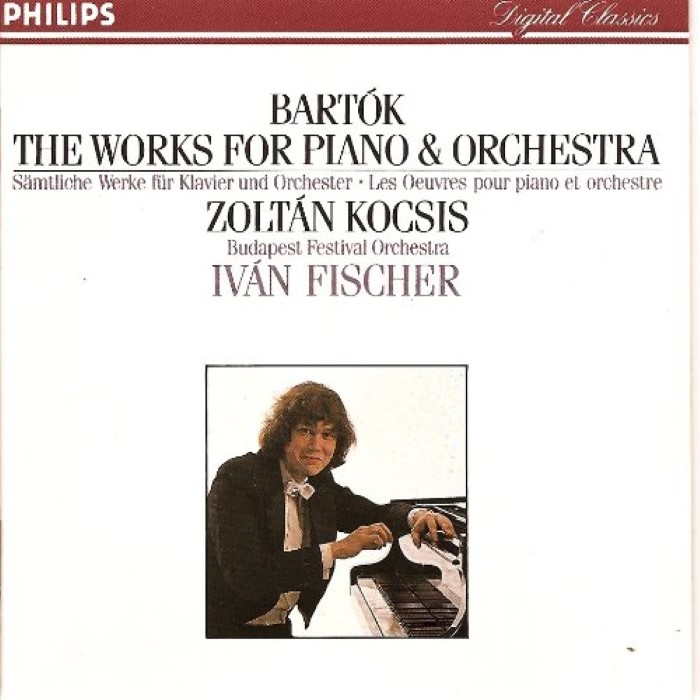
Works for Piano and Orchestra
1987
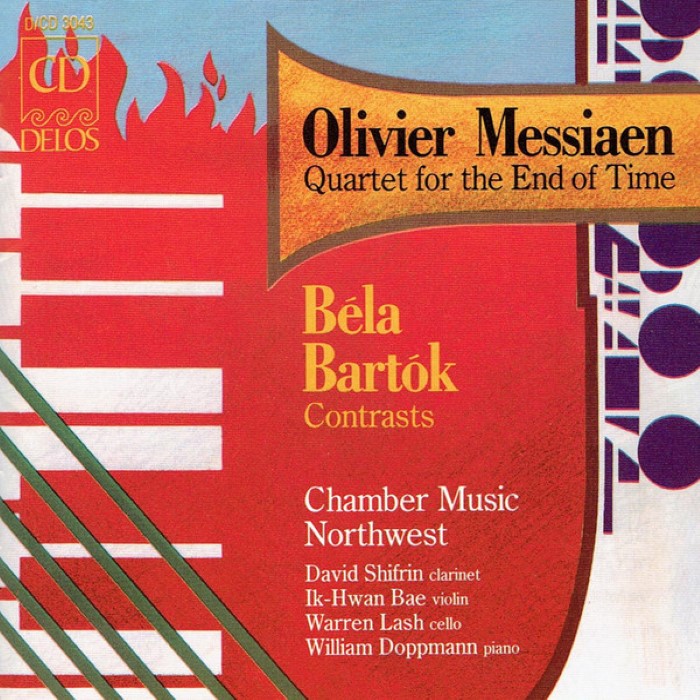
Messiaen: Quartet for the End of Time / Bartok: Contrasts
1987
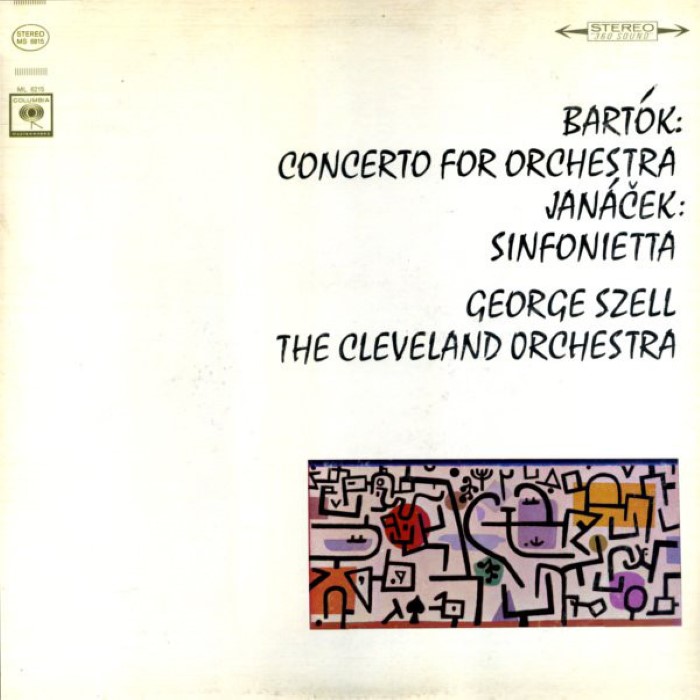
Bartok: Concerto for Orchestra / Janacek: Sinfonietta
1986
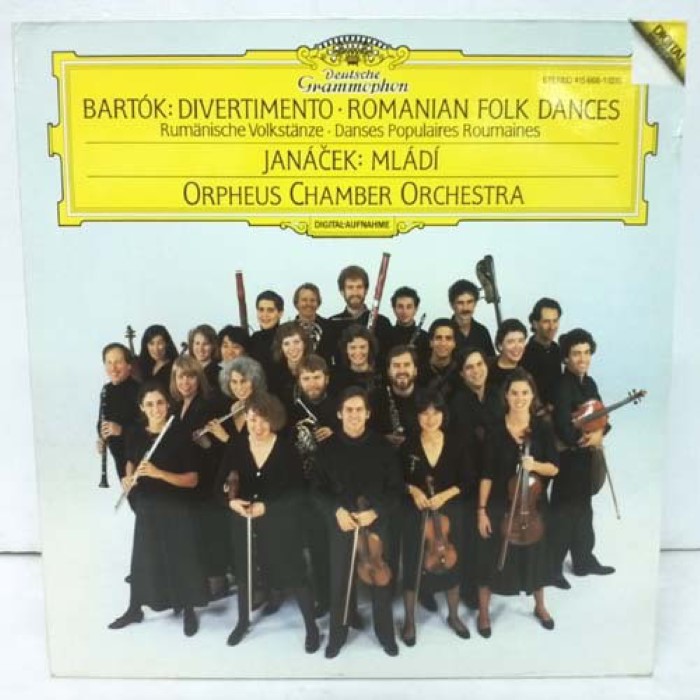
Divertimento / Romanian folk dances - Janacek: Mladi (Orpheus chamber orchestra)
1986
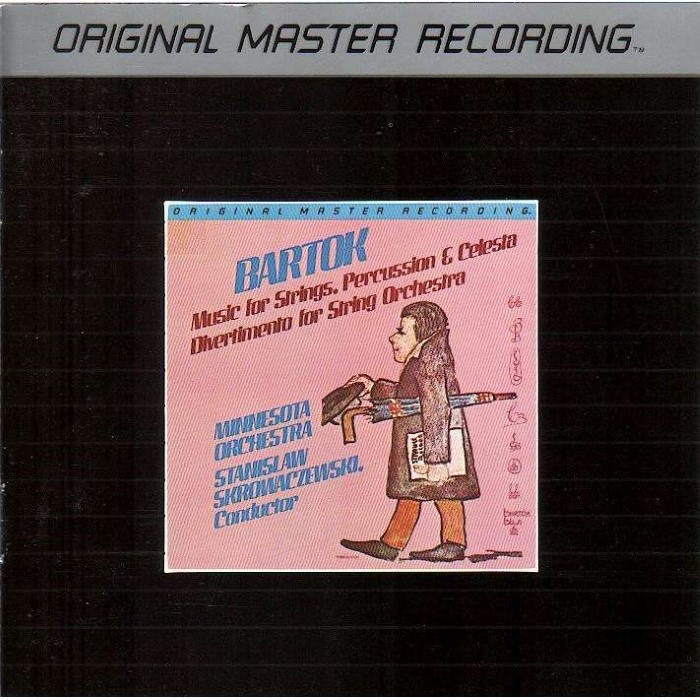
Music for Strings, Percussion and Celesta / Divertmento for String Orchestra (Minnesota Orchestra feat. conductor: Stanislaw Skrowaczski)
1986
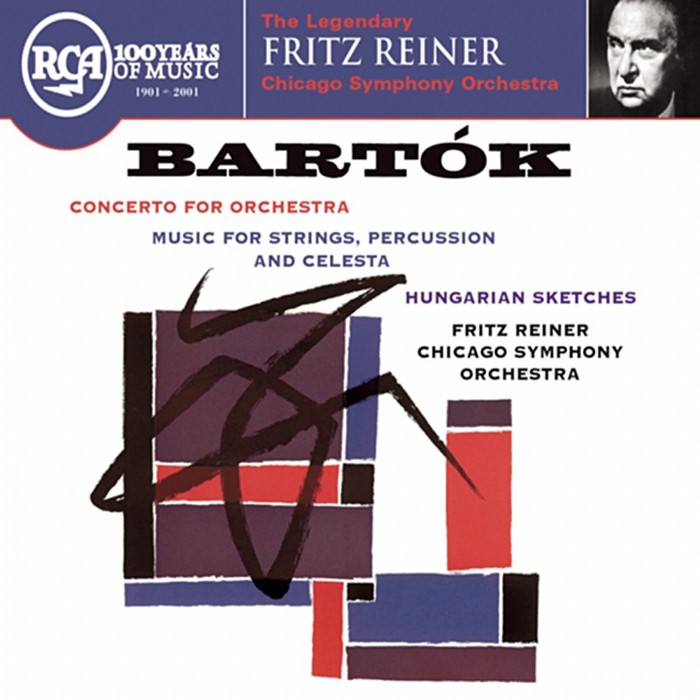
Concerto for Orchestra / Music for Strings, Percussion and Celesta (Chicago Symphony Orchestra feat. conductor: Fritz Reiner)
1986
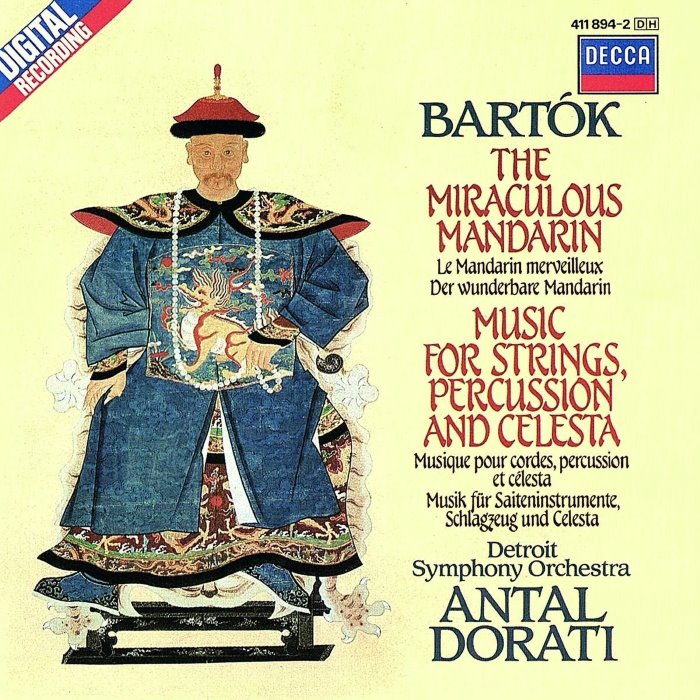
The Miraculous Mandarin / Music For Strings, Percussion and Celesta (Detroit Symphony Orchestra feat. conductor: Antal Dorati)
1985
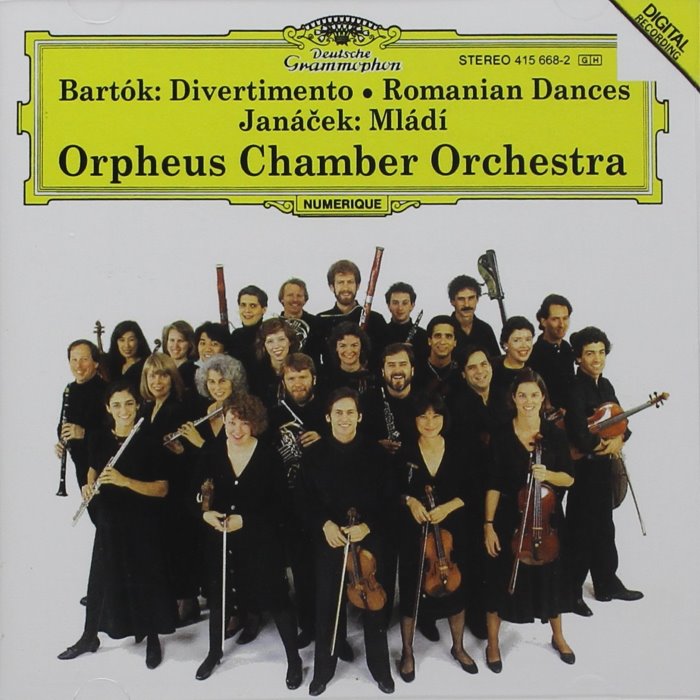
Béla Bartók: Divertimento · Romanian Folk Dances / Leoš Janáček: Mládí
1985
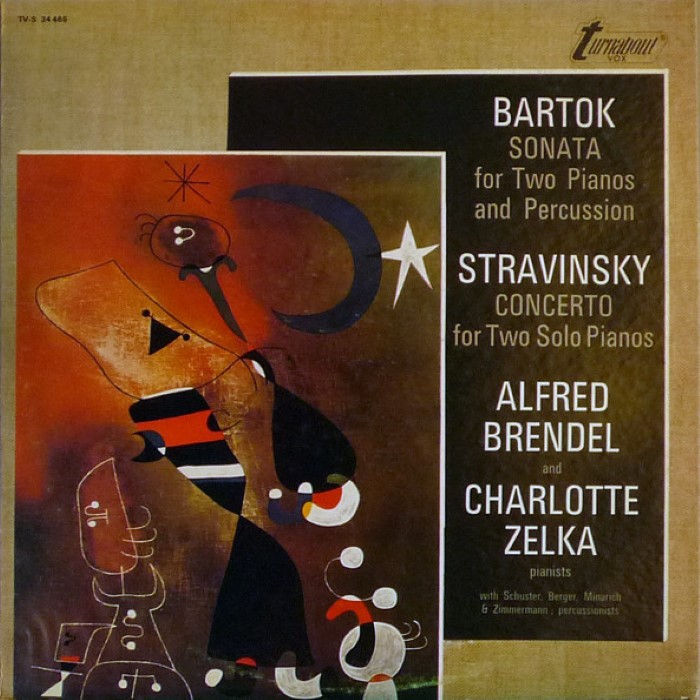
Bartok: Concerto for two pianos, percussion & orchestra - Kodaly: dances of Galanta
1985
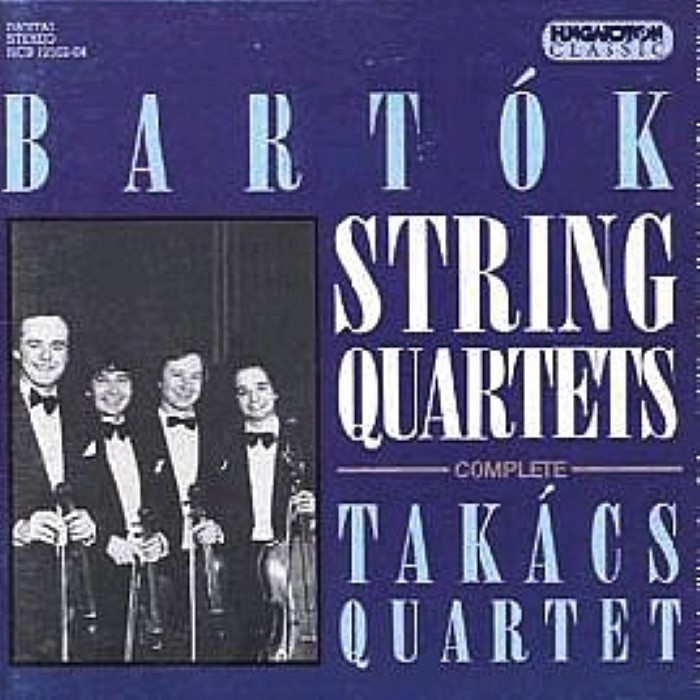
The Six String Quartets
1984
Music for Strings, Percussion and Celesta / Divertimento (Liszt Ferenc Chamber Orchestra feat. conductor: János Rolla)
1984
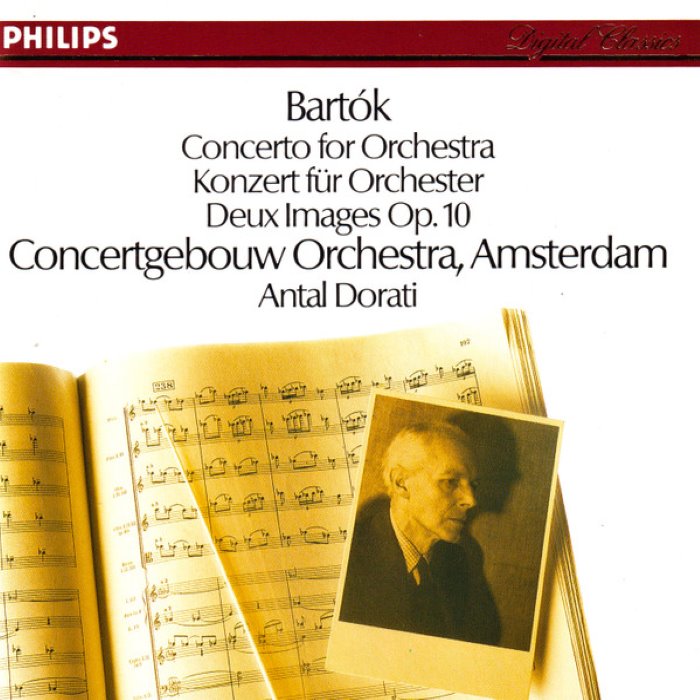
Concerto pour Orchestre / Deux images Op. 10 (Concertgebouw Orchestra Amsterdam feat. conductor: Antal Dorati)
1983
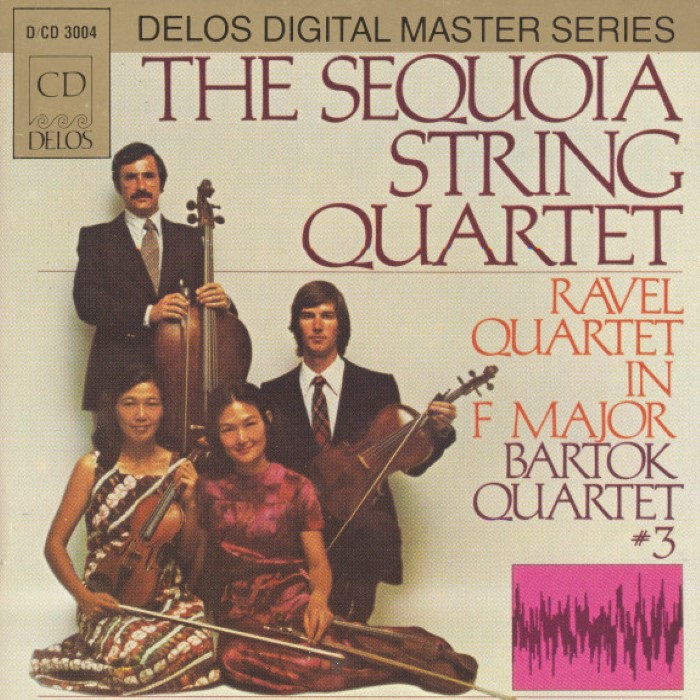
Ravel Quartet in F major / Bartók Quartet No. 3
1983
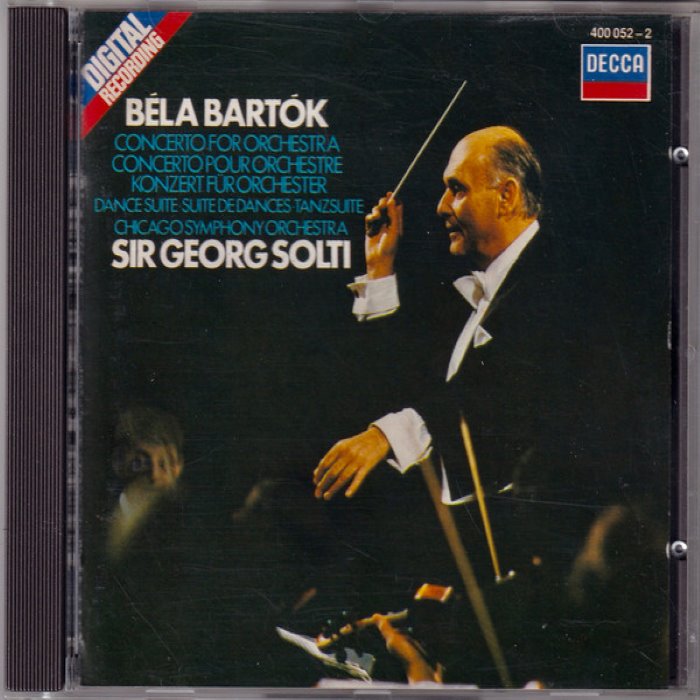
Concerto for Orchestra / Dance Suite (Chicago Symphony Orchestra feat. conductor: Sir Georg Solti)
1982
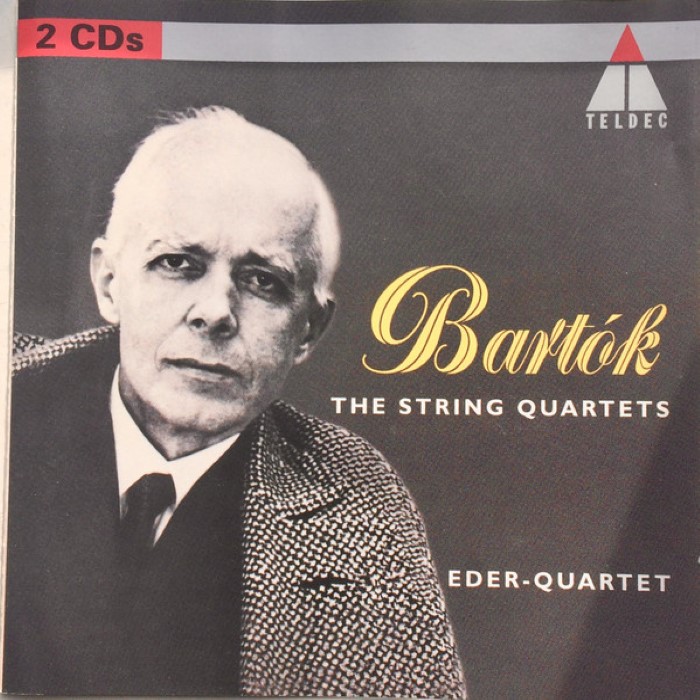
The String Quartets (Éder Quartet)
1981

Hungarian Folk Music Collected by Béla Bartók (Hungaroton Classics)
1980
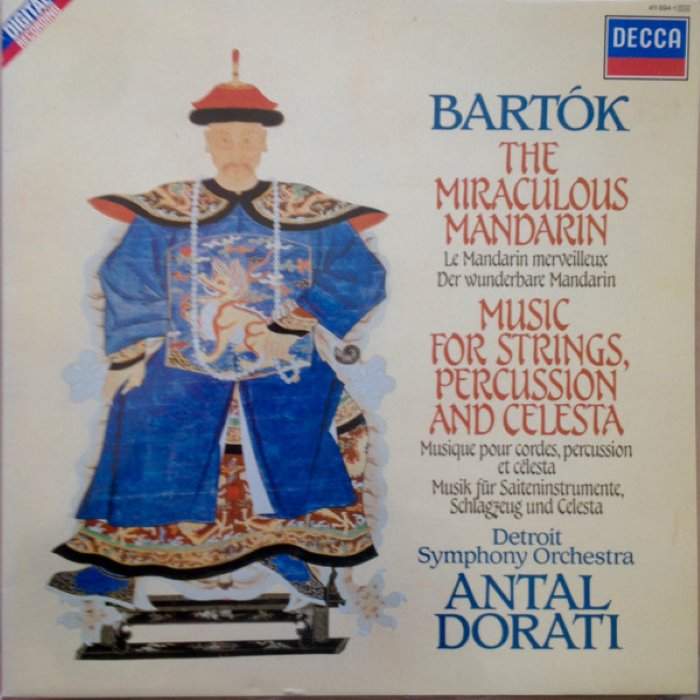
The Miraculous Mandarin/Music for Strings, Percussion and Celesta (Philadelphia Orchestra feat. conductor: Eugene Ormandy)
1979
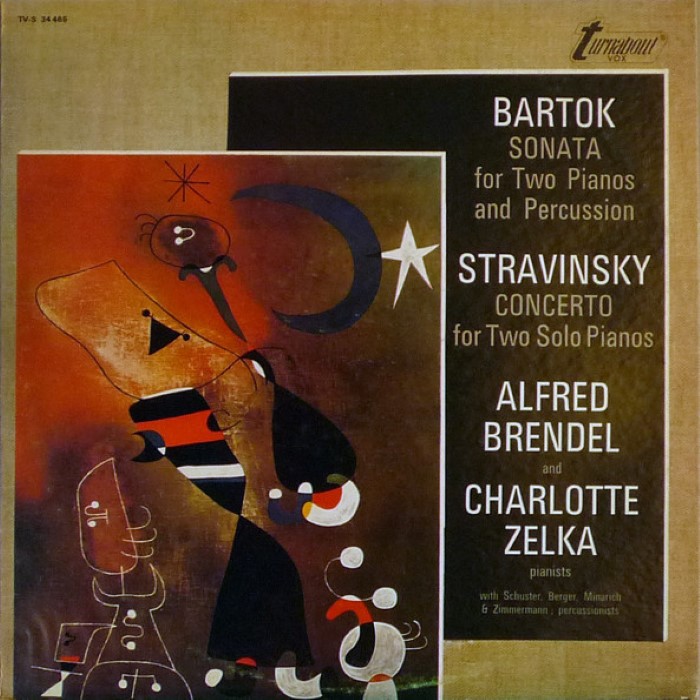
Béla Bartók: Sonata for 2 Pianos and Percussion / Igor Stravinsky: Concerto for 2 Solo Pianos, Sonata for 2 Pianos
1978
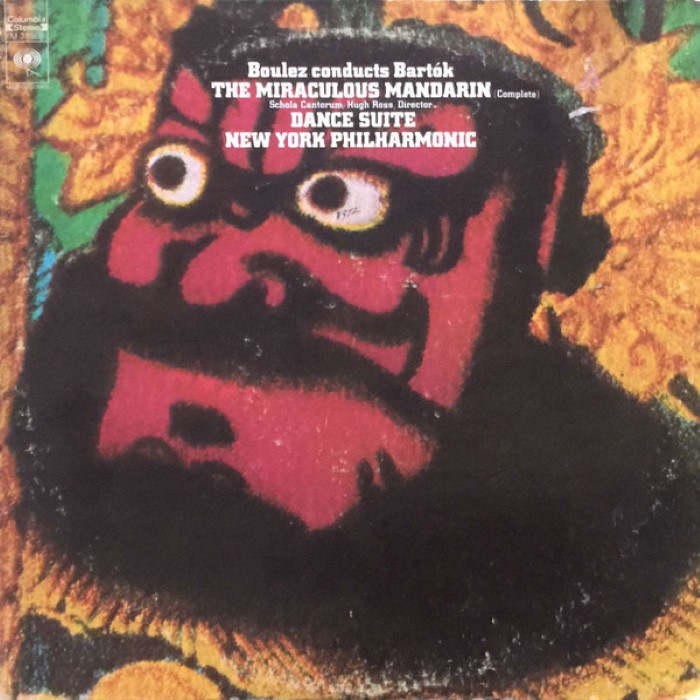
The Miraculous Mandarin
1977
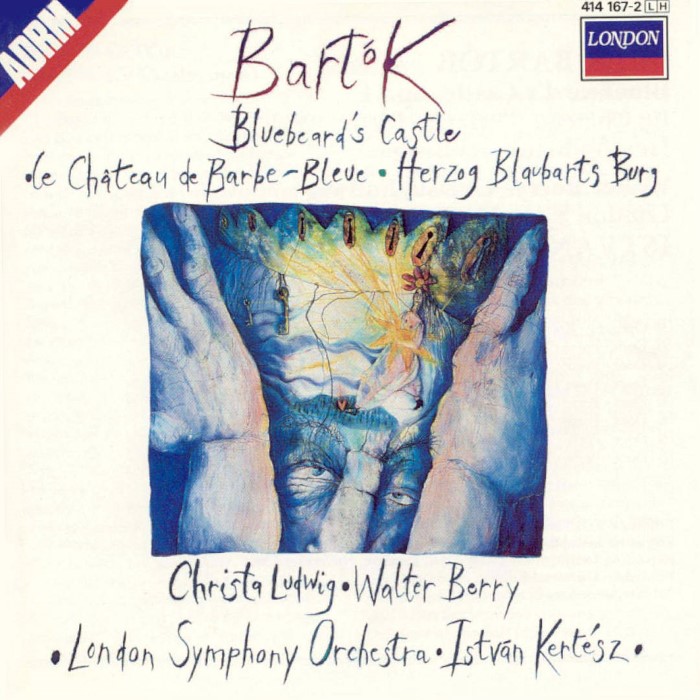
Bluebeard's Castle (London Symphony Orchestra, conductor: István Kertész)
1965
Appears on
5Releases by other artists featuring Béla Bartók.
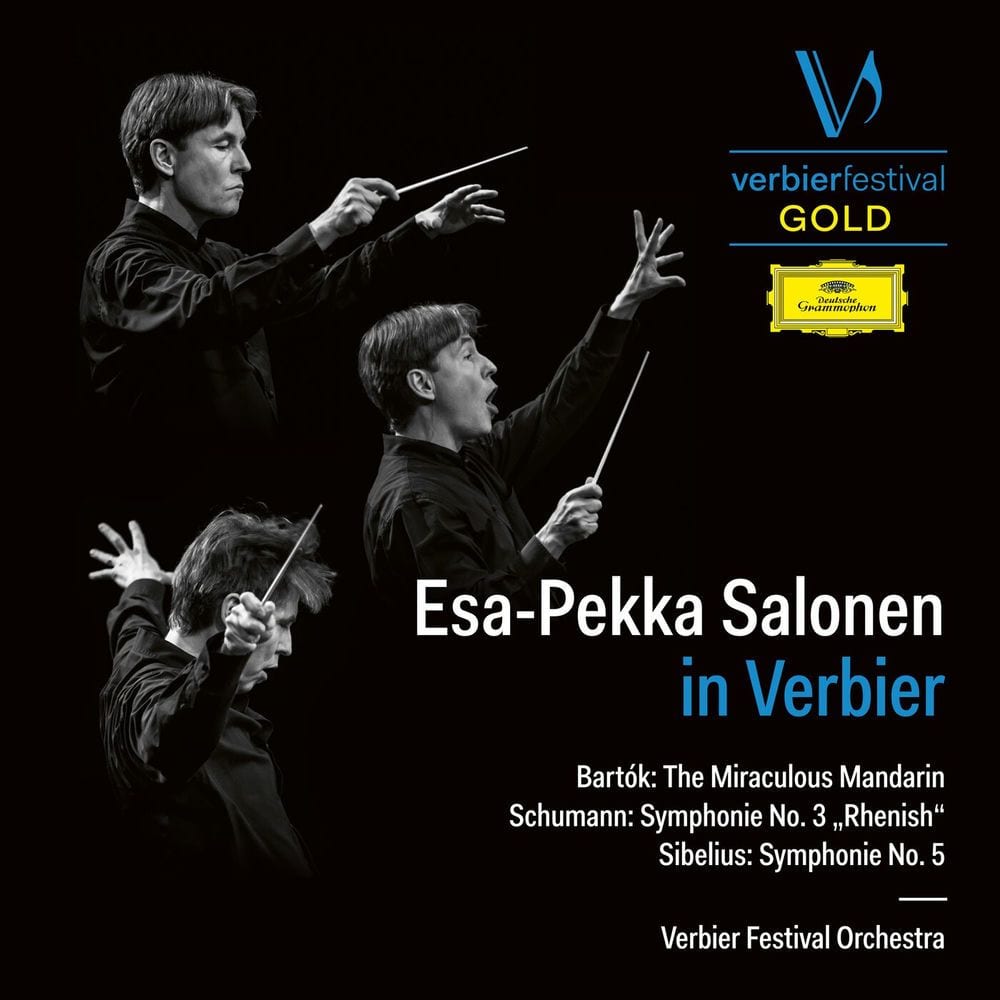
Esa-Pekka Salonen in Verbier (Bartók: The Miraculous Mandarin – Schumann: Symphonie No. 3 "Rhenish" – Sibelius: Symphonie No. 5) (Live)
Verbier Festival Orchestra · 2023

Homage to Paderewski
Benjamin Britten · 2024

Bartók, Rachmaninoff & Shostakovich: London Symphony Orchestra
Dmitri Shostakovich · 2023
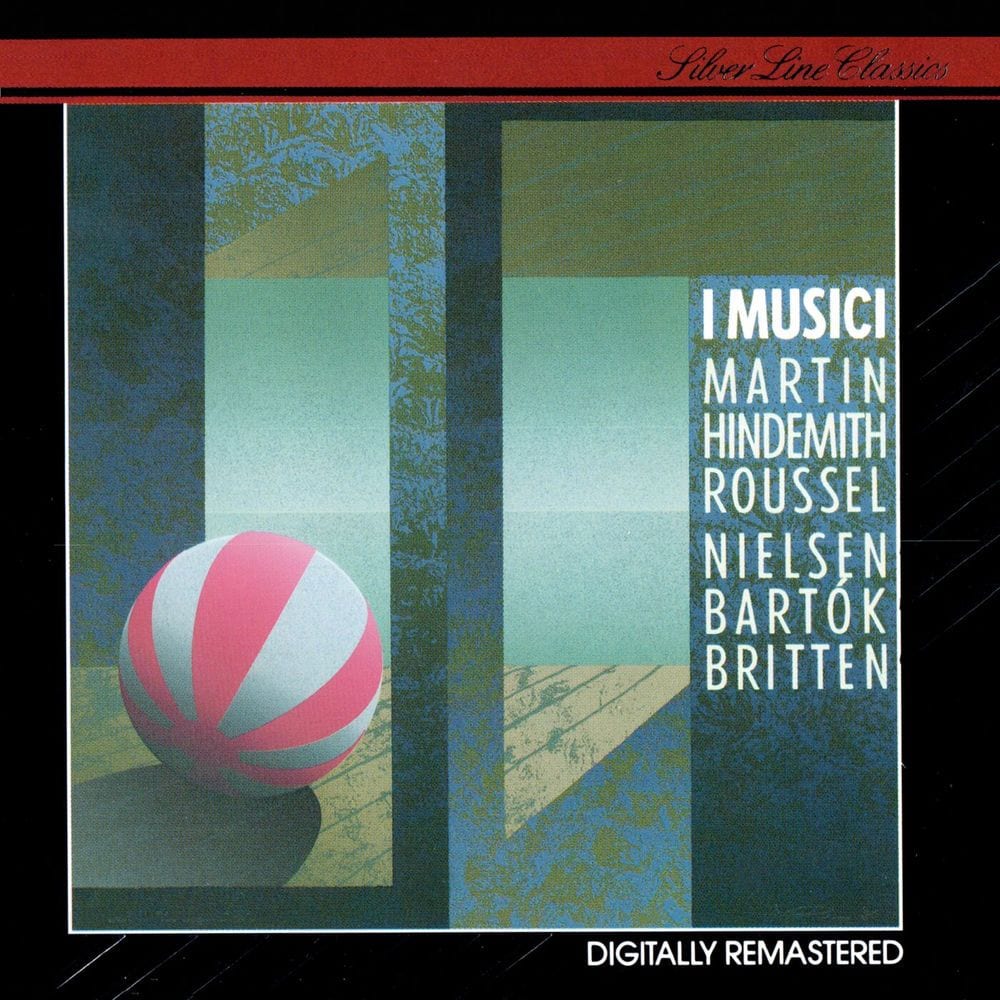
Roussel, Martin, Nielsen, Hindemith, Bartók & Britten
Benjamin Britten · 2023

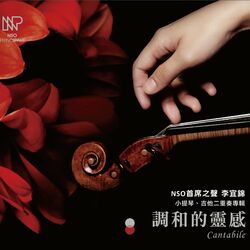
NSO Principals Series: Cantabile Violin & Guitar
Manuel de Falla · 2020


Featured tracks
22 Bartók: 3 Hungarian Folk Tunes, Sz. 66: III. MaestosoBenjamin Britten · Homage to Paderewski
- Bartók: 3 Hungarian Folk Tunes, Sz. 66: I. Andante tranquillo, rubatoBenjamin Britten · Homage to Paderewski
- Bartók: 3 Hungarian Folk Tunes, Sz. 66: II. Allegro non troppo, un poco rubatoBenjamin Britten · Homage to Paderewski
 The Wooden Prince, Sz. 60 : Bartók: The Wooden Prince, Sz. 60: 4th Dance. Dance of the Princess with the Wooden DollDmitri Shostakovich · Bartók, Rachmaninoff & Shostakovich: London Symphony Orchestra
- The Wooden Prince, Sz. 60 : Bartók: The Wooden Prince, Sz. 60: 6th Dance. She Tries to Attract the Real Prince with Her Seductive DancingDmitri Shostakovich · Bartók, Rachmaninoff & Shostakovich: London Symphony Orchestra
 Le Montagnard, Op. 34: III. Rondeau MontagnardManuel de Falla · NSO Principals Series: Cantabile Violin & Guitar
- Romanian Folk Dance, Sz. 56: I. Stick DanceManuel de Falla · NSO Principals Series: Cantabile Violin & Guitar
- Romanian Folk Dance, Sz. 56: II. Sash DanceManuel de Falla · NSO Principals Series: Cantabile Violin & Guitar
- Romanian Folk Dance, Sz. 56: III. In One SpotManuel de Falla · NSO Principals Series: Cantabile Violin & Guitar
- Romanian Folk Dance, Sz. 56: IV. Dance from BuciumManuel de Falla · NSO Principals Series: Cantabile Violin & Guitar
- Romanian Folk Dance, Sz. 56: V. Romanian PolkaManuel de Falla · NSO Principals Series: Cantabile Violin & Guitar
- Romanian Folk Dance, Sz. 56: VI. Fast DanceManuel de Falla · NSO Principals Series: Cantabile Violin & Guitar
- Le Montagnard, Op. 34: I. IntroductionManuel de Falla · NSO Principals Series: Cantabile Violin & Guitar
- Le Montagnard, Op. 34: II. AndantinoManuel de Falla · NSO Principals Series: Cantabile Violin & Guitar
Collaborators
4


Community
More about Béla Bartók
Béla Bartók at a glance
- Born in
- Sânnicolau Mare
- From
- Hungary, United States
- Instruments
- piano
- Member of
- Hungarian Academy of Sciences, Romanian Academy
- Educated at
- Franz Liszt Academy of Music, Gymnasium Grösslingová
- Former spouse
- Ditta Pásztory-Bartók (1923–1945), Márta Ziegler (1909–1923)
- Children
- Péter Bartók, Béla Bartók
- Parents
- Béla Bartók, Paula Voit
- Family
- Ervin Voit, Ilonka Bartók
Facts from Wikidata (CC0). Children listed are those with their own public record, so the list may be incomplete.
About
Béla Viktor János Bartók; March 25, 1881 – September 26, 1945) was a Hungarian composer and pianist. He is considered one of the most important composers of the 20th century; he and Liszt are regarded as Hungary's greatest composers (Gillies 2001). Through his collection and analytical study of folk music, he was one of the founders of ethnomusicology. Béla Bartók was born in the small Banatian town of Nagyszentmiklós in the Kingdom of Hungary, Austria-Hungary (since 1920 Sânnicolau Mare, Romania) on March 25, 1881. Bartók's family reflected some of the ethno-cultural diversities of the country. His father, Béla Sr., considered himself thoroughly Hungarian, because on his father's side the Bartók family was a Hungarian lower noble family, originating from Borsod county (Móser 2006a, 44; Bartók 1981, 13), though his mother, Paula (born Paula Voit), had German as a mother tongue, but was ethnically of "mixed Hungarian" (Bayley 2001, 16).
Read moreRead less
mong her closest forefathers there were family names like Polereczky (Magyarized Polish or Slovak) and Fegyveres (Magyar). Béla displayed notable musical talent very early in life: according to his mother, he could distinguish between different dance rhythms that she played on the piano before he learned to speak in complete sentences (Gillies 1990, 6). By the age of 4, he was able to play 40 pieces on the piano; his mother began formally teaching him the next year. Béla was a small and sickly child and suffered from severe eczema until the age of 5 (Gillies 1990, 5). In 1888, when he was seven, his father (the director of an agricultural school) died suddenly. Béla's mother then took him and his sister, Erzsébet, to live in Nagyszőlős (today Vinogradiv, Ukraine) and then to Pozsony (German: Pressburg, today Bratislava, Slovakia). In Pozsony, Béla gave his first public recital at age 11 to a warm critical reception. Among the pieces he played was his own first composition, written two years previously: a short piece called "The Course of the Danube" (de Toth 1999). Shortly thereafter László Erkel accepted him as a pupil. ...
Béla Bartók in brief
- How many Béla Bartók releases are on Riffiter?
- 26 releases are catalogued, spanning 1965 to 2016.
- What genre is Béla Bartók?
- Béla Bartók is catalogued under Classical, Contemporary Classical.
- What is the most recent Béla Bartók release on Riffiter?
- 44 Duos, released in 2016.
- Does Béla Bartók have children?
- Péter Bartók, Béla Bartók are children of Béla Bartók on public record.


