

Artist
Lindisfarne
Lindisfarne is a folk artist from Newcastle upon Tyne formed in 1970. 33 releases are catalogued on Riffiter.
Folk · Newcastle upon Tyne · Best folk albums
- 33
- Releases
- 1970–2026
- Active years
- 1970
- Formed
Discography
33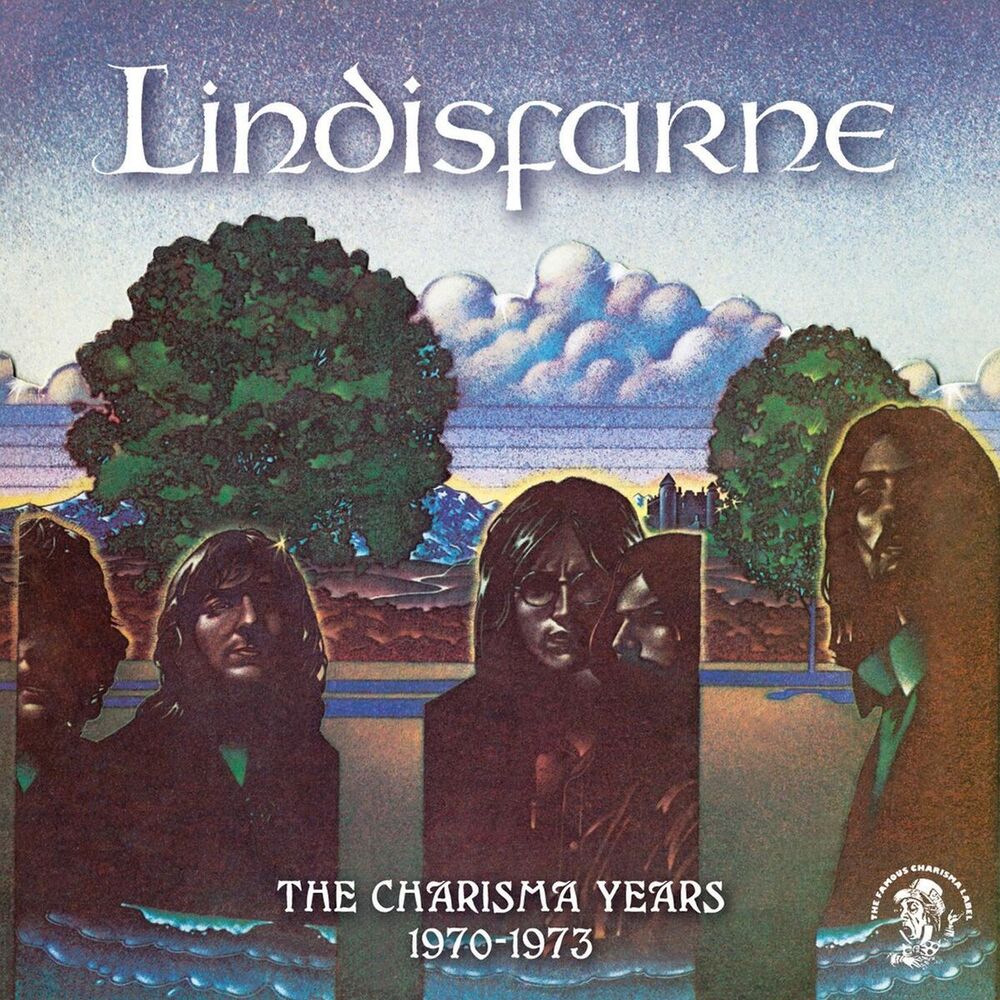
Most popular
The Charisma Years (1970-1973)
2011
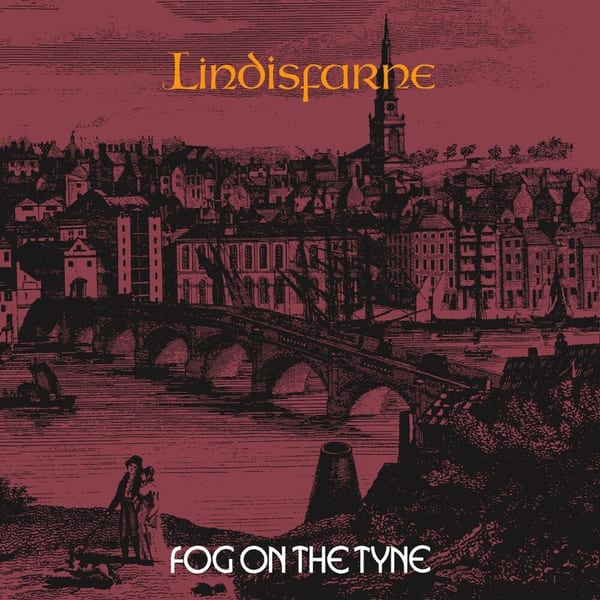
Fog on the Tyne
1971
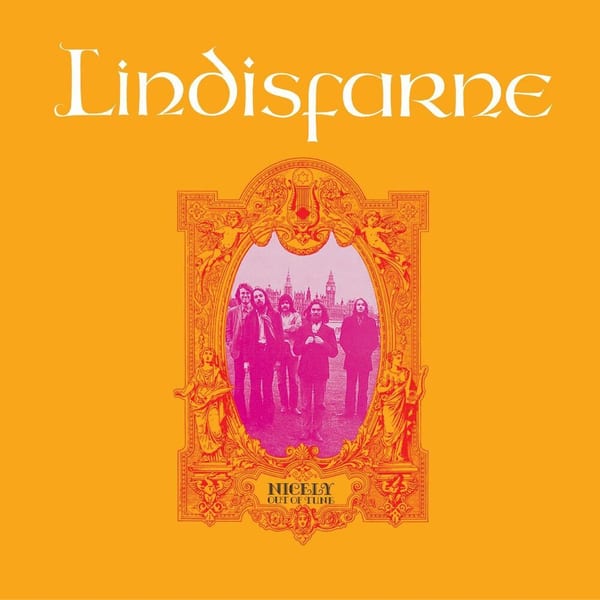
Nicely Out of Tune
1970
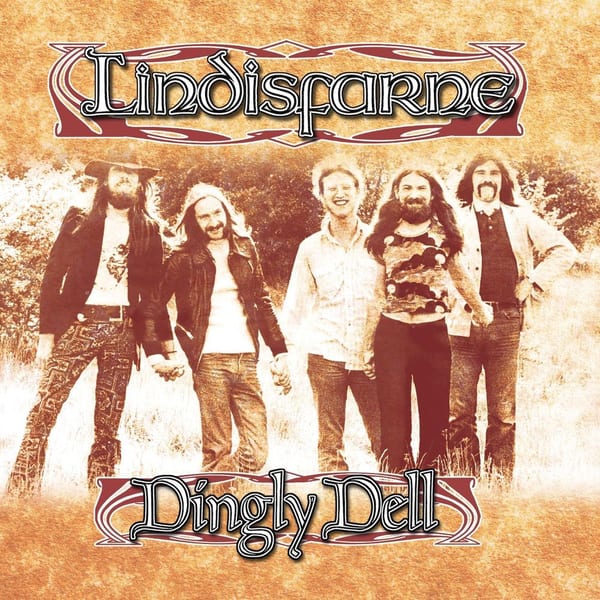
Dingly Dell
1972
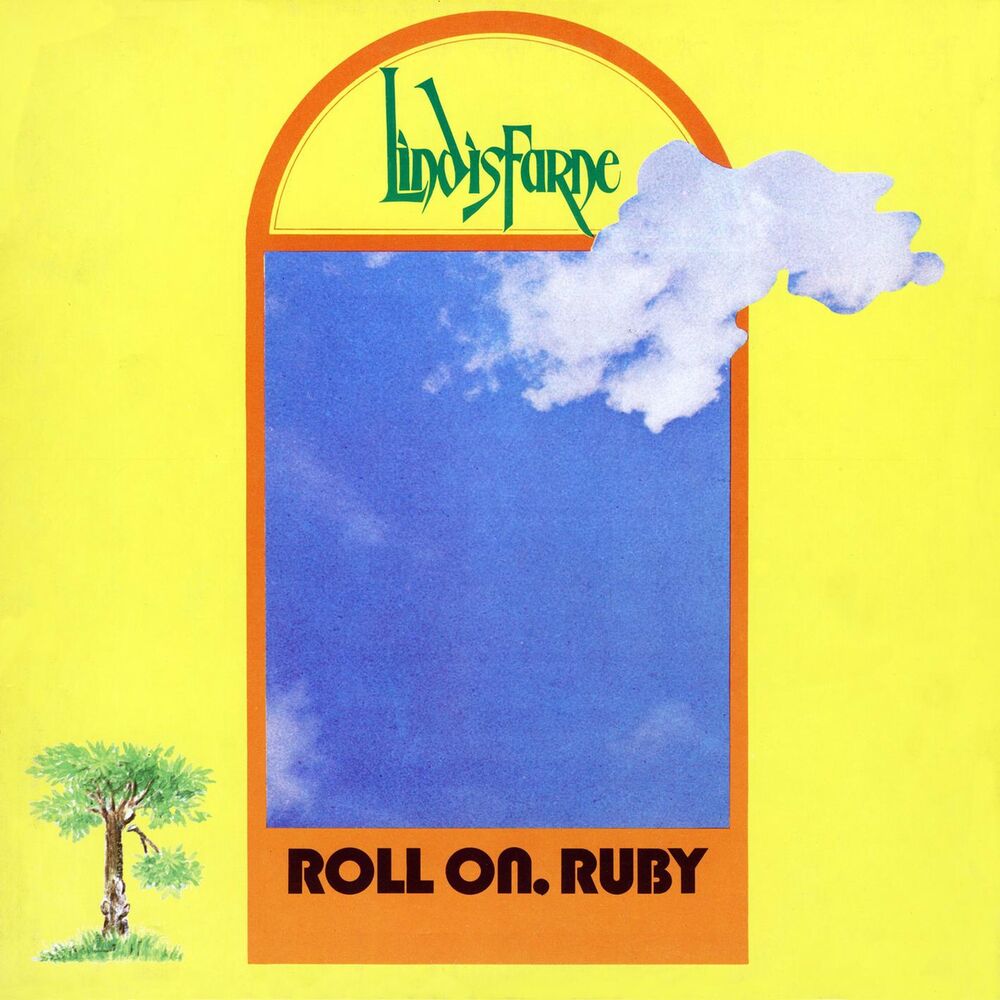
Roll on Ruby
1973

Elvis Lives on the Moon
1993

Anthology: Road To Kingdome Come
2026

Live: Magic In The Air / Caught In The Act
2026

Live, Newcastle City Hall, December 1979
2024

Radio Times: Live At The BBC 1971-1990 (Live)
2023

The Best of Lindisfarne - 16 Classic Tracks
2021

Meet Me On the Corner - The Best of Lindisfarne
2013

Amigos
2011

Sleepless Nights
2011
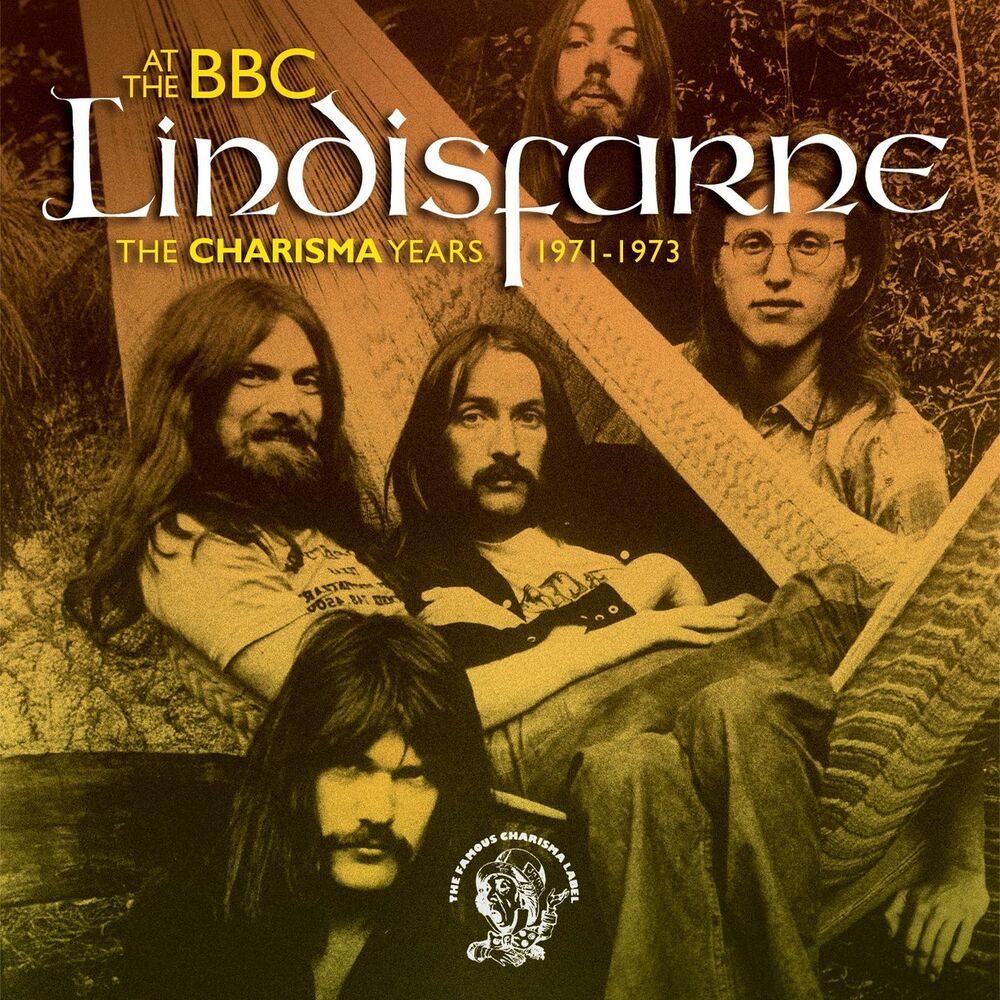
Lindisfarne At The BBC (The Charisma Years 1971-1973)
2009
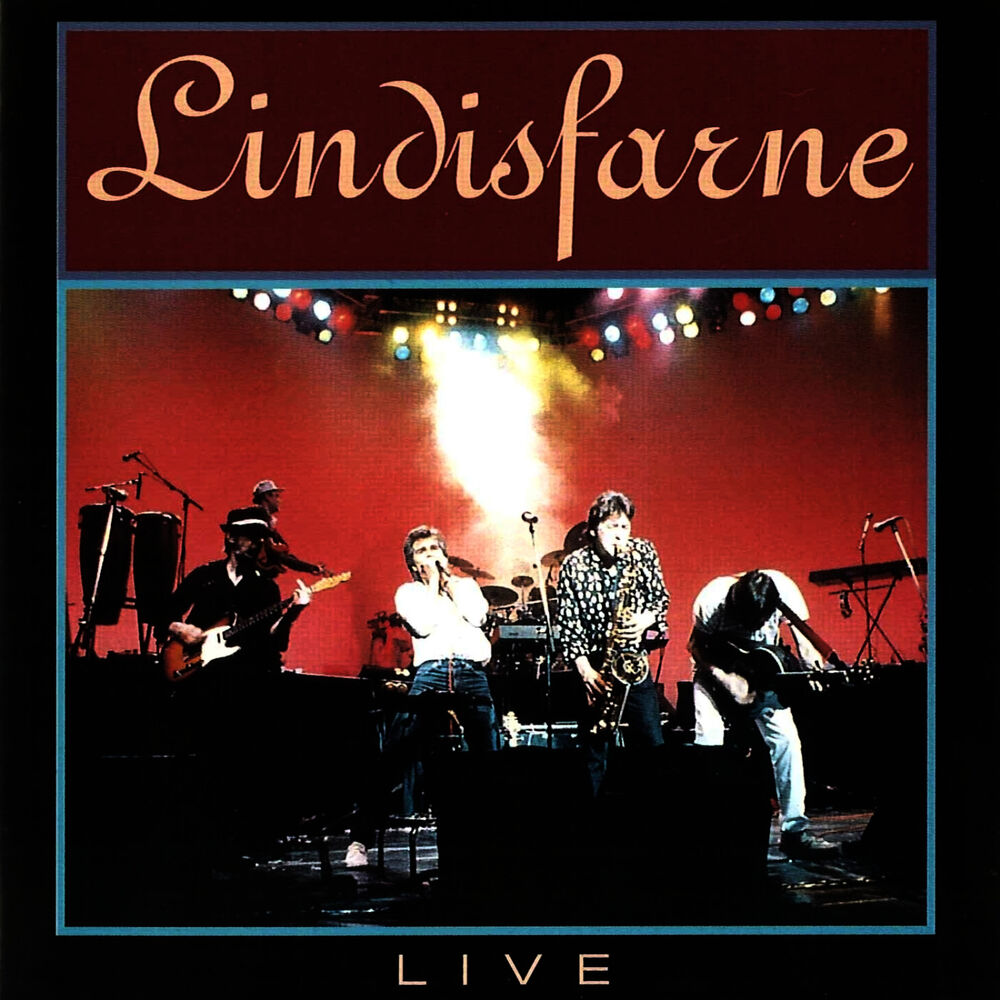
Live
2009
Lindisfarne Live in Concert (Live)
2008

Anthology
2007
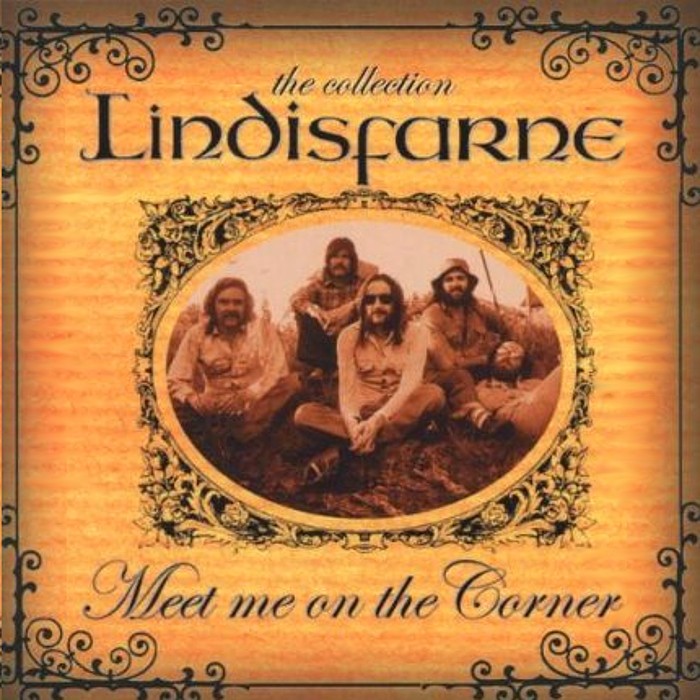
Meet Me on the Corner: The Collection
2006
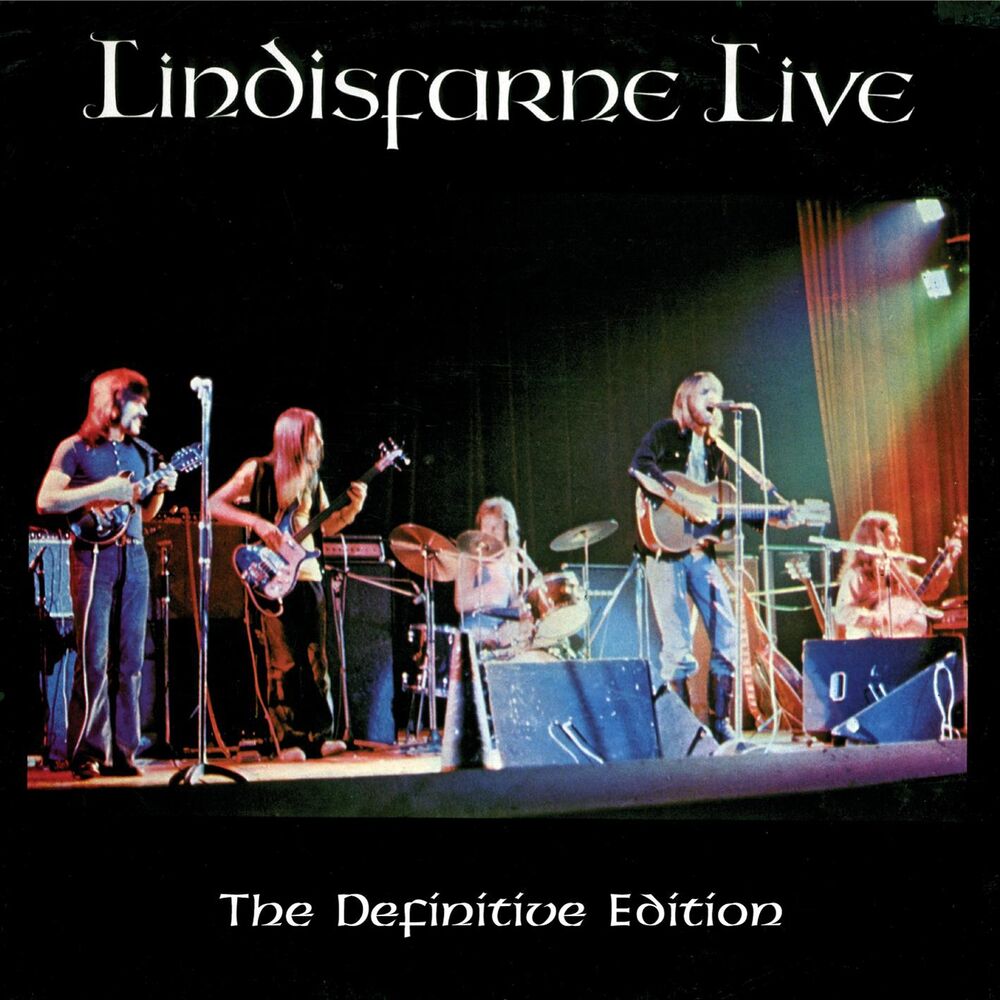
Live - The Definitive Edition
2005
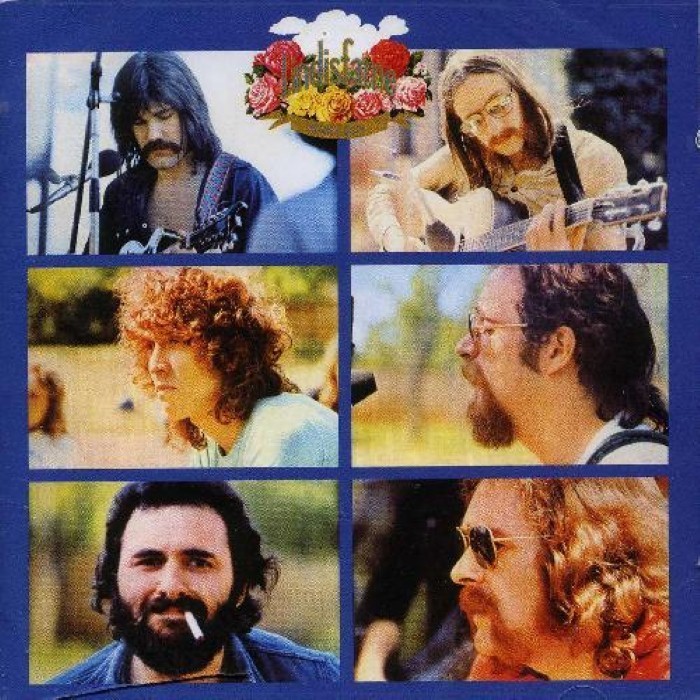
Happy Daze
2005
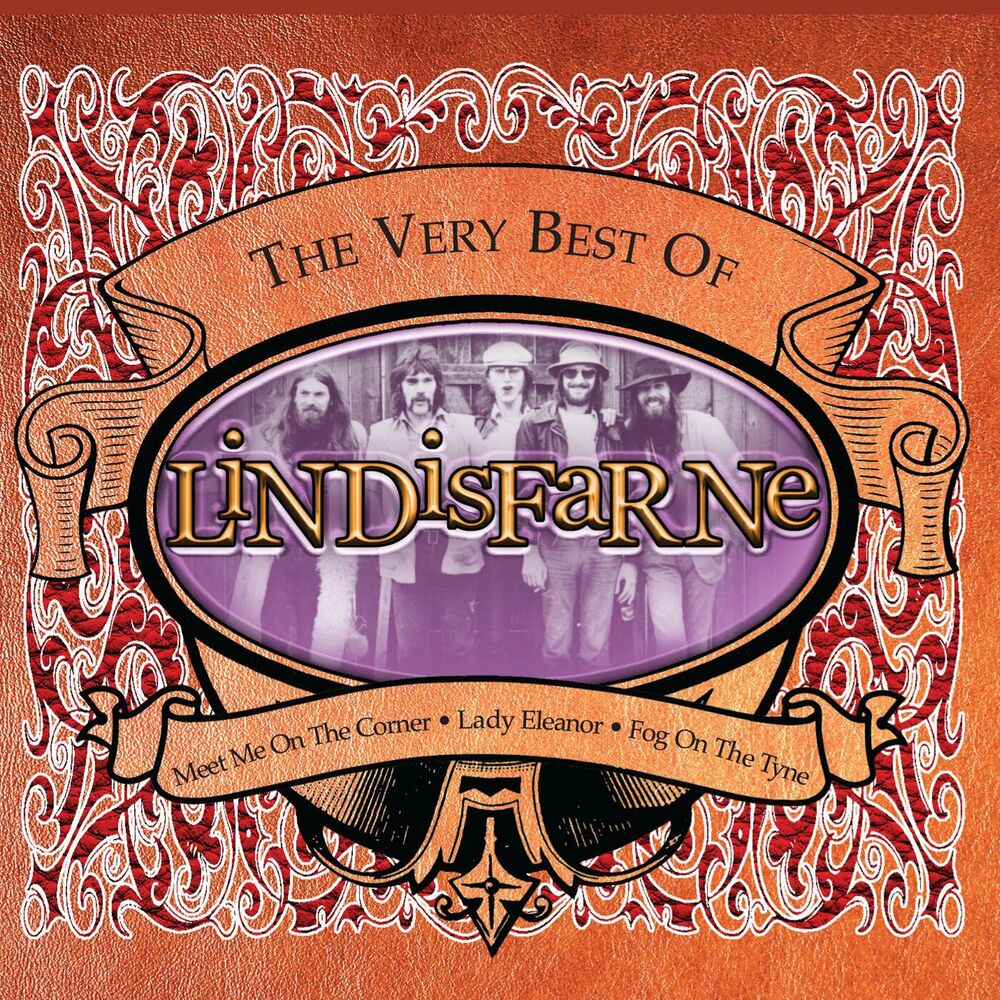
The Very Best Of Lindisfarne
2003
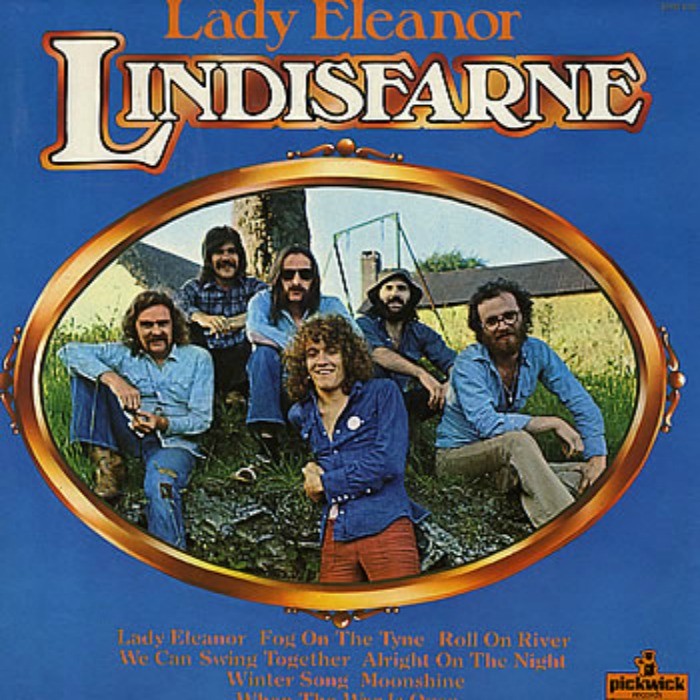
Lady Eleanor
1998
Here Comes the Neighbourhood
1998
On Tap
1996
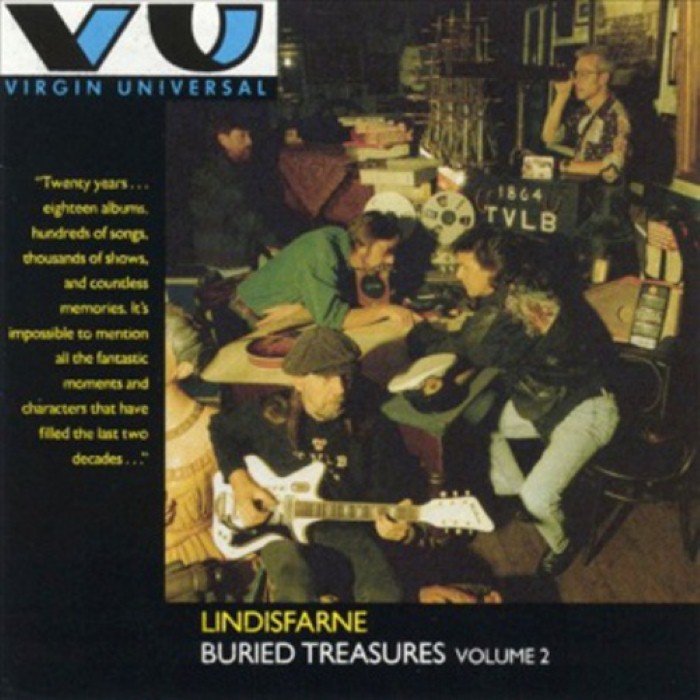
Lindisfarne Buried Treasures, Volume 2
1992
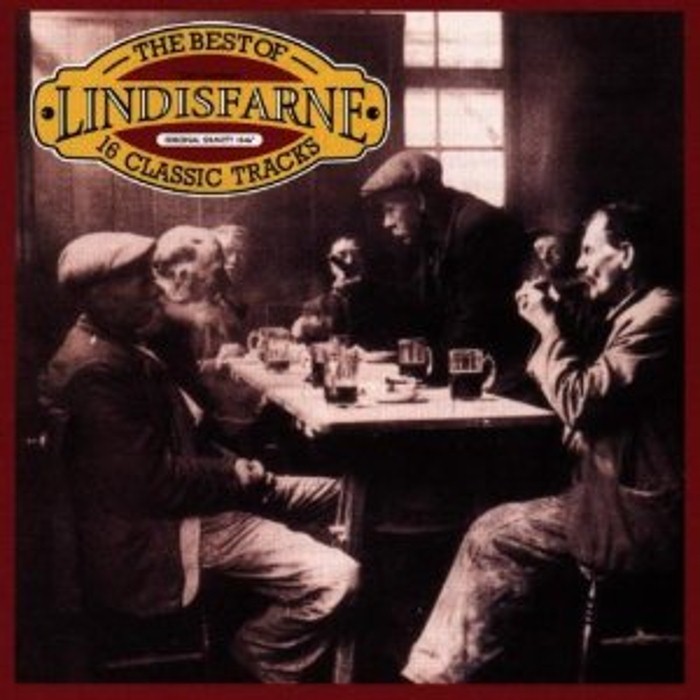
The Best of Lindisfarne
1989
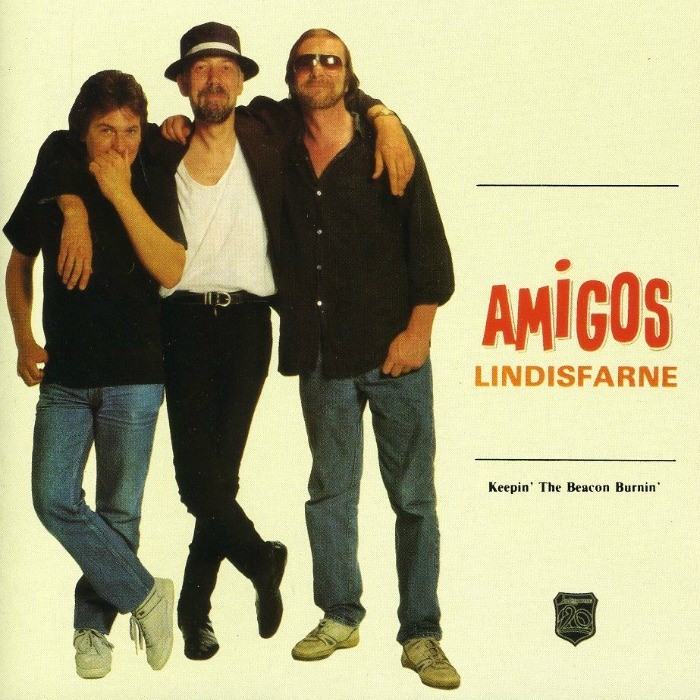
1989 - Amigos
1989

Dance Your Life Away
1986
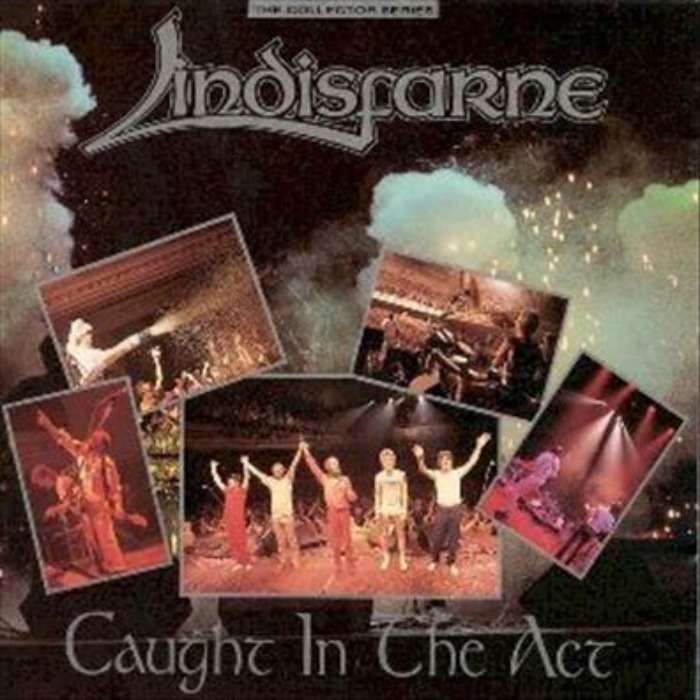
Caught In The Act
1984

The News
1979
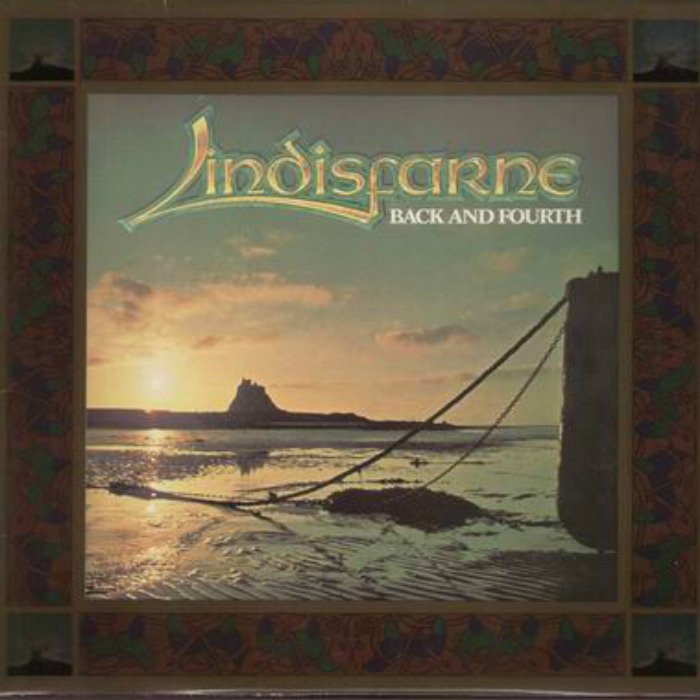
Back and Fourth
1978

Back And Fourth (Reissue)
1978


Upcoming shows
Community
More about Lindisfarne
About
The group began as 'The Downtown Faction', led by Rod Clements, but soon changed their name to Brethren. In 1968, they were joined by Alan Hull and became Lindisfarne after the island of that name off the coast of Northumberland. In 1970 Tony Stratton-Smith signed them to Charisma Records and their debut album Nicely Out of Tune was released that year. This album defined their mixture of bright harmony and up tempo folk rock. Neither single released from the album, "Clear White Light" nor "Lady Eleanor", charted; nor did the album itself at first. However the band obtained a strong following from its popular live concerts. Their second album Fog on the Tyne (1971), produced by Bob Johnston, began their commercial success. This album reached No. 1 in the UK charts the following year. The single "Meet me on the Corner" and a re-release of "Lady Eleanor" followed in 1972. The album Nicely Out Of Tune belatedly made the UK album chart Top 10 and the band began to attract a huge media following, with some calling Hull the greatest songwriter since Bob Dylan. The band were even referred to as the "1970s Beatles".
Read moreRead less
in 1972 they recorded their third album, Dingly Dell. The band were unhappy with the initial production and remixed it themselves. It was released in September 1972. Though it entered the Top 10 in the first week of release, it received lukewarm reviews. The ecologically themed single "All Fall Down" was a UK Singles Chart No. 34 hit but the second single "Court in the Act" failed completely. Internal tensions surfaced during a disappointing tour of Australia in early 1973. Hull initially considered leaving the band, but was persuaded to reconsider. It was agreed that he and Jackson would keep the group name while Cowe, Clements and Laidlaw left to form their own outfit Jack The Lad. They were replaced by Tommy Duffy (bass guitar), Kenny Craddock (keyboards), Charlie Harcourt (guitar) and Paul Nicholls (drums). The new line-up lacked the appeal of the original and with Hull also pursuing a solo career, the band's next two albums Roll On Ruby and Happy Daze and the subsequent singles failed to chart. They disbanded in 1975. The original line-up of Ray Jackson/Alan Hull/Ray Laidlaw/Rod Clements and Si Cowe reformed in 1976 to perform a one-off gig in Newcastle City Hall before returning to their other projects. The Newcastle City Hall reunion was so acclaimed that the band repeated it a year later and decided to get back together on a permanent basis in early 1978. They continued to perform at Newcastle City Hall every Christmas for many years performing a total of 132 shows at the venue overall. They gained a new record deal with Mercury returned to the charts in 1978 with the UK chart top 10 hit "Run For Home", an autobiographical song about the rigours of touring and relief at returning home. The song also gave them a hit in various countries including their first top 40 US singles chart hit on Atlantic Records and the album Back and Fourth moved into the UK album chart top 30. Subsequent singles "Juke Box Gypsy" and "Warm Feeling" failed to sustain their newfound success. The next album The News (1979) failed to impress and the band lost their record deal. The next decade witnessed various lineup changes and the band continued to release albums. They formed their own company Lindisfarne Musical Productions and recorded singles such as "I Must Stop Going To Parties" in the mid-1980s, as well as the album Sleepless Nights. In 1984 they supported Bob Dylan and Santana at St James' Park. Saxophone player and vocalist Marty Craggs joined the group shortly afterwards. Throughout this period they played annual Christmas tours and released Dance Your Life Away (1986) and C'mon Everybody (1987) - the latter made up of covers of old rock and roll standards. Another album, Amigos, was released in 1989. In 1990 Lindisfarne introduced themselves to a younger generation with the duet "Fog on the Tyne Revisited" accompanied by footballer Paul Gascoigne, which reached No. 2 in the UK singles chart. Soon afterwards Jackson left the band. Cowe left in 1993, shortly after the recording of the album Elvis Lives On The Moon. Hull died on 17 November 1995, but the surviving members continued to use the name. The band continued to play with a fluid line up, releasing two studio albums, Here Comes The Neighbourhood (1997) and Promenade (2002). A number of live albums were also released. Lindisfarne finally broke up in late 2003, performing a final concert on 1 November 2003 at the Newcastle Opera House. The final line up as a band included Dave Hull-Denholm, Billy Mitchell, Rod Clements, Ian Thomson and Ray Laidlaw. Three members continued to tour under the name Lindisfarne Acoustic until May 2004. On 19 November 2005 the friends and colleagues of Alan Hull held a memorial concert at Newcastle City Hall in honour of Hull and included musicians such as Alan Clark, Simon Cowe, Marty Craggs, Steve Cunningham, Steve Daggett, Tommy Duffy, Mike Elliot, Frankie Gibbon, Charlie Harcourt, Brendan Healy, Tim Healy, Ray Jackson, Ray Laidlaw, Finn McArdle, Ian McCallum, Billy Mitchell, Terry Morgan, The Motorettes, Jimmy Nail, Paul Nichols, Tom Pickard, Prelude, Bob Smeaton, Paul Smith and Kathryn Tickell. Proceeds from the concert were donated to The North East Young Musicians Fund. The Alan Hull Award for young musicians in the North East was set up a year later in response to the success of the concert. On 19 July 2012, following a public campaign led by Lindisfarne's former manager from the 1970s, Barry McKay, an Alan Hull memorial plaque was unveiled on the front of Newcastle City Hall, at a ceremony attended by hundreds of fans and filmed by Sky TV and Tyne Tees Television. In February 2013, in support of Newcastle City Hall which was then under threat of closure, Ray Jackson announced he would return to the iconic venue for a Christmas show for the first time in 23 years. Tickets for Ray Jackson's Lindisfarne Christmas Show sold out in 6 hours. A second show was added for December 22nd 2013 (also sold out).
Lindisfarne in brief
- How many Lindisfarne releases are on Riffiter?
- 33 releases are catalogued, spanning 1970 to 2026.
- When was Lindisfarne formed?
- Lindisfarne formed in 1970, in Newcastle upon Tyne.
- What genre is Lindisfarne?
- Lindisfarne is catalogued under Folk.
- What is the most recent Lindisfarne release on Riffiter?
- Anthology: Road To Kingdome Come, released in 2026.