

Artist
Lee Morgan
Lee Morgan is a jazz artist from Philadelphia, Pennsylvania, USA. 49 releases are catalogued on Riffiter.
Jazz · Philadelphia, Pennsylvania, USA · Best jazz albums
- 49
- Releases
- 1956–2024
- Active years
Discography
47
Most popular
Volume 3
1957 · 5 tracks
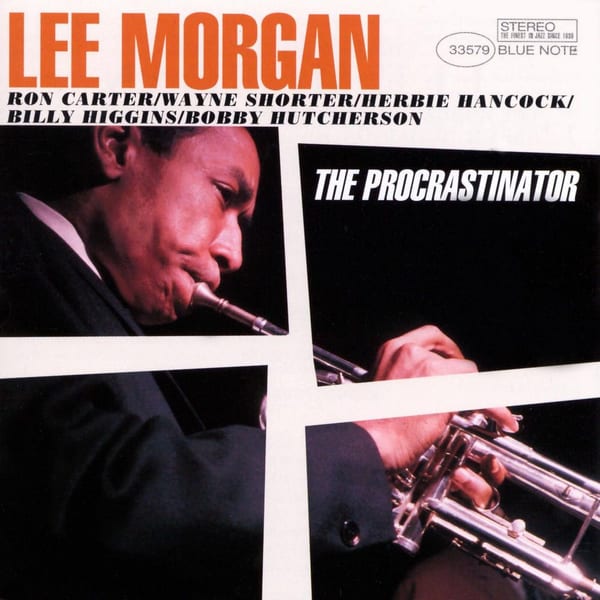
The Procrastinator
1995
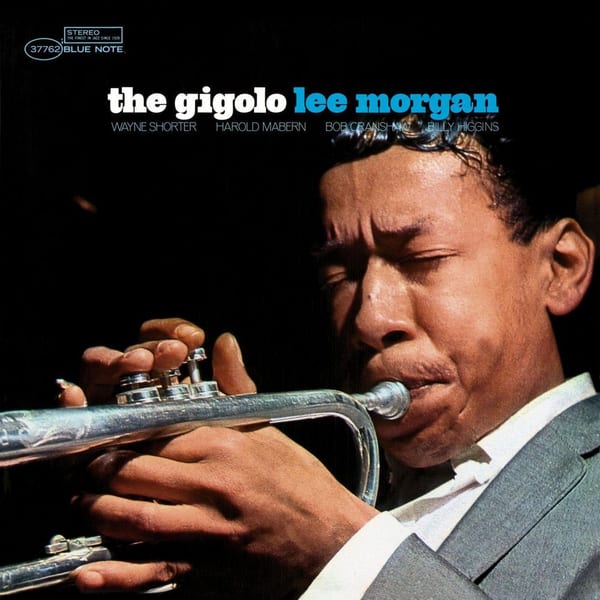
The Gigolo
1966
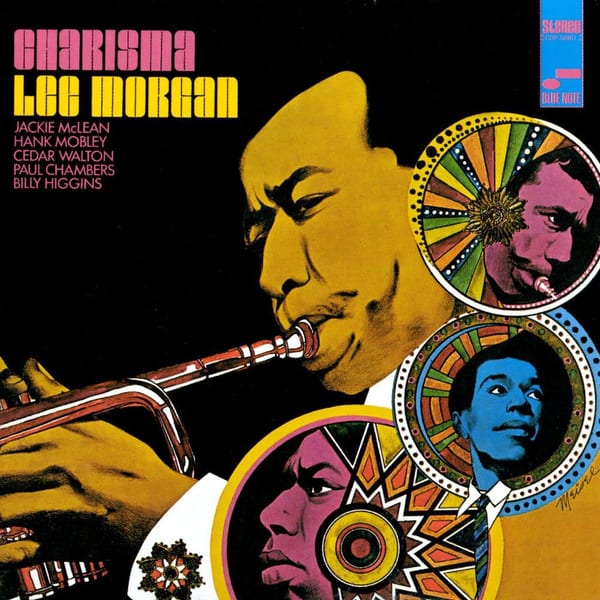
Charisma
1969
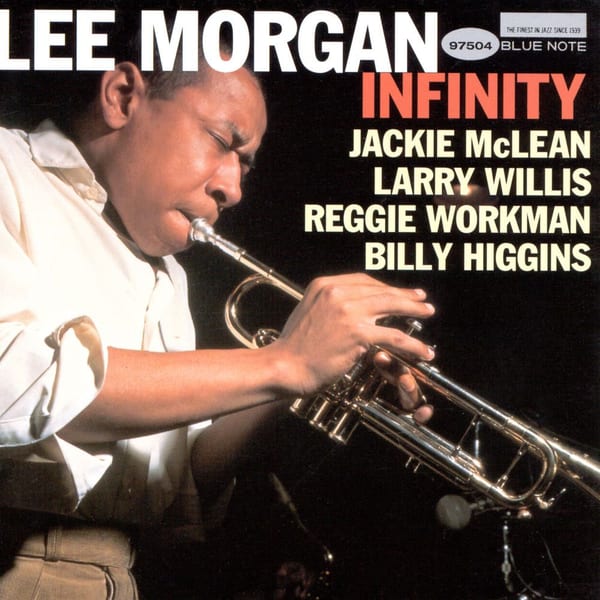
Infinity
1998
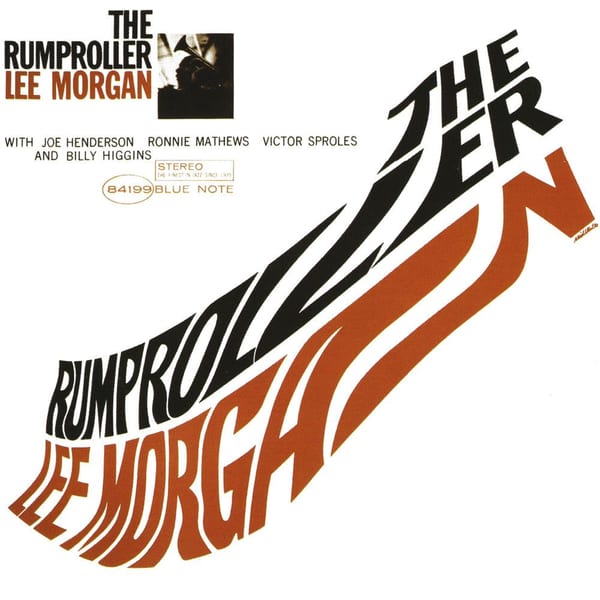
The Rumproller
1965
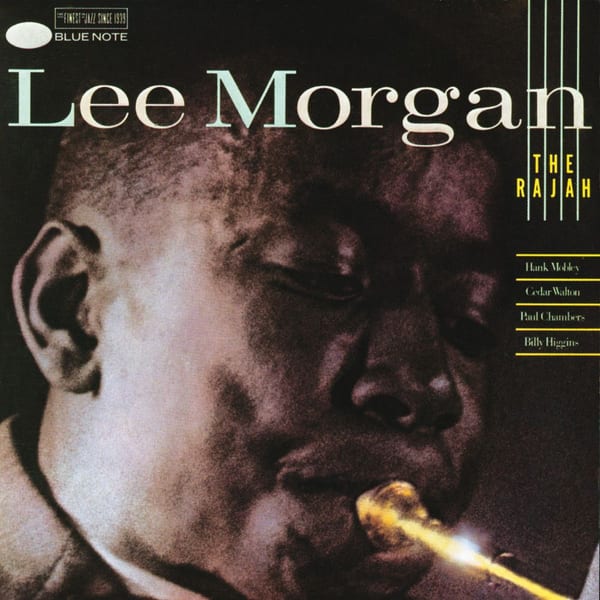
The Rajah
1966
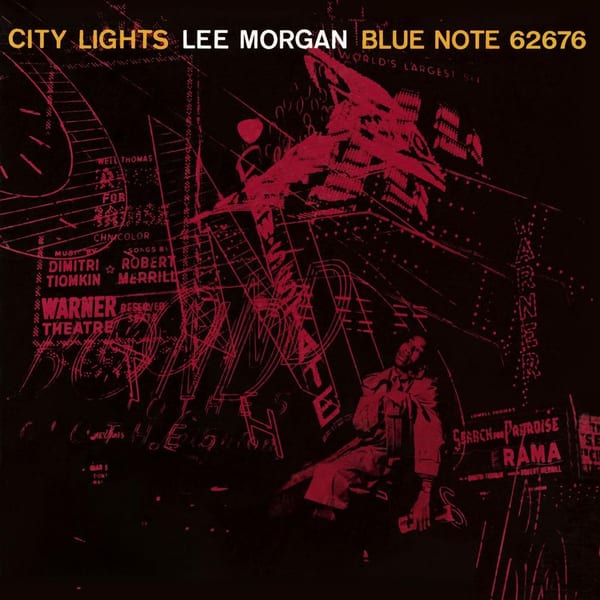
City Lights
1957
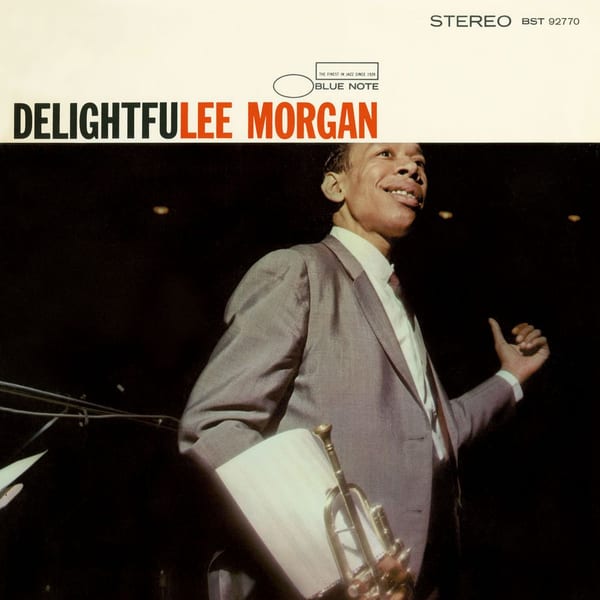
Delightfulee
1966
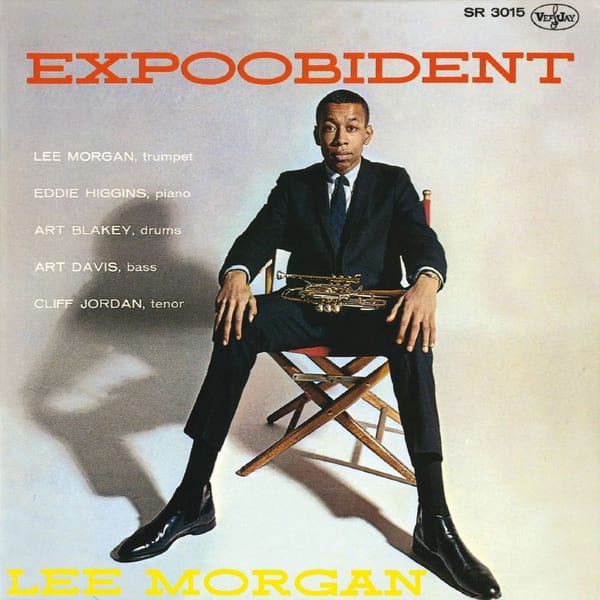
Expoobident
1960
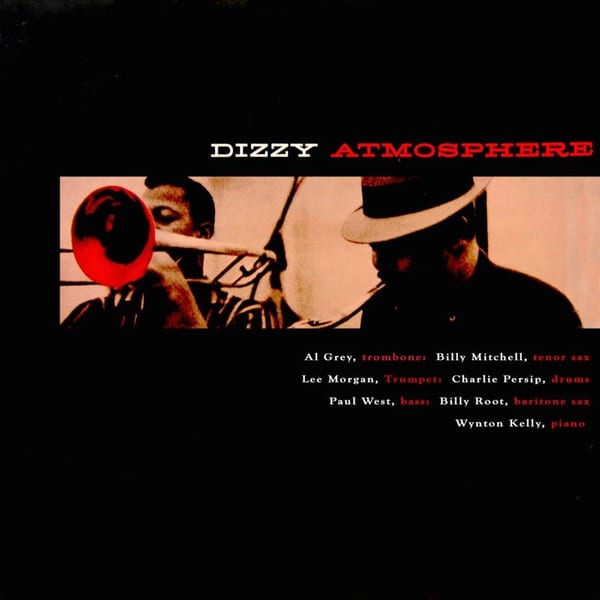
Dizzy Atmosphere
1991
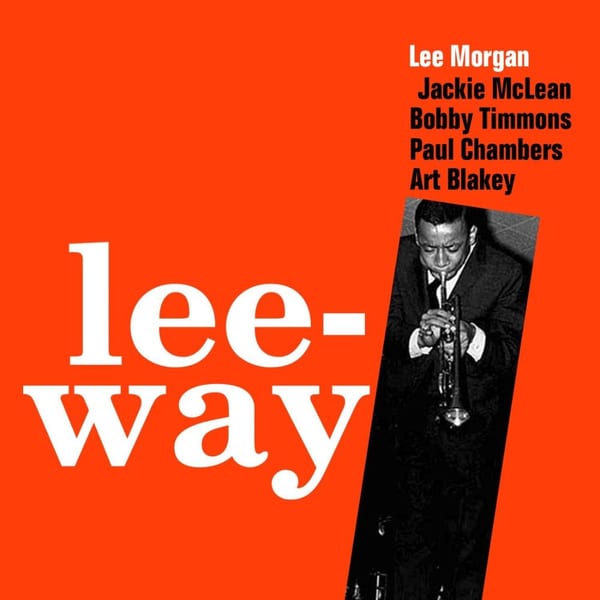
Leeway
1960
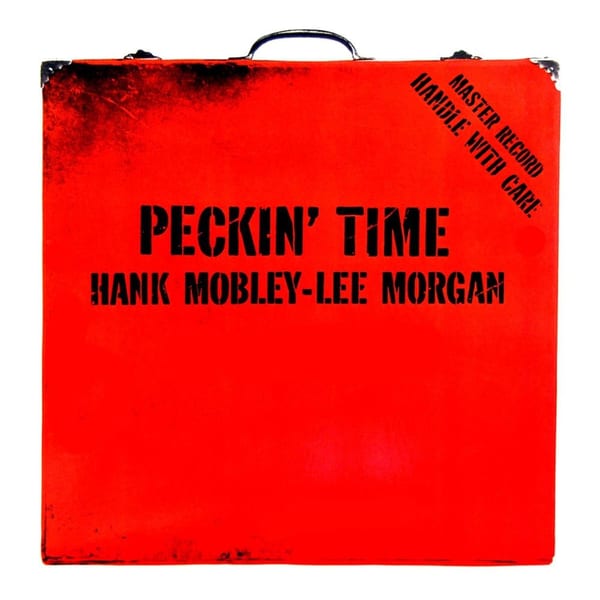
Peckin' Time
1958

Take Twelve
2024
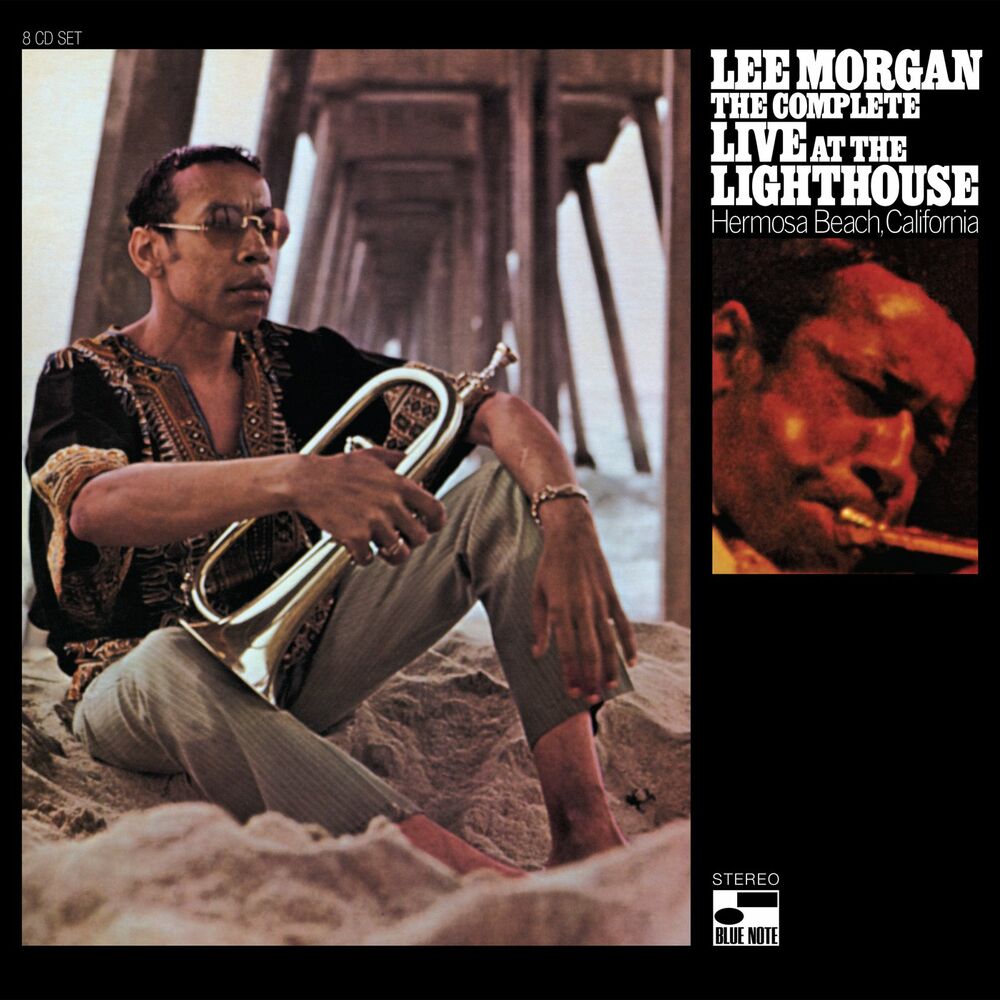
The Complete Live At The Lighthouse
2021
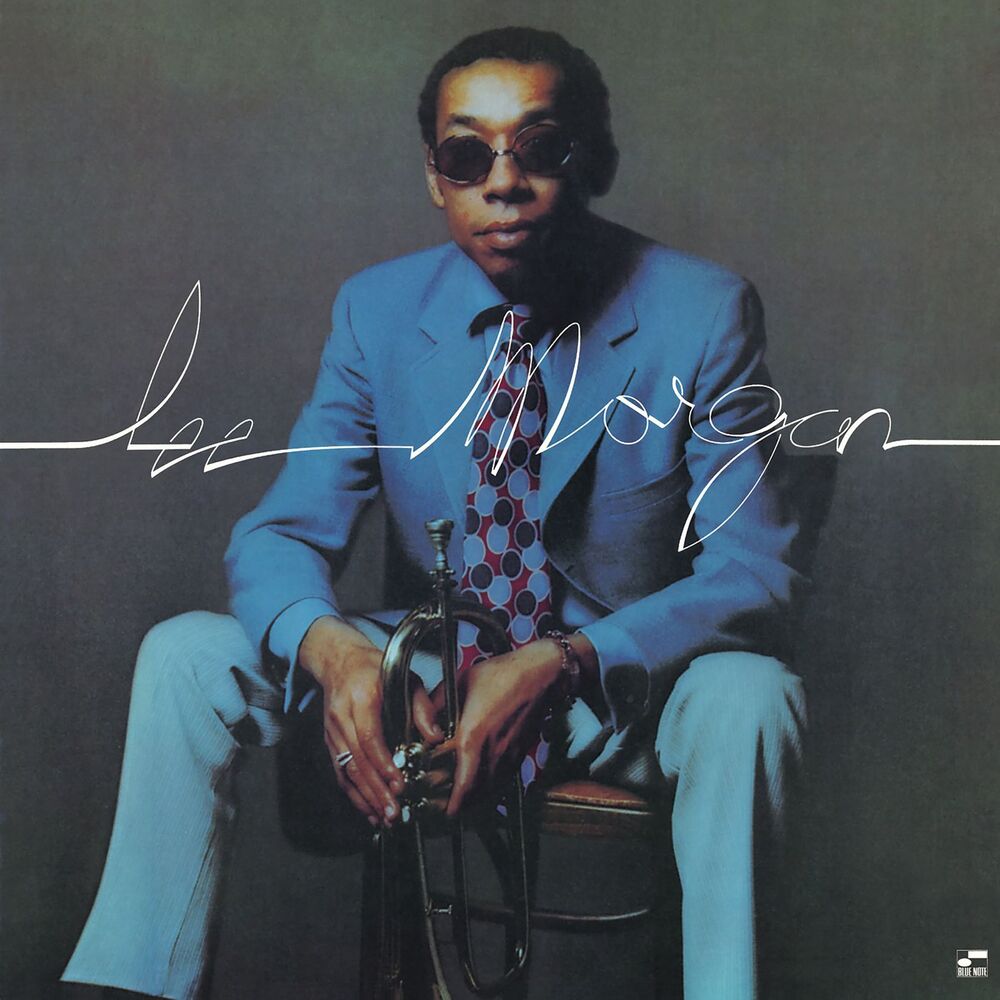
Lee Morgan
2020
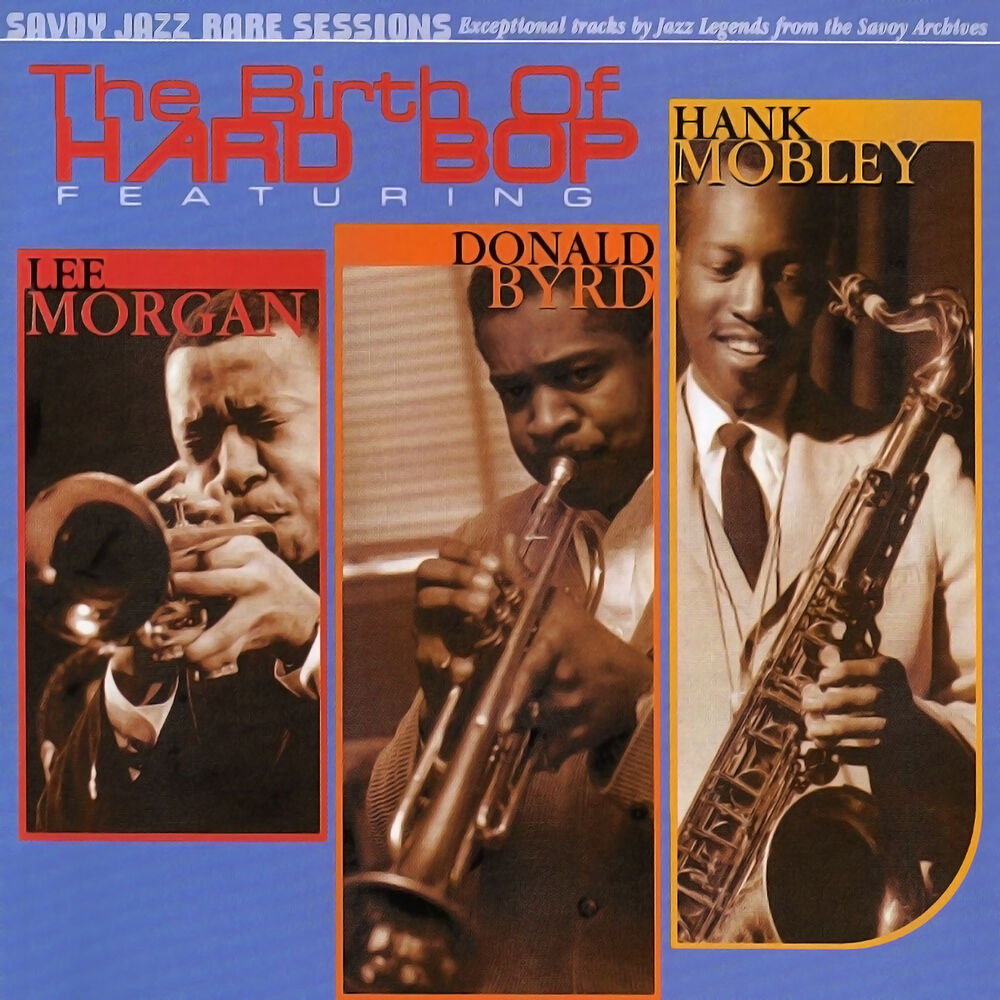
The Birth Of Hard Bop
2019

The Sidewinder (The Rudy Van Gelder Edition)
2016

Search For The New Land (Rudy Van Gelder Edition/2000 Remastered)
2015
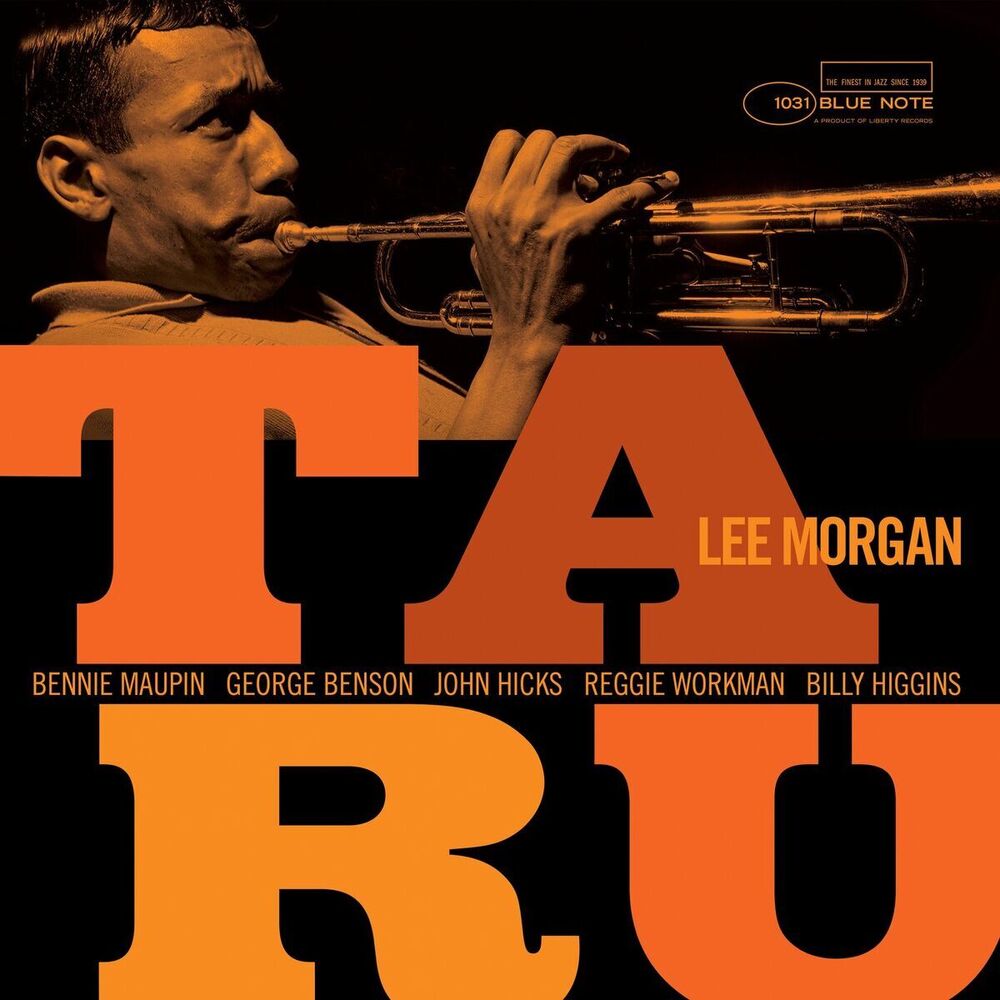
Taru
2015

Candy
2014

Here's Lee Morgan (Bonus Track Version)
2014

The Cooker
2013

Lee Morgan Sextet
2012

Lee-Way (Rudy Van Gelder Edition / 2002 Remaster)
2011

The Young Lions
2011

Double or Nothin'
2010

Blue Break Beats
2009
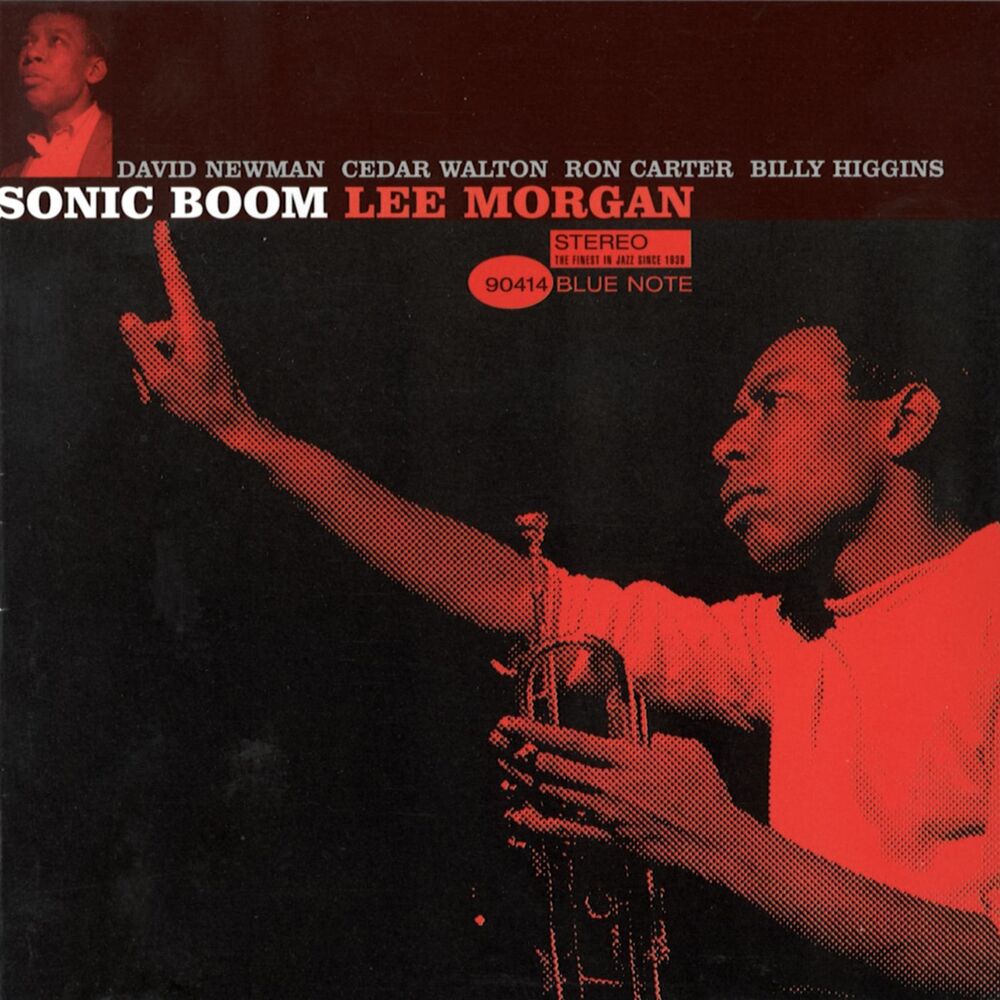
Sonic Boom
2009
Finest In Jazz
2007
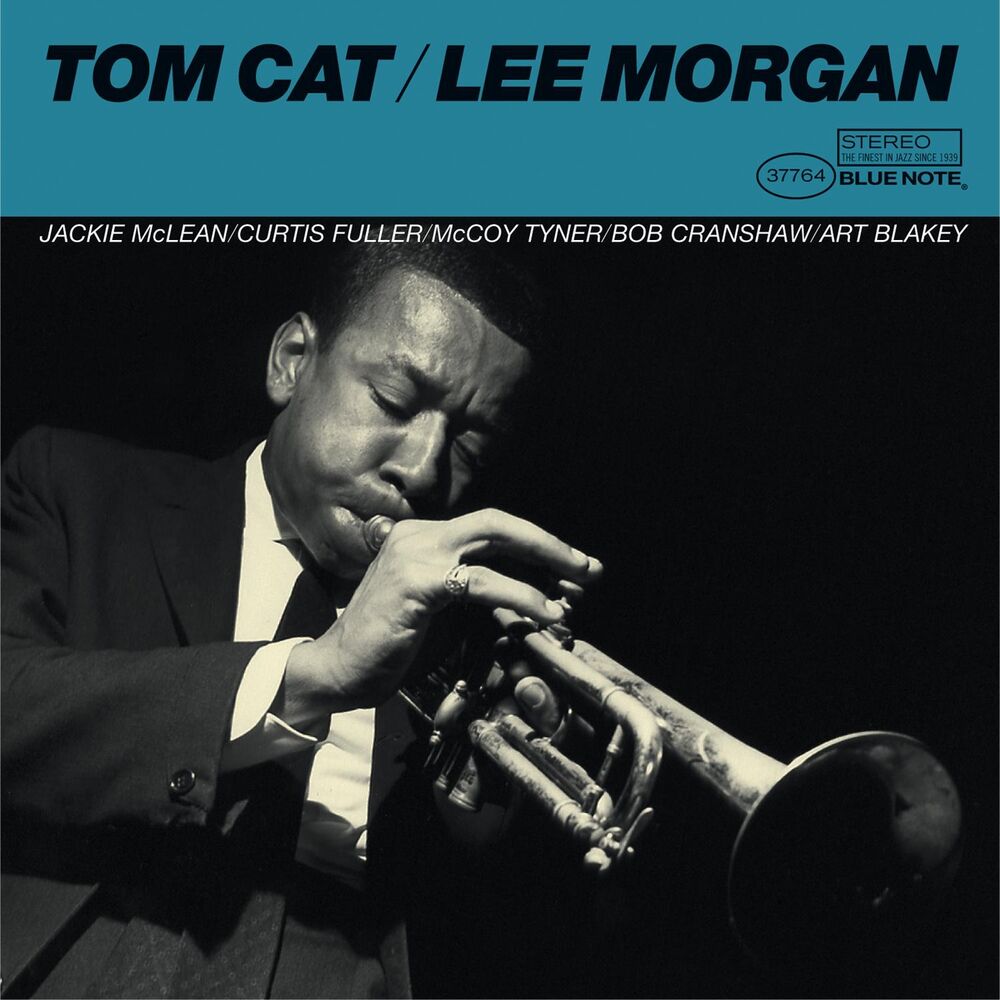
Tom Cat
2006

Music For Lovers
2005
The Very Best
2005
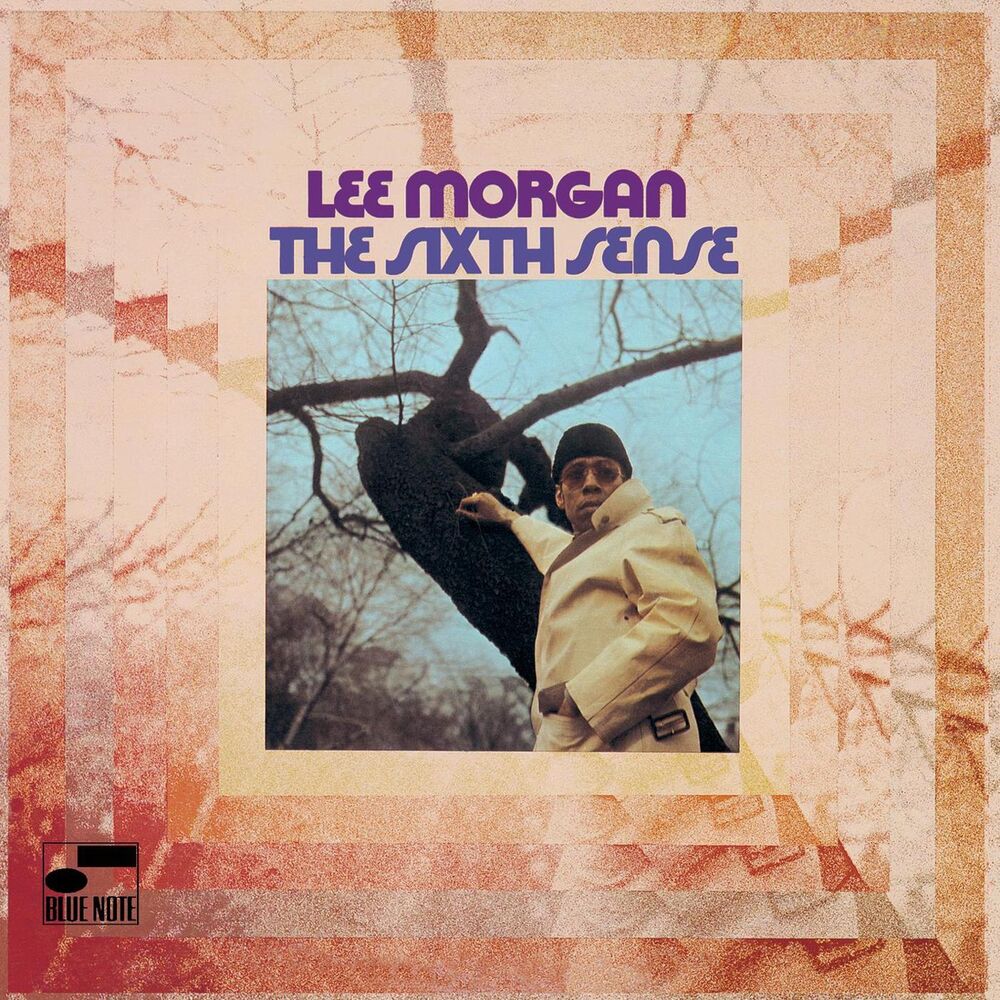
The Sixth Sense
2004
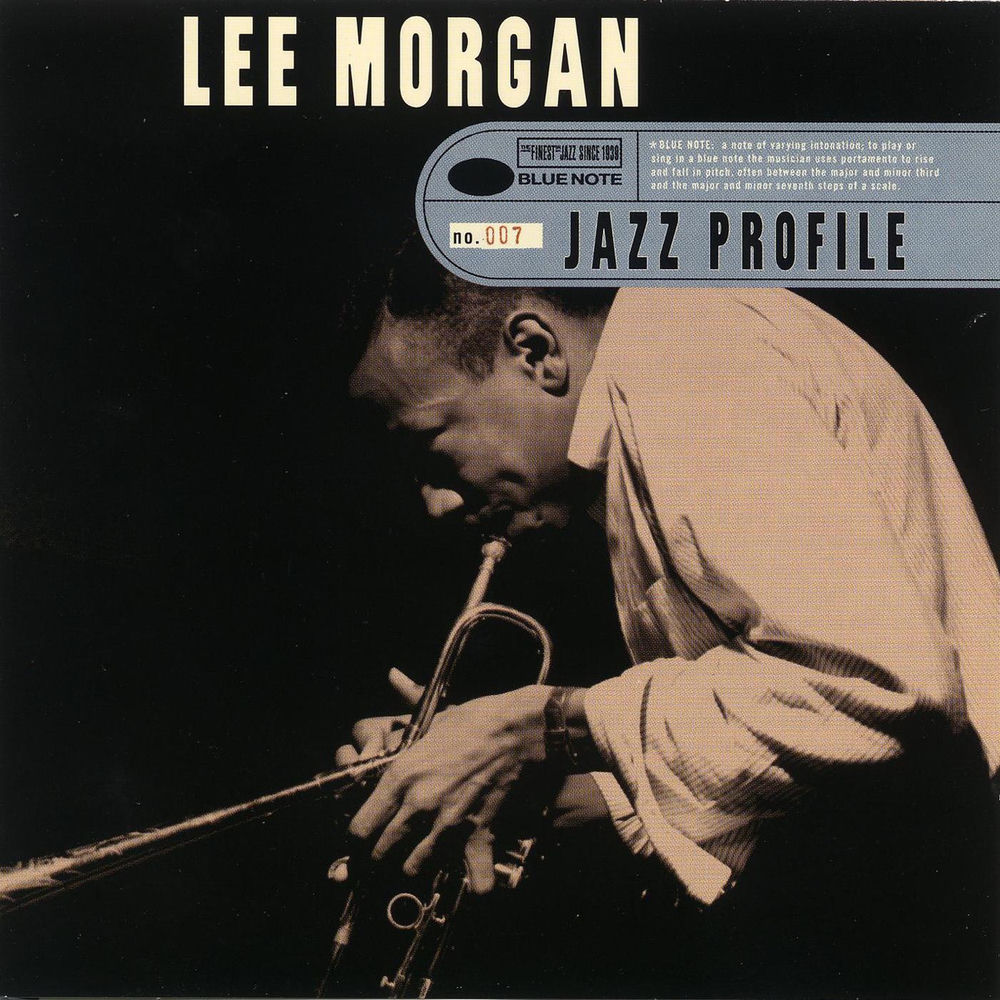
Jazz Profile: Lee Morgan
2003
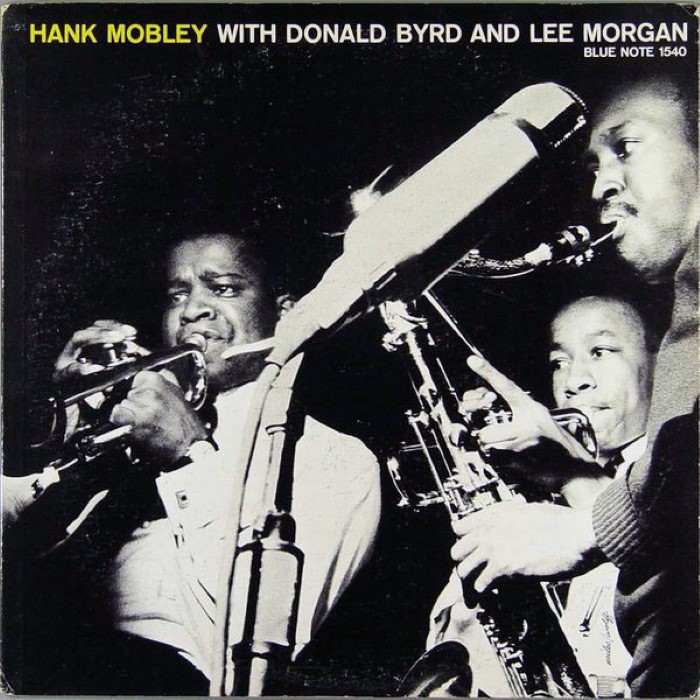
Hank Mobley Sextet
1999

The Last Sessions
1998

Standards
1998
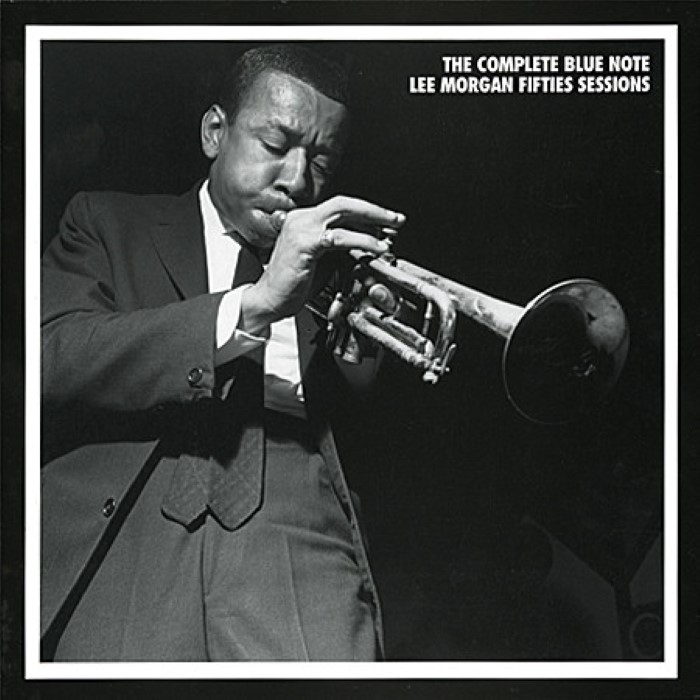
The Last Session
1998
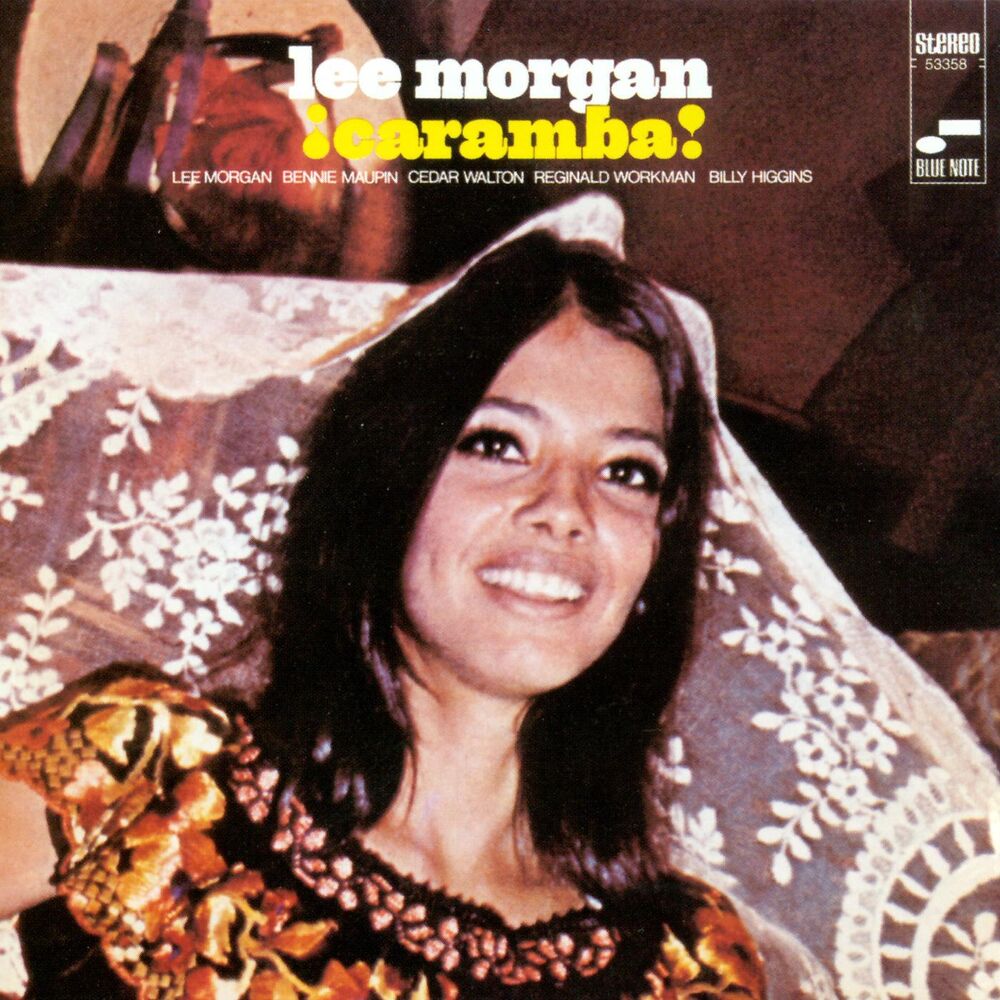
Caramba
1996

Live At The Lighthouse
1996
- essence hip bop
essence hip bop
1995

The Best Of Lee Morgan
1988

Cornbread
1988
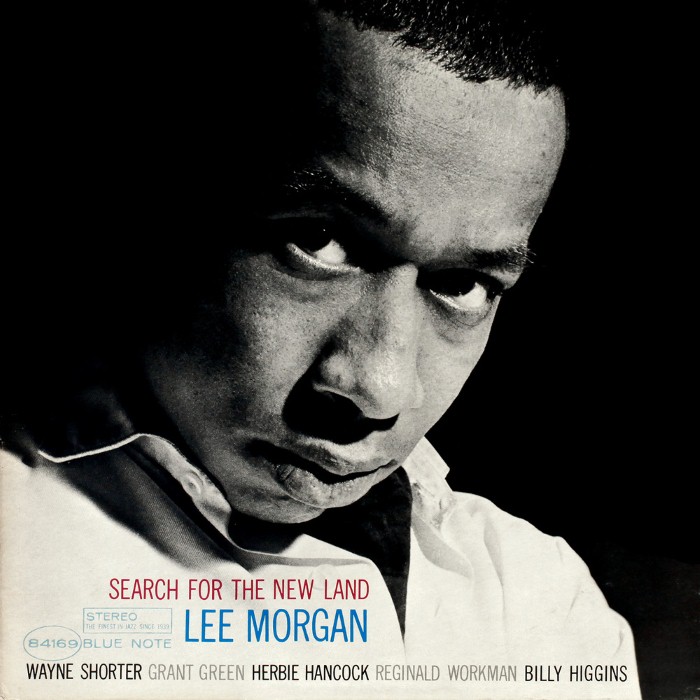
Search for the New Land
1964
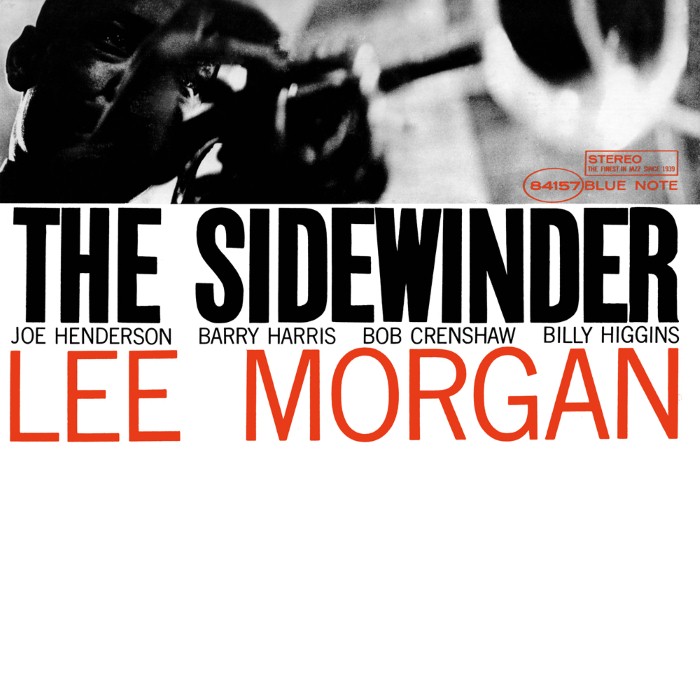
The Sidewinder
1963
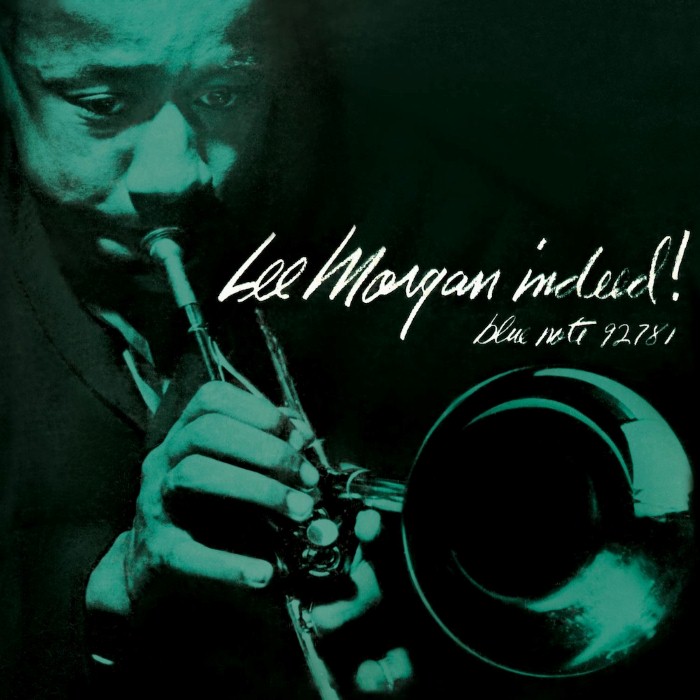
Indeed!
1956


Popular tracks
Trending this week
Most viewed
Singles & EPs
2

Community
More about Lee Morgan
About
Edward Lee Morgan (July 10, 1938, Philadelphia, Pennsylvania – February 19, 1972, New York City) was an American hard bop trumpeter. Edward Lee Morgan was born in Philadelphia on July 10, 1938, the youngest of Otto Ricardo and Nettie Beatrice Morgan's four children. A leading trumpeter and composer, he recorded prolifically from 1956 until a day before his death in February 1972. Originally interested in the vibraphone, he soon showed a growing enthusiasm for the trumpet. Morgan also knew how to play the alto saxophone. On his thirteenth birthday, his sister Ernestine gave him his first trumpet. His primary stylistic influence was Clifford Brown, who gave the teenager a few lessons before he joined the Dizzy Gillespie Big Band at 18, and remained a member for a year and a half, until the economic situation forced Dizzy to disband the unit in 1958. He began recording for Blue Note Records in 1956, eventually recording 25 albums as a leader for the company, with more than 250 musicians. He also recorded on the Vee-Jay label and one album for Riverside Records on its short-lived Jazzland subsidiary.
Read moreRead less
He was a featured sideman on several early Hank Mobley records, as well as on John Coltrane's Blue Train (1957), on which he played a trumpet with an angled bell (given to him by Gillespie) and delivered one of his most celebrated solos on the title track. Joining Art Blakey's Jazz Messengers in 1958 further developed his talent as a soloist and composer. He toured with Blakey for a few years, and was featured on numerous albums by the Messengers, including Moanin', which is one of the band's best-known recordings. When Benny Golson left the Jazz Messengers, Morgan persuaded Blakey to hire Wayne Shorter, a young tenor saxophonist, to fill the chair. This version of the Jazz Messengers, including pianist Bobby Timmons and bassist Jymie Merritt, recorded the classic The Freedom Rider album. The drug problems of Morgan and Timmons forced them to leave the band in 1961, and the trumpeter returned to Philadelphia, his hometown. According to Tom Perchard, a Morgan biographer, it was Blakey who introduced the trumpeter to heroin, which impeded his career trajectory. On returning to New York in 1963, he recorded The Sidewinder (1963), which became his greatest commercial success. The title track cracked the pop charts in 1964, and served as the background theme for Chrysler television commercials during the World Series. The tune was used without Morgan's or Blue Note's consent, and intercession by the label's lawyers led to the commercial being withdrawn. Due to the crossover success of "The Sidewinder" in a rapidly changing pop music market, Blue Note encouraged its other artists to emulate the tune's "boogaloo" beat. Morgan himself repeated the formula several times with compositions such as "Cornbread" (from the eponymous album Cornbread) and "Yes I Can, No You Can't" on The Gigolo. According to drummer Billy Hart, Morgan said he had recorded "The Sidewinder" as filler for the album, and was bemused that it had turned into his biggest hit. He felt that his playing was much more advanced on Grachan Moncur III's essentially avant-garde Evolution album, recorded a month earlier, on November 21, 1963. After this commercial success, Morgan continued to record prolifically, producing such works as Search for the New Land (1964), which reached the top 20 of the R&B charts. He also briefly rejoined the Jazz Messengers after his successor, Freddie Hubbard, joined another group. Together with John Gilmore, this lineup was filmed by the BBC for seminal jazz television program Jazz 625. As the 60's progressed, he recorded some twenty additional albums as a leader, and continued to record as a sideman on the albums of other artists, including Wayne Shorter's Night Dreamer; Stanley Turrentine's Mr. Natural; Freddie Hubbard's The Night of the Cookers; Hank Mobley's Dippin', A Caddy for Daddy, A Slice of the Top, Straight No Filter; Jackie McLean's Jackknife and Consequence; Joe Henderson's Mode for Joe; McCoy Tyner's Tender Moments; Lonnie Smith's Think and Turning Point; Elvin Jones' The Prime Element; Jack Wilson's Easterly Winds; Reuben Wilson's Love Bug; Larry Young's Mother Ship; Lee Morgan and Clifford Jordan Live in Baltimore 1968; Andrew Hill's Grass Roots; as well as on several albums with Art Blakey and the Jazz Messengers. He became more politically involved in the last two years of his life, becoming one of the leaders of the Jazz and People's Movement. The group demonstrated during the taping of talk and variety shows during 1970-71 to protest the lack of jazz artists as guest performers and members of the programs' bands. His working band during those last years featured reed players Billy Harper or Bennie Maupin, pianist Harold Mabern, bassist Jymie Merritt and drummers Mickey Roker or Freddie Waits. Maupin, Mabern, Merritt and Roker are featured on the well-regarded 3-disc, Live at the Lighthouse, recorded during a two-week engagement at the Hermosa Beach club, California, in July 1970. Morgan was killed in the early hours of February 19, 1972, at Slug's Saloon, a jazz club in New York City's East Village where his band was performing. Following an altercation between sets, Morgan's common-law wife Helen More (a.k.a. Morgan), shot him. The injuries were not immediately fatal, but the ambulance service was reluctant to go into the neighborhood where the club was located. They took so long to get there that Morgan bled to death. He was 33 years old. According to an eyewitness, Miss More (13 years his senior) walked out of the club just before the last set. She returned and the band was already on stage. Lee was trying to get up there, but was talking with some people. He just started to get up the stage, when she entered and called his name. He turned around and she shot him. She then turned the gun on the club's doorman Ernie Holman, who grabbed her wrist and took the gun away from her. She started to scream, "Baby, what have I done?" and ran to him. She was later committed to a mental institution for some time. Soon after, Helen Morgan returned to her native North Carolina. Reportedly she never spoke publicly of the incident, until she granted an interview a month before her death. She died in Wilmington, NC, from a heart condition, in March 1996.
Lee Morgan in brief
- How many Lee Morgan releases are on Riffiter?
- 49 releases are catalogued, spanning 1956 to 2024.
- What genre is Lee Morgan?
- Lee Morgan is catalogued under Jazz.
- What is the most recent Lee Morgan release on Riffiter?
- Take Twelve, released in 2024.