

Artist
Keiko Matsui
Keiko Matsui is a jazz artist from Tokyo, Japan. 30 releases are catalogued on Riffiter.
Jazz · Tokyo, Japan · Best jazz albums
- 30
- Releases
- 1987–2023
- Active years
Discography
27
Most popular
Deep Blue
2001

The Ring
2002
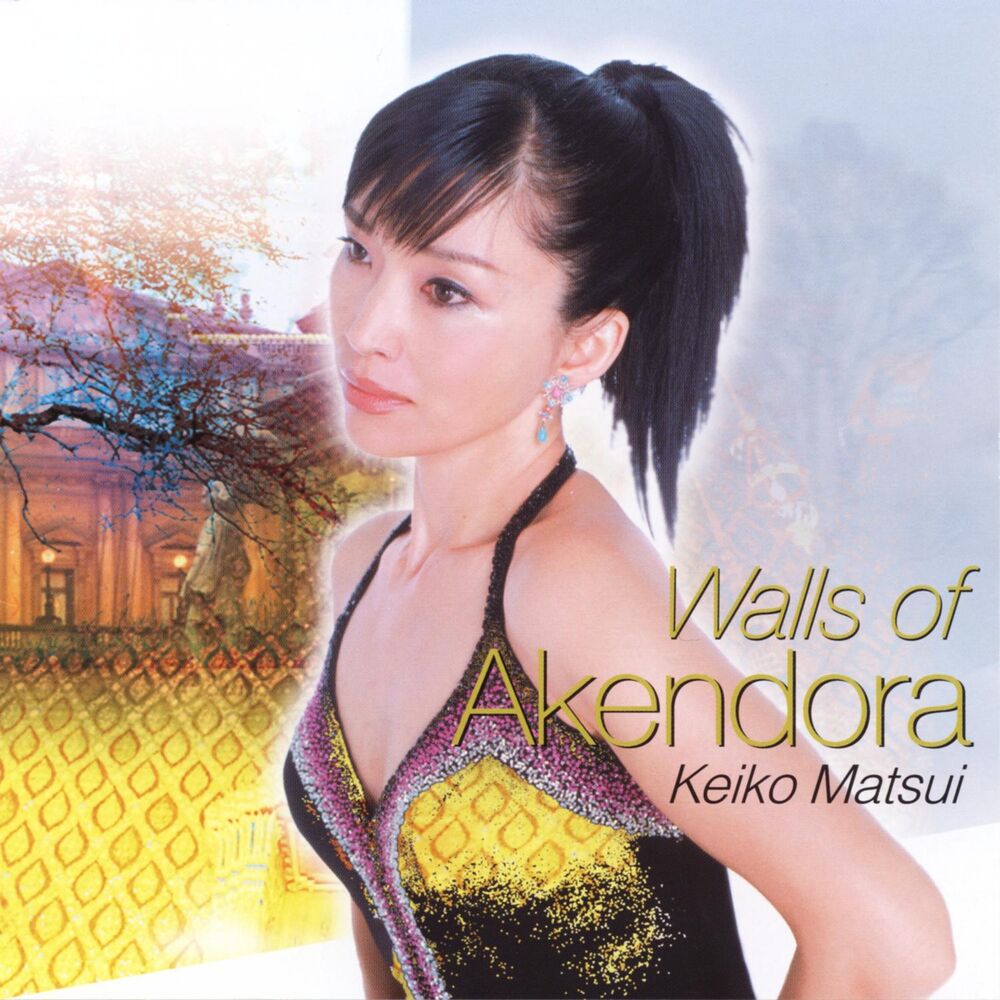
Walls of Akendora
2005
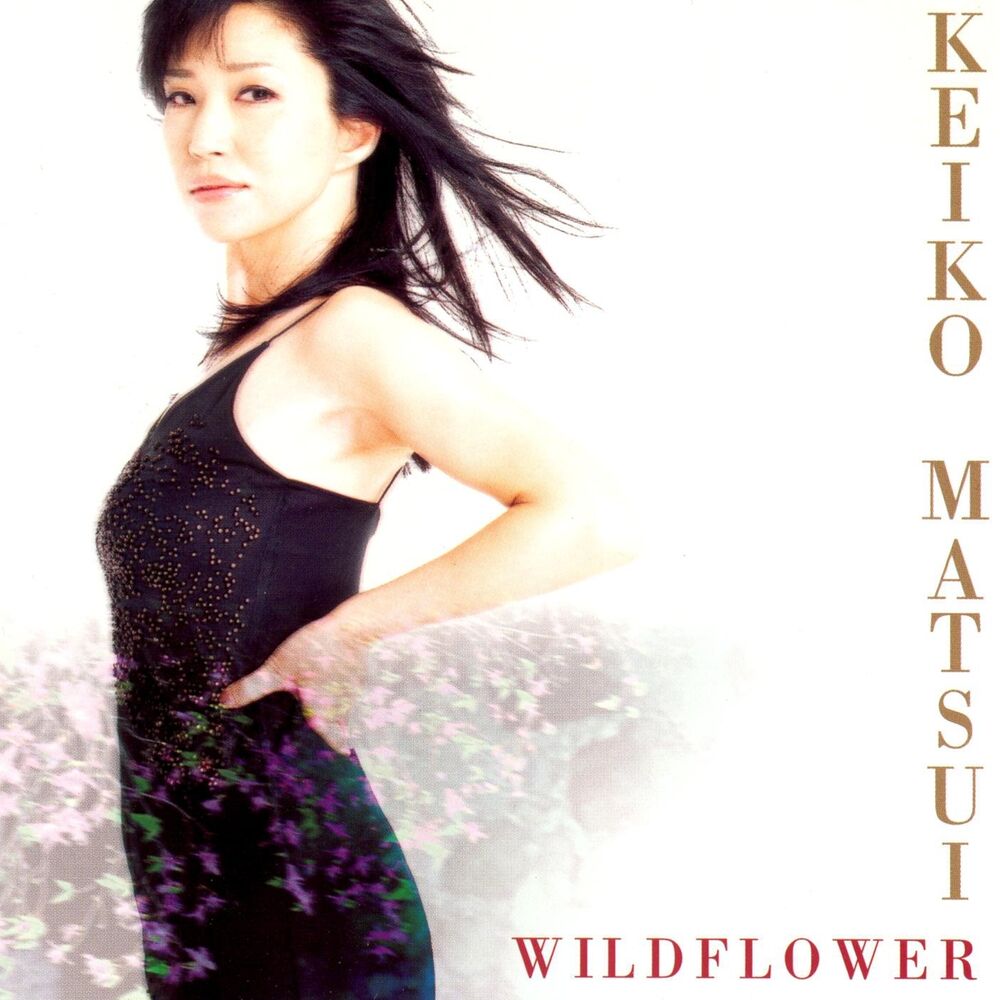
Wildflower
2004

Soul Quest
2013

The Road…
2011
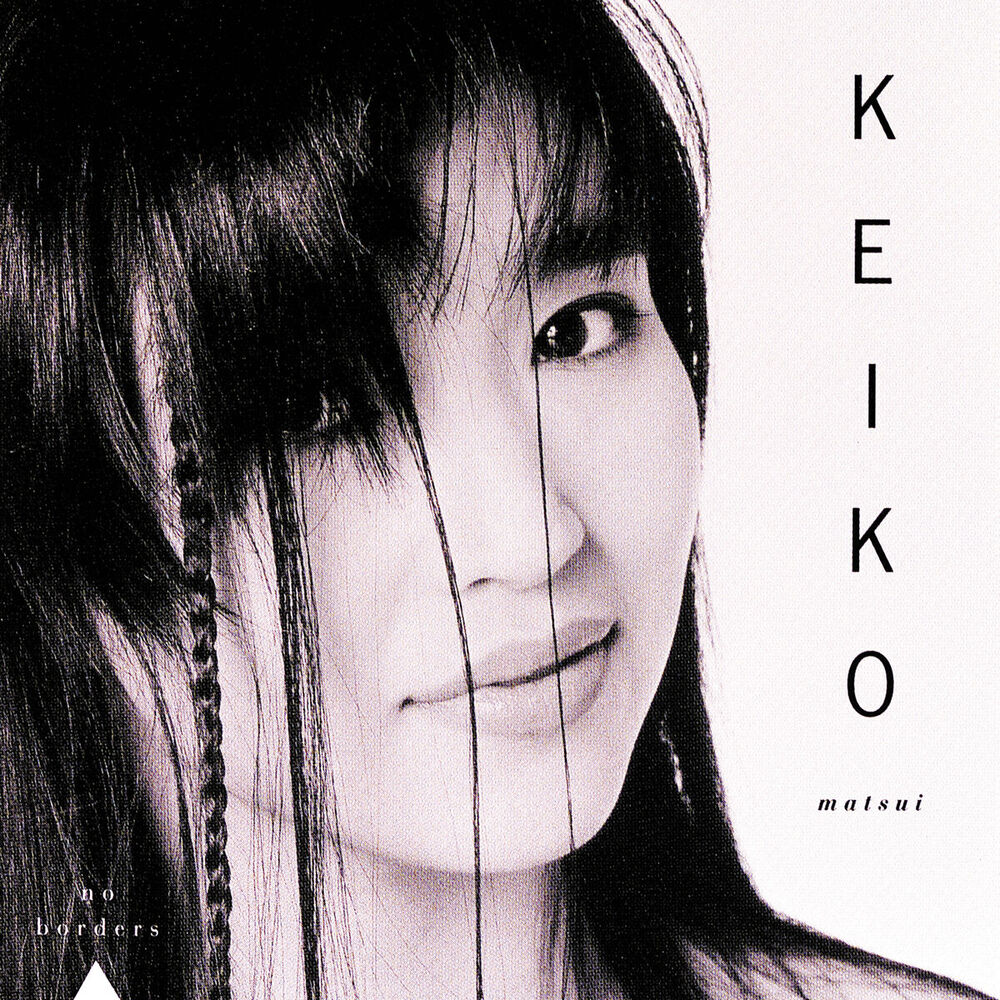
No Borders
1990

Journey to the Heart
2016
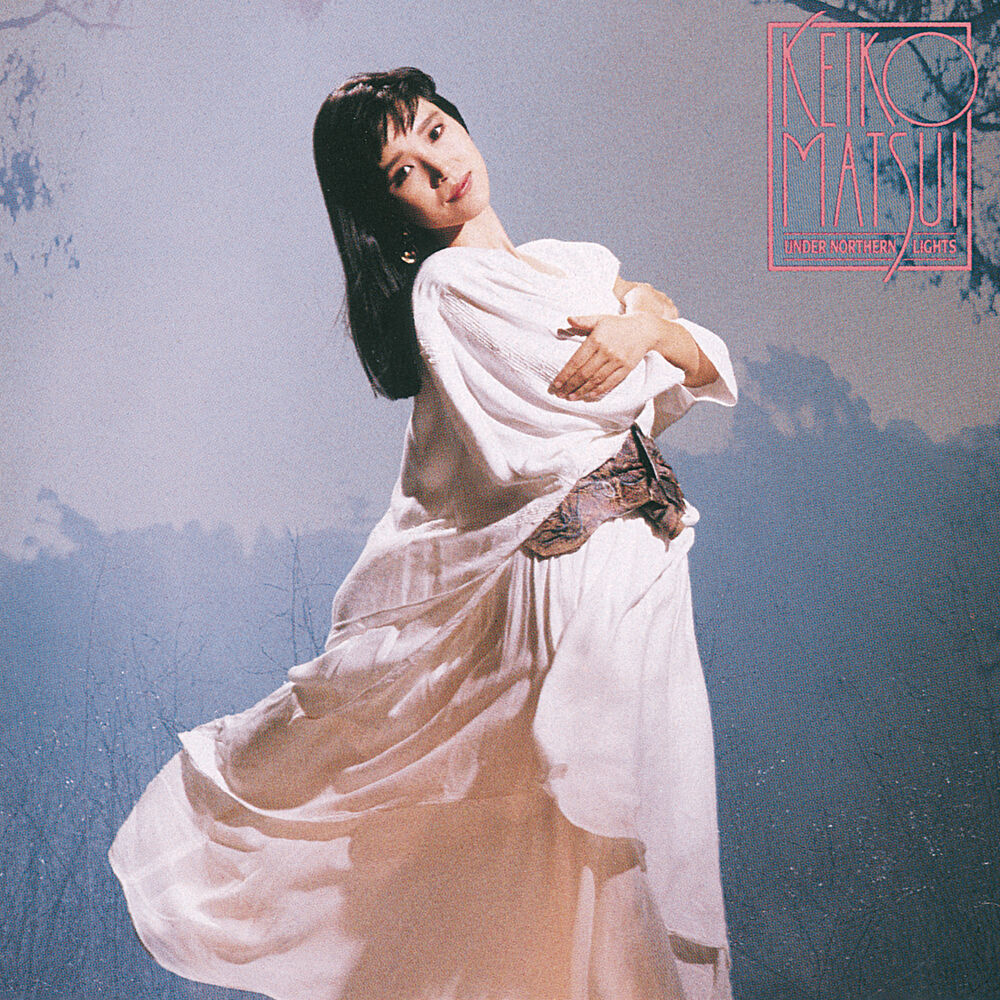
Under Northern Lights
1989

Live in Tokyo
2016

Dream Walk
1996

A Drop of Water
1987

The Piano
2003

Sapphire
1995
Cherry Blossom
1992

Moyo
2007

Euphoria
2023
Echo
2019

Doll
2008
The Very Best of Keiko Matsui
2008
The Stone Monkey
2003
- BET Jazz Channel Presents: Keiko Matsui
BET Jazz Channel Presents: Keiko Matsui
2001
- The Wind and the Wolf
The Wind and the Wolf
2000
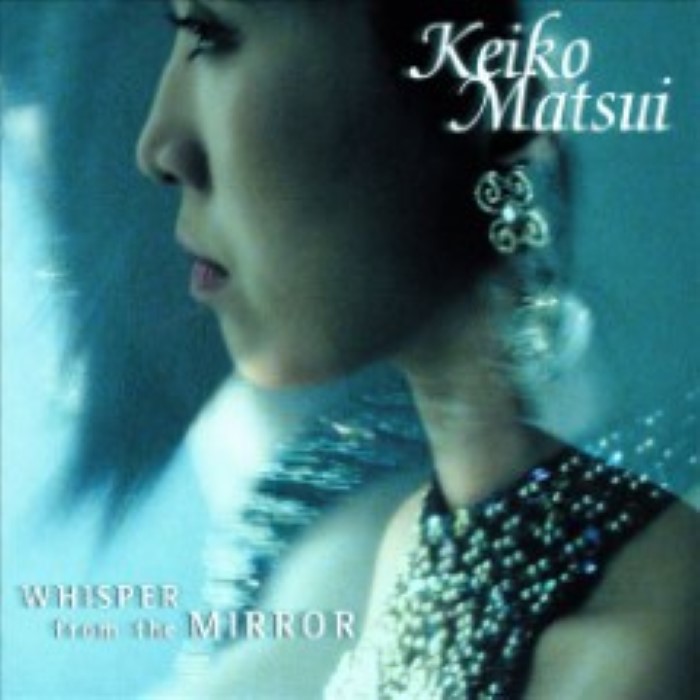
Whisper from the Mirror
2000
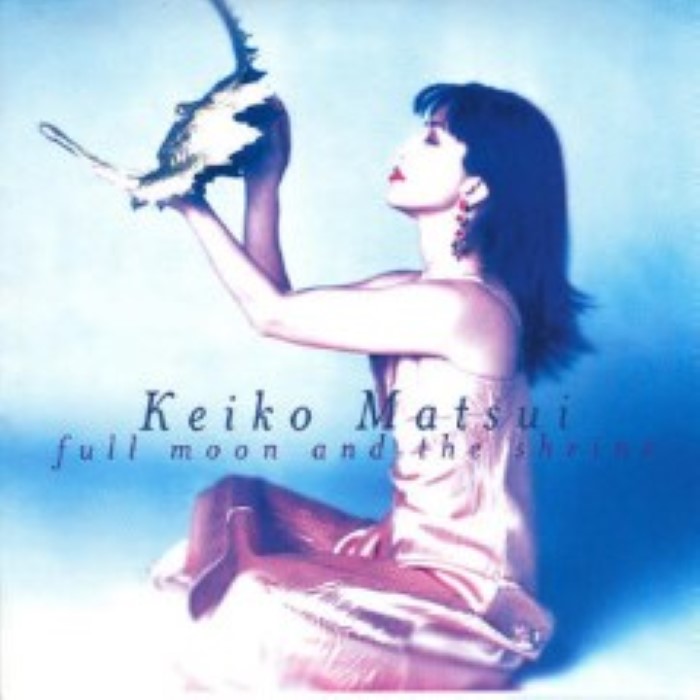
Full Moon and the Shrine
1998

Collection
1997
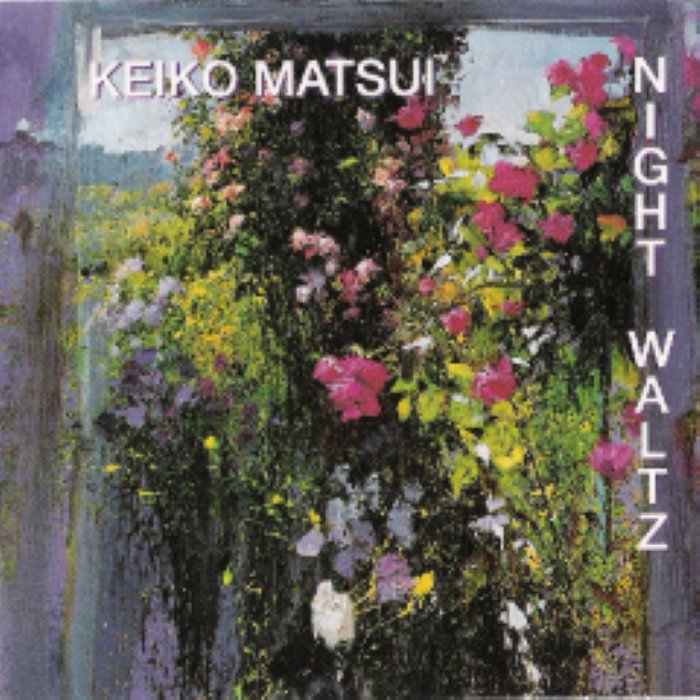
Night Waltz
1991
Singles & EPs
3


Upcoming shows
Keiko Matsui
Community
More about Keiko Matsui
About
Keiko Matsui, born in Tokyo, Japan as Keiko Doi, is a Japanese smooth jazz/jazz fusion/new age/ keyboardist and composer whose career spans three decades, during which time she has released twenty CDs (in addition to various compilations) and has received international acclaim. She resides in Los Angeles, California. Keiko Doi's mother Emiko brought her to her first piano lesson in the June following her fifth birthday. Japanese tradition holds that a child who is introduced to lessons at this time will continue in those studies for a long time. The tradition held true for Doi, who studied piano throughout her school years. Though her early training focused on classical music, in junior high school she developed an interest in jazz and began composing her own music. Some of her musical influences at this time included Stevie Wonder, Sergei Rachmaninoff, Maurice Jarre and Chick Corea.
Read moreRead less
Doi studied children's culture at Japan Women's University, but she also continued to study music at the Yamaha Music Foundation. Doi was a top student in the Yamaha Music Education System and was selected at the age of seventeen to be a recording artist for them. Thus she joined the Japanese jazz fusion group Cosmos, which recorded seven albums. At age 19, Yamaha sent Doi to America to record an album, and there she met Kazu Matsui, who had been selected as a producer for the project. In 1987 Matsui recorded her solo debut LP A Drop of Water, The album's title, the name of a song by Carl Anderson, was in memory of those who had died in the Space Shuttle Challenger disaster the year before. Its success led to a record deal with MCA Records. Keiko Matsui released two albums under the MCA label before moving on to White Cat, Countdown, Unity and currently Narada. The 1990s saw Matsui's albums rising in the charts. Sapphire hit number two on Billboard's weekly Top Contemporary Jazz Albums chart, and Dream Walk reached number three. Matsui was rated Billboard's number three Top Contemporary Jazz Artist for 1997 (where she was the only female jazz artist in the top ten), and both Dream Walk and Sapphire appeared in Billboard's Top Ten Indie Contemporary Jazz Albums for the same year. Matsui received the Oasis award for Best Female Smooth Jazz Artist of the Year in 1999 and again in 2000. In 2001, Matsui's first album with Narada, Deep Blue, finally took her to the number one spot on Billboard's Top Contemporary Jazz Albums chart and held the position for three weeks. When United States President George W. Bush visited Japanese Prime Minister Junichiro Koizumi's residence on February 18, 2002, Keiko Matsui was invited to the reception and met both men and members of their administrations. Matsui discovered saxophonist Paul Taylor, who appeared on Sapphire, Dream Walk, and Full Moon and the Shrine before going on to a successful career of his own . Matsui has taken an interest in a variety of charitable causes. Her 1997 mini-CD A Gift of Hope went to support the Y-ME National Breast Cancer Organization, and her music appeared in a Lifetime channel special about breast cancer, "Say It, Fight It, Cure It." Matsui also played at a special ice skating benefit in 1997 to support the Susan G. Komen for the Cure. Proceeds from Matsui's 2001 mini-CD A Gift of Life went to the National Marrow Donor Program and the Marrow Foundation in support of their program Asians for Miracle Marrow Matches, which promotes the registration of people of ethnic minorities as marrow donors in hopes of improving the chance of finding matching donors for people of similar descent in need. Royalties from the title track of Matsui's 2004 CD Wildflower went to support of the United Nations World Food Programme (WFP). Matsui played at the United Nations Headquarters building in New York City on December 17, 2003, to benefit the WFP and fight world hunger. Matsui's music is powerful and introspective, blending both Western and Eastern musical influences. She has a very spiritual view of composing music, feeling out each composition as though it were, in her words, "coming to me from another space, another dimension," and "catching notes from the silence and then simply placing them together" . Matsui sees music as "the great gifts from the human souls from the past, for the children of the future" . She believes that music has a power to bring people together and change their lives. "We are connected by music," Matsui wrote, "as the Ocean connects the continents" . A lover of nature, Matsui often makes reference to plants, animals, the elements, and other natural features and phenomena in her song titles. She shows a special fascination with the moon as a number of her compositions refer to the moon in their titles. Matsui's music shows signs of evolving over the years. Her American debut album A Drop of Water showed a promise of east meets west with a jazz fusion flavor. However, her recordings for MCA Records in the early 1990s lacked this appeal and, for many, sounded indistinguishable from the rest of what is now known as smooth jazz. Starting with Cherry Blossom, though, her music increased in popularity as she differentiated herself from the rest of contemporary jazz. By the time Sapphire was released in 1995, her music flirted with everything from funk music to Latin and world music. Whisper From the Mirror from 2000 showed Matsui leaving the smooth jazz style and moving towards new age with a soundscape sound. A number of her fans had a problem adapting to her new style of music (though she continued to play smooth jazz at her concerts). But many welcomed the change. Over time her post-2000 albums show a more worldbeat flavor to them. Her 2005 release Walls of Akendora, however, is a return to her pre-2000, smooth jazz days.
Keiko Matsui in brief
- How many Keiko Matsui releases are on Riffiter?
- 30 releases are catalogued, spanning 1987 to 2023.
- What genre is Keiko Matsui?
- Keiko Matsui is catalogued under Jazz.
- What is the most recent Keiko Matsui release on Riffiter?
- Steps On The Globe, released in 2023.