

Artist
John Mayall & The Bluesbreakers
John Mayall & The Bluesbreakers is a blues artist from London, UK formed in 1963. 52 releases are catalogued on Riffiter.
Blues · London, UK · Best blues albums
- 52
- Releases
- 1965–2026
- Active years
- 1963
- Formed
Discography
52
Most popular
A Hard Road
1967 · 14 tracks
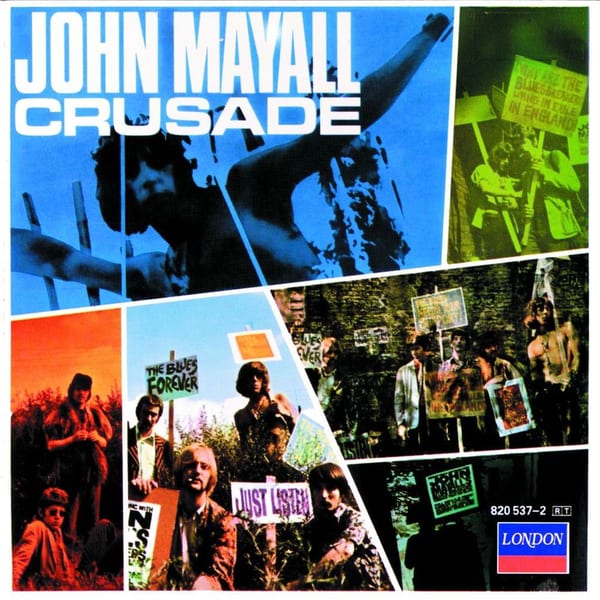
Crusade
1967
Stories
2002
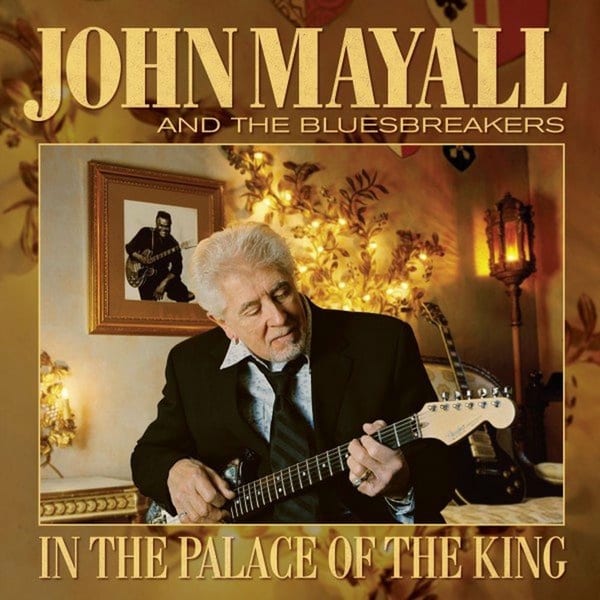
In the Palace of the King
2007
Road Dogs
2005
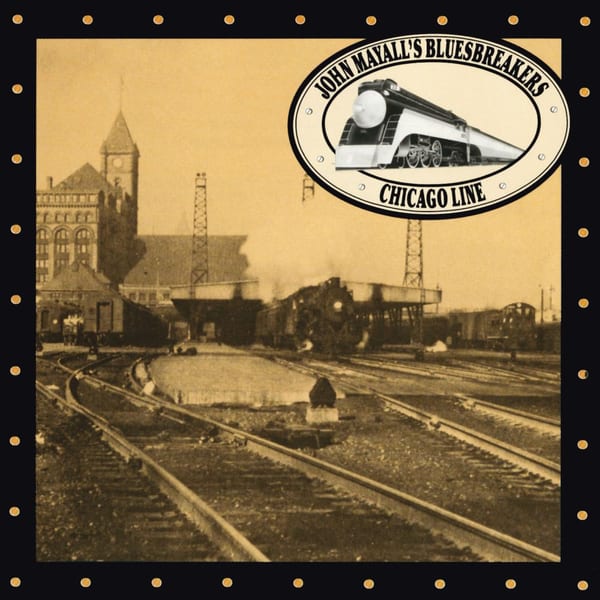
Chicago Line
2013
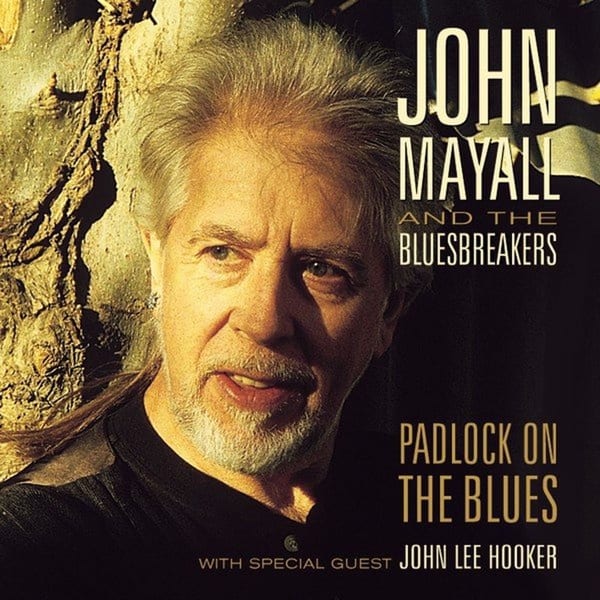
Padlock on the Blues
1999
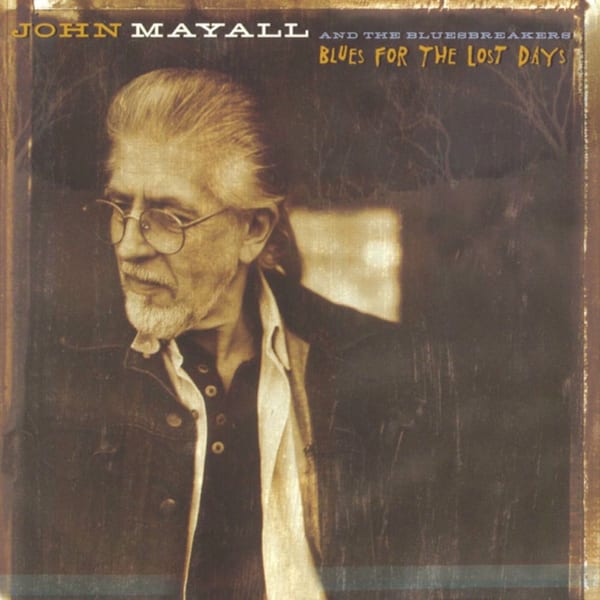
Blues for the Lost Days
1997
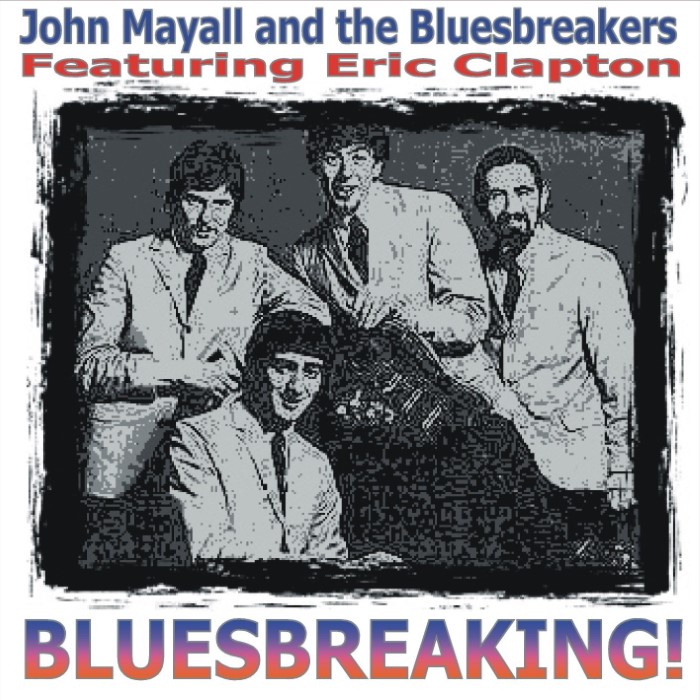
Bluesbreaking! (feat. Eric Clapton)
-
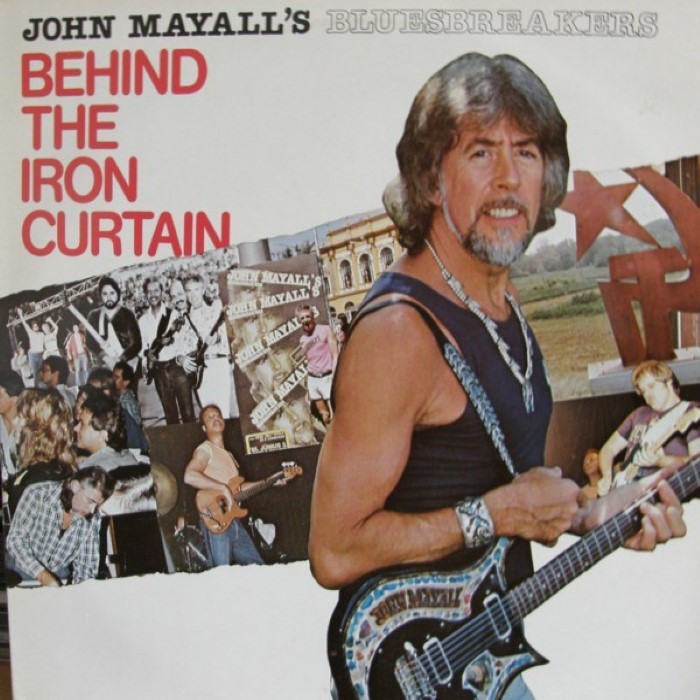
Behind the Iron Curtain
-
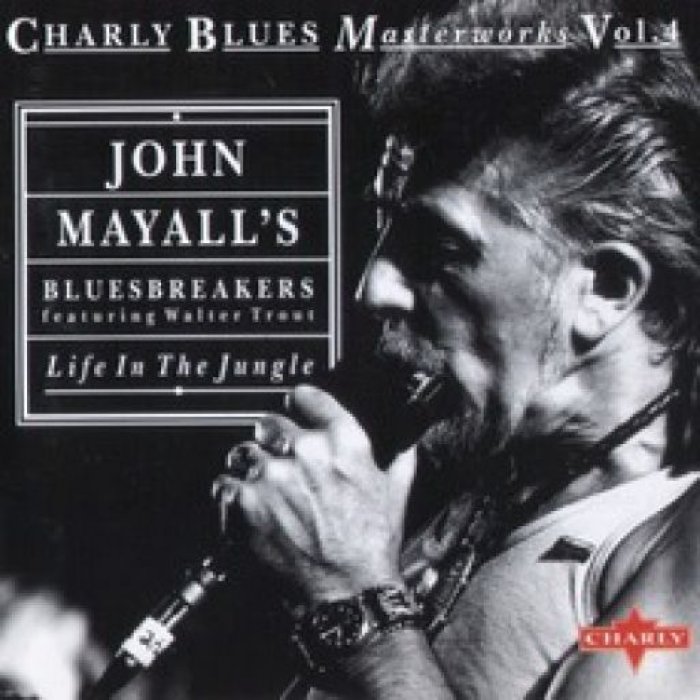
Charly Blues Masterworks, Volume 4: Life in the Jungle
-
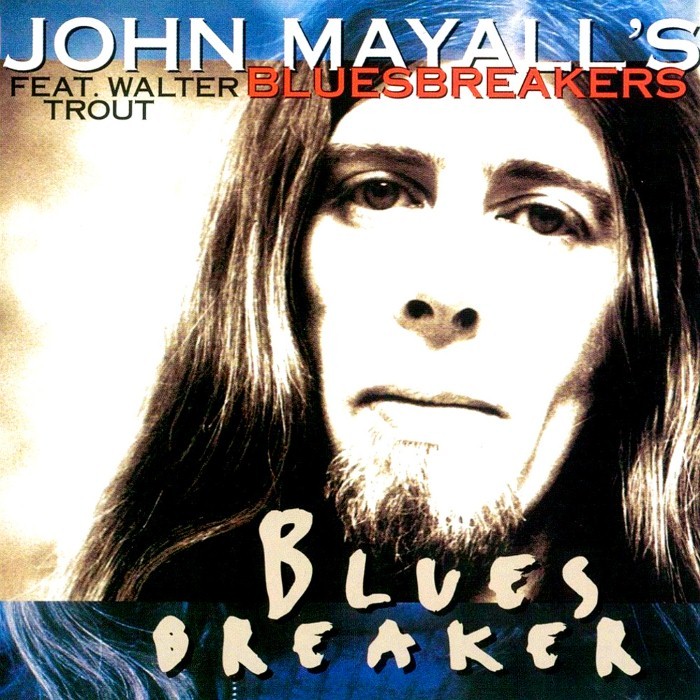
Blues Breaker
-

Lazy Days (Live Los Angeles '75)
2026

Bet Your Soul (Live Goteborg '74)
2025

Up Close And Personal - Live In Texas
2024

Jumpin' (Live Gothenburg '72)
2023

Live in 1967 Volume 3
2023

Aragon Ballroom Blues (Live Chicago '70)
2021

Tears In My Eyes
2021

Double Trouble
2021

Live 1969
2021

European Union (Live In The UK & Germany) - Remastered
2020

John Mayall Plays John Mayall (Live At Klooks Kleek, London / 1964)
2019

Live in 1967 Volume 2
2016
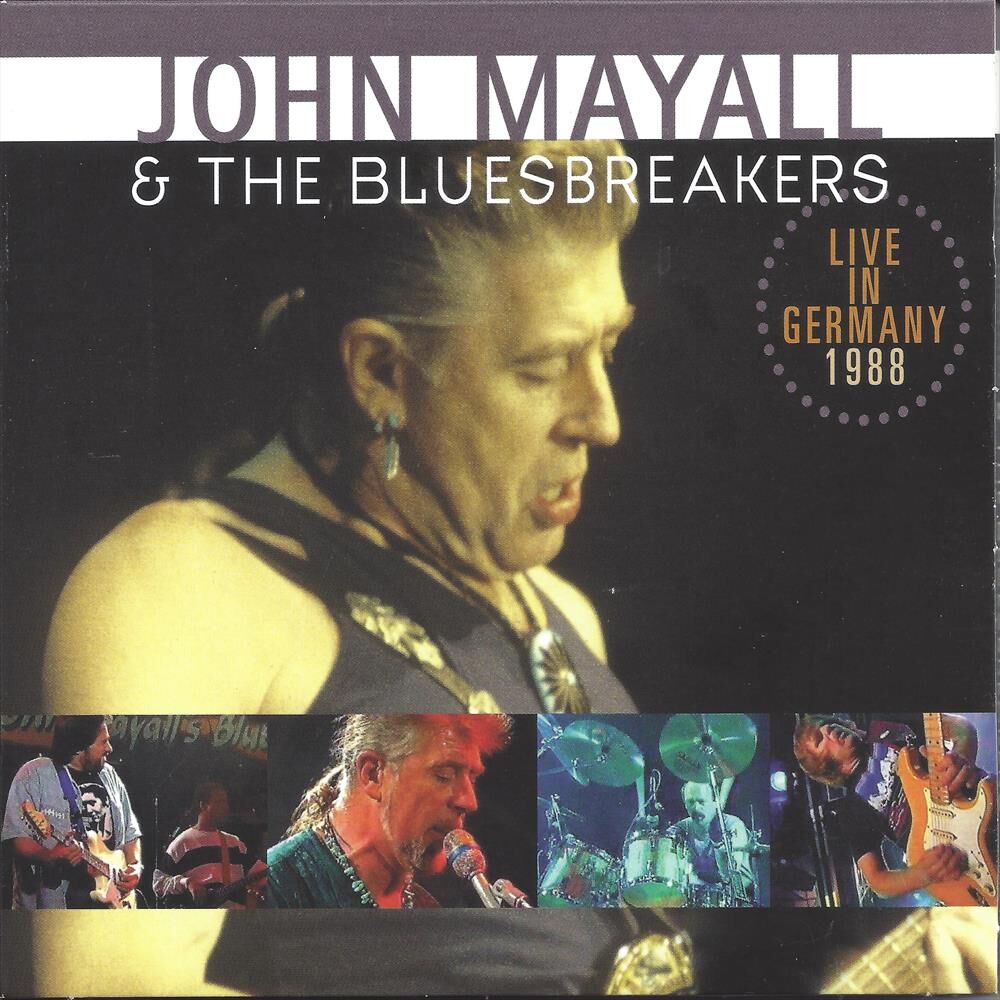
Live in Germany 1988 (Live)
2016

Live In 1967
2015

Truly English Blues Rock Band
2015

John Mayall's Bluesbreakers
2014
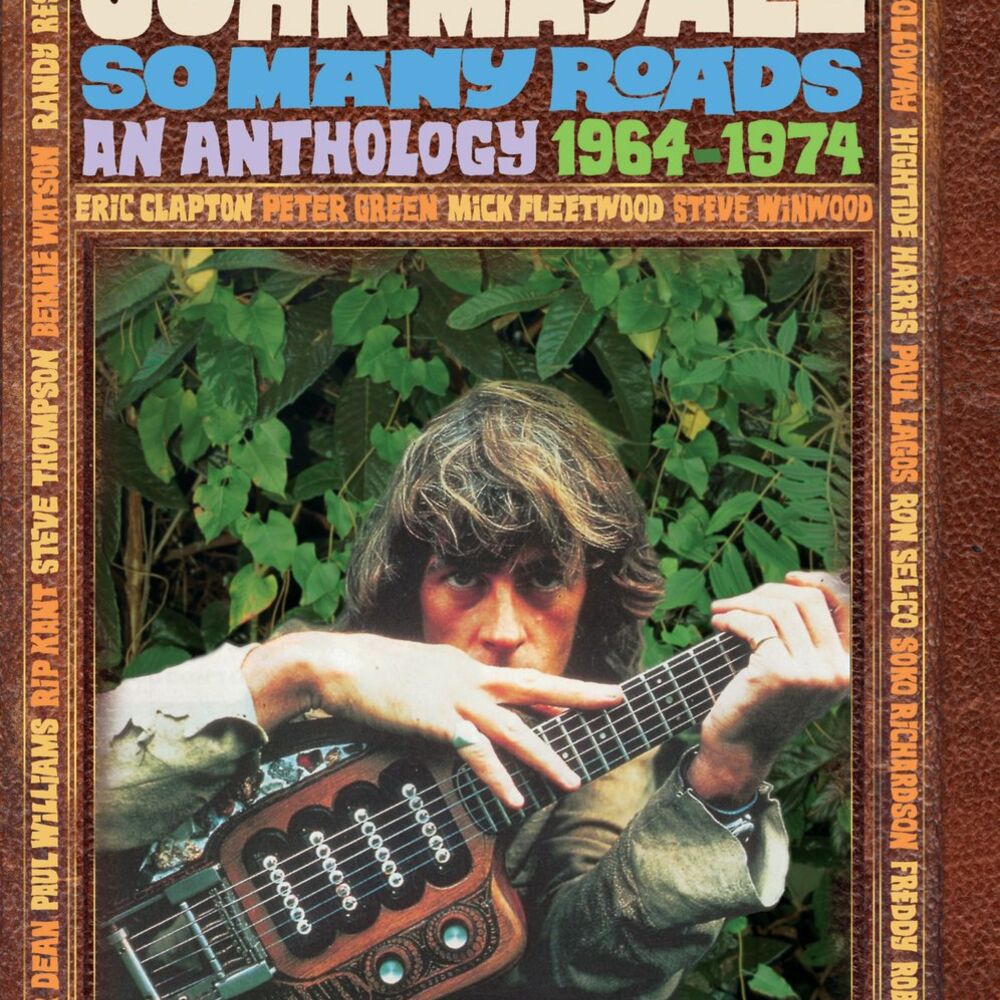
So Many Roads
2010

70th Birthday Concert
2009

Diary Of A Band Vol 1 & 2
2007
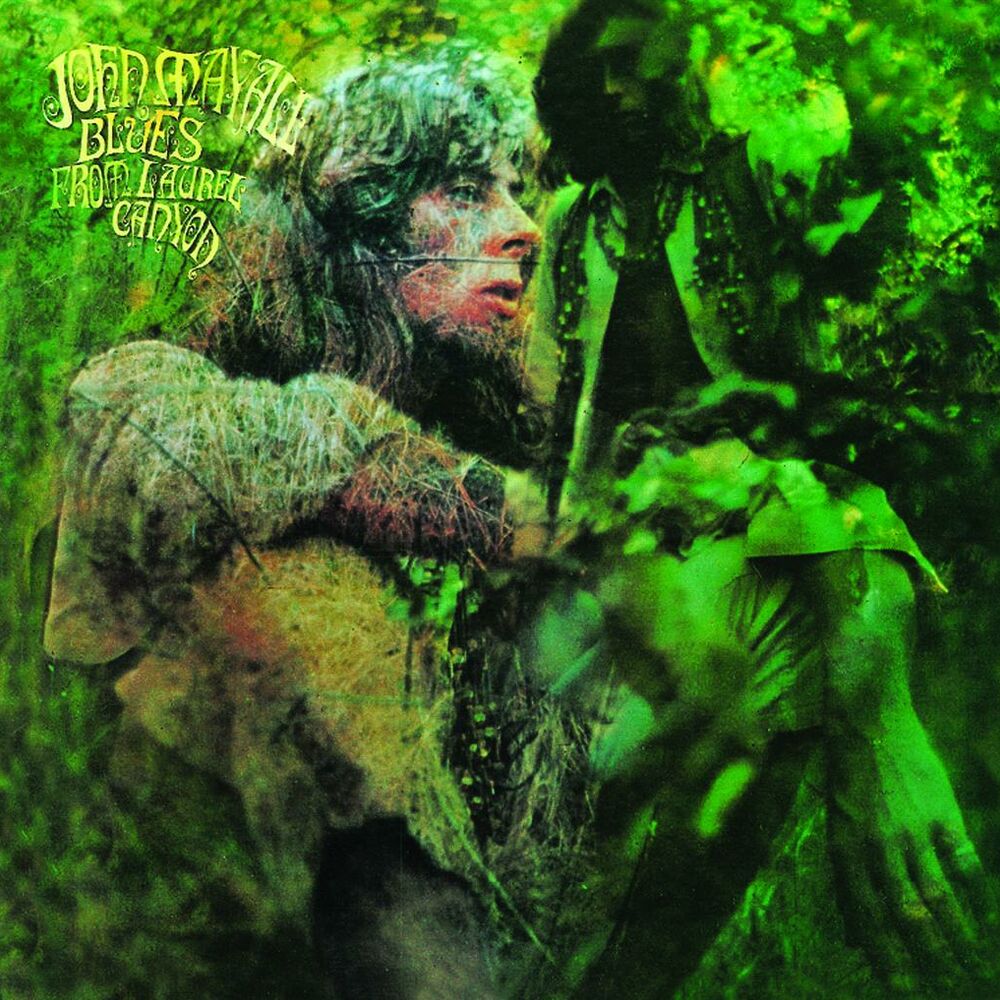
Blues From Laurel Canyon
2007
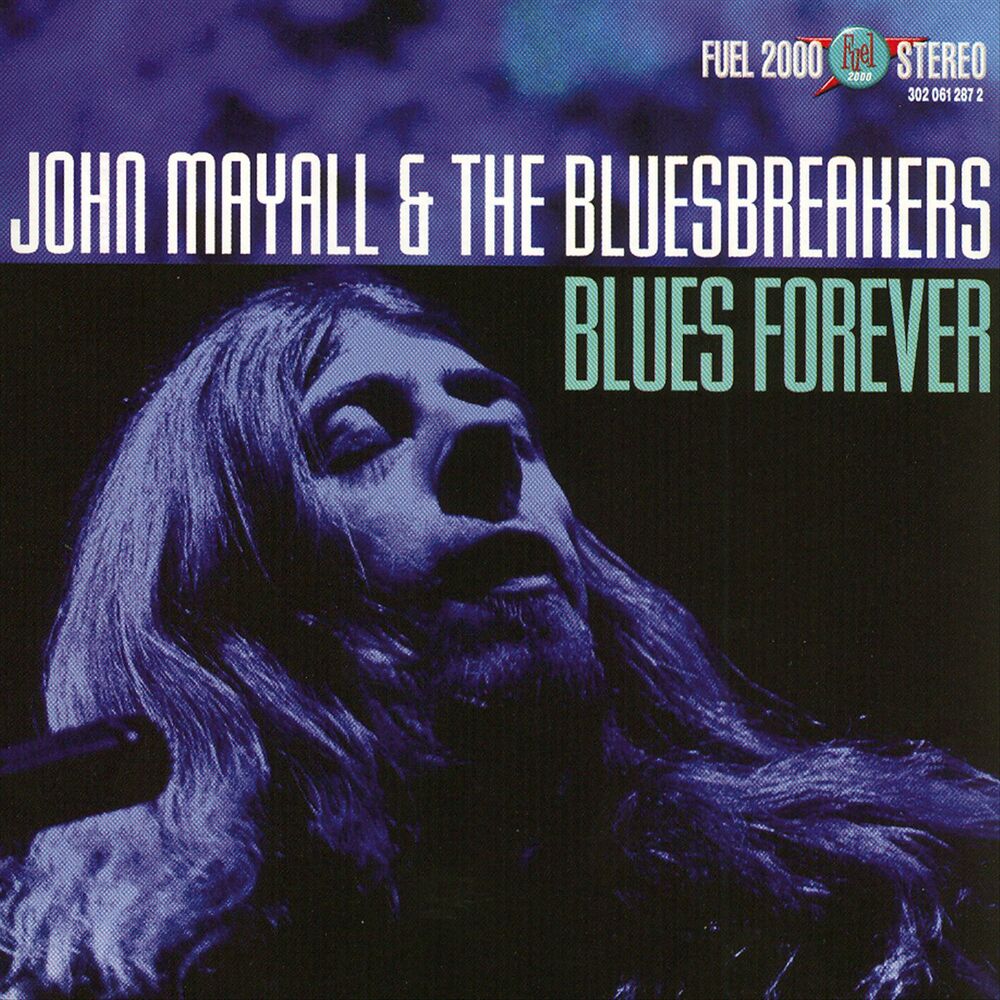
Blues Forever
2006
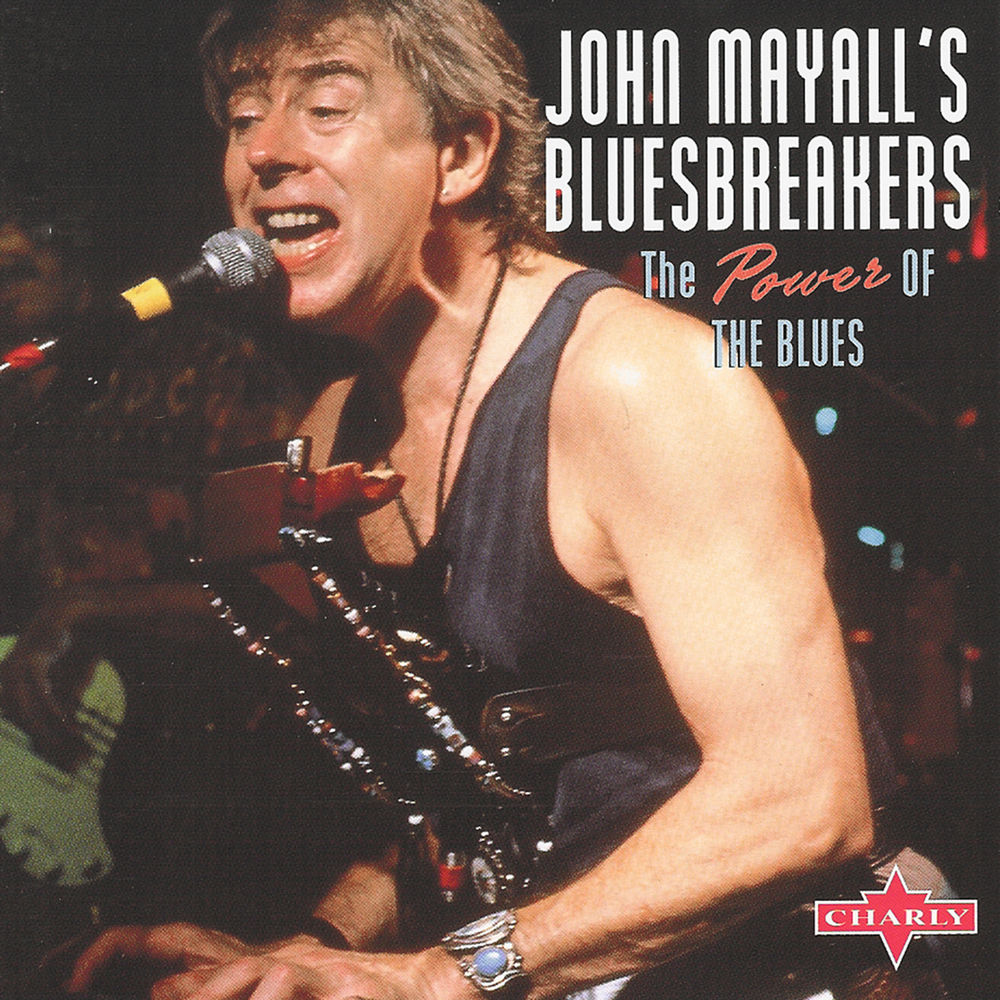
The Power of the Blues, Live, Vol. 1
2006

The Power Of The Blues CD2
2006
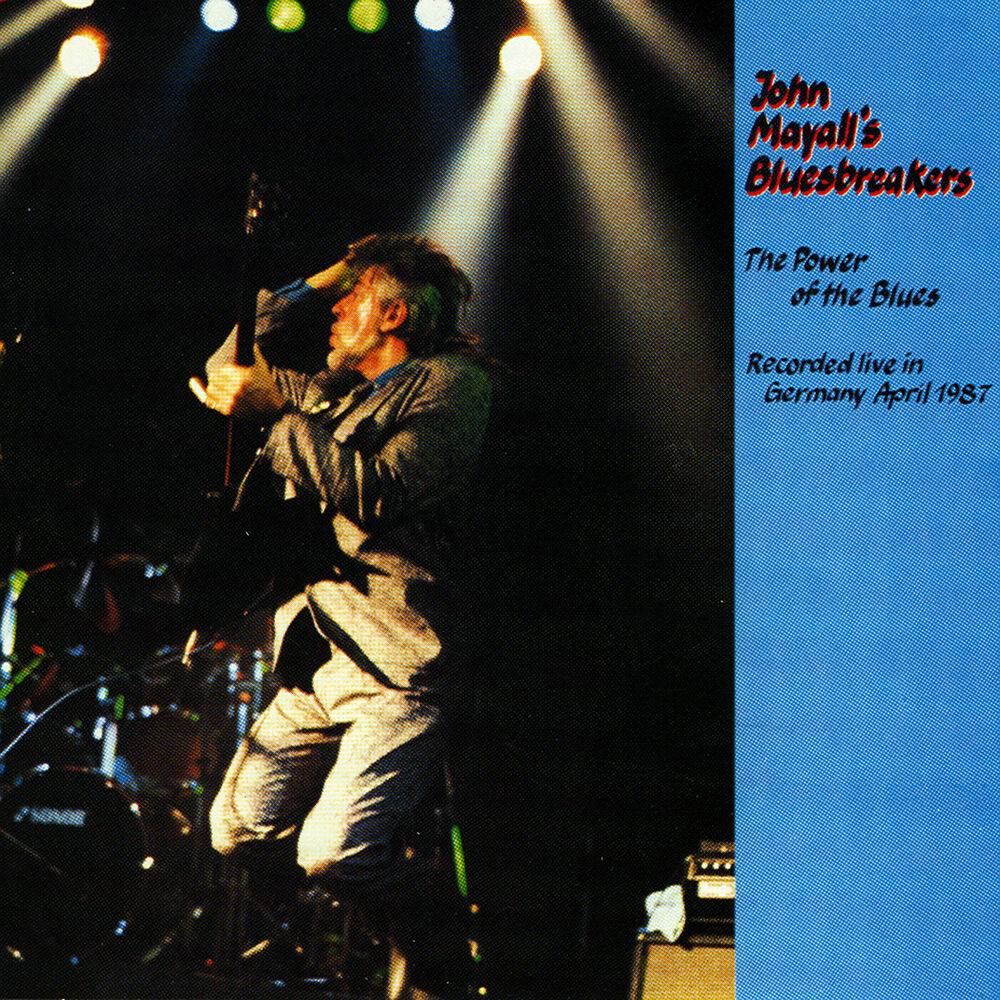
The Power Of The Blues
2006

Silver Tones - The Best Of John Mayall
1998

Spinning Coin
1995
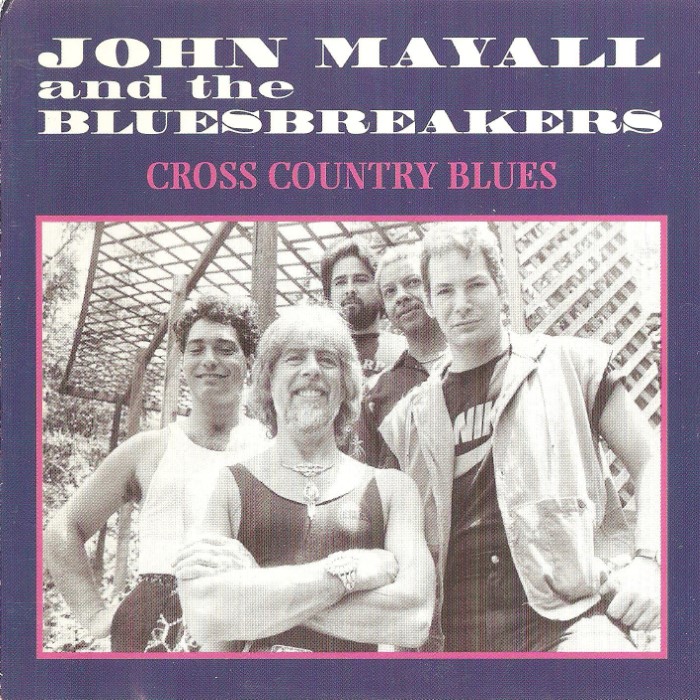
Cross Country Blues
1994

Wake Up Call
1993
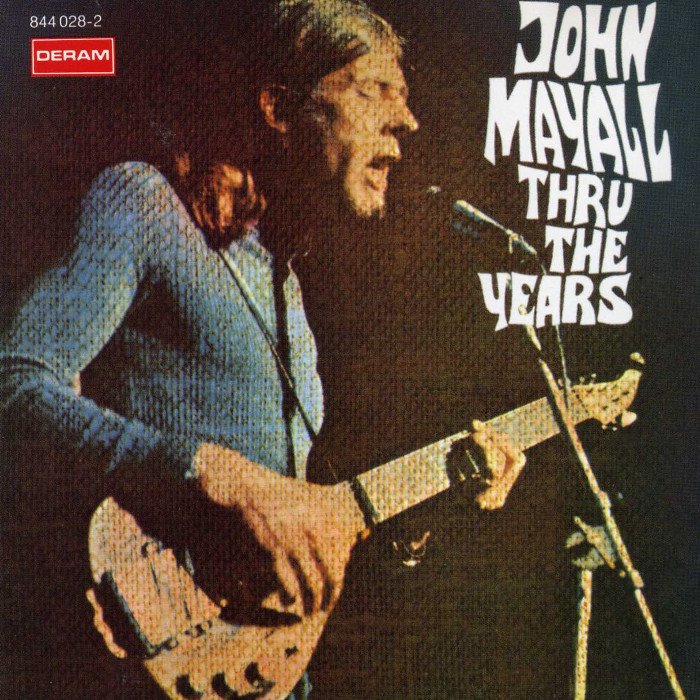
Thru the Years
1990

Silver Tones - The Best Of John Mayall & The Bluesbreakers
1990

A Sense Of Place
1989
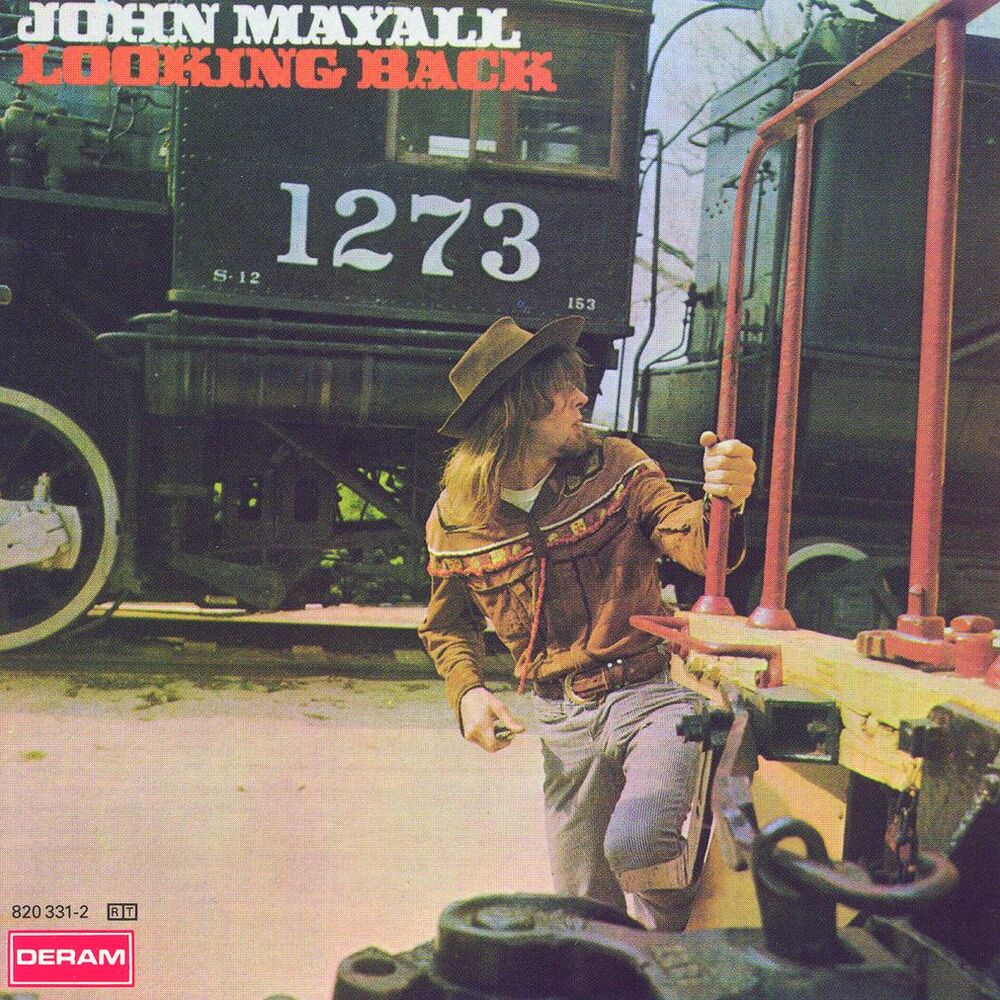
Looking Back
1989

Chicago Line (feat. Walter Trout)
1988

Live at the Capitol Theater - June 18, 1982 (Live)
1982

Primal Solos
1977
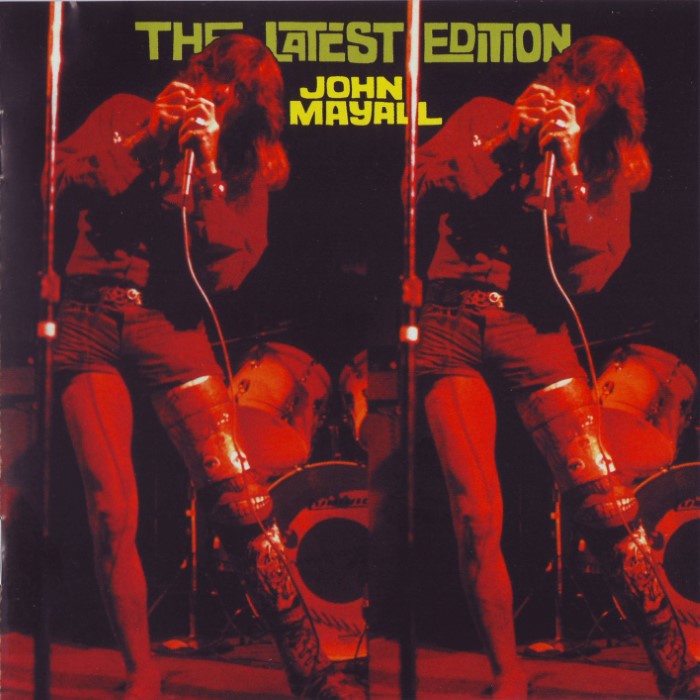
The Latest Edition
1974
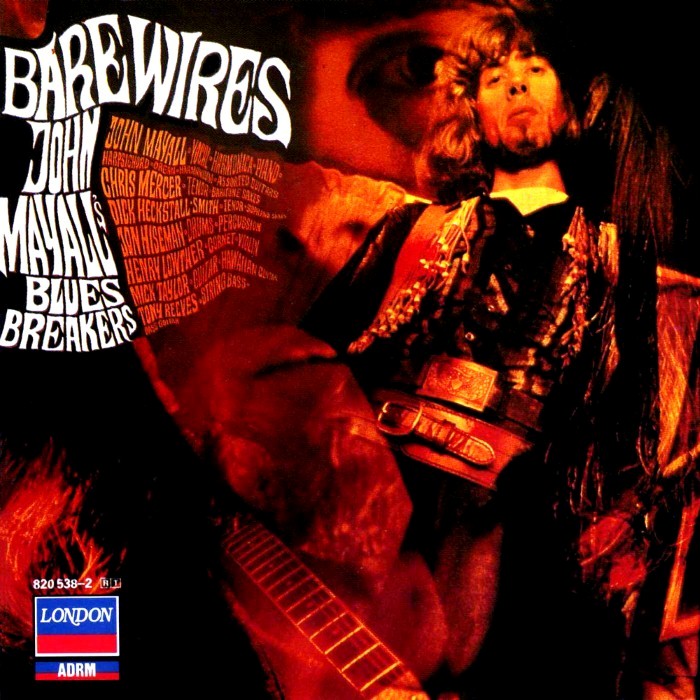
Bare Wires
1968

The Best of John Mayall & The Bluesbreakers
1967
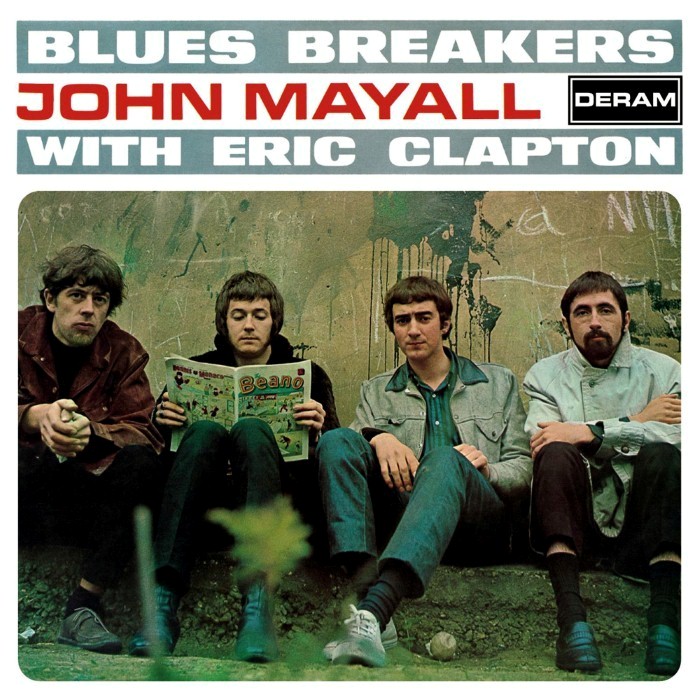
Blues Breakers With Eric Clapton
1966
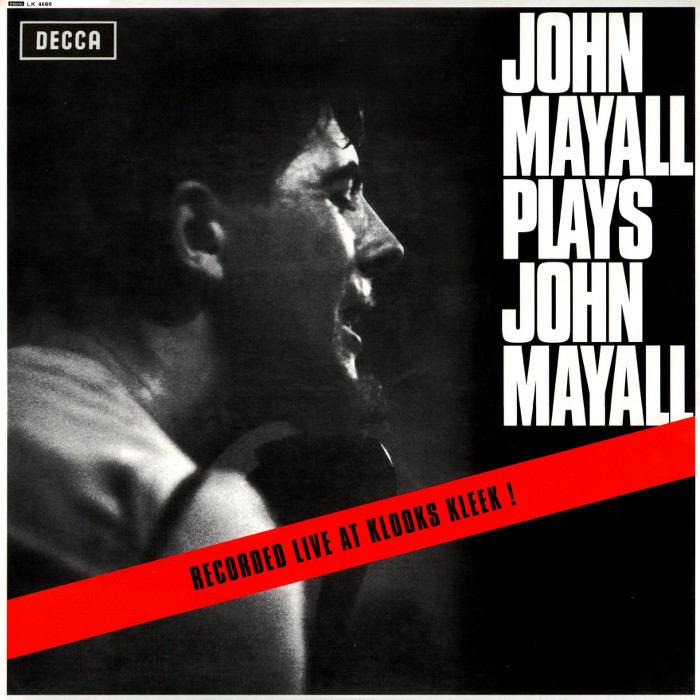
John Mayall Plays John Mayall
1965


Popular tracks
Trending this week
Collaborators
4


Community
More about John Mayall & The Bluesbreakers
About
John Mayall & The Bluesbreakers was formed in January 1963 and became an ever-evolving lineup of more than 100 different combinations of musicians performing under that name. Eric Clapton joined in April 1965 just a few months after the release of their first album. Clapton brought guitar-led blues influences to the forefront of the group; he had left The Yardbirds in order to concentrate on the blues. The first single released by John Mayall and his band, in May 1964, was the song "Crawling Up a Hill" with "Mr. James" as the b-side, the band on the single were Peter Ward, John McVie on bass, Bernie Watson on guitar, and Martin Hart on drums. After the single release Bernie Watson was replaced by Roger Dean and Martin Hart was replaced by Hughie Flint. This line-up played with John on John Mayall Plays John Mayall. After this the band released a single called "Crocodile Walk" with "Blues City Shakedown" as the b-side. The single was produced by Decca producer Tony Clarke. Roger Dean then left the group and was replaced by Eric Clapton.
Read moreRead less
The group lost their record contract with Decca that year, which also saw the release of a single called "I'm Your Witchdoctor" (produced by Jimmy Page) in October 1965, the first credited to John Mayall & The Bluesbreakers, followed by a return to Decca in 1966. Then in August 1966 The Bluesbreakers released the single "Lonely Years" with the b-side "Bernard Jenkins", which was released by Purdah Records. The album Blues Breakers with Eric Clapton was released in July; it reached the Top Ten in the UK. Shortly after Blues Breakers with Eric Clapton was released Eric Clapton went to see Buddy Guy in concert, and being impressed by his trio, the idea for Cream was formed and he left to form this new group with Ginger Baker and Jack Bruce. Clapton was replaced by Peter Green for A Hard Road, after which he left to form Fleetwood Mac. Then Mick Taylor joined the group and they recorded Crusade on 12 July 1967. Soon after, McVie joined Fleetwood Mac and was replaced by Tony Reeves for the album Bare Wires which was their highest charting UK album. Taylor then left to join The Rolling Stones and the name "Bluesbreakers" was dropped from John Mayall albums. By the time the 1960s were over, the Bluesbreakers had finally achieved some success in the United States. With some interruptions, the Bluesbreakers have continued to tour and release albums (over 50 to date), though they never achieved the critical or popular acclaim of their earlier material. In 2003, Eric Clapton, Mick Taylor and Chris Barber reunited with the band for John Mayall's 70th Birthday Concert in Liverpool — the concert was later released on CD and DVD. In 2004, their line up included Buddy Whittington, Joe Yuele, Hank Van Sickle and Tom Canning, and the band toured the UK with Mick Taylor as a guest musician. In November 2008, Mayall announced on his website he was disbanding the Bluesbreakers, to cut back on his heavy workload and give himself freedom to work with other musicians. A 2009 solo tour with Rocky Athas (formerly of Black Oak Arkansas) was the first musical venture Mayall undertook after disbanding his former band. Former band member, Johnny Almond died on 18 November 2009 from cancer, aged 63. However, in 2009, Eagle Records asked Mayall for a new album, and he put together a new band including Rocky Athas (guitar), Tom Canning (keyboard), Greg Rzab (bass) and Jay Davenport (percussion), and produced the album Tough the same year. After a year Canning left for other priorities.
John Mayall & The Bluesbreakers in brief
- How many John Mayall & The Bluesbreakers releases are on Riffiter?
- 52 releases are catalogued, spanning 1965 to 2026.
- When was John Mayall & The Bluesbreakers formed?
- John Mayall & The Bluesbreakers formed in 1963, in London, UK.
- What genre is John Mayall & The Bluesbreakers?
- John Mayall & The Bluesbreakers is catalogued under Blues.
- What is the most recent John Mayall & The Bluesbreakers release on Riffiter?
- Lazy Days (Live Los Angeles '75), released in 2026.