

Discography
26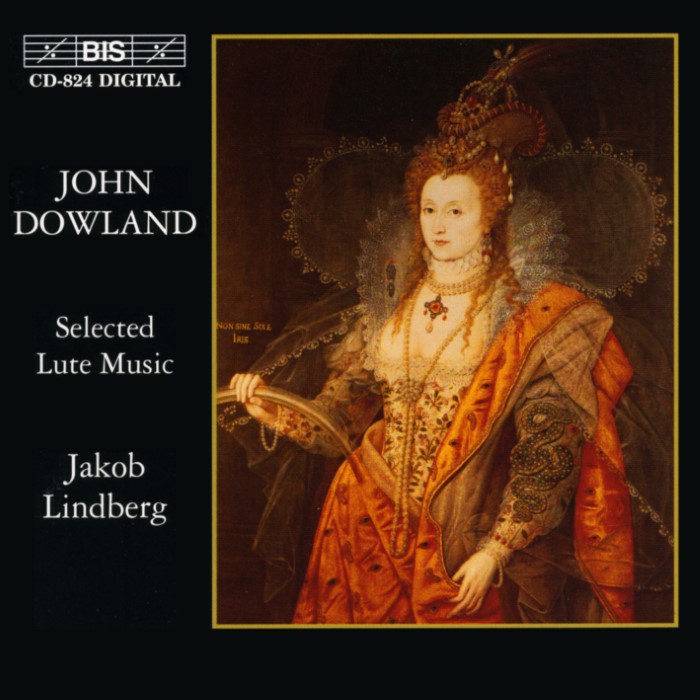
Most popular
Selected Lute Music
1996 · 25 tracks
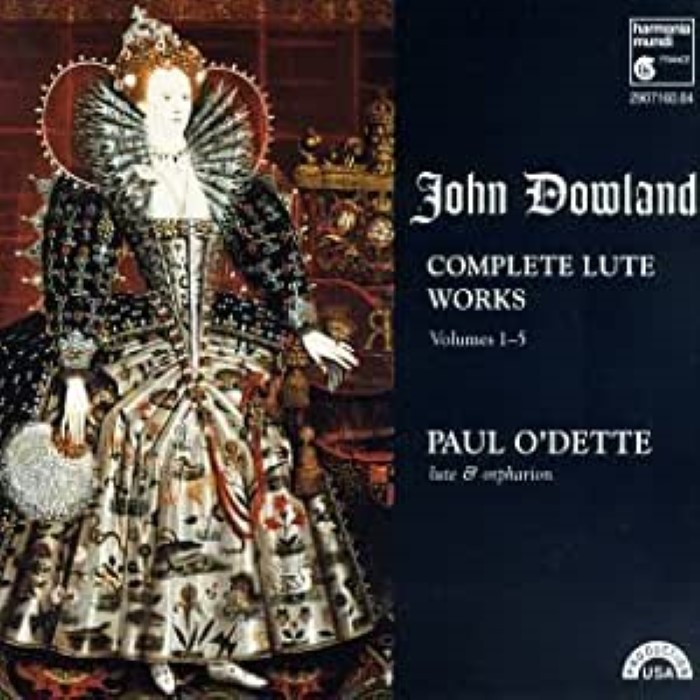
Complete Lute Works, Volume 1 (Paul O'Dette)
1997
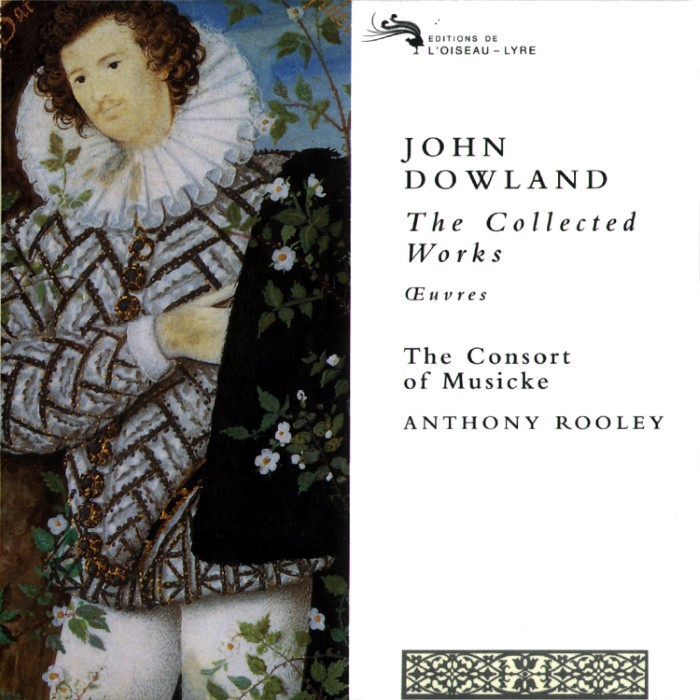
John Dowland The Collected Works (The Consort of Musicke, feat. conductor: Anthony Rooley)
1997
The Collected Works
1997
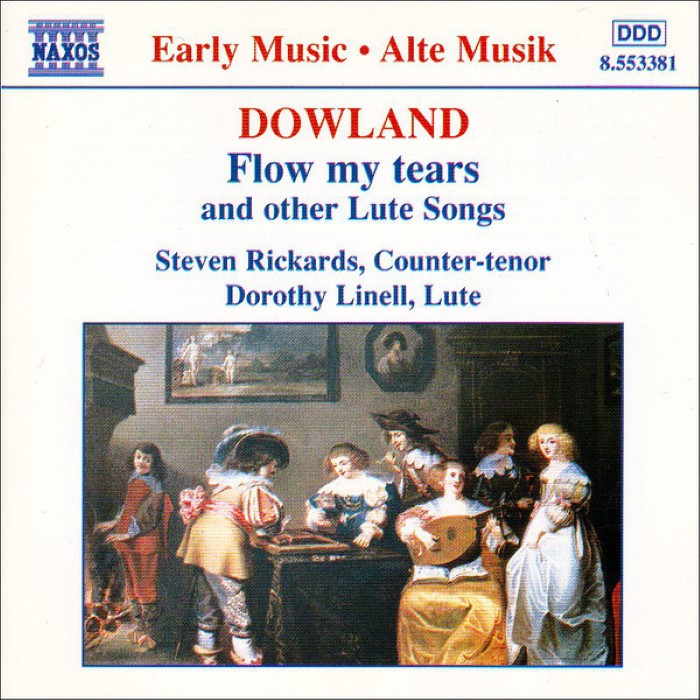
Flow My Tears and Other Lute Songs
1997
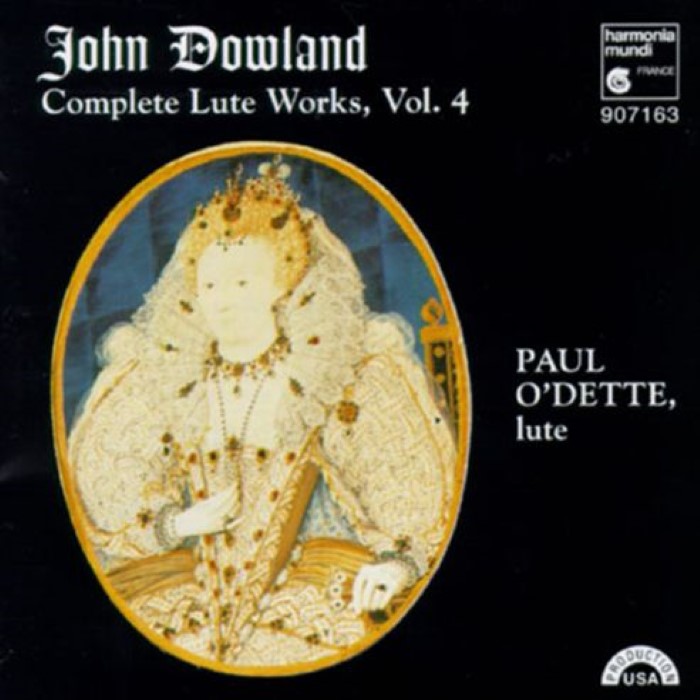
Complete Lute Works, Vol. 4
1997
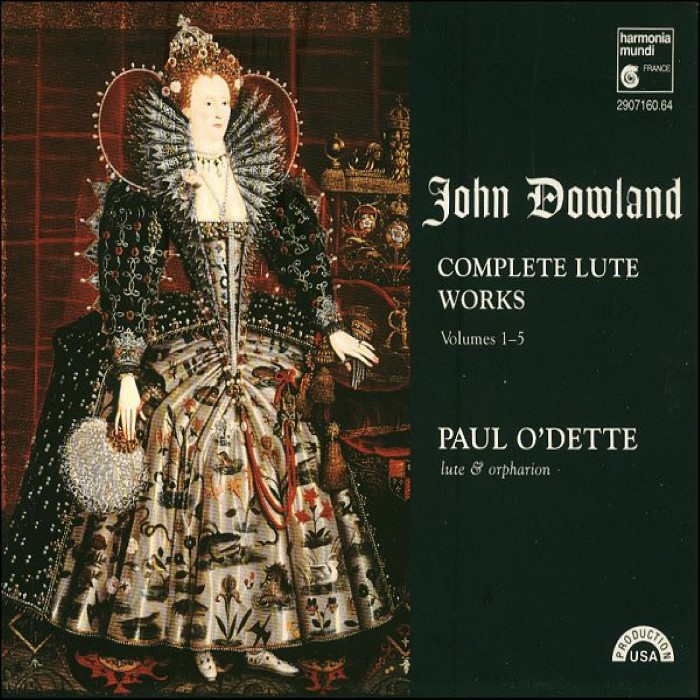
Complete Lute Works, Volume 4 (Paul O'Dette)
1997
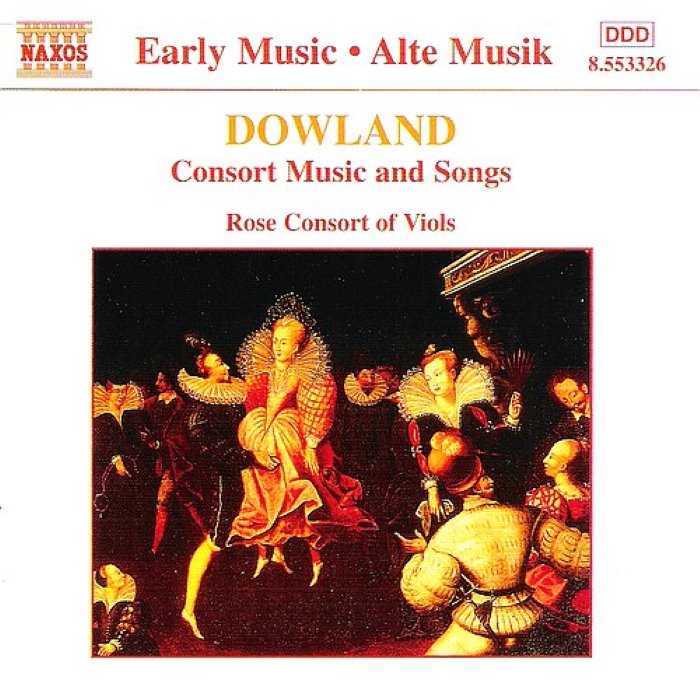
Consort Music and Songs (Rose Consort of Viols feat. mezzo-soprano: Catherine King, lute: Jacob Heringman)
1997
Complete Lute Works, Vol. 5
1997
Complete Lute Works, Vol. 3
1996
Complete Lute Works, Vol. 2
1996
Complete Lute Works, Vol. 1
1995
- Lachrimae or Seven Teares 1604
Lachrimae or Seven Teares 1604
1993
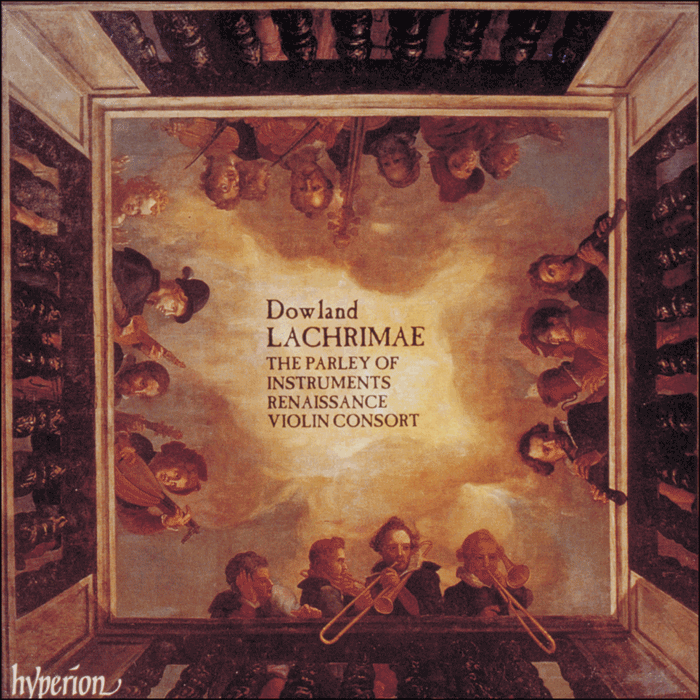
Lachrimae or Seaven Teares
1993
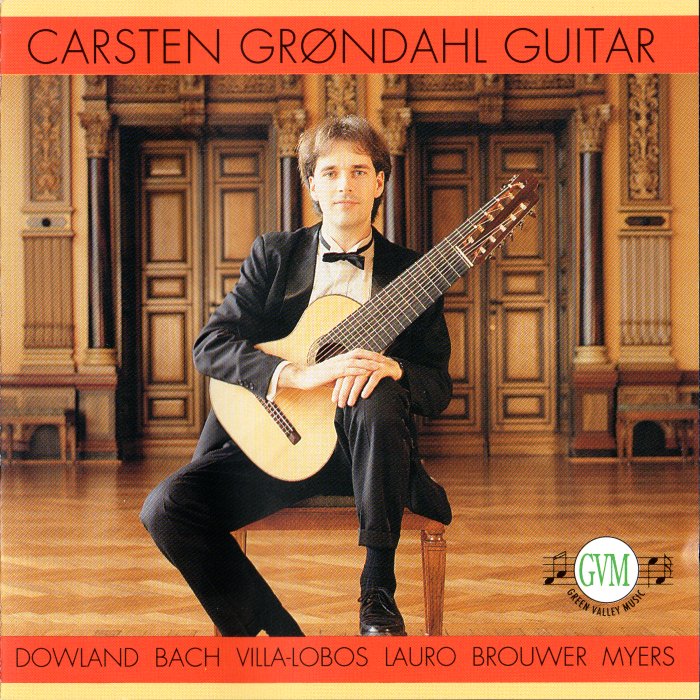
Dowland / Bach / Villa-Lobos / Lauro / Brouwer / Myers
1992
- A Pilgrimes Solace / Mr. Henry Noell Lamentations / Psalmes & Sacred Songs
A Pilgrimes Solace / Mr. Henry Noell Lamentations / Psalmes & Sacred Songs
1992
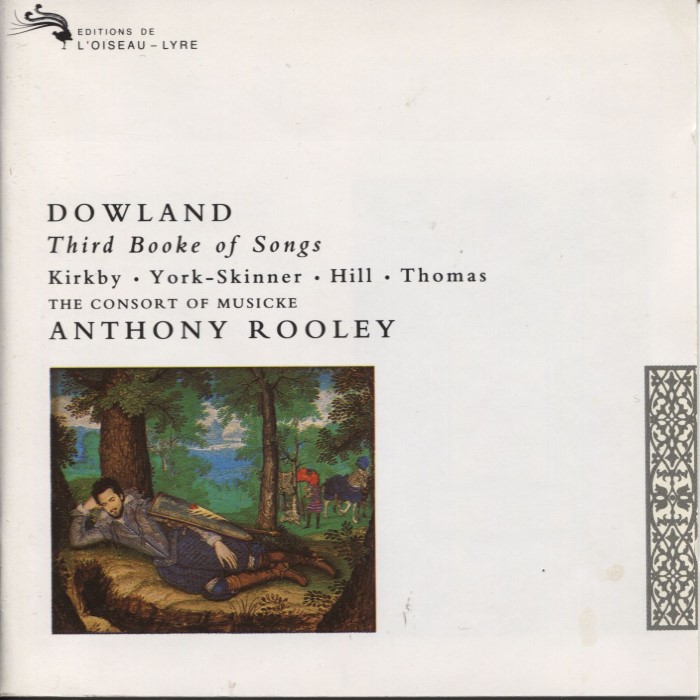
Third Booke of Songs
1991
- Lute Music of John Dowland
Lute Music of John Dowland
1991
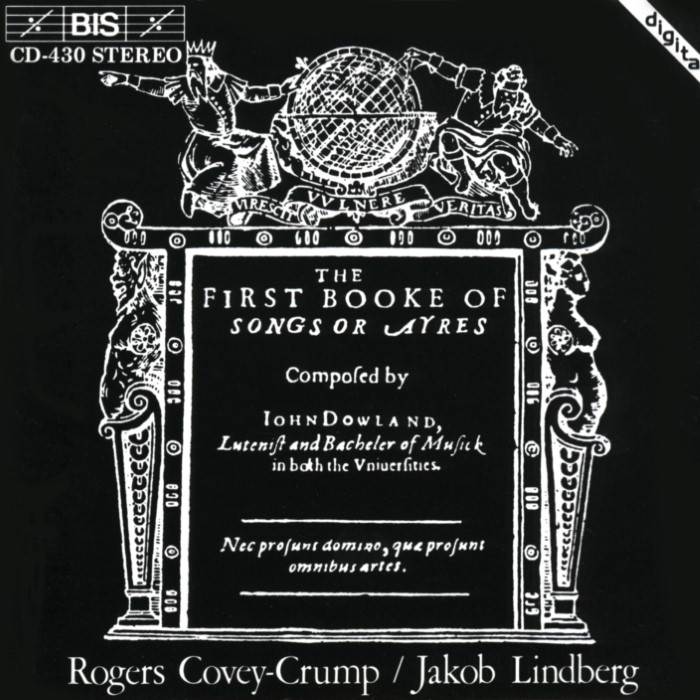
The First Booke of Songs or Ayres
1990
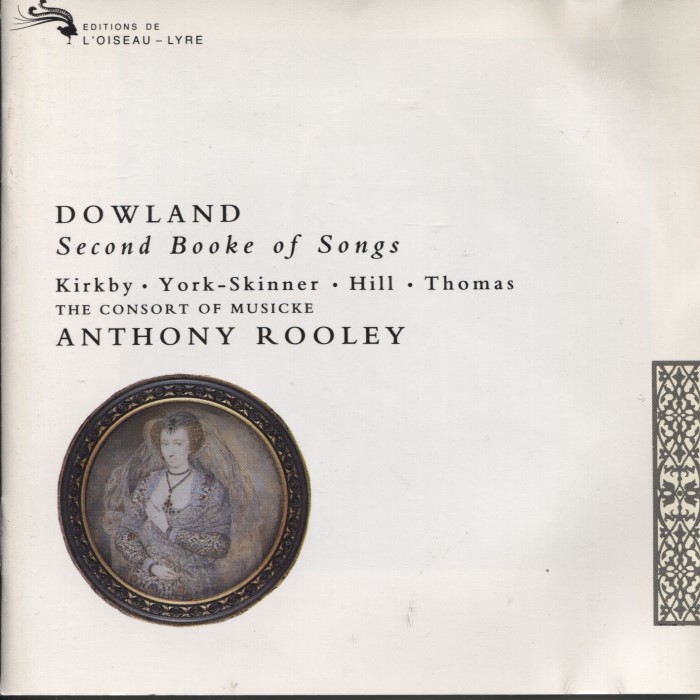
Second Booke of Songs(1600)
1990
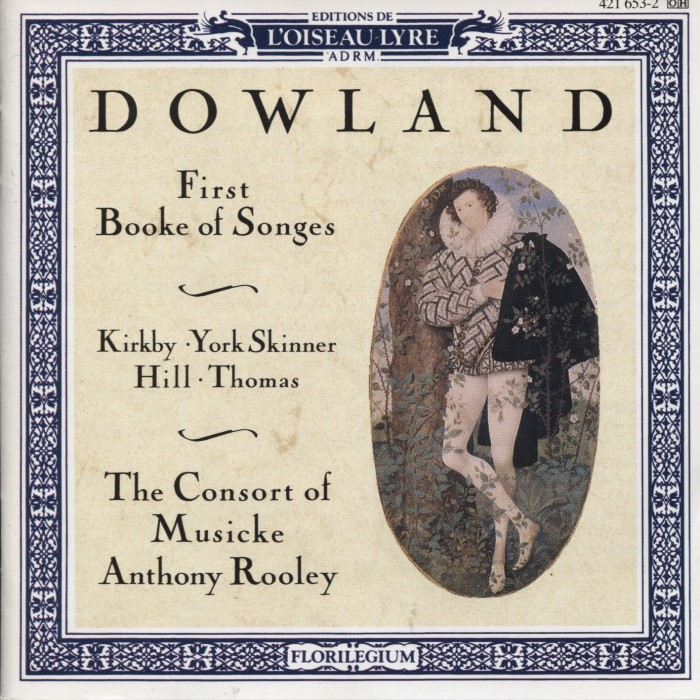
First Booke of Songes (The Consort of Musicke feat. director: Anthony Rooley)
1989
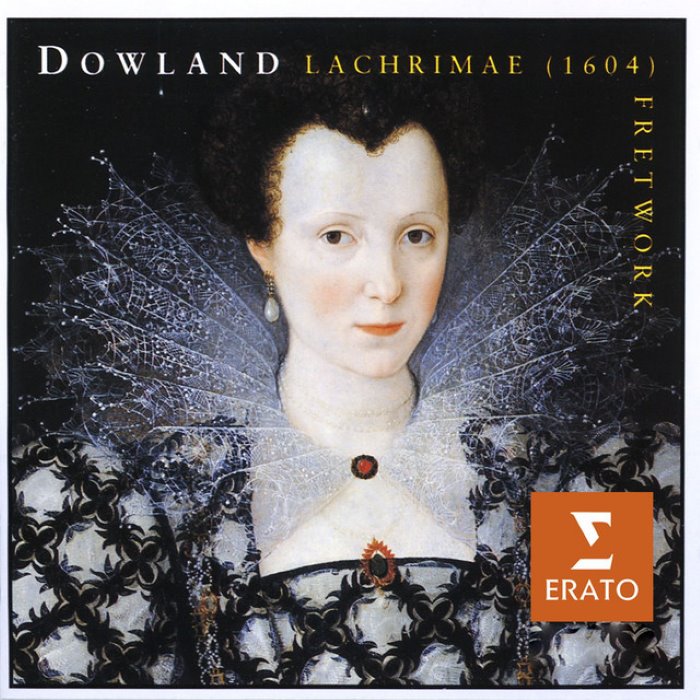
Lachrimae 1604 (The Consort of Musicke, feat. conductor: Anthony Rooley)
1989
Ayres & Lute-Lessons (Deller Consort feat. conductor: Mark Deller)
1989
Two Loves
1989
Lachrimæ, or Seaven Teares
1986
Musicke for the Lute
1983
Appears on
2Releases by other artists featuring John Dowland.
Featured tracks
16 Dowland: Unquiet ThoughtsBenjamin Britten · Dowland: Lute Songs – Britten: Nocturnal
- Dowland: Say, Love, If Ever Thou Didst FindBenjamin Britten · Dowland: Lute Songs – Britten: Nocturnal
- Dowland: Sorrow, Stay, Lend True Repentant TearsBenjamin Britten · Dowland: Lute Songs – Britten: Nocturnal
- Dowland: Away With These Self-Loving LadsBenjamin Britten · Dowland: Lute Songs – Britten: Nocturnal
- Dowland: Fantasia No. 7Benjamin Britten · Dowland: Lute Songs – Britten: Nocturnal
- Dowland: Come Again, Sweet Love Doth Now InviteBenjamin Britten · Dowland: Lute Songs – Britten: Nocturnal
- Dowland: Sleep, Wayward ThoughtsBenjamin Britten · Dowland: Lute Songs – Britten: Nocturnal
- Dowland: Come, Heavy SleepBenjamin Britten · Dowland: Lute Songs – Britten: Nocturnal
- Dowland: Flow, My TearsBenjamin Britten · Dowland: Lute Songs – Britten: Nocturnal
- Dowland: Lachrimae, or 7 Teares: XVIII. Captaine Digorie Piper His Galiard, P. 19Benjamin Britten · Dowland: Lute Songs – Britten: Nocturnal
- Dowland: What If I Never Speed?Benjamin Britten · Dowland: Lute Songs – Britten: Nocturnal
- Dowland: To Ask for All Thy LoveBenjamin Britten · Dowland: Lute Songs – Britten: Nocturnal
- Dowland: Now, Oh Now I Needs Must PartBenjamin Britten · Dowland: Lute Songs – Britten: Nocturnal
- Dowland: In Darkness Let Me DwellBenjamin Britten · Dowland: Lute Songs – Britten: Nocturnal
 Dowland: If My Complaints Could Passions MoveAlexander Scriabin · The Art of Segovia
- Dowland: Frog GalliardAlexander Scriabin · The Art of Segovia
Collaborators
2

Community
More about John Dowland
About
John Dowland (1563-1626) was an English, possibly Irish-born, composer, singer, and lutenist. Very little is known of Dowland's early life, but it is generally thought he was born in London, or possibly Dublin. It is known that he went to Paris in 1580 where he was in service to the ambassador to the French court. He became a Roman Catholic at this time, which he claimed led to his not being offered a post at Elizabeth I's Protestant court. (However, he had told nobody of his conversion.) He worked instead for many years at the court of Christian IV of Denmark. He returned to England in 1606 and in 1612 secured a post as one of James I's lutenists. He died in London on the 20th February 1626. Most of Dowland's music is for his own instrument, the lute. It includes several books of solo lute works, lute songs (for one voice and lute), part-songs with lute accompaniment, and several pieces for viol consort with lute. He later wrote what is probably his best known instrumental work, Lachrimae or Seaven Teares Figured in Seaven Passionate Pavans, a set of seven for five viols and lute, each based on his well-known song "Flow My Tears".
Read moreRead less
It became one of the best known pieces of consort music in his own time. His pavane "Lachrymae antiquae" was also one of the big hits of the seventeenth century. Dowland's music often displays the melancholia that was so fashionable in music at that time, typified by a consort piece with the punning title "Semper Dowland, semper dolens" ("Always Dowland, always doleful").
John Dowland in brief
- How many John Dowland releases are on Riffiter?
- 26 releases are catalogued, spanning 1983 to 1997.
- What is the most recent John Dowland release on Riffiter?
- Complete Lute Works, Volume 1 (Paul O'Dette), released in 1997.