

Discography
23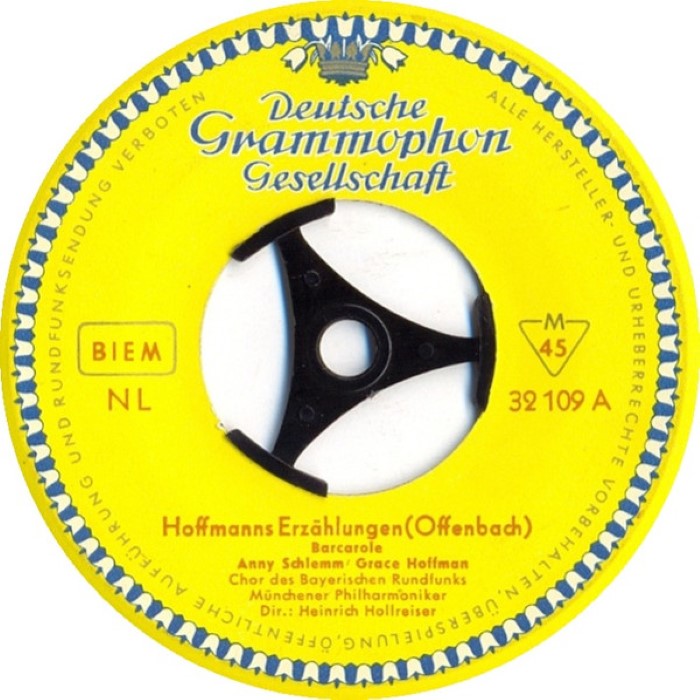
Most popular
Hoffmanns Erzählungen
2001 · 15 tracks
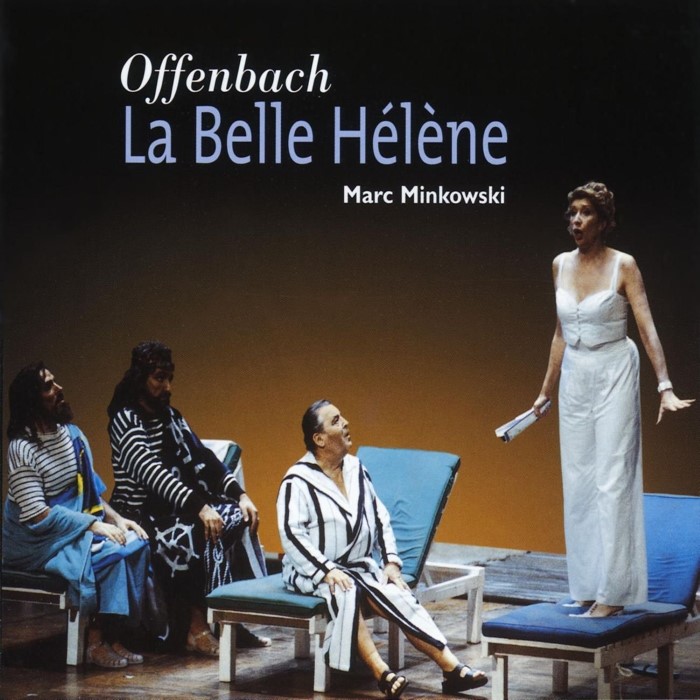
La Belle Hélène
2001
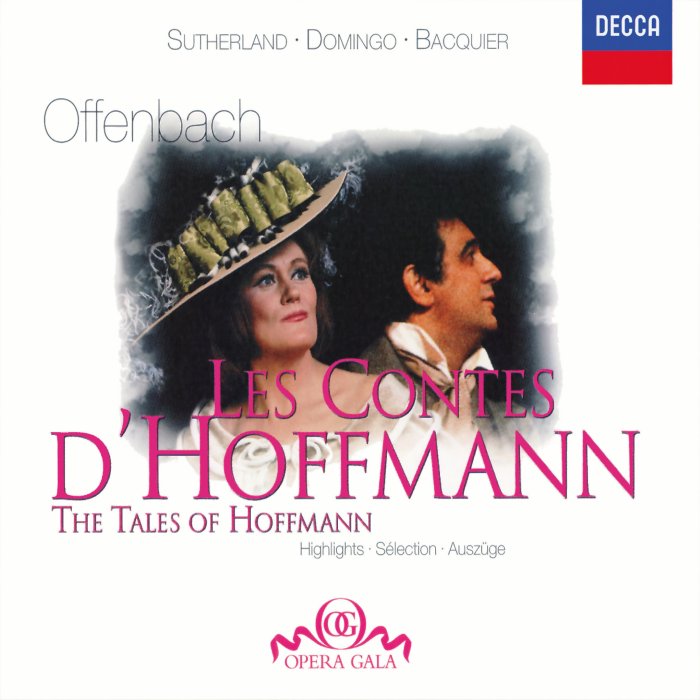
Les Contes D'Hoffmann: Highlights (Orchestre de la Suisse Romande feat. conductor: Richard Bonynge)
1999
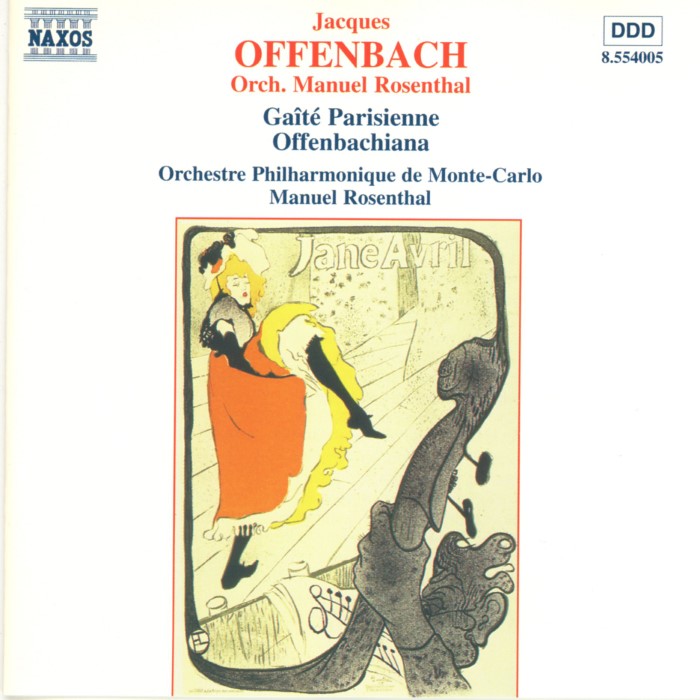
Gaité Parisienne / Offenbachiana
1999
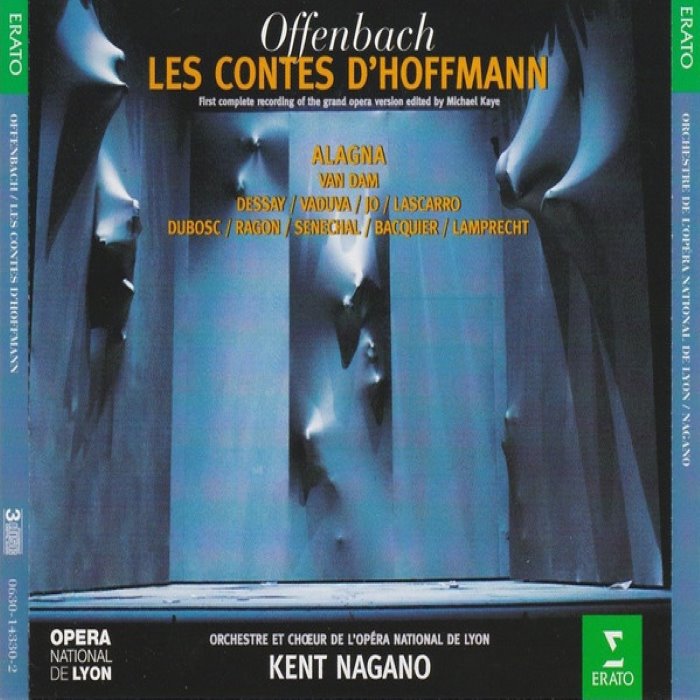
Les Contes d'Hoffmann (Orchestre et Chœur de l'Opéra de Lyon feat. conductor: Kent Nagano)
1996
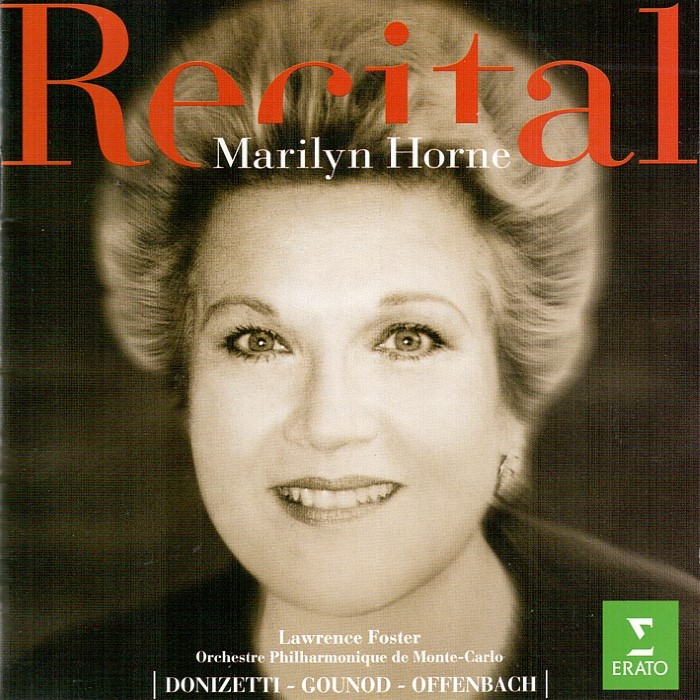
Recital
1995
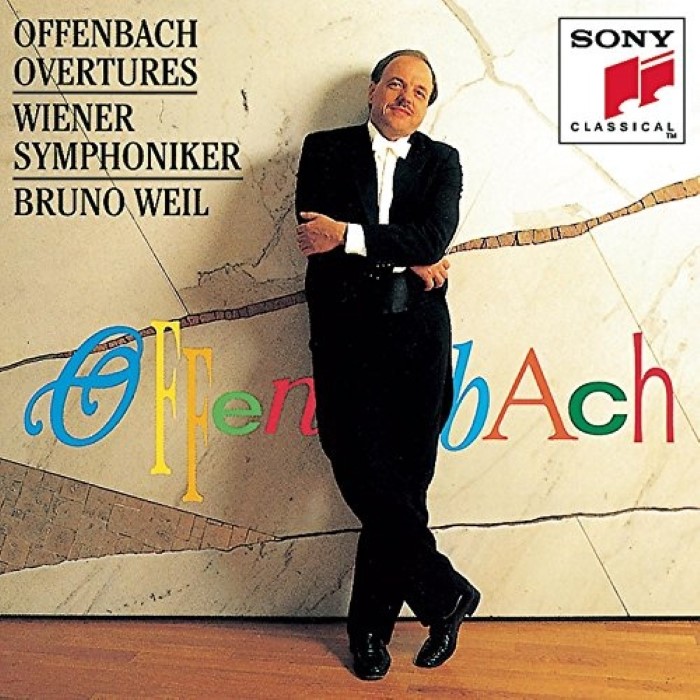
Overtures (Wiener Symphoniker feat. conductor: Bruno Weil)
1993
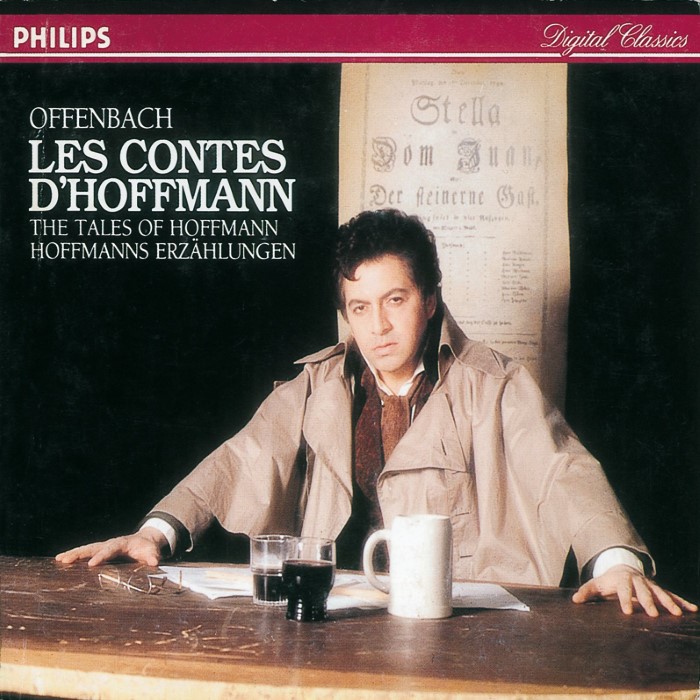
Les contes d'Hoffmann (Staatskapelle Dresden, feat. conductor: Jeffrey Tate, singers: Araiza, Ramey, Lind, Studer, J. Norman, von Otter)
1992
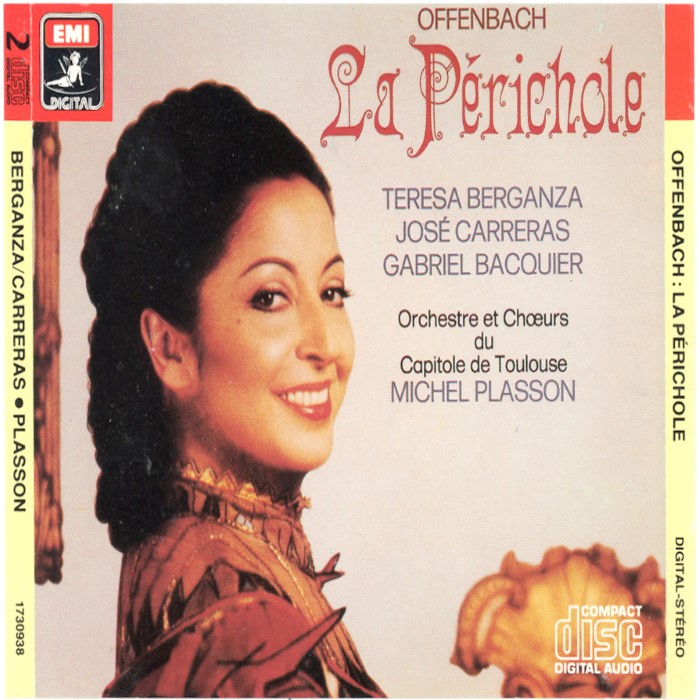
La Périchole (Chœurs et Orchestre du Capitole de Toulouse feat. conductor: Michel Plasson)
1989
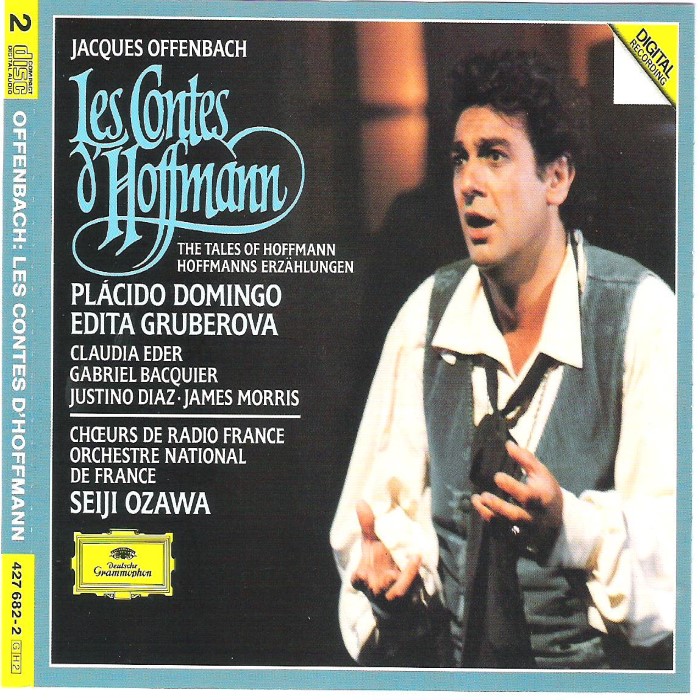
Les Contes d'Hoffmann (Orchestre National de France feat. conductor: Seiji Ozawa)
1989
- Highlights from Orpheus In The Underworld (English National Opera Orchestra and Chorus feat. conductor Mark Elder)
Highlights from Orpheus In The Underworld (English National Opera Orchestra and Chorus feat. conductor Mark Elder)
1988
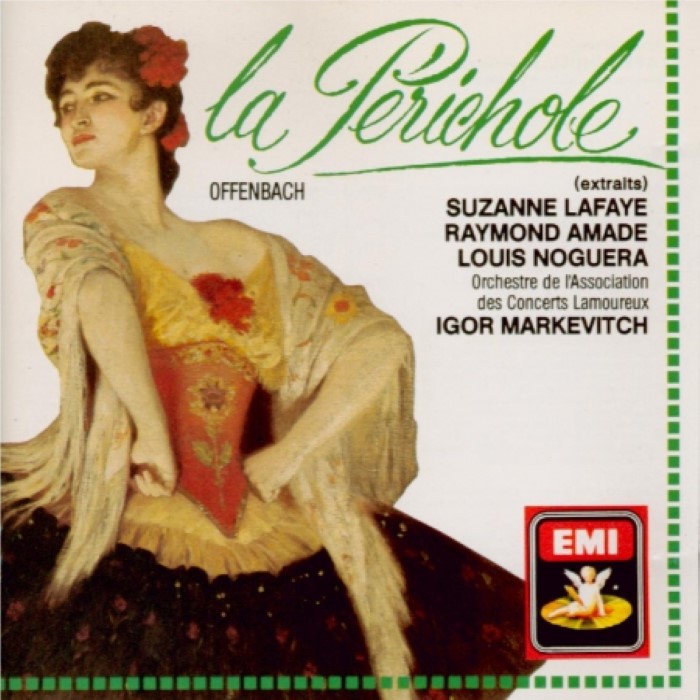
La Périchole (extraits)
1988
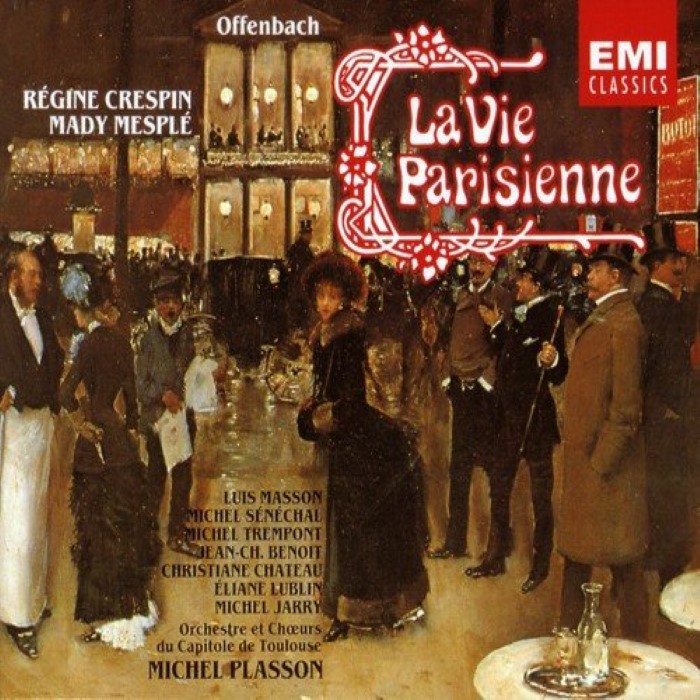
La Vie Parisienne (Chœurs et Orchestre du Capitole de Toulouse feat. conductor: Michel Plasson)
1988
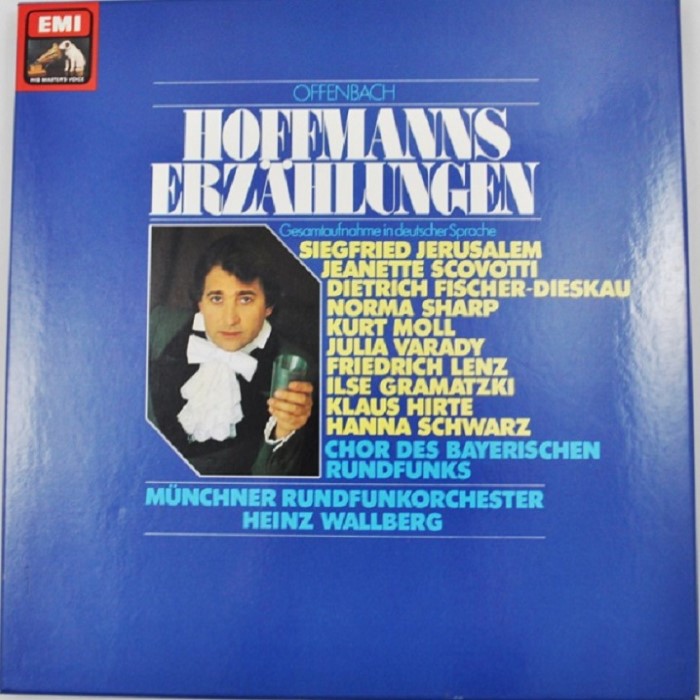
Hoffmanns Erzählungen - Querschnitt (Münchner Rundfunkorchester, feat. conductor: Heinz Wallberg, singers: Jerusalem, Scovotti, Fischer-Dieskau, Sharp, Moll)
1988
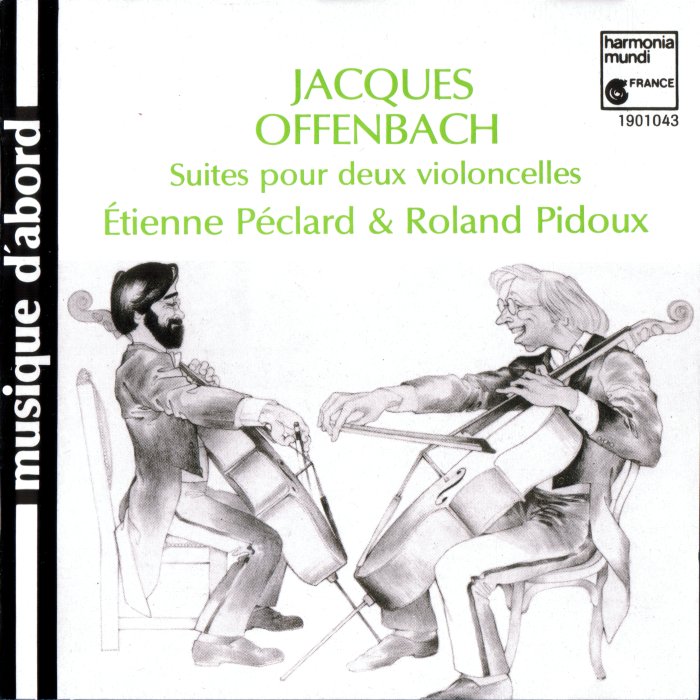
Suites pour deux violoncelles
1986
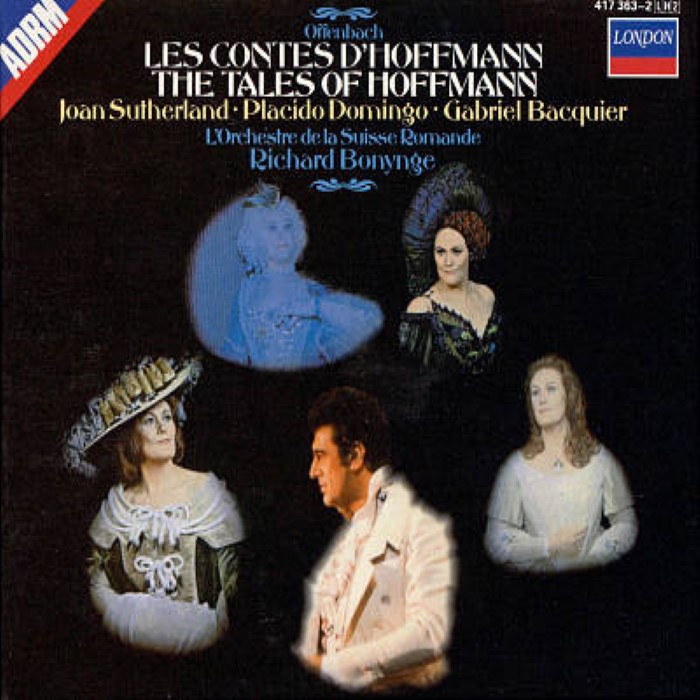
Les Contes d'Hoffmann (L'Orchestre de la Suisse Romande feat. conductor: Richard Bonynge)
1986
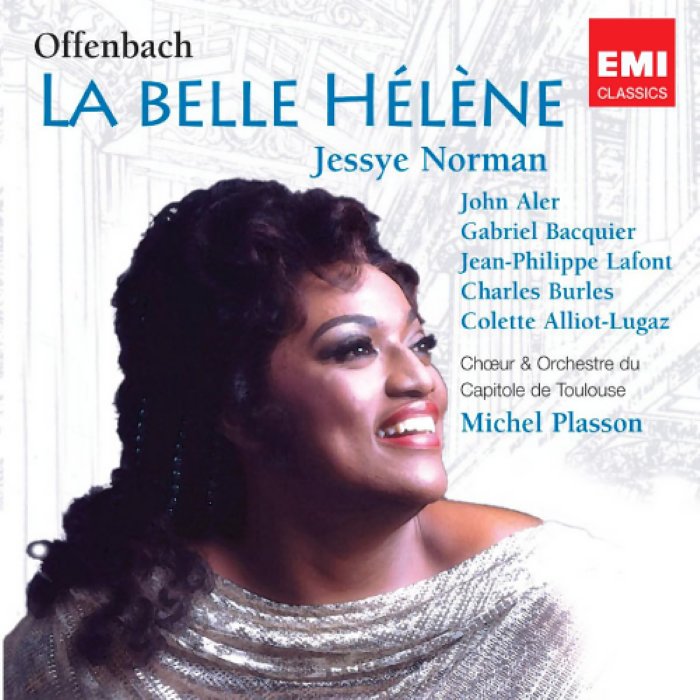
La Belle Hélène (Chœurs et Orchestre du Capitole de Toulouse feat. conductor: Michel Plasson)
1985
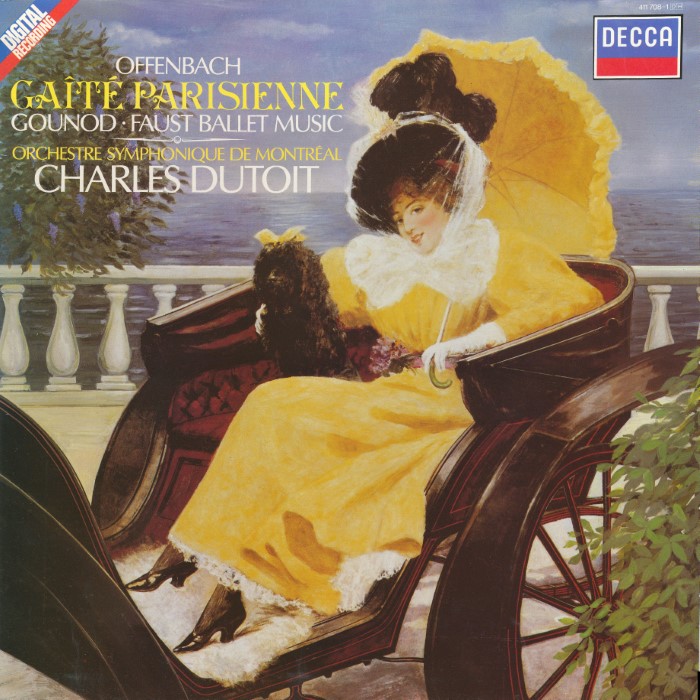
Offenbach: Gaîté parisienne / Gounod: Faust Ballet
1984
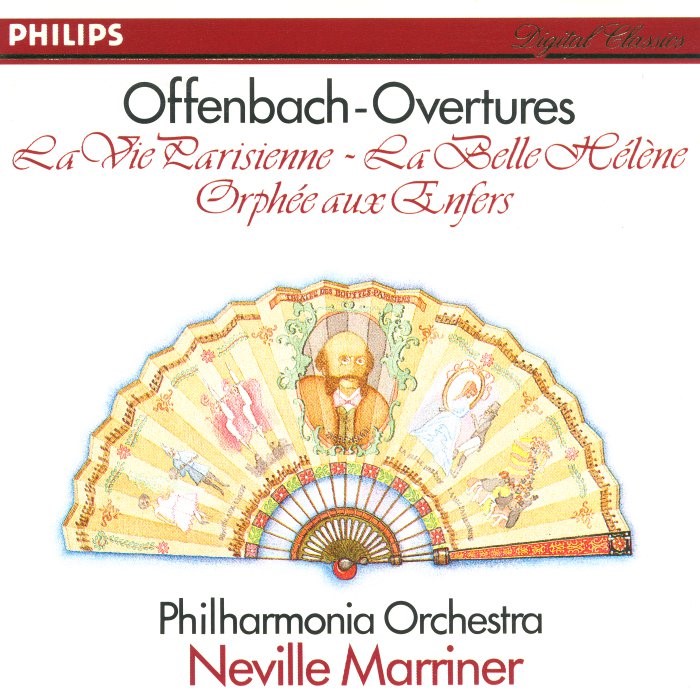
Overtures (Philharmonia Orchestra feat. conductor: Neville Marriner)
1982
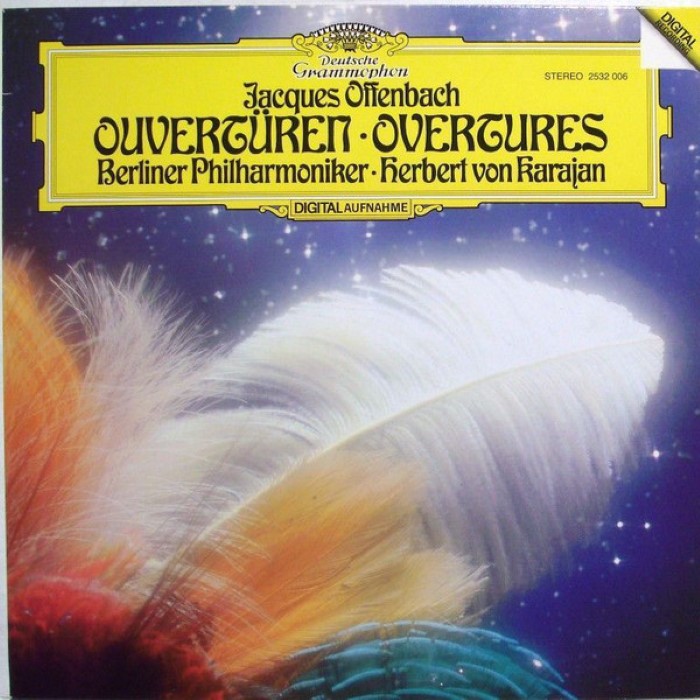
Ouvertüren overtures (Berliner philharmoniker, herbert von karajan)
1981
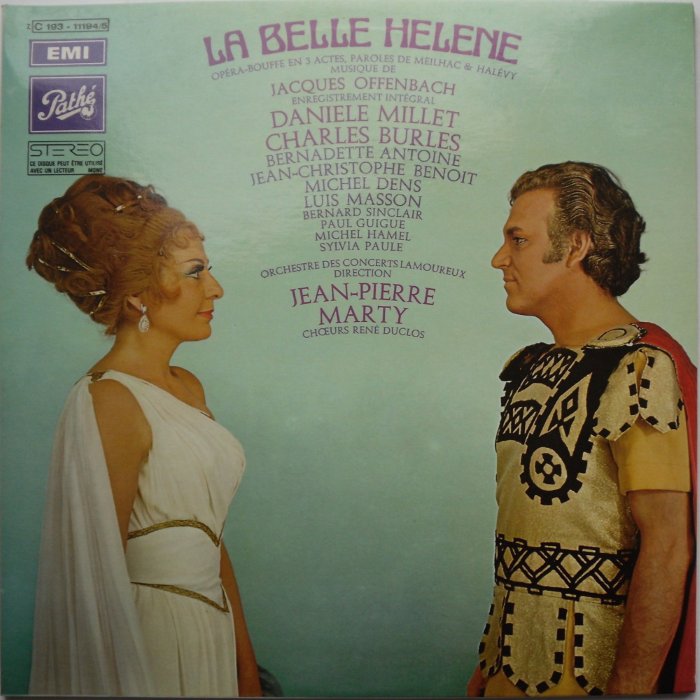
La Belle Hélène (Orchestre des Concerts Lamoureux feat. conductor: Jean-Pierre Marty)
1970
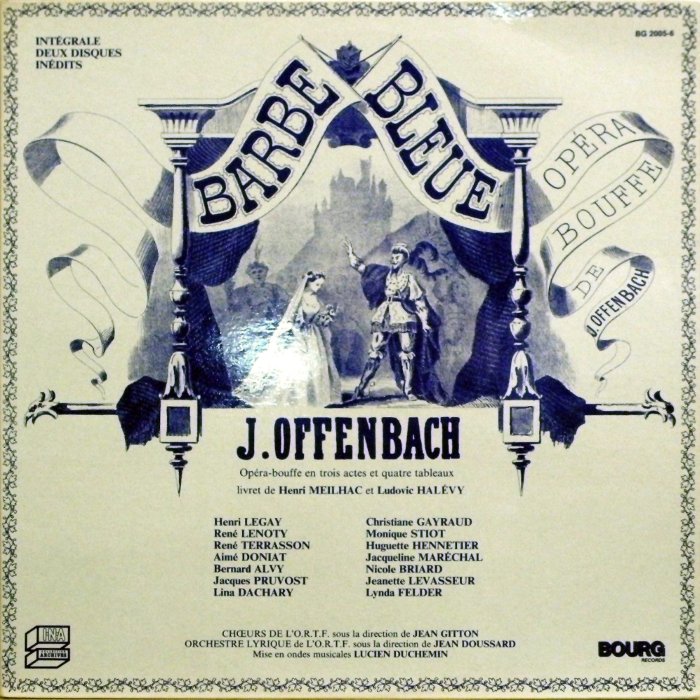
Barbe-Bleue (cond. Jean Doussard)
1967
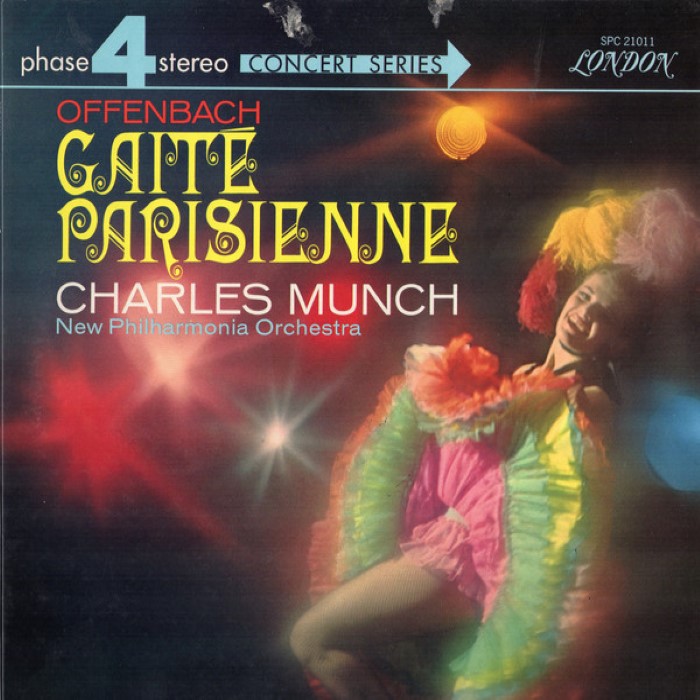
Gaite Parisienne (New Philharmonia Orchestra feat. conductor: Charles Munch)
1966
Appears on
4Releases by other artists featuring Jacques Offenbach.



Featured tracks
4Collaborators
3


Upcoming shows
Community
More about Jacques Offenbach
About
Jacques Offenbach (20 June 1819 – 5 October 1880) was a German-French composer, cellist and impresario of the romantic period. He is remembered for his nearly 100 operettas of the 1850s–1870s and his uncompleted opera The Tales of Hoffmann. He was a powerful influence on later composers of the operetta genre, particularly Johann Strauss, Jr. and Arthur Sullivan. His best-known works were continually revived during the 20th century, and many of his operettas continue to be staged in the 21st. The Tales of Hoffmann remains part of the standard opera repertory. Born in Cologne, the son of a synagogue cantor, Offenbach showed early musical talent. At the age of 14, he was accepted as a student at the Paris Conservatoire but found academic study unfulfilling and left after a year. From 1835 to 1855 he earned his living as a cellist, achieving international fame, and as a conductor. His ambition, however, was to compose comic pieces for the musical theatre. Finding the management of Paris' Opéra-Comique company uninterested in staging his works, in 1855 he leased a small theatre in the Champs-Élysées.
Read moreRead less
There he presented a series of his own small-scale pieces, many of which became popular. In 1858, Offenbach produced his first full-length operetta, Orphée aux enfers ("Orpheus in the Underworld"), which was exceptionally well received and has remained one of his most played works. During the 1860s, he produced at least 18 full-length operettas, as well as more one-act pieces. His works from this period included La belle Hélène (1864), La Vie parisienne (1866), La Grande-Duchesse de Gérolstein (1867) and La Périchole (1868). The risqué humour (often about sexual intrigue) and mostly gentle satiric barbs in these pieces, together with Offenbach's facility for melody, made them internationally known, and translated versions were successful in Vienna, London and elsewhere in Europe. Offenbach became associated with the Second French Empire of Napoleon III; the emperor and his court were genially satirised in many of Offenbach's operettas. Napoleon III personally granted him French citizenship and the Légion d'Honneur. With the outbreak of the Franco-Prussian War in 1870, Offenbach found himself out of favour in Paris because of his imperial connections and his German birth. He remained successful in Vienna and London, however. He re-established himself in Paris during the 1870s, with revivals of some of his earlier favourites and a series of new works, and undertook a popular U.S. tour. In his last years he strove to finish The Tales of Hoffmann, but died before the premiere of the opera, which has entered the standard repertory in versions completed or edited by other musicians.
Jacques Offenbach in brief
- How many Jacques Offenbach releases are on Riffiter?
- 23 releases are catalogued, spanning 1966 to 2001.
- When was Jacques Offenbach formed?
- Jacques Offenbach formed in 1819, in French.
- What is the most recent Jacques Offenbach release on Riffiter?
- Hoffmanns Erzählungen, released in 2001.