

Artist
Ernest Tubb
Ernest Tubb is a country artist formed in 1914. 94 releases are catalogued on Riffiter.
- 94
- Releases
- 1964–2026
- Active years
- 1914
- Formed
Discography
94
Most popular
Five Classic Albums Plus (Favorites / Daddy of 'Em All / The Importance of Being Earnest / Ernest Tubb Record Shop / Ernest Tubb a (2026 Digitally Remastered)
2026

Record Shop
2008
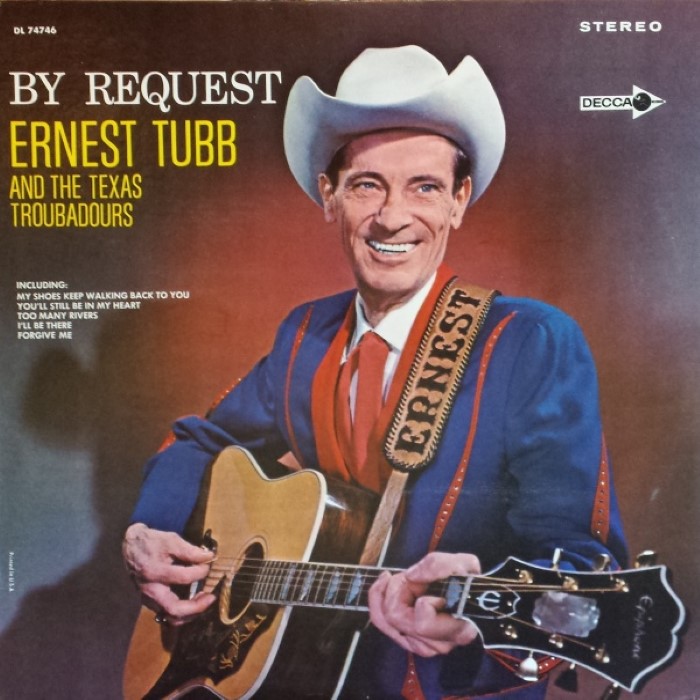
By Request
1967

Thanks a Lot
1964
Merry Texas Christmas You All
-

The Texas Troubadour: Best Of 1941-50
2024

Too Old to Cut the Mustard
2024

The Old Rugged Cross
2024

The Texas Troubadour - The Ernest Tubb Collection, Vol. 1
2024
The Truckers Jukebox Present, Ernest Tubb
2024

King of Country
2023

Grand Ole Opry Star - Ernest Tubb Early Rare Recordings
2023

10 Hits of Ernest Tubb
2023

Essential Classics, Vol. 146: Ernest Tubb
2023

Three of a Kind: Roy Rogers, Ernest Tubb, Faron Young
2023

Sing A Song Of Christmas (Expanded Edition)
2022

Two of a Kind: Ernest Tubb & Webb Pierce
2022

Blue Christmas (Expanded Edition)
2022

Walking the Floor over You
2021

Texas Honky Tonk
2021

The Family Bible
2020

Anthology: The Texas Troubadour (Remastered)
2020

Let's Spend an Evening with Ernest Tubb
2020

The Lone Star
2020

Just Call Me Lonesome
2020

Numero Uno Country
2020

Ernest Selection
2020

The Country Music Hall Of Fame
2019

Duettin' - Best of Ernest Tubb and Red Foley Duets
2019

Country & Western. Part 1. Highlights 1947-1956. Vol. 3
2019

Greatest Hits
2018

My Confession
2016

Definitive Hits
2016
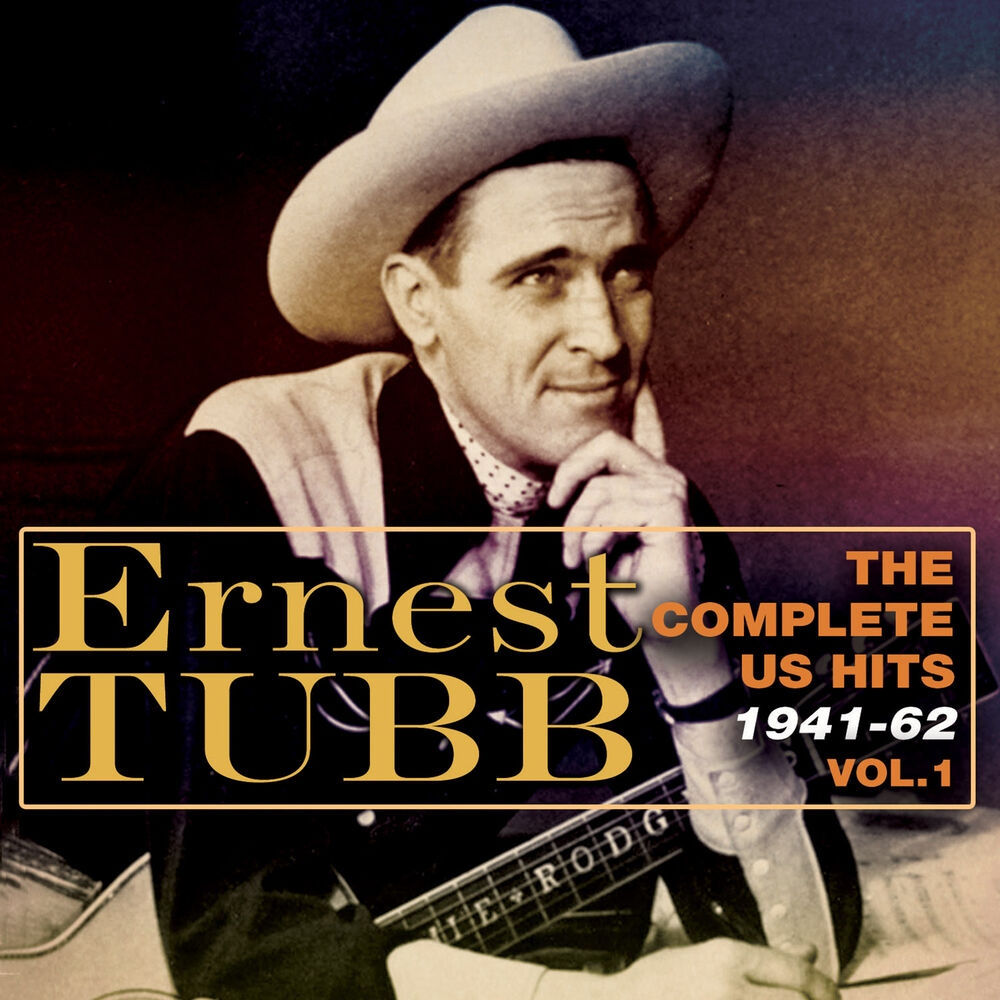
The Complete Hits 1941-62, Vol. 1
2016

Retrospective (Volume 2)
2016

My Baby And My Wife
2016

Country Greats - Ernest Tubb
2015

Favorites
2015

Radio Days
2015

Merry Christmas with Ernest Tubb
2015

All Time Hits
2015

Beyond the Sunset
2015

Ernest Tubb and His Texas Troubadours
2015

Kansas City Blues
2015

Country Troubadour
2015

Honky Tonk Country
2014

Honky Tonk Country Vol 2
2014

Walking
2014

Hillbilly Fever
2013

I Don't Blame You, Vol. 2
2013

Timeless Country: Ernest Tubb
2013

Goodnight Irene
2013

I Don't Blame You, Vol. 3
2013

Mister Love
2013

Rainbow At Midnight
2013

Best Of The Essential Years: Ernest Tubb
2012

Ernest
2012

All Time Greatest Country Artists-Ernest Tubb-Vol. 33
2012
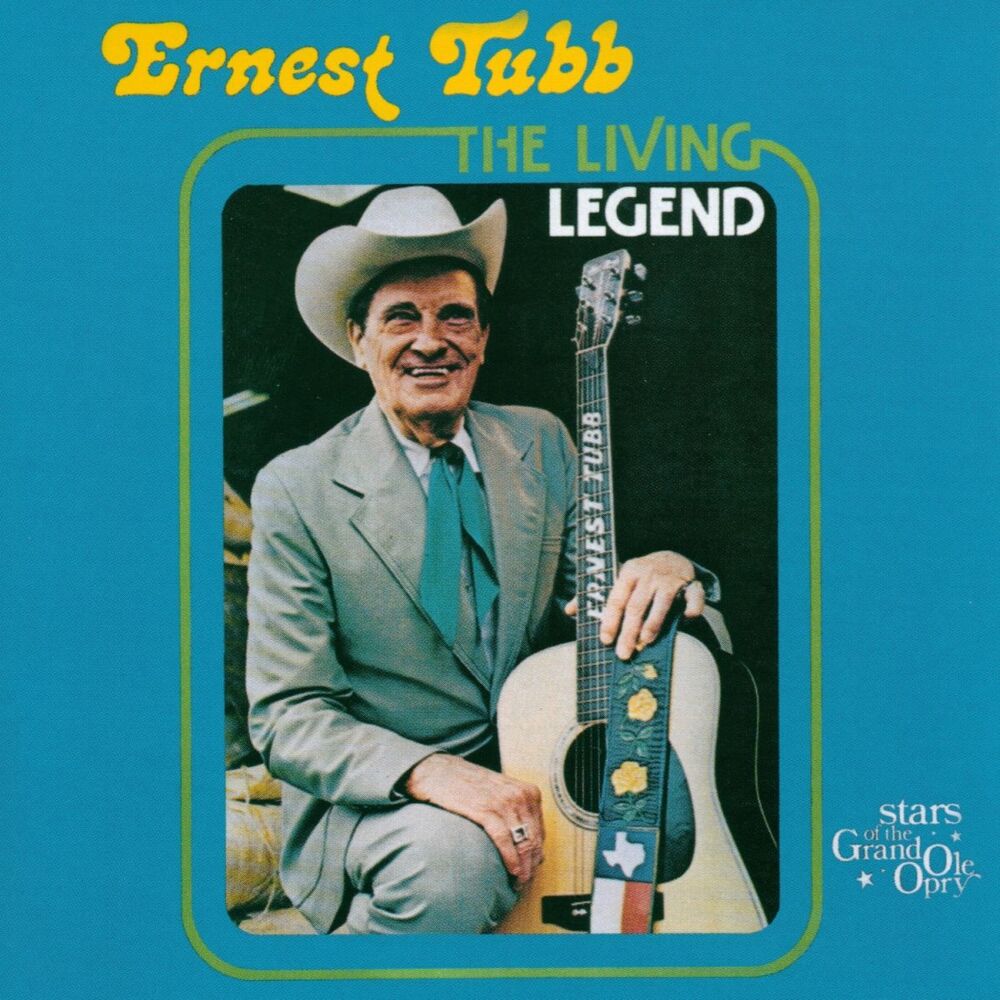
The Living Legend
2011

I'll Get Along Somehow
2011

Ernest Tubb Selected Favorites Volume 2
2011

The Last Sessions: All Time Greatest Hits
2011

The Legend And The Legacy
2011
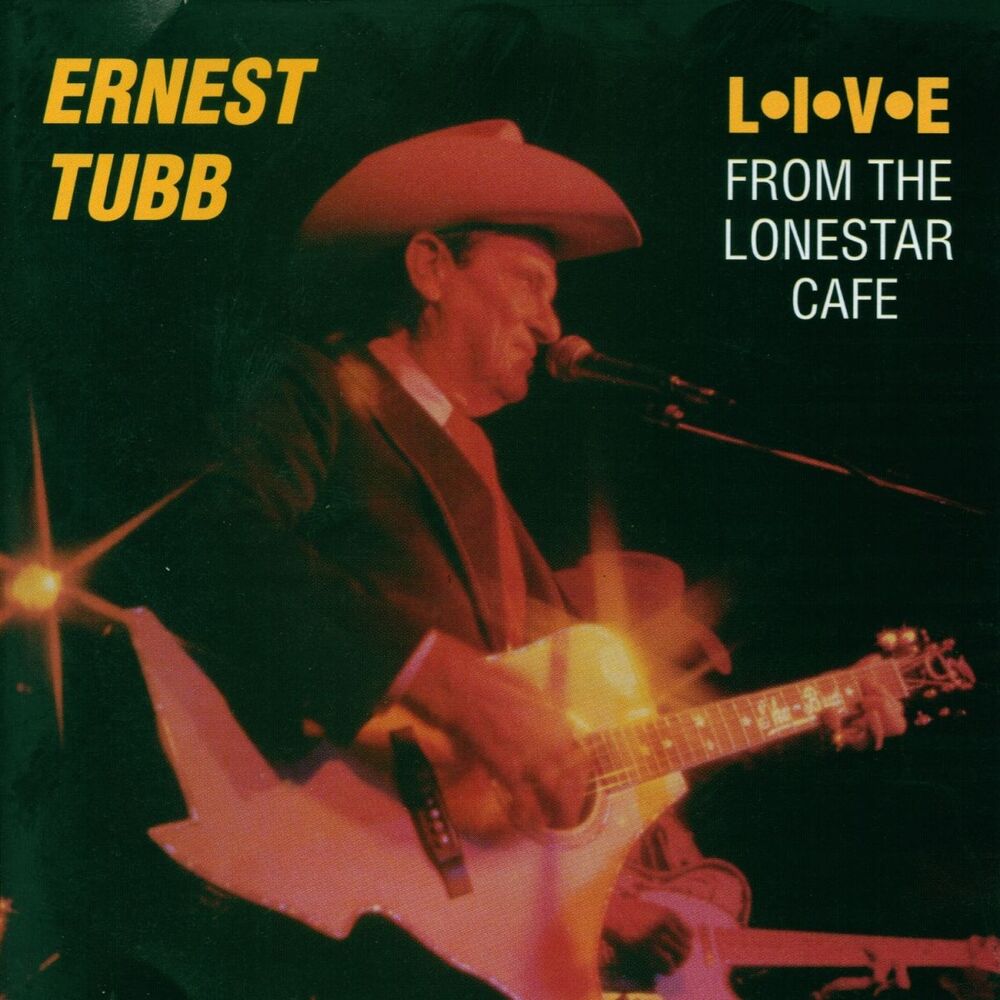
Live From The Lonestar Cafe
2011
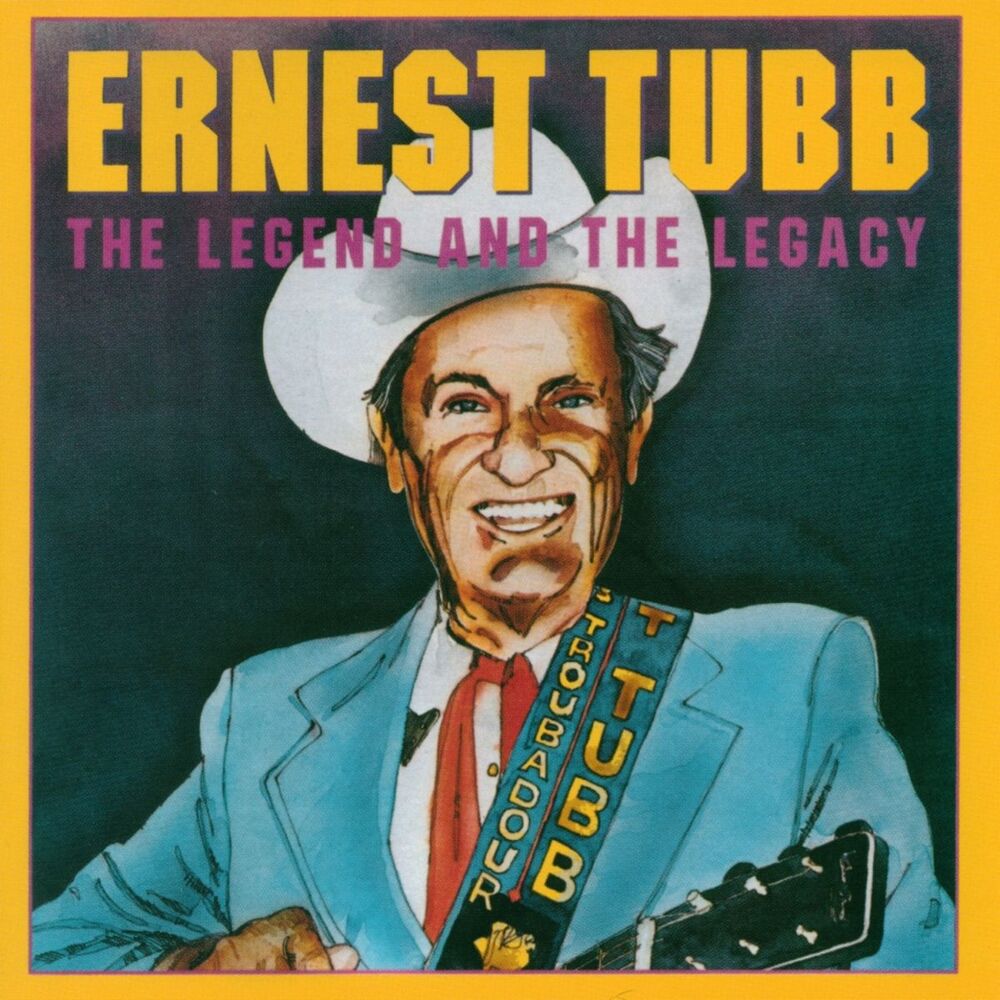
Ernest Tubb: The Legend And The Legacy
2011

The Texas Troubadour & His Friends
2011

At Midnight
2011

Ernest Tubb, Vol. 5
2010

The Ernest Tubb Story
2010

Waltz Across Texas
2010

It's Been so Long Darling - Best of Ernest Tubb
2010

Ernest Tubb, Vol. 6
2010

Ernest Tubb, Vol. 1
2010

Ernest Tubb, Vol. 7
2010

Ernest Tubb, Vol. 2
2010

Ernest Tubb, Vol. 3
2010

The Daddy Of 'Em All
2009
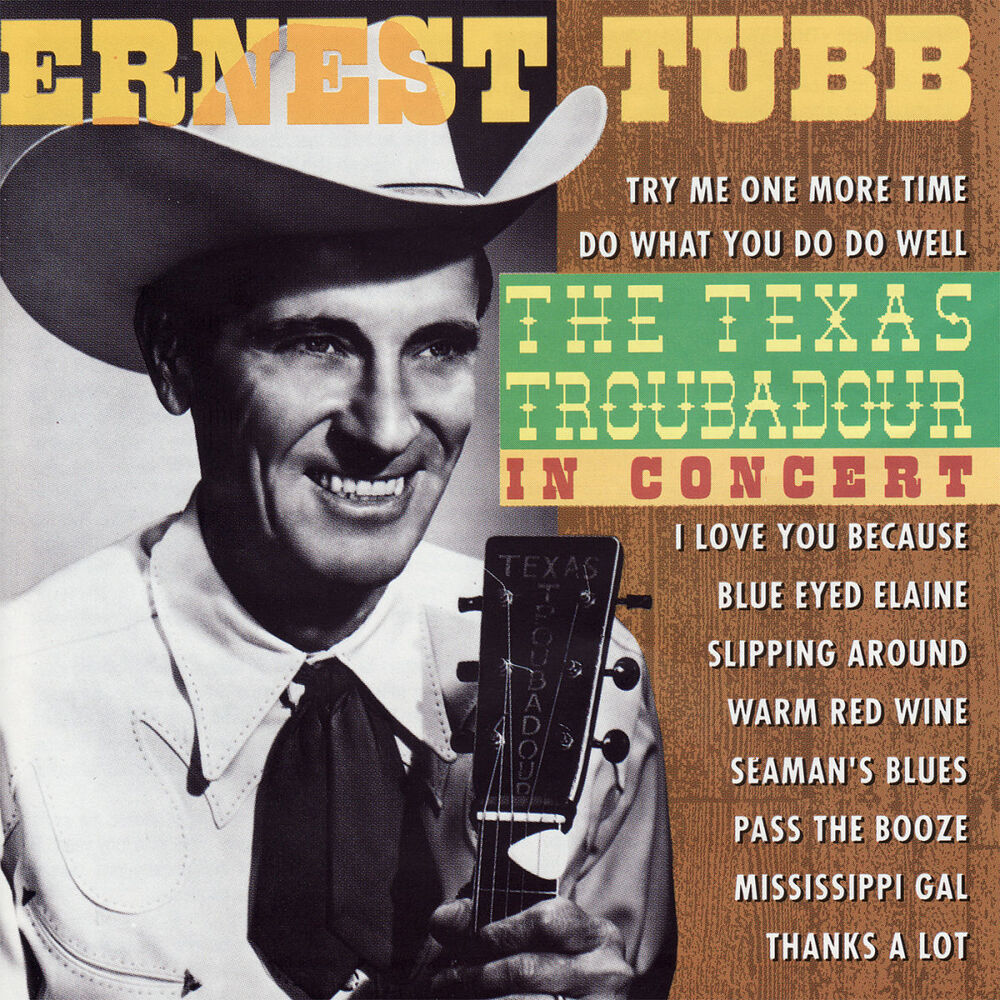
The Texas Troubadour in Concert
2009

The Ultimate Collection
2009

Walkin The Floor
2009

Still Walking The Floor
2008

If You Want Some Lovin'
2007

We Need God For Christmas
2007

Warm Red Wine
2007

Girl Spells Trouble
2007

Ernest Tubb Selected Favorites, Vol. 1
2006
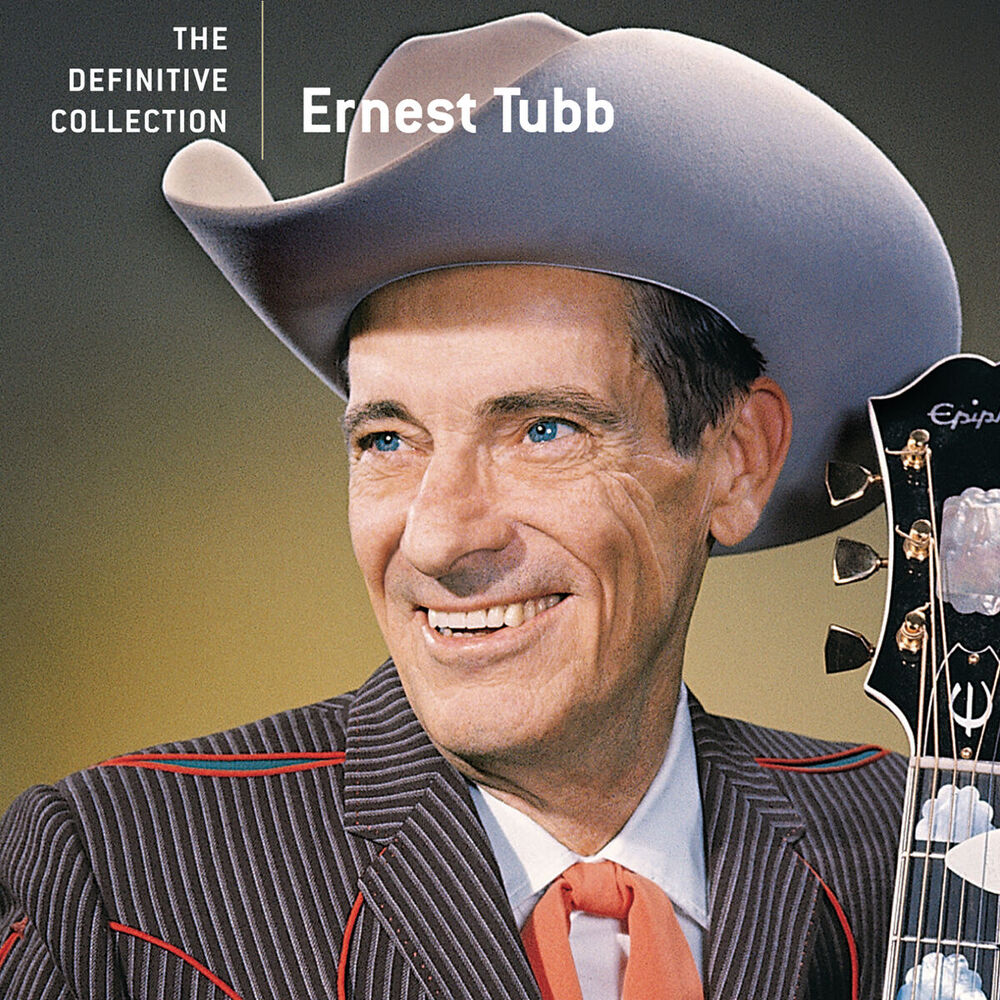
The Definitive Collection
2006
Ernest Tubb Selected Favorites Volume 1
2006

Family Bible
2003
20th Century Masters: The Millennium Collection: Best Of Ernest Tubb
2000
20th Century Masters: The Millennium Collection: The Best of Ernest Tubb
2000

The Very Best Of Ernest Tubb
1999

Retrospective, Vol. 1
1994
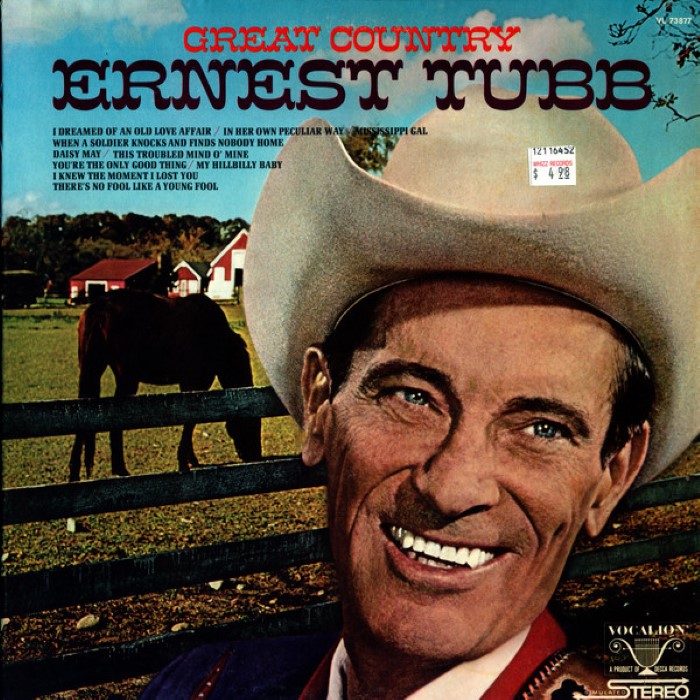
Great Country
1968
Popular tracks
Trending this week
- Set Up Two Glasses, JoeThe Last Sessions: All Time Greatest Hits
- Journey's EndThe Last Sessions: All Time Greatest Hits
- Let's Say Goodbye Like We Said HelloThe Last Sessions: All Time Greatest Hits
- Blue Eyed ElaineThe Last Sessions: All Time Greatest Hits
- Iíll Just Have Another Cup Of CoffeeGoodnight Irene
Appears on
1Releases by other artists featuring Ernest Tubb.

Featured tracks
5Collaborators
9


Community
More about Ernest Tubb
About
Ernest Dale Tubb (February 9, 1914 – September 6, 1984), nicknamed the Texas Troubadour, was an American singer and songwriter and one of the pioneers of country music. His biggest career hit song, "Walking the Floor Over You" (1941), marked the rise of the honky tonk style of music. In 1948, he was the first singer to record a hit version of "Blue Christmas", a song more commonly associated with Elvis Presley and his mid-1950s version. Another well-known Tubb hit was "Waltz Across Texas" (1965), which became one of his most requested songs and is often used in dance halls throughout Texas during waltz lessons. Tubb recorded duets with the then up-and-coming Loretta Lynn in the early 1960s, including their hit "Sweet Thang". Tubb is a member of the Country Music Hall of Fame.
Read moreRead less
Tubb was born on a cotton farm near Crisp, in Ellis County, Texas (now a ghost town). His father was a sharecropper, so Tubb spent his youth working on farms throughout the state. He was inspired by Jimmie Rodgers and spent his spare time learning to sing, yodel, and play the guitar. At age 19, he took a job as a singer on San Antonio radio station KONO-AM. The pay was low so Tubb also dug ditches for the Works Progress Administration and then clerked at a drug store. In 1939 he moved to San Angelo, Texas and was hired to do a 15-minute afternoon live show on radio station KGKL-AM. He drove a beer delivery truck in order to support himself during this time, and during World War II he wrote and recorded a song titled "Beautiful San Angelo". In 1936, Tubb contacted Jimmie Rodgers’s widow (Rodgers died in 1933) to ask for an autographed photo. A friendship developed and she was instrumental in getting Tubb a recording contract with RCA. His first two records were unsuccessful. A tonsillectomy in 1939 affected his singing style so he turned to songwriting. In 1940 he switched to Decca records to try singing again and it was his sixth Decca release with the single "Walking the Floor Over You" that brought Tubb to stardom. Tubb joined the Grand Ole Opry in February 1943 and put together his band, the Texas Troubadours. Tubb's first band members were from Gadsden, Alabama. They were, Vernon "Toby" Reese, Chester Studdard, and Ray "Kemo" Head. He remained a regular on the radio show for four decades, and hosted his own Midnight Jamboree radio show each Saturday night after the Opry. Tubb headlined the first Grand Ole Opry show presented in Carnegie Hall in New York City in September 1947. Tubb always surrounded himself with some of Nashville's best musicians. Jimmy Short, his first guitarist in the Troubadours, is credited with the Tubb sound of single-string guitar picking. From about 1943 to 1948, Short featured clean, clear riffs throughout Tubb's songs. Other well-known musicians to either travel with Tubb as band members or record on his records were steel guitarist Jerry Byrd and Tommy "Butterball" Paige, who replaced Short as Tubb's lead guitarist in 1947. Billy Byrd joined the Troubadours in 1949 and brought jazzy riffs to the instrumental interludes, especially the four-note riff at the end of his guitar solos that would become synonymous with Tubb's songs. Actually a jazz musician, Byrd—no relation to Jerry—remained with Tubb until 1959. Another Tubb musician was actually his producer, Owen Bradley. Bradley played piano on many of Tubb's recordings from the 1950s, but Tubb wanted him to sound like Moon Mullican, the honky tonk piano great of that era. The classically trained Bradley tried, but couldn't quite match the sound, so Tubb said Bradley was "half as good" as Moon. When Tubb called out Bradley's name at the start of one of the piano interludes the singer always referred to him as "Half-Moon Bradley." In 1949, Tubb helped the famed boogie-woogie Andrews Sisters crossover to the country charts when they teamed on Decca Records to record a cover of Eddy Arnold's "Don't Rob Another Man's Castle" and the western-swing flavored "I'm Bitin' My Fingernails and Thinking of You." Tubb was impressed by the enormous success of Patty, Maxene, and LaVerne, and he remembered that their 1947 recording of "The Blue Tail Fly (Jimmy Crack Corn)" with folk legend Burl Ives produced a Top-10 Billboard hit, and he was therefore eager to repeat that success. He brought the upbeat "Fingernails" tune to the session, hoping that the trio would like it, and they did. Not realizing how tall the Texas Troubador was, the recording technicians at Decca had the sisters stand on a wooden box on one side of the one microphone they shared with Tubb so that the audio would balance. The rhythm trio also wasn't used to Tubb's vocal style, as Maxene once remembered, "He sang different than anybody I've ever heard. He sang the melody of the song, but the timing was different. It wasn't like we were used to...you sing eight bars, and then you sing eight bars, and then you sing eight bars. Not with him. He just sang eight bars, ten bars, eleven bars, and then stopped, whatever it was. So, we'd just start to follow him, and then got paid on 750,000 records sold that never came above the Mason-Dixon Line!" Tubb never possessed the best voice and actually mocked his own singing. He told an interviewer that 95 percent of the men in bars would hear his music on the juke box and say to their girlfriends, "I can sing better than him," and Tubb added they would be right. In fact, he missed some notes horribly on some recordings. When Tubb was recording "You Don't Have to Be a Baby to Cry" in 1949 and tried to hit a low note, Red Foley, his duet partner at the time, was sitting in the booth when somebody said, "I bet you wish you could hit that low note." Foley replied, "I bet Ernest wishes he could hit that note." The two, who released seven albums together, maintained a friendly on-air "feud" over the years, and Tubb appeared on Foley's Ozark Jubilee on ABC-TV. In 1957, he walked into the National Life building's lobby in Nashville and fired a .357 magnum, intending to shoot music producer Jim Denny. Tubb shot at the wrong man but did not hit anyone. He was arrested and charged with public drunkenness. In the 1960s, Tubb was well known for having one of the best bands in country music history. The band included lightning-fingered Leon Rhodes, who later appeared on TV's Hee Haw as the guitarist in the show's band. Buddy Emmons, another pedal steel guitar virtuoso, began with Tubb in fall of 1957 and lasted through the early 1960s. Emmons went on to create a steel-guitar manufacturing company that bears his name. Buddy Charleton, one of the most accomplished pedal steel guitarists known, joined Ernest in spring 1962 and continued to fall of 1973. Buddy Charleton and Leon Rhodes formed a nucleus for the Texas Troubadors that would be unsurpassed. Beginning in the fall of 1965, he hosted a half-hour TV program, The Ernest Tubb Show, which aired in first-run syndication for three years. That same year, he was inducted into the Country Music Hall of Fame; and in 1970, Tubb was inducted into the Nashville Songwriters Hall of Fame. Tubb inspired some of the most devoted fans of any country artist — and his fans followed him throughout his career, long after the chart hits dried up. He remained, as did most of his peers, a fixture at the Grand Ole Opry where he continued to appear. He continued to host his Midnight Jamboree radio program a few blocks away from the Opry at his record shop. A notable release in 1979, The Legend and the Legacy paired Tubb with a who's who of country singers on the Cachet Records label, a label which Tubb was connected to financially. This long out of print duets album was re-released in 1999 as a CD on the First Generations label, on the 20th anniversary of its release, and it quickly went out of print again. In 1980, he appeared as himself in Loretta Lynn's autobiographical film, Coal Miner's Daughter with Roy Acuff and Minnie Pearl. His singing voice remained intact until late in life, when he fell ill with emphysema. Even so, he continued to make over 200 personal appearances a year, carrying an oxygen tank on his bus. After each performance he would shake hands and sign autographs with every fan who wanted to stay. Health problems finally halted his performances in 1982. He finally died of the illness in 1984 at Baptist Hospital in Nashville, Tennessee. He is buried in Nashville's Hermitage Memorial Gardens. Tubb was inducted into the Texas Country Music Hall of Fame in 1999, and he ranked number 21 in CMT's 40 Greatest Men of Country Music in 2003. One of his sons, Justin Tubb, made a minor splash on the country music scene in the 1950s; and Justin's sons, Carey and Zachary Tubb, also became musicians. Tubb's nephew, Billy Lee Tubb, was his lead guitarist briefly (fall 1959–April 1960). He also had solo careers under several pseudonyms (Ronny Wade, X. Lincoln) and played with John Anderson, writing several songs with him. Tubb's great nephew, Lucky Tubb, has toured with Hank Williams III. Cal Smith, who played guitar for the Texas Troubadours during the 1960s, went on to a successful country music career of his own in the 1970s, recording hits such as "Country Bumpkin". Jack Greene, who played drums for the Texas Troubadours, also went on to become a successful country music star following his departure from Tubb's band, recording the hits "There Goes My Everything" and "Statue of a Fool". Ernest Tubb's nephew, Glenn Douglas Tubb, wrote his first hit song for his uncle in 1952. He then went on to write more than 50 hits songs for more than two dozen country and rock music superstars, including Bob Dylan, Johnny Cash, BJ Thomas, George Jones, Kentucky Headhunters, Charlie Pride, Ann Murray and Kitty Wells. Glenn won a Grammy Award for "Skip A Rope." He currently performs "The Ernest Tubb Tribute Show" at The Ernest Tubb Midnite Jamboree broadcast on WSM Radio, and theaters across America. The Ernest Tubb Record Store, founded in 1947, is still in operation in Nashville, along with two branch stores. .
Ernest Tubb in brief
- How many Ernest Tubb releases are on Riffiter?
- 94 releases are catalogued, spanning 1964 to 2026.
- When was Ernest Tubb formed?
- Ernest Tubb formed in 1914.
- What genre is Ernest Tubb?
- Ernest Tubb is catalogued under Country.
- What is the most recent Ernest Tubb release on Riffiter?
- Five Classic Albums Plus (Favorites / Daddy of 'Em All / The Importance of Being Earnest / Ernest Tubb Record Shop / Ernest Tubb a (2026 Digitally Remastered), released in 2026.