

Discography
62
Most popular
Construção
1971 · 10 tracks
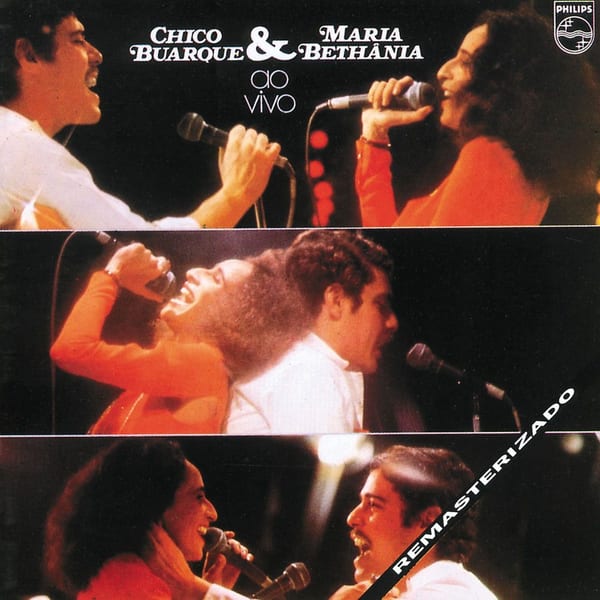
Chico Buarque & Maria Bethânia
1975
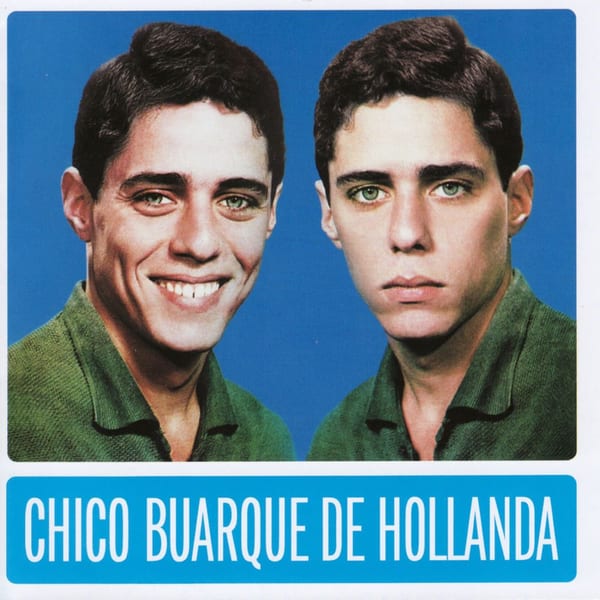
Chico Buarque de Hollanda
1966
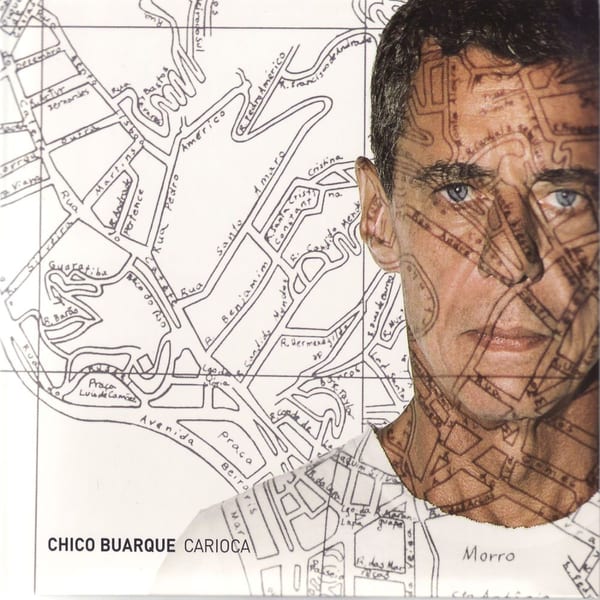
Carioca
2006
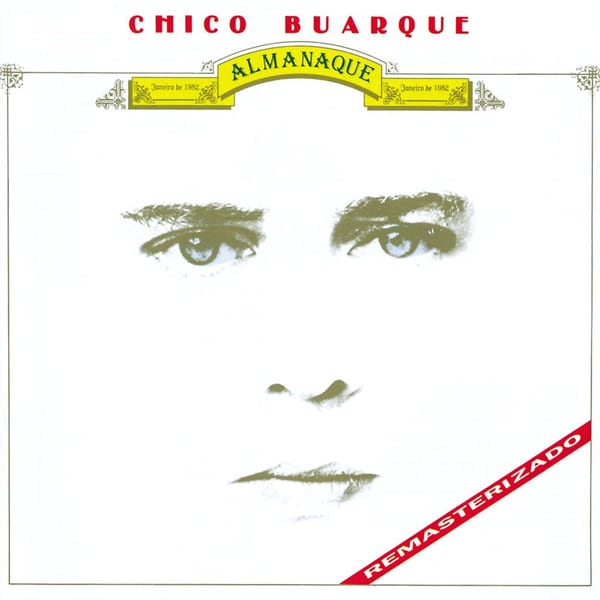
Almanaque
1981
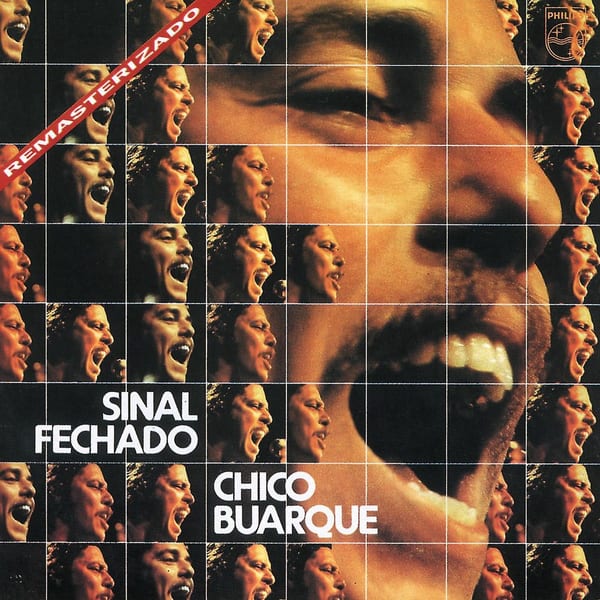
Sinal fechado
1974
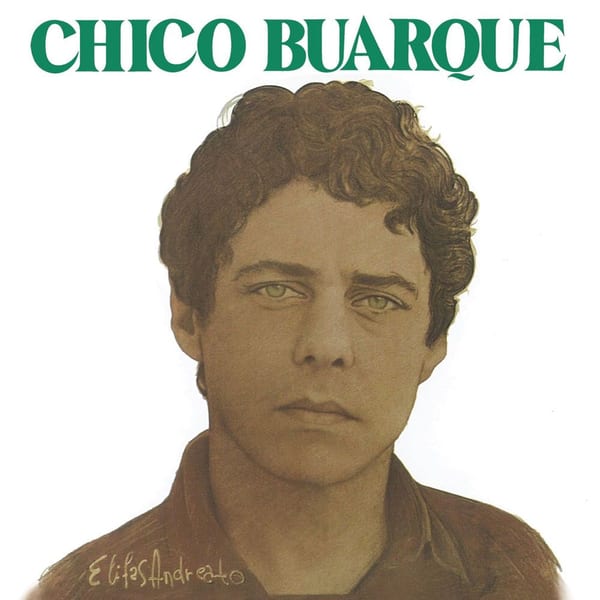
Vida
1980
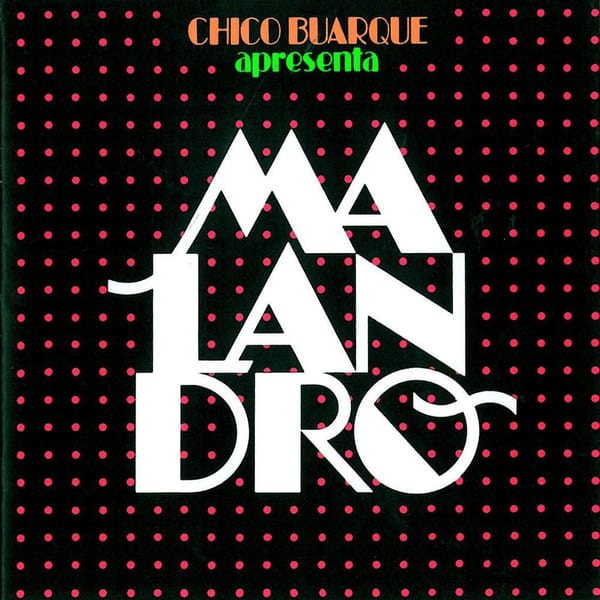
Malandro
1985
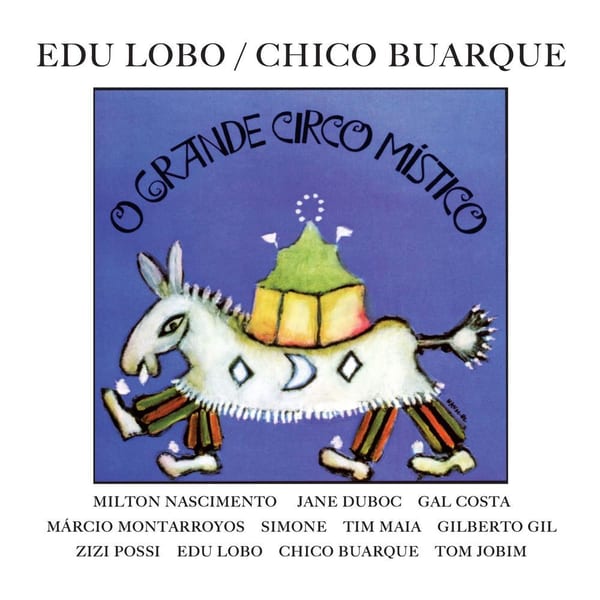
O grande circo místico
1983
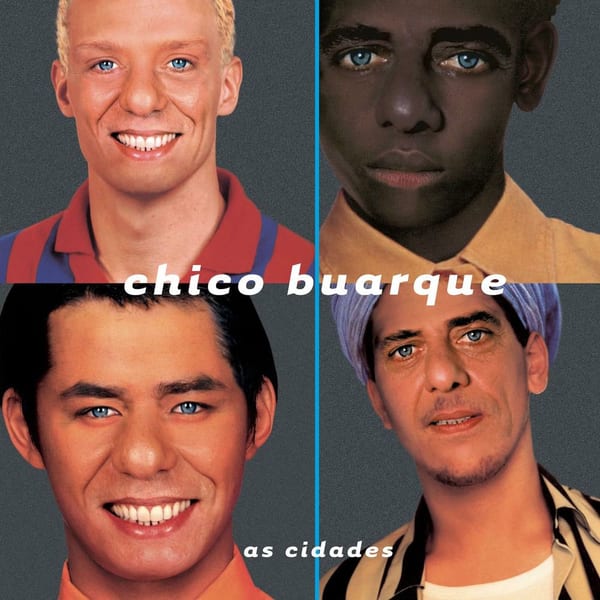
As cidades
1998
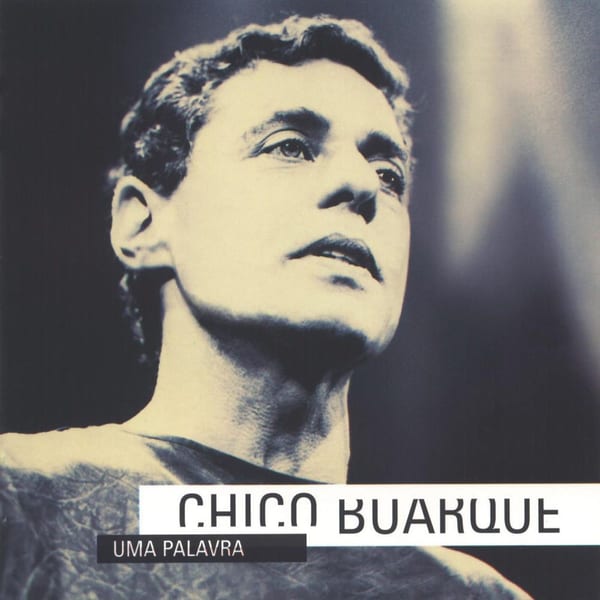
Uma palavra
1995
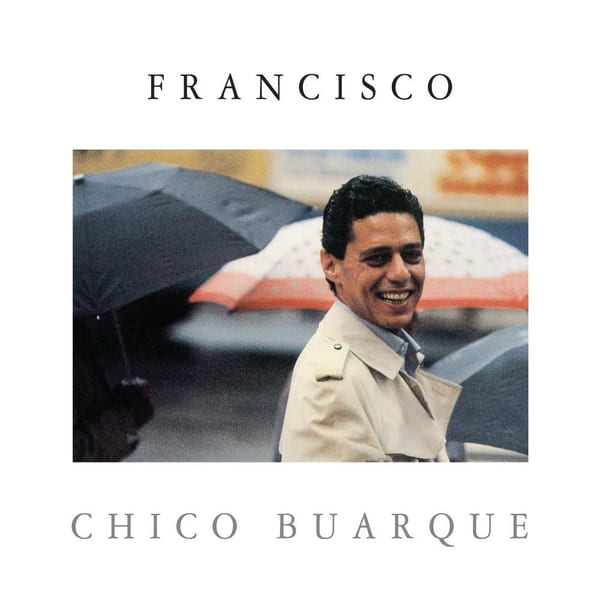
Francisco
1987

Que Tal Um Samba? (Ao Vivo)
2023

Chico Buarque Ao Vivo - Paris, Le Zenith
2019

Chico Buarque Essencial (Box)
2019

A Banda
2018

Paratodos
2018

MPB no JT
2018

Minhas Primeiras Gravações (Remastered)
2018

Caravanas Ao Vivo
2018

Caravanas
2017

Chico 50 Anos - O Trovador
2017

Chico 50 Anos - O Cronista
2017

Chico 50 Anos - O Politico
2017

Chico 50 Anos - O Amante
2017

Chico 50 Anos - O Malandro
2017
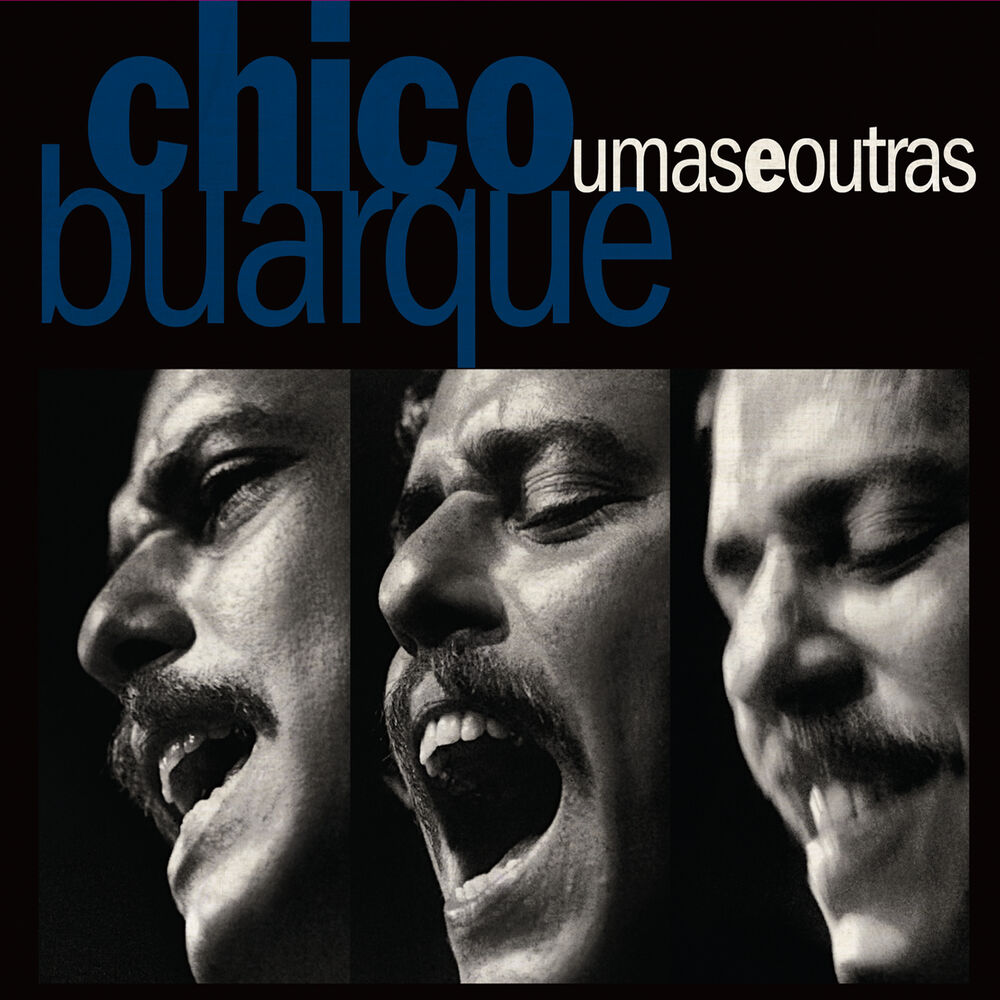
Umas E Outras
2014
Chico Buarque En Español
2014
Chico Buarque De Hollanda Nº4
2014
Dança da Meia-Lua
2014

Brazil
2013

Calabar – O Elogio da Traição
2013

Na Carreira (Ao Vivo)
2012
Seleção Essencial - Grandes Sucessos - Chico Buarque
2011
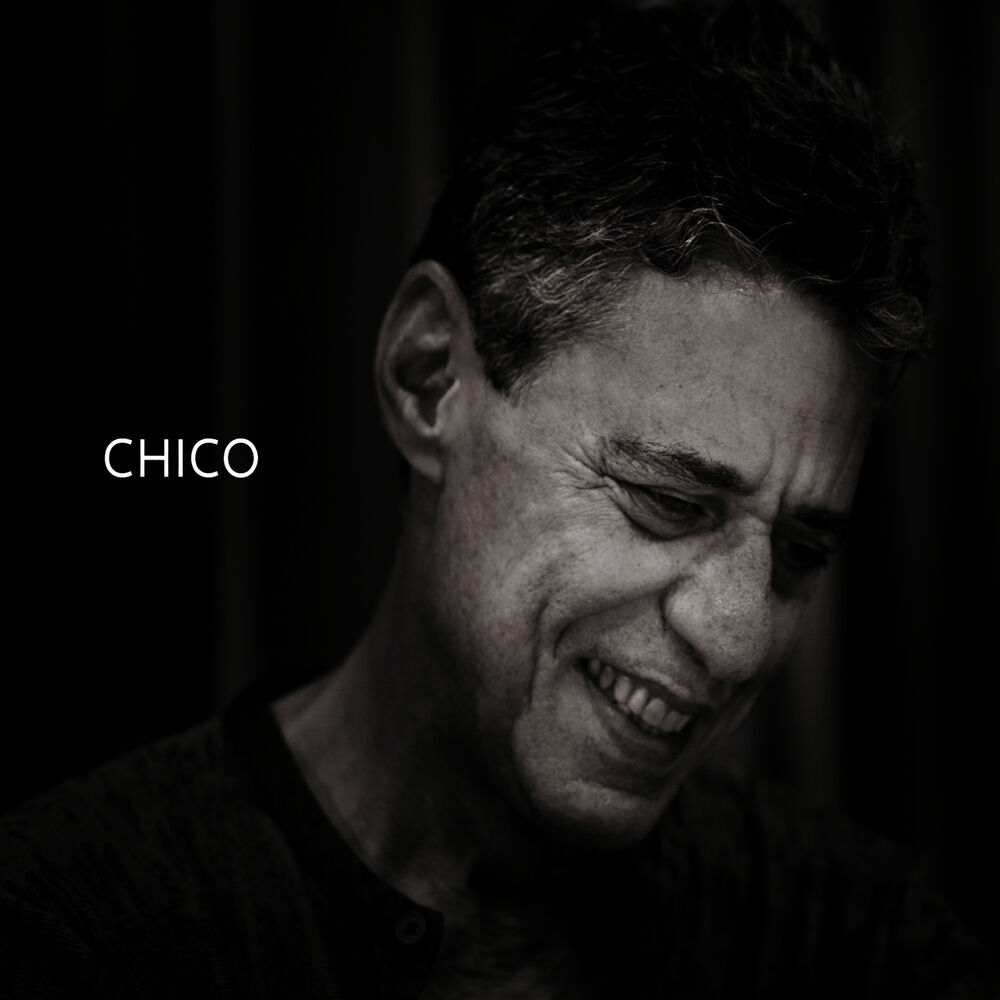
Chico
2011
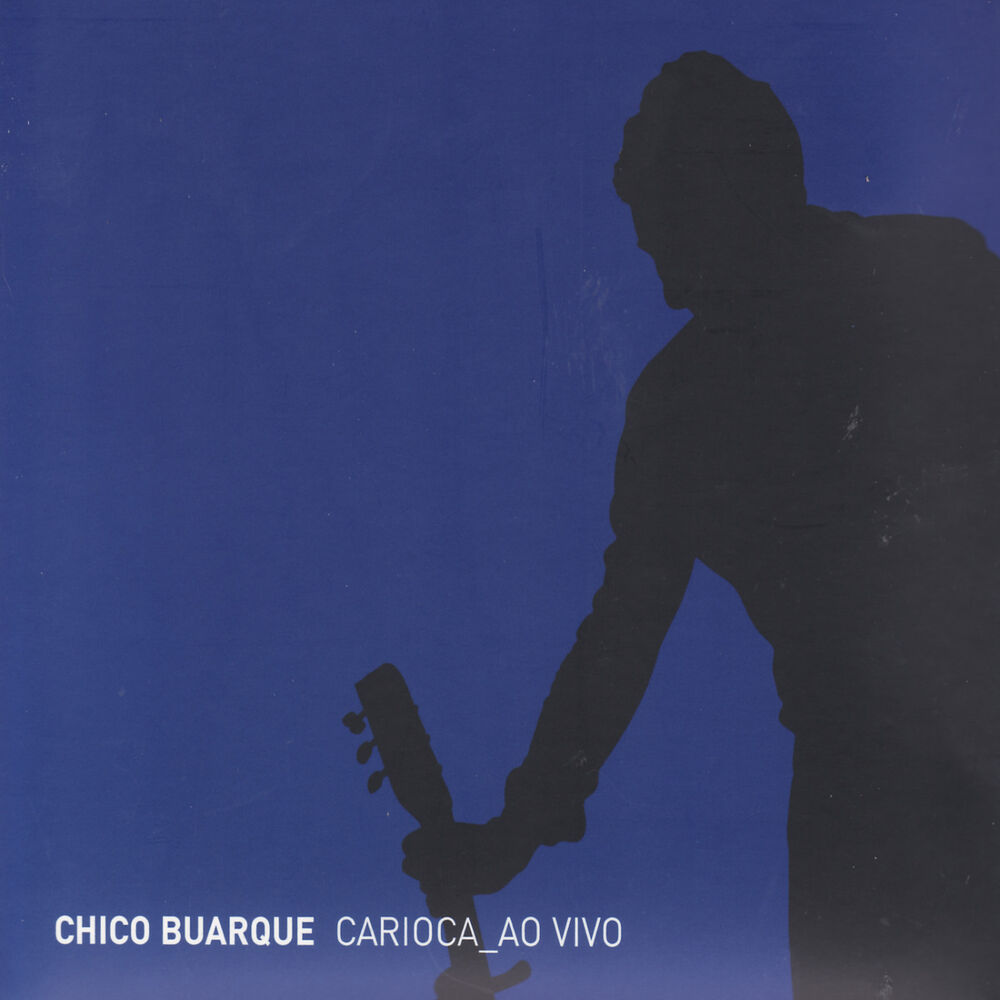
Carioca ao Vivo (Ao Vivo)
2007
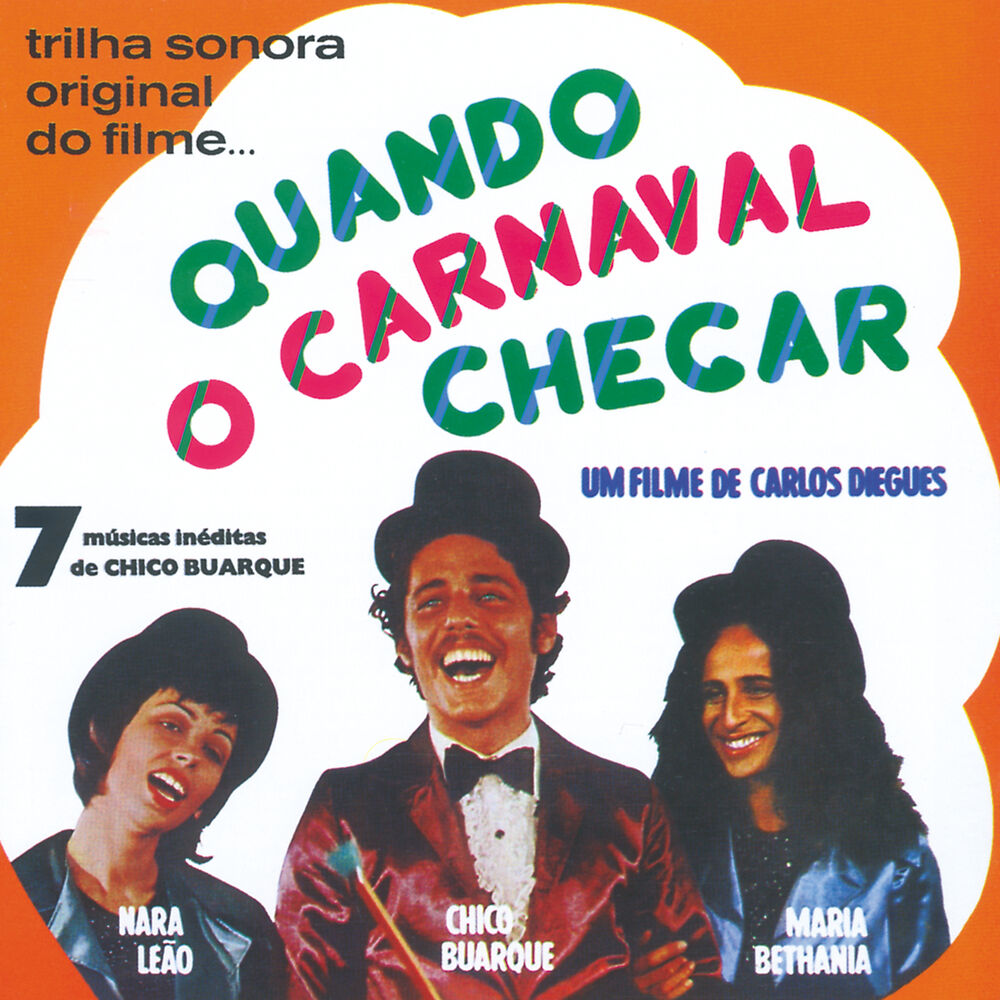
Quando O Carnaval Chegar
2007
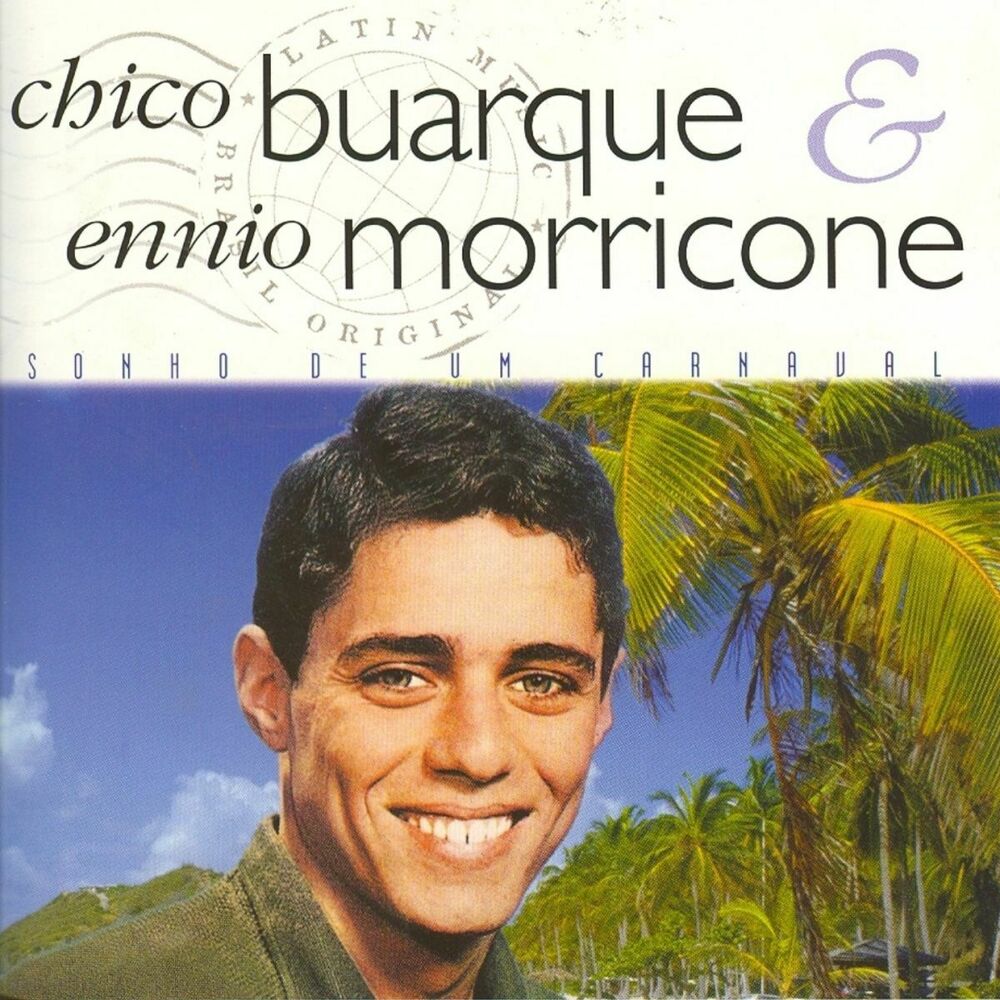
Chico buarque ennio morricone
2007
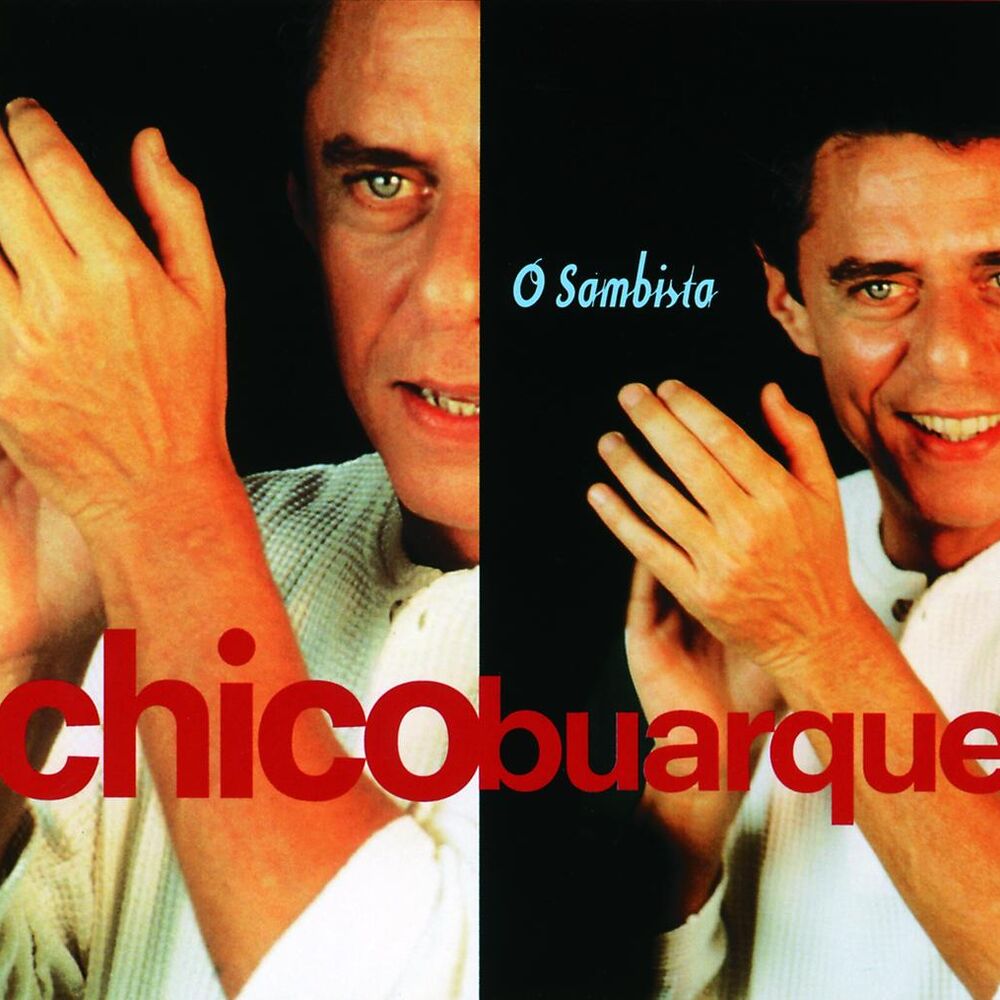
O Sambista
2006

A Arte De Chico Buarque
2004
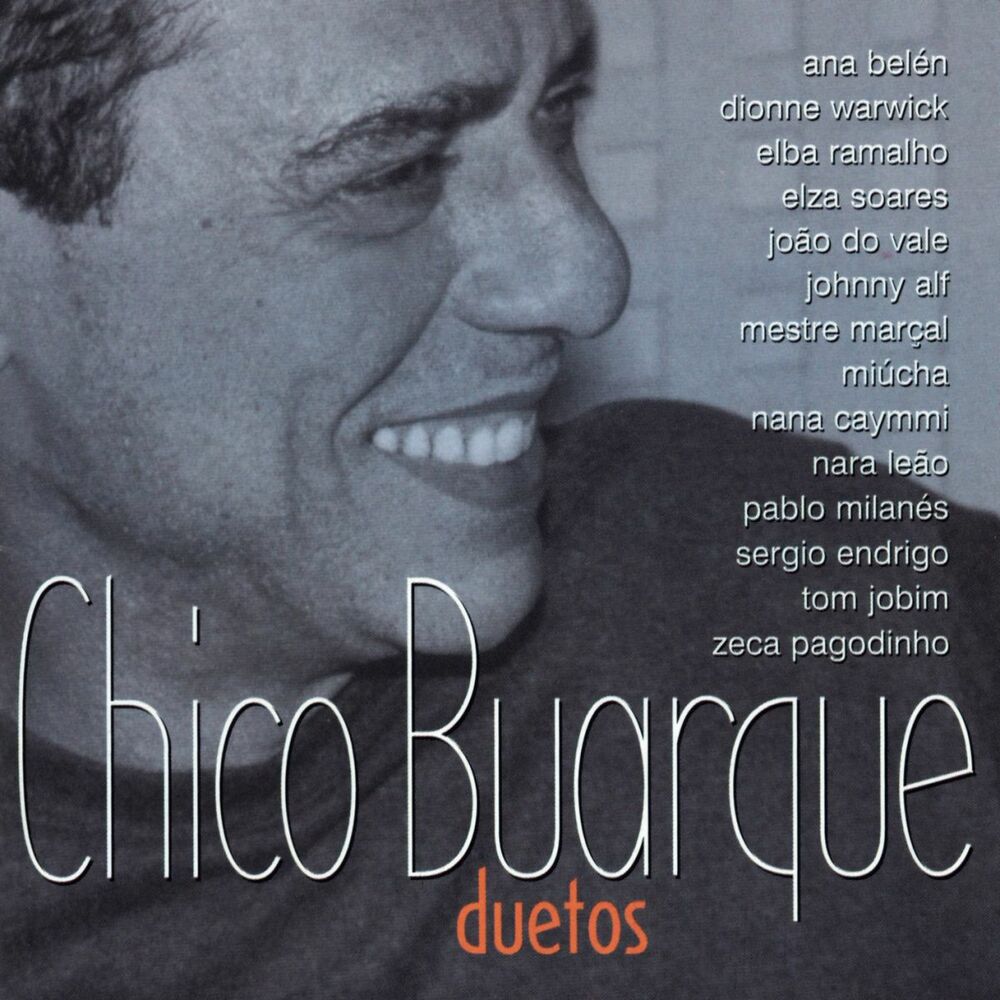
Duetos Com Chico Buarque
2002

RCA 100 Anos De Música - Chico Buarque
2001

Focus: O Essencial de Chico Buarque
1999

Chico Buarque De Mangueira
1997

O Melhor de Chico Buarque
1997
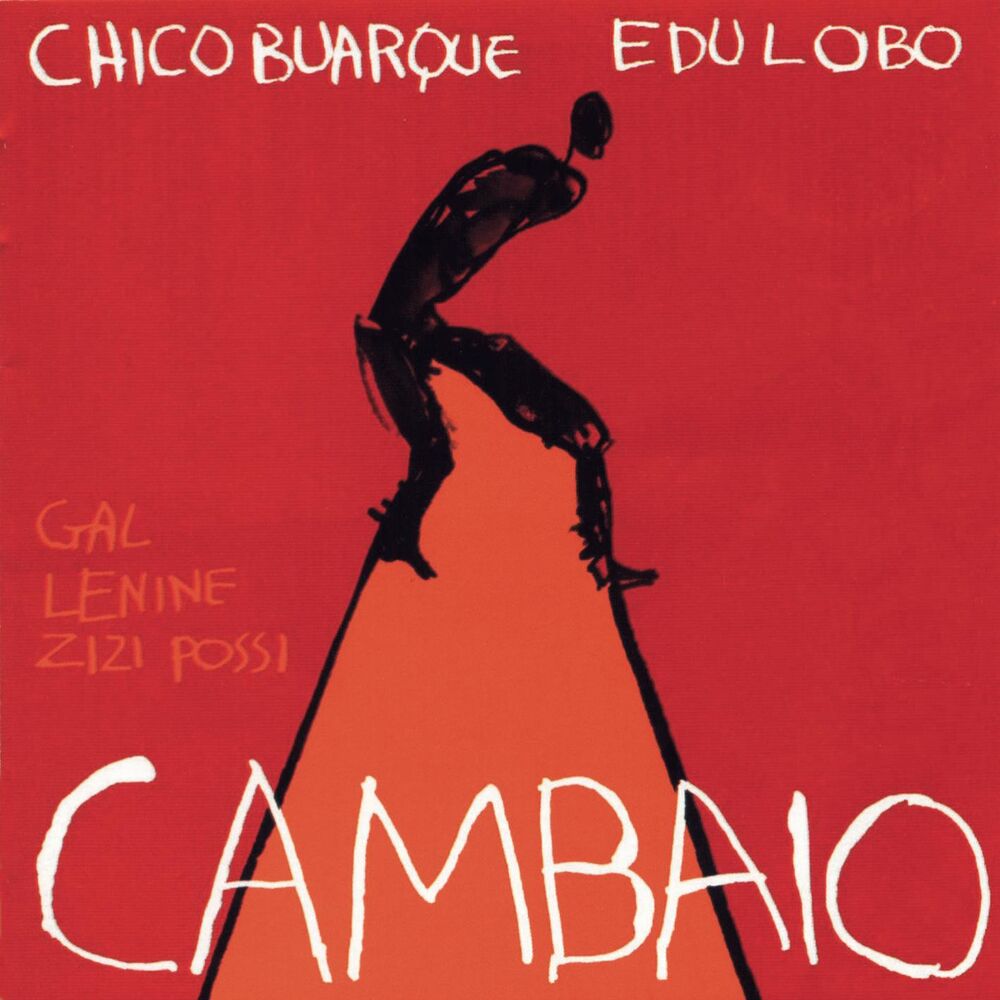
Cambaio
1997

Série Aplauso - Chico Buarque
1996
Ao Vivo
1995
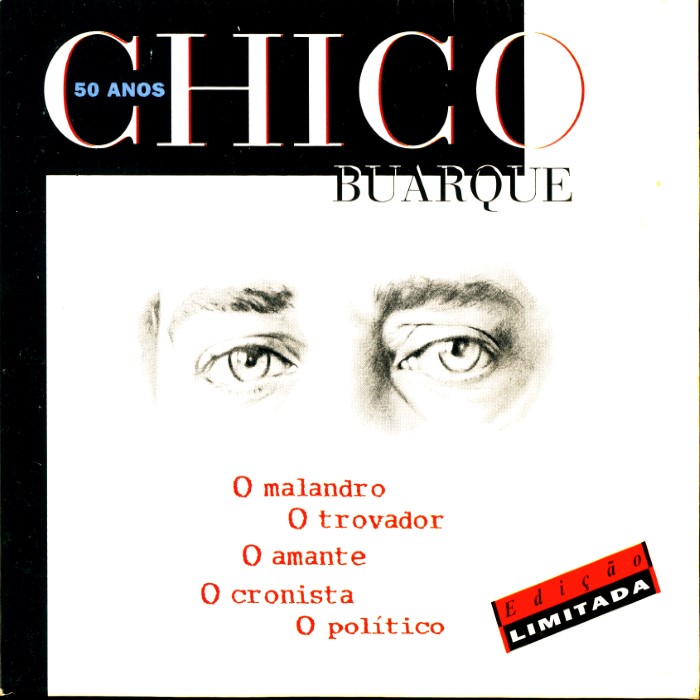
Chico 50 anos: O cronista • O político • O malandro • O trovador • O amante
1994
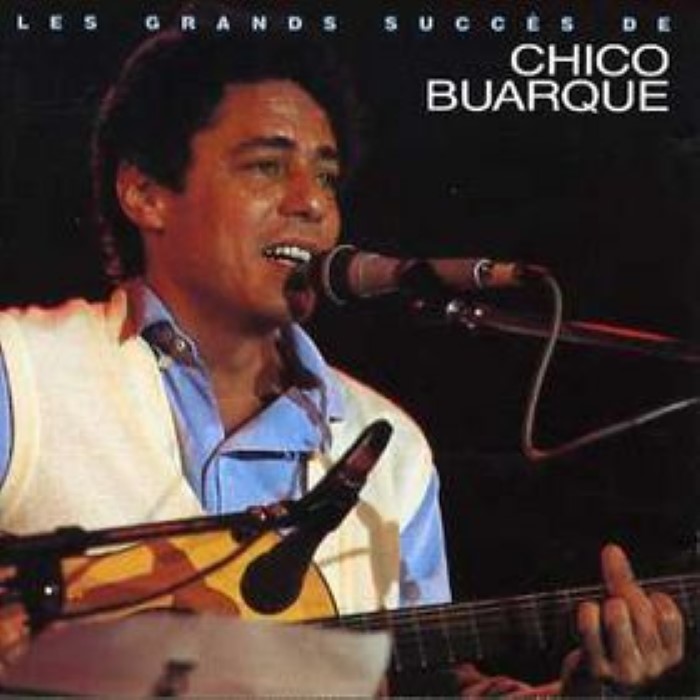
Les Grands Succès de Chico Buarque
1988
O corsário do rei
1985
En Español
1982
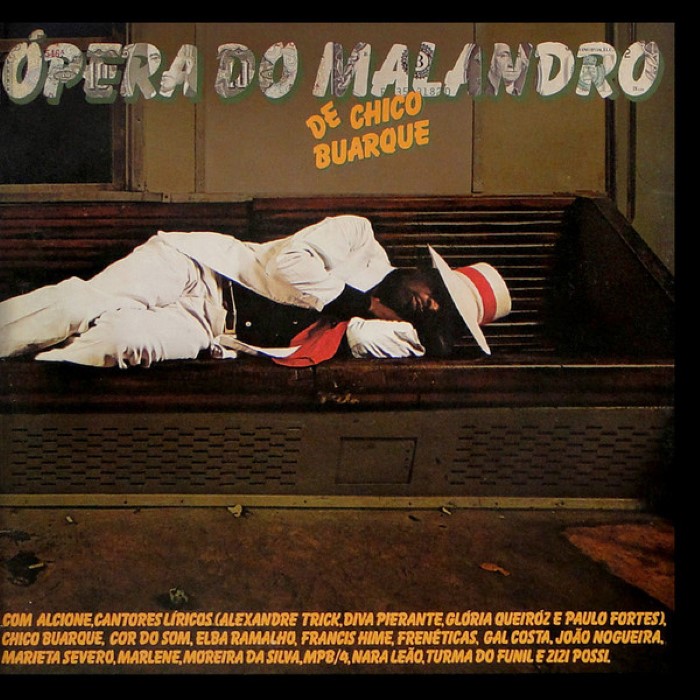
Ópera do malandro
1979
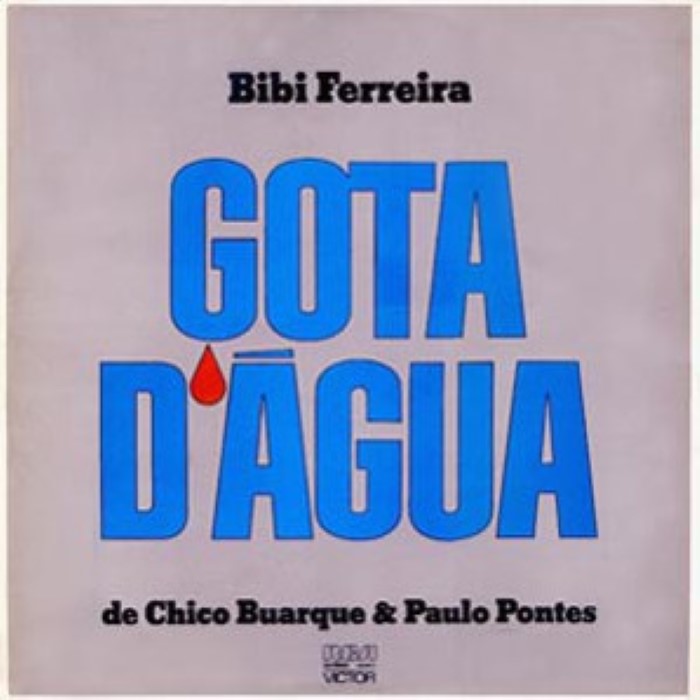
Gota d'água
1977
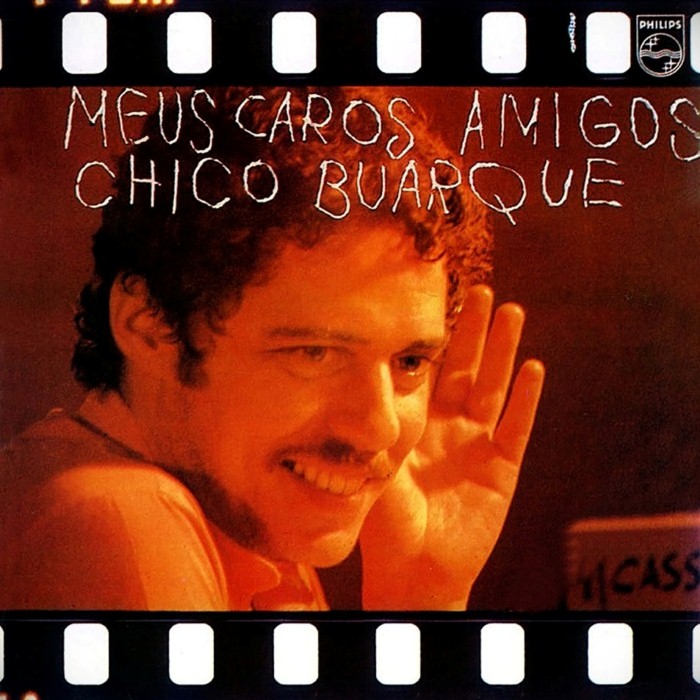
Meus caros amigos
1976
Chico Canta
1973

Caetano E Chico Juntos E Ao Vivo
1972
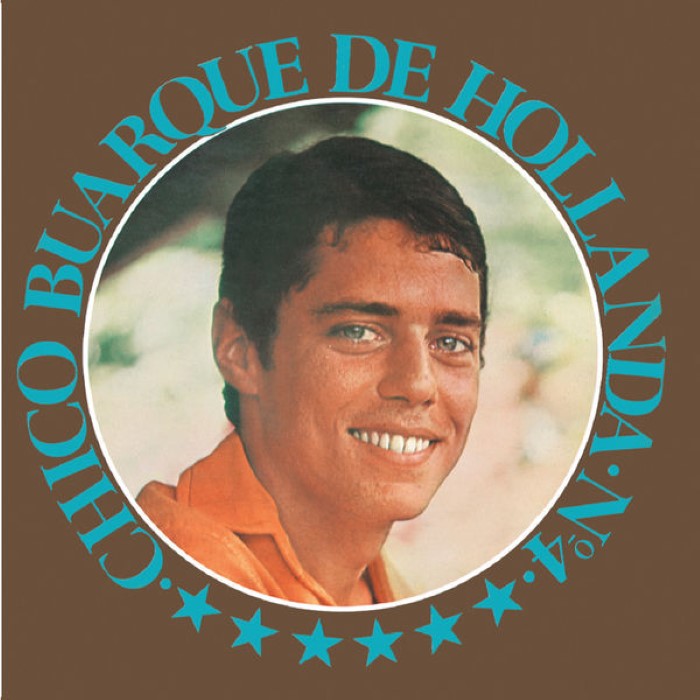
Chico Buarque de Hollanda, Volume 4
1970

Chico Buarque de Hollanda Vol. 3
1968
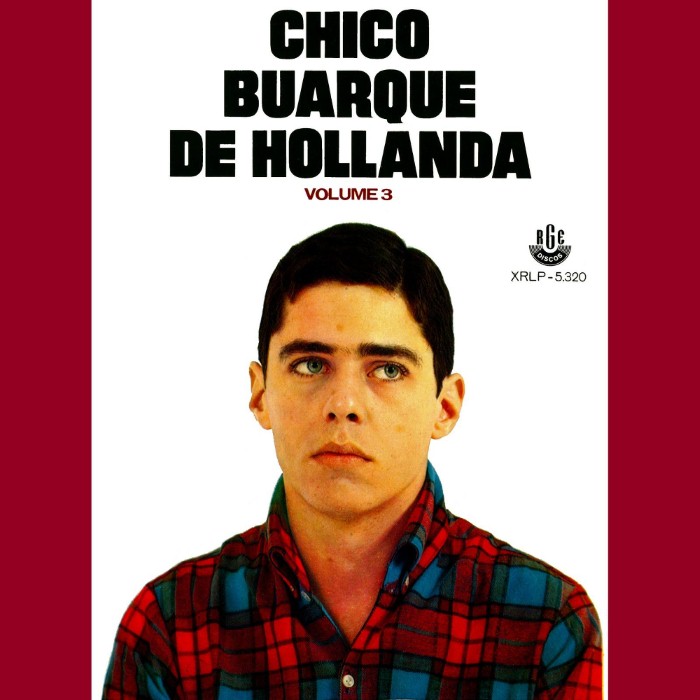
Chico Buarque de Hollanda, Volume 3
1968
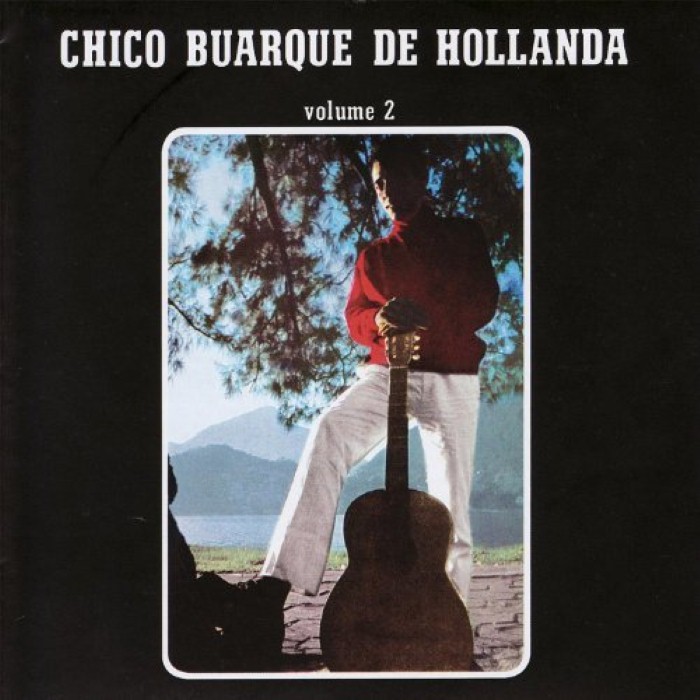
Chico Buarque de Hollanda, Volume 2
1967

Chico Buarque de Hollanda Vol. 2
1967


Popular tracks
Trending this week
Most viewed
Singles & EPs
8


Appears on
4Releases by other artists featuring Chico Buarque.


Featured tracks
4
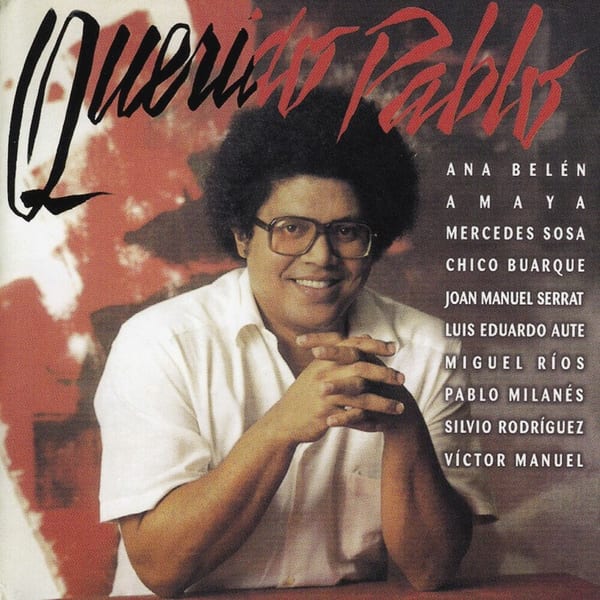
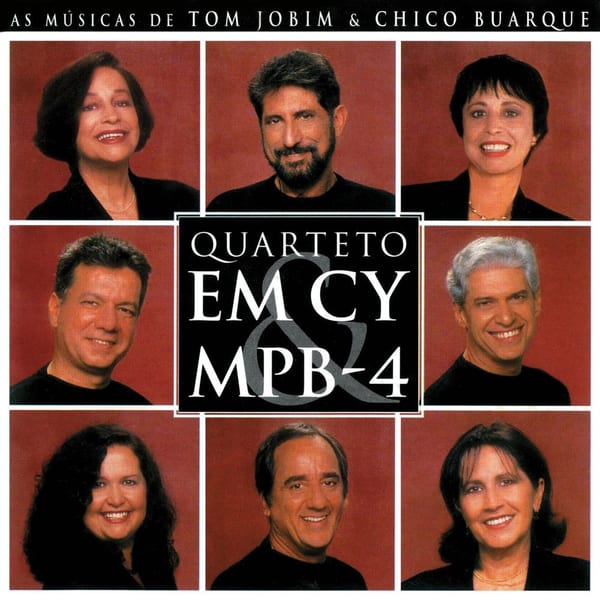
 Dois Irmaos (Morro Dois Irmaos) (feat. Chico Buarque)Fiorella Mannoia · Onda Tropicale
Collaborators
3


Community
More about Chico Buarque
About
Francisco "Chico" Buarque de Hollanda (born June 19, 1944 in Rio de Janeiro, Brazil), popularly known as Chico Buarque, is a singer, guitarist, composer, dramatist, writer and poet. He is best known for his music, which often includes social, economic and cultural commentary on Brazil and Rio de Janeiro in particular. Son of the academic Sérgio Buarque de Hollanda, Buarque lived in several locations throughout his childhood, though mostly in Rio de Janeiro, São Paulo and Italy. He wrote and studied literature as a child and came to music through the bossa nova compositions of Tom Jobim and João Gilberto. He performed music throughout the 1960s as well as writing a play that was deemed dangerous by the Brazilian military dictatorship of the time. Buarque, along with several of his fellow musicians, were threatened by the government and eventually left Brazil in 1970. He moved to Italy again. However, he came back to Brazil in 1971, one year before the others, and continued to record albums, perform, and write, though much of his material was not allowed by government censors.
Read moreRead less
He released several more albums in the 1980s and published three novels in the 1990s and 2000s, all of which were acclaimed critically. Buarque came from an intellectually privileged family background—his father Sérgio Buarque de Holanda was a well-known historian, sociologist and journalist and his mother Maria Amélia Cesário Alvim was a painter and pianist. He is also brother of the singer Miúcha and politician Ana de Hollanda. As a child, he was impressed by the musical style of bossa nova, specifically the work of Tom Jobim and João Gilberto. He was also interested in writing, composing his first short story at 18 years old and studying European literature, also at a young age. One of his most consuming interests, however, was playing soccer, beginning at age four, which he still does today. Though he was born in Rio de Janeiro, Buarque spent much of his childhood in Rio de Janeiro, São Paulo and Italy. Before becoming a musician, Buarque decided at one point to study architecture at the University of São Paulo, but this choice did not lead to a career in that field; for Buarque often skipped classes. He made his public debut as musician and composer in 1964, rapidly building his reputation at music festivals and television variety shows when bossa nova rhythm came to light and Nara Leão recorded three of his songs. His eponymous debut album exemplified his future work, with catchy sambas characterized by inventive wordplay and an undercurrent of nostalgic tragedy. Buarque had his first hit with "A Banda" in 1966, written about a marching band, and soon released several more singles. Although playing bossa nova, during his career, samba and Música Popular Brasileira would also be widely explored. Despite that, Buarque was criticized by two of the leading musicians at the time, Caetano Veloso and Gilberto Gil as they believed his musical style was overly conservative. However, an existentially themed play that Buarque wrote and composed in 1968, Roda Viva ("Live Circle"), was frowned upon by the military government and Buarque served a short prison sentence because of it. He left Brazil for Italy for 18 months in 1970, returning to write his first novel in 1972, which was not targeted by censors. At this time his thinly veiled protest single "Apesar de Você" ("In spite of You" – in reference to the military dictatorship) was also produced. ("In spite of you") was overlooked by the military censors, becoming an important anthem in the democratic movement. After selling over 100,000 copies, the single was eventually censored and removed from the market. At one point in 1974, the censors banned any song authored by Chico Buarque. Then, he created a pseudonym, naming himself "Julinho da Adelaide", complete with life history and interviews to newspapers. "Julinho da Adelaide" authored songs such as "Jorge Maravilha" and "Acorda amor" before he was outed in Jornal do Brasil news story. Buarque also wrote a play named Calabar, about the Dutch invasion of Brazil in the seventeenth century, drawing parallels with the military regime. Despite the censorship, songs such as "Samba de Orly" (1970), "Acorda amor" (1974, as "Julinho da Adelaide") manifested Buarque's continuing opposition to the military regime. During the 1970s and 1980s, he collaborated with filmmakers, playwrights, and musicians in further protest works against the dictatorship. Buarque approached the 1983 Concert for Peace in Nicaragua as a valid forum to vocalize his strong political views. Throughout the decade, he crafted many of his songs as vehicles to describe the re-democratization of Brazil. The Concert for Peace in Nicaragua was one in a concert series known as the "Central American Peace Concerts." These concerts featured various Latin American artists. The political turmoil that plagued this era were expressed in many of Buarque's songs. He later wrote Budapeste, a novel that achieved critical national acclaim and won the Prêmio Jabuti, a Brazilian literary award comparable to the Man Booker Prize.
Chico Buarque in brief
- How many Chico Buarque releases are on Riffiter?
- 70 releases are catalogued, spanning 1966 to 2026.
- When was Chico Buarque formed?
- Chico Buarque formed in 1962, in Rio de Janeiro, Brazil.
- What is the most recent Chico Buarque release on Riffiter?
- Sueño con serpientes, released in 2026.